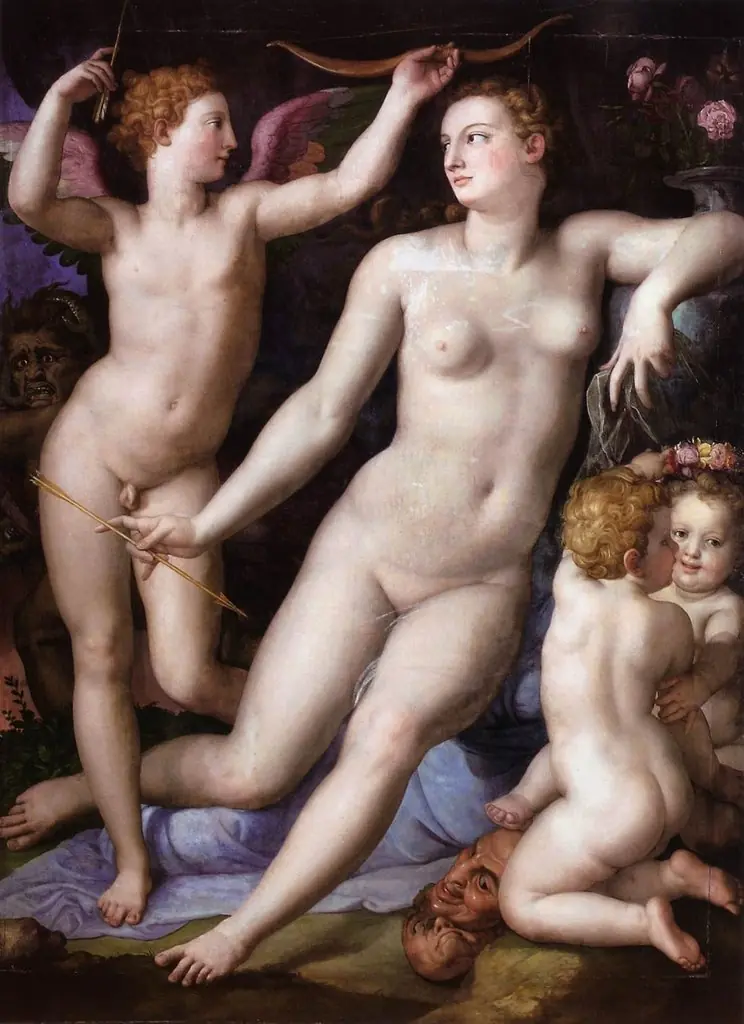
Artwork
Venus and Two Cupids
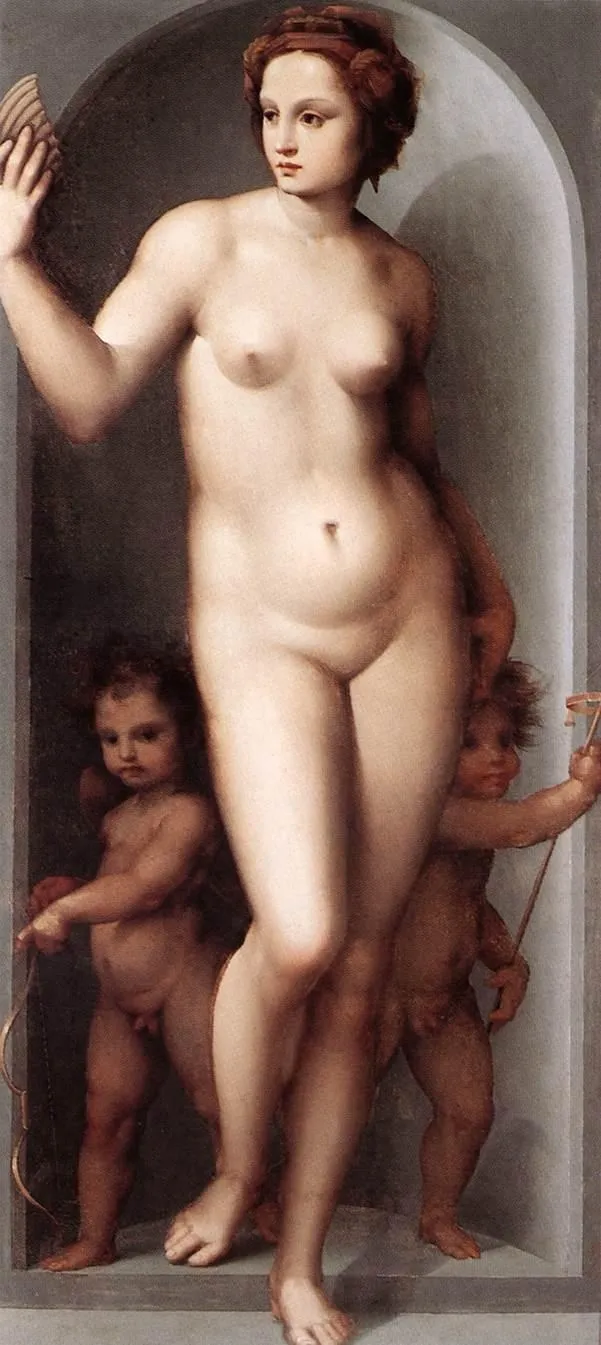
Venus and Two Cupids is an oil painting by the Mannerist artist Andrea del Brescianino. It dates from 1520 and is held in the collection of the Galleria Borghese.
About this work
Overview
Venus and Two Cupids, an oil painting from around 1520, is a work of the Mannerist movement by Andrea del Brescianino, a Renaissance painter primarily active in Siena. It is now part of the Galleria Borghese collection.
Subject & Meaning
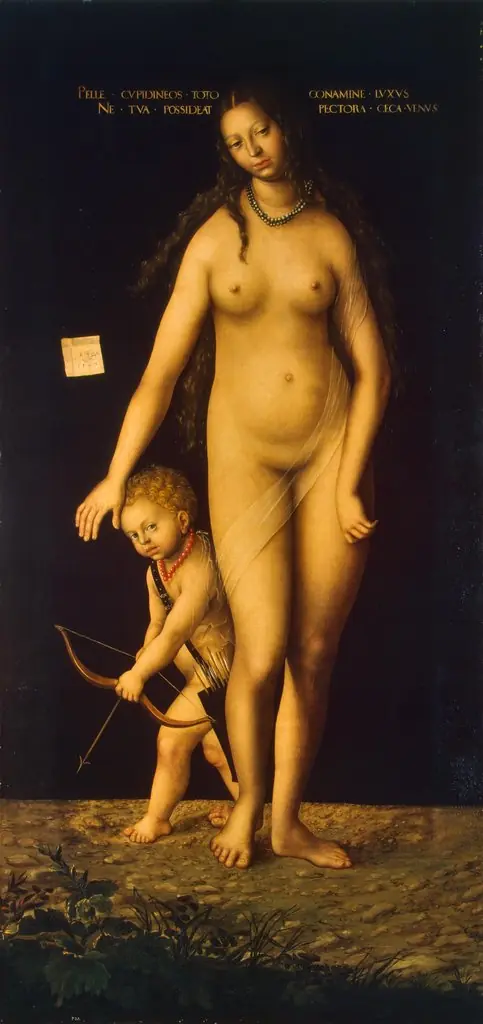
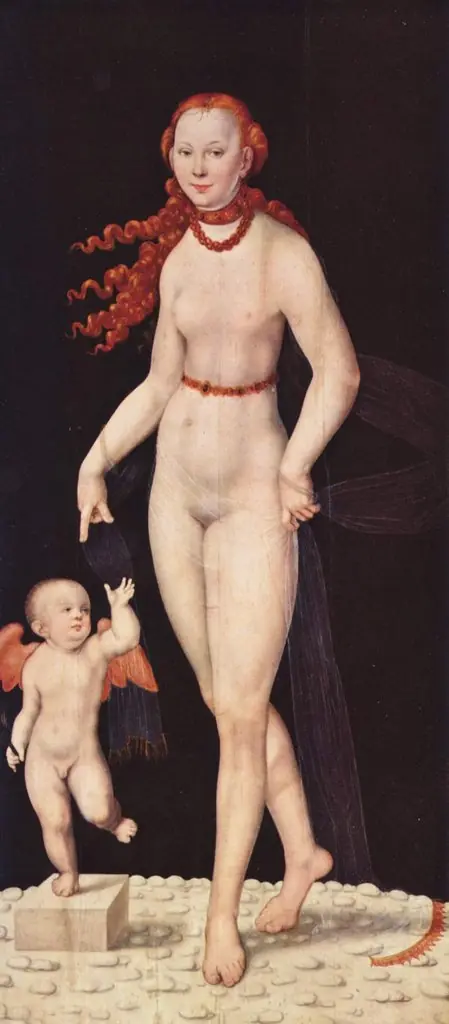
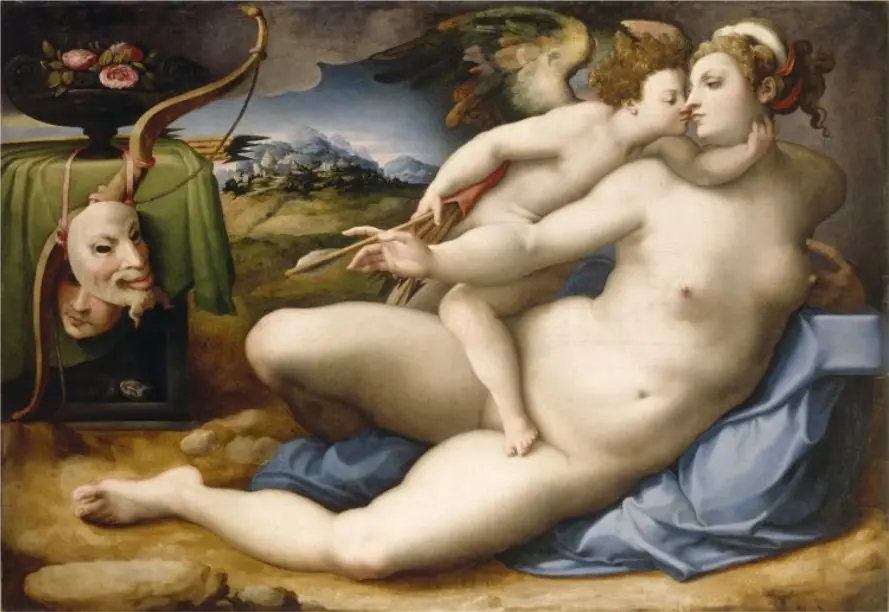
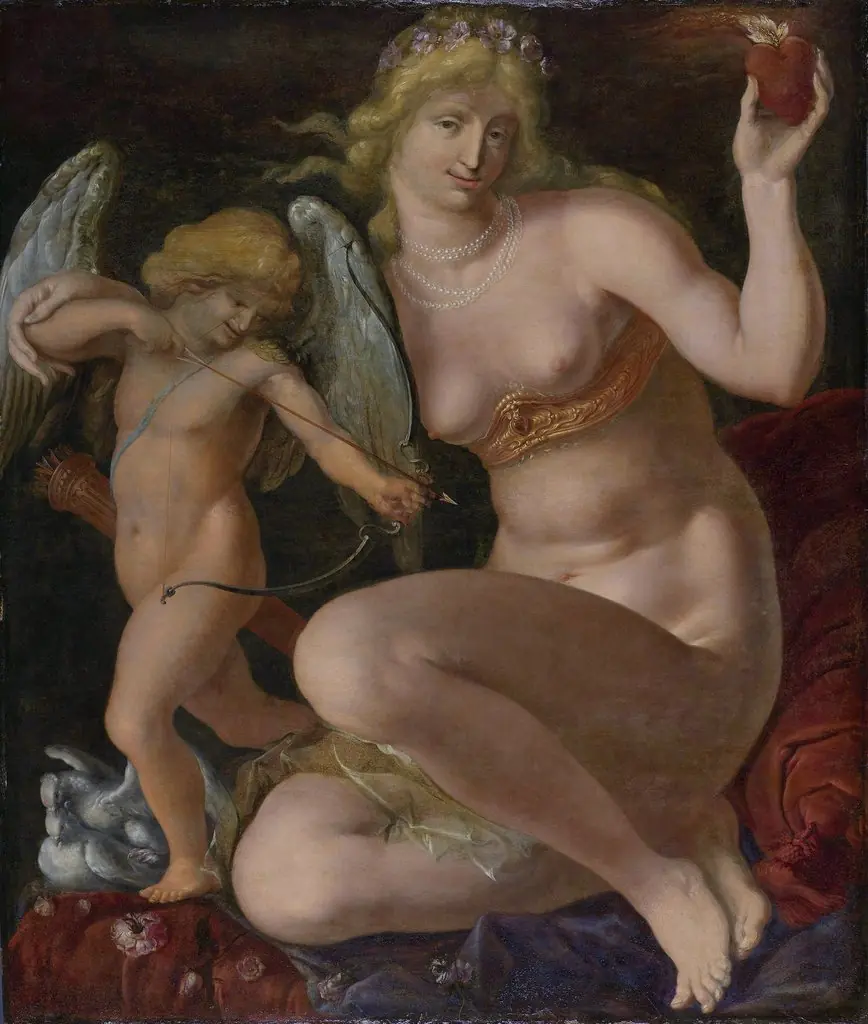
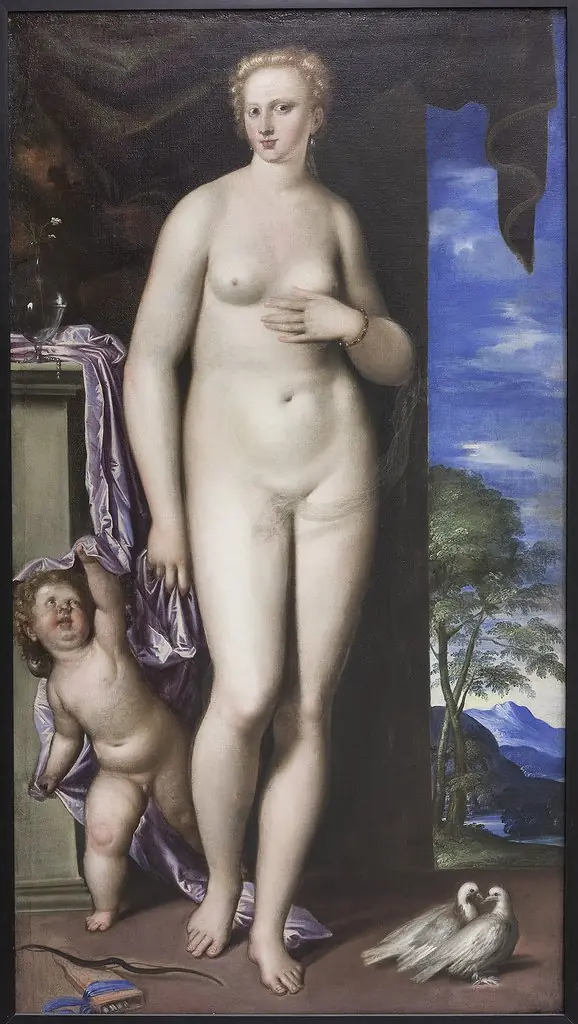
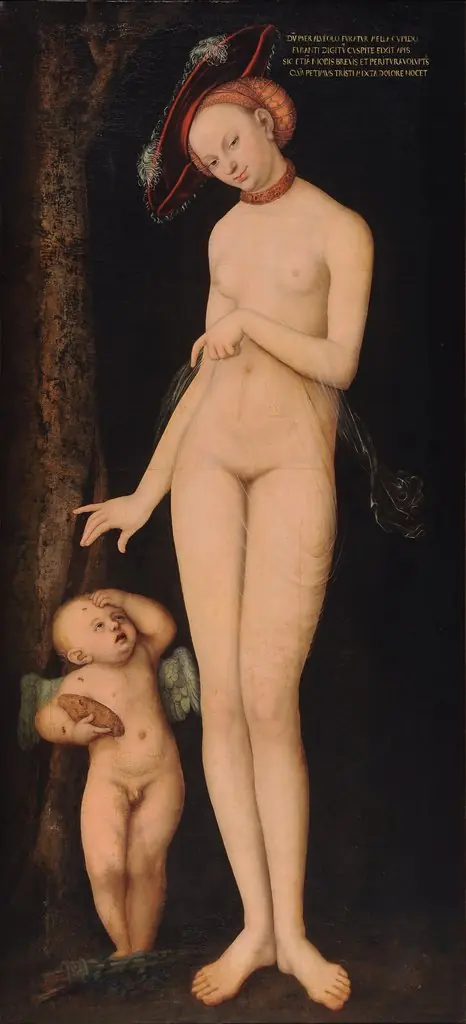
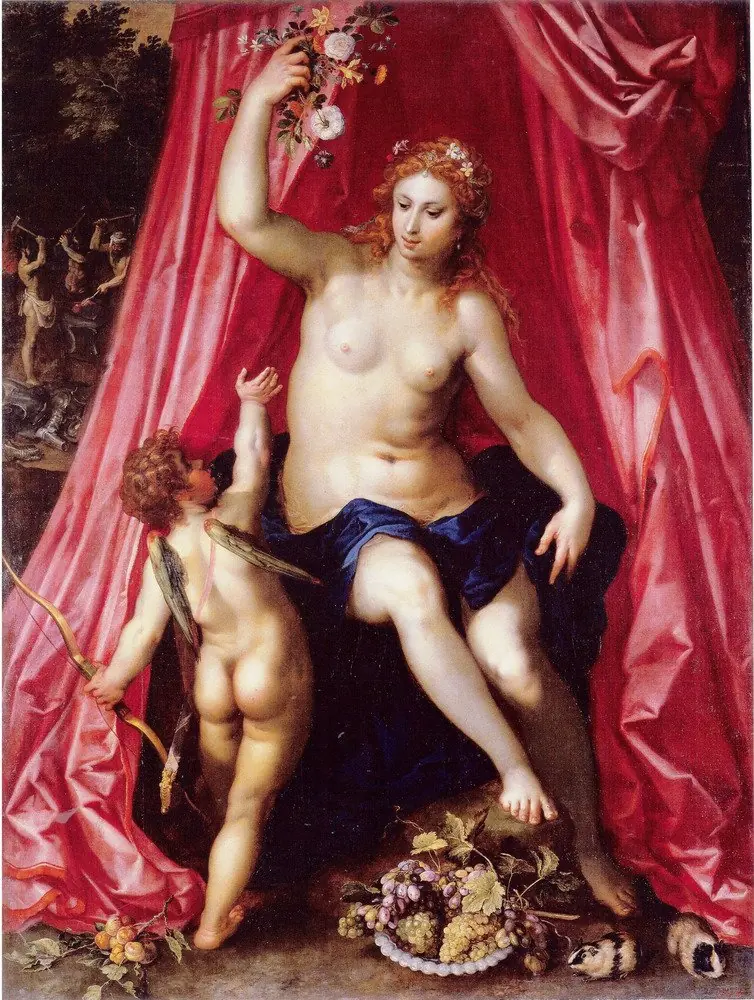
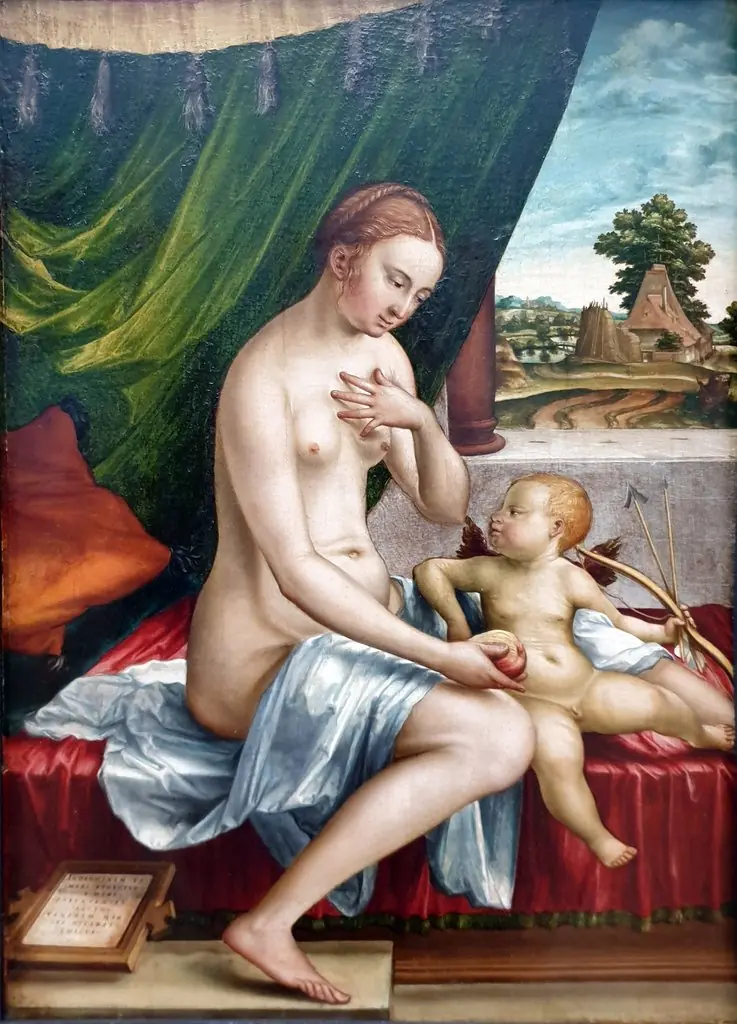
The painting depicts a mythological scene featuring a nude woman, identified as Venus, standing in an arched alcove. Two small children, representing Cupids, cling to her legs, attempting to pull her back. The interpretation of this interaction is open, potentially symbolizing the complexities of love or Venus's reluctance to leave a scene.
Technique & Style
Characterized by softness and delicacy, the painting showcases a range of flesh tones, from the woman's pale skin to the children's rosy cheeks. The composition, set against a plain gray background, emphasizes the gentle curves of the figures, highlighting Brescianino's Mannerist approach to form and space.
History & Provenance
Created circa 1520, the painting's early history is not detailed in the provided sources. It is known to be part of the Galleria Borghese's collection, indicating its eventual placement within a prominent Italian art repository.
Context
As a Mannerist work, Venus and Two Cupids reflects the stylistic tendencies of early 16th-century Italy, emphasizing emotional intensity and unconventional composition. Brescianino's Sienese background may have influenced the work's subtle, nuanced approach to mythological themes.
Legacy
While specific influences or direct artistic lineage are not provided, the painting contributes to the broader understanding of Mannerist developments in Siena during the Renaissance, offering insights into the period's artistic explorations of myth and emotion.
Artist & collection
Artist
Andrea del Brescianino or Dei Piccinelli was an Italian painter of the Renaissance period, active mainly in Siena. Together with his brother Raffaello they were known as the Brescianini of Siena.