Artwork
Saint Nicholas of Bari
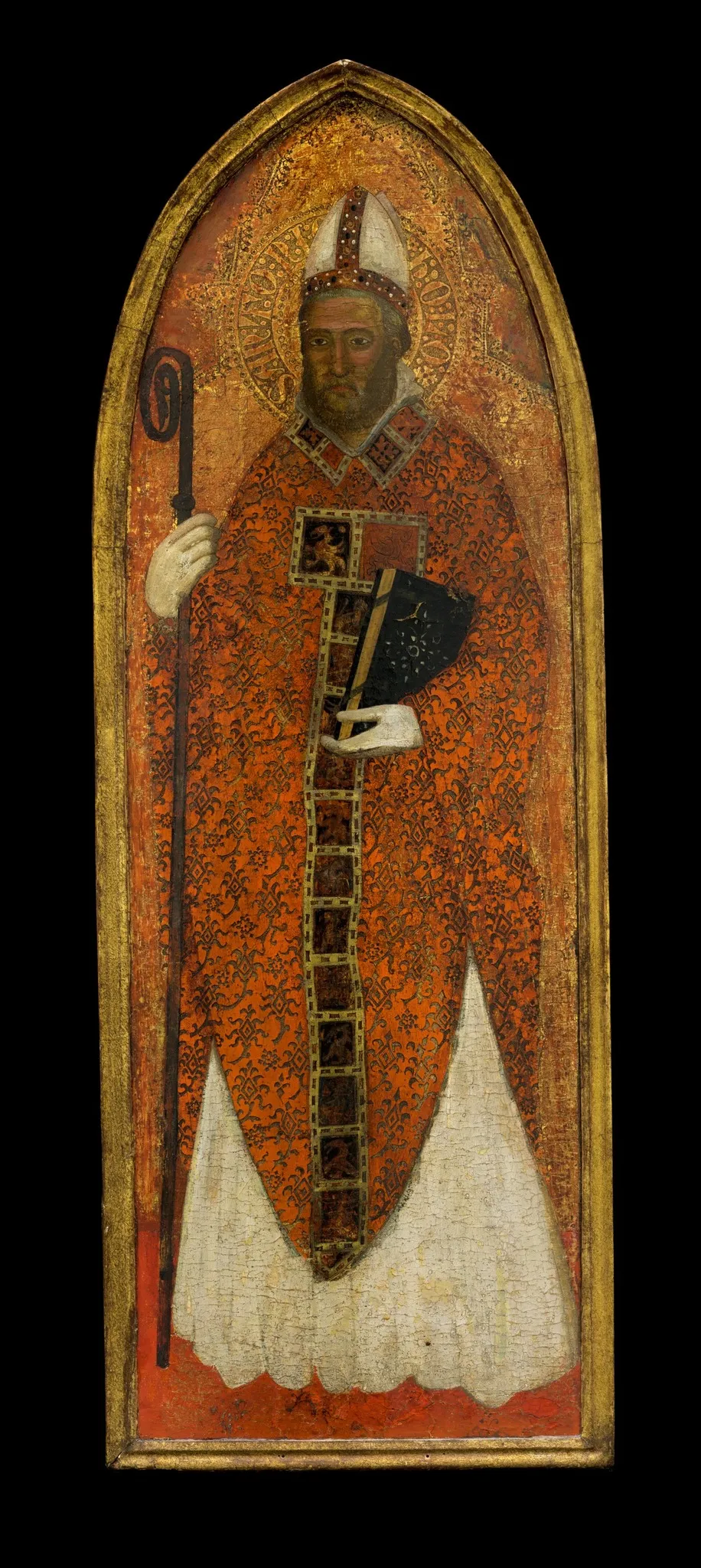
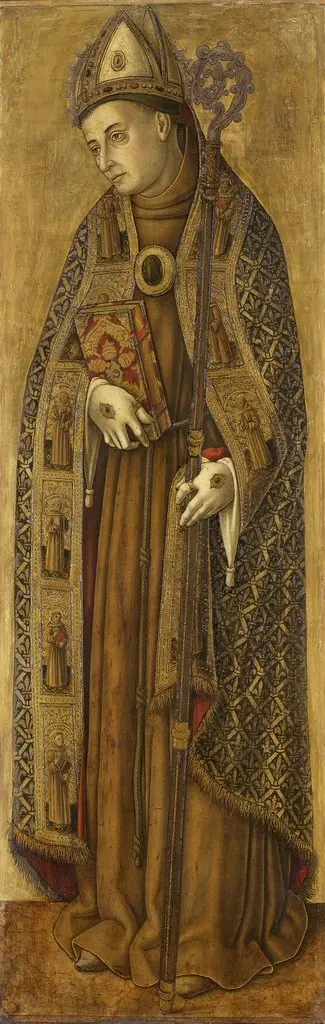
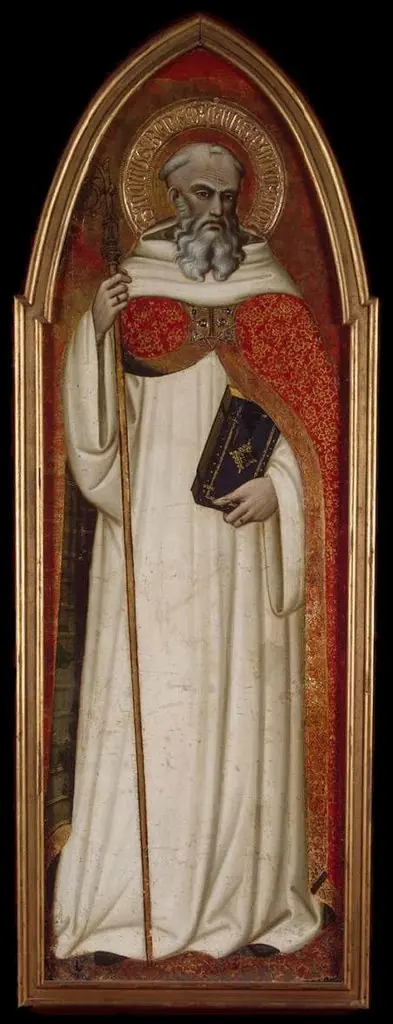
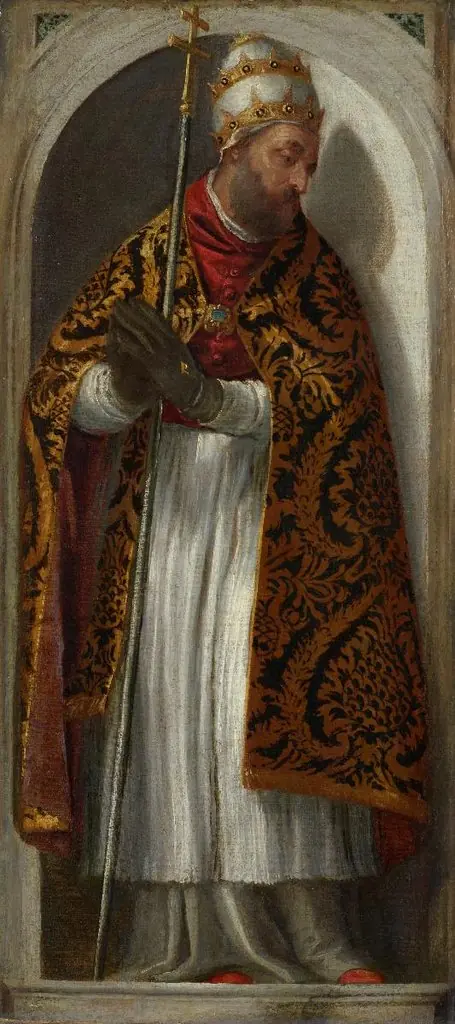
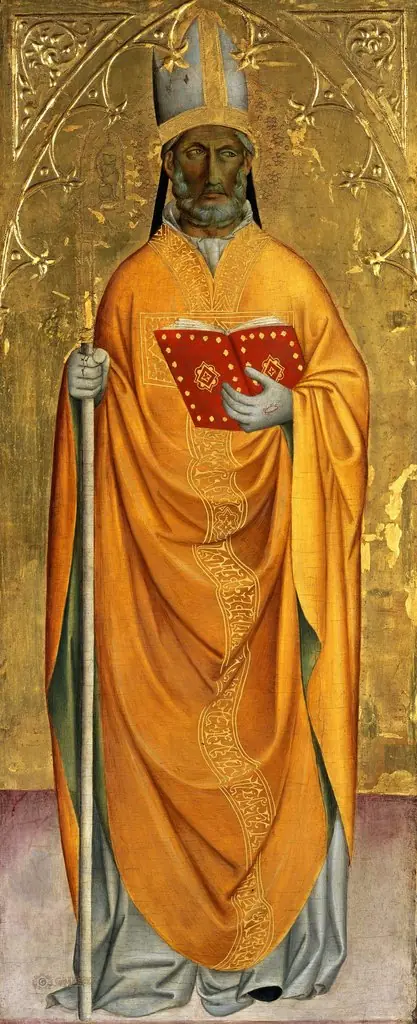
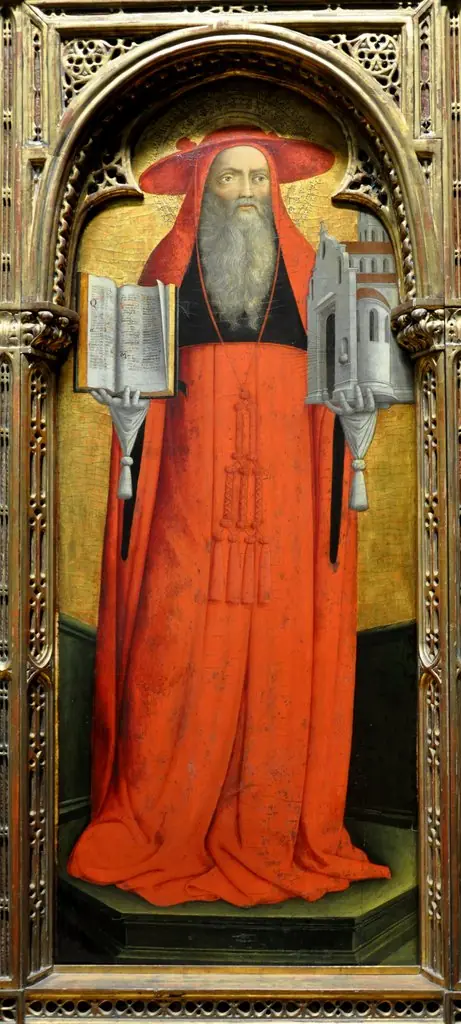
Saint Nicholas of Bari is an unspecified painting by the Byzantine icon painting artist Andrea di Giusto. It dates from 1365 and is held in the collection of the Museum of Fine Arts, Houston.
About this work
Overview
Attributed to Andrea di Giusto, a Florentine artist active in the first half of the 15th century, this panel painting depicts Saint Nicholas of Bari.
Attributed to Andrea di Giusto, a Florentine artist active in the first half of the 15th century, this panel painting depicts Saint Nicholas of Bari. Though traditionally dated to 1365, this conflicts with the artist’s documented activity between 1420 and 1450, suggesting a possible misattribution or later dating. The work reflects transitional styles between late Gothic traditions and emerging Renaissance naturalism, characteristic of regional Florentine painting of the period.
Subject & Meaning
Saint Nicholas, bishop of Myra and patron of children and sailors, is portrayed in ecclesiastical regalia: a red chasuble with black ornamentation, a white alb, and a mitre edged in red. He holds a pastoral staff, symbolizing spiritual authority, and a closed book, likely representing the Gospels or his theological writings. The composition follows Byzantine conventions, emphasizing sacred presence over individualized expression, aligning with devotional purposes of the era.
Technique & Style
The painting employs tempera on wood, with fine brushwork rendering intricate patterns on the robe and book. Gold leaf outlines the border, enhancing luminosity and sacredness. Color is rich but restrained, with red and gold dominating to convey holiness. Textural details—such as the black floral motifs on the garment—show influence from earlier Gothic masters like Lorenzo Monaco, while the figure’s solid form hints at early Renaissance spatial awareness.
History & Provenance
The painting entered the collection of the Museum of Fine Arts, Houston, though its earlier ownership history remains undocumented. Its stylistic features suggest it was produced in Florence during the early 15th century, possibly for private devotion or a small chapel. The discrepancy between the traditional 1365 date and the artist’s known career raises questions about its origin, potentially indicating a later attribution or workshop production.
Context
In early 15th-century Tuscany, religious imagery retained strong Byzantine elements even as artists began incorporating perspective and anatomical realism. Andrea di Giusto operated between these two worlds, absorbing the elegance of Lorenzo Monaco and the structural clarity of Masaccio. This Saint Nicholas reflects a regional adaptation of sacred portraiture, where tradition remained central to devotional practice despite evolving artistic trends.
Legacy
Though not among the most celebrated works of the period, the painting exemplifies the quiet continuity of devotional art in Florence during the transition to the Renaissance. It preserves the visual language of sanctity familiar to medieval viewers while subtly integrating innovations in form and detail. Its preservation in a major American museum allows continued study of provincial Florentine painting beyond the works of its better-known masters.
Artist & collection
Artist
Andrea di Giusto (c. 1400- 2 September 1450, Florence), rarely also known as Andrea Manzini or Andrea di Giusto Manzini was a Florentine painter of the late Gothic to early Renaissance style in Florence and its…