Artwork
Dido
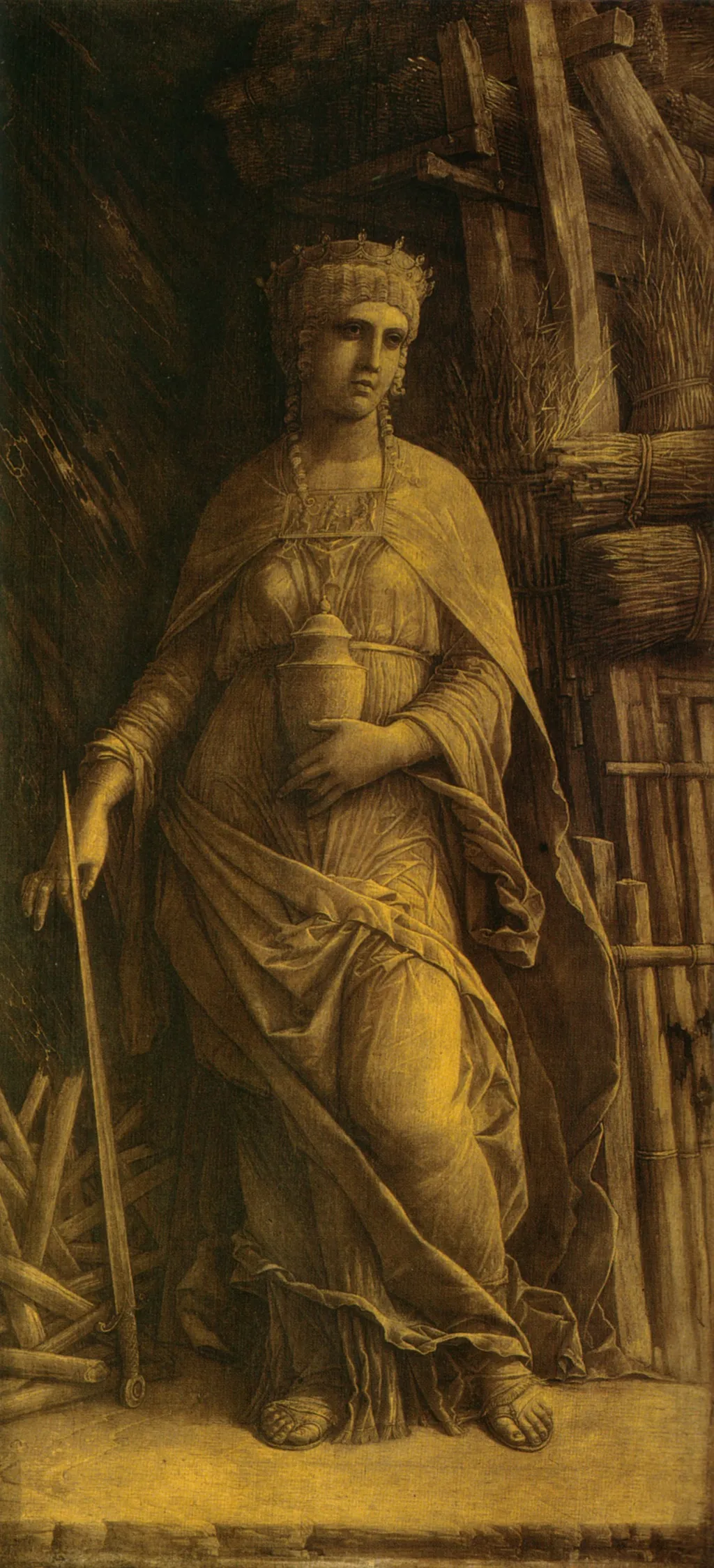
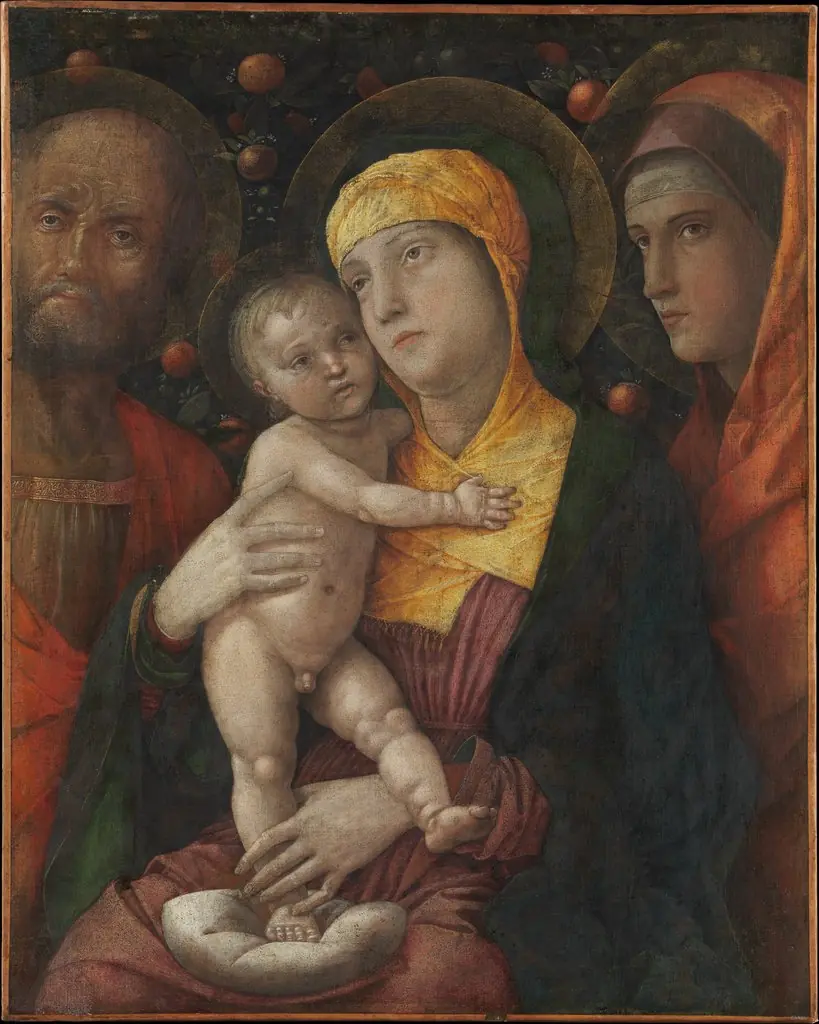
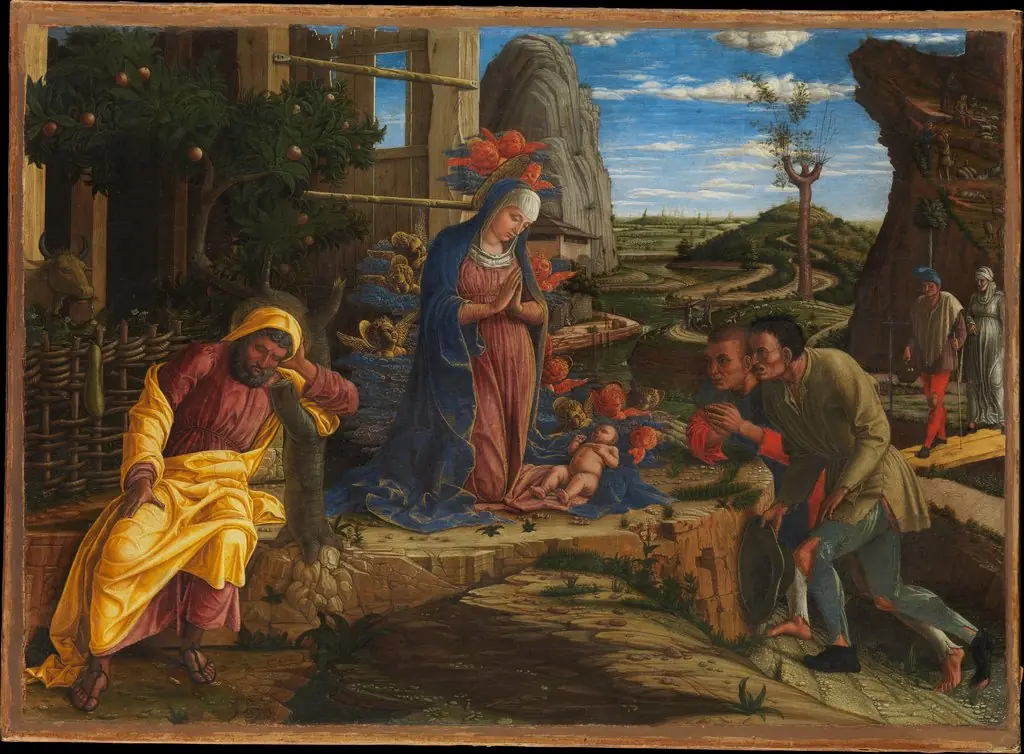
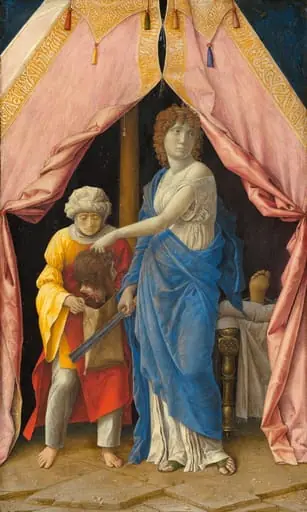
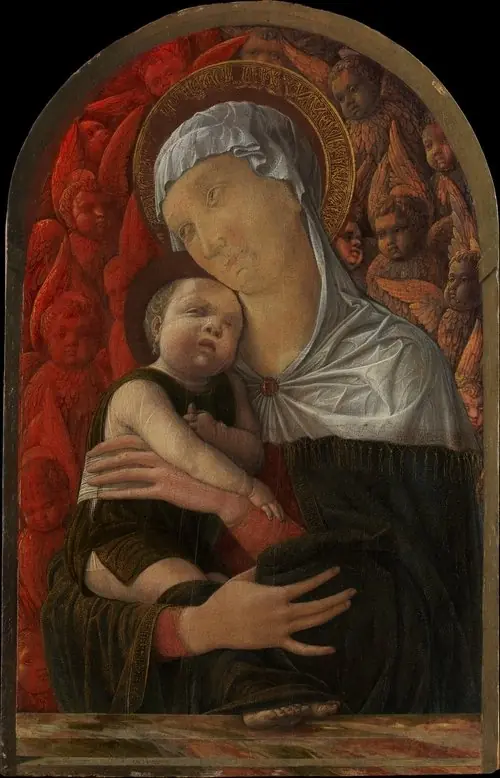
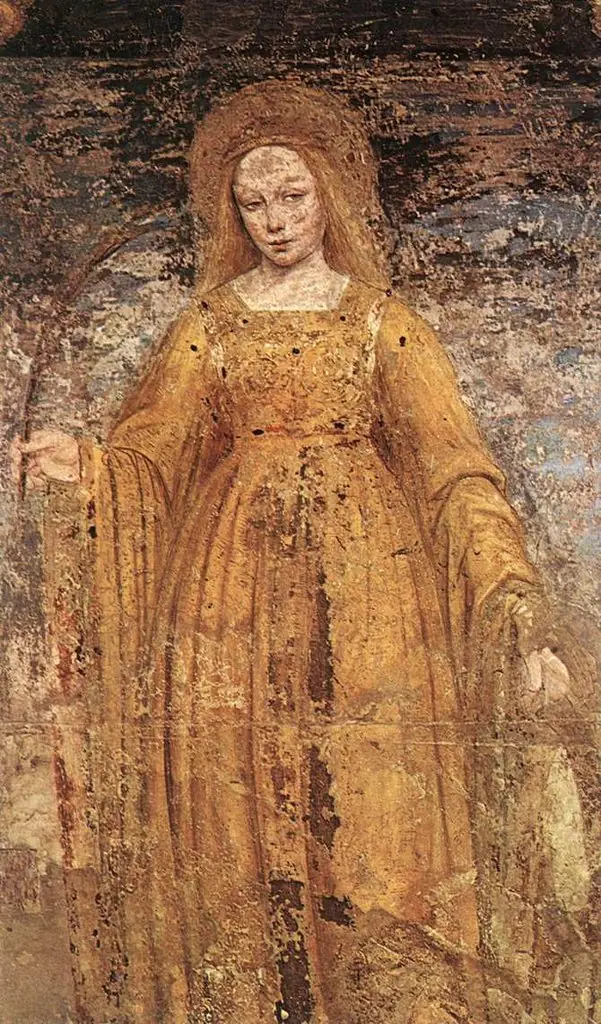
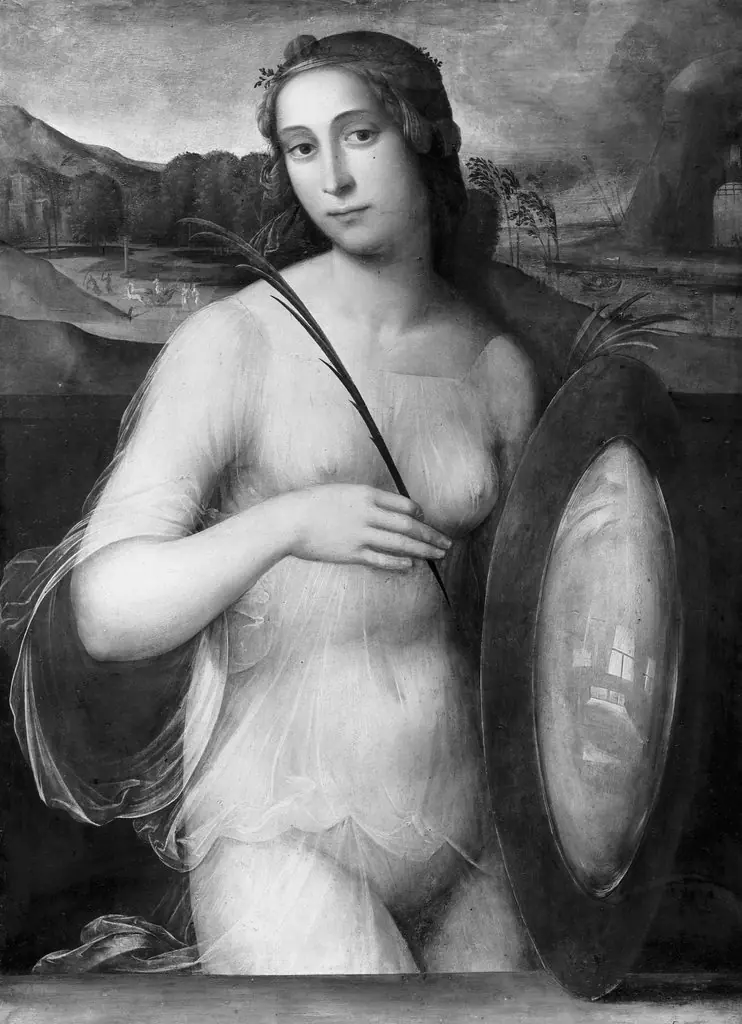
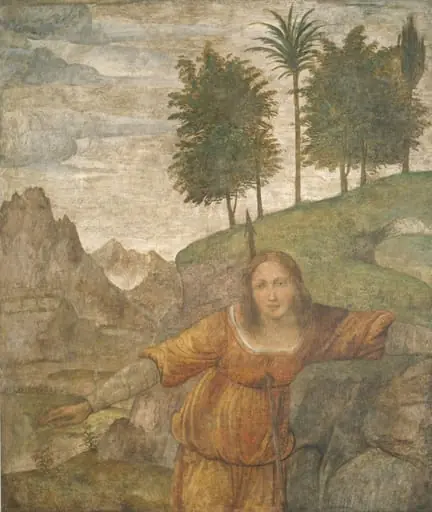
Dido is a tempera painting by the Mannerist artist Andrea Mantegna. It dates from 1498 and is held in the collection of the Montreal Museum of Fine Arts.
About this work
Overview
Created in 1498, this tempera painting by Andrea Mantegna portrays the legendary queen Dido. Executed in the late‑Renaissance Mannerist idiom, the work is held by the Montreal Museum of Fine Arts. The composition centers on a solitary female figure, rendered with the sculptural clarity characteristic of Mantegna’s practice.
Subject & Meaning
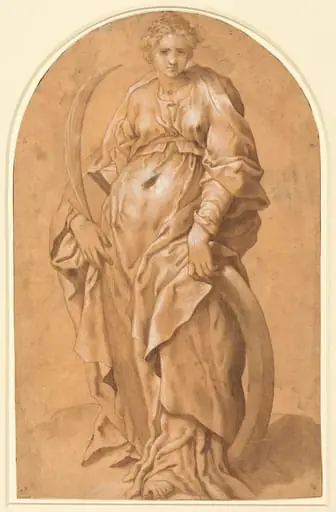
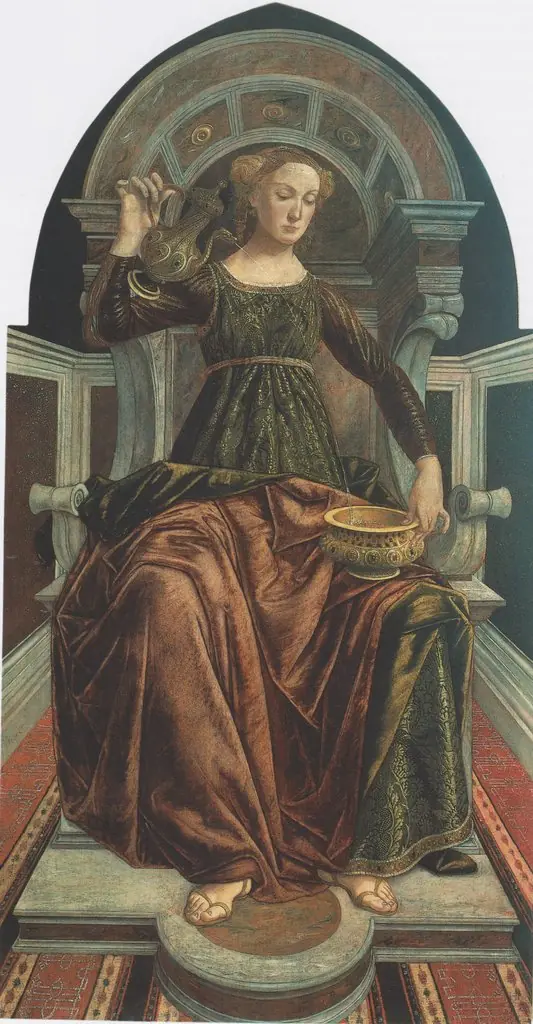
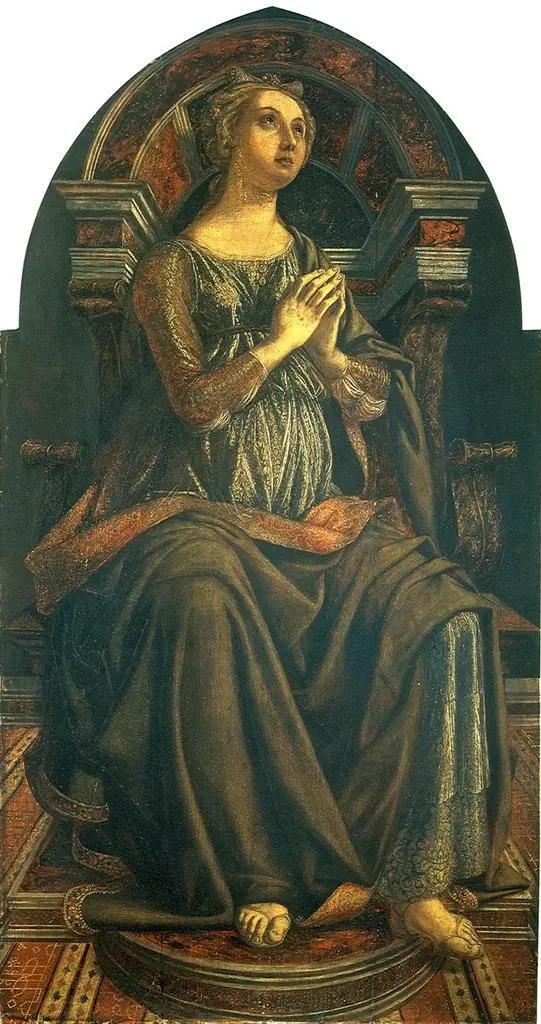
The subject is the mythic founder‑queen of Carthage, shown standing before a wooden structure that may suggest a building or a ship. She wears a flowing robe and a crown, holding a staff that underscores her regal authority. Her solemn expression and downward gaze convey a mood of dignified resignation, echoing the tragic dimensions of Dido’s story.
Technique & Style
Mantegna employed tempera, a fast‑drying medium that permits precise detailing and luminous coloration. The painting displays his hallmark sharp outlines and a sculptural treatment of forms, giving the figure a three‑dimensional presence against a dark background that heightens contrast. The composition reflects Mannerist tendencies toward elongated poses and heightened emotional tone.
History & Provenance
Since its creation, the work has remained within private and institutional collections before entering the holdings of the Montreal Museum of Fine Arts. Its attribution to Mantegna is supported by stylistic analysis linking it to his known oeuvre of late‑15th‑century tempera paintings.
Artist & collection
Artist
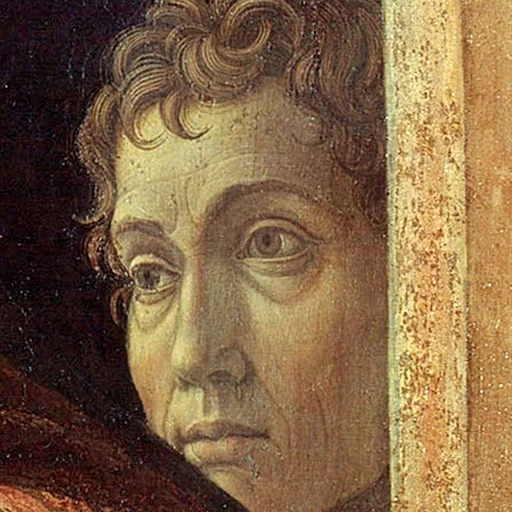
Andrea Mantegna (UK: , US: ; Italian: ; c. 1431 – September 13, 1506) was an Italian Renaissance painter, a student of Roman archaeology, and the son-in-law of Jacopo Bellini. Like other artists of the time, Mantegna…