Artwork
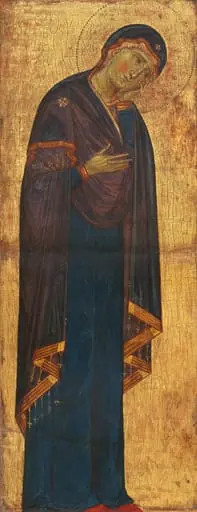
The Virgin Annunciate
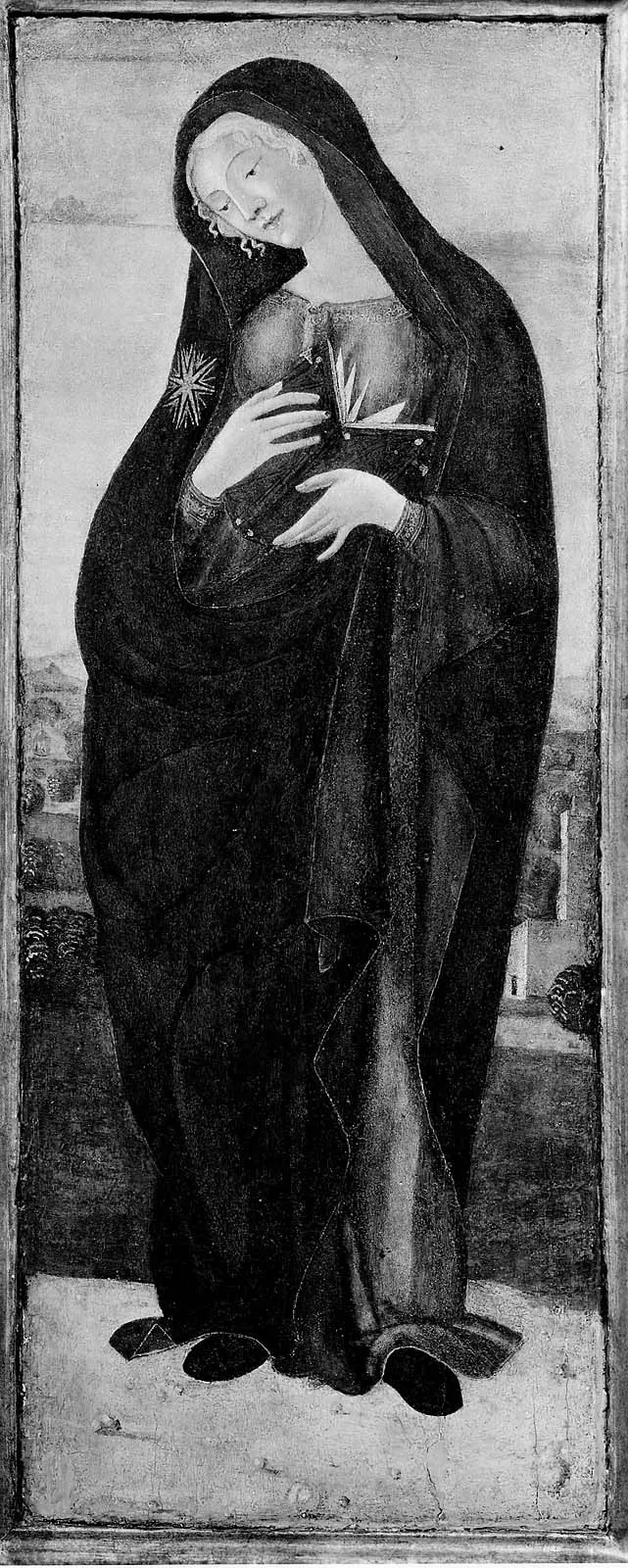
The Virgin Annunciate is an unspecified painting by Neroccio de' Landi. It is held in the collection of the Museum of Fine Arts Boston.
About this work
Overview
The Virgin Annunciate is a 15th-century religious painting by Neroccio di Bartolomeo de' Landi, a Sienese artist of the Quattrocento period. The work is now part of the collection at the Museum of Fine Arts, Boston.
Subject & Meaning
The painting portrays the Virgin Mary at the moment of the Annunciation, a pivotal event in Christian iconography where the Archangel Gabriel announces her impending motherhood of Jesus. Mary is depicted in a contemplative pose, conveying humility and acceptance.
Technique & Style
Characterized by simplicity and restraint, the painting features a subdued color palette with Mary in a dark robe over a lighter dress, adorned with a decorative starburst motif. The composition emphasizes her quiet dignity through clasped hands and downward gaze, set against an indistinct light background.
History & Provenance
Created in the late 15th century, The Virgin Annunciate reflects Neroccio's training under Vecchietta and his collaborative work with Francesco di Giorgio, typical of Sienese artistic practices of the time. Its current location is the Museum of Fine Arts, Boston.
Context
As a devotional image, The Virgin Annunciate would have been used for personal or liturgical worship, embodying the religious devotion characteristic of the Quattrocento. It aligns with Neroccio's output of altarpieces and devotional artworks.
Legacy
While specific impact on later artists is not widely documented, The Virgin Annunciate remains a representative example of Sienese Quattrocento art, offering insights into the style and religious themes of 15th-century Italy.
Artist & collection


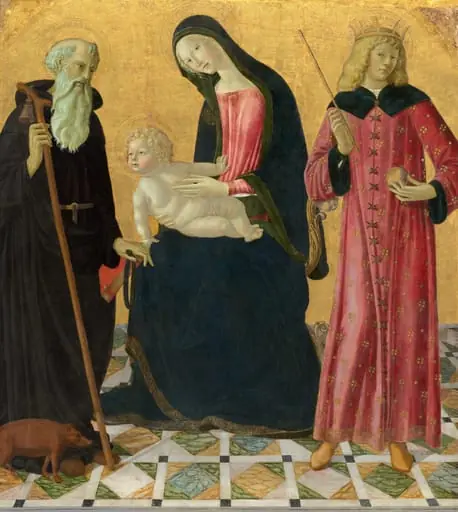 Madonna and Child with Saint Anthony Abbot and Saint Sigismund
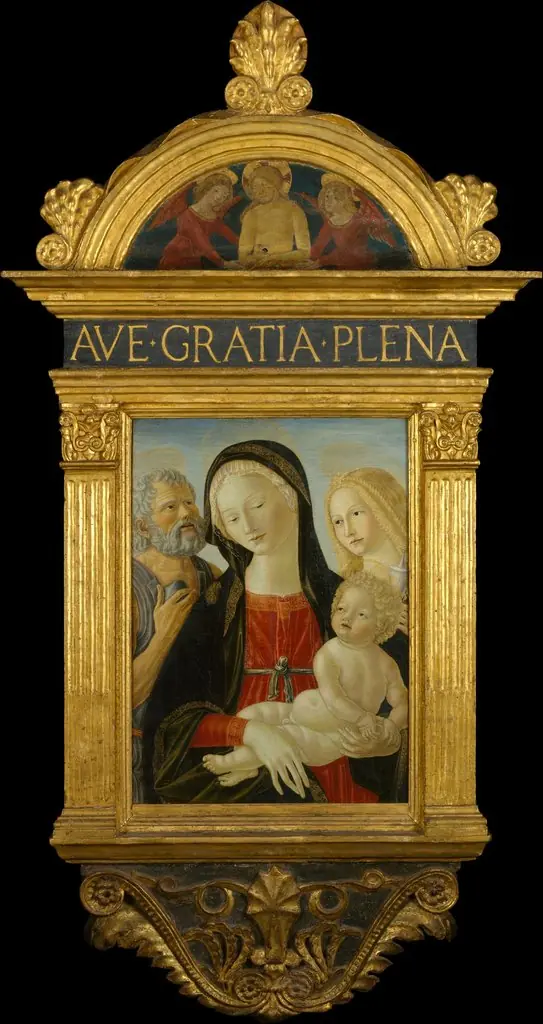 Madonna and Child with Saints Jerome and Mary Magdalen
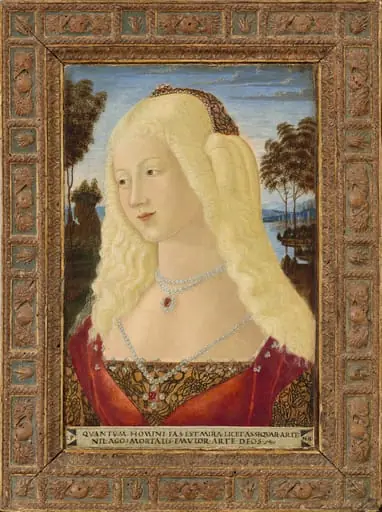 Portrait of a Lady
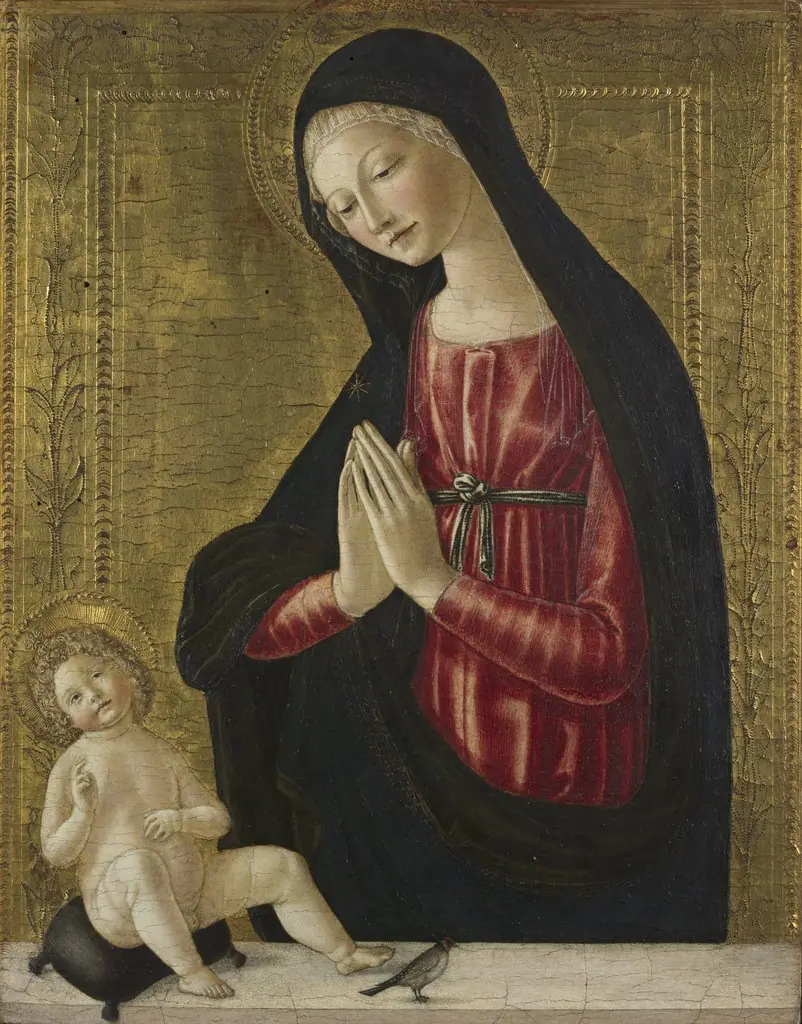 Virgin and Child with a Goldfinch
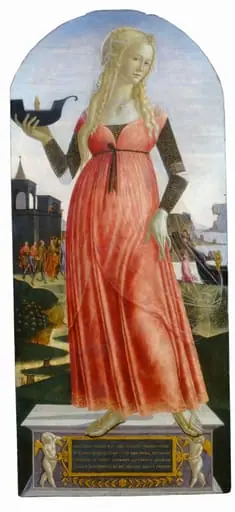 Claudia Quinta
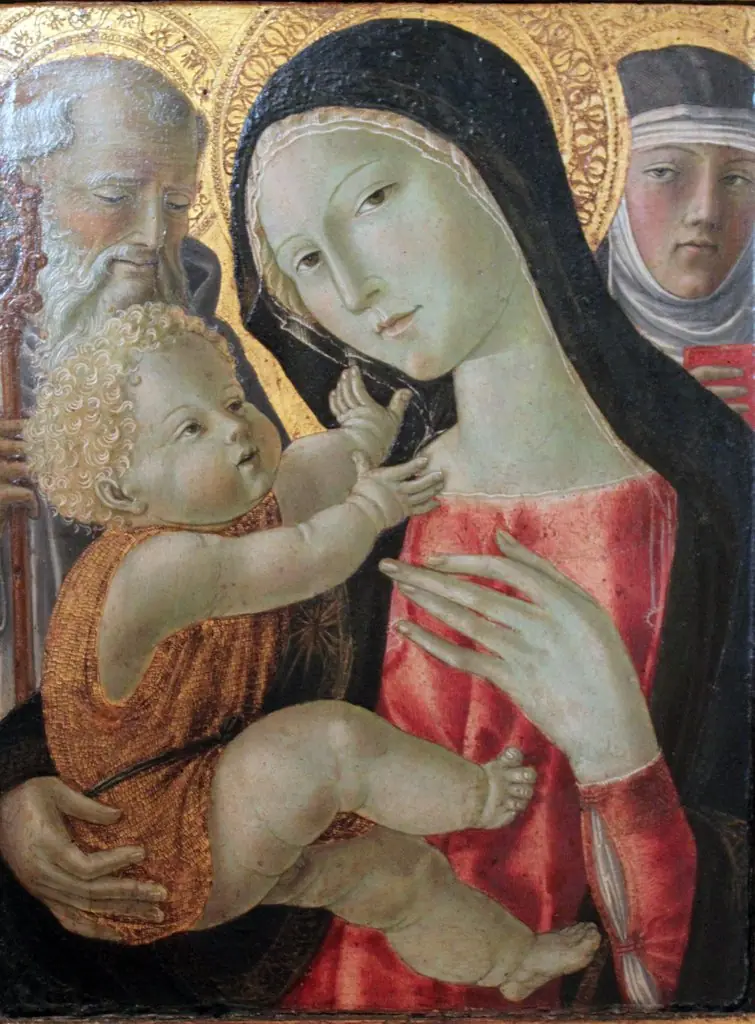 The Virgin and Child, St. Benedict and Saint Catherine of Siena
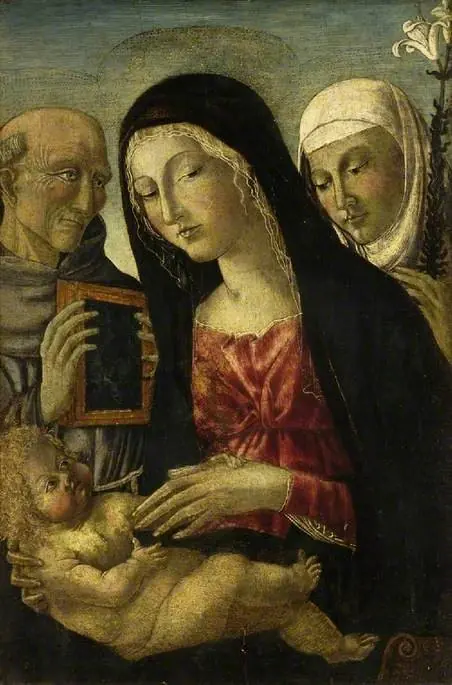 Virgin and Child with St Bernardino and St Catherine of Siena
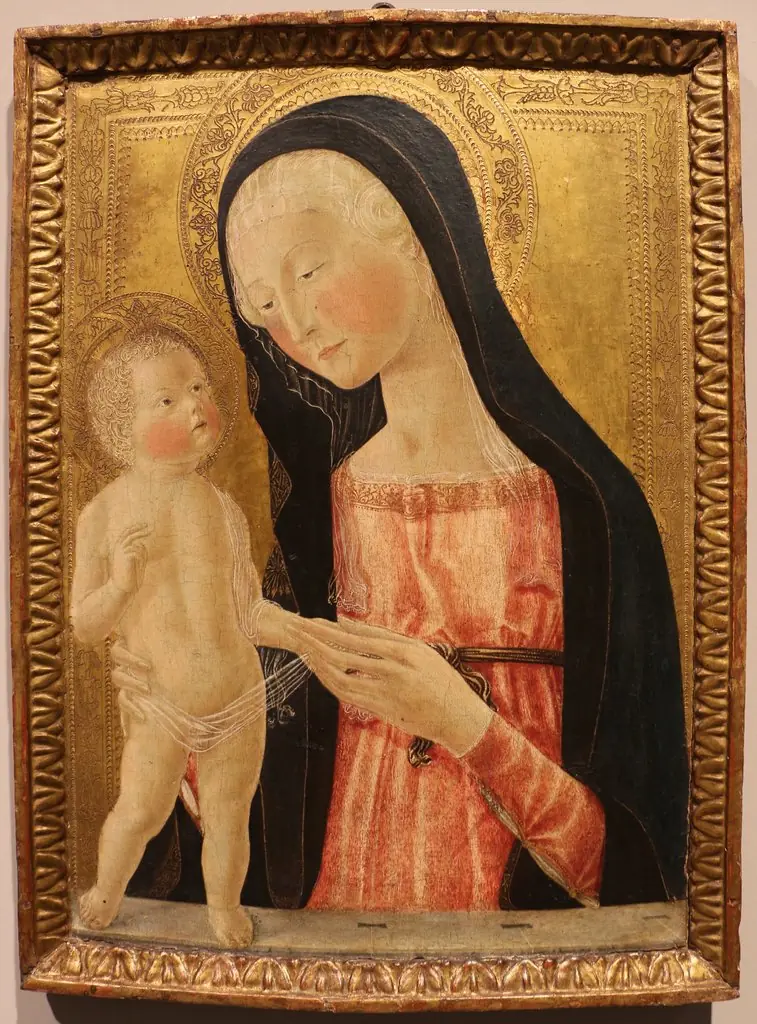 Madonna and Child