Artwork
Judith Holding the Head of Holofernes
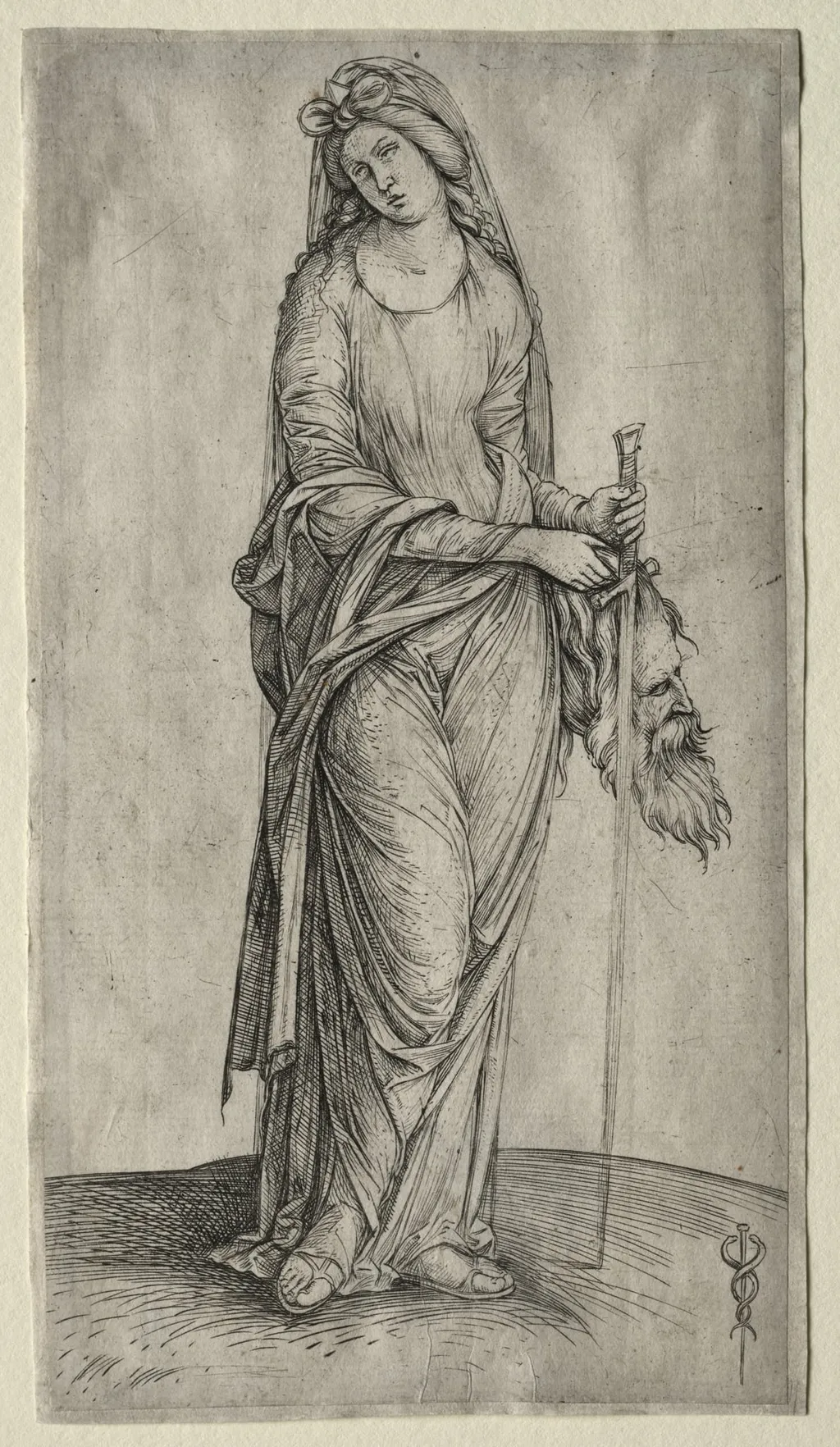
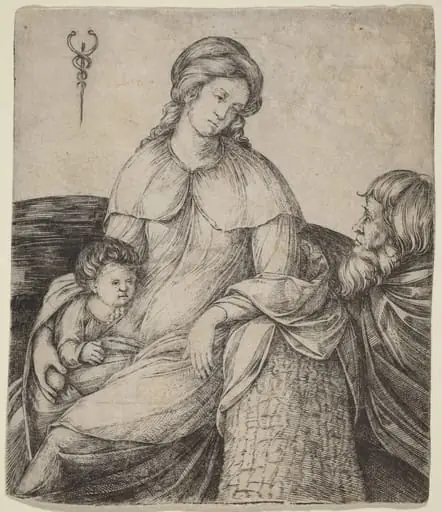
Judith Holding the Head of Holofernes is a print by the Renaissance artist Jacopo de' Barbari. It dates from 1502 and is held in the collection of the Cleveland Museum of Art.
About this work
Overview
The work is a rare surviving example of his graphic output, distinguished by its restrained composition and psychological nuance.
Created around 1502 by Jacopo de' Barbari, this print portrays Judith with the severed head of Holofernes. An Italian artist active in Venice and later Germany, de' Barbari bridged Southern and Northern Renaissance traditions. The work is a rare surviving example of his graphic output, distinguished by its restrained composition and psychological nuance. It resides in the Cleveland Museum of Art’s collection.
Subject & Meaning
The scene draws from the Book of Judith, in which the widow Judith saves her people by deceiving and beheading the Assyrian general Holofernes. Rather than emphasizing violence, the image focuses on Judith’s composed demeanor, transforming the act into one of quiet resolve. This calmness invites contemplation on agency, sacrifice, and the moral ambiguity of heroic violence.
Technique & Style
De' Barbari employed fine linear engraving to define form with precision, using subtle tonal contrasts to model flesh and fabric. The background is minimal, directing attention to the figures. The use of chiaroscuro is restrained but effective, enhancing the three-dimensionality of Judith’s posture and the weight of the head she holds, without theatricality.
History & Provenance
Created after de' Barbari’s move to Germany in 1500, the print reflects his engagement with Northern European printmaking traditions. Its survival in a major American collection suggests it was valued early in its history, though its specific provenance before the 20th century remains undocumented. The work is among the few known prints by the artist to survive in public collections.
Context
During the early 1500s, depictions of Judith were common in both painting and print, symbolizing virtue triumphing over tyranny. De' Barbari’s version diverges from the dramatic intensity typical of Italian renditions, aligning more with Northern European emphasis on psychological subtlety and detailed observation, reflecting his cross-cultural artistic trajectory.
Legacy
Though de' Barbari is better known for his engravings of mythological and allegorical subjects, this print stands as a quiet yet potent example of his ability to merge Italian compositional clarity with Northern attention to detail. It influenced later printmakers exploring biblical themes with emotional restraint rather than spectacle.
Artist & collection
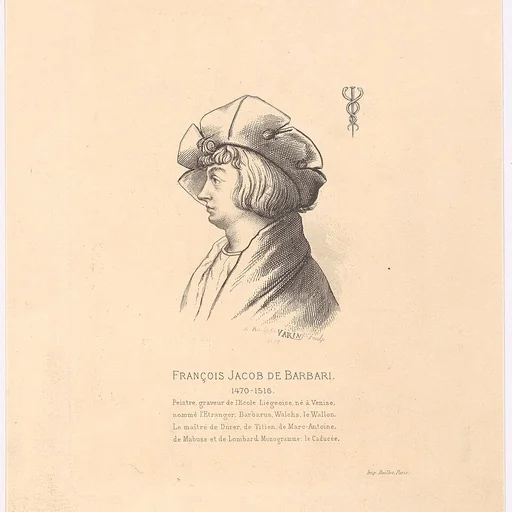
Artist
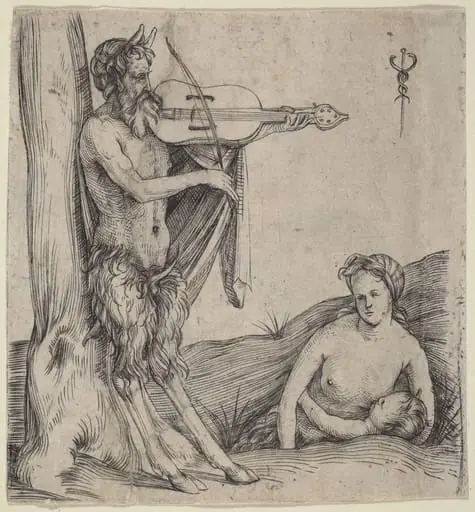
Jacopo de' Barbari, sometimes known or referred to as de'Barbari, de Barberi, de Barbari, Barbaro, Barberino, Barbarigo or Barberigo (c.

![View of Venice [lower right block], by Jacopo de' Barbari](https://artifactworldgallery.com/img/jacopo-de-barbari--view-of-venice-lower-right-block--371460ae957995b9-w320.webp)