Artwork
Hercules and Antaeus
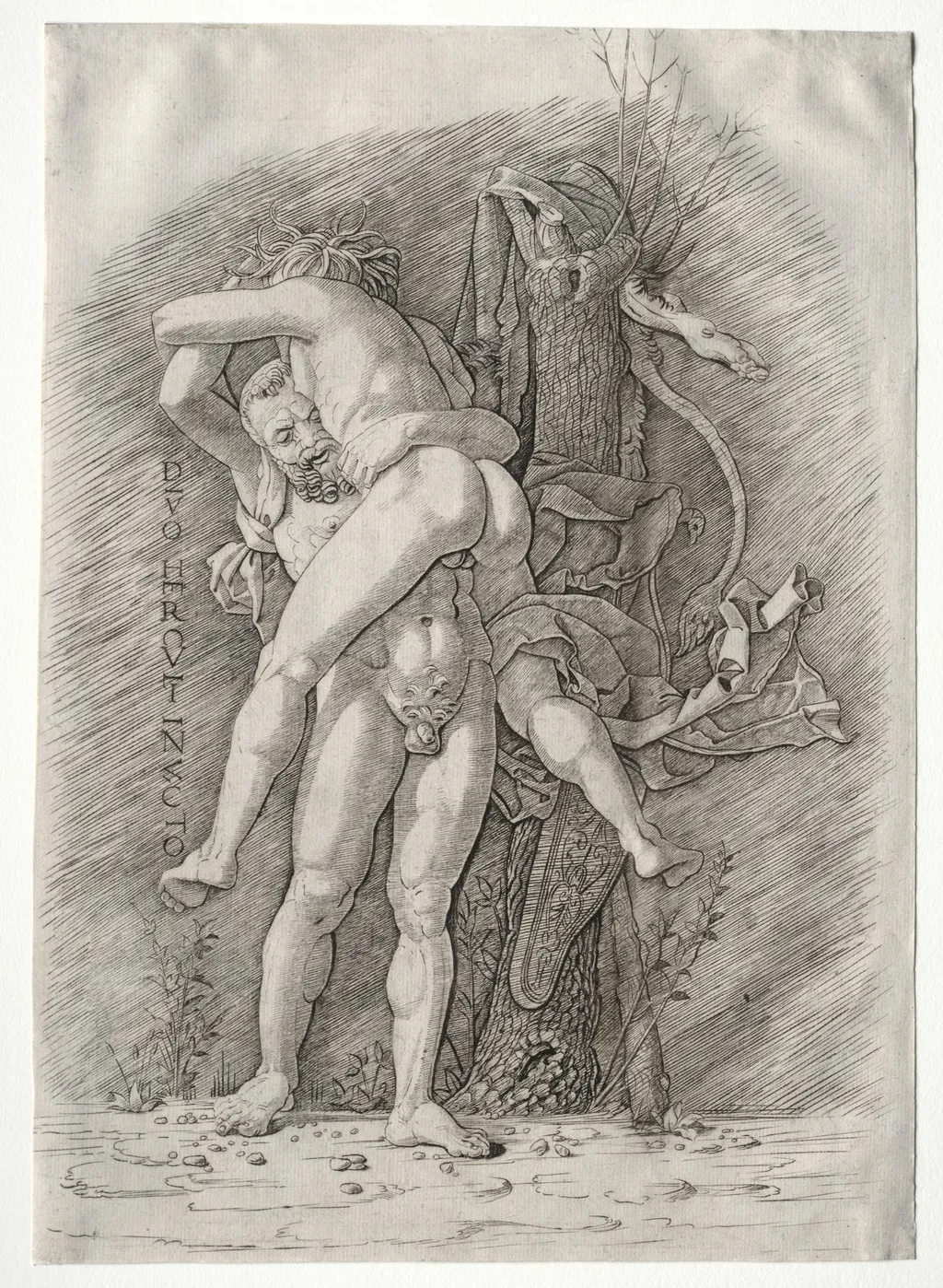
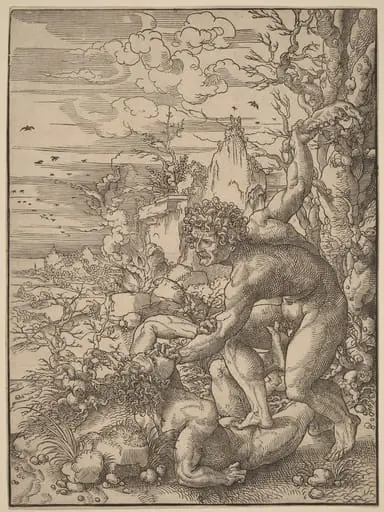
Hercules and Antaeus is a print by the Renaissance artist Andrea Mantegna. It dates from 1404 and is held in the collection of the Cleveland Museum of Art.
About this work
Overview
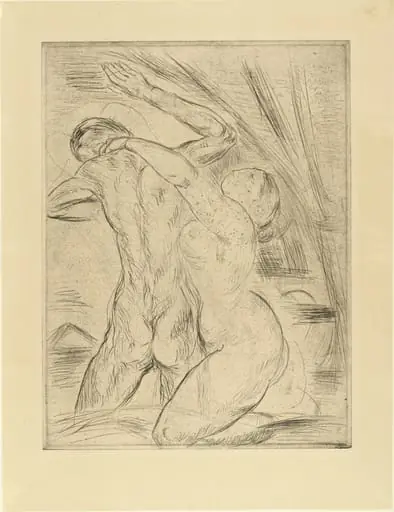
Created circa 1475–1480, this print by Andrea Mantegna captures the climactic moment when Hercules wrestles the giant Antaeus. The scene is set on a stark, rocky shore where the two figures dominate the composition, their bodies locked in a struggle that emphasizes physical power and tension.
Subject & Meaning
The work visualizes the myth in which Hercules must overcome Antaeus, a foe who draws strength from the earth. By depicting the hero in the act of subduing the giant, the image conveys themes of human ingenuity triumphing over brute force, reflecting Renaissance interest in classical narratives as moral exempla.
Technique & Style
Mantegna employs a sharply defined line and a compressed horizon to give the figures a sculptural presence, while the rough, flinty terrain reinforces a sense of weight. The sketchy, energetic strokes convey movement, and the half‑shadowed face demonstrates an early use of chiaroscuro to model form through light and dark.
History & Provenance
The print is part of the collection of the Cleveland Museum of Art. It was produced during Mantegna’s mature period, when his fascination with Roman antiquity and perspective informed his graphic work, and it has remained in the museum’s holdings since its acquisition in the early twentieth century.
Context
Mantegna’s interest in anatomy and classical antiquity aligns this piece with broader Renaissance efforts to revive ancient ideals. The lowered viewpoint and emphasis on three‑dimensionality echo his contemporaries’ experiments with perspective, while the mythological subject situates the work within the era’s revival of Greco‑Roman storytelling.
Artist & collection
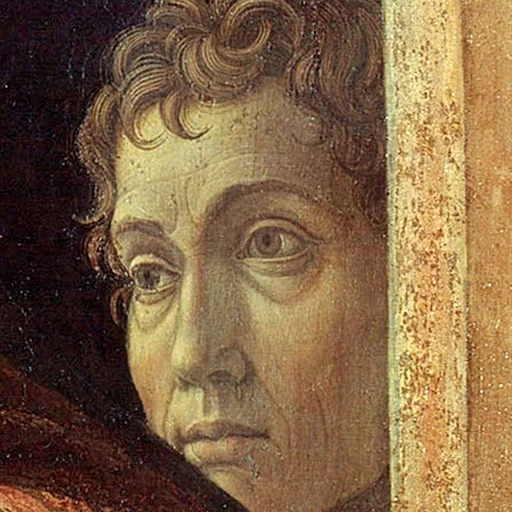
Artist
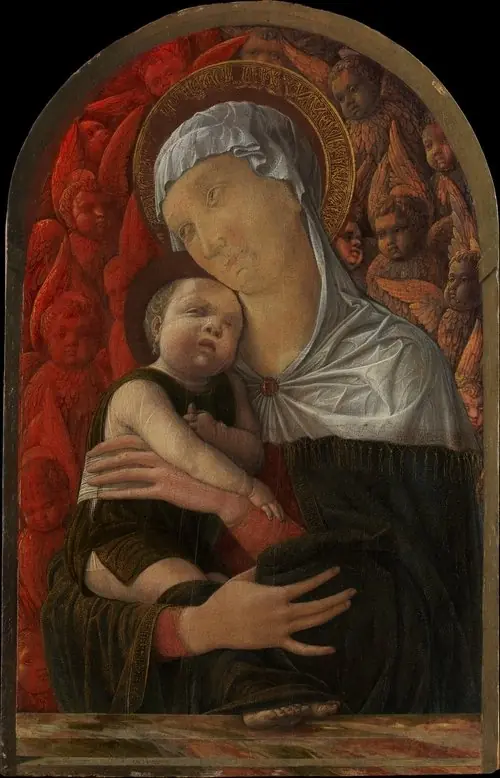
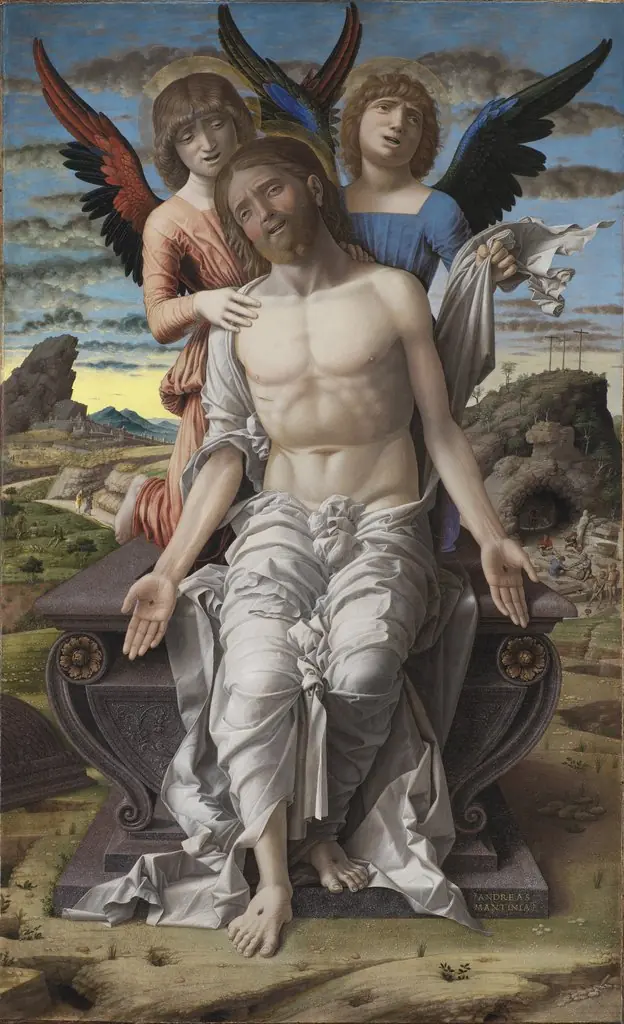
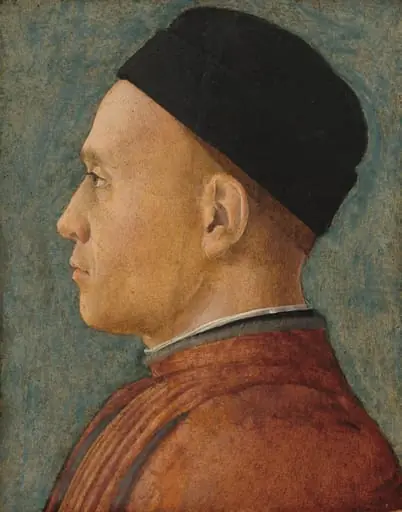
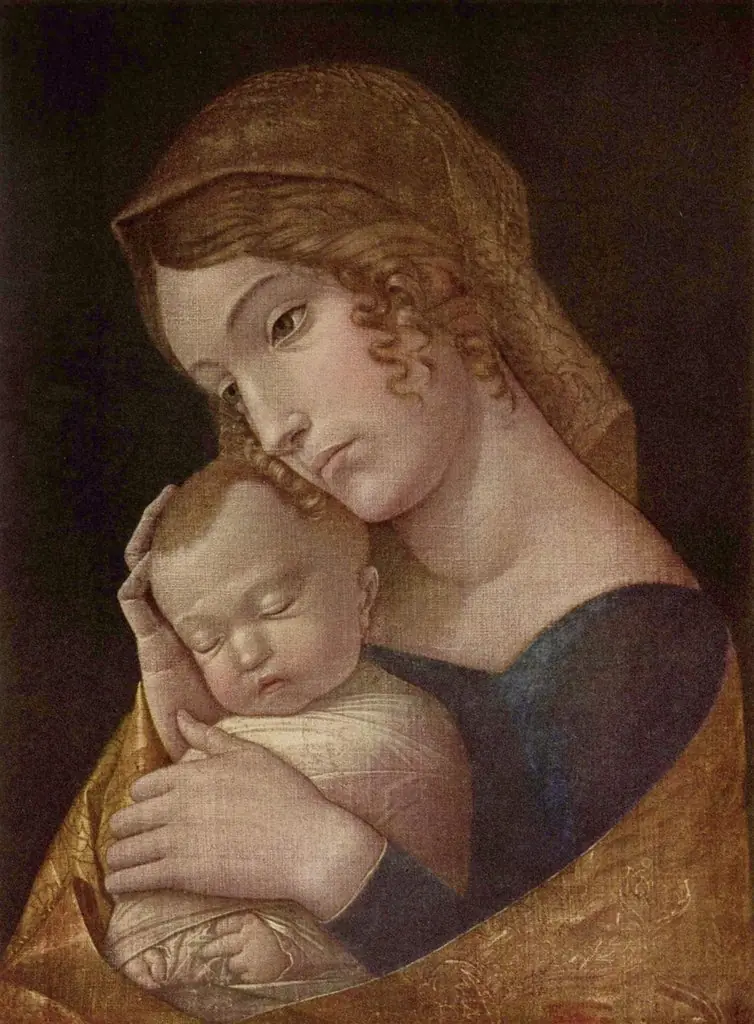
Andrea Mantegna (UK: , US: ; Italian: ; c. 1431 – September 13, 1506) was an Italian Renaissance painter, a student of Roman archaeology, and the son-in-law of Jacopo Bellini. Like other artists of the time, Mantegna…