Artwork
Judith
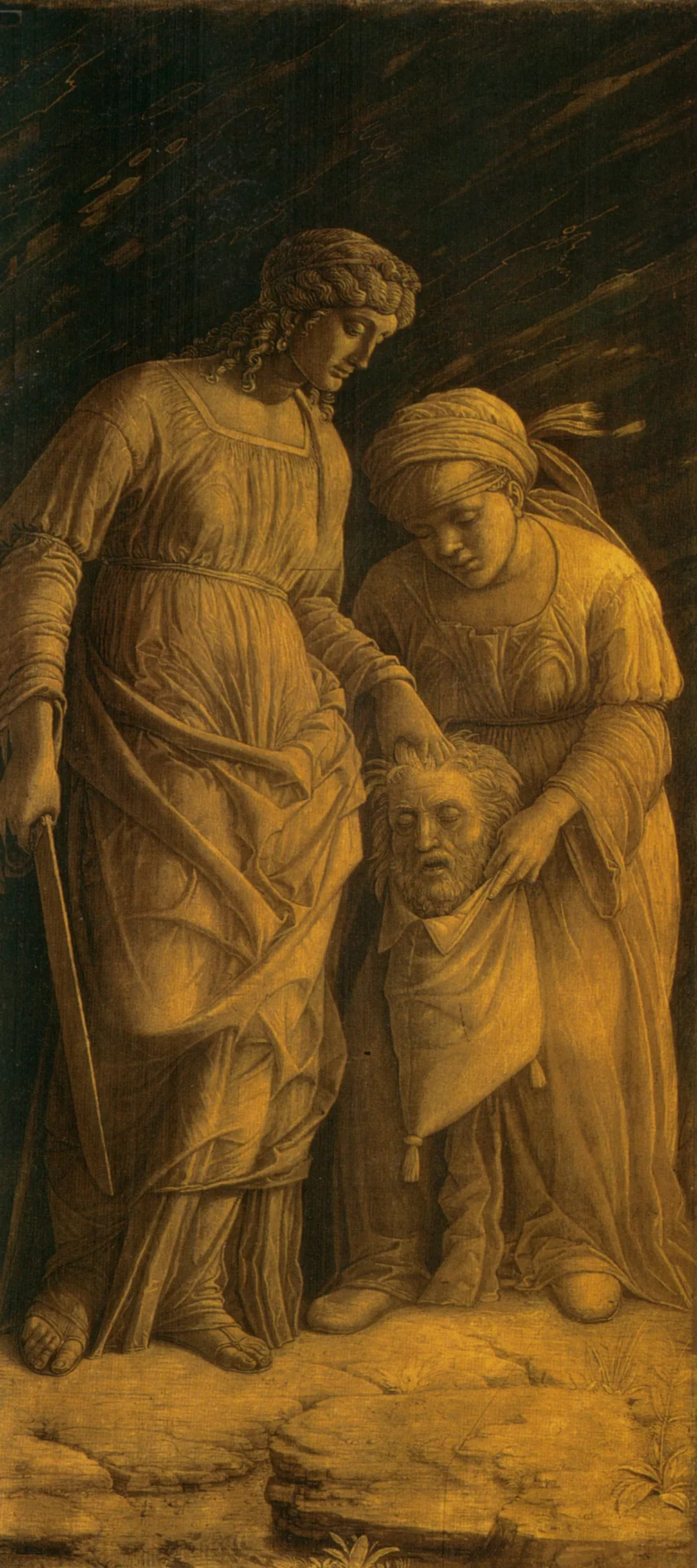
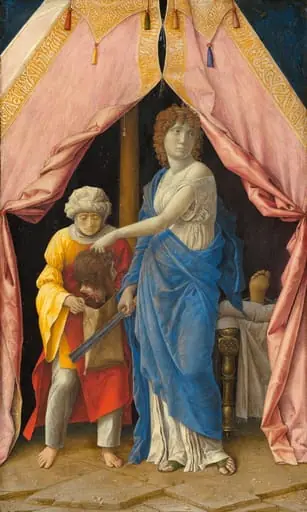
Judith is a tempera painting by the Early Renaissance artist Andrea Mantegna. It dates from 1498 and is held in the collection of the Montreal Museum of Fine Arts.
About this work
Overview
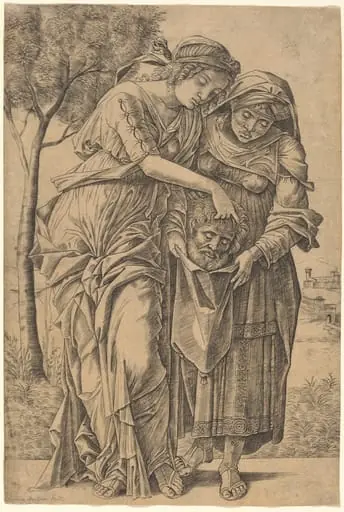
Painted in 1498, this tempera work by Andrea Mantegna portrays the biblical story of Judith and her maidservant after the beheading of Holofernes.
Painted in 1498, this tempera work by Andrea Mantegna portrays the biblical story of Judith and her maidservant after the beheading of Holofernes. Executed with precision and a restrained palette, the painting reflects Mantegna’s lifelong interest in classical form and spatial depth. The figures are rendered with sculptural solidity, set against a dark, undefined background that heightens their psychological intensity.
Subject & Meaning
The scene captures Judith and her attendant moments after the assassination of the Assyrian general Holofernes. Judith, the central figure, holds the severed head with solemn resolve, while her companion supports her with quiet vigilance. The narrative emphasizes moral conviction and quiet heroism, aligning with Renaissance ideals of virtuous female agency drawn from biblical precedent.
Technique & Style
Mantegna employed tempera on panel, a medium allowing fine detail and a matte, luminous surface. His use of sharp contours, flattened planes, and a low horizon line enhances the figures’ monumental presence. The dark background isolates the subjects, directing focus to their gestures and expressions. The texture of the tempera enhances the tactile quality of fabric and skin, reinforcing the painting’s restrained realism.
History & Provenance
Created near the end of Mantegna’s life, the painting entered the Montreal Museum of Fine Arts’ collection in the 20th century. Its earlier provenance remains partially undocumented, though it likely originated in northern Italy, possibly commissioned by a private patron drawn to humanist themes. The work’s survival through centuries reflects its enduring appeal among collectors of Renaissance religious art.
Context
Mantegna, influenced by Roman sculpture and archaeological study, brought an antiquarian rigor to his religious subjects. In late 15th-century Italy, depictions of Judith were popular as symbols of divine justice and civic virtue. His treatment diverges from dramatic interpretations, favoring stillness and psychological gravity, reflecting the intellectual climate of northern Italian humanism.
Legacy
Though less widely known than his larger frescoes, this small-scale work exemplifies Mantegna’s mature style: controlled, intellectual, and emotionally restrained. It influenced later artists seeking to convey moral narratives through formal clarity rather than theatricality. Today, it stands as a quiet testament to his enduring engagement with classical ideals and biblical storytelling.
Artist & collection
Artist
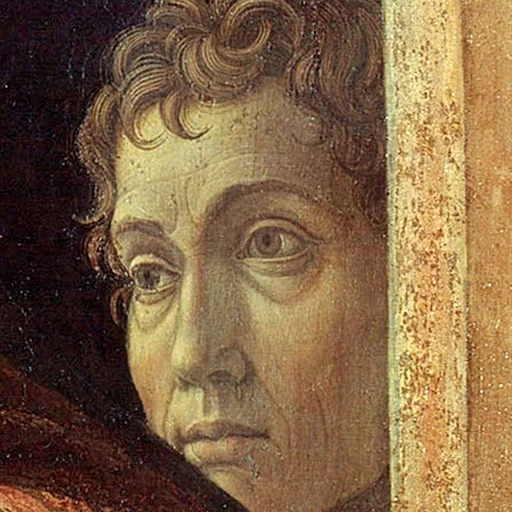
Andrea Mantegna (UK: , US: ; Italian: ; c. 1431 – September 13, 1506) was an Italian Renaissance painter, a student of Roman archaeology, and the son-in-law of Jacopo Bellini. Like other artists of the time, Mantegna…

 Judith with the Head of Holofernes
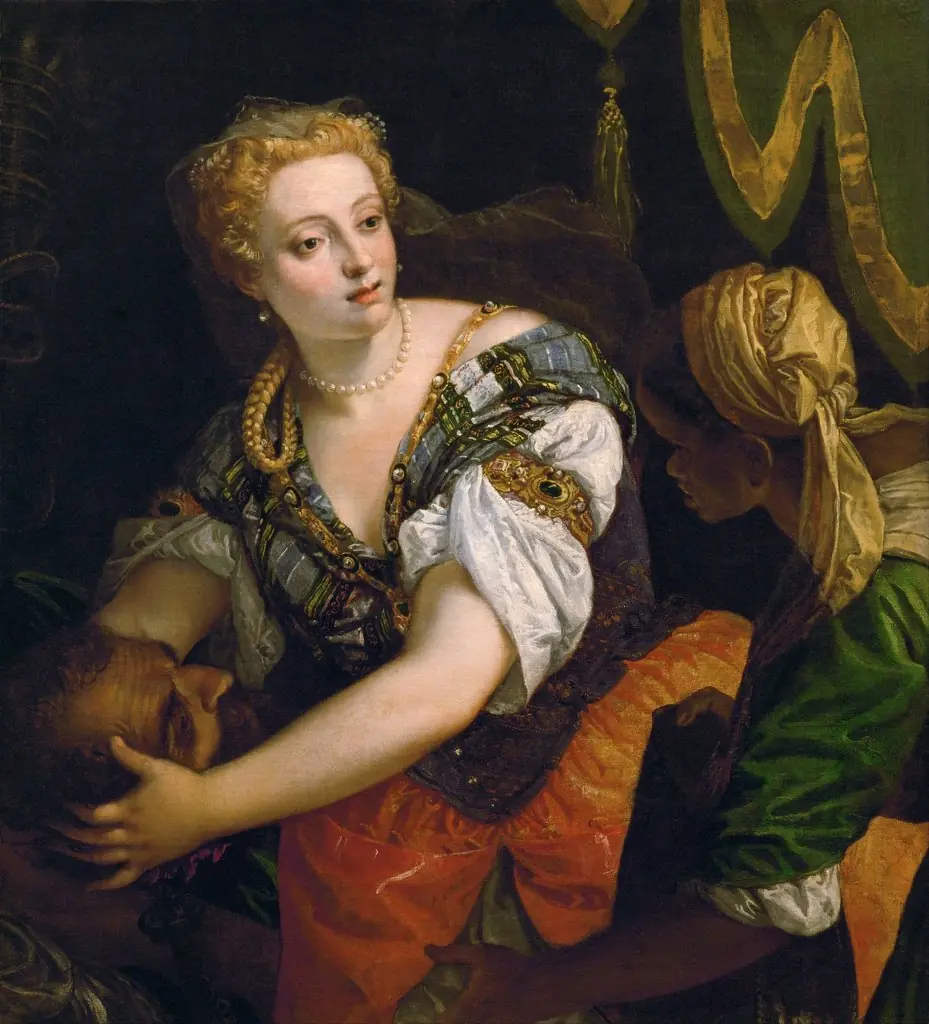 Judith with the Head of Holofernes
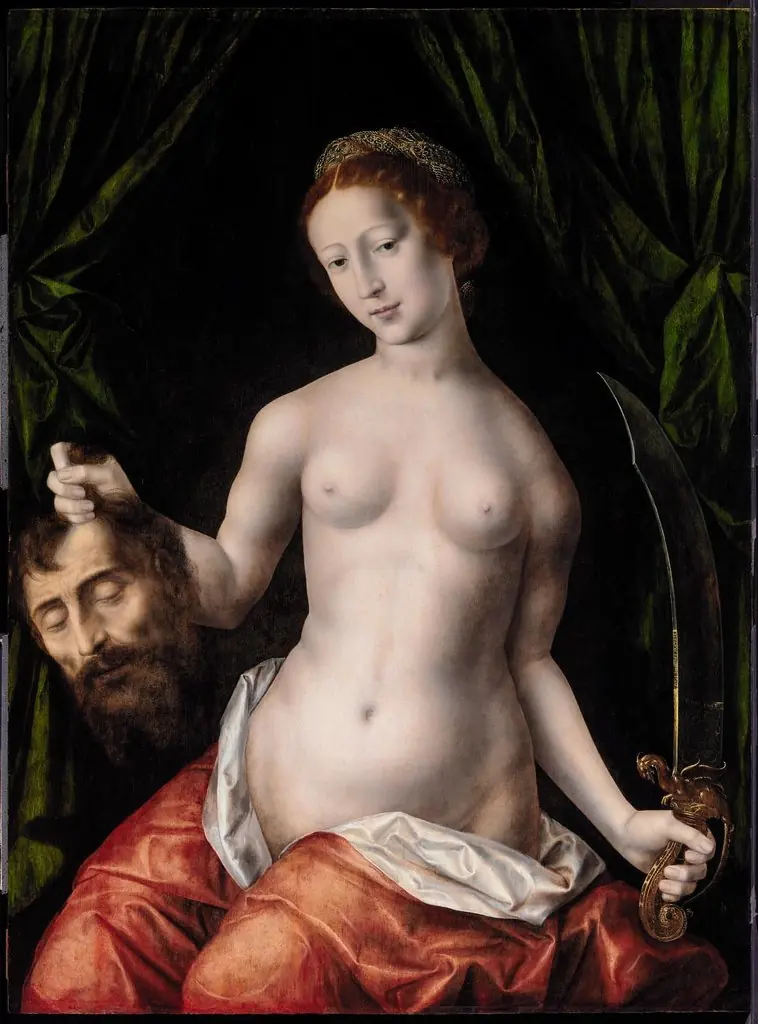 Judith with the Head of Holofernes
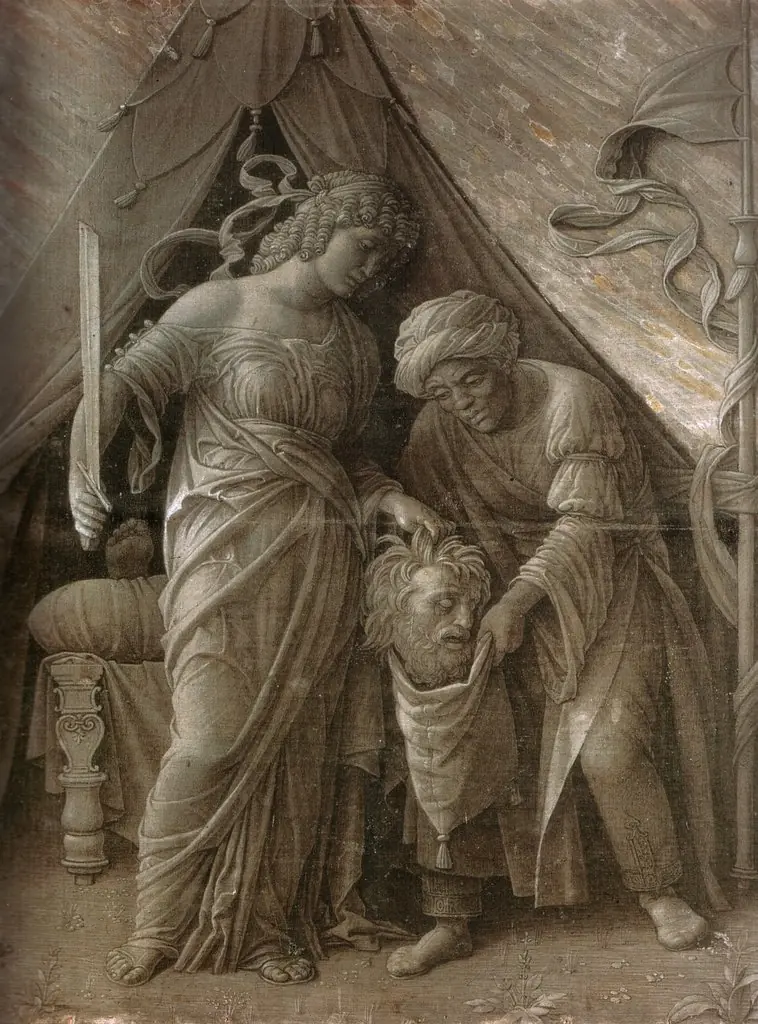 Judith with the Head of Holofernes
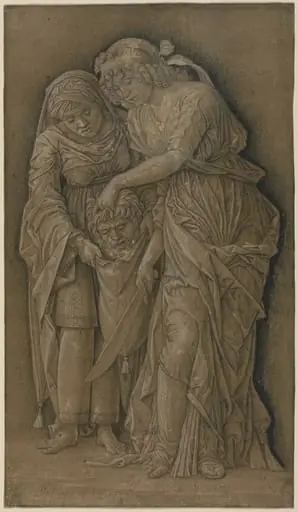 Judith with the Head of Holofernes
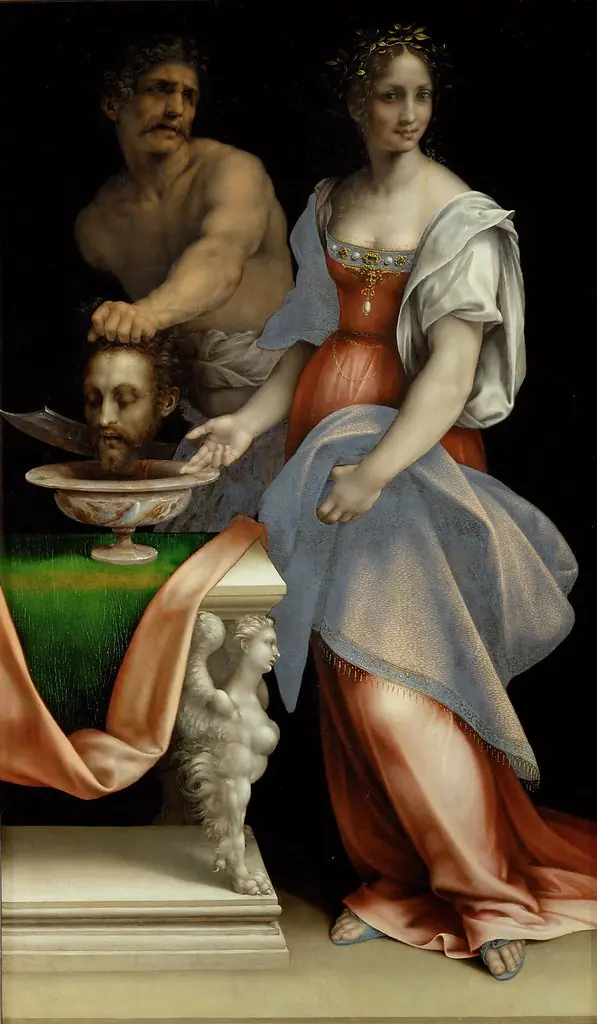 Salome with the head of John the Baptist
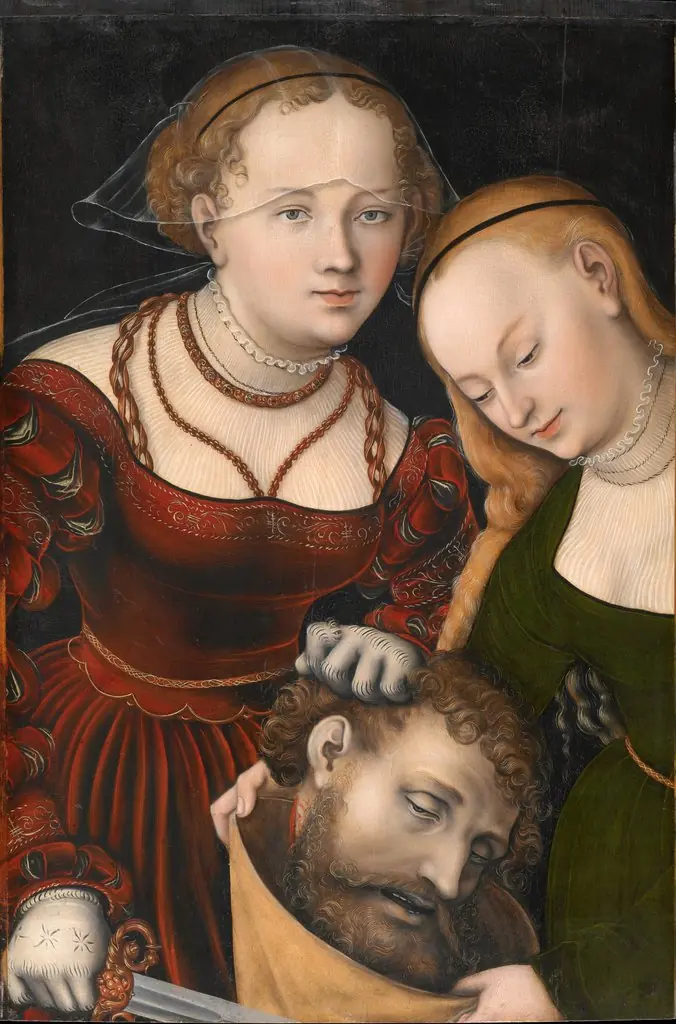 Judith with the head of Holofernes and a servant
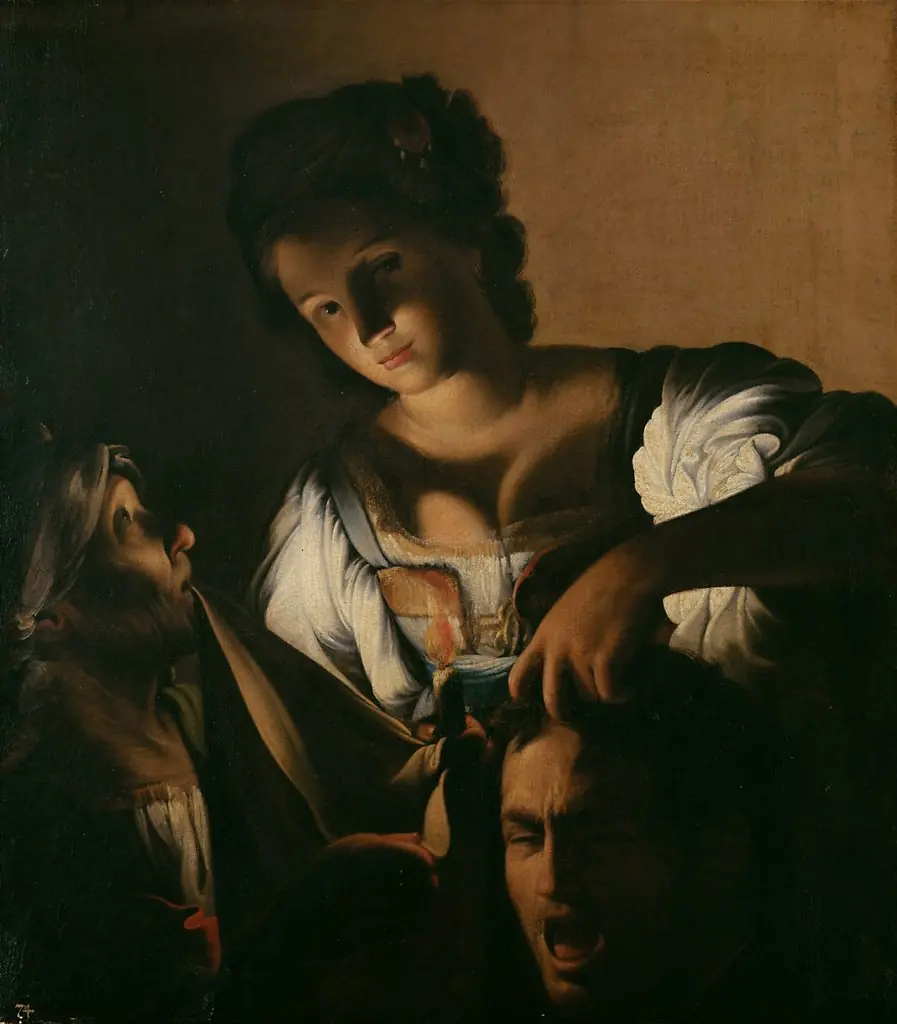 Judith with the head of Holofernes
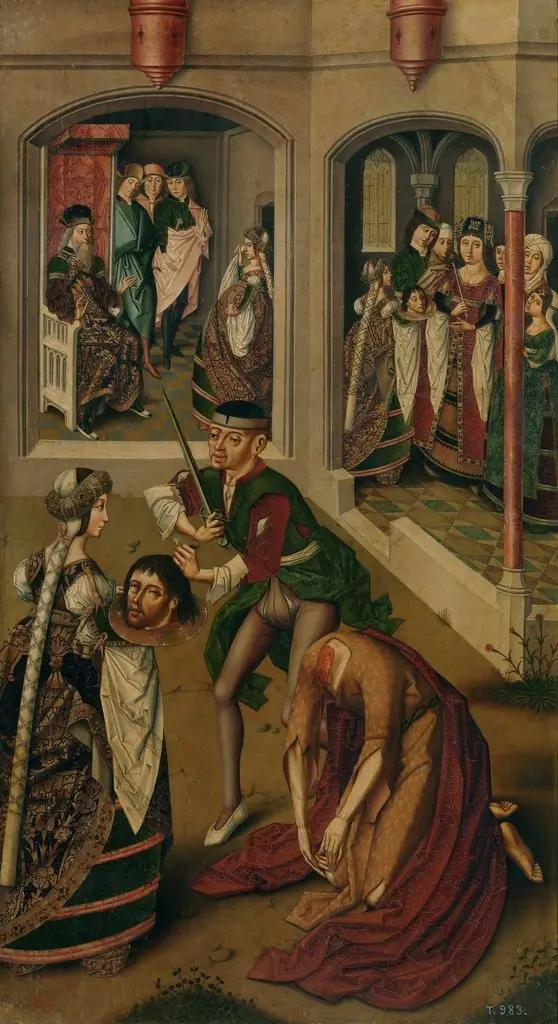 The Beheading of Saint John the Baptist