Artwork
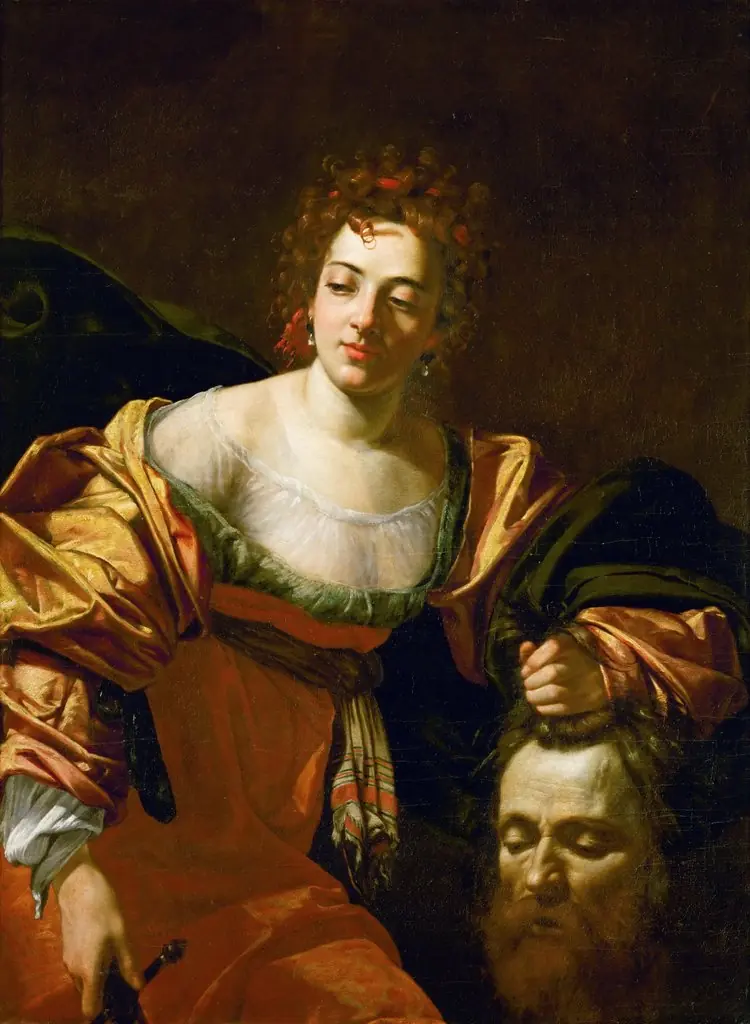
Judith with the head of Holofernes
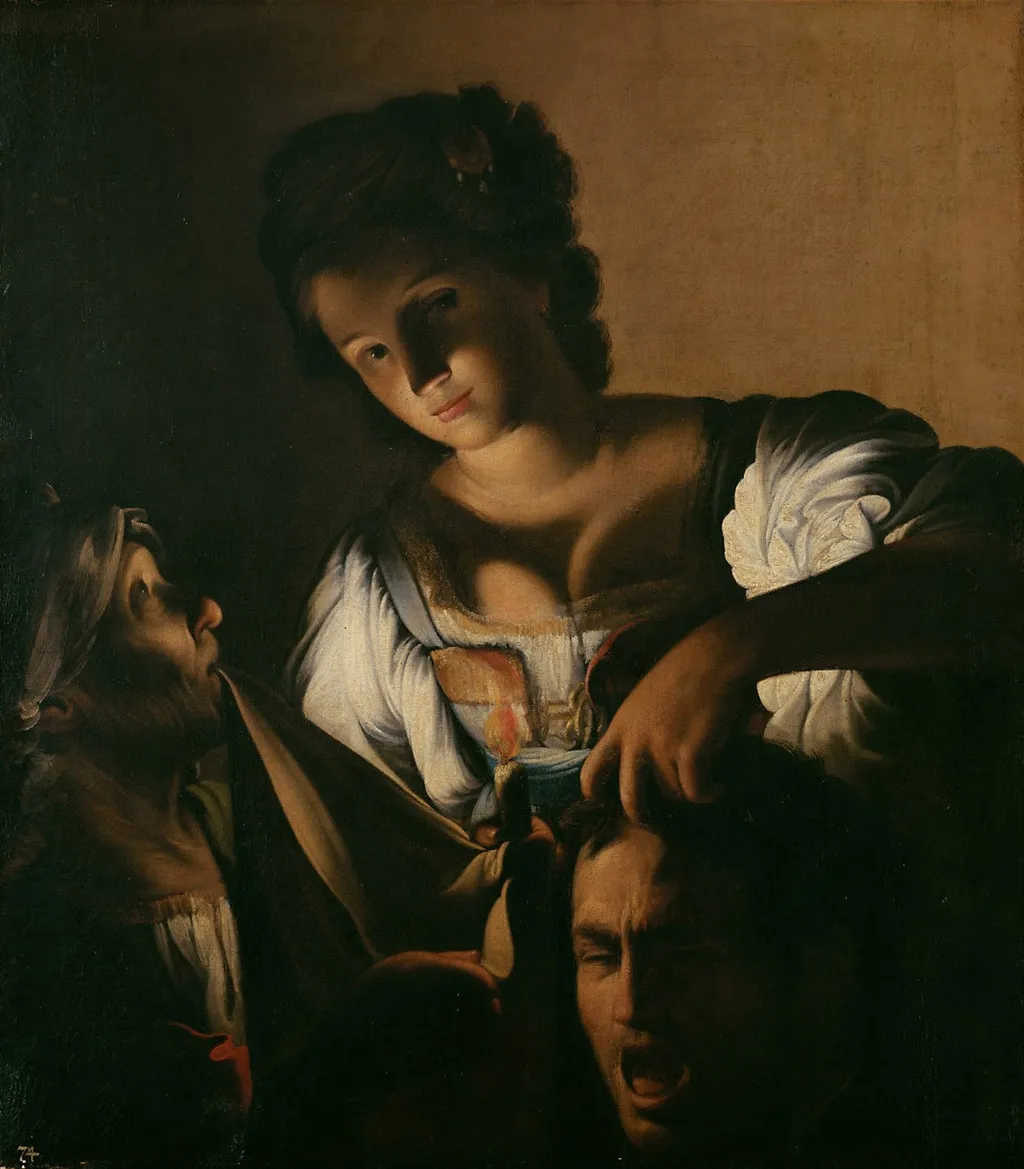
Judith with the head of Holofernes is an oil painting by the Early Baroque Italian artist Carlo Saraceni. It dates from 1617 and is held in the collection of the Kunsthistorisches Museum.
About this work
Overview
Carlo Saraceni’s oil painting titled Judith with the Head of Holofernes dates from roughly 1610‑1615 and is part of the collection of the Dayton Art Institute in Ohio. The work depicts the biblical heroine Judith holding the severed head of the Assyrian general Holofernes, rendered in a compact, dramatic composition.
Subject & Meaning
The scene illustrates the moment after Judith’s decisive act, emphasizing the contrast between her composed demeanor and the shocked expression of the fallen general. A secondary figure lurks in shadow, underscoring the tension between triumph and the lingering threat of violence within the narrative.
Technique & Style
Executed during Saraceni’s early Roman period, the painting shows the strong influence of Caravaggio’s tenebrism. A single candle‑like light source creates a pronounced chiaroscuro, illuminating Judith’s pale skin, the red sash beneath her sleeve, and the gleaming head, while the surrounding space recedes into deep darkness.
History & Provenance
The work entered the collection of Archduke Leopold Wilhelm and was listed in David Teniers the Younger’s 1659 Theatrum Pictorium, with a second mention in 1673. Teniers also included the painting in his visual records of the Archduke’s holdings, confirming its early prominence among the Habsburg court’s artworks.
Context
Saraceni’s approach reflects the broader Roman shift toward dramatic lighting and naturalistic detail that characterized early 17th‑century Baroque painting. By adapting Caravaggio’s tenebristic language, he contributed to the diffusion of this style beyond its originators, influencing contemporaries and later followers.
Artist & collection
Artist
Carlo Saraceni (1579 – 16 June 1620) was an Italian early-Baroque painter, whose reputation as a "first-class painter of the second rank" was improved with the publication of a modern monograph in 1968.