Artwork
Bildnis eines Greises
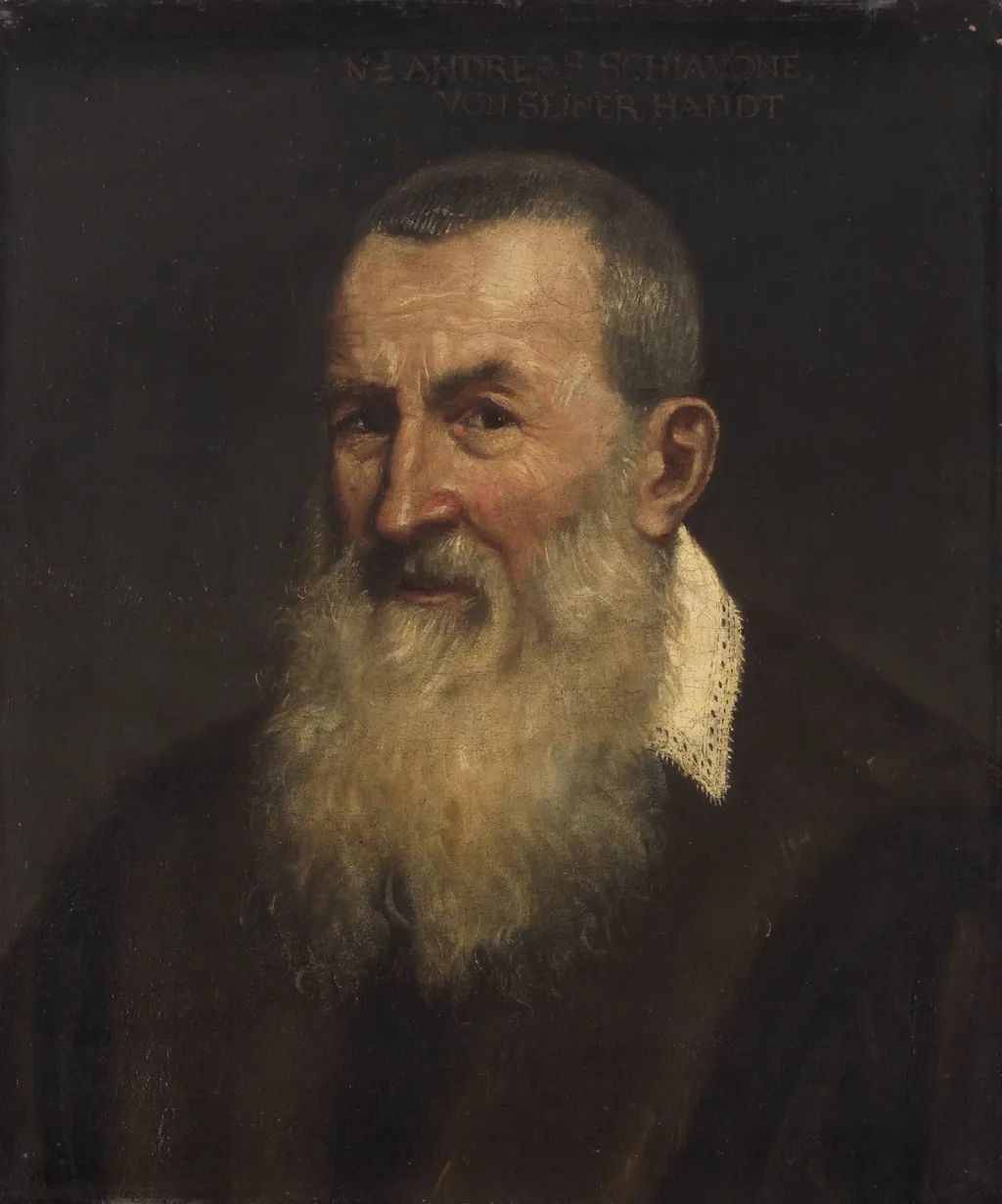
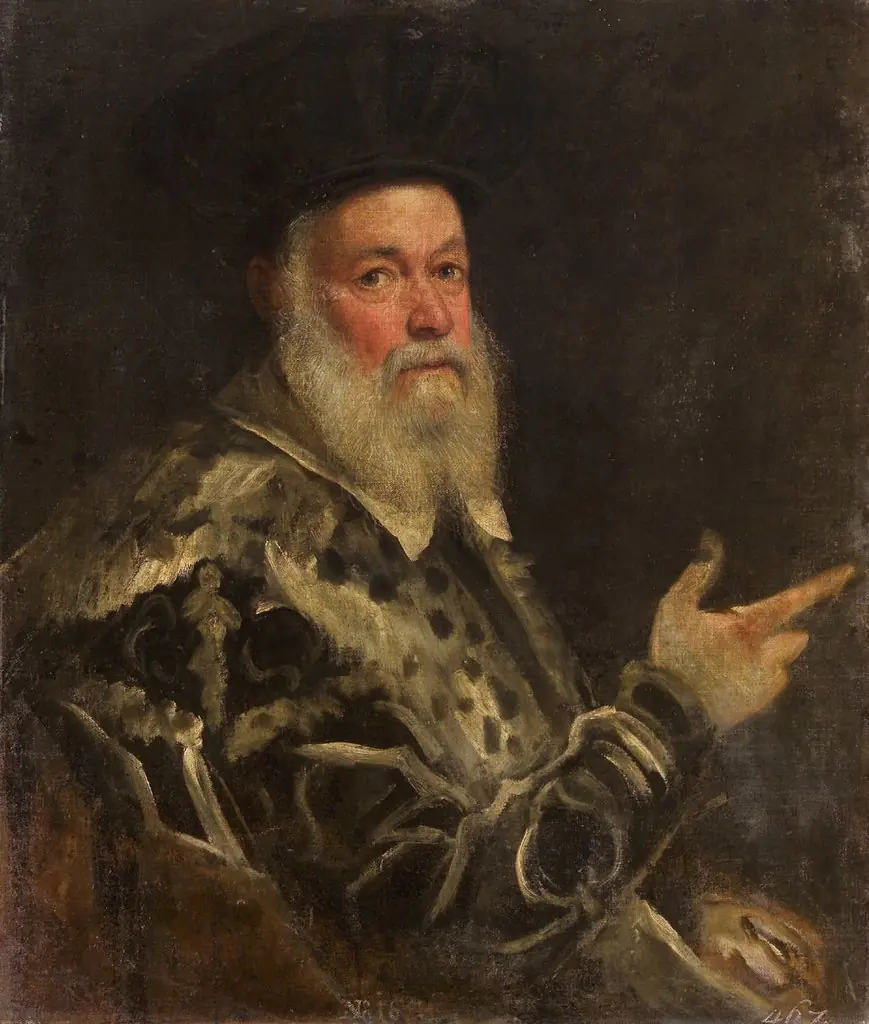
Bildnis eines Greises is an unspecified painting by the Mannerist artist Andrea Schiavone. It dates from 1560 and is held in the collection of the Kunsthistorisches Museum.
About this work
Overview
Schiavone, born in Dalmatia and active in Venice, fused Mannerist conventions with the coloristic traditions of Venetian painting.
Painted in 1560, this portrait by Andrea Schiavone depicts an elderly man with striking realism and restrained elegance. Executed in oil on panel, it belongs to the collection of the Kunsthistorisches Museum in Vienna. Schiavone, born in Dalmatia and active in Venice, fused Mannerist conventions with the coloristic traditions of Venetian painting. The work bears his signature in German, affirming his presence in the northern artistic sphere.
Subject & Meaning
The subject is an older man, his face marked by time, with a full white beard and mustache that frame his expression. His gaze is direct but inward, suggesting contemplation rather than social performance. The absence of identifying attributes—no clothing details, no symbols—shifts focus entirely to the humanity of aging. The portrait conveys dignity through quiet presence, not status or wealth.
Technique & Style
Schiavone employs fine, deliberate brushwork to render the texture of skin and beard, using layered glazes to achieve depth and luminosity. The elongated facial structure and subtle distortions reflect Mannerist tendencies, while the rich tonal transitions owe much to Venetian precedent. The black background eliminates distraction, isolating the figure and heightening the tactile quality of the flesh and fabric collar.
History & Provenance
The painting entered the Kunsthistorisches Museum’s collection in the 19th century, likely through imperial acquisitions. Its early history before that is undocumented, though its German signature suggests it may have circulated in Habsburg territories. No records of commission or original owner survive, leaving its context as a private portrait speculative but plausible within Venetian artistic circles.
Context
In mid-16th century Venice, portraiture evolved beyond aristocratic representation toward psychological depth. Schiavone, influenced by Titian’s naturalism and the elongated forms of Mannerism, occupied a middle ground. This portrait reflects a broader trend: the increasing interest in individual character over idealized form, particularly among artists navigating the transition from High Renaissance to late Mannerist aesthetics.
Legacy
Though not widely reproduced, the portrait exemplifies Schiavone’s ability to merge northern precision with Venetian color. It stands as a quiet testament to his skill in capturing age without sentimentality. Later scholars have cited it as evidence of his unique position between Italian and Central European traditions, contributing to a more nuanced understanding of Mannerist portraiture beyond Florence and Rome.
Artist & collection
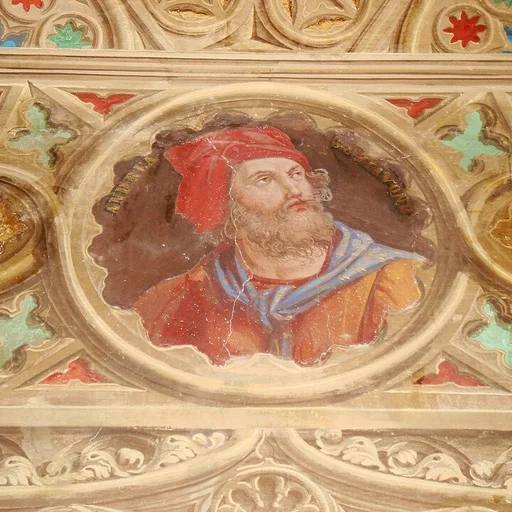
Artist
Andrea Meldolla (Croatian: Andrija Medulić), also known as Andrea Schiavone or Andrea lo Schiavone, literally "Andrew the Slav", (c.

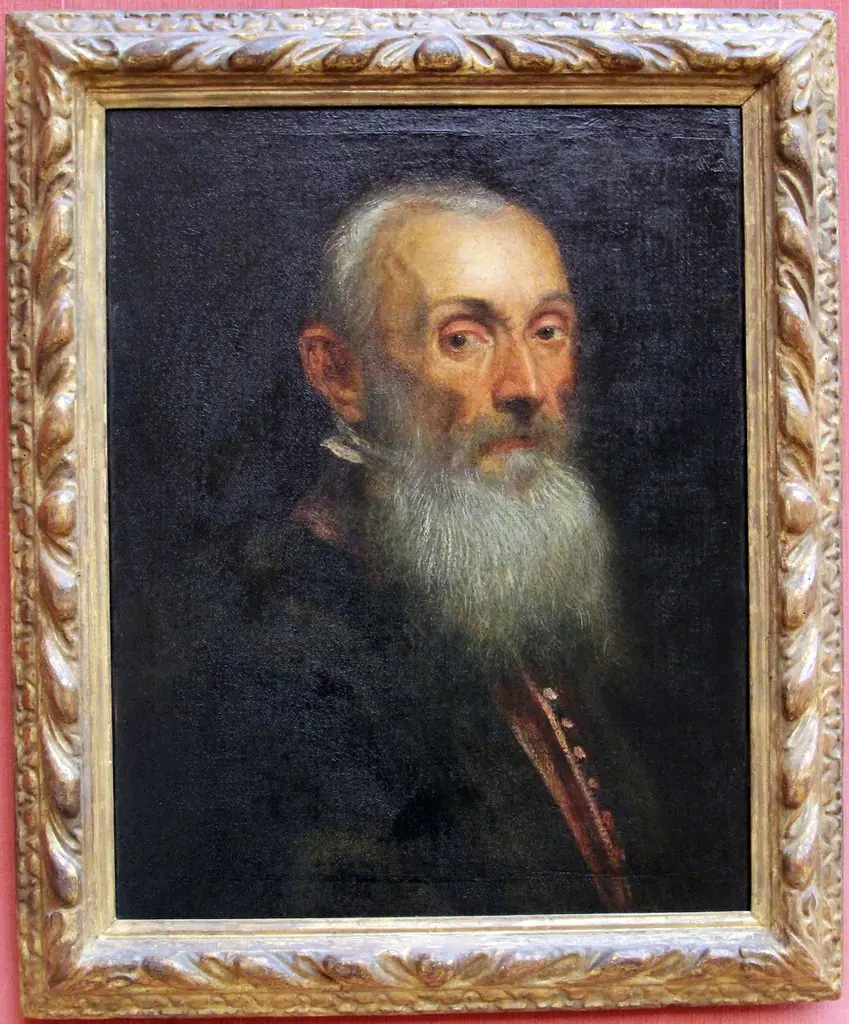 Portrait of Giovanni Mocenigo (1508-1580)
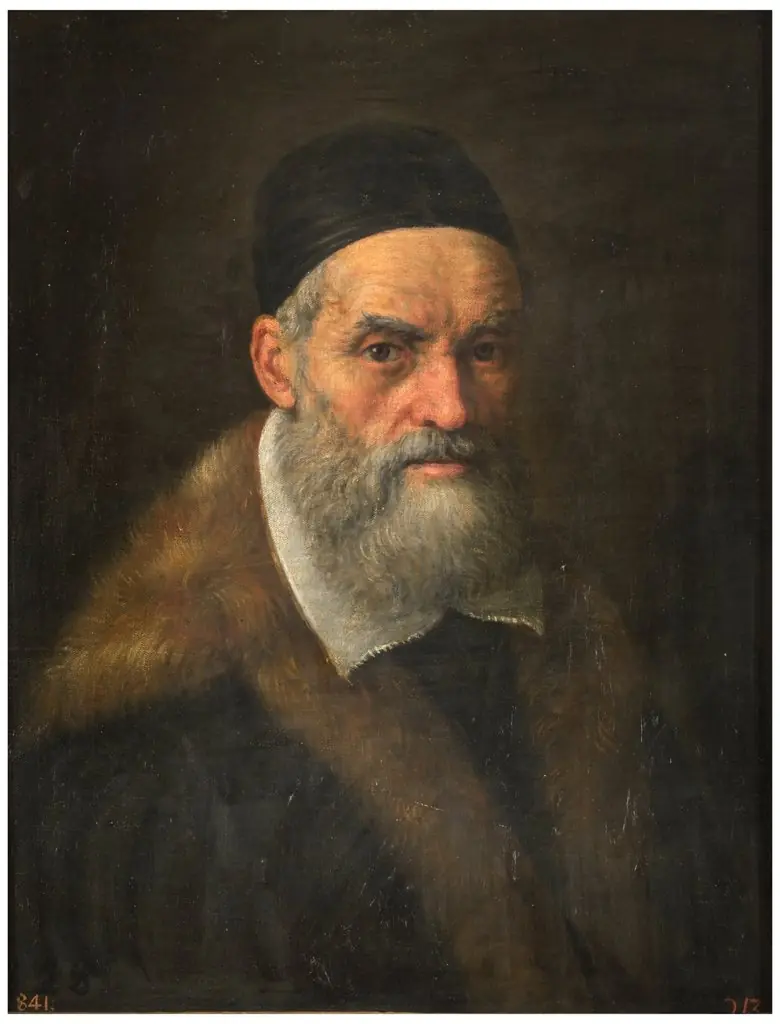 Portrait of Jacopo Bassano
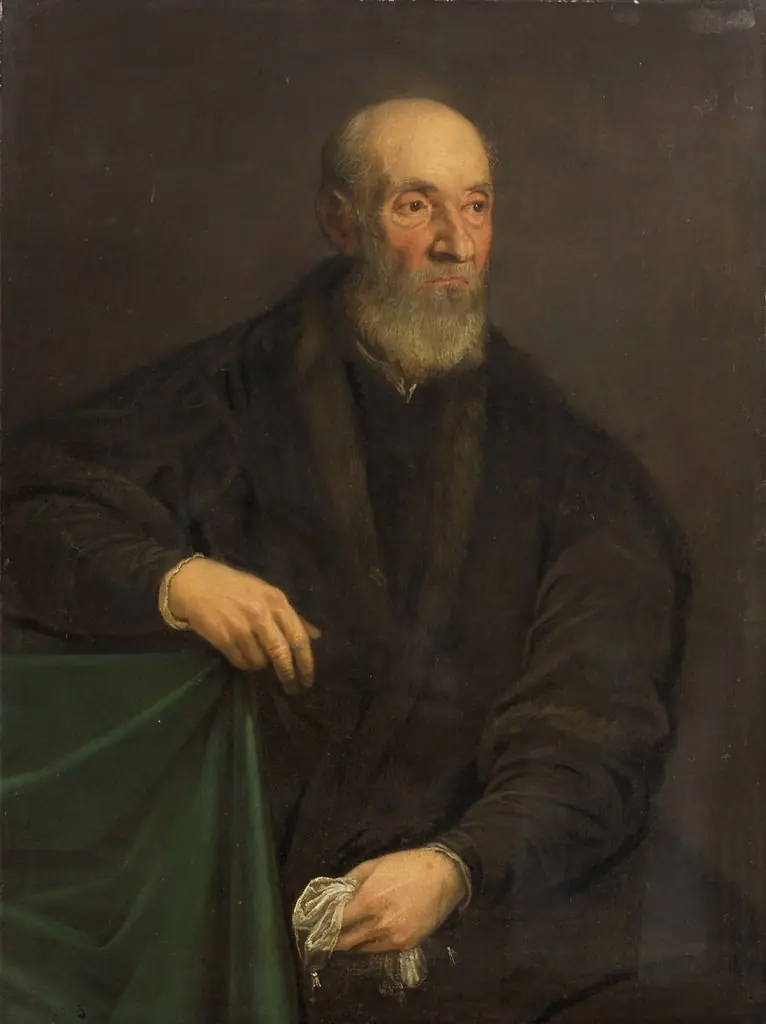 Bildnis eines alten Mannes, an einem Tisch sitzend
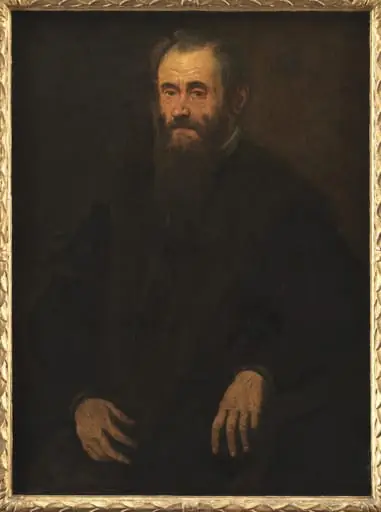 Portrait of a Man
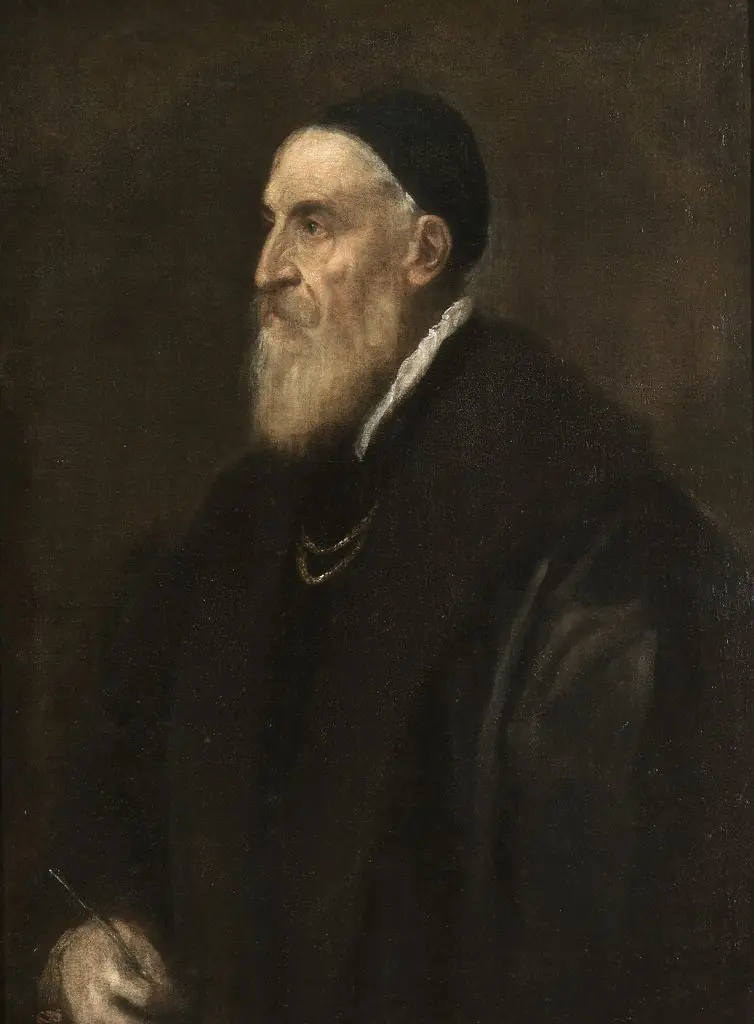 Self-Portrait
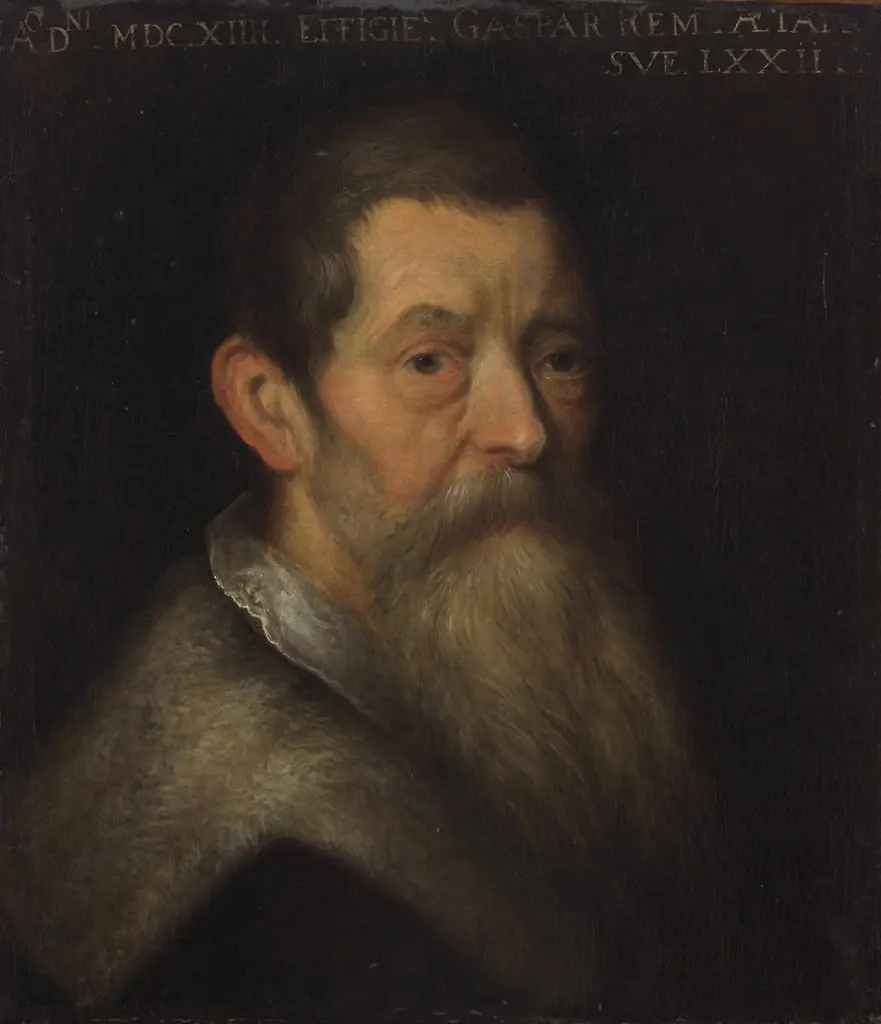 Self-portrait of Gapsar Rem (1542- c. 1617)
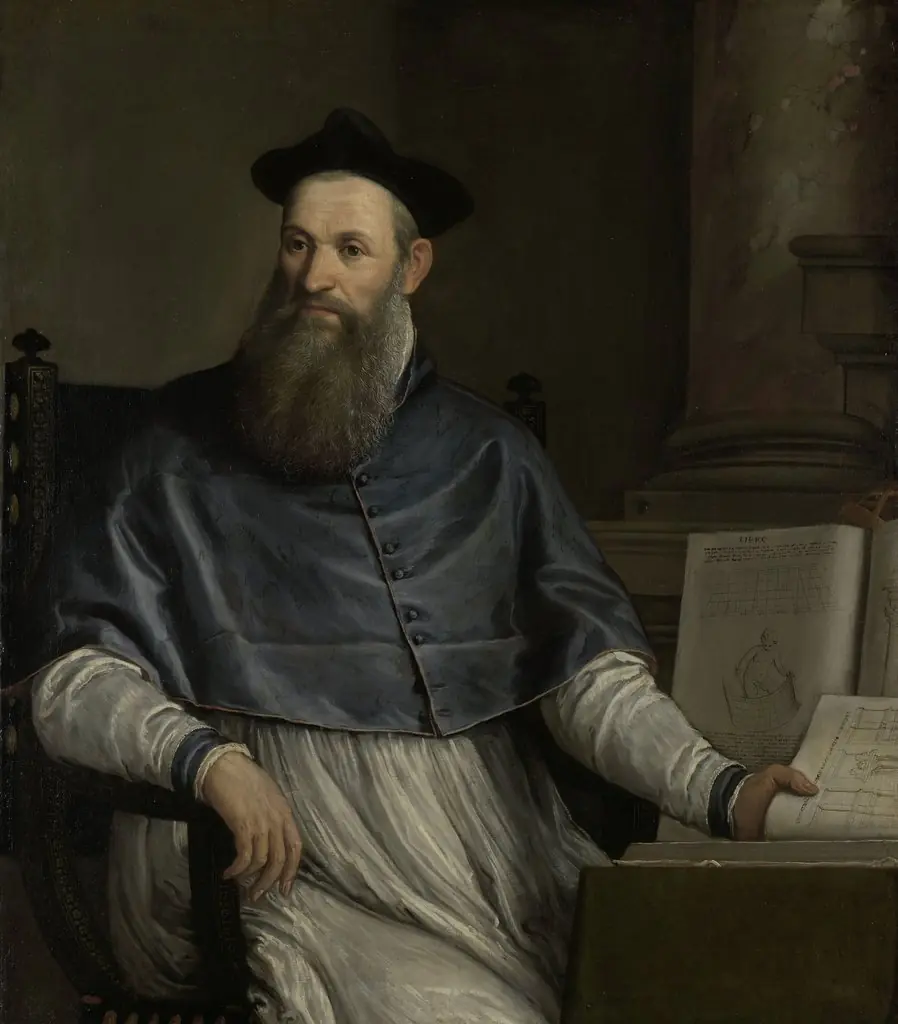 Portrait of Daniele Barbaro
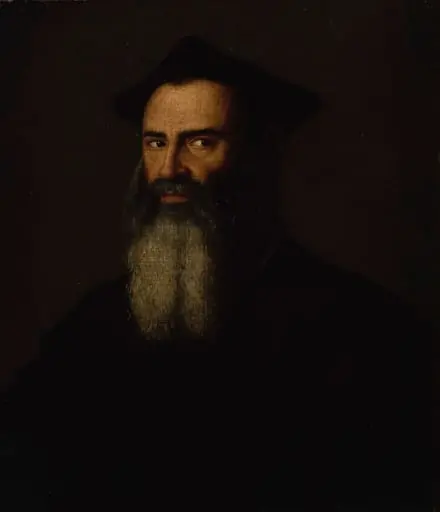 Prelaatin muotokuva
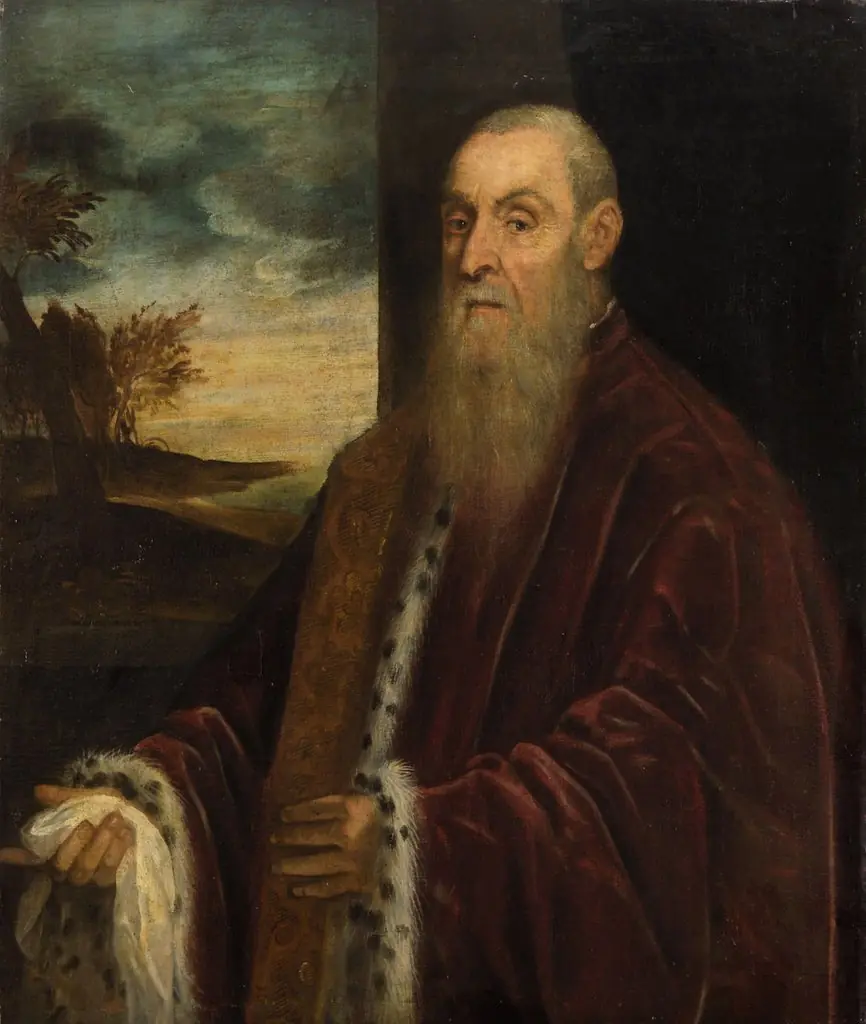 Niccolò da Ponte
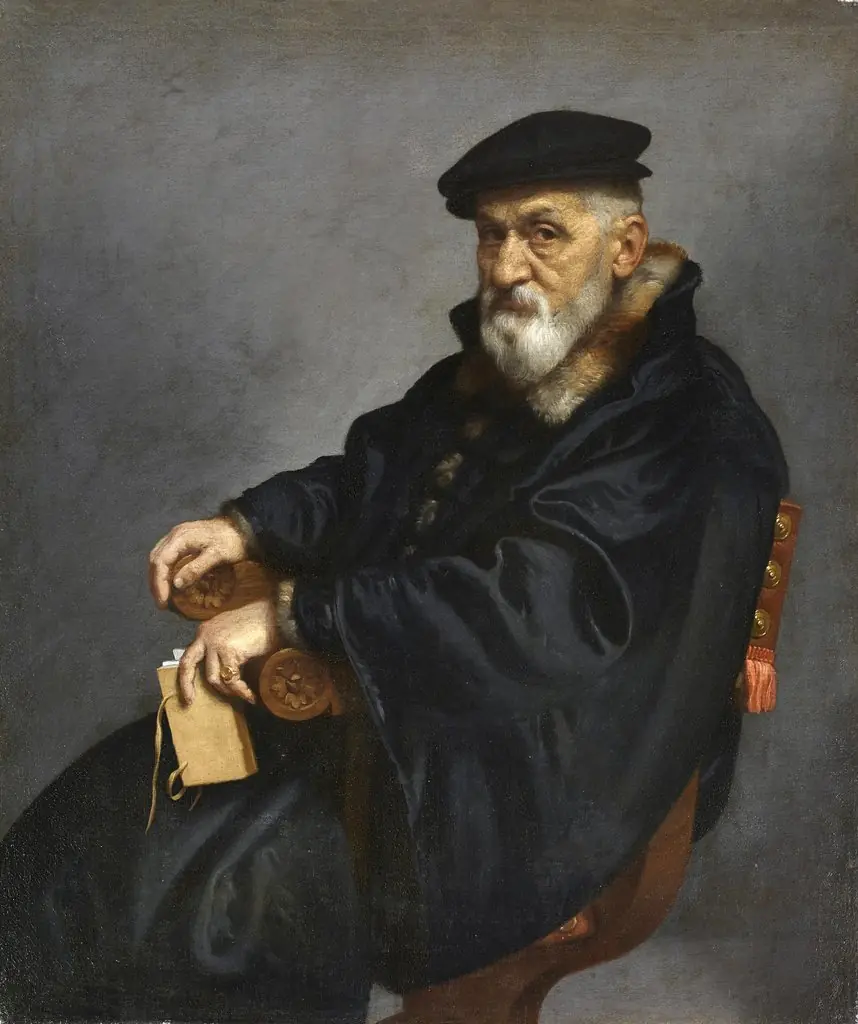 Portrait of a seated Old Man
 Self-Portrait
 Bildnis eines sitzenden Mannes mit hohem Barett