Artwork
Portrait of Metropolitan Antonius
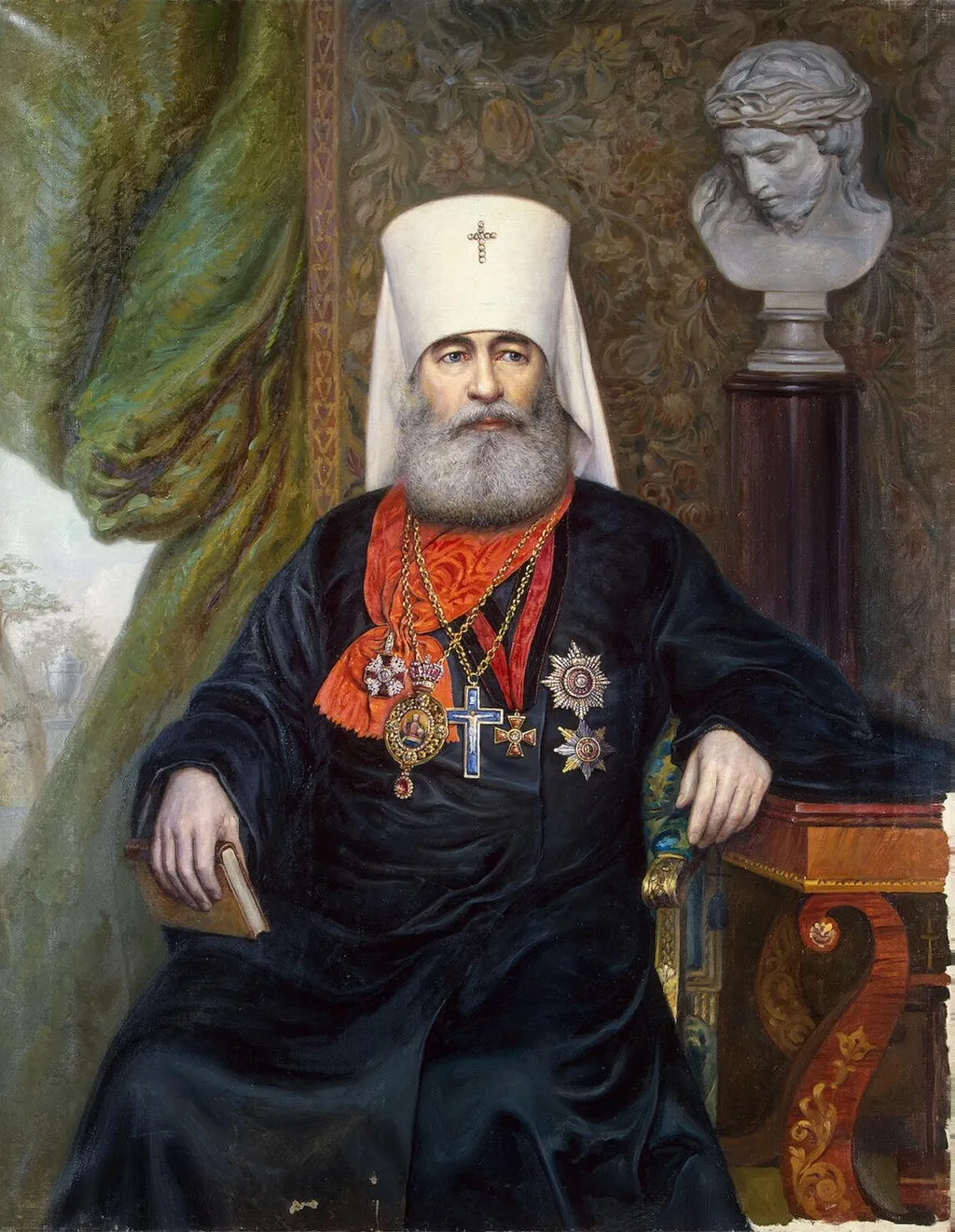
Portrait of Metropolitan Antonius is an oil painting by Andrei Andreevich Karelin. It dates from 1911 and is held in the collection of the Hermitage Museum.
About this work
Overview
Painted in 1911 by Andrei Andreevich Karelin, this oil portrait depicts Metropolitan Antonius, a senior clergyman of the Russian Orthodox Church.
Painted in 1911 by Andrei Andreevich Karelin, this oil portrait depicts Metropolitan Antonius, a senior clergyman of the Russian Orthodox Church. The work is part of the State Hermitage Museum’s collection in Saint Petersburg. Rendered with careful attention to detail, the portrait captures the subject’s dignified presence through controlled composition and subdued lighting, reflecting the conventions of ecclesiastical portraiture of the era.
Subject & Meaning
The sitter, Metropolitan Antonius, is identified by his ecclesiastical attire: a white headpiece, black robe, and red sash, all markers of high rank within the Orthodox hierarchy. The medals on his chest signify honors bestowed by church or state, while the book in his hand suggests scholarly or liturgical authority. The portrait conveys spiritual gravitas and institutional legitimacy, aligning with the role of church leaders in early 20th-century Russia.
Technique & Style
Karelin employed a restrained palette dominated by dark tones, with accents of red and white to highlight the subject’s regalia. The background contrasts a deep green curtain on the left with a muted brown wall bearing a white bust on the right, creating spatial depth without distraction. Brushwork is precise yet unobtrusive, emphasizing texture in fabric and skin, and directing focus toward the figure’s composed expression and steady gaze.
History & Provenance
The portrait was completed in 1911 and entered the collection of the State Hermitage Museum shortly thereafter. Its acquisition reflects the museum’s interest in documenting prominent religious and cultural figures of the Russian Empire. No significant changes in ownership are recorded, and the painting has remained in the museum’s care since its early 20th-century accession, preserved as part of its historical portrait collection.
Context
Created during the final years of the Russian Empire, the portrait reflects the enduring influence of the Orthodox Church in public life. Metropolitan Antonius held a position of considerable authority, and such portraits served both as personal likenesses and as symbols of institutional continuity. Karelin, known for his realistic style, contributed to a broader tradition of clerical portraiture that balanced individuality with symbolic representation.
Legacy
The portrait remains a representative example of early 20th-century Russian ecclesiastical portraiture. While Karelin is not widely known outside specialized circles, this work endures as a quiet testament to the visual language of religious authority in imperial Russia. It continues to inform scholarly understanding of how spiritual leadership was visually constructed during a period of profound social and political change.
Artist & collection
Artist
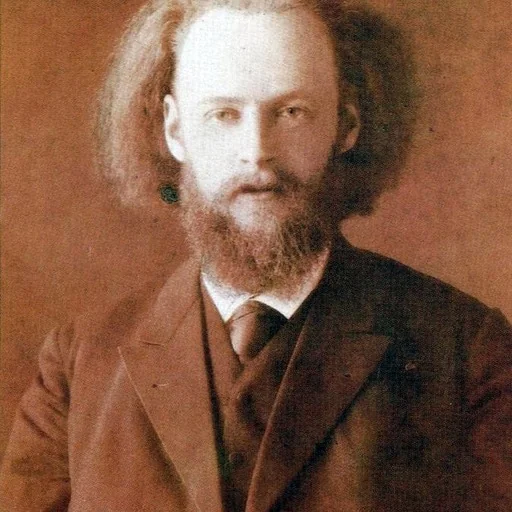
Andrei Andreevich Karelin (1866–1928) was an artist, born in Kostroma.

 Patriarch Gregorios Haddad (1859 - 1928)
 Portrait of Metropolitan Seraphim, whose secular name was Stefan Vasilievich Glagolevsky
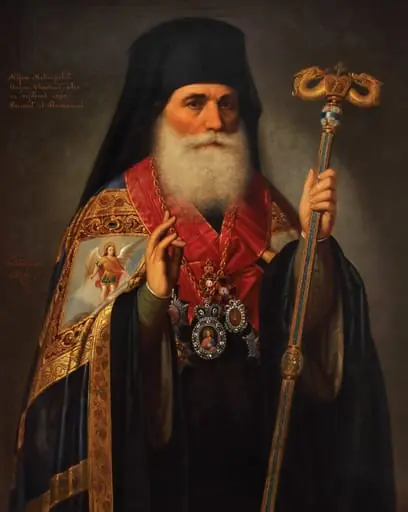 Nifon Mitropolitul Primat al Ungro-Vlahiei
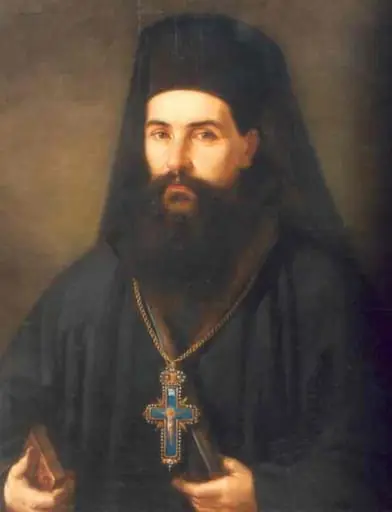 Arhimandritul Iosif Naniescu
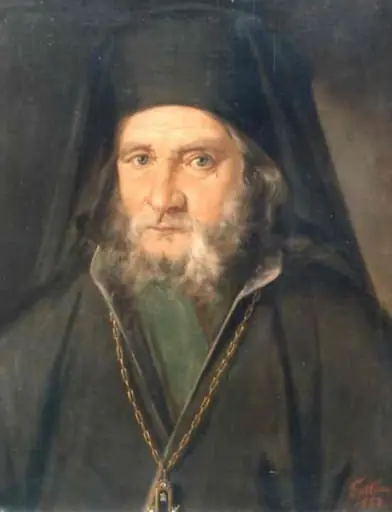 Arhimandritul Rovin Târgșoreanu
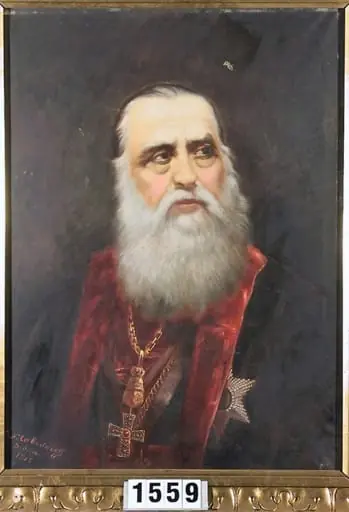 Andrei Șaguna
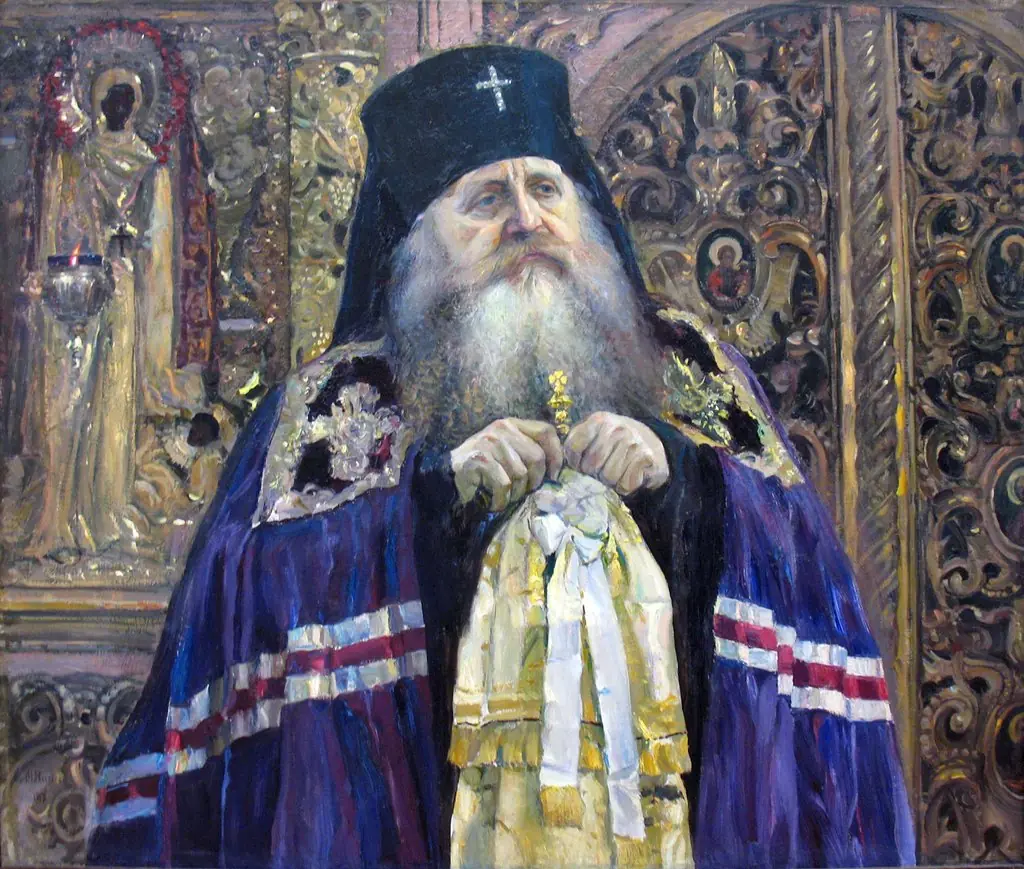 Archbishop Anthony (Khrapovitsky)
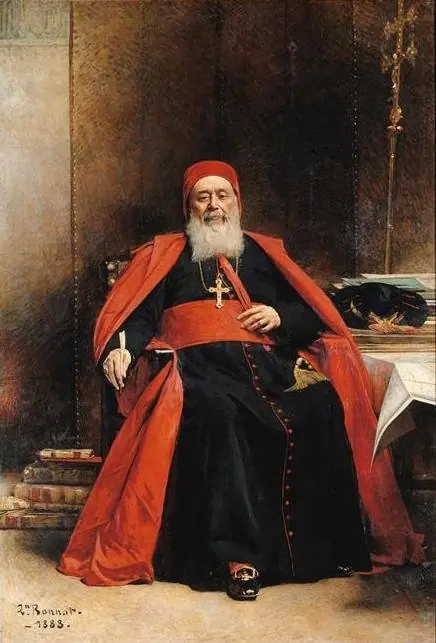 Portrait of the Cardinal Lavigerie
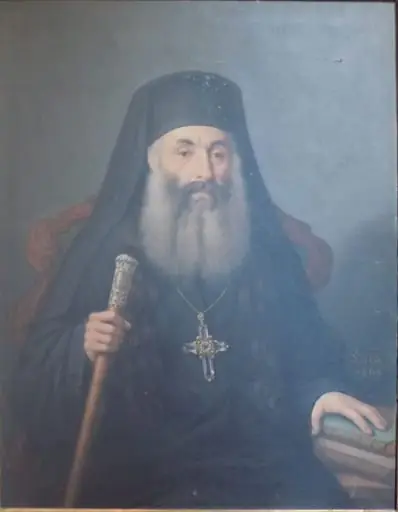 Portret de mitropolit
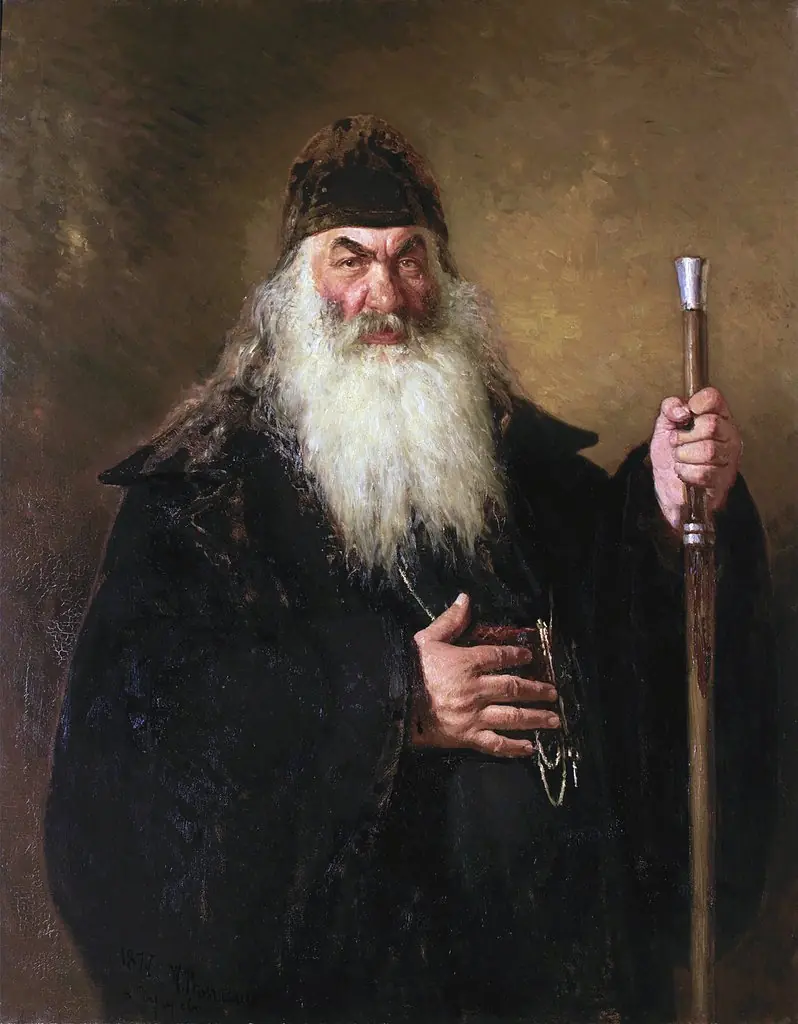 Portrait of An Archdeacon
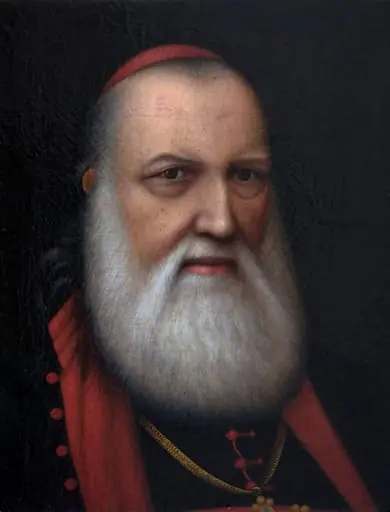 Arhiereul Emilijan Kengelac, episcop sârb de Vârșeț
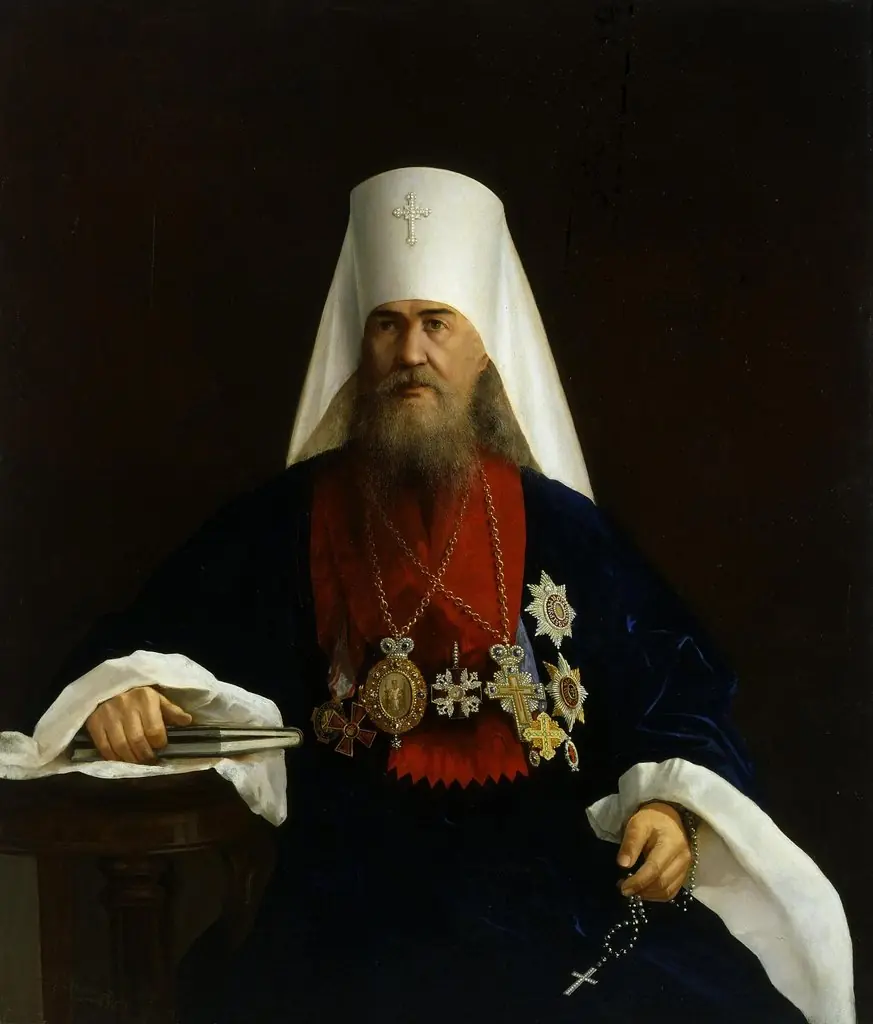 Portrait of Metropolitan Palladius