Artwork
Patriarch Gregorios Haddad (1859 - 1928)
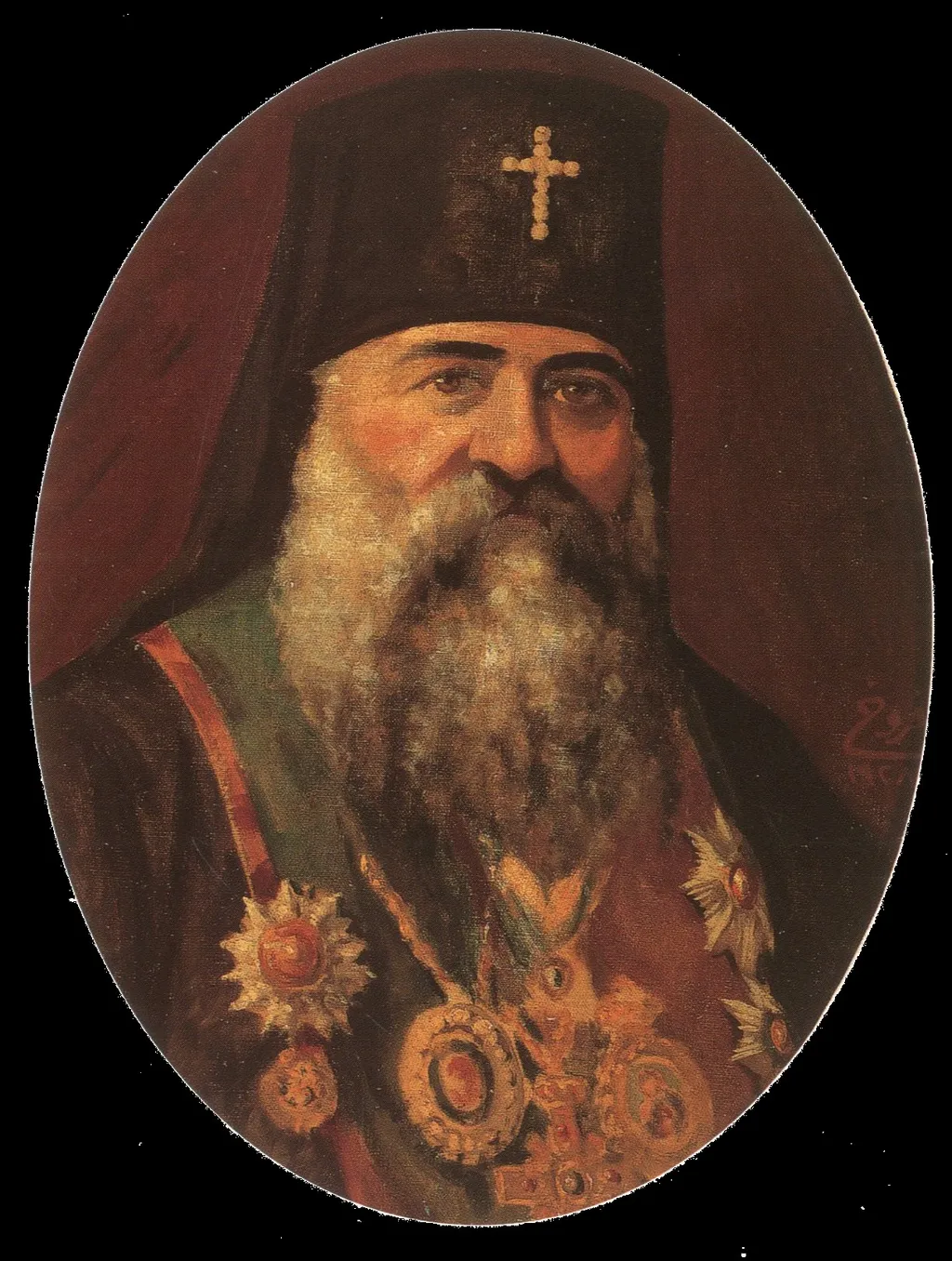
Patriarch Gregorios Haddad (1859 - 1928) is an oil painting by the Orientalist artist Moustafa Farroukh. It dates from 1939 and is held in the collection of the Sursock Museum.
About this work
Overview
Patriarch Gregorios Haddad is an oil portrait painted by Moustafa Farroukh around 1939. The oval work depicts a dignified, bearded religious figure set against a deep red background, conveying solemnity through its composition and attire.
Subject & Meaning
The subject is Patriarch Gregorios Haddad, a prominent religious figure, specifically Gregory IV of Antioch. His portrayal in a black robe with red trim, green collar, golden cross-adorned hat, and gold medals emphasizes his ecclesiastical rank and honors.
Technique & Style
Executed in oil paint, the portrait aligns with the Orientalist movement, characterized by its detailed, realistic depiction of the subject and his attire, with a focus on capturing the sitter's gravity and direct gaze.
History & Provenance
Created circa 1939 by Lebanese artist Moustafa Farroukh, the painting is part of the Sursock Museum's collection. Farroukh was a prolific artist and writer, contributing significantly to Lebanon's cultural heritage.
Context
As part of the Orientalist movement, the painting reflects a European-inspired aesthetic focusing on Middle Eastern subjects. It also highlights the cultural exchange and artistic trends prevalent during Farroukh's active period in 20th-century Lebanon.
Legacy
Through this portrait, Farroukh not only honored Patriarch Gregorios Haddad but also left a mark on Lebanon's artistic legacy, alongside his extensive body of over 2,000 paintings and literary works, including five published books.
Artist & collection
Artist
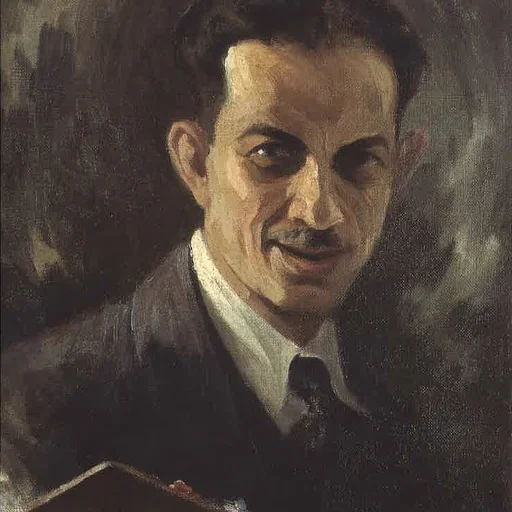
Moustafa Farroukh (Arabic: مصطفى فروخ; 1901 – 1957) was one of Lebanon's most prominent painters of the 20th century.

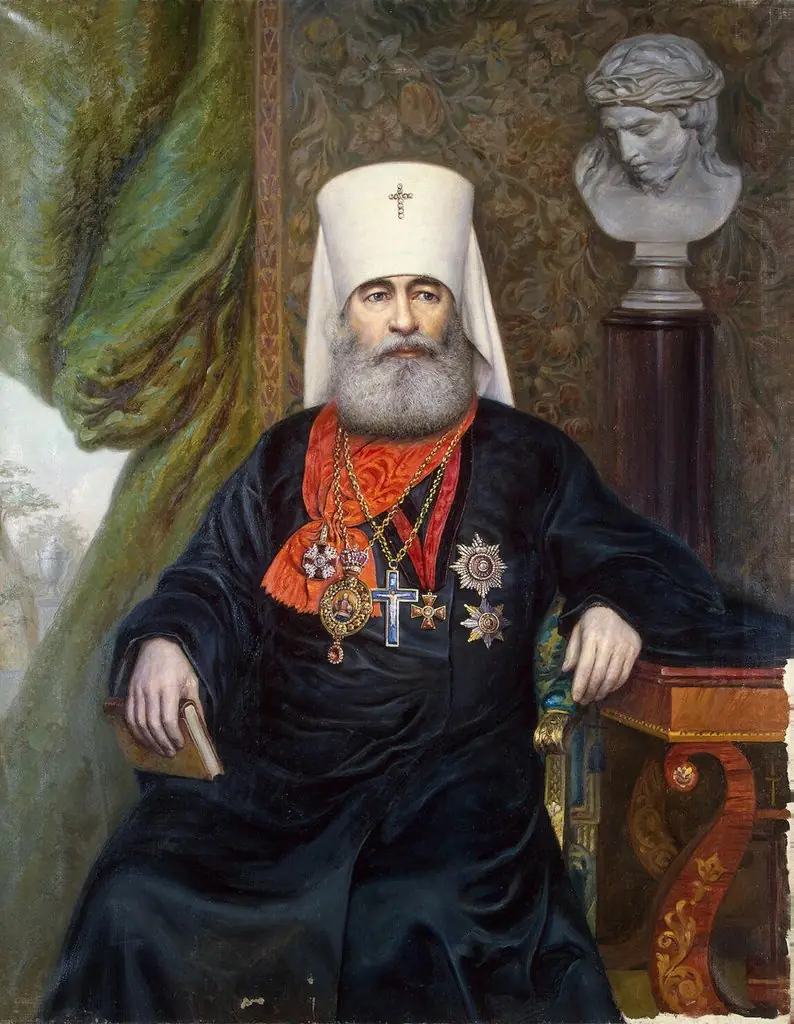 Portrait of Metropolitan Antonius
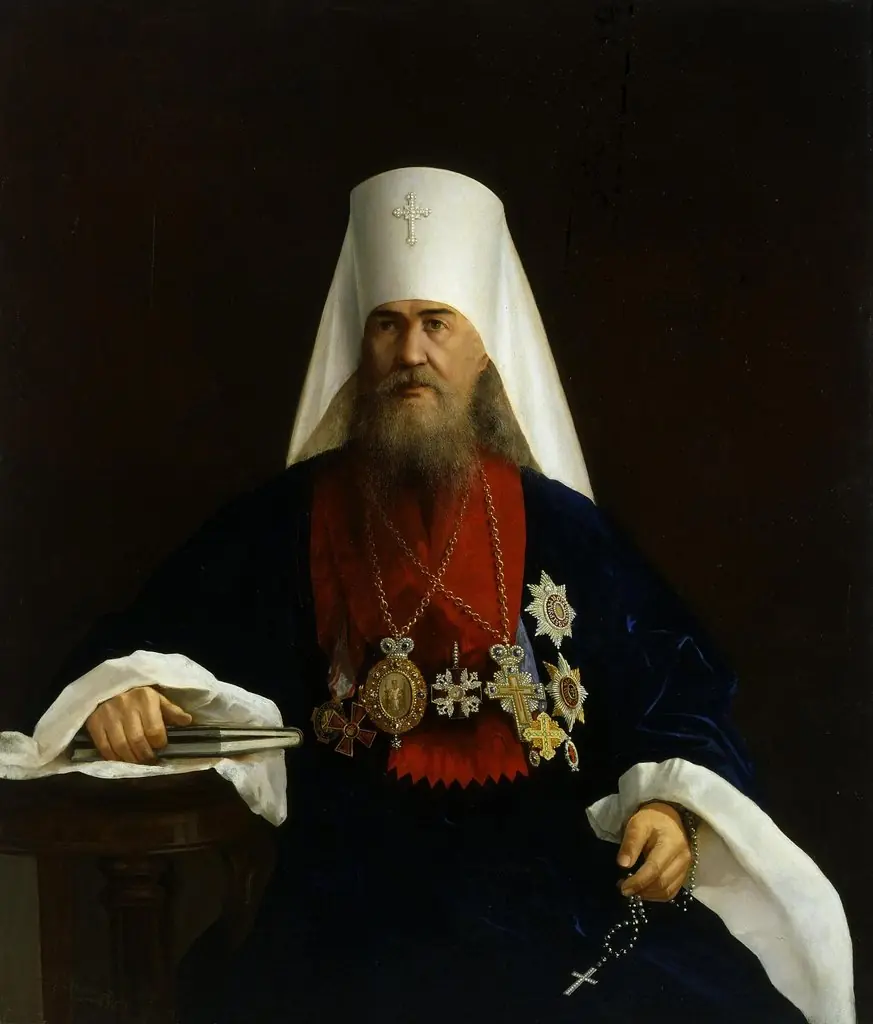 Portrait of Metropolitan Palladius
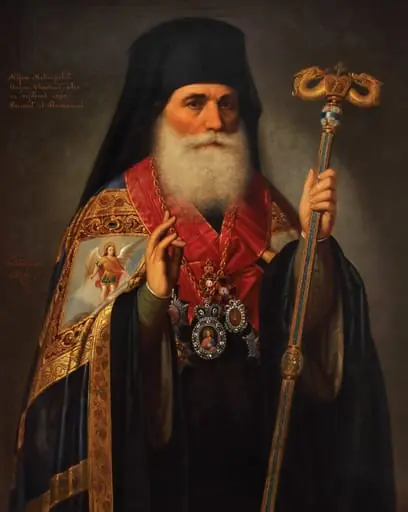 Nifon Mitropolitul Primat al Ungro-Vlahiei
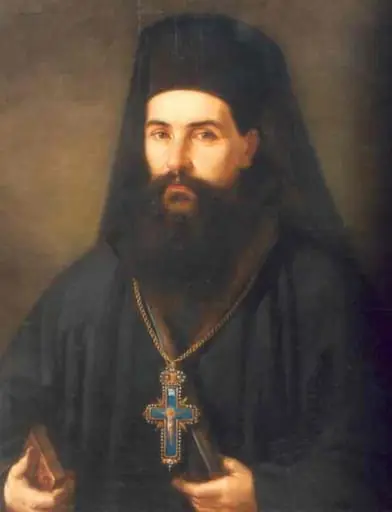 Arhimandritul Iosif Naniescu
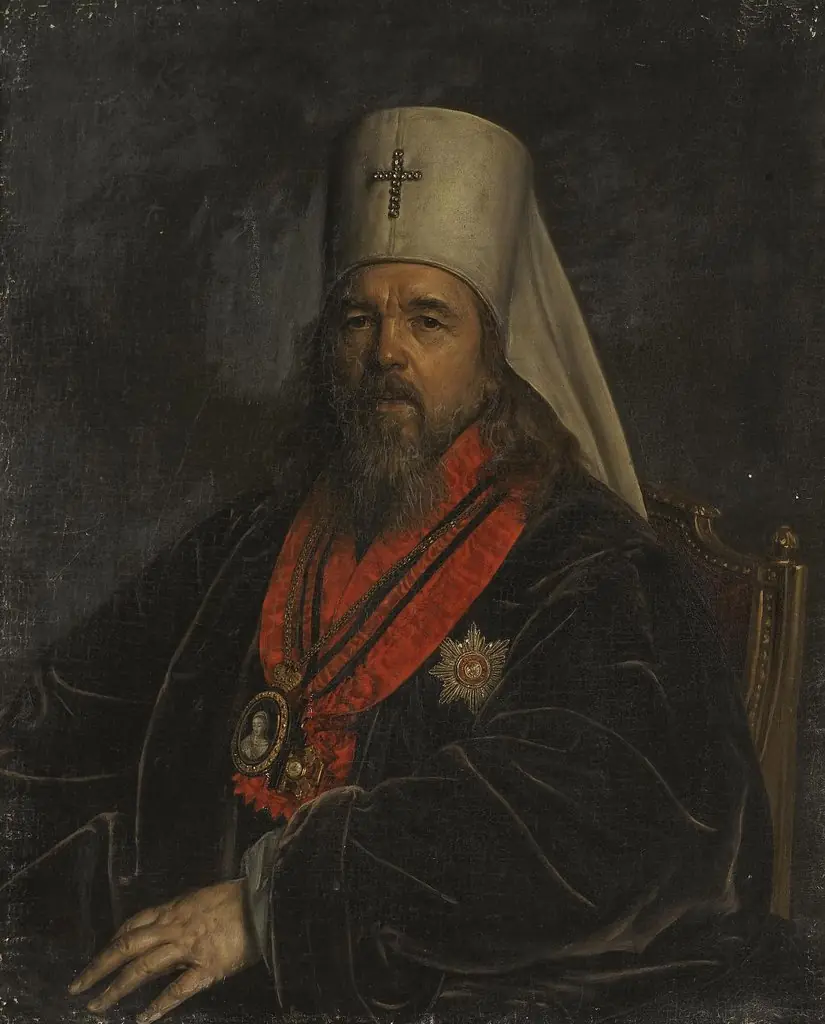 Portrait of Metropolitan Seraphim, whose secular name was Stefan Vasilievich Glagolevsky
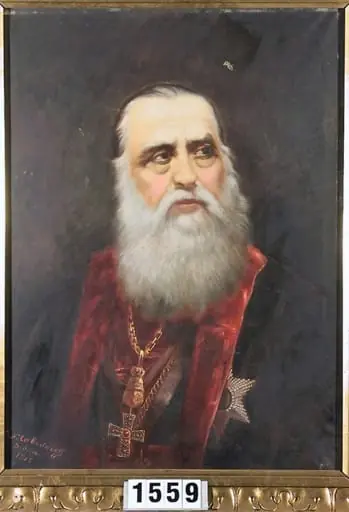 Andrei Șaguna
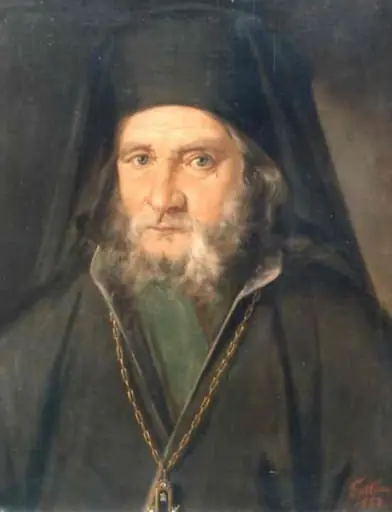 Arhimandritul Rovin Târgșoreanu
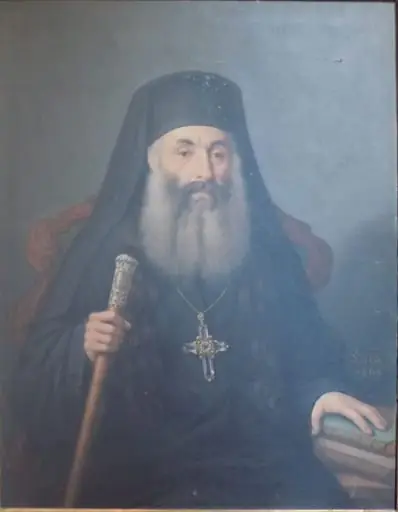 Portret de mitropolit
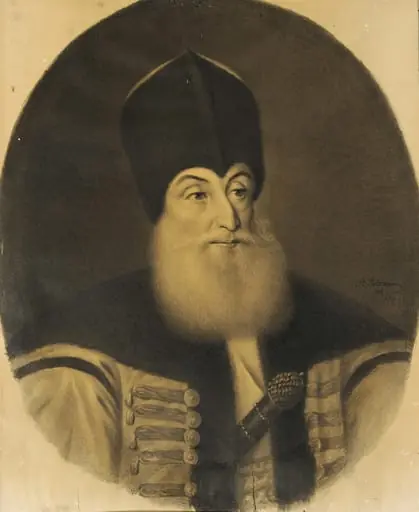 Προσωπογραφία του Αλεξάνδρου (Βόδα) Σούτσου
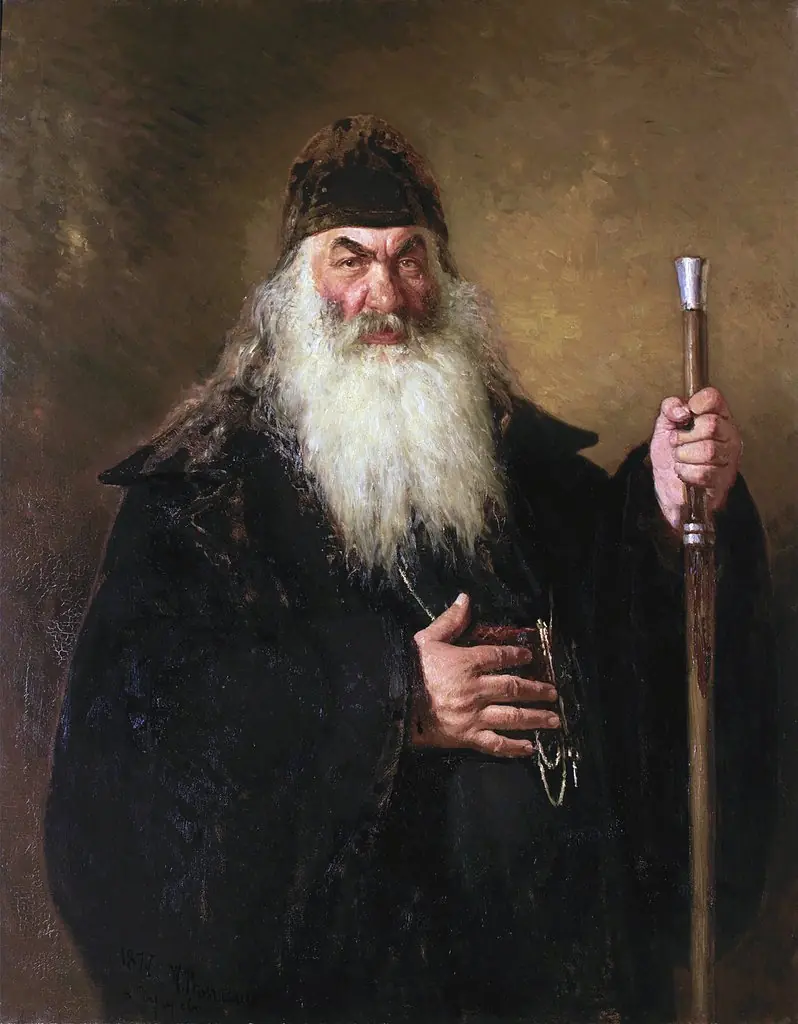 Portrait of An Archdeacon
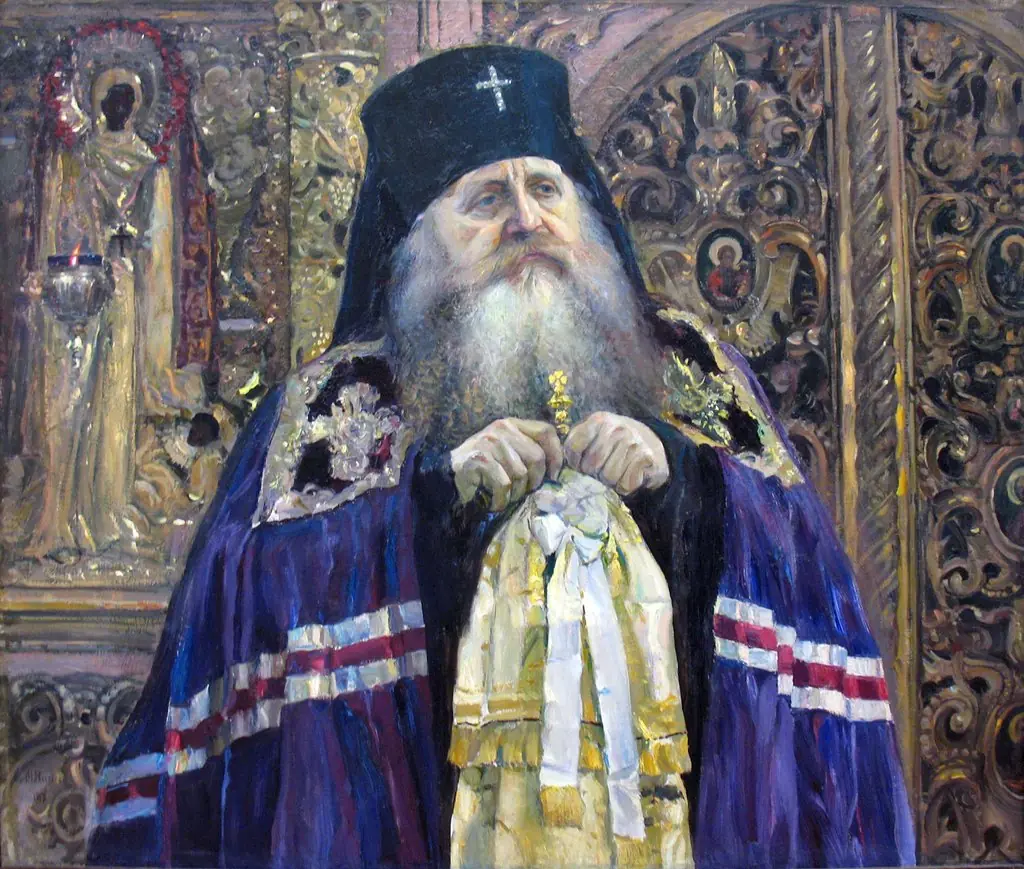 Archbishop Anthony (Khrapovitsky)
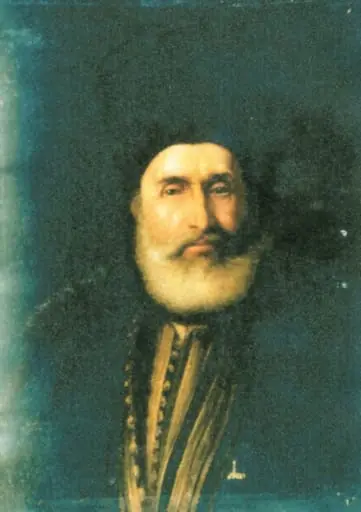 Marele Ban Năsturel Herescu