Artwork
Archibald Skirving (1749 - 1819)
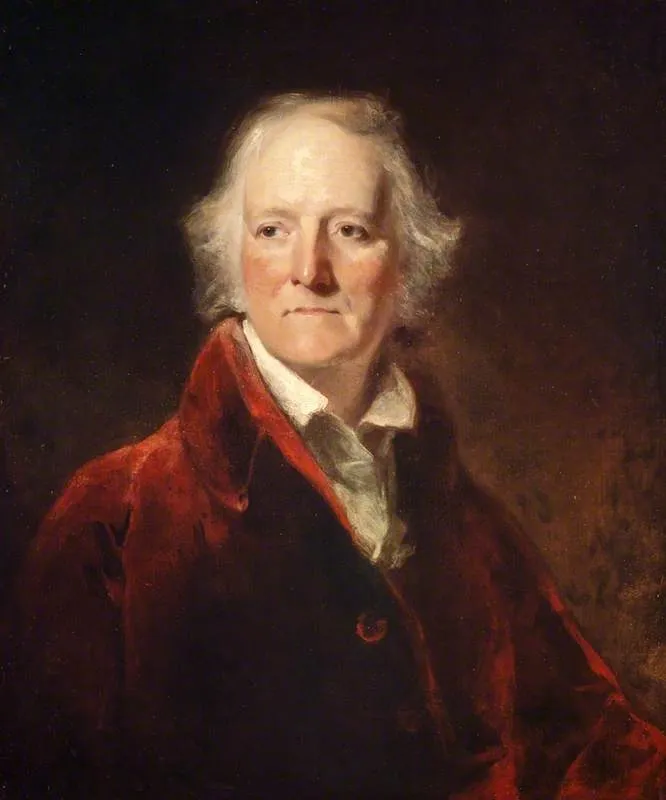
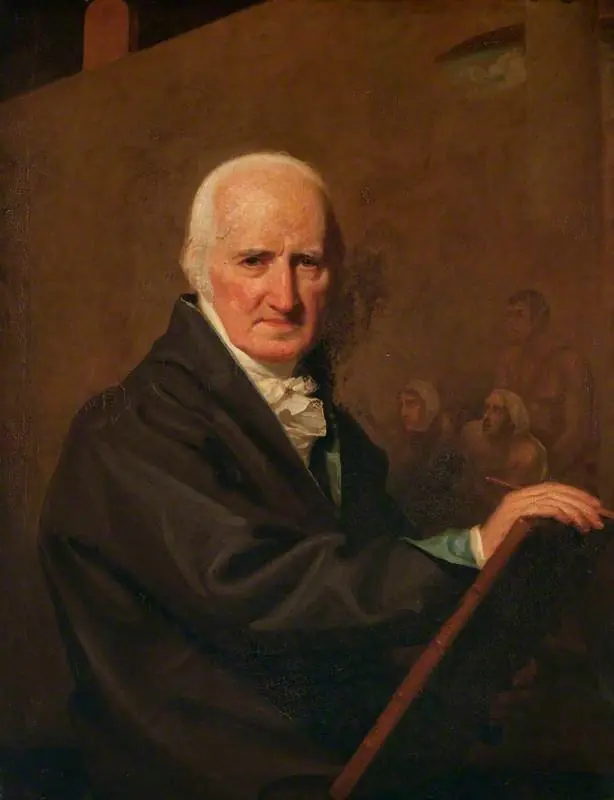
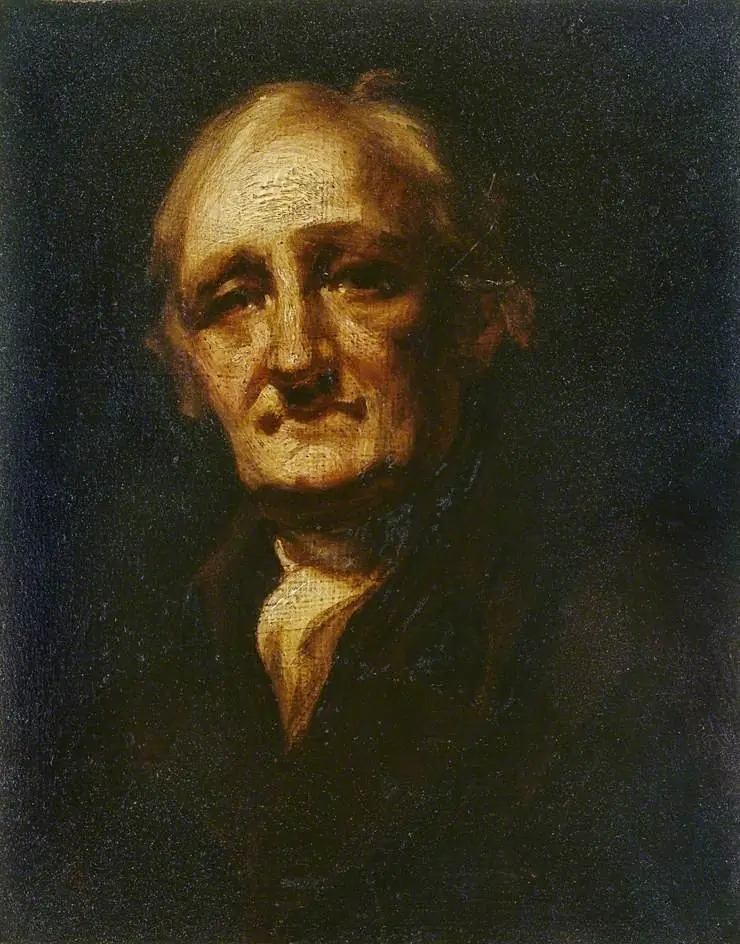
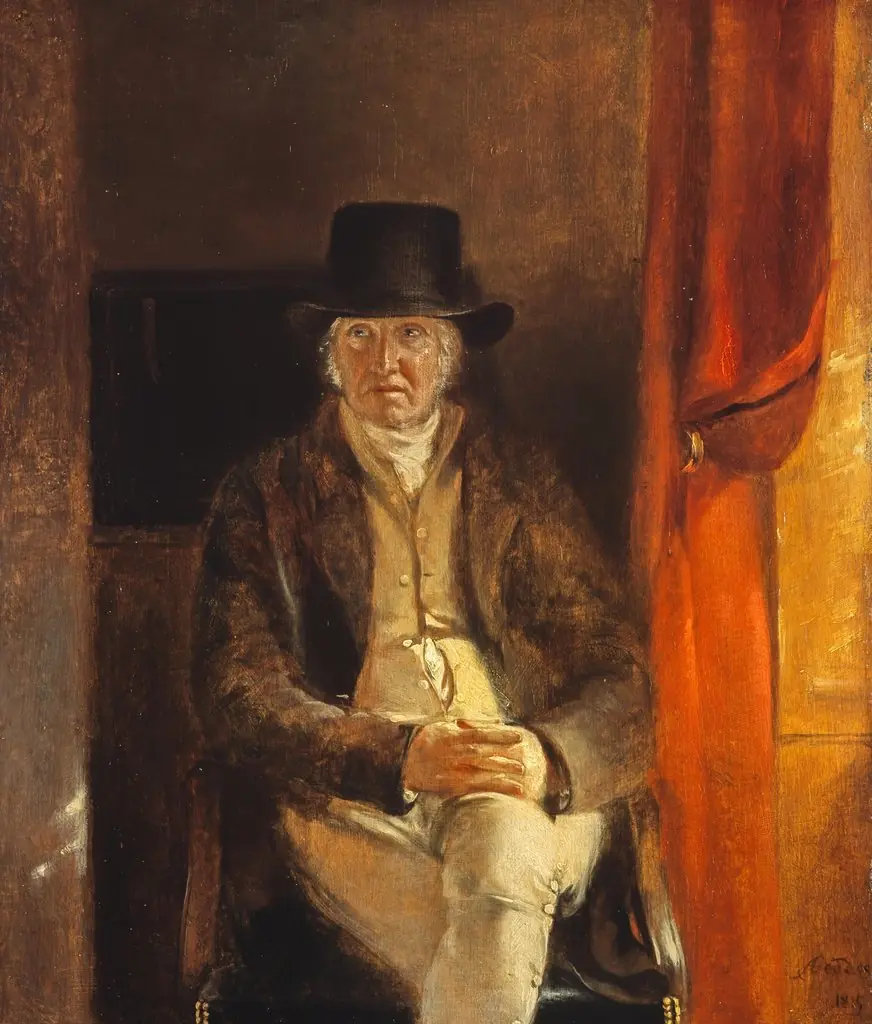
Archibald Skirving (1749 - 1819) is an oil painting by the British Romanticist artist Andrew Geddes. It dates from 1812 and is held in the collection of the National Galleries Scotland.
About this work
Overview
This oil portrait, created by Andrew Geddes in 1812, captures the likeness of Archibald Skirving, a man nearing the end of his life at the time of the painting. The work is now part of the collection at the Scottish National Gallery.
Subject & Meaning
The subject, Archibald Skirving (1749-1819), is portrayed in a state of dignified solemnity, conveyed through his serious expression, white hair, and formal attire consisting of a dark red coat, white shirt, and gray cravat. The composition emphasizes his face, suggesting a focus on character over surroundings.
Technique & Style
Geddes employed soft brushstrokes to render the textures of Skirving's hair and clothing, achieving a sense of depth and realism. The use of a plain, dark background, coupled with gentle, face-centric lighting, further enhances the subject's prominence and introspective mood.
History & Provenance
Painted in 1812, the portrait is attributed to Andrew Geddes, a known portraitist. It is currently housed at the Scottish National Gallery, though specific details of its acquisition or earlier ownership are not provided here.
Context
Understanding the broader context of Andrew Geddes' work, particularly his approach to portraiture, can offer deeper insights into this piece. Exploring his portfolio reveals consistent themes and techniques in capturing his subjects.
Legacy
While specific lasting impacts or notable exhibitions of this portrait are not detailed, its presence in the Scottish National Gallery ensures its contribution to the visual record of Scotland's historical figures and the artistic legacy of Andrew Geddes.
Artist & collection

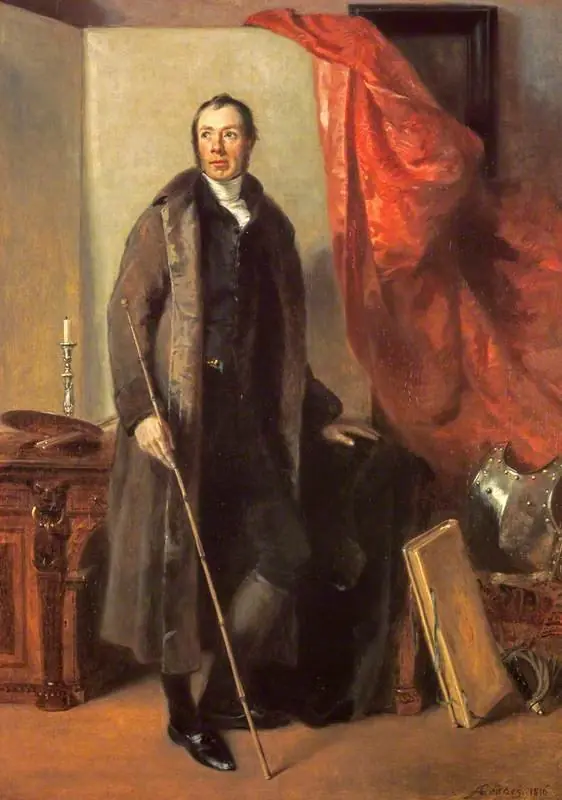 George Sanders (1774 - 1846)
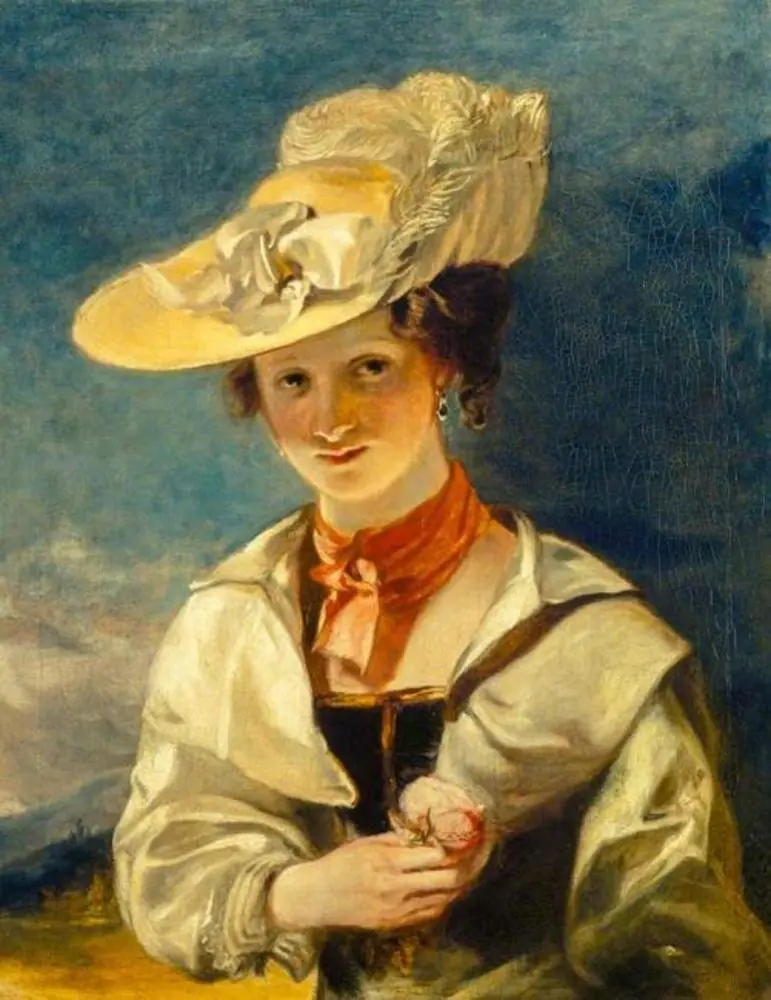 Summer
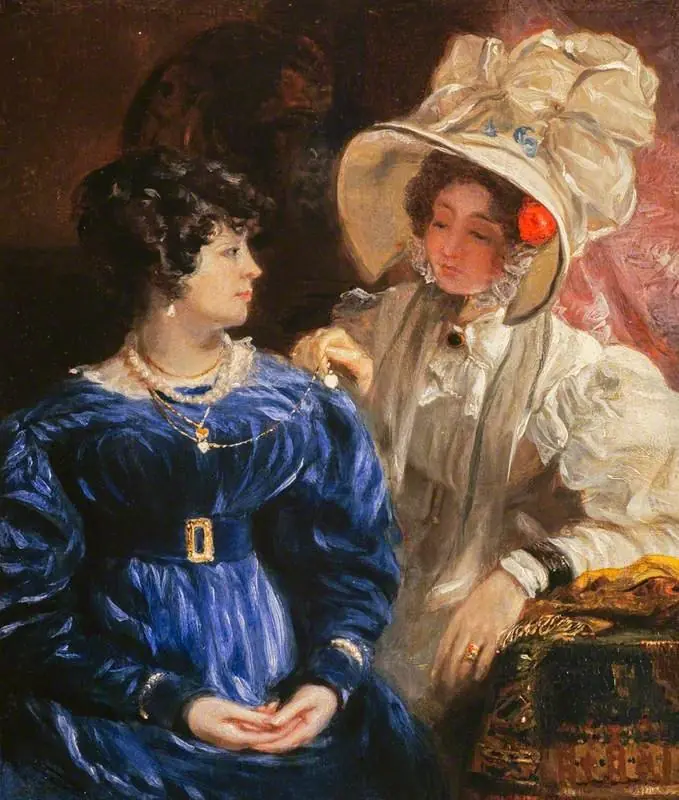 Portrait of Two Women (possibly Adela Geddes (1791-1881), the Artist's Wife, and a Friend)
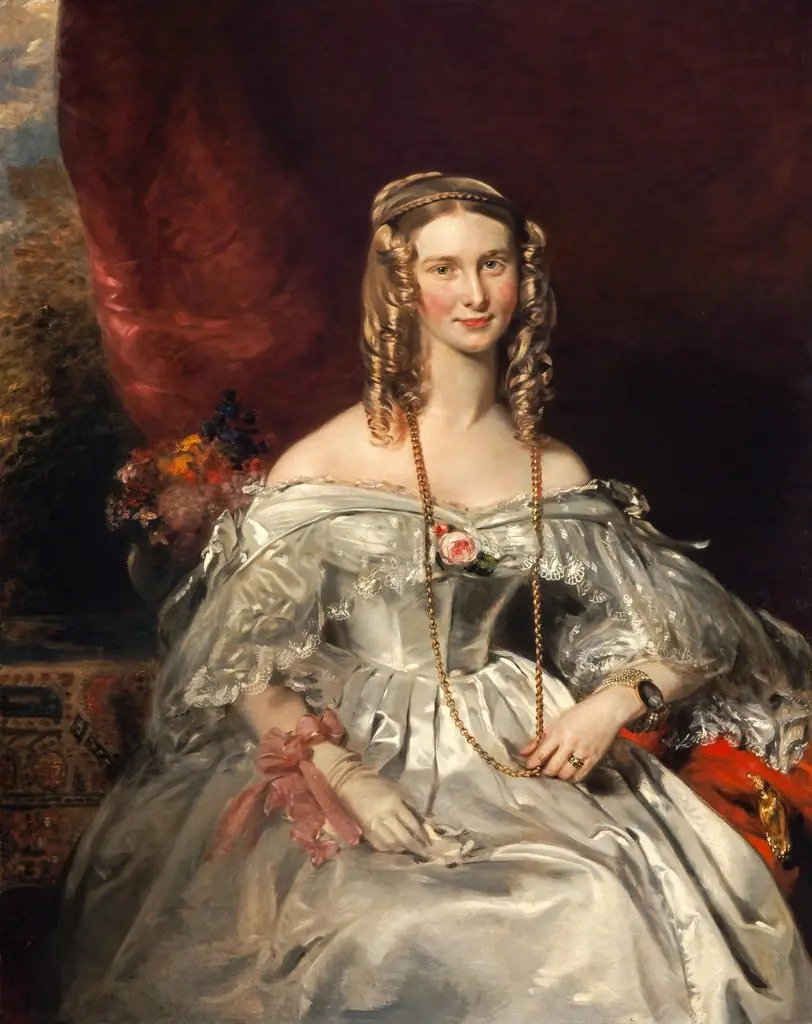 Hannah Fry, Mrs Harris Prendergast (1814 - 1859)
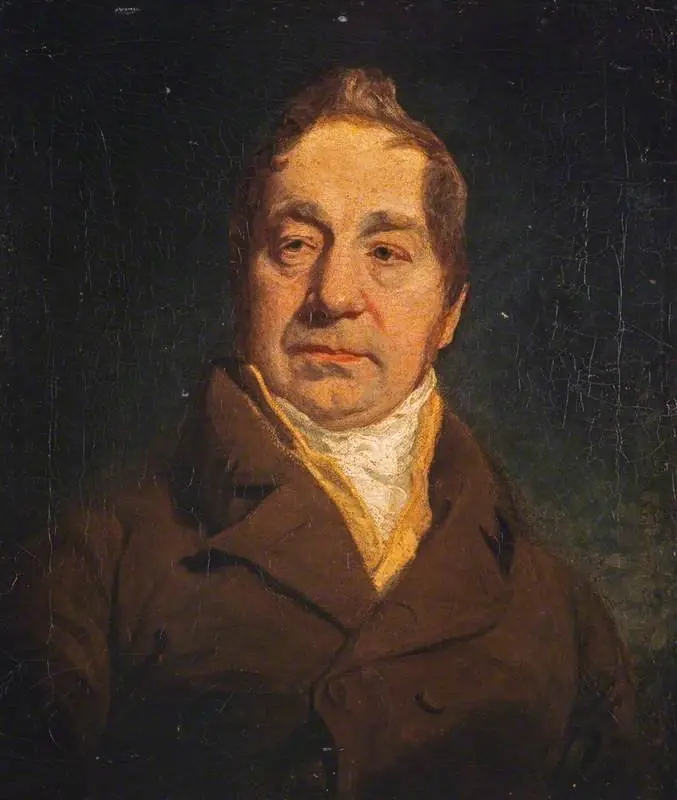 Portrait of a Man
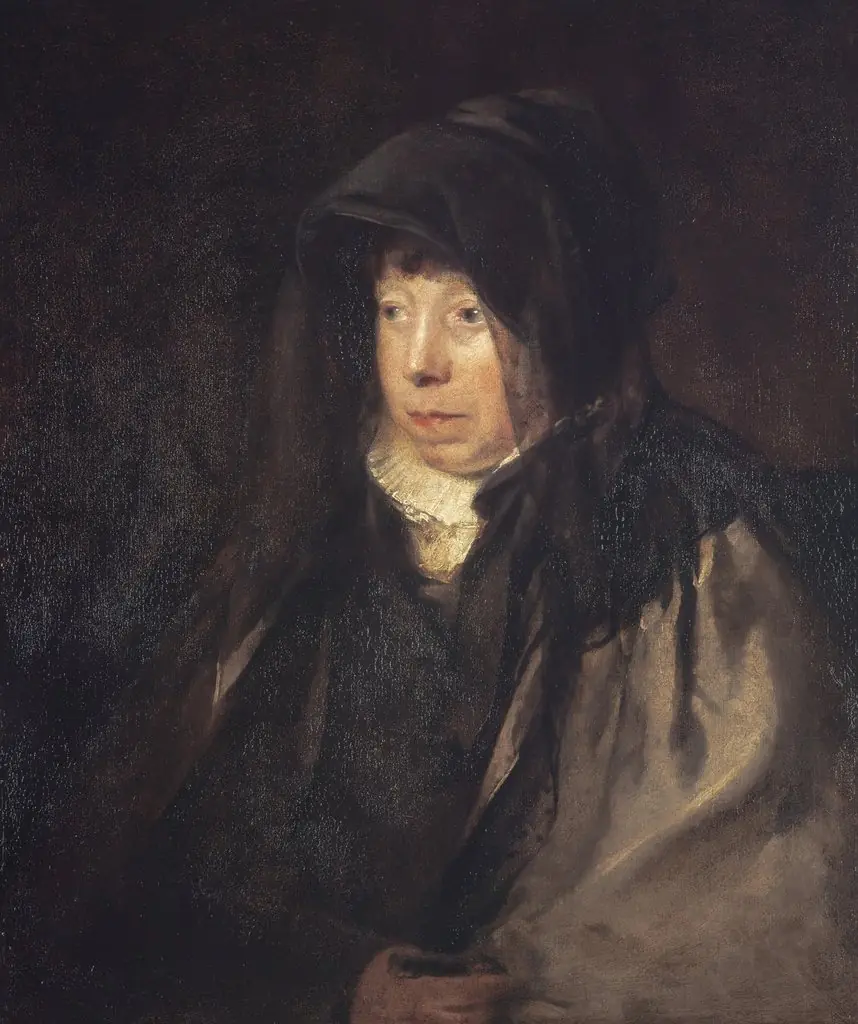 The Artist's Mother (Agnes Boyd, Mrs David Geddes, 1760 / 1761 - 1828)
 Andrew Plimer (1763 - 1837)
 Landscape in the Manner of Rembrandt