Artwork
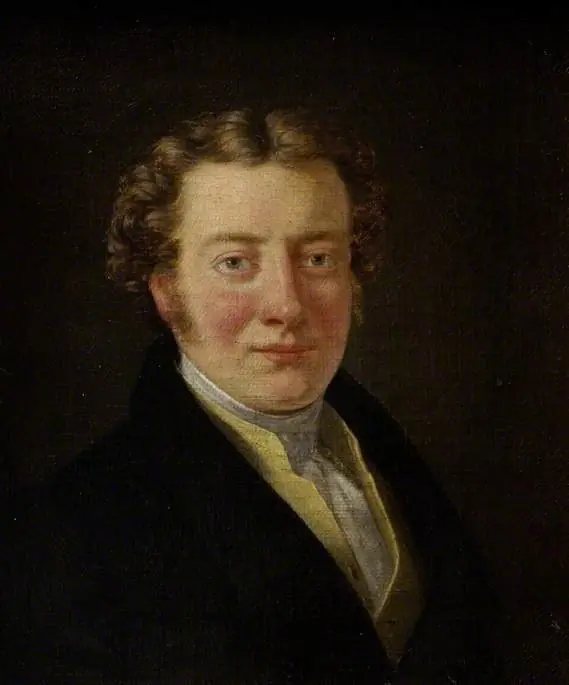
Portrait of a Man
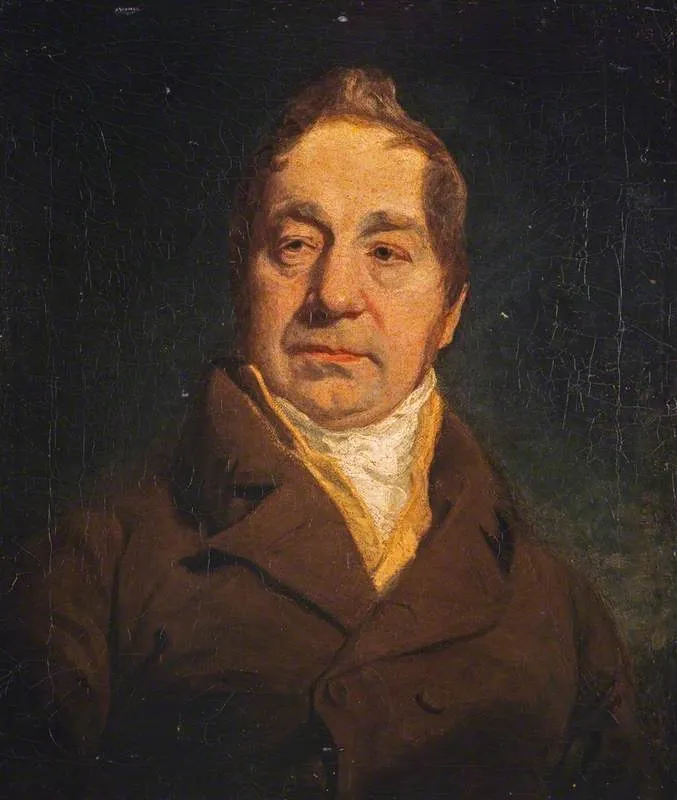
Portrait of a Man is an oil painting by Andrew Geddes. It dates from 1823 and is held in the collection of the National Galleries Scotland.
About this work
Overview
Andrew Geddes’s oil portrait, dated around 1823, presents a solitary male sitter rendered from the chest upward. The work belongs to the Scottish National Gallery’s collection, where it is displayed as an example of early‑nineteenth‑century portraiture. Its composition centers the figure against a dark backdrop, emphasizing the subject’s attire and facial features.
Subject & Meaning
The sitter, a man with short dark hair, wears a brown coat with a high collar, a white cravat, and a yellow waistcoat. His expression is neutral and his gaze meets the viewer directly, suggesting a moment of restrained introspection. The painting conveys a quiet, contemplative presence rather than overt narrative.
Technique & Style
Geddes employs chiaroscuro, using deep shadows behind the figure to model light across the face and clothing, creating a three‑dimensional effect. Visible brushwork adds texture to the fabrics and skin, while fine detailing captures the crispness of the cravat and the sheen of the waistcoat. The overall palette is muted, with the dark background enhancing contrast.
History & Provenance
Created circa 1823, the portrait entered the Scottish National Gallery’s holdings in the twentieth century, though precise acquisition details remain limited. Its attribution to Geddes is supported by stylistic comparison with his other early‑19th‑century works, confirming its place within his mature portrait period.
Context
The painting reflects the conventions of British portraiture in the post‑Napoleonic era, when middle‑class patrons often commissioned modest yet dignified likenesses. Geddes, a Scottish artist trained in London, blended academic techniques with a restrained personal style, situating this work within the broader trend of realistic, character‑focused portraiture of the time.
Artist & collection

 Archibald Skirving (1749 - 1819)
 George Sanders (1774 - 1846)
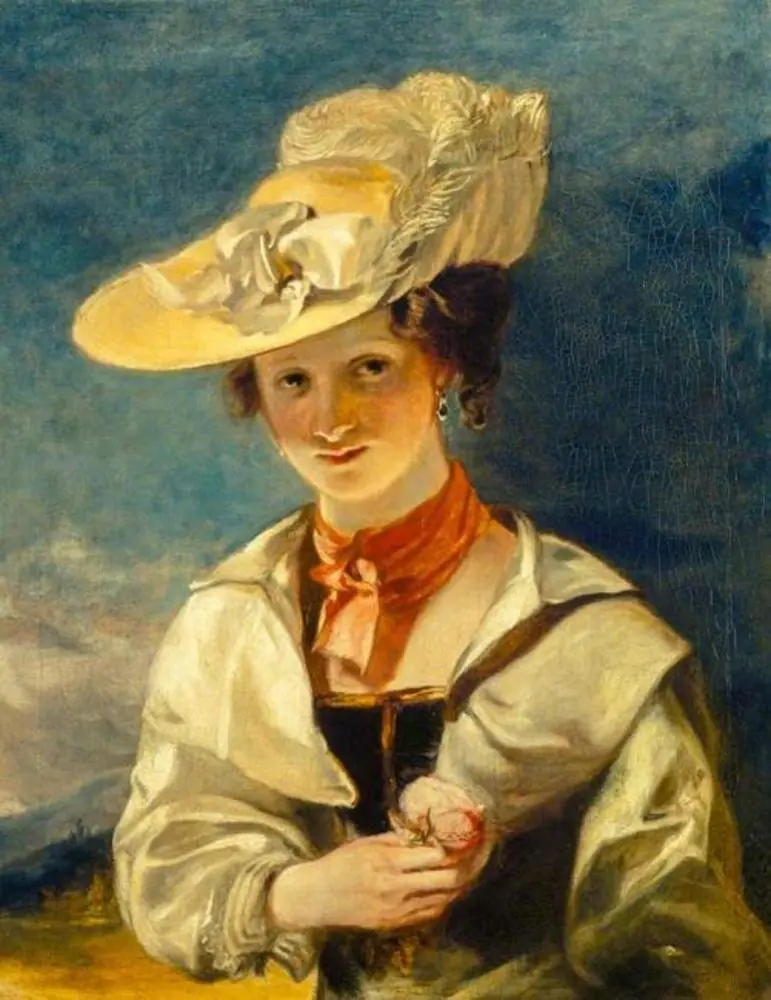 Summer
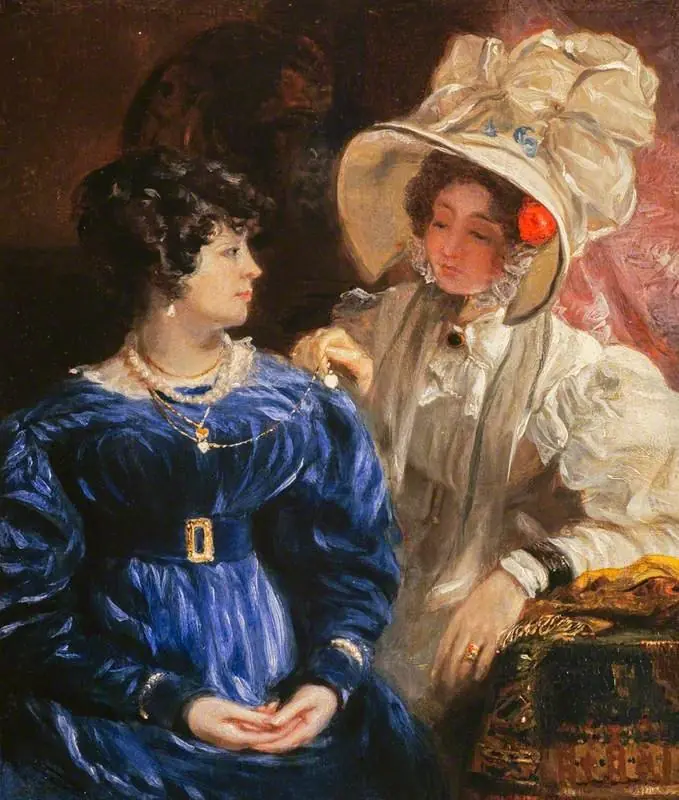 Portrait of Two Women (possibly Adela Geddes (1791-1881), the Artist's Wife, and a Friend)
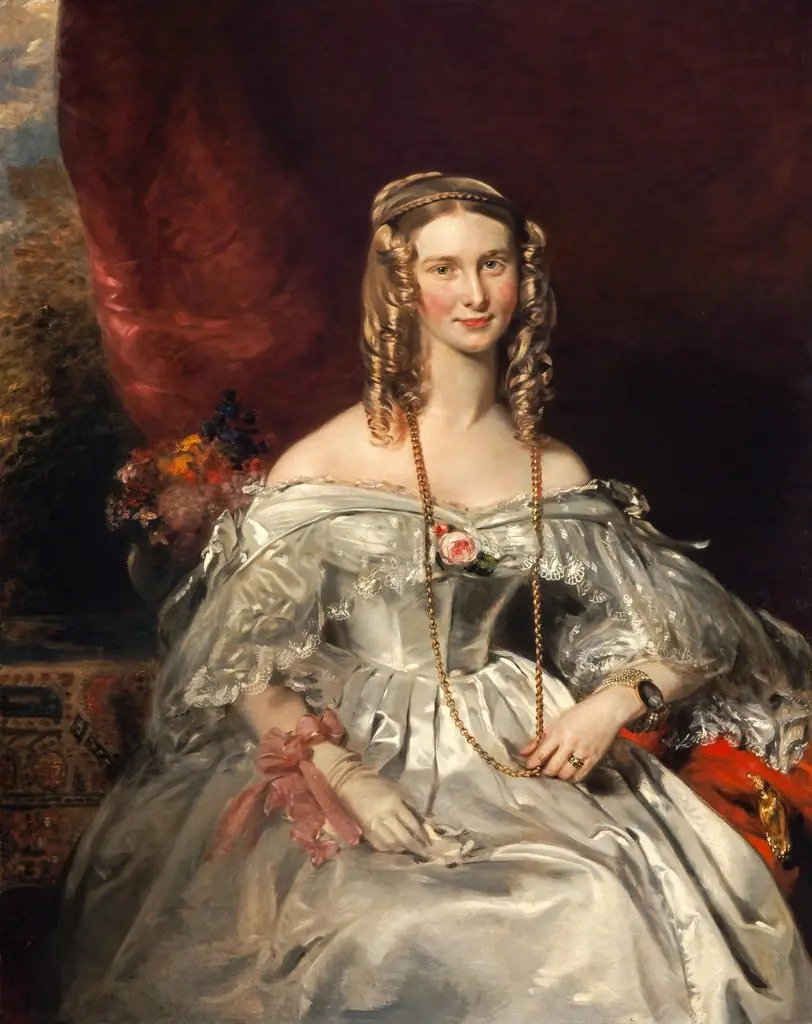 Hannah Fry, Mrs Harris Prendergast (1814 - 1859)
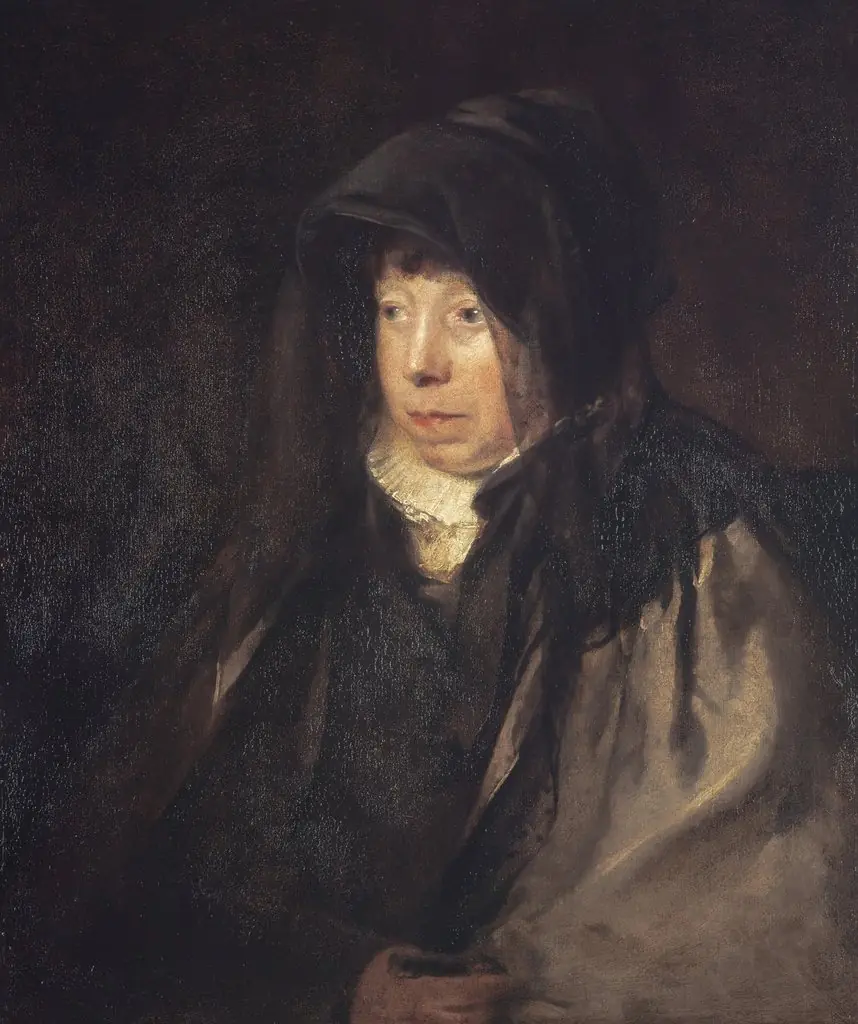 The Artist's Mother (Agnes Boyd, Mrs David Geddes, 1760 / 1761 - 1828)
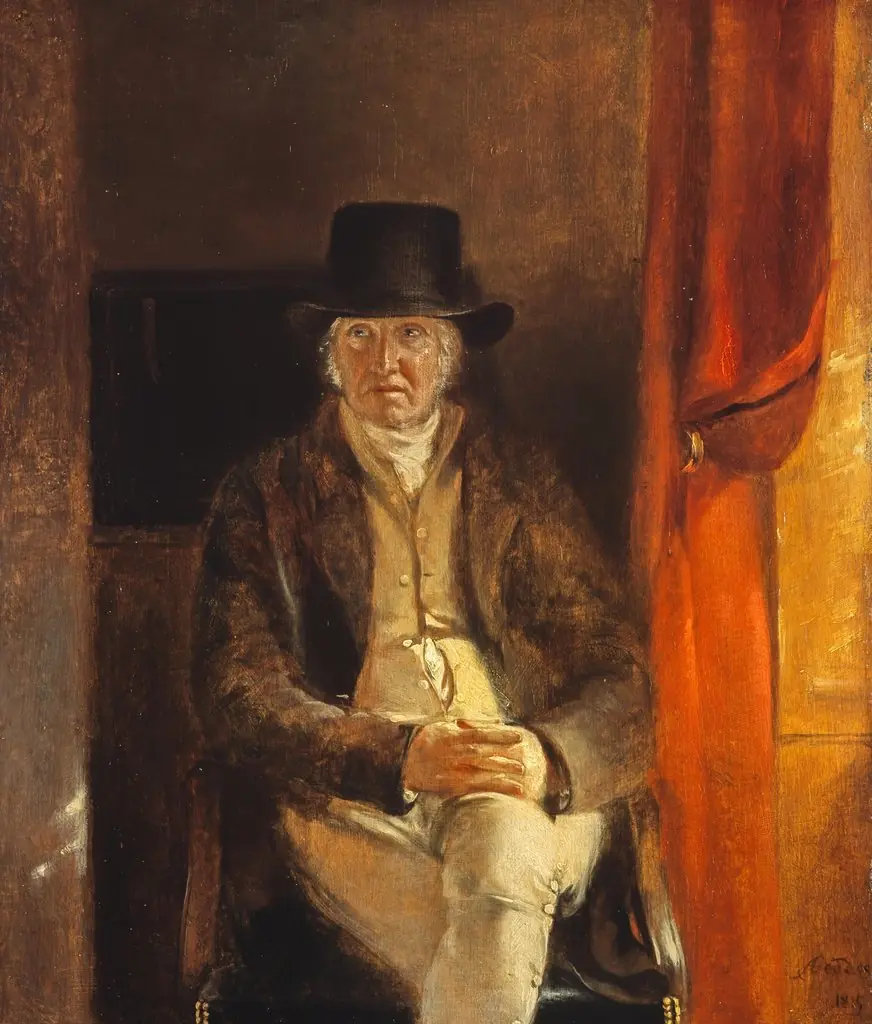 Andrew Plimer (1763 - 1837)
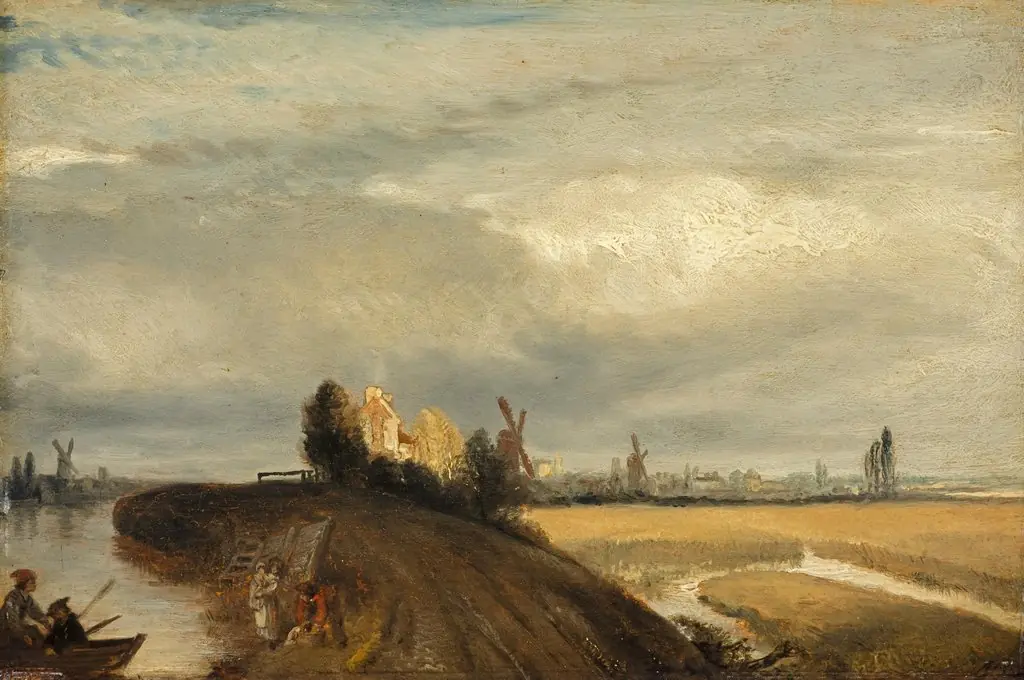 Landscape in the Manner of Rembrandt
 Portrait of a Man
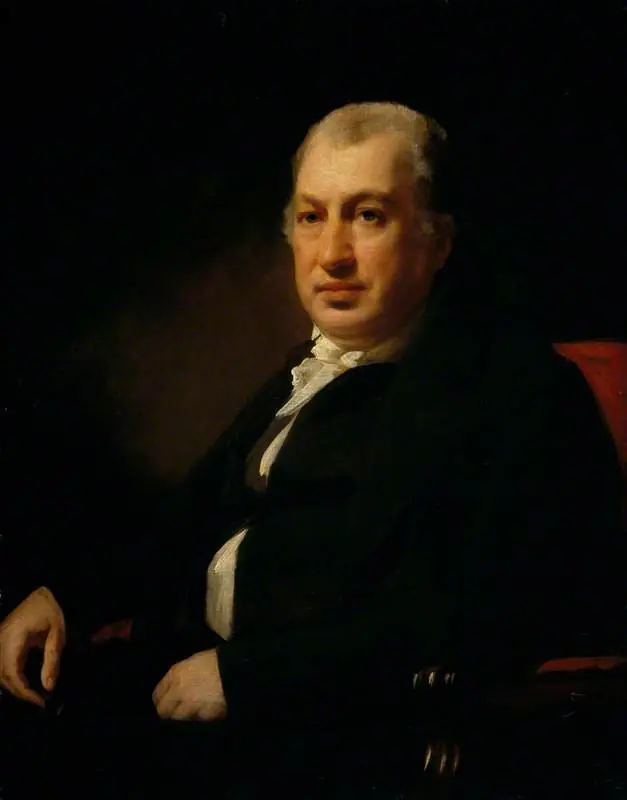 George Kinnear (1751 - 1823)
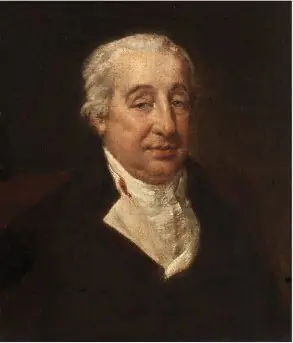 Portrait of the Rt Hon. David La Touche of Marlay (1729-1817)
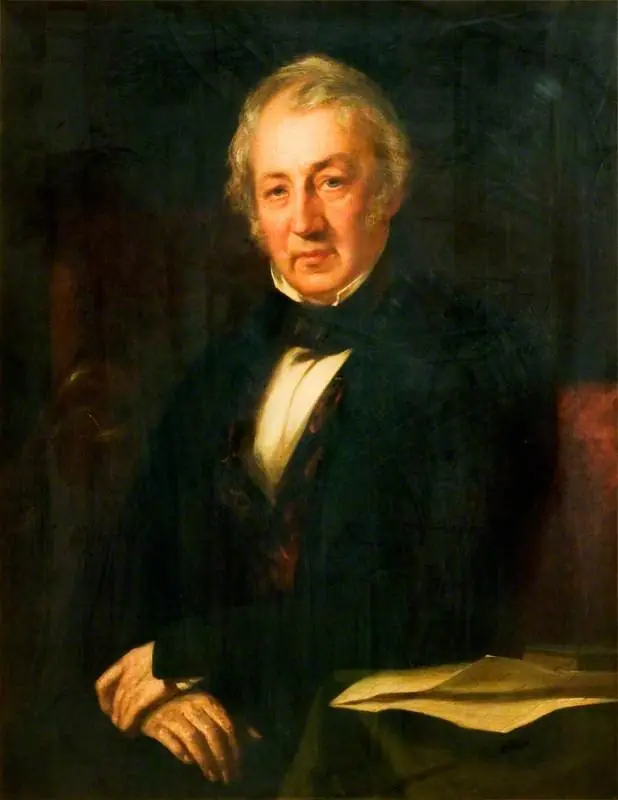 Andrew Ure (1778–1857), MD, FRS
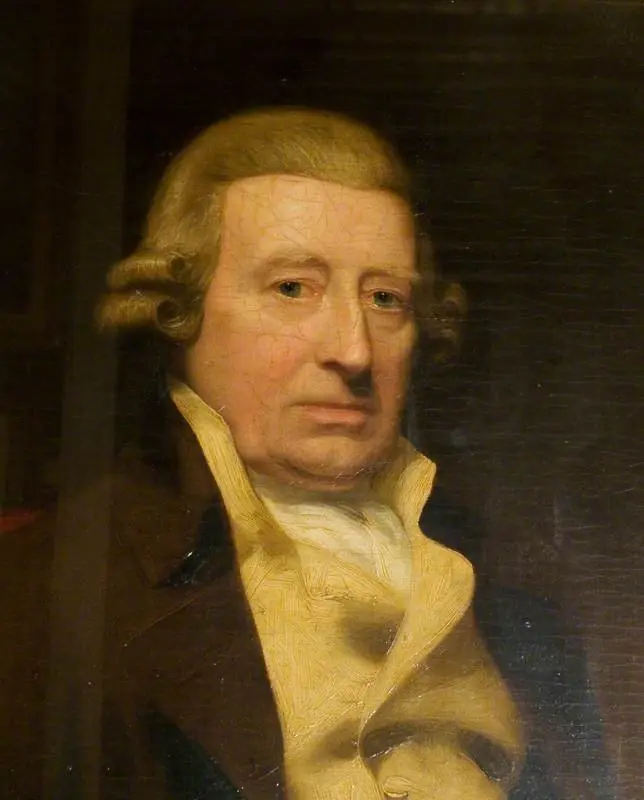 Robert Jones
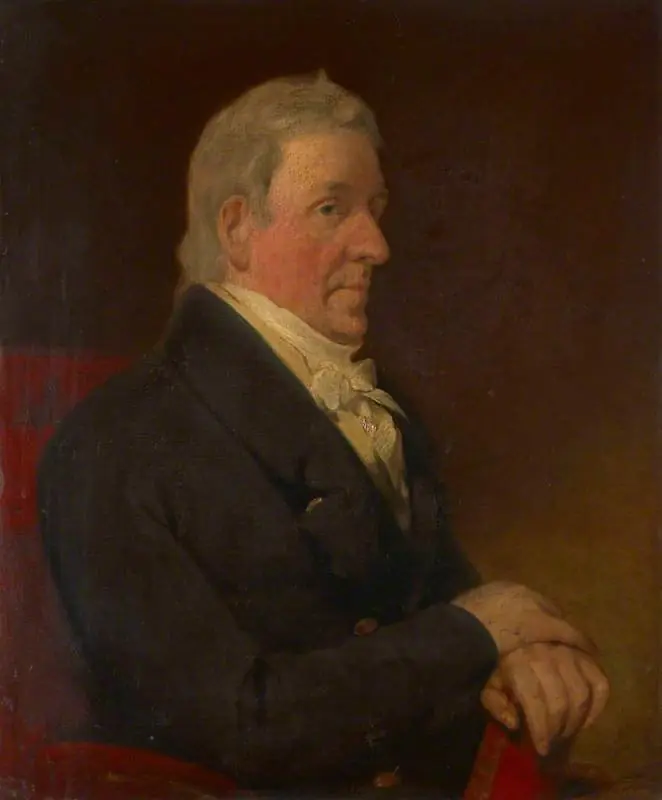 Peter Spalding (c. 1758 - 1826)
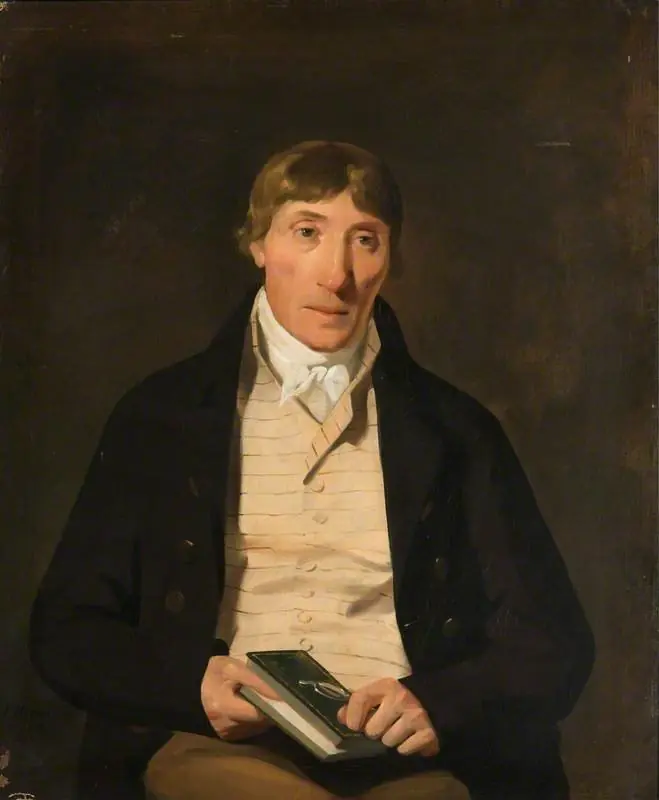 Mr Kippen
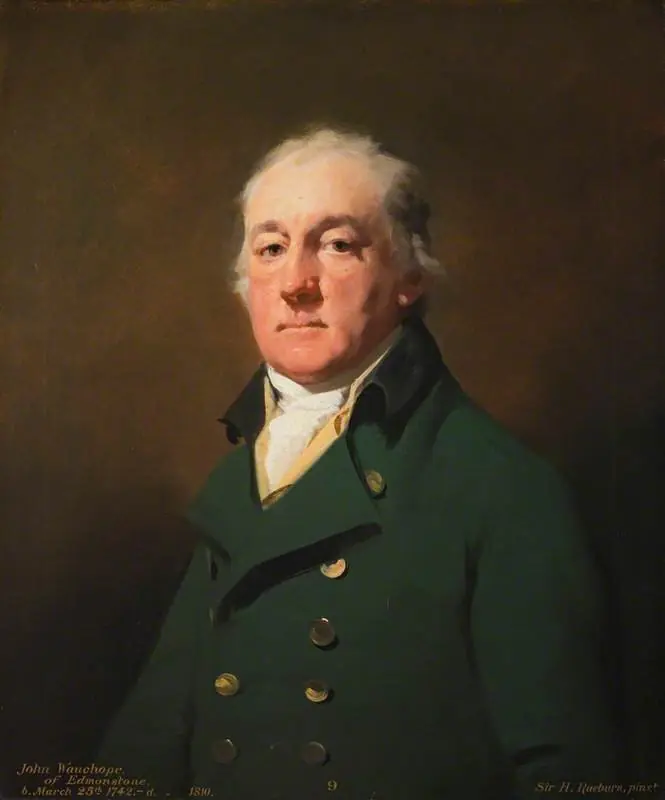 John Wauchope of Edmonstone (1742 - 1810)
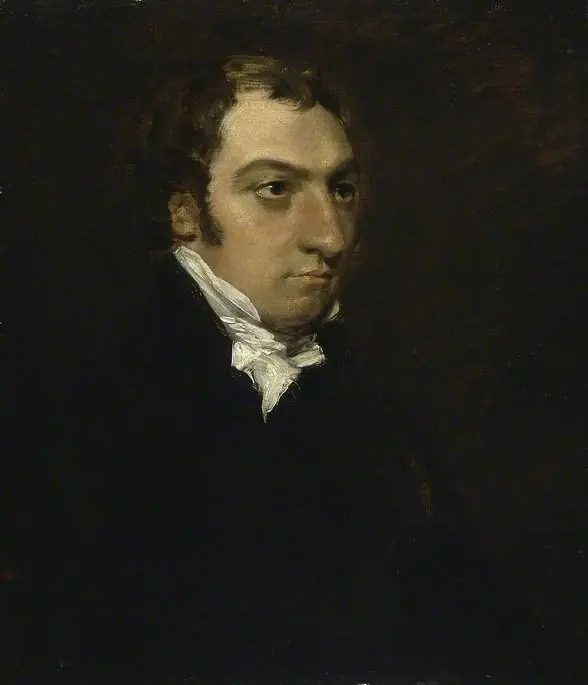 Archdeacon John Fisher
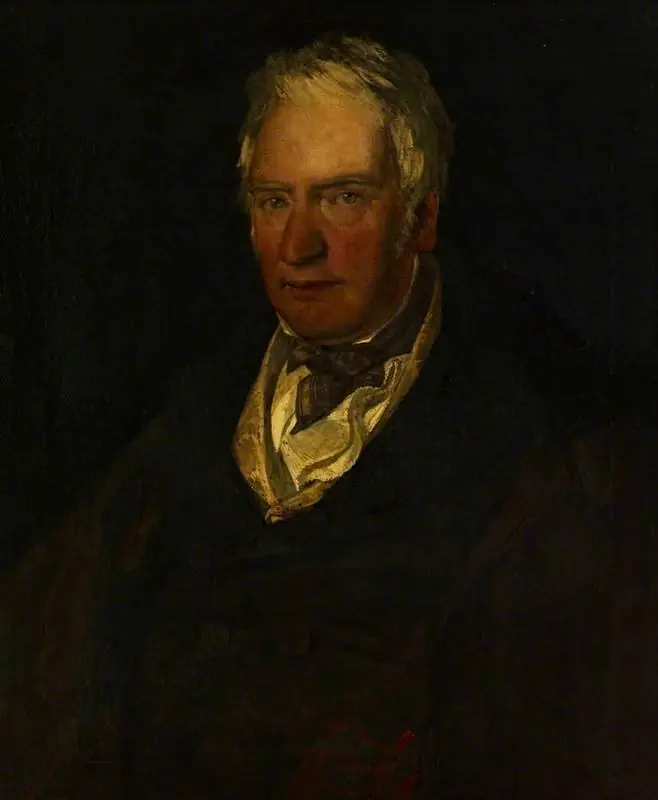 John Stirling (1811 - 1882)
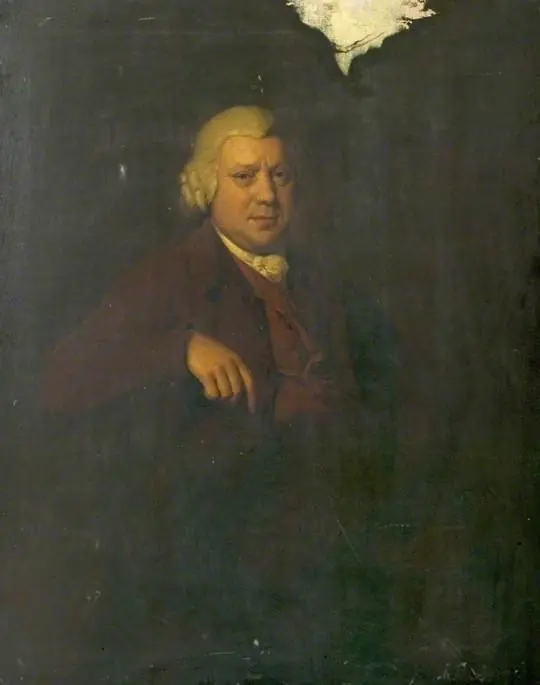 Sir Richard Arkwright (1732–1792)
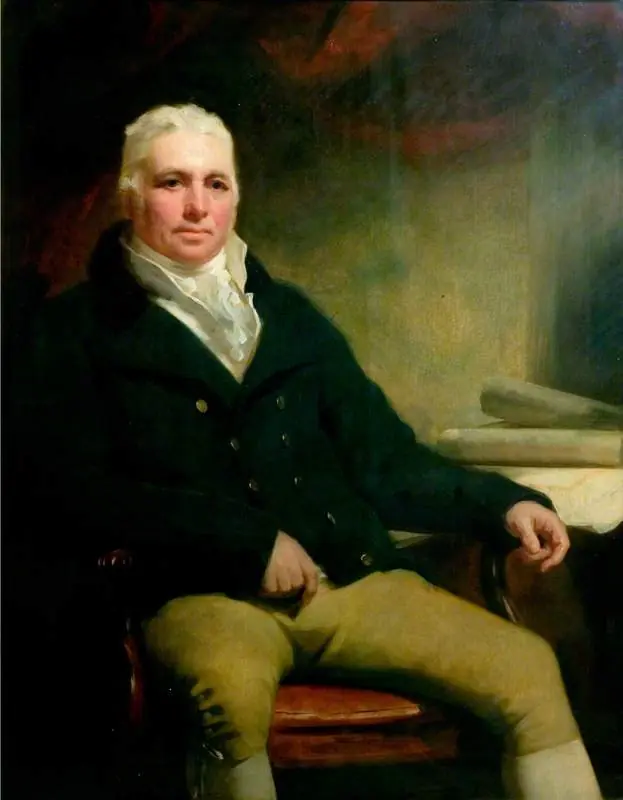 William Hobson of Markfield (1753–1840)