Artwork
Hannah Fry, Mrs Harris Prendergast (1814 - 1859)
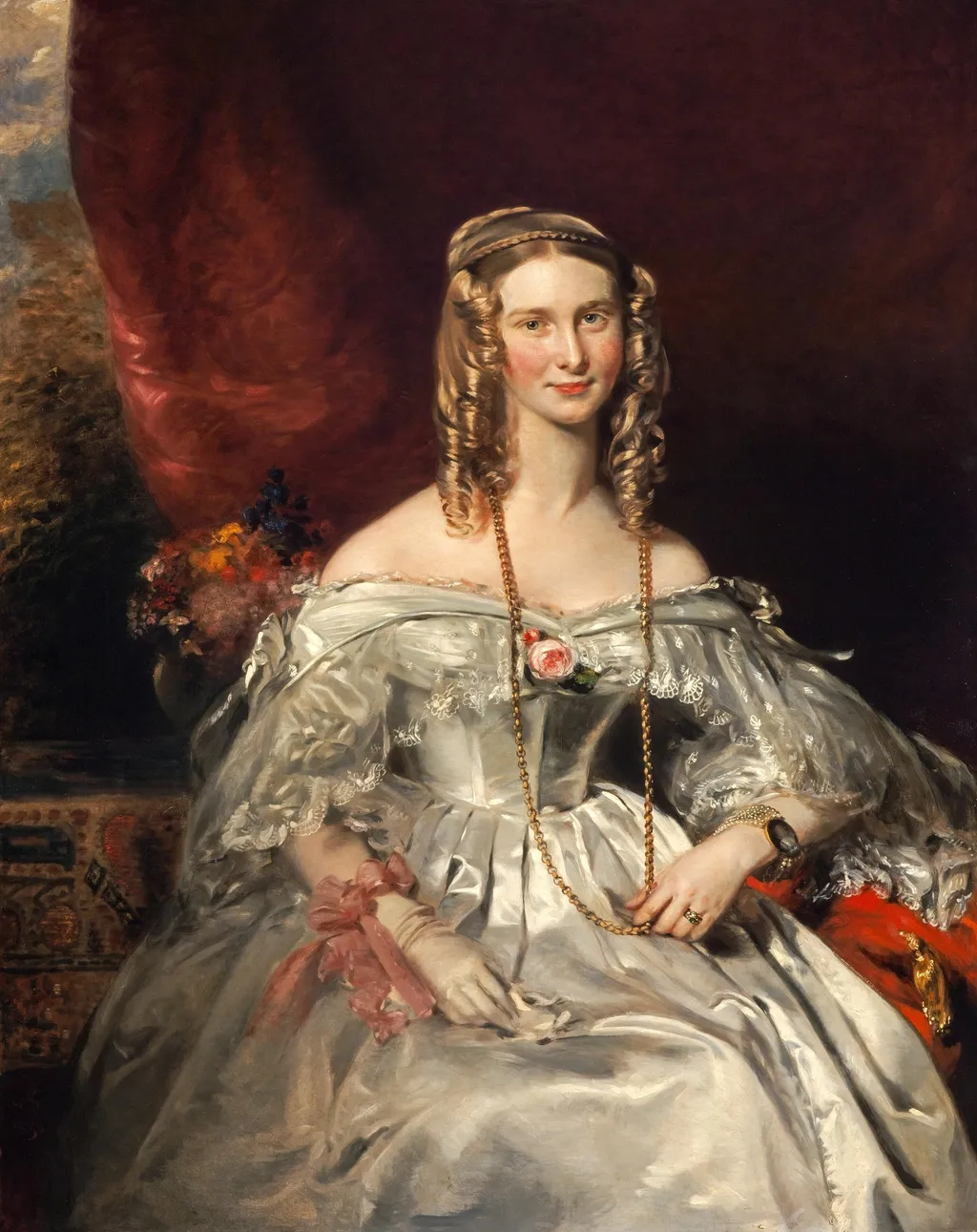
Hannah Fry, Mrs Harris Prendergast (1814 - 1859) is an oil painting by the British Romanticist artist Andrew Geddes. It dates from 1838 and is held in the collection of the National Galleries Scotland.
About this work
Overview
The work resides in the Scottish National Gallery and exemplifies early 19th-century portraiture in Britain.
Painted in 1838 by Andrew Geddes, this oil portrait captures Hannah Fry, later Mrs. Harris Prendergast, a woman of Scottish social standing. The work resides in the Scottish National Gallery and exemplifies early 19th-century portraiture in Britain. Geddes, known for his refined technique and attention to personal detail, rendered his subject with quiet dignity, avoiding theatricality in favor of intimate realism.
Subject & Meaning
Hannah Fry, depicted at age 24, is shown in a moment of stillness, her posture composed and gaze direct. Her attire—white dress, gold chain, and floral pin—signals modest affluence and personal taste rather than aristocratic display. The gold headband and wristwatch suggest both fashion and function, reflecting the era’s growing emphasis on individual identity and domestic refinement in middle- and upper-class women.
Technique & Style
Geddes employed subtle chiaroscuro to model the sitter’s face and dress, lending volume without dramatic contrast. The texture of the silk gown and the sheen of gold accessories are rendered with precision, yet the brushwork remains restrained. The dark red curtain behind her creates depth without distraction, focusing attention on the figure’s quiet presence and the delicate interplay of light on fabric and skin.
History & Provenance
The portrait was commissioned shortly before Hannah Fry’s marriage to Harris Prendergast in 1839. It remained in the family until its acquisition by the Scottish National Gallery in the 20th century. Documentation confirms its creation date and subject identity, with no evidence of significant alterations or later reworking, preserving Geddes’s original intent and execution.
Context
In the 1830s, Scottish portraiture increasingly favored intimate, psychologically grounded depictions over grand historical or aristocratic themes. Geddes, influenced by both Scottish and English traditions, contributed to this shift. This work reflects a broader cultural turn toward celebrating personal character and domestic life, particularly among the professional and landed classes in post-Enlightenment Scotland.
Legacy
Though not widely exhibited beyond national collections, the portrait stands as a representative example of Geddes’s mature style and the evolving norms of female portraiture in early Victorian Britain. Its preservation in a public institution ensures continued study of how middle-class identity was visually constructed during a period of social transition in Scotland.
Own this work as a print
Artist & collection
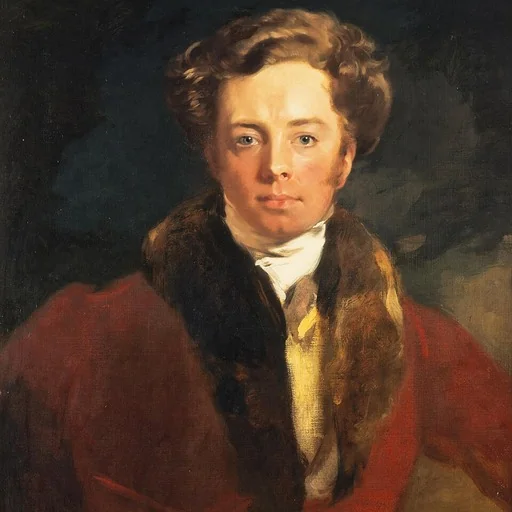

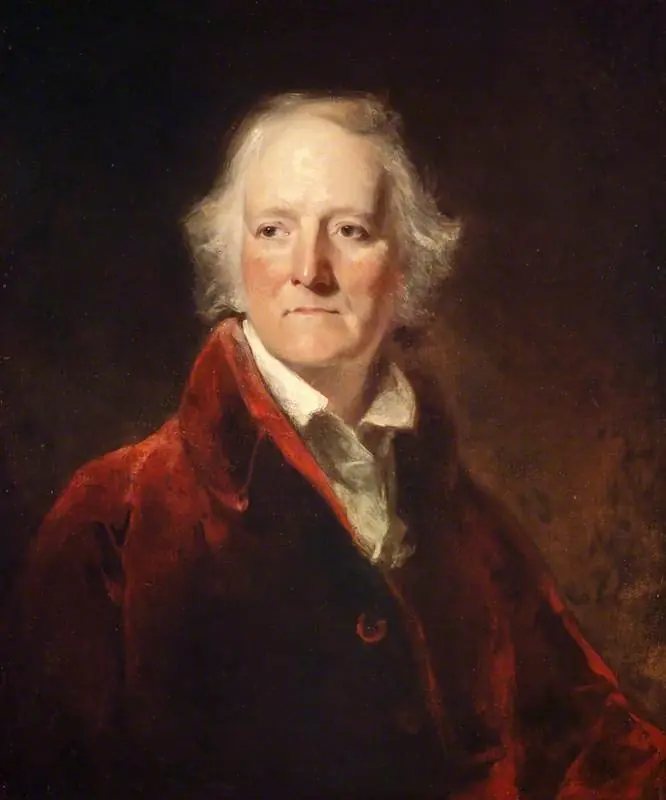 Archibald Skirving (1749 - 1819)
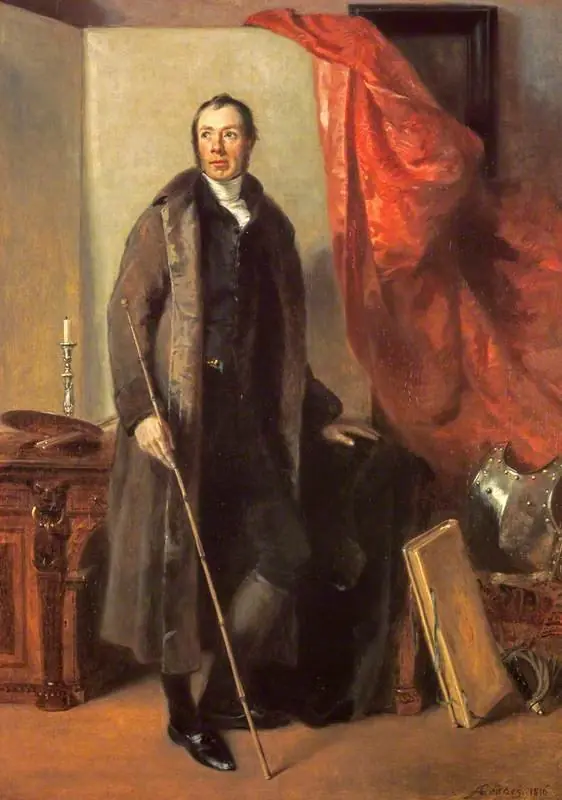 George Sanders (1774 - 1846)
 Summer
 Portrait of Two Women (possibly Adela Geddes (1791-1881), the Artist's Wife, and a Friend)
 Portrait of a Man
 The Artist's Mother (Agnes Boyd, Mrs David Geddes, 1760 / 1761 - 1828)
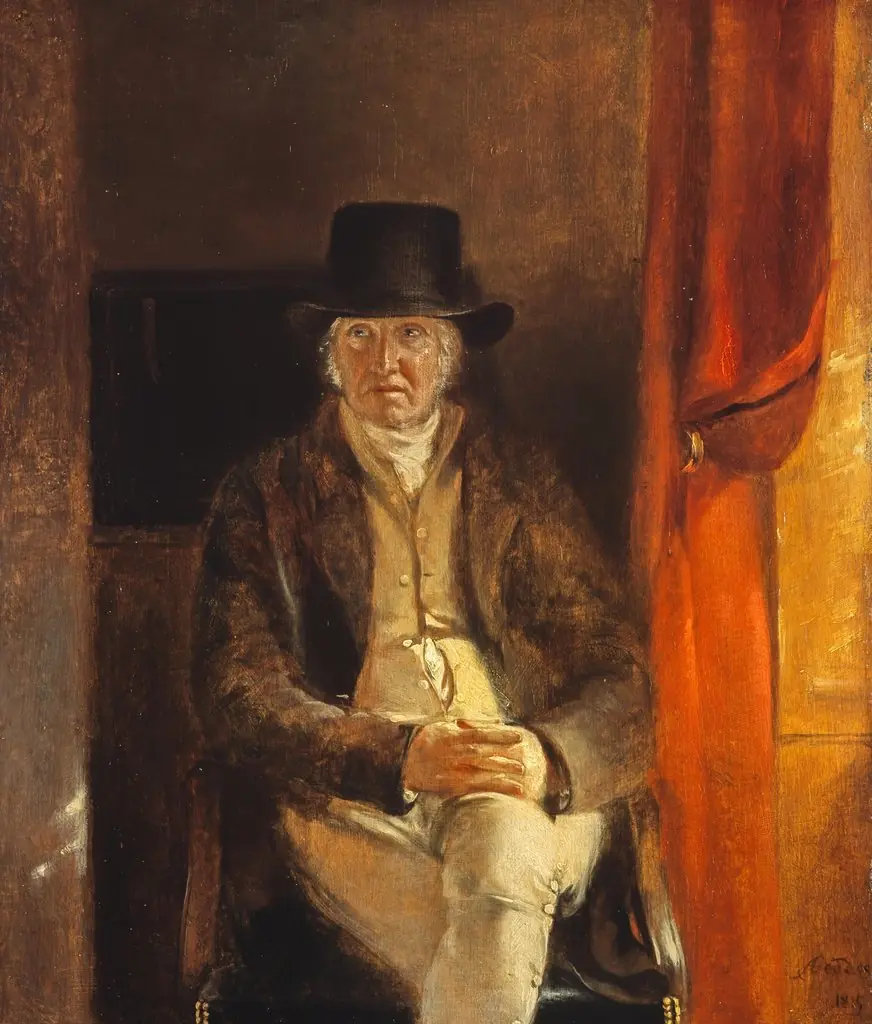 Andrew Plimer (1763 - 1837)
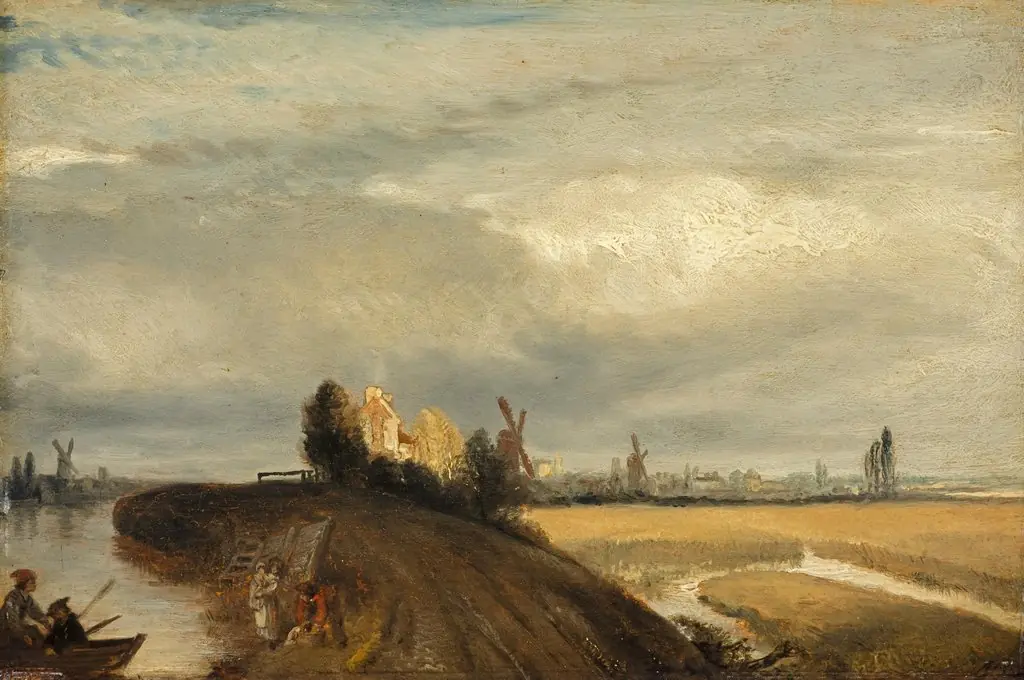 Landscape in the Manner of Rembrandt
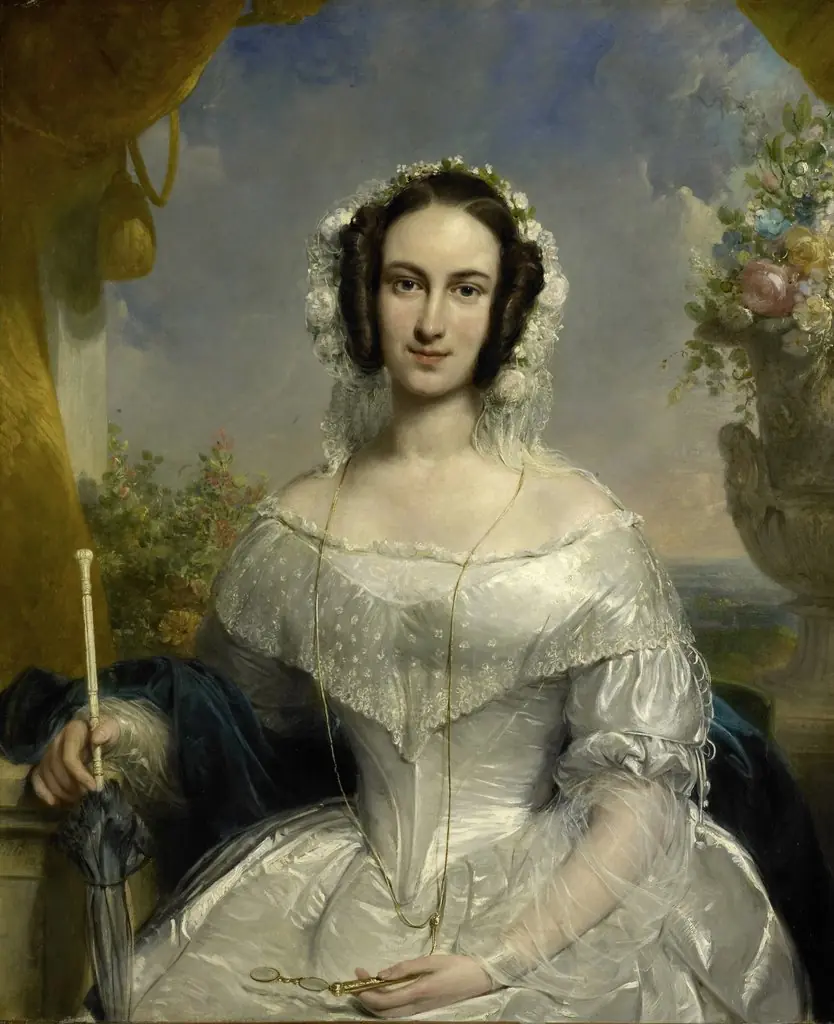 Agatha Petronella Hartsen (1814-78). In bruidstoilet ter gelegenheid van haar huwelijk met Jan van der Hoop op 17 maart 1841
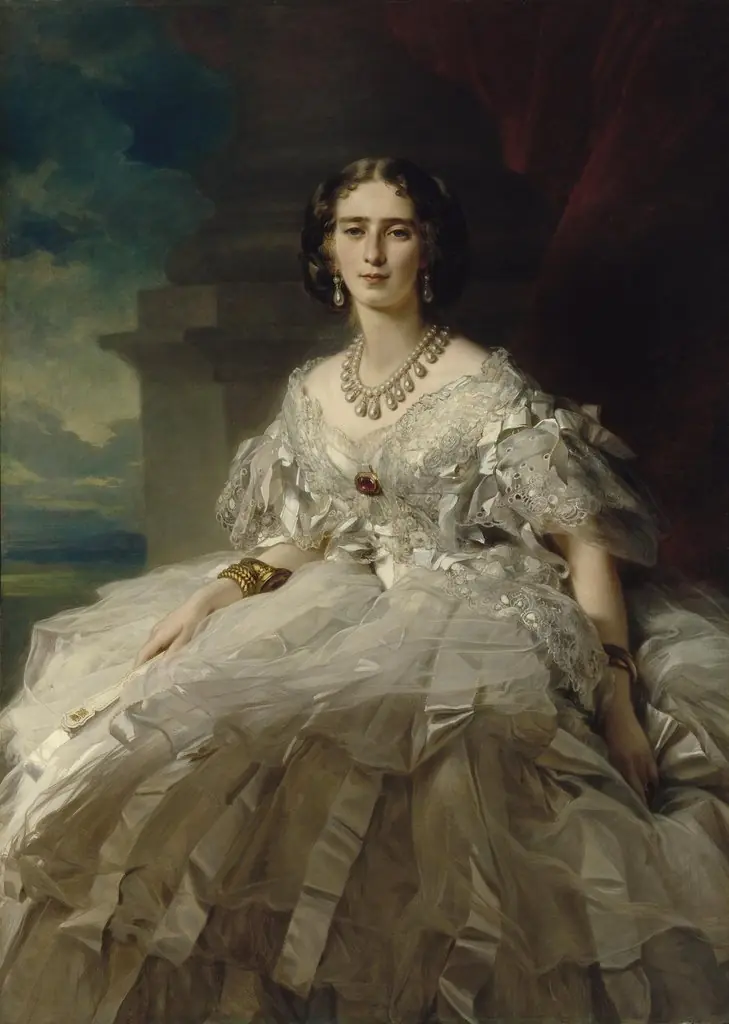 Portrait of Princess Tatyana Alexandrovna Yusupova
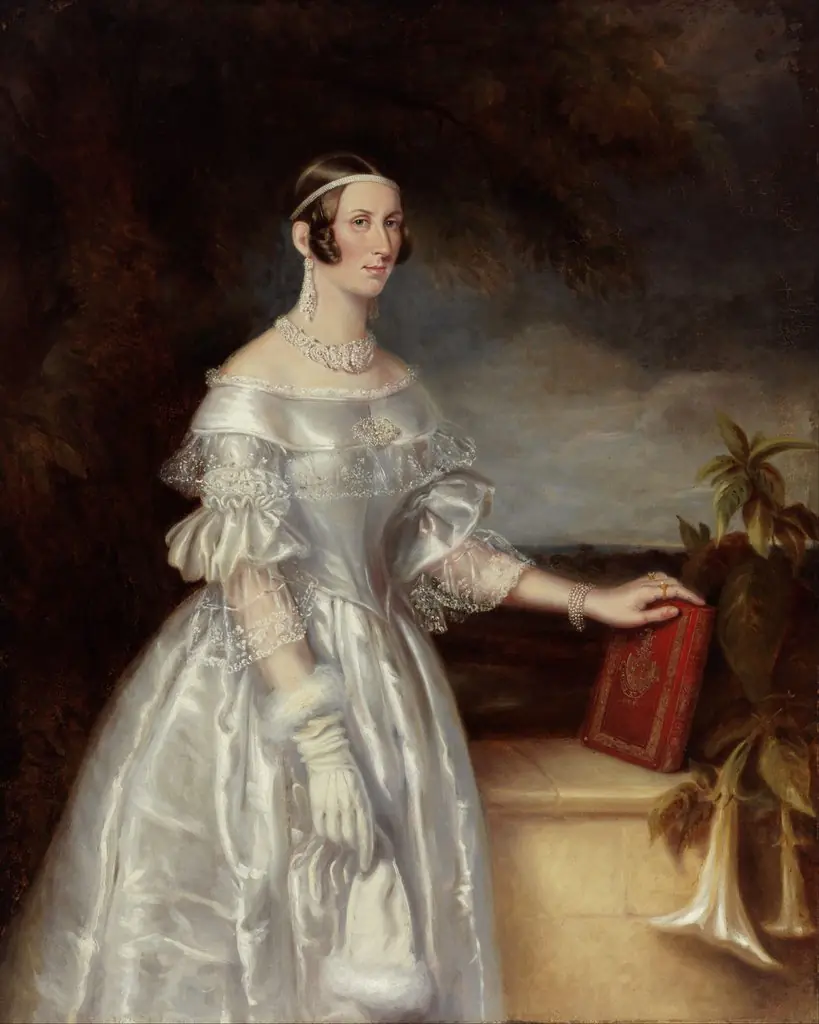 Portrait of Mrs Alexander Spark
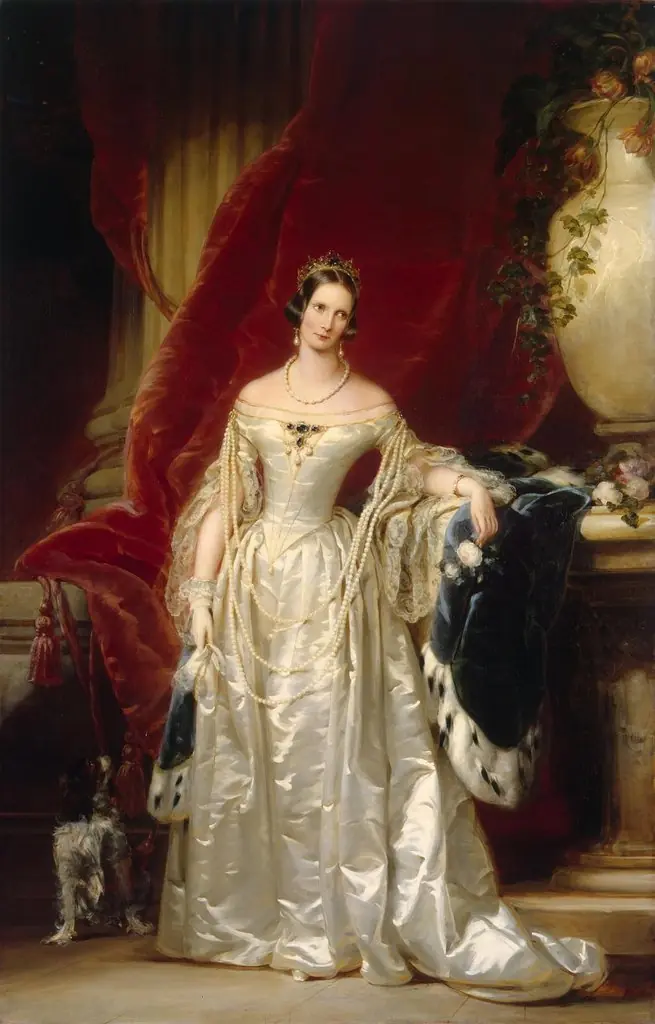 Portrait of Empress Alexandra Fyodorovna
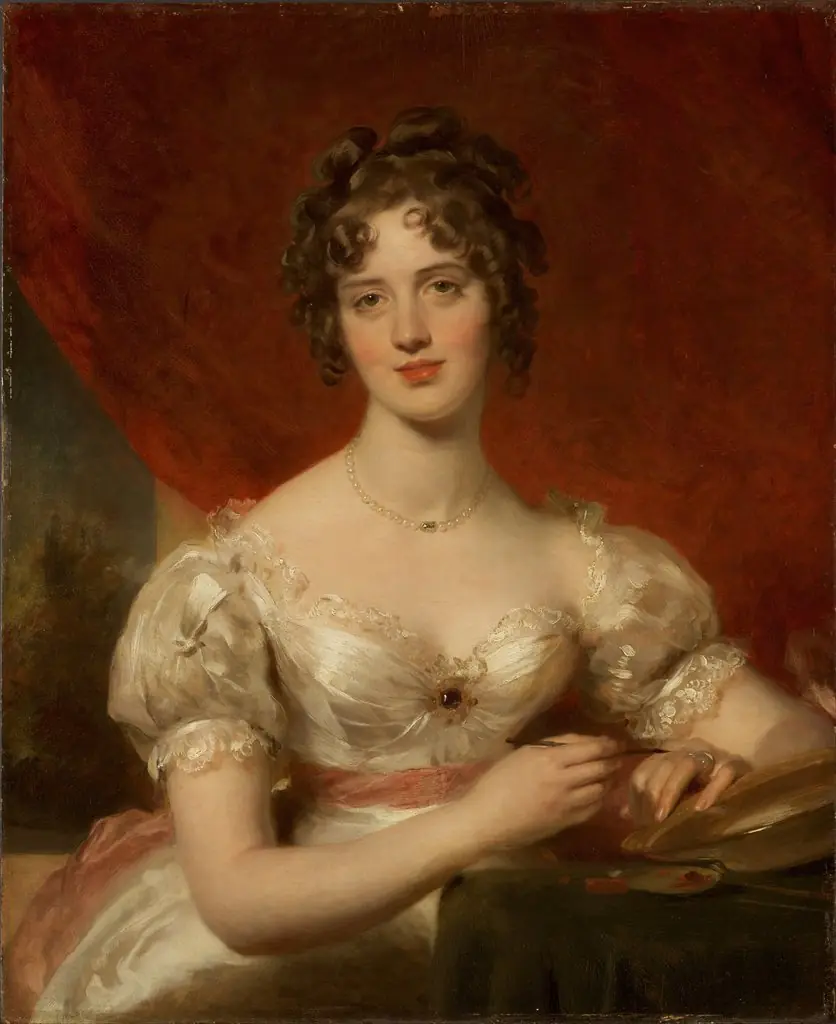 Portrait of Mary Anne Bloxam (later Mrs. Frederick H. Hemming)
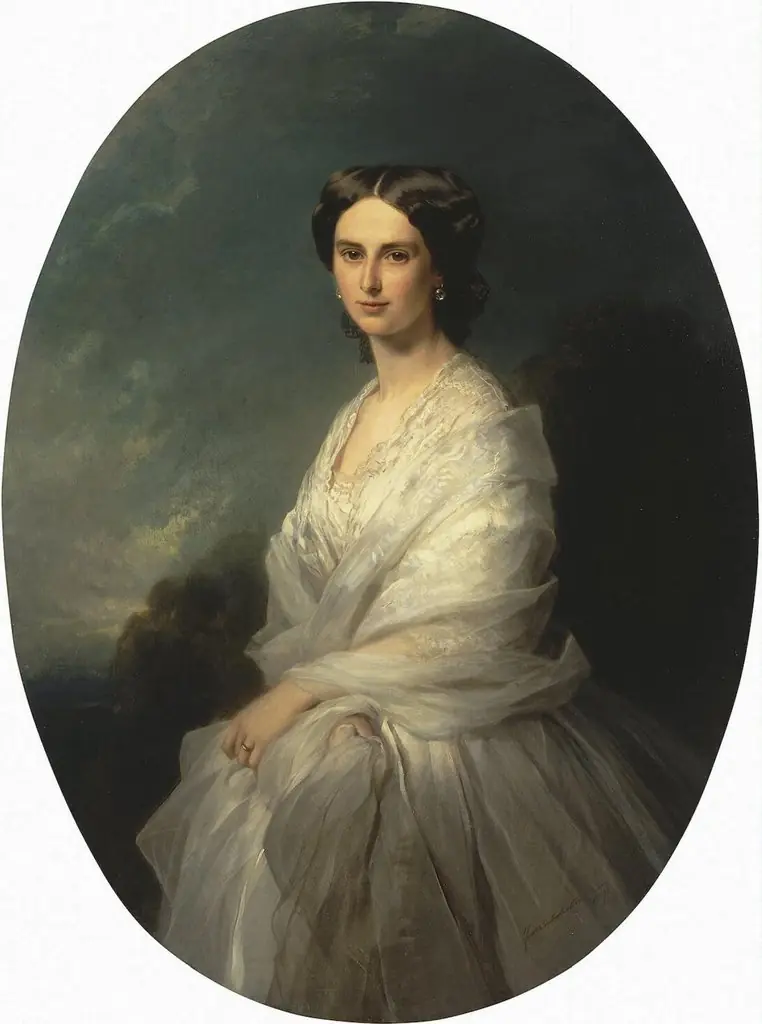 Portrait of Countess Sophia Bobrinskaya
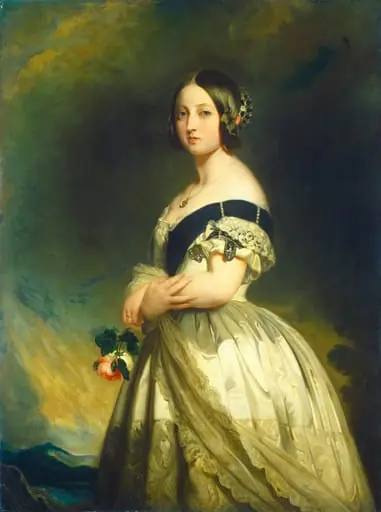 Queen Victoria
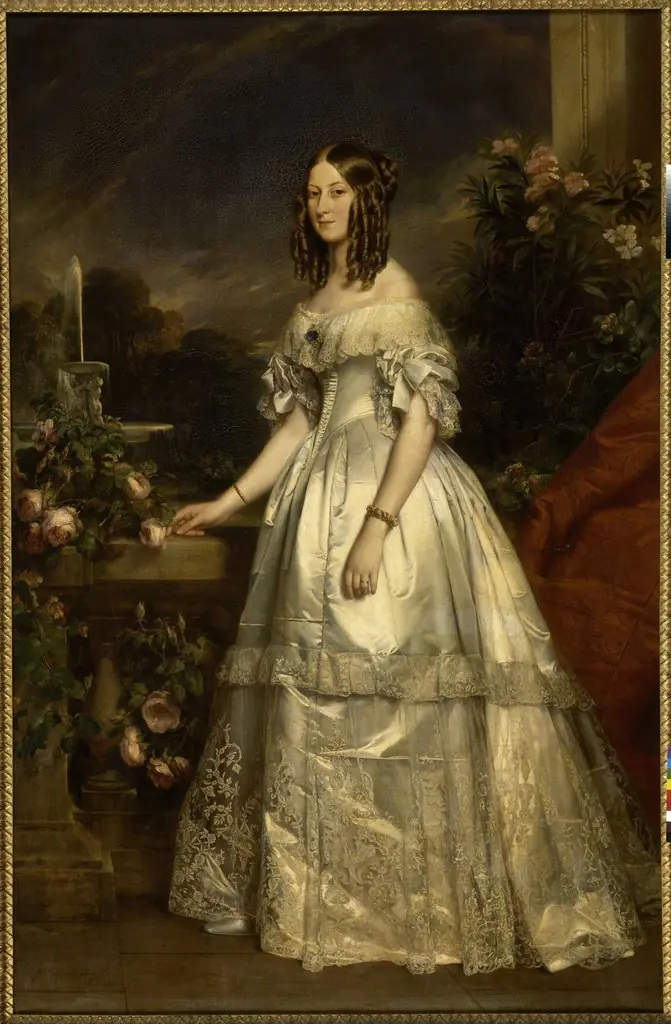 Full portrait of HRH The Duchess of Nemours
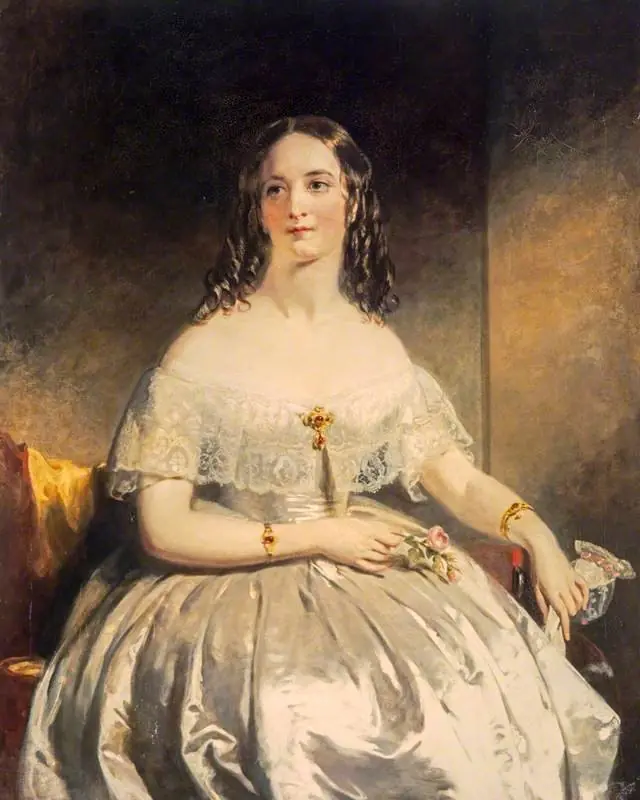 Portrait of a Lady
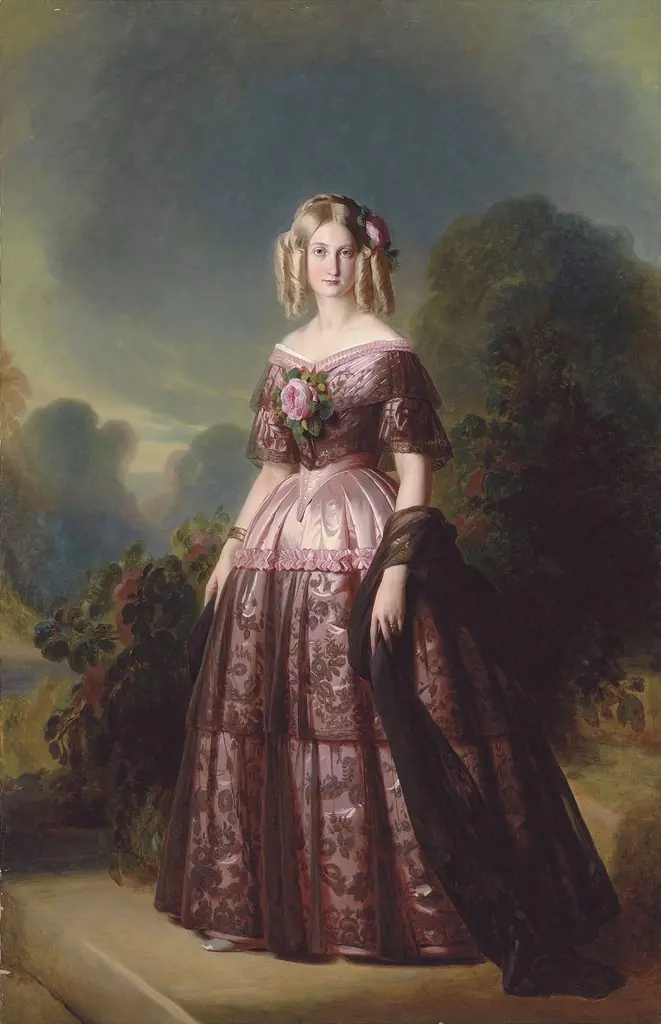 Maria Carolina of Bourbon-Two Sicilies
 Portrait of Princess Sophia Radzivil
 Portrait de S. A. I. Mme. la Princesse Dona Marie Amélie du Brésil