Artwork
Emma Hart (1761–1815), Lady Hamilton
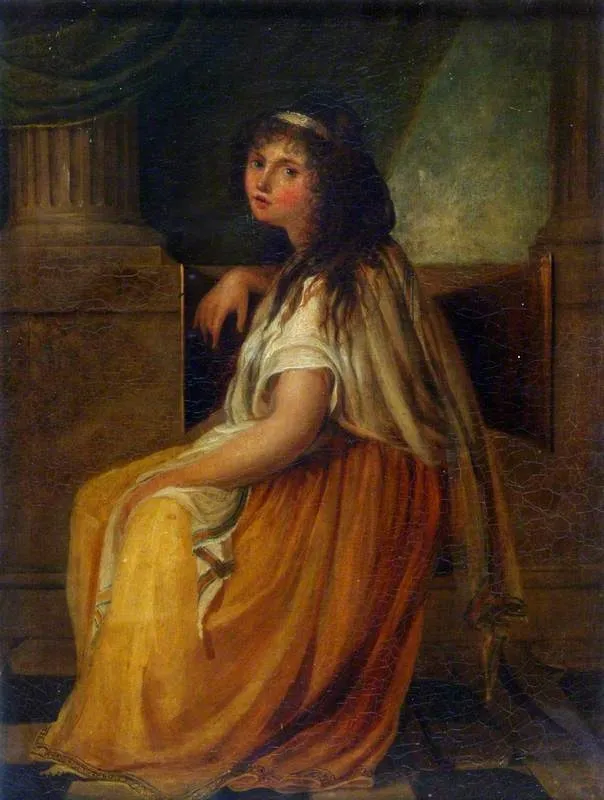
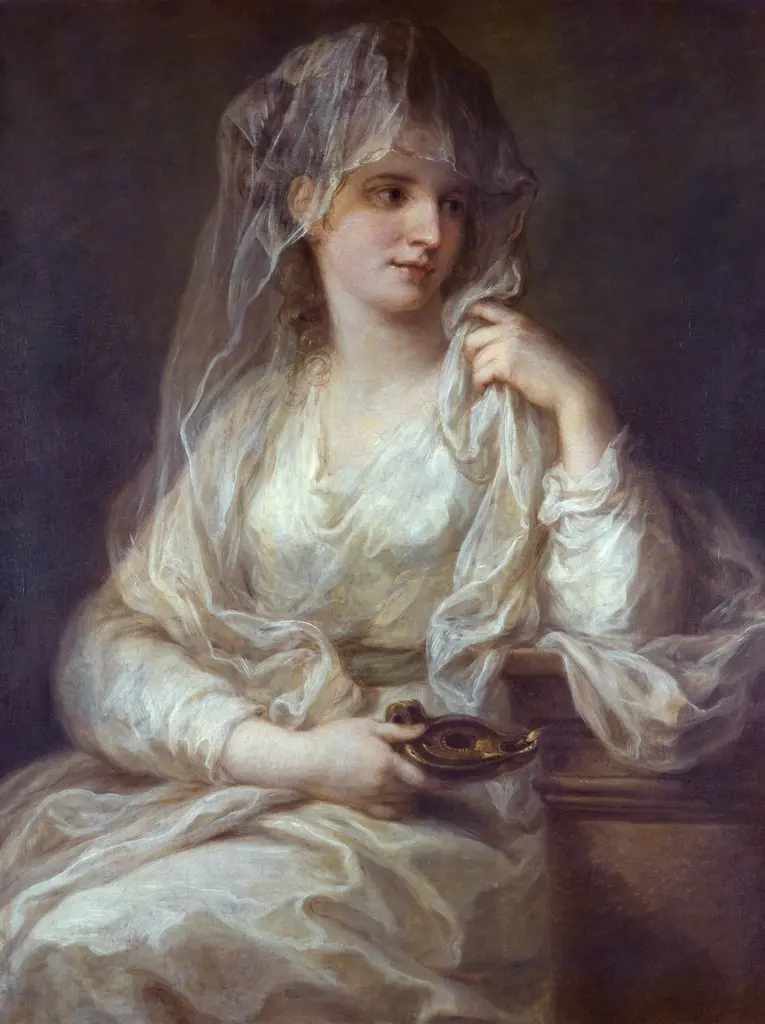
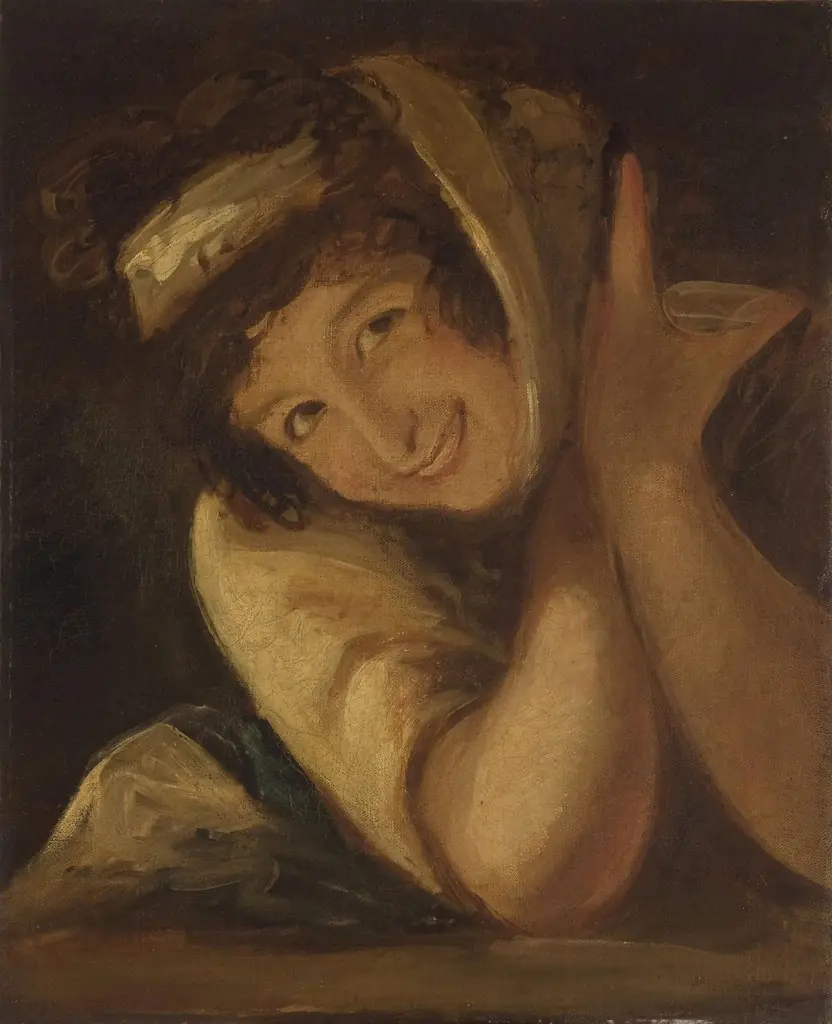
Emma Hart (1761–1815), Lady Hamilton is an oil painting by the Rococo painting artist Angelica Kauffmann. It dates from 1798 and is held in the collection of the Victoria and Albert Museum.
About this work
Overview
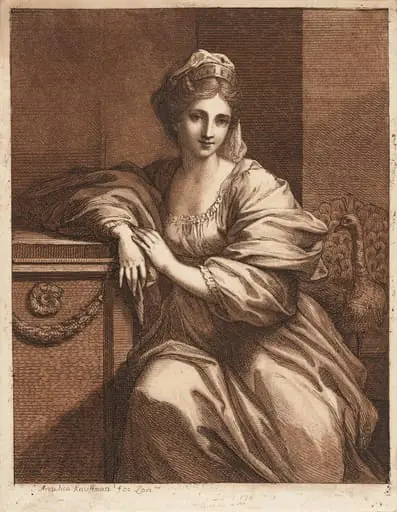
Painted in 1798 by Angelica Kauffmann, this oil portrait depicts Emma Hart, later known as Lady Hamilton. The work is part of the Victoria and Albert Museum’s collection. It presents a seated female figure in a quiet, introspective pose, rendered with restrained elegance. The composition emphasizes stillness and dignity, characteristic of Kauffmann’s neoclassical approach to portraiture.
Subject & Meaning
Emma Hart, a prominent social figure and muse to artists and intellectuals, is portrayed not as a fashionable aristocrat but as a figure of quiet reflection.
Emma Hart, a prominent social figure and muse to artists and intellectuals, is portrayed not as a fashionable aristocrat but as a figure of quiet reflection. Her attire—classically inspired tunic and draped skirt—evokes ancient ideals rather than contemporary dress, aligning her with timeless virtues. The turned gaze and somber background suggest inner contemplation, distancing her from mere likeness to convey moral or intellectual depth.
Technique & Style
Kauffmann employs soft, blended brushwork to model the figure’s form against a dark, undefined background. The white tunic catches subtle light, contrasting with the deep tones behind, while the orange skirt adds a muted warmth. A classical column on the left anchors the composition, reinforcing neoclassical themes. The pose, with the head turned over the shoulder, introduces a gentle narrative tension without overt drama.
History & Provenance
Commissioned during Lady Hamilton’s time in England, the portrait was completed in 1798, shortly before her public reputation began to decline. It remained in private hands until acquired by the Victoria and Albert Museum. Its preservation reflects its status as a significant example of Kauffmann’s later portraiture, documenting a key figure in late 18th-century cultural circles.
Context
Kauffmann, one of the few women admitted to the Royal Academy, often blended portraiture with classical allegory. In this work, she aligns Lady Hamilton with the idealized female figures of antiquity, a trend popular among Enlightenment thinkers. The painting responds to broader cultural interests in moral virtue and historical emulation, even as its subject navigated a life marked by scandal and celebrity.
Legacy
The portrait endures as a quiet testament to Kauffmann’s ability to elevate personal identity through classical reference. It stands apart from more flamboyant depictions of Lady Hamilton, offering instead a restrained meditation on character. As one of the artist’s final portraits, it reflects her enduring commitment to dignity and intellectual grace in the face of societal turbulence.
Artist & collection

Artist
Maria Anna Angelika Kauffmann, usually known in English as Angelica Kauffman, was a Swiss painter who had a successful career in London and Rome.

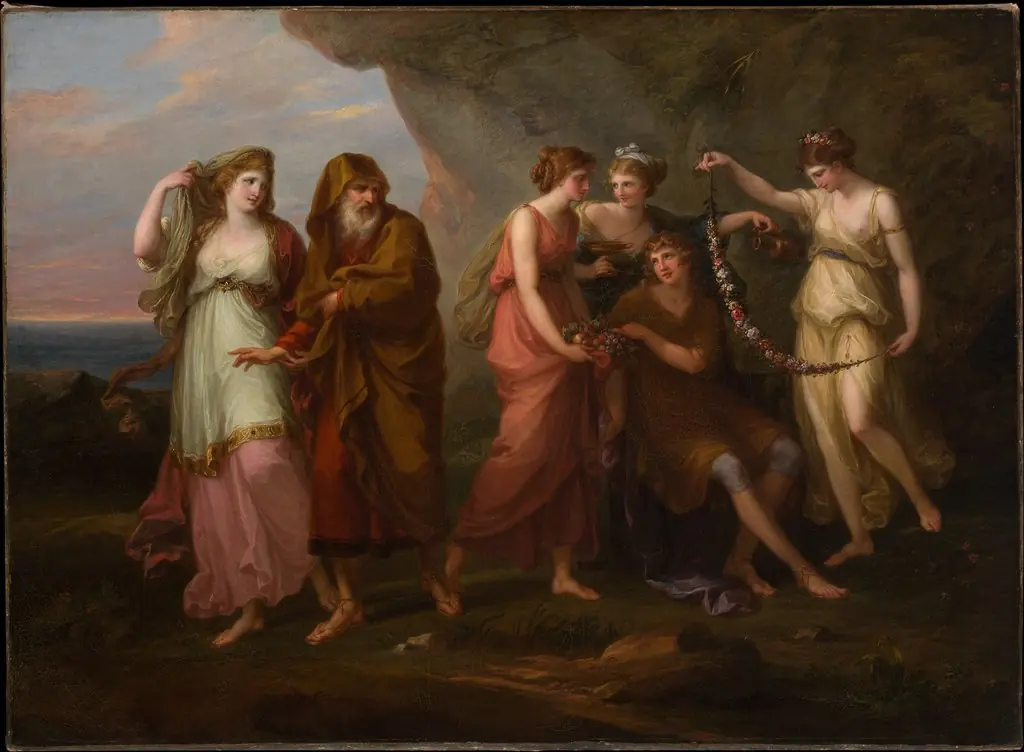 Telemachus and the Nymphs of Calypso
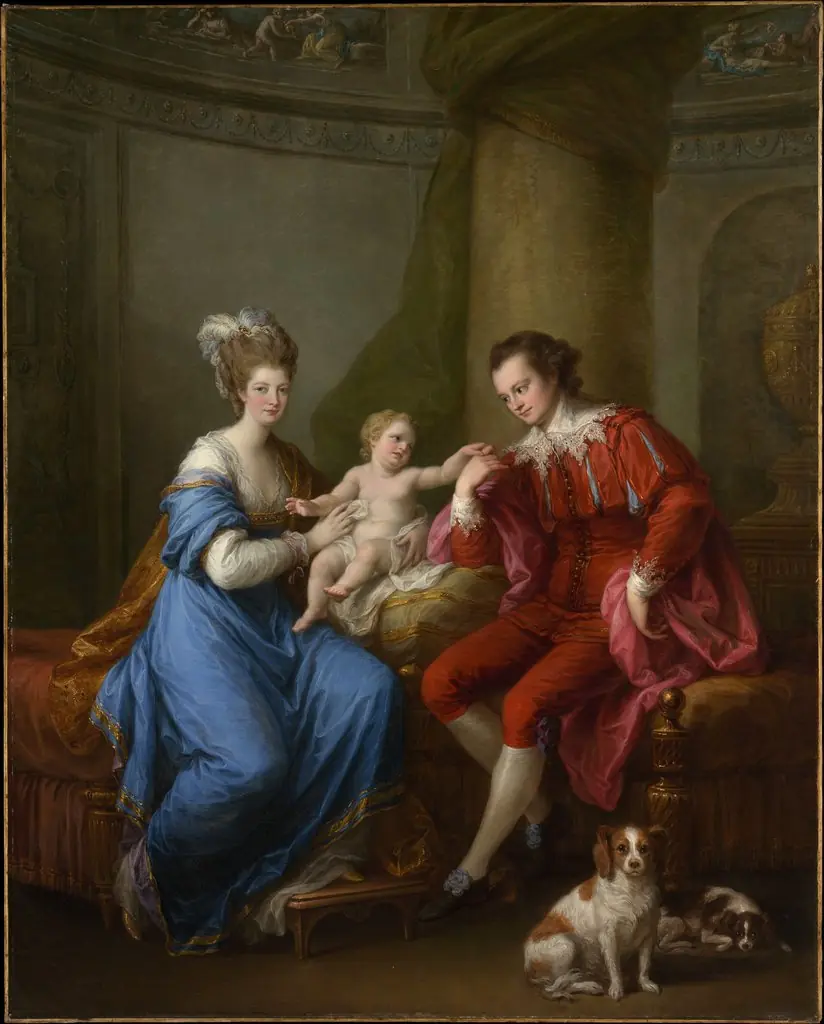 Edward Smith Stanley (1752–1834), Twelfth Earl of Derby, with His First Wife (Lady Elizabeth Hamilton, 1753–1797) and Their Son (Edward Smith Stanley, 1775–1851)
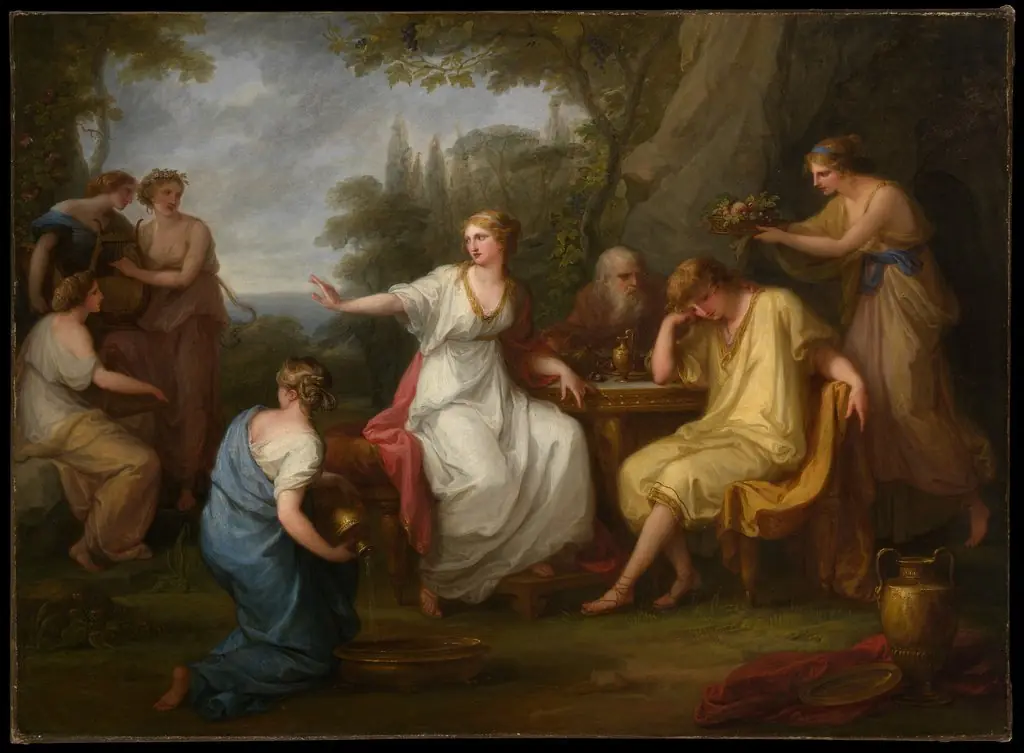 The Sorrow of Telemachus
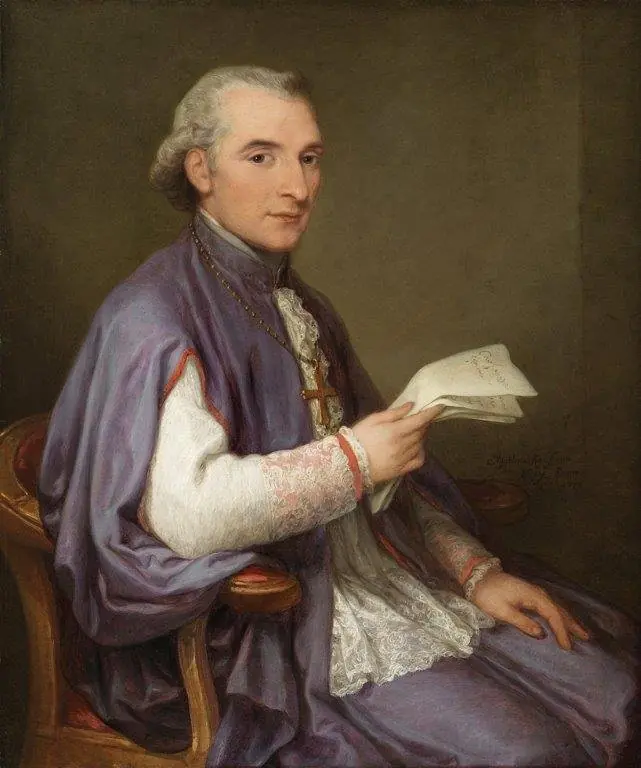 Monsignor Giuseppe Spina (1756–1828)
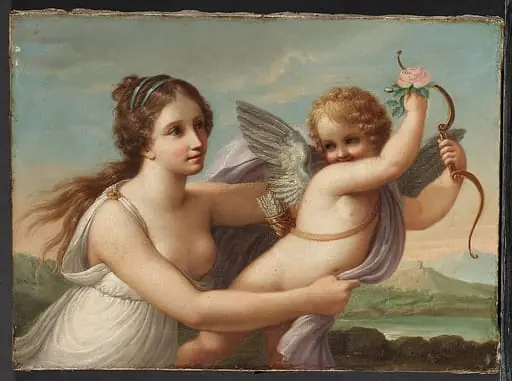 The Victory of Eros
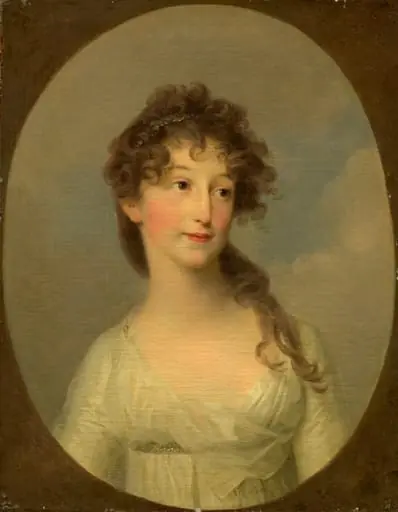 Possibly Franciska Krasinska, Duchess of Courland
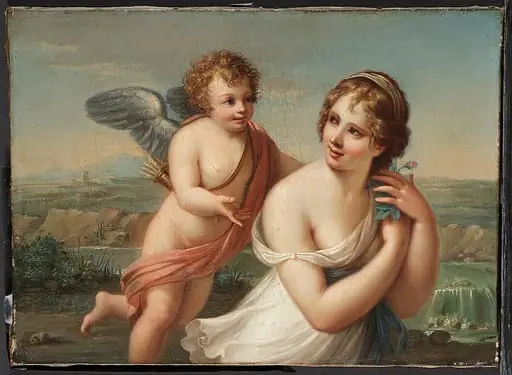 The Temptation of Eros
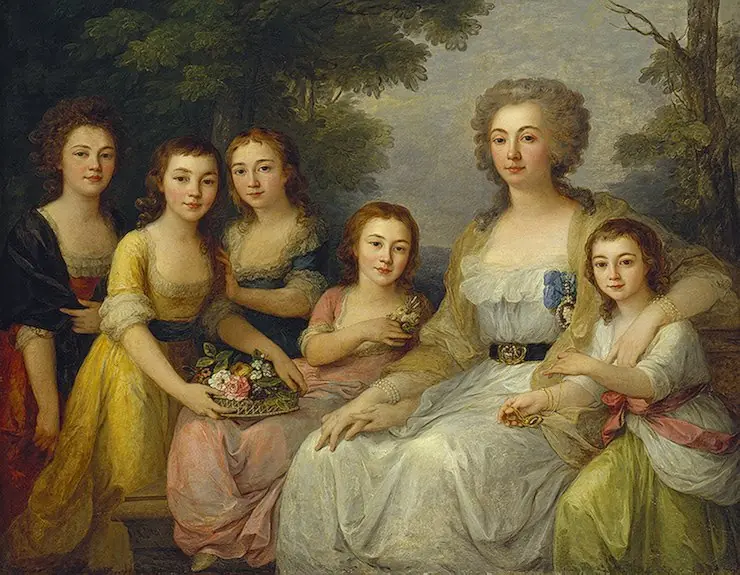 Portrait of Countess A.S. Protasova with her Nieces