Artwork
Portrait of a lady as Vestal Virgin
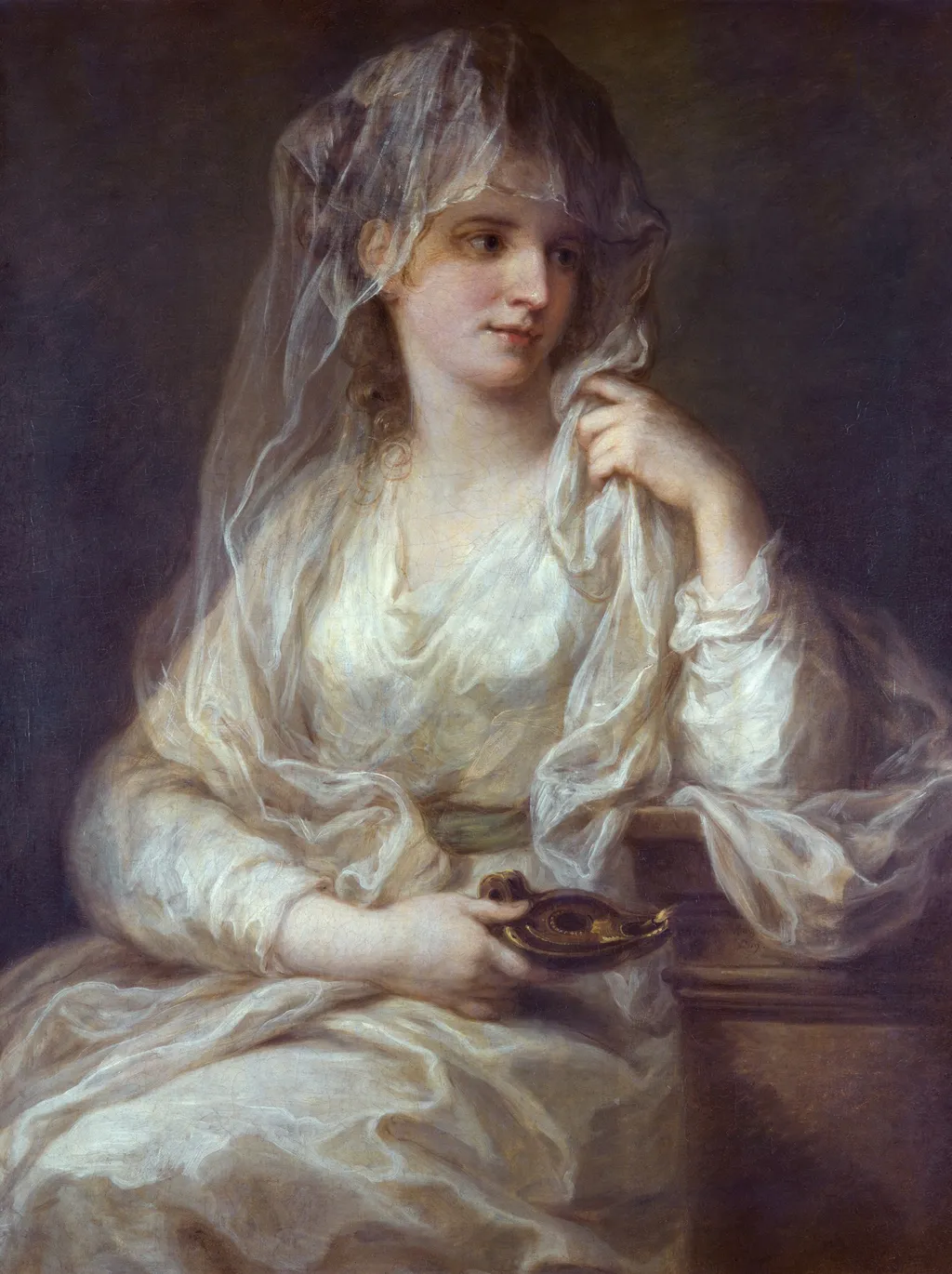
Portrait of a lady as Vestal Virgin is an oil painting by the Rococo painting artist Angelica Kauffmann. It dates from 1791 and is held in the collection of the Staatliche Kunstsammlungen Dresden.
About this work
Overview
Painted in 1791, this oil portrait by Angelica Kauffmann depicts a woman idealized as a Vestal Virgin, a priestess from ancient Rome.
Painted in 1791, this oil portrait by Angelica Kauffmann depicts a woman idealized as a Vestal Virgin, a priestess from ancient Rome. The work resides in the Gemäldegalerie Alte Meister in Dresden. Kauffmann, known for blending classical themes with portraiture, presents the sitter not as a historical figure but as a contemporary woman elevated through symbolic attire. The composition emphasizes poise and quiet dignity, characteristic of her Neoclassical approach.
Subject & Meaning
The woman is portrayed wearing a white robe and translucent veil, garments associated with Vestal Virgins who tended Rome’s sacred fire. By adopting this attire, Kauffmann links the sitter to ideals of purity, devotion, and civic duty. The act of lifting the veil suggests introspection or revelation, while the ornate object in her hand—possibly a ritual implement—reinforces the spiritual context. The portrait merges personal identity with classical allegory, reflecting Enlightenment-era fascination with antiquity.
Technique & Style
Kauffmann employs soft chiaroscuro to model the sitter’s face and hands, drawing attention to their delicate features against a muted, dark background. The fabric of the gown is rendered with subtle gradations of white and gray, suggesting weight and texture without overt detail. Brushwork remains refined and controlled, avoiding theatricality. The composition is balanced and restrained, favoring harmony over drama, consistent with her Neoclassical training and aesthetic principles.
History & Provenance
The painting was completed in 1791 during Kauffmann’s time in Rome, where she was active in artistic circles and frequently commissioned by European elites. It entered the collection of the Gemäldegalerie Alte Meister in Dresden in the 19th century, likely through acquisition by the Saxon royal family, who collected works by prominent Neoclassical artists. Its provenance remains well-documented, with no significant gaps in ownership since its creation.
Context
In late 18th-century Europe, classical antiquity was invoked to express moral and intellectual ideals. Kauffmann, one of the few female artists of her time to achieve international recognition, often used mythological and historical themes to elevate portraiture. This work reflects broader cultural trends: the revival of Roman symbolism in art, the association of femininity with virtue, and the role of women as custodians of cultural heritage.
Legacy
Kauffmann’s portrait contributed to the tradition of allegorical portraiture in Neoclassicism, influencing later artists who sought to merge personal identity with symbolic meaning. While not widely reproduced, the painting remains a key example of how female artists navigated gendered expectations by aligning their subjects with classical authority. It endures as a quiet testament to the intellectual aspirations of its time.
Own this work as a print
Artist & collection

Artist
Maria Anna Angelika Kauffmann, usually known in English as Angelica Kauffman, was a Swiss painter who had a successful career in London and Rome.

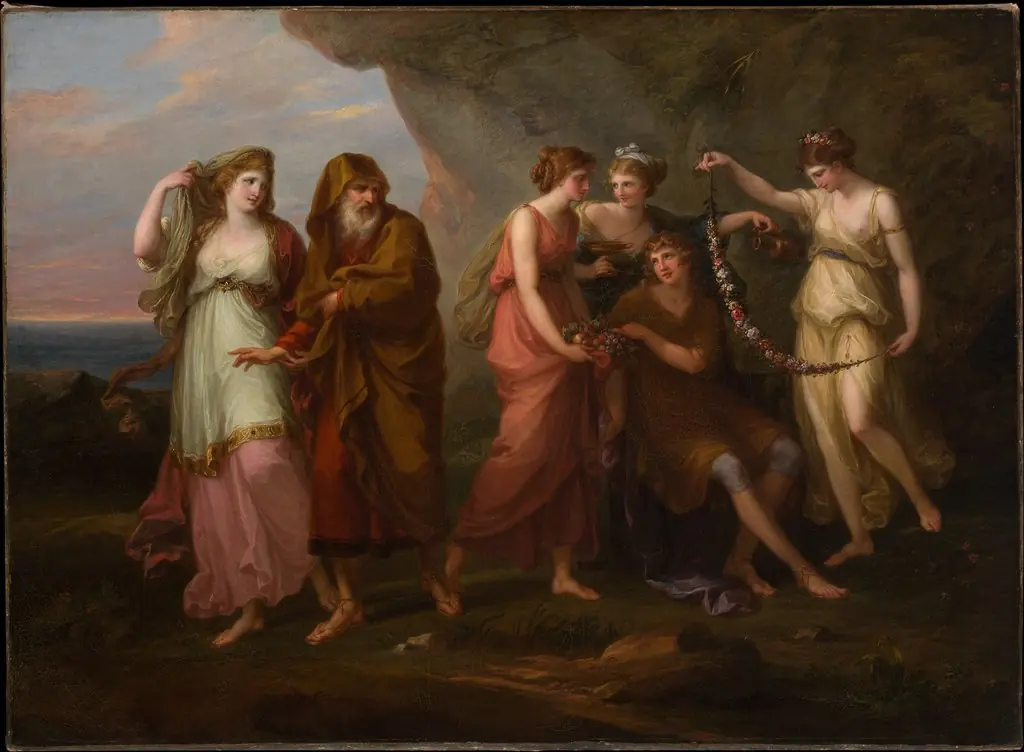 Telemachus and the Nymphs of Calypso
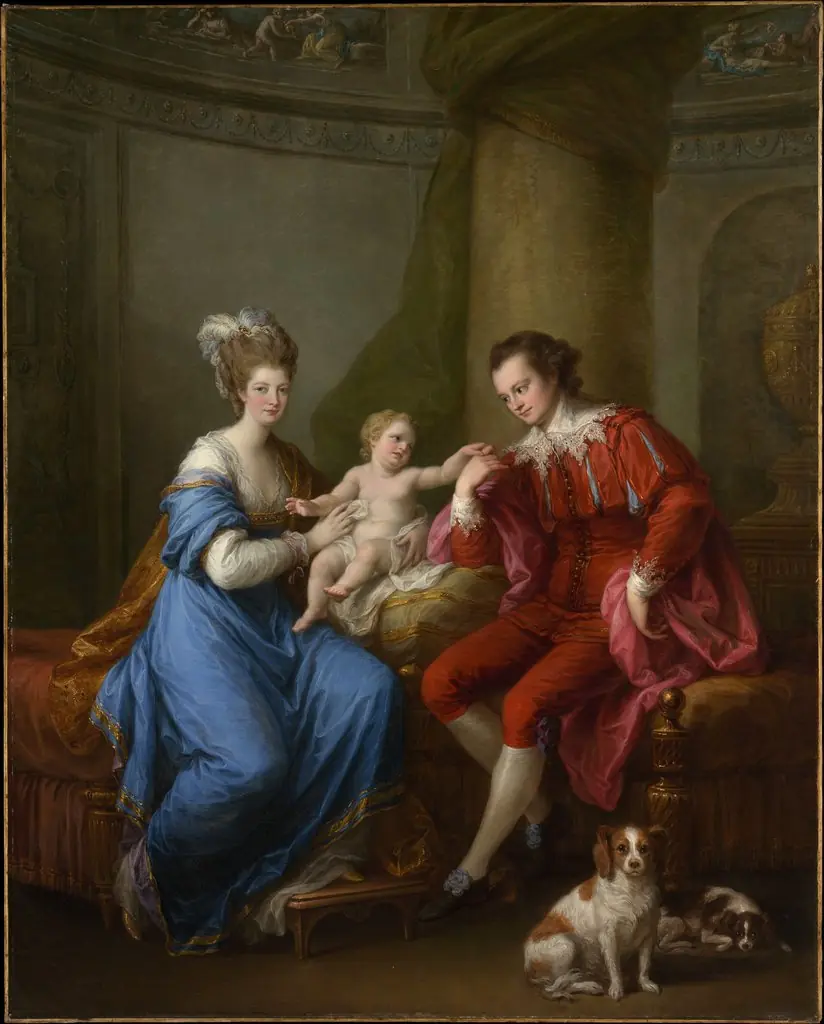 Edward Smith Stanley (1752–1834), Twelfth Earl of Derby, with His First Wife (Lady Elizabeth Hamilton, 1753–1797) and Their Son (Edward Smith Stanley, 1775–1851)
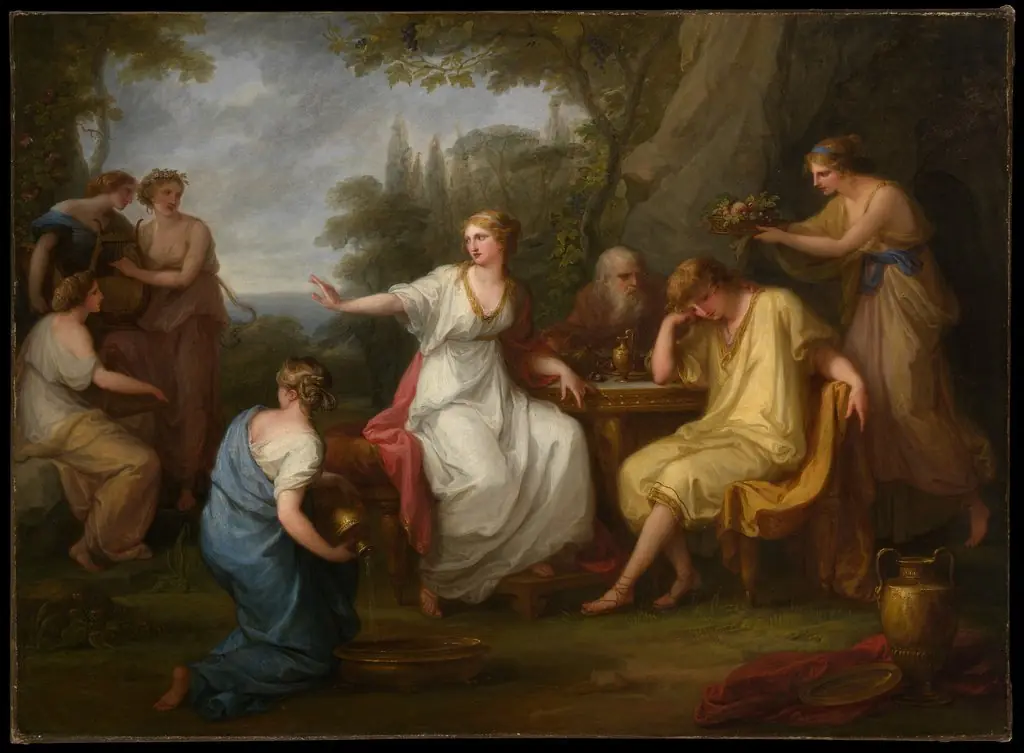 The Sorrow of Telemachus
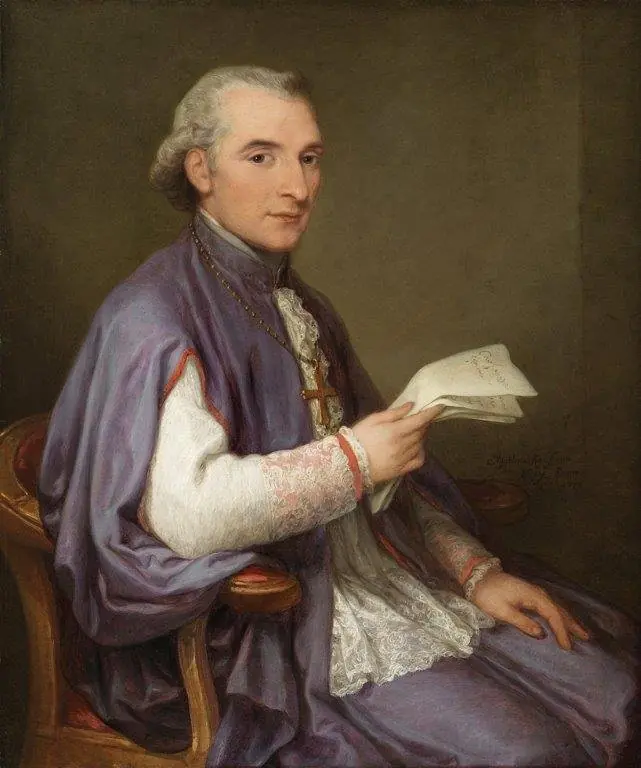 Monsignor Giuseppe Spina (1756–1828)
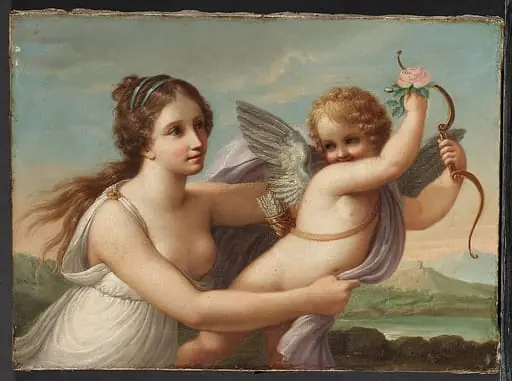 The Victory of Eros
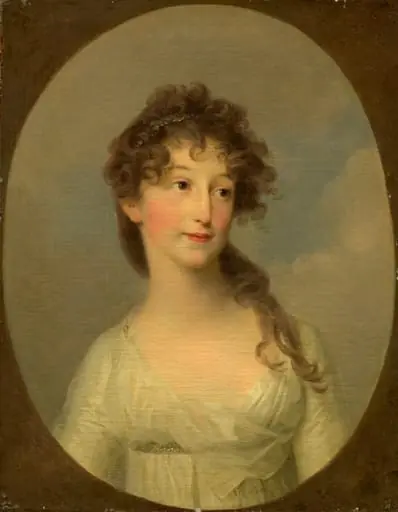 Possibly Franciska Krasinska, Duchess of Courland
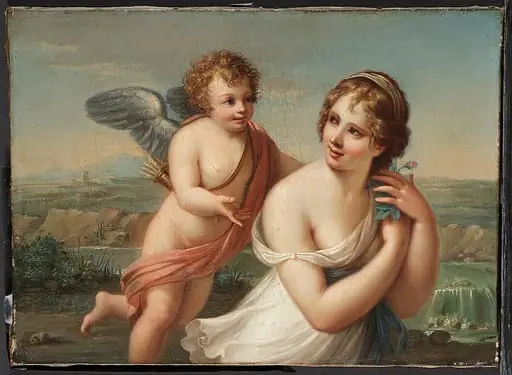 The Temptation of Eros
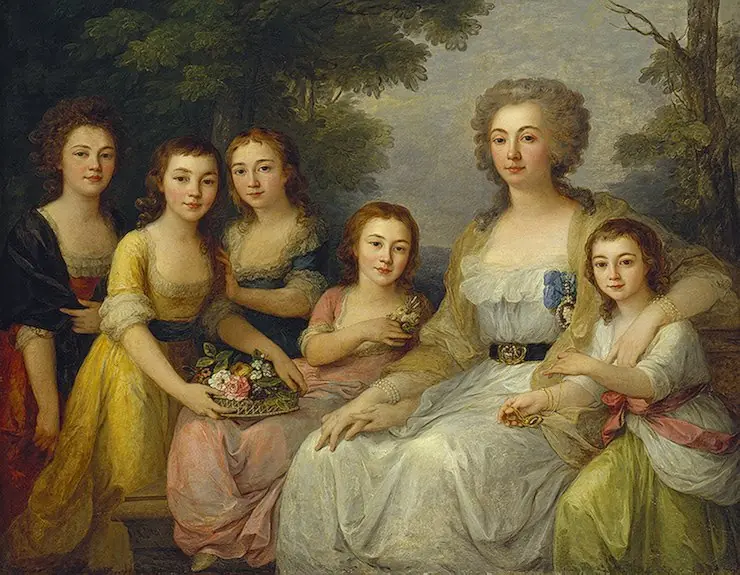 Portrait of Countess A.S. Protasova with her Nieces
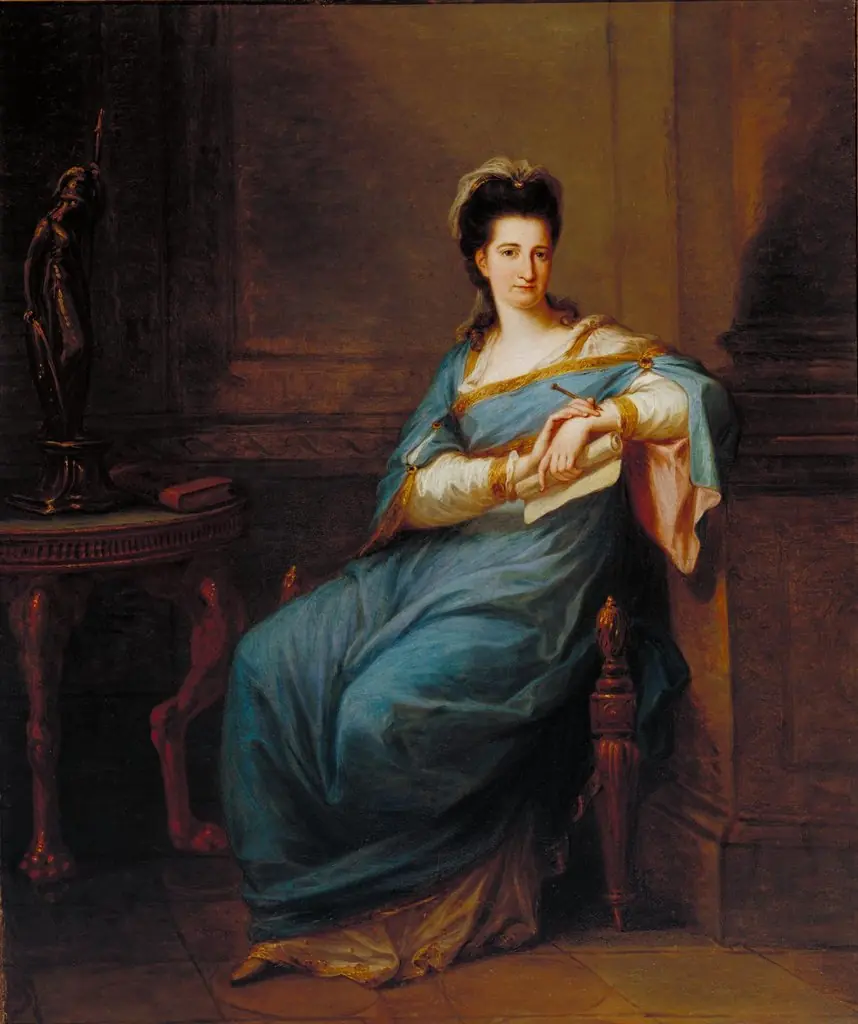 Portrait of a Lady
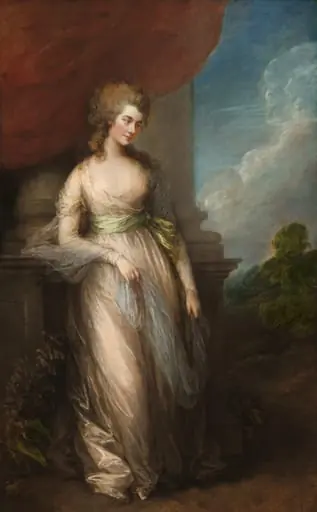 Georgiana, Duchess of Devonshire
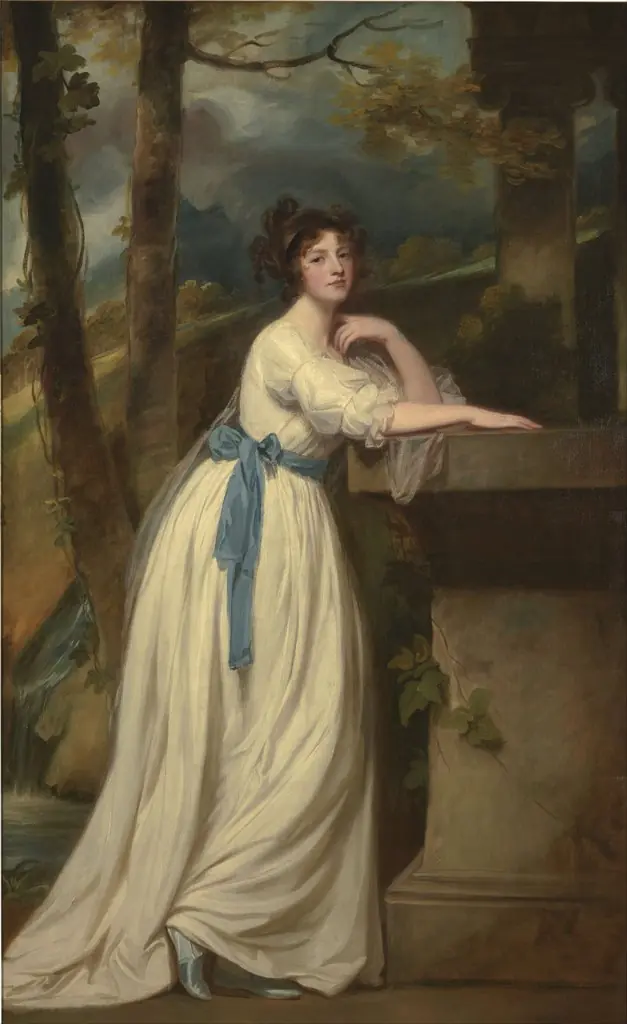 Portrait of Mrs. Andrew Reid
 Lady Cunliffe
 Frances Susanna, Lady de Dunstanville
 Portret hr. Petroneli z Jabłonowskich Wodzickiej, żony Józefa (1777-1859)
 Mrs. Robert Blencowe
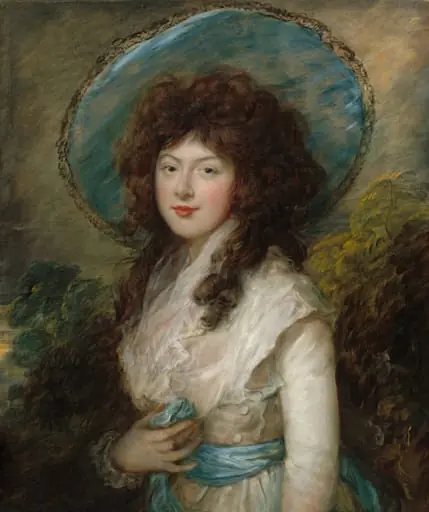 Miss Catherine Tatton
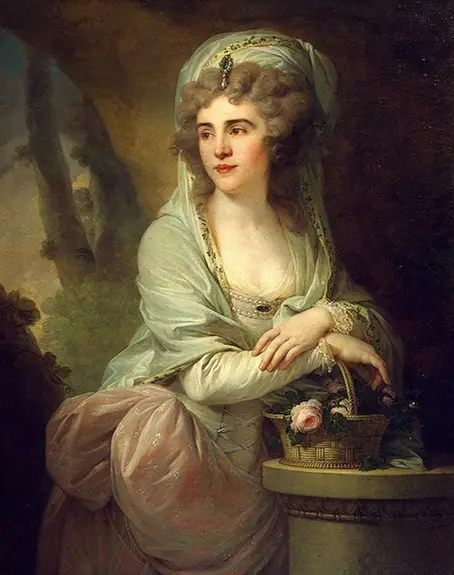 Portrait of Yekaterina Samoilova
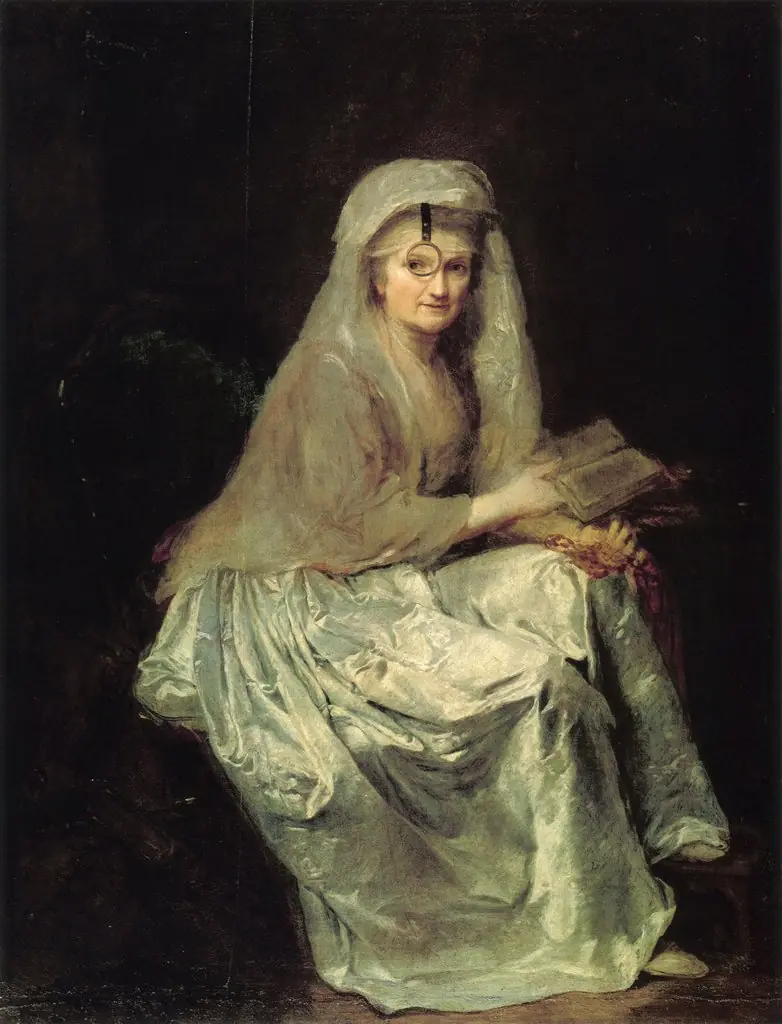 Self-portrait with Monocle
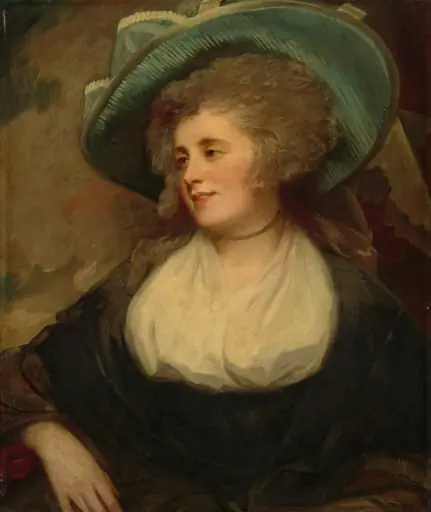 Lady Arabella Ward
 Mrs. Francis Russell