Artwork
Portrait of a Lady
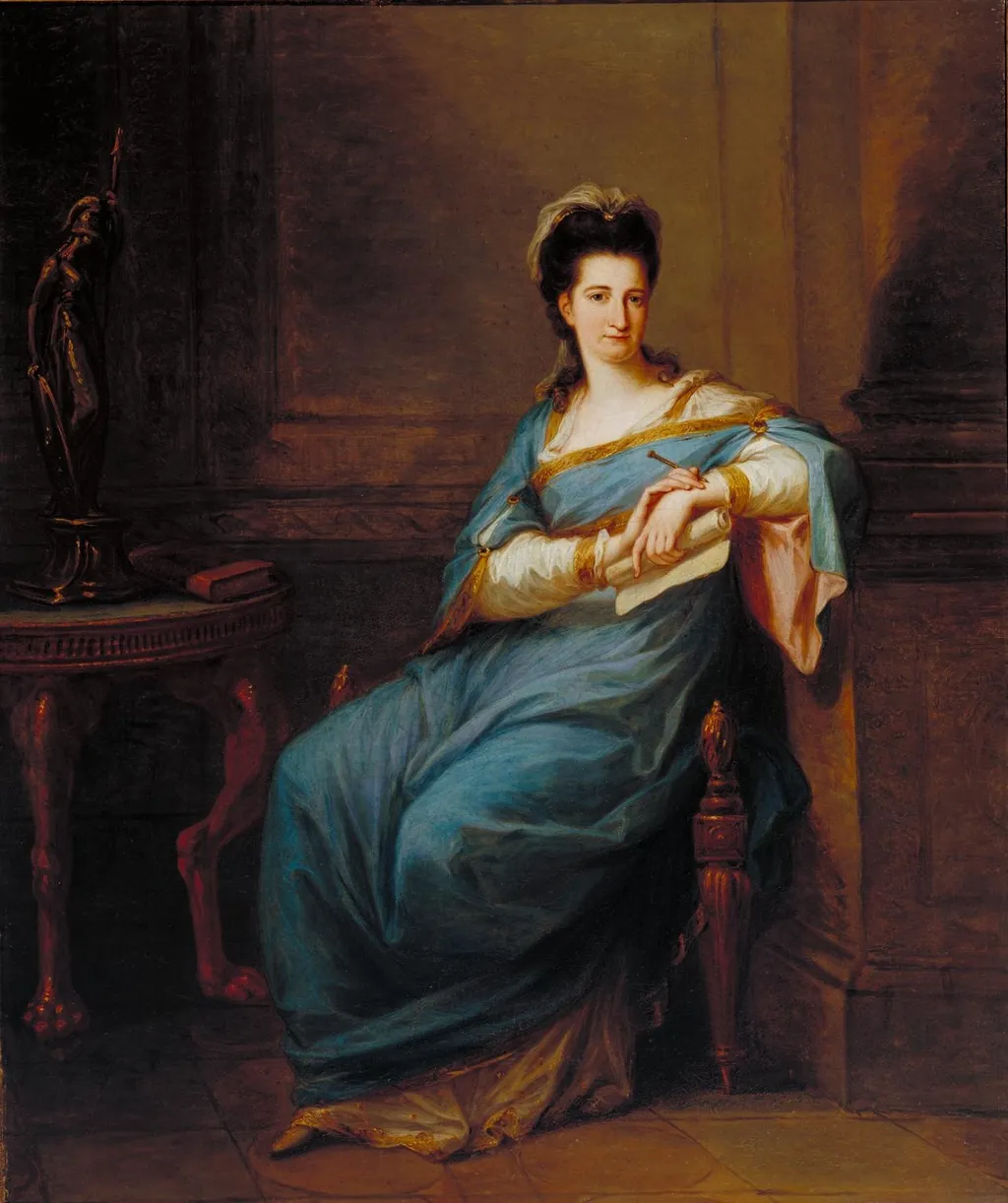
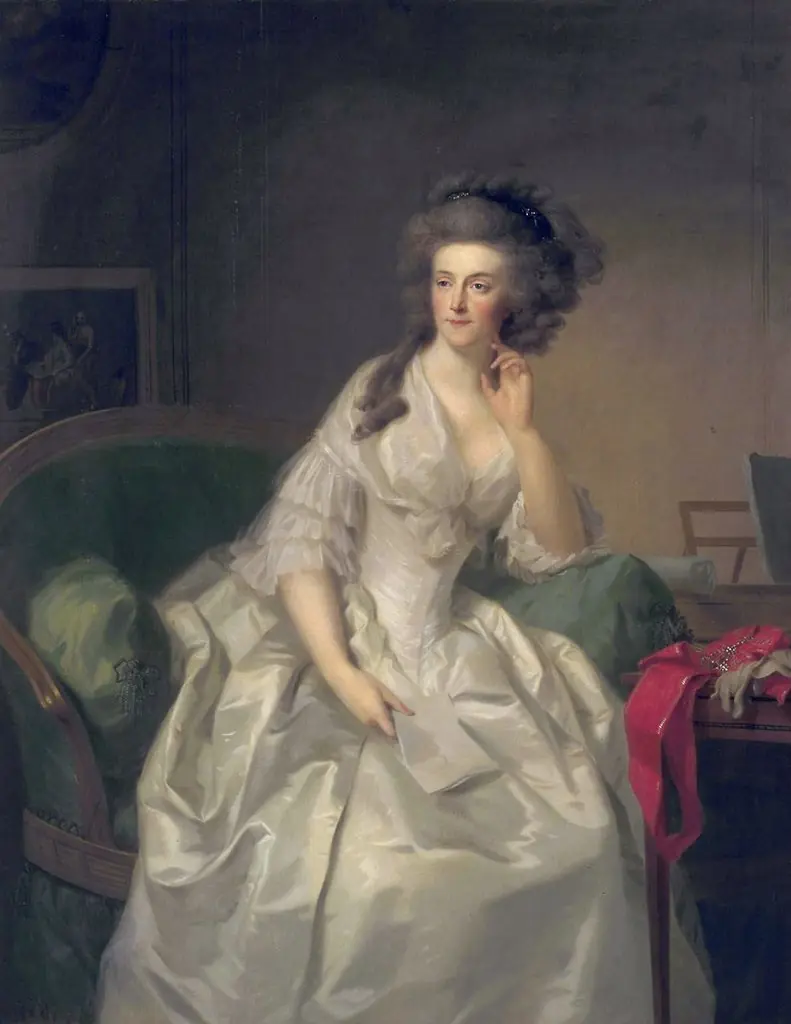
Portrait of a Lady is an unspecified painting by the Rococo painting artist Angelica Kauffmann. It dates from 1775 and is held in the collection of the Tate Britain.
About this work
Overview
Painted in 1775, this portrait by Angelica Kauffmann captures a woman in quiet composure, rendered with refined elegance. It resides in the collection of Tate Britain and exemplifies Kauffmann’s skill in blending portraiture with subtle narrative. The sitter’s poised demeanor and carefully observed attire reflect the artistic priorities of late 18th-century British and European elite culture.
Subject & Meaning
The subject, dressed in a blue gown with gold embroidery, holds a book, suggesting intellectual engagement.
The subject, dressed in a blue gown with gold embroidery, holds a book, suggesting intellectual engagement. Her direct gaze invites the viewer into a moment of quiet contemplation, avoiding theatricality. The inclusion of the book, combined with her composed expression, implies a cultivated identity—perhaps a woman of letters or refined taste—aligned with Enlightenment ideals of female intellect and decorum.
Technique & Style
Kauffmann employs soft brushwork to render fabric textures, particularly in the folds of the dress, where light catches the gold trim with delicate precision. The muted, warm background isolates the figure without distraction. Her handling of light and form shows influence from classical portraiture, yet retains a gentle intimacy, characteristic of her Neoclassical approach and sensitivity to psychological nuance.
History & Provenance
The painting entered the Tate Britain collection through established institutional acquisitions, though its early ownership remains undocumented. It has been consistently attributed to Kauffmann since the 19th century, with no evidence of misattribution. Its preservation reflects its status as a representative work by a prominent female artist of the period, valued for its technical and cultural significance.
Context
Created during a time when women artists were gaining limited recognition, Kauffmann’s work stood apart for its intellectual gravitas. This portrait aligns with broader trends in British portraiture that emphasized moral character and education over mere status. The sitter’s attire and demeanor reflect the emerging ideal of the refined, literate woman, a theme increasingly visible in art and literature of the late 1700s.
Legacy
Kauffmann’s portrait contributes to the historical record of women artists who navigated male-dominated artistic institutions with authority. The work continues to be studied for its synthesis of elegance and intellect, offering insight into how female identity was visually constructed in the Enlightenment era. It remains a quiet but significant example of Neoclassical portraiture by a woman for a woman.
Own this work as a print
Artist & collection

Artist
Maria Anna Angelika Kauffmann, usually known in English as Angelica Kauffman, was a Swiss painter who had a successful career in London and Rome.

 Telemachus and the Nymphs of Calypso
 Edward Smith Stanley (1752–1834), Twelfth Earl of Derby, with His First Wife (Lady Elizabeth Hamilton, 1753–1797) and Their Son (Edward Smith Stanley, 1775–1851)
 The Sorrow of Telemachus
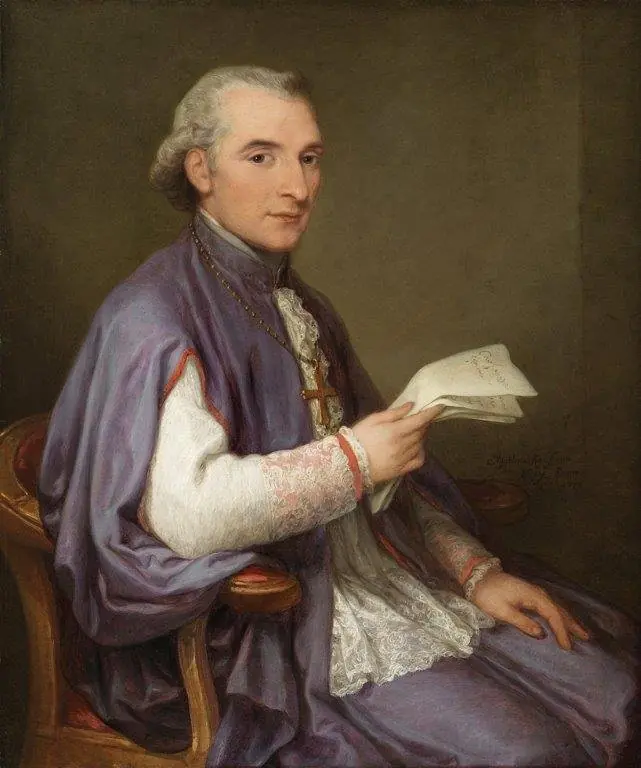 Monsignor Giuseppe Spina (1756–1828)
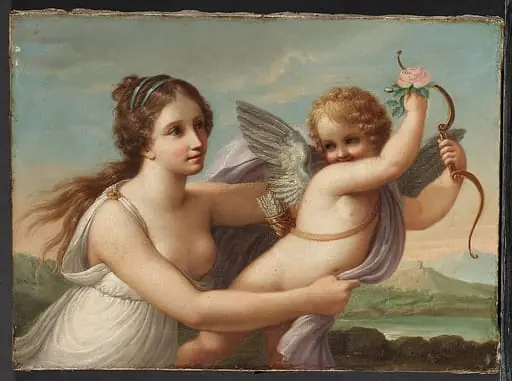 The Victory of Eros
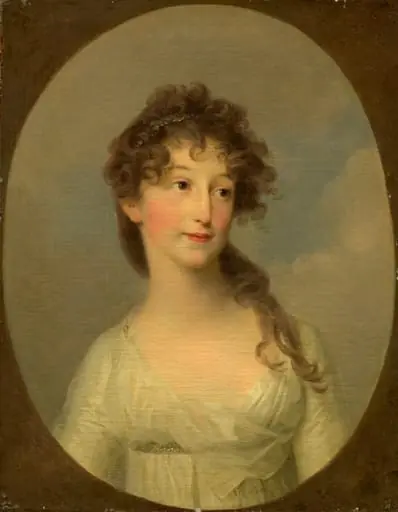 Possibly Franciska Krasinska, Duchess of Courland
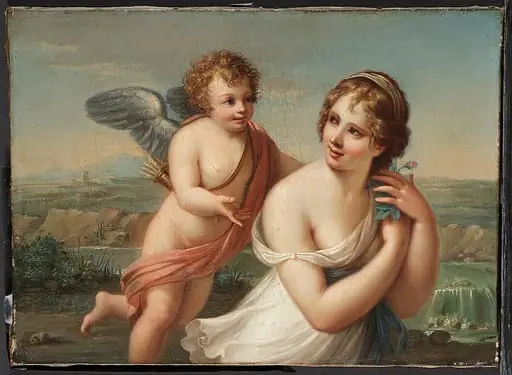 The Temptation of Eros
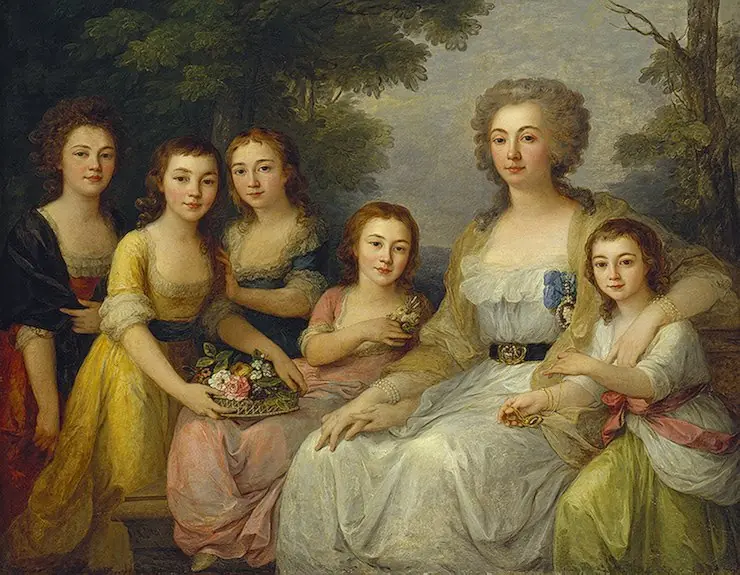 Portrait of Countess A.S. Protasova with her Nieces
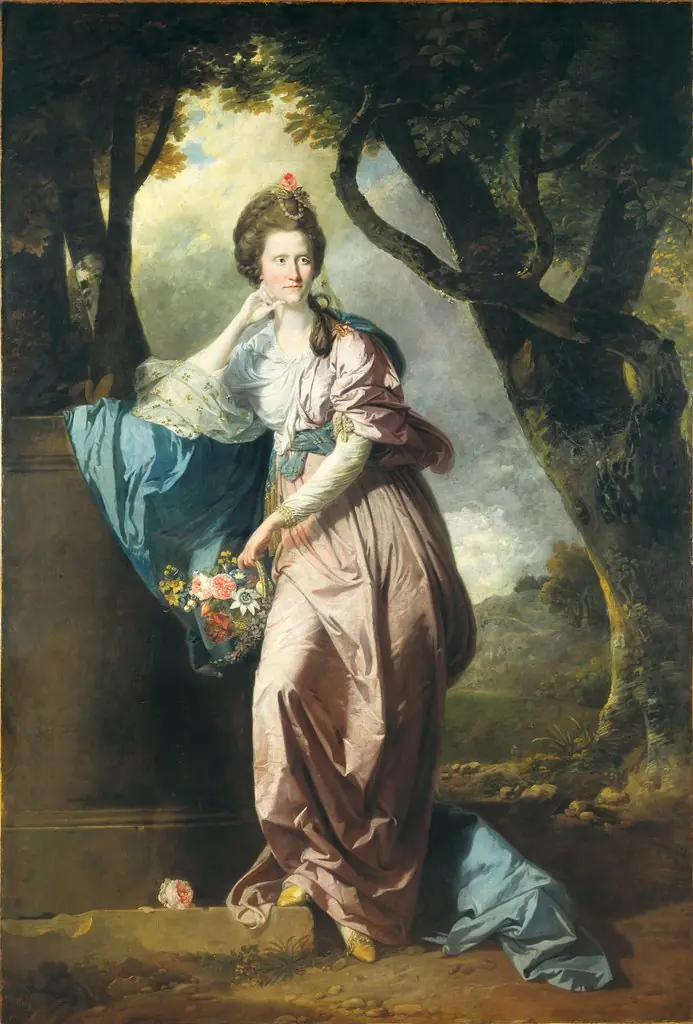 Mrs Woodhull
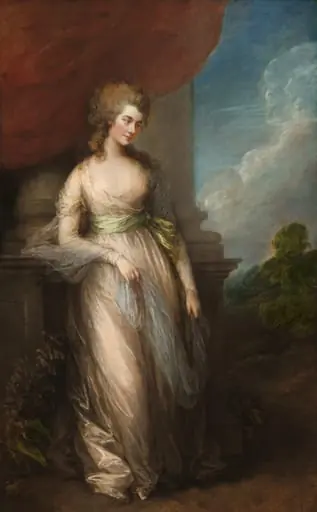 Georgiana, Duchess of Devonshire
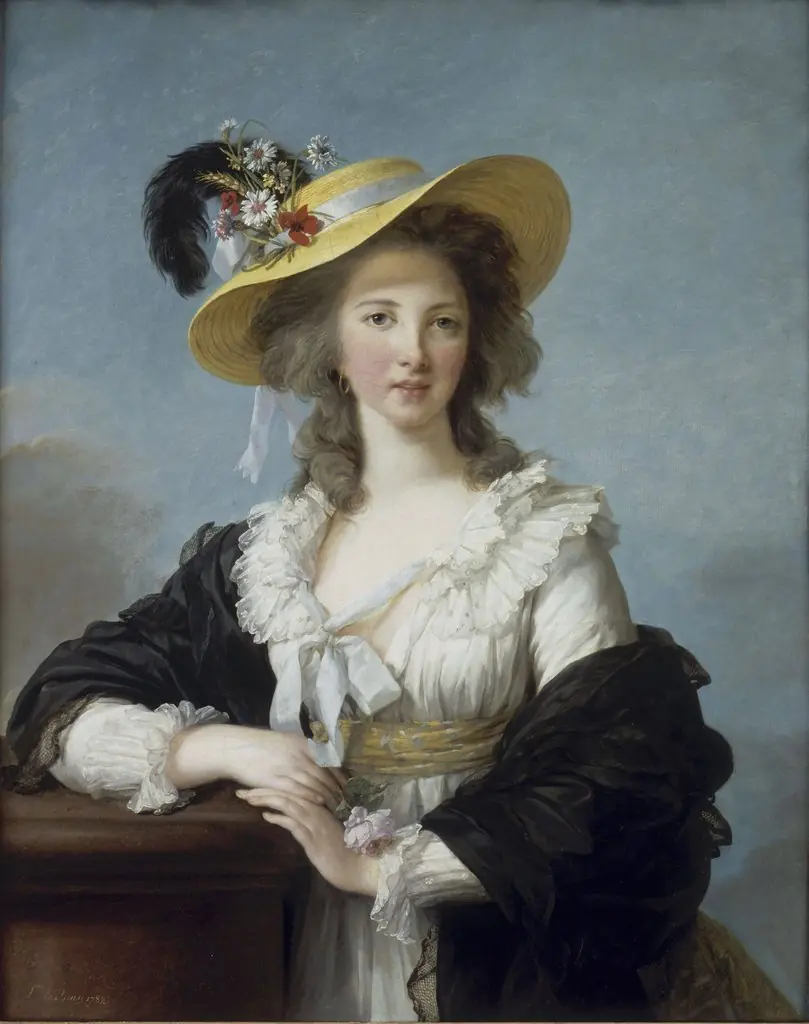 Yolande-Martine-Gabrielle de Polastron, Duchess de Polignac
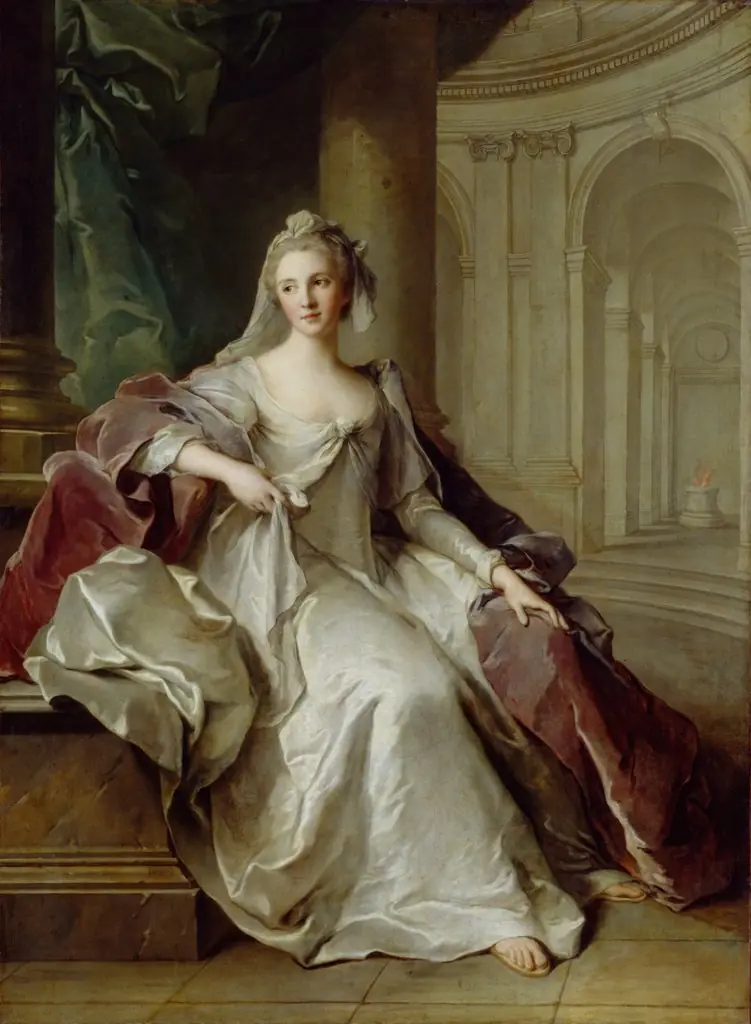 Madame Henriette de France as a Vestal Virgin
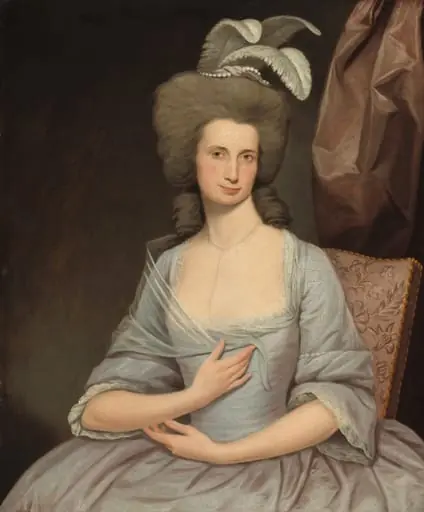 Elizabeth Stevens Carle
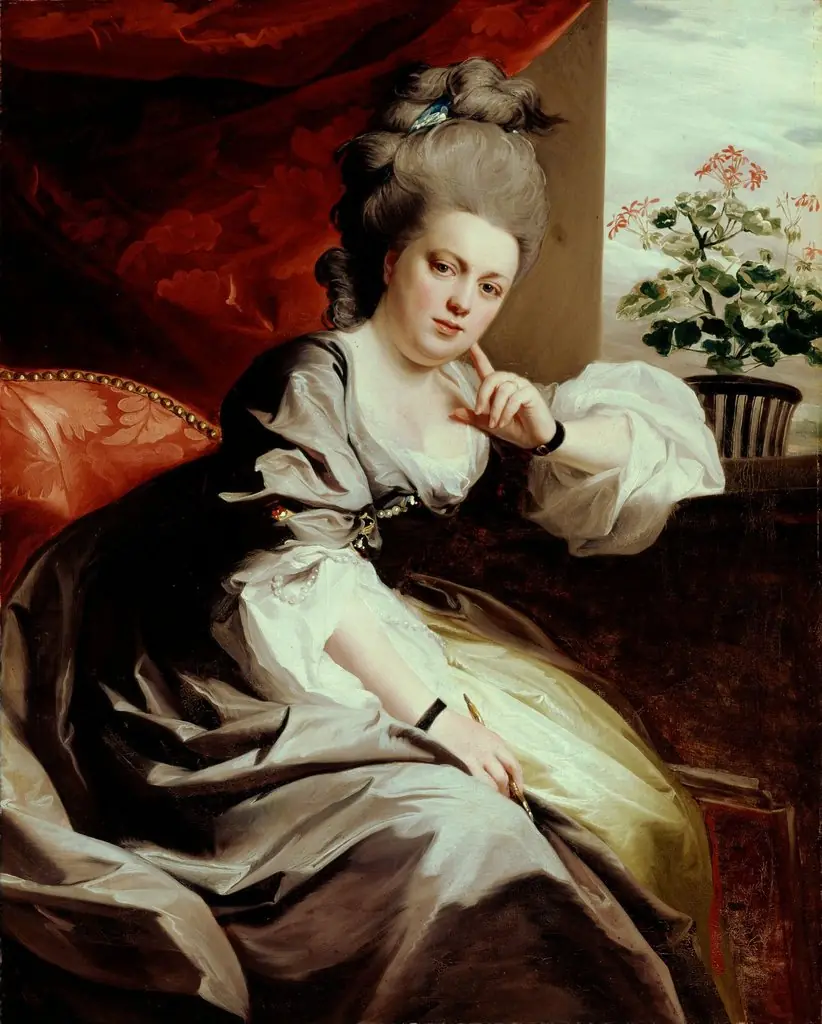 Mrs. Clark Gayton, 1779, née Elizabeth Legge
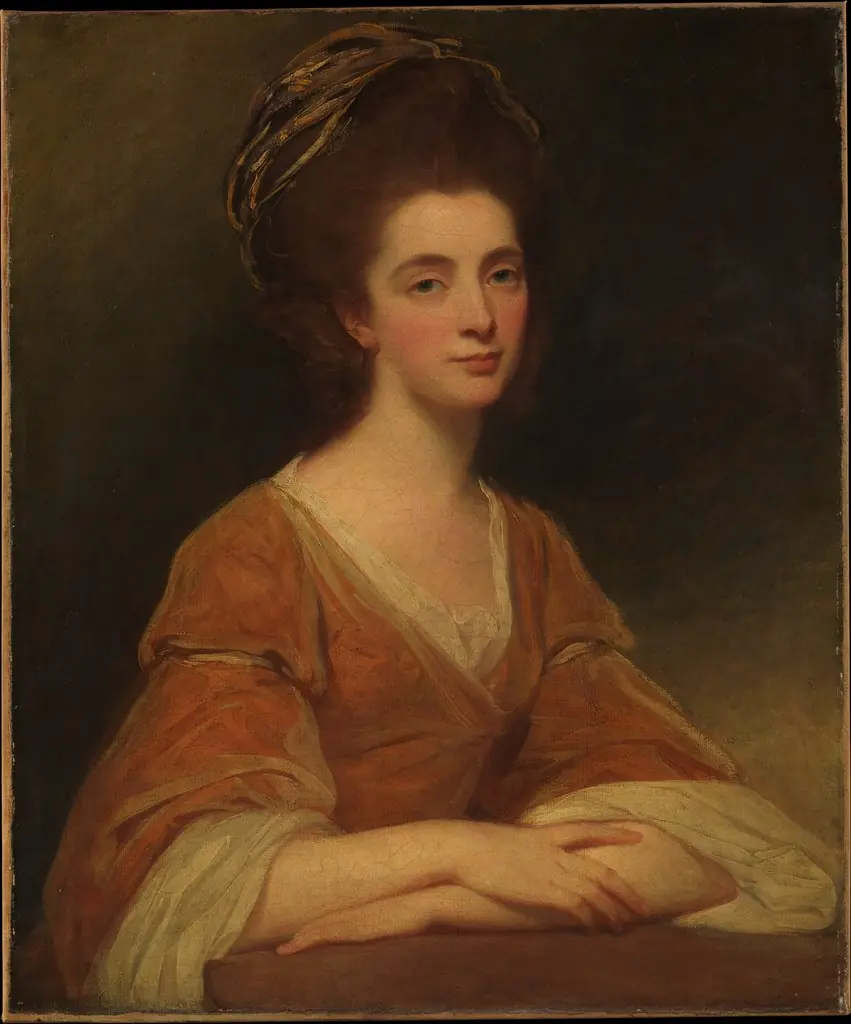 Mrs. Charles Frederick (Martha Rigden, died 1794)
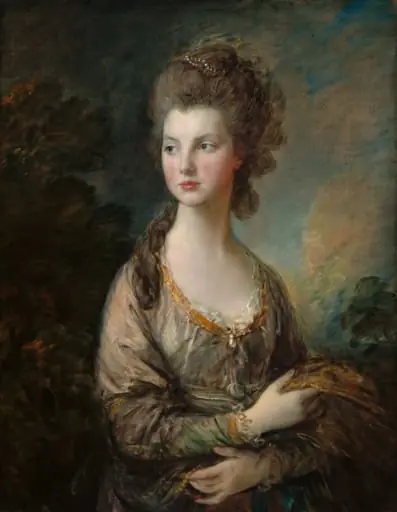 The Hon. Mrs. Thomas Graham
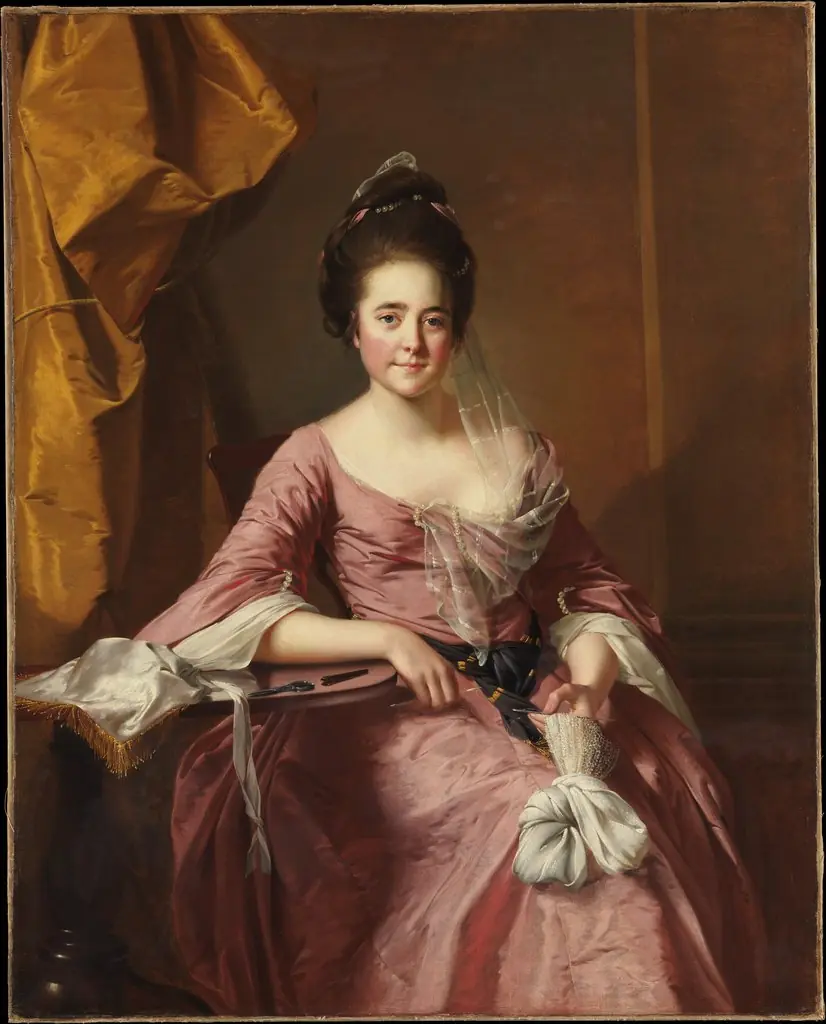 Portrait of a Woman
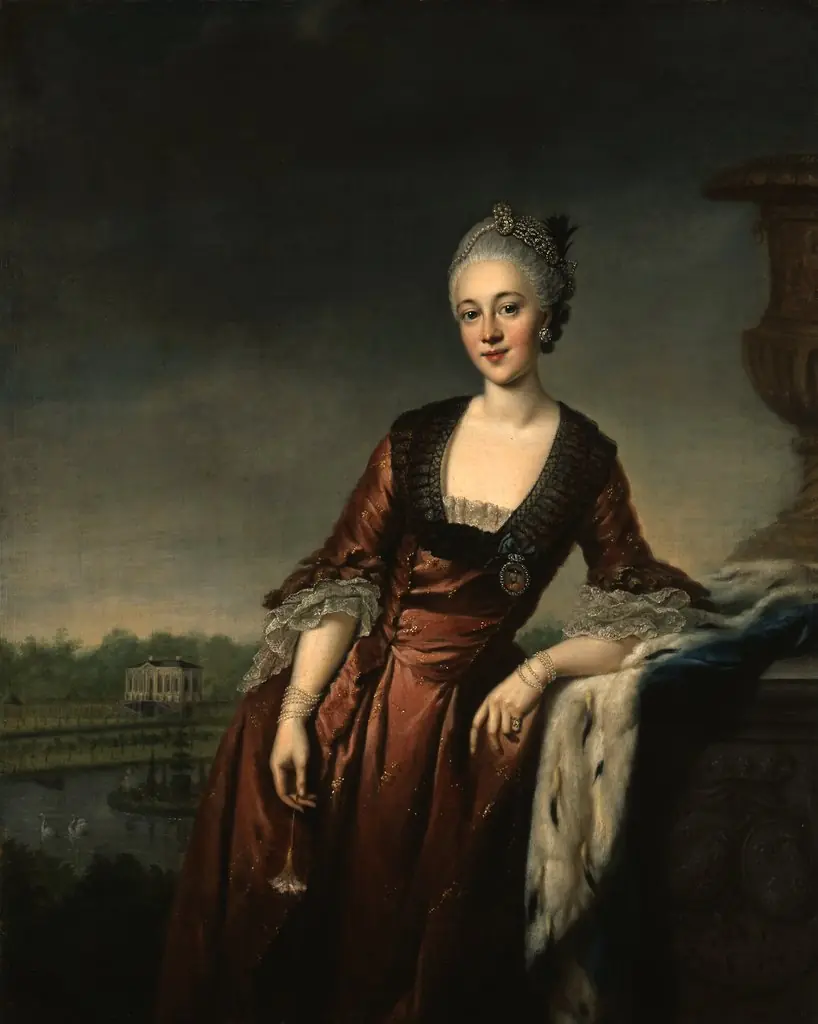 Countess Maria Barbara Eleonore (zu Lippe-Biesterfeld) Schaumburg-Lippe
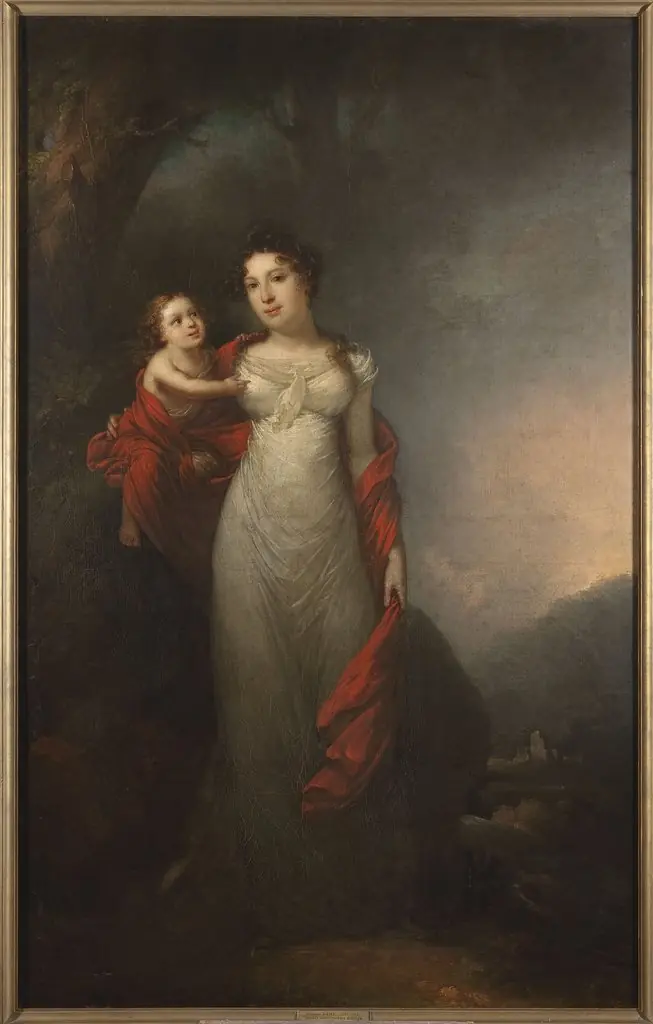 Portrait of Maria Morsztyn with her son
 Portrait of Princess Frederika Sophia Wilhelmina (1751-1820)