Artwork
Portrait of Yekaterina Samoilova
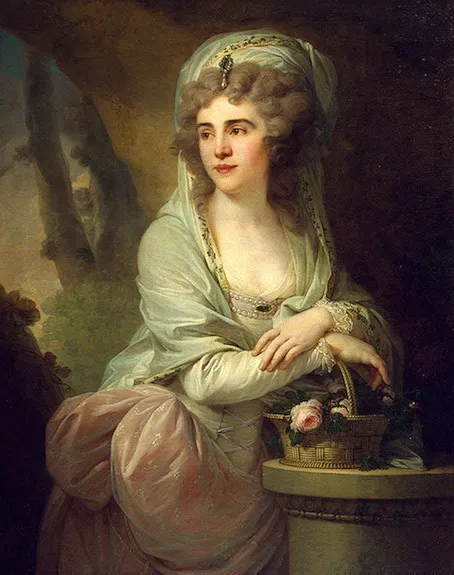
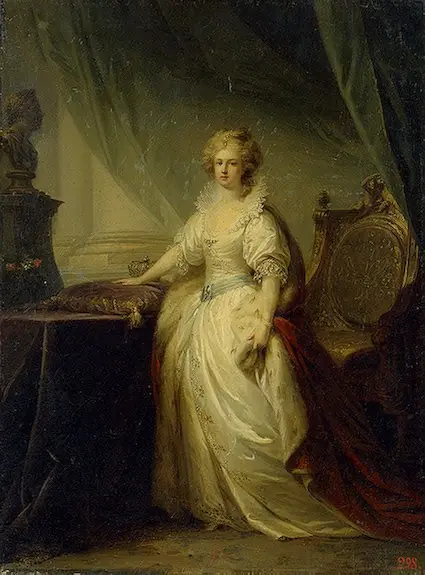
Portrait of Yekaterina Samoilova is an oil painting by the Rococo painting artist Johann Baptist von Lampi the Elder. It dates from 1796 and is held in the collection of the Hermitage Museum.
About this work
Overview
Lampi, an Austrian-Italian artist who settled in Russia after the Third Partition of Poland, produced the work during his tenure at the Russian court.
Painted in 1796 by Johann Baptist von Lampi the Elder, this oil portrait captures Yekaterina Sergeevna Samoilova, a noblewoman of the Russian Empire. Lampi, an Austrian-Italian artist who settled in Russia after the Third Partition of Poland, produced the work during his tenure at the Russian court. The painting remains part of the State Hermitage Museum’s collection, where it has been preserved since its creation.
Subject & Meaning
Yekaterina Samoilova is depicted with composed dignity, her attire suggesting aristocratic status. The inclusion of a woven basket containing pink flowers and scattered coins introduces an enigmatic element. While the flowers may symbolize femininity or domesticity, the coins remain unexplained—possibly referencing charitable acts, personal wealth, or an emblematic gesture tied to her social role, though no definitive interpretation is recorded.
Technique & Style
Lampi employed the refined brushwork and soft tonal transitions characteristic of late Rococo portraiture. The subject is rendered with delicate detail, particularly in the lace trim and hair, while the background dissolves into a muted, blurred expanse. This compositional choice directs focus entirely to the figure, emphasizing presence over context, a hallmark of courtly portraiture of the period.
History & Provenance
Created during Lampi’s time in Russia, the portrait was likely commissioned by or for the imperial circle. It entered the Hermitage collection shortly after completion, remaining there without documented relocation. Its continuous presence in the museum underscores its early recognition as a significant example of foreign-born artists contributing to Russian imperial visual culture.
Context
Lampi’s relocation to Russia followed political upheaval in Central Europe after the partitions of Poland. As a court painter, he adapted his Rococo style to suit Russian aristocratic tastes, blending Western European elegance with local conventions. Portraits like this one served both personal commemoration and political representation, reinforcing the status of noble families within the empire’s cultural hierarchy.
Legacy
The portrait endures as a quiet testament to the transnational nature of late 18th-century European art. Though not widely exhibited outside the Hermitage, it exemplifies how artists like Lampi mediated stylistic traditions across borders. Its subtle details, including the ambiguous coins, invite ongoing scholarly attention without yielding definitive conclusions, preserving its mystery.
Artist & collection
Artist
Johann Baptist von Lampi the Elder
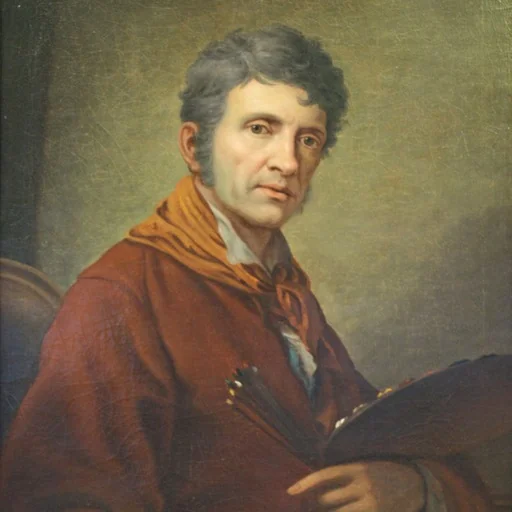
Johann Baptist von Lampi the Elder (German: Johann Baptist von Lampi der Ältere, Polish: Jan Chrzciciel Lampi; 31 December 1751 – 11 February 1830) was an Austrian-Italian historical and portrait painter.

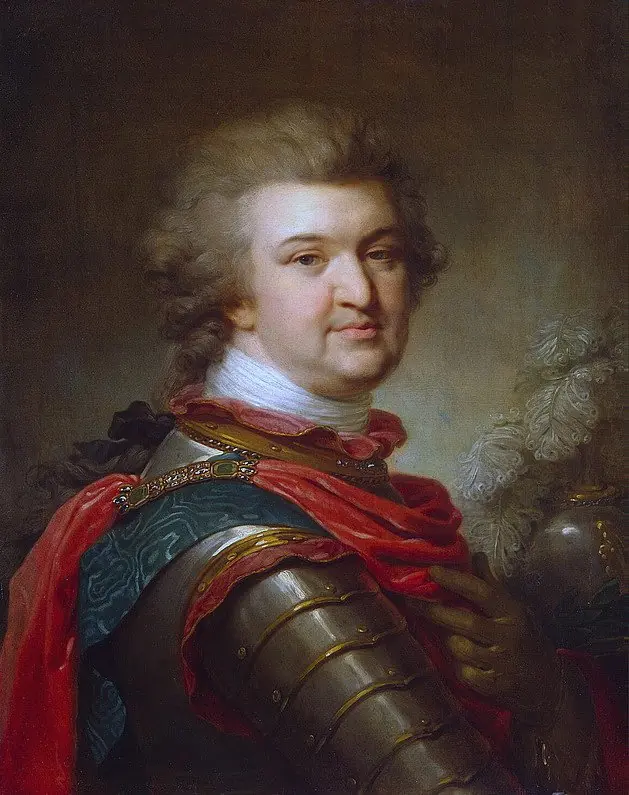
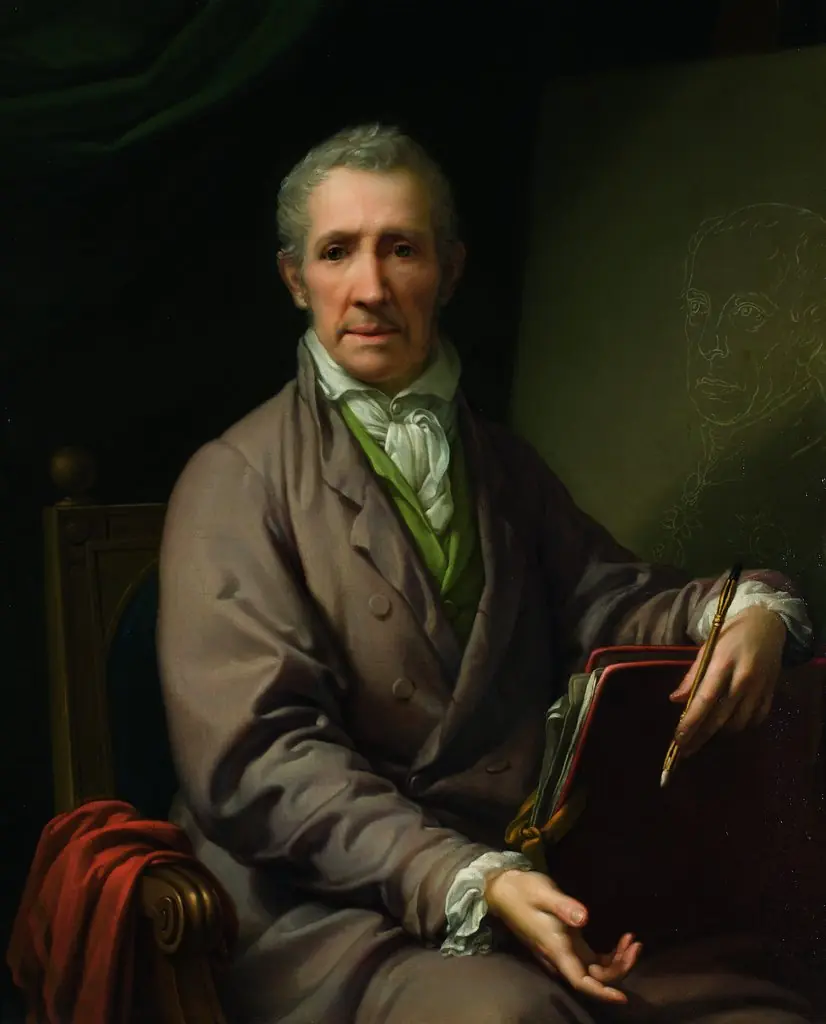
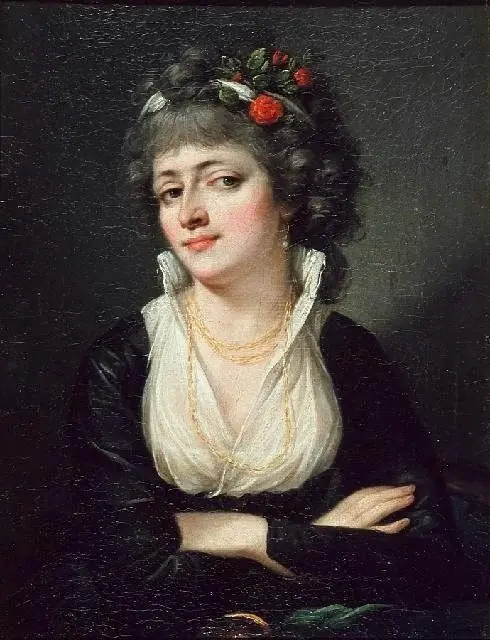 Portrait of Julia Potocka (1766-1794)
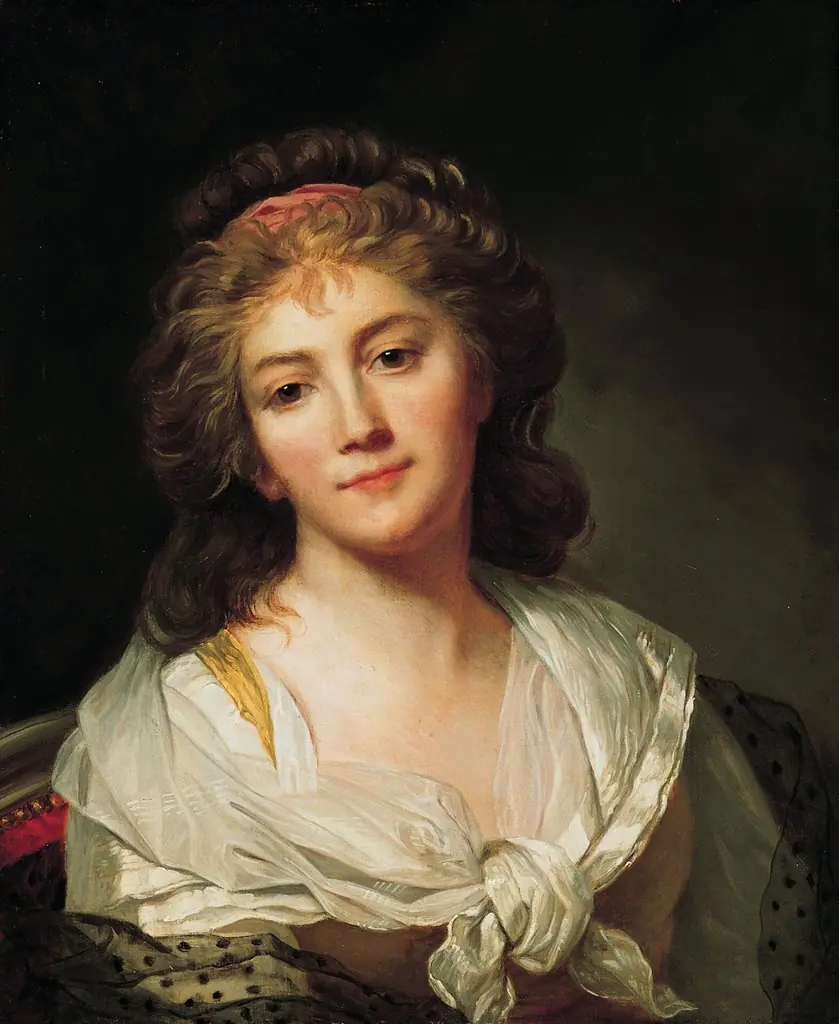 Self-portrait
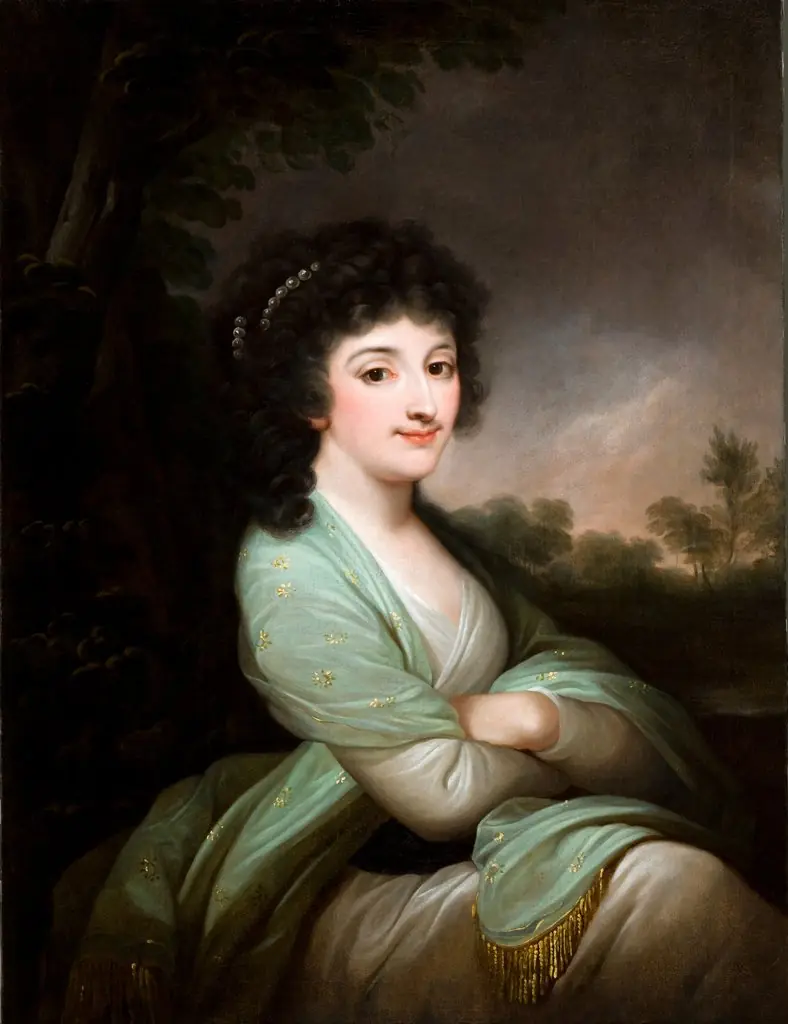 Portrait of Izabela Ogińska née Lasocka
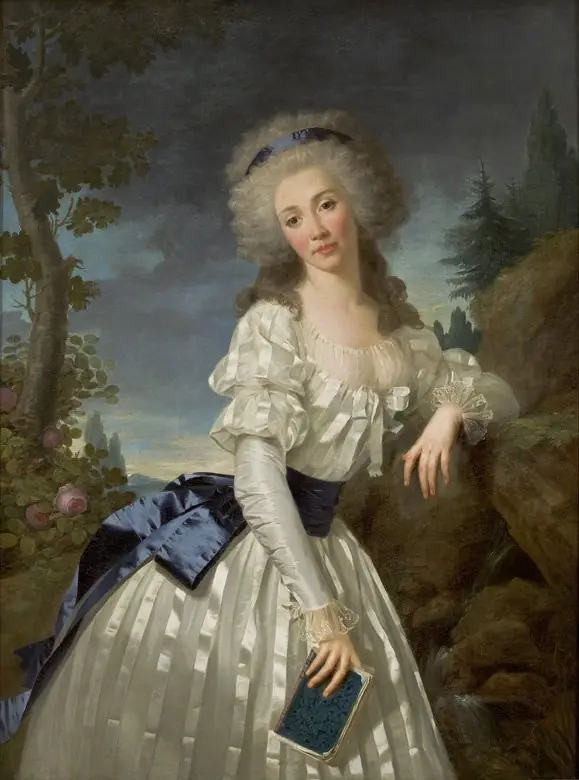 Retrato de uma dama com livro junto a uma fonte
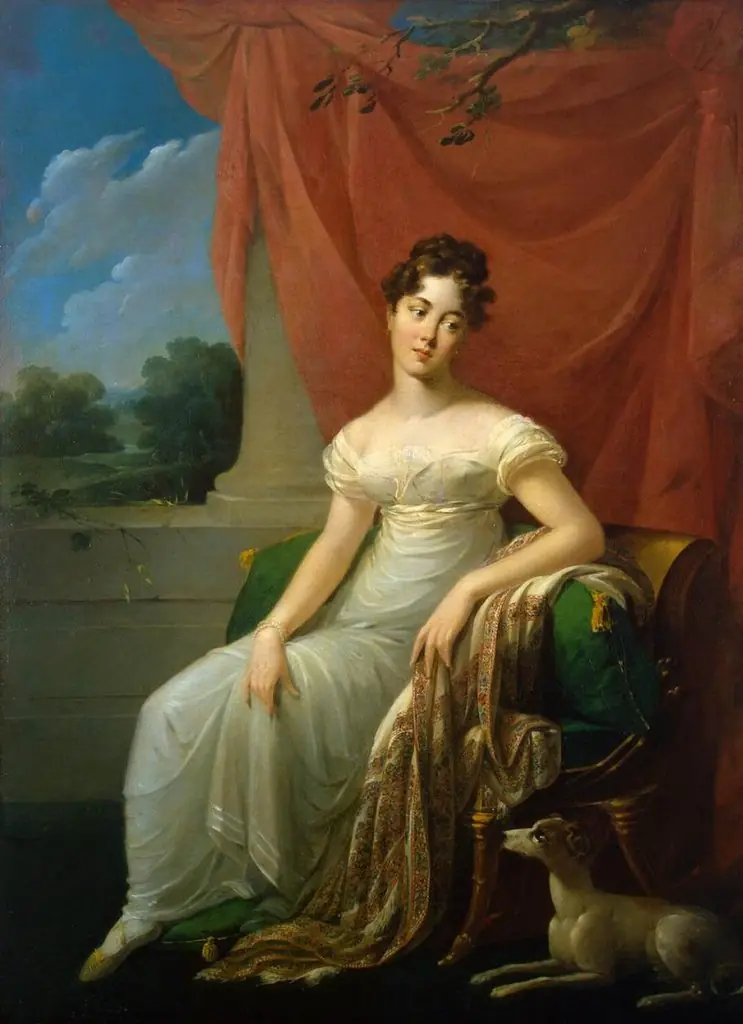 Portrait of Sofia Apraxina
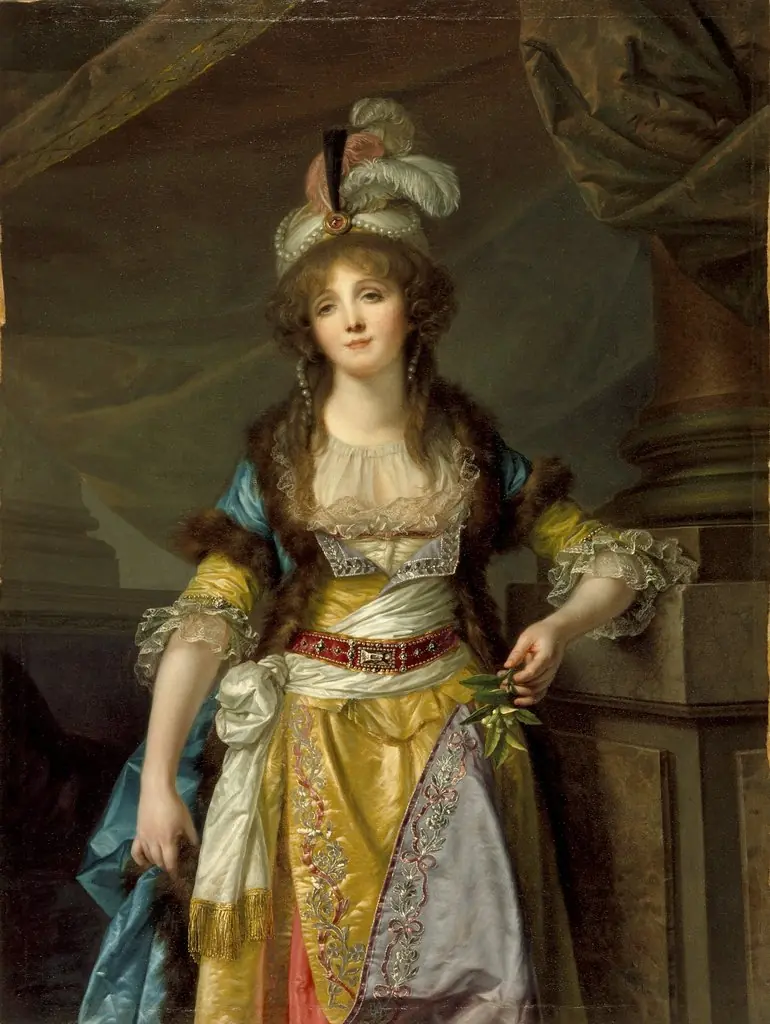 Portrait of a Lady in Turkish Fancy Dress
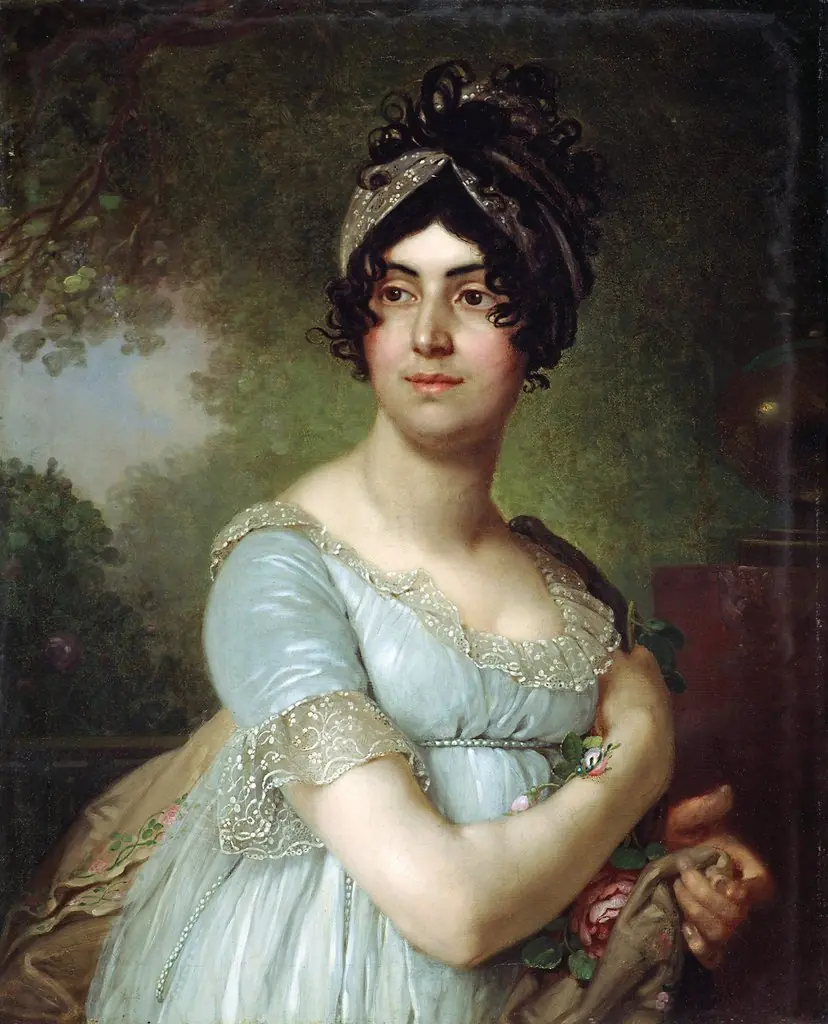 Портрет Д.С. Яковлевой
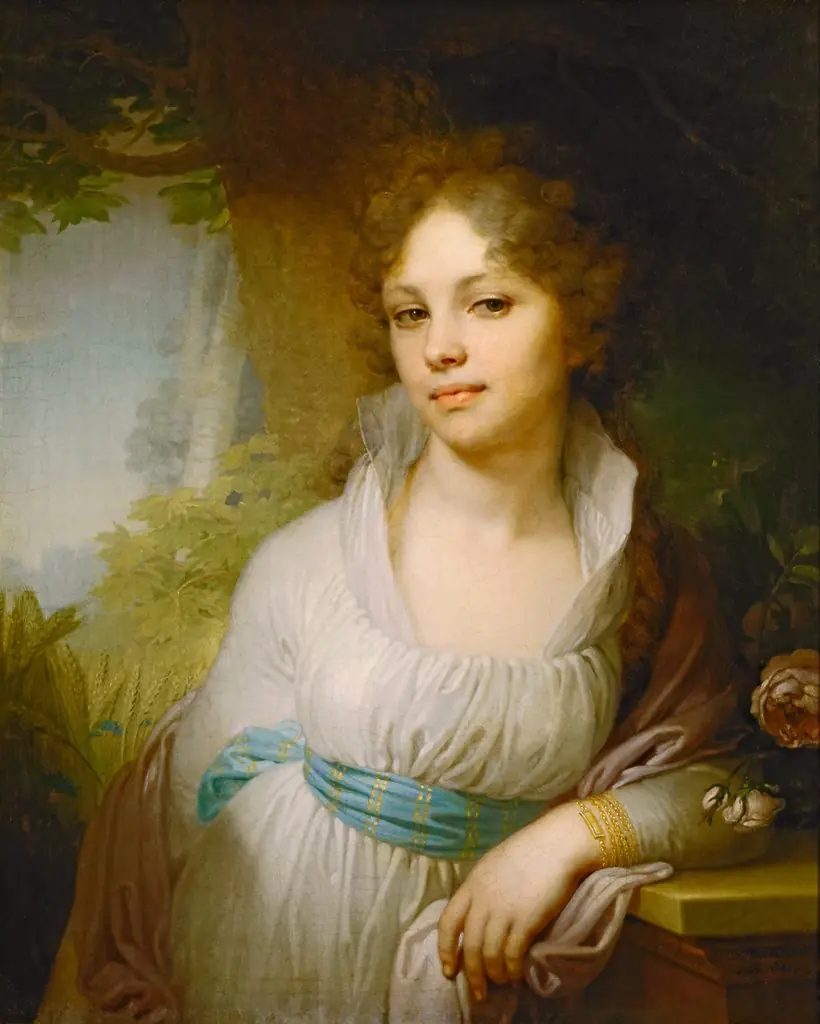 Portrait of Maria Ivanovna Lopukhina
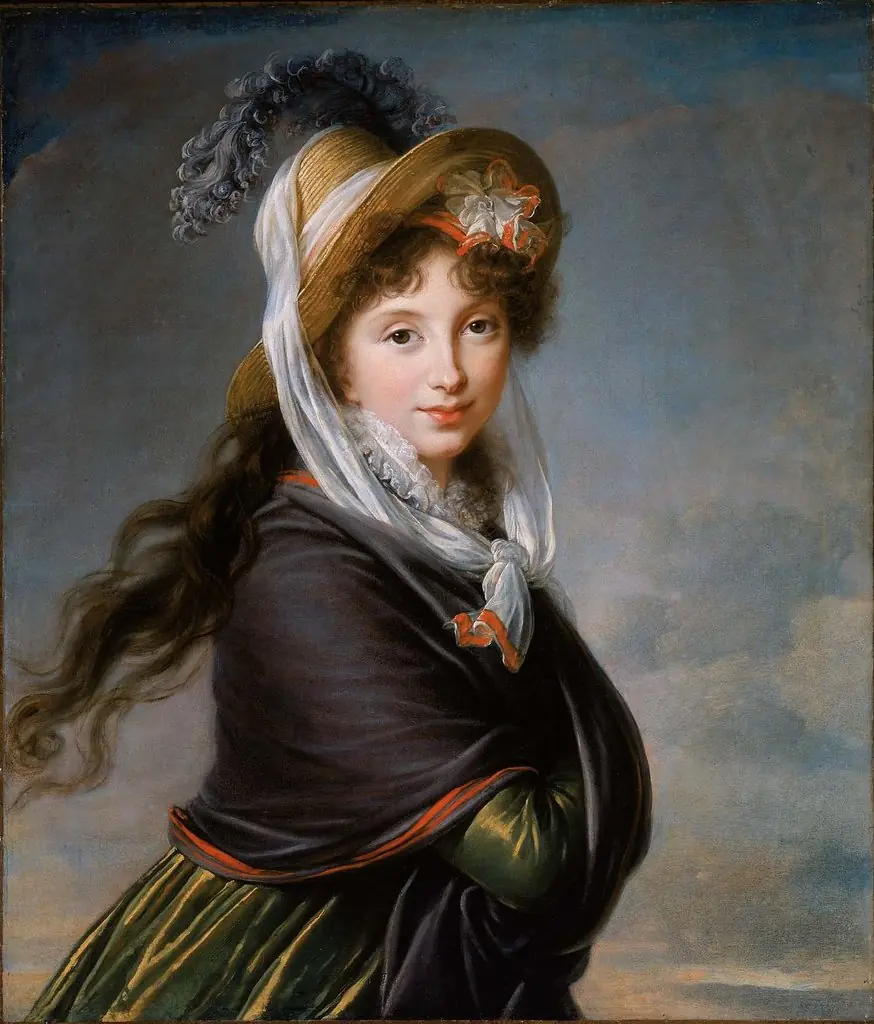 Portrait of a Young Woman
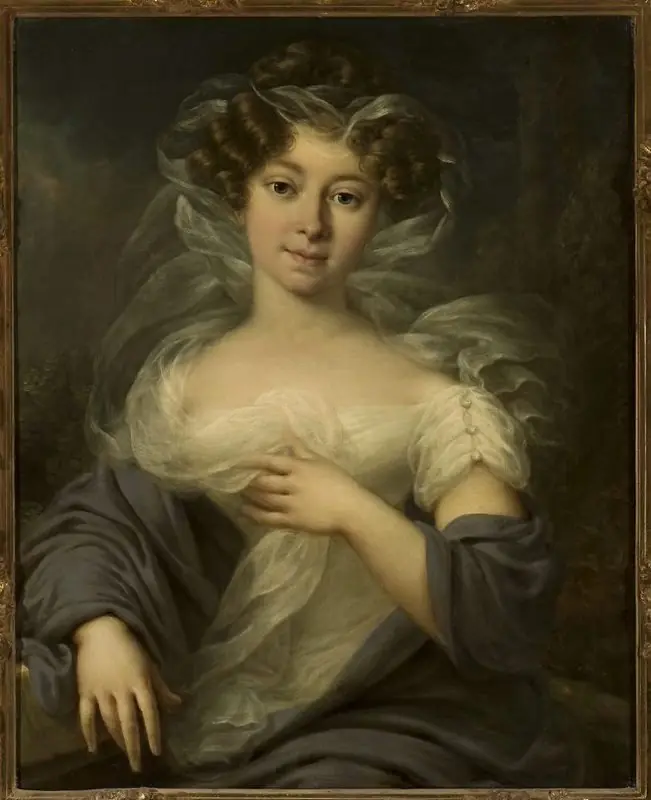 Portrait of Nina Łuszczewska née Żółtowska