Artwork
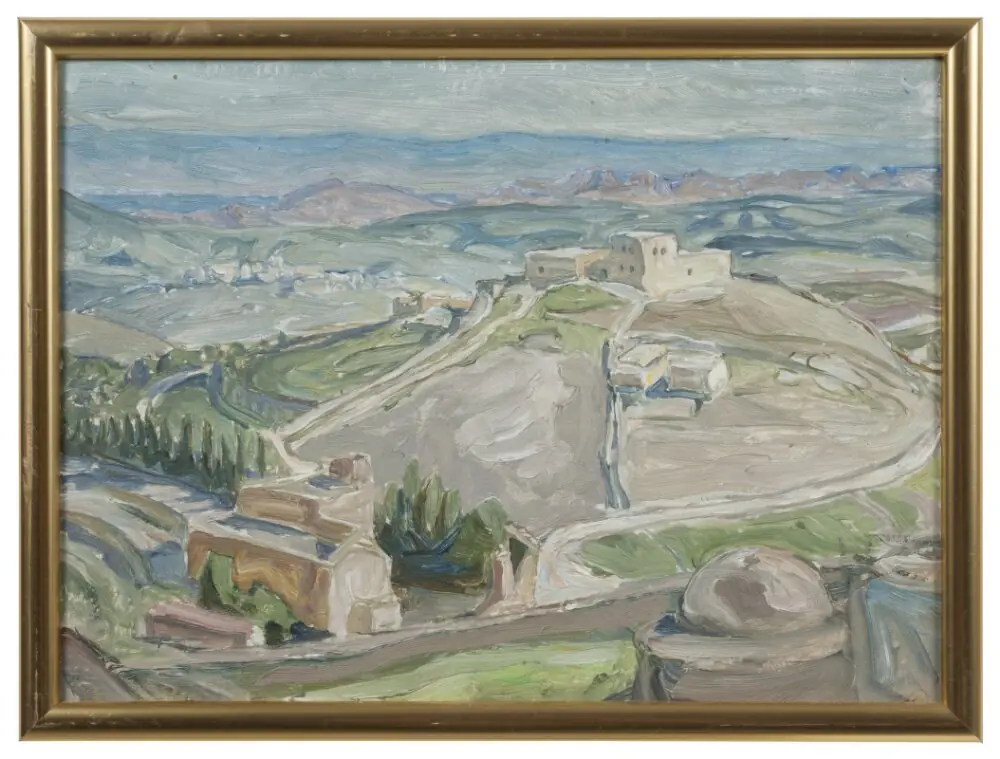
Study from Jerusalem
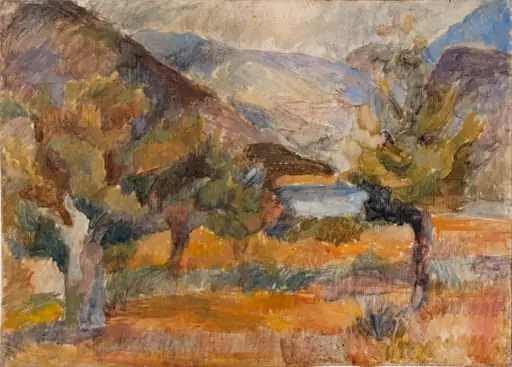
Study from Jerusalem is an unspecified painting by Anna Boberg. It dates from 1909 and is held in the collection of the Nationalmuseum.
About this work
Overview
The piece is part of the Nationalmuseum’s collection in Stockholm, representing her lesser-known but significant contributions to Swedish landscape painting.
Anna Boberg created Study from Jerusalem around 1909 as a quiet landscape study during a period when she was deeply engaged with travel and visual documentation. Though primarily known for her work in applied arts, this painting reflects her interest in capturing atmospheric environments. The piece is part of the Nationalmuseum’s collection in Stockholm, representing her lesser-known but significant contributions to Swedish landscape painting.
Subject & Meaning
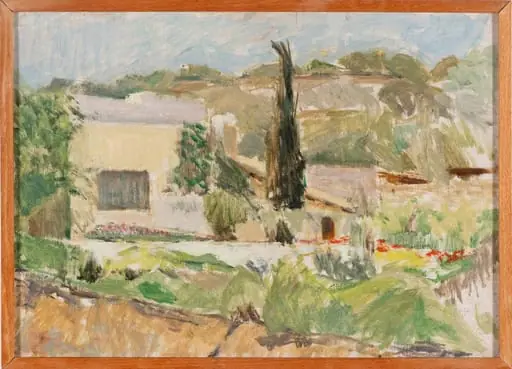
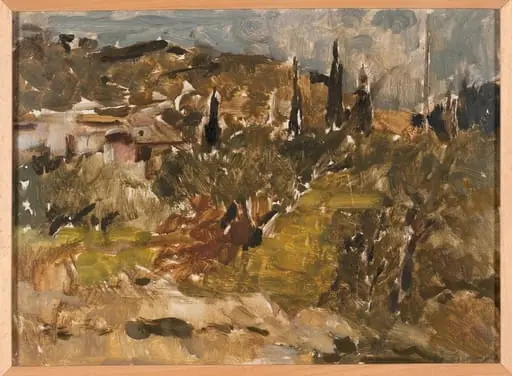
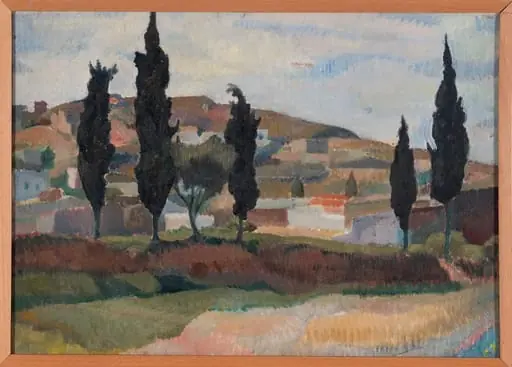
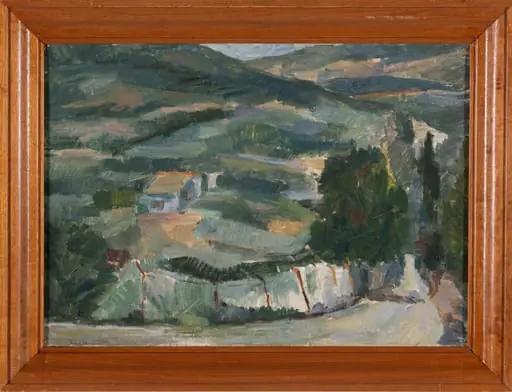
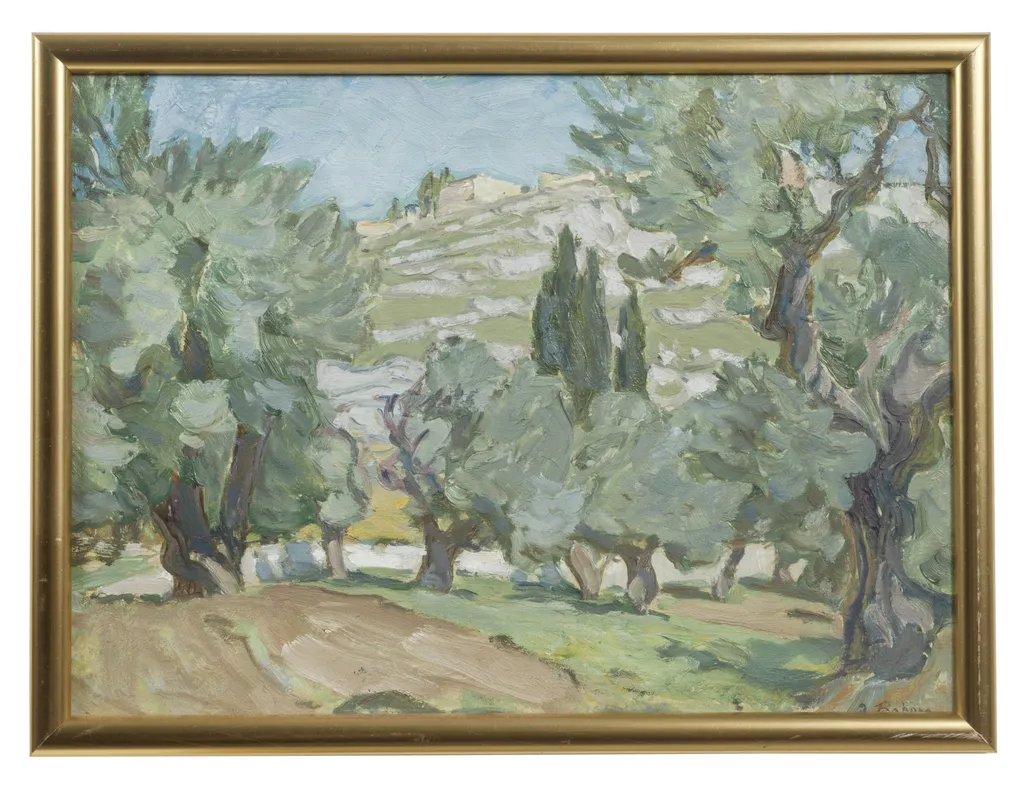
The painting presents a tranquil view of Jerusalem’s outskirts, with gentle hills, scattered trees, and distant architecture suggesting a quiet, inhabited landscape. Rather than emphasizing religious or historical symbolism, Boberg focuses on the sensory calm of the scene—its light, color, and spatial harmony. The absence of human figures enhances the sense of solitude, inviting contemplation rather than narrative interpretation.
Technique & Style
Boberg employed soft, modulated tones of green and blue to build depth without sharp definition. The trees in the foreground are rendered with subtle variations in hue and value, while the hillside fades into pale washes of white and light green. The sky, a muted blue, unifies the composition. Her brushwork is restrained, favoring atmospheric blending over detail, reflecting an impressionistic sensitivity to light and mood.
History & Provenance
Painted during Boberg’s travels in the Middle East, Study from Jerusalem was likely made as part of a series of observational works from her journey. It entered the Nationalmuseum’s collection in the early 20th century, alongside other pieces by Swedish artists who documented foreign landscapes. Its preservation reflects institutional interest in women’s contributions to Nordic art beyond traditional genres.
Context
In the early 1900s, Swedish artists increasingly traveled beyond Europe, seeking new visual experiences. Boberg’s work aligns with this trend, though her focus remained on quiet, non-dramatic scenes rather than exoticism. Her background in design informed her compositional clarity, distinguishing her landscape work from more romanticized contemporaries. This painting reflects a broader cultural curiosity about the East, filtered through personal observation.
Legacy
Though Boberg is better remembered for her ceramic and textile designs, Study from Jerusalem endures as a quiet testament to her painterly sensitivity. It contributes to a growing recognition of women artists who worked across disciplines and whose landscape studies offer nuanced alternatives to dominant artistic narratives of the era. The painting remains a subtle but important part of Sweden’s early modernist visual record.
Artist & collection
Artist
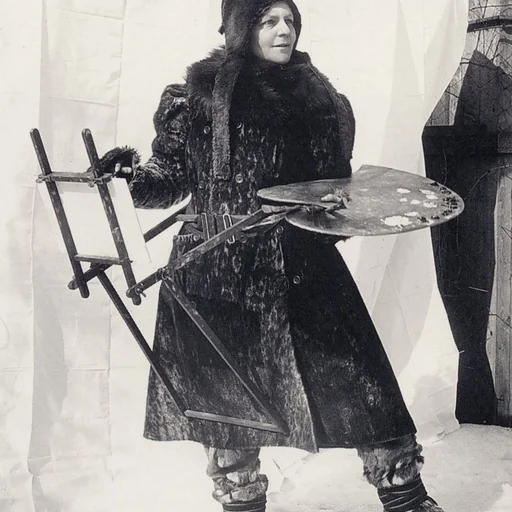
Anna Katarina Boberg, née Scholander, (3 December 1864 – 27 January 1935) was a Swedish artist married to prominent architect Ferdinand Boberg.

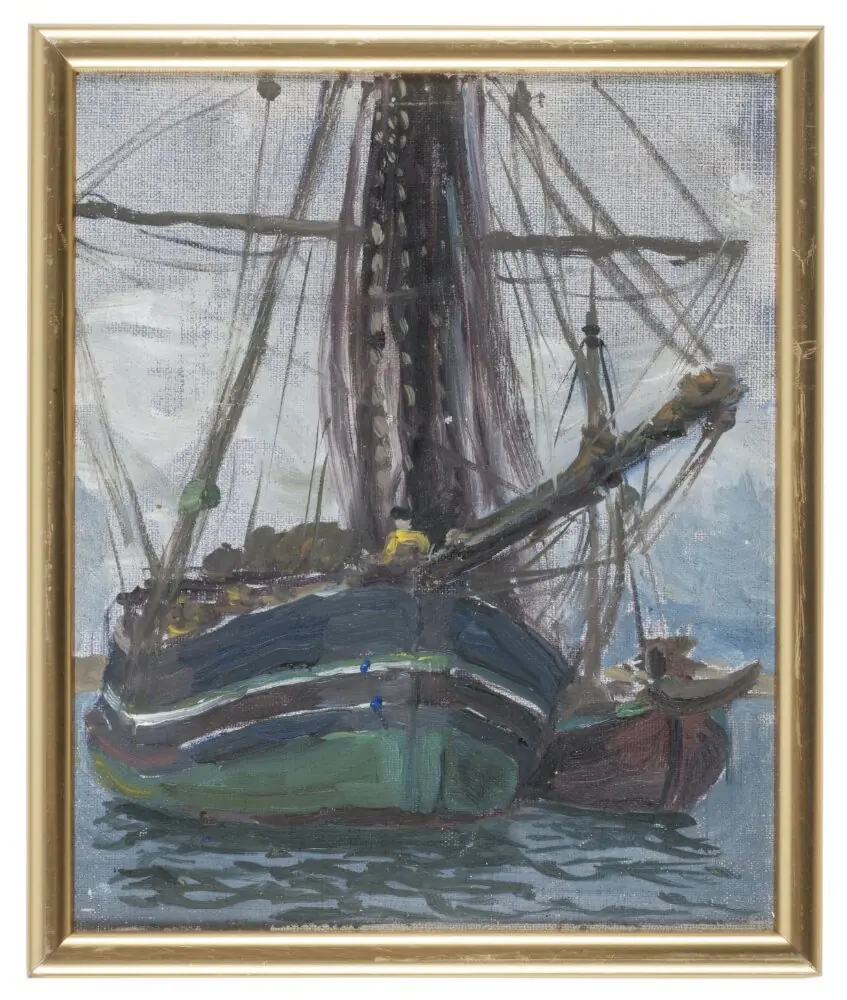 Fog Rising from the Sea. Study from Lofoten
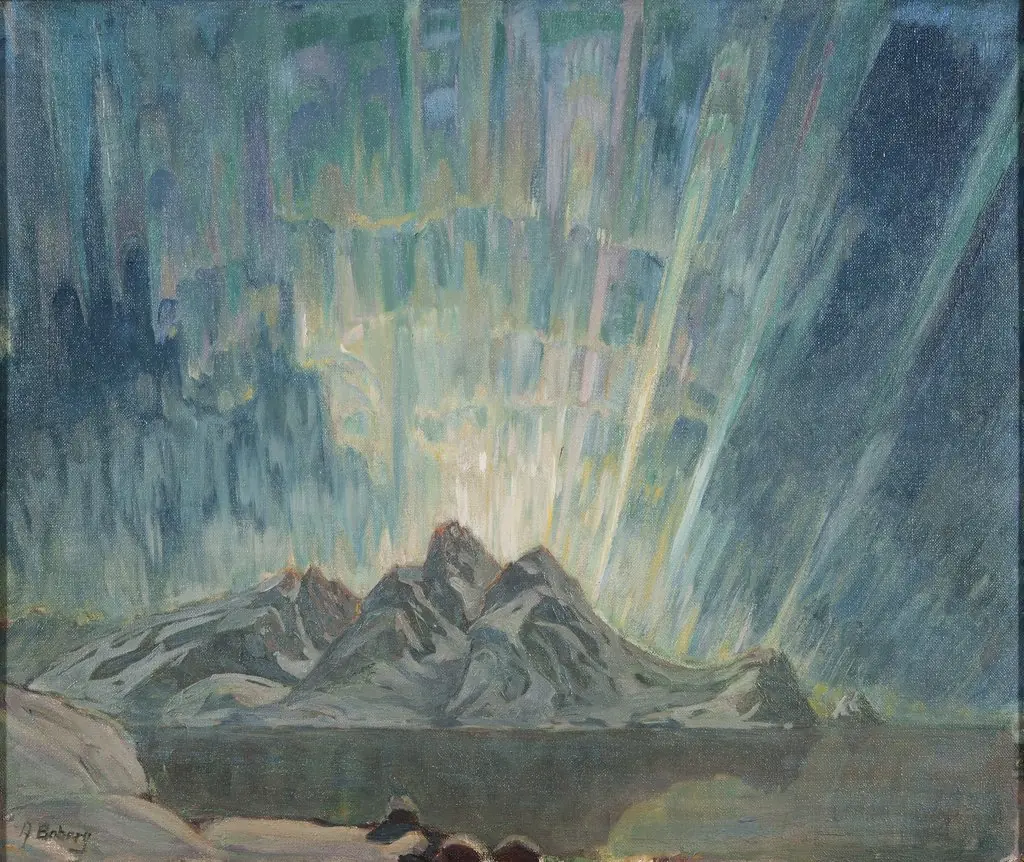 Northern Lights. Study from North Norway
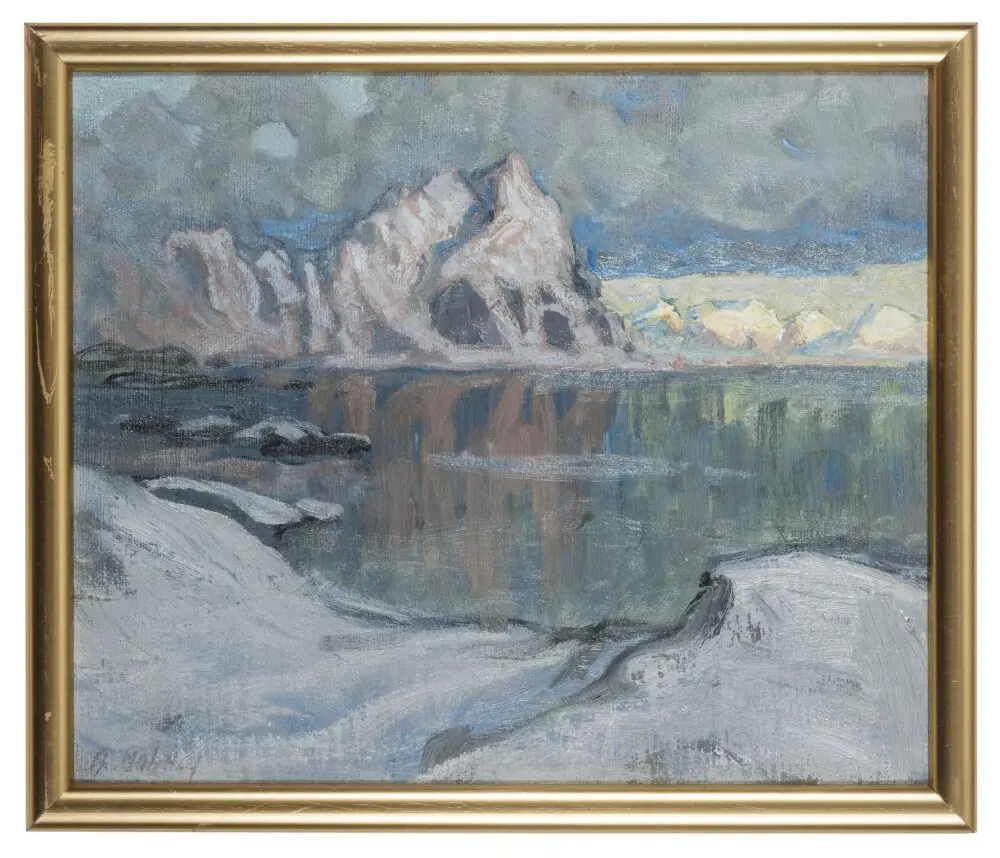 Boats between the Mountains. Study from Lofoten
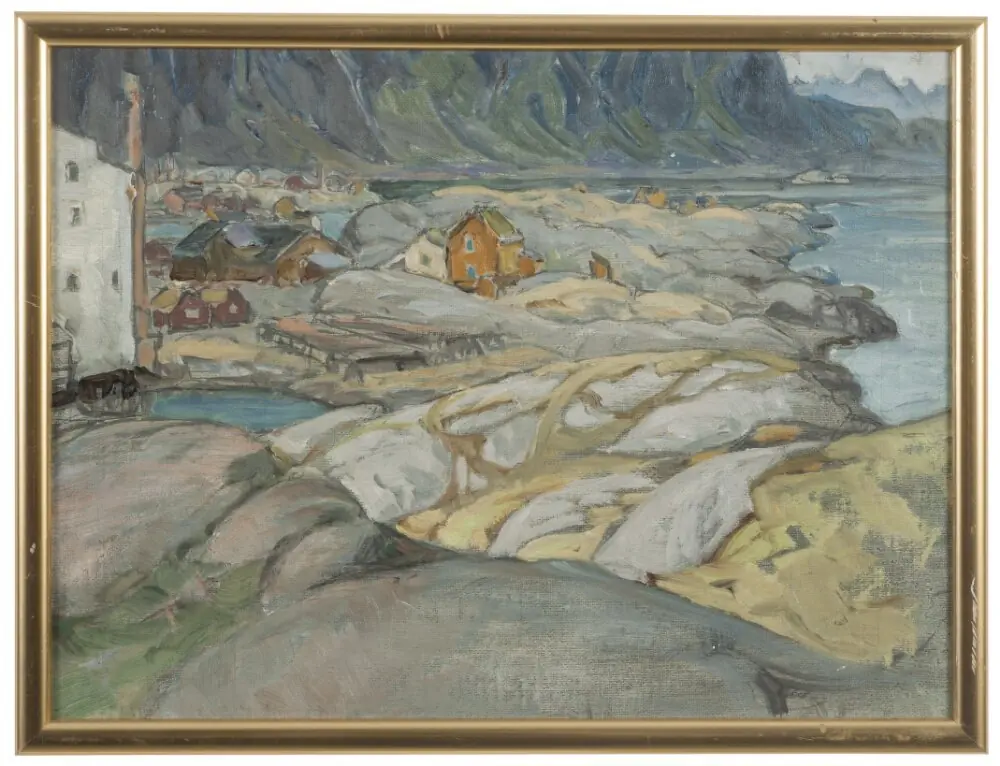 The Village at the Foot of the Mountain. Study from Lofoten
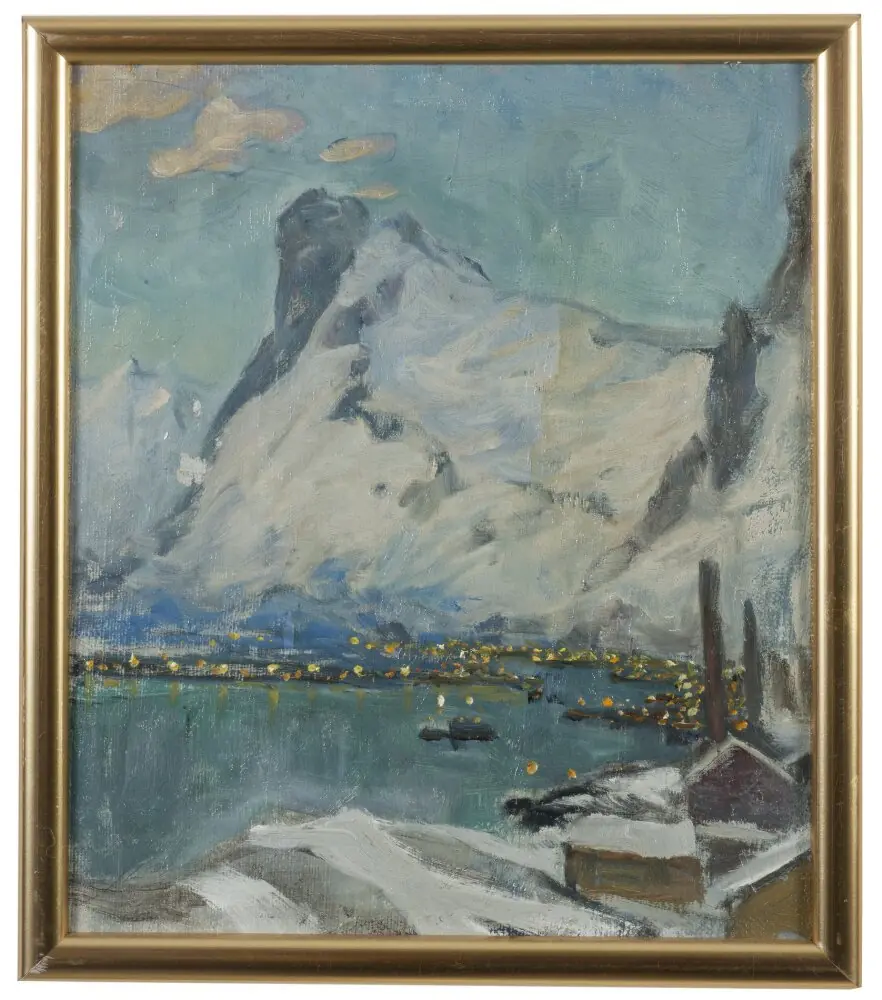 Lofoten in the Evening Light. Study
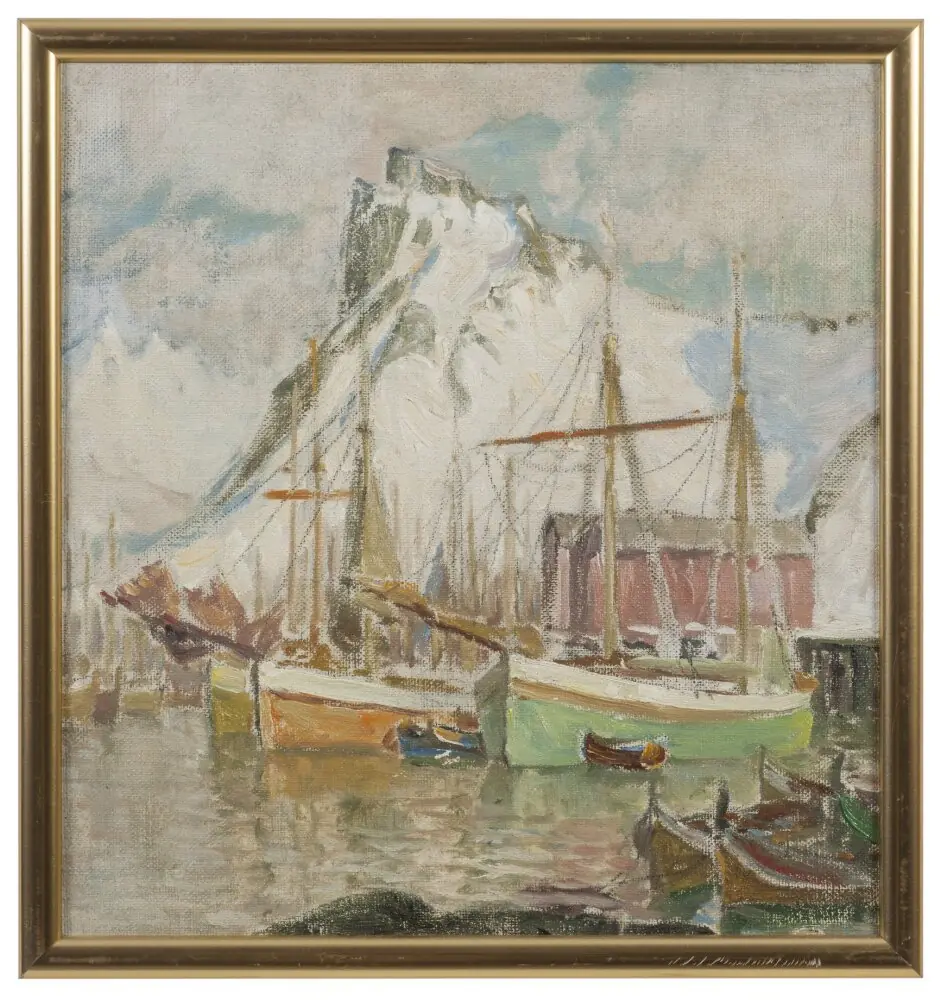 In the Harbour, Svolvaer. Study from Lofoten
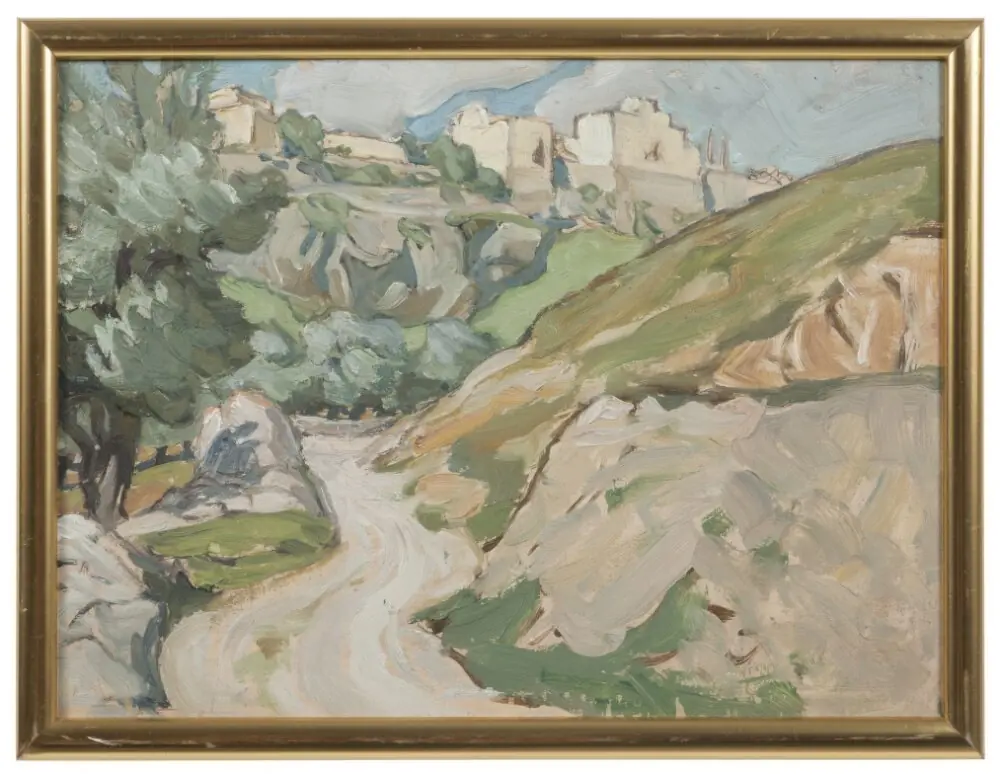 The Road to Jerusalem. Study
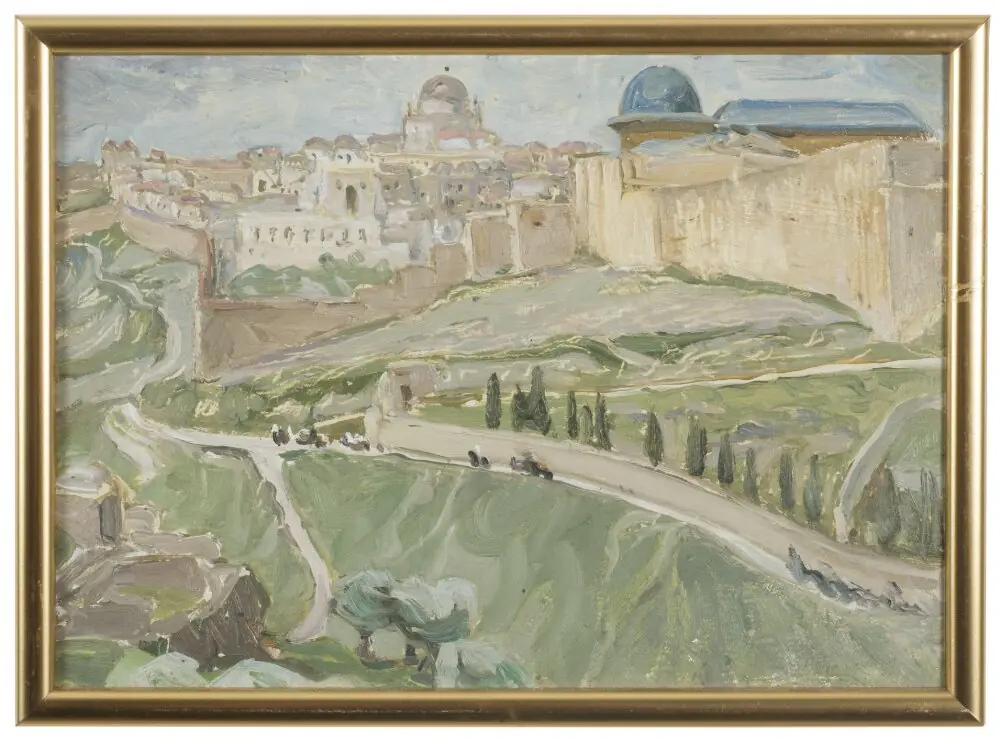 By Jerusalem. Study