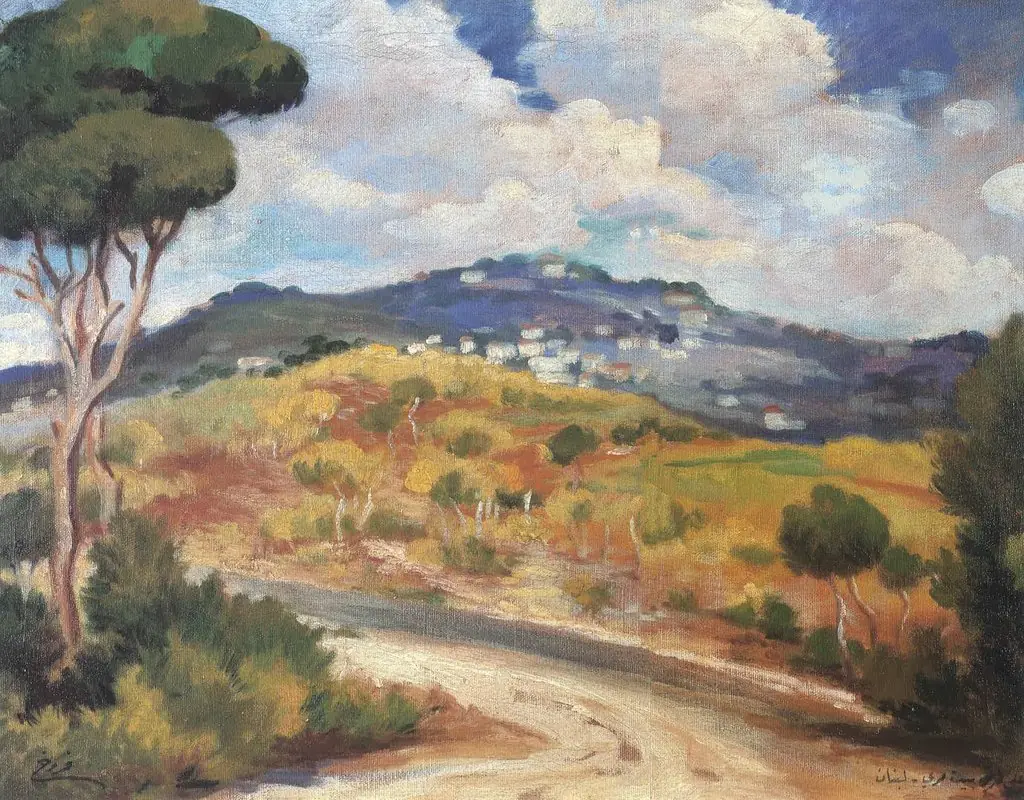
Artwork
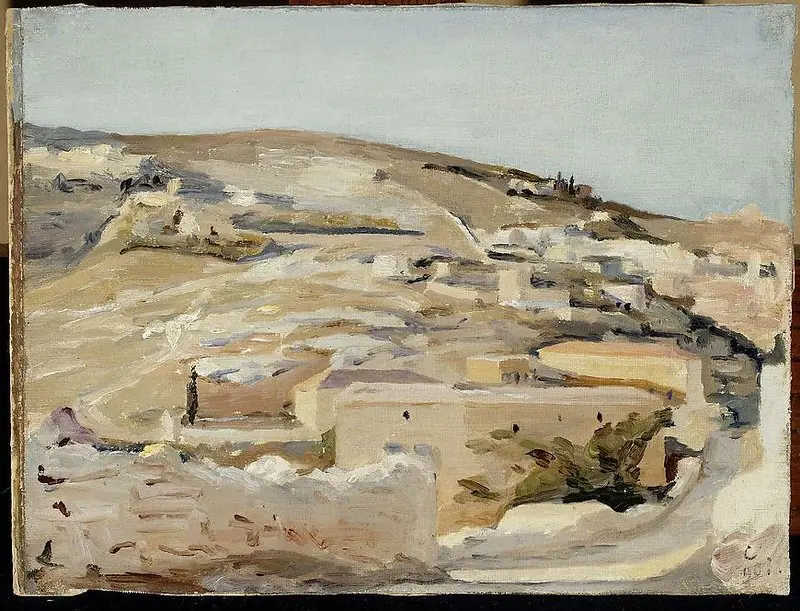
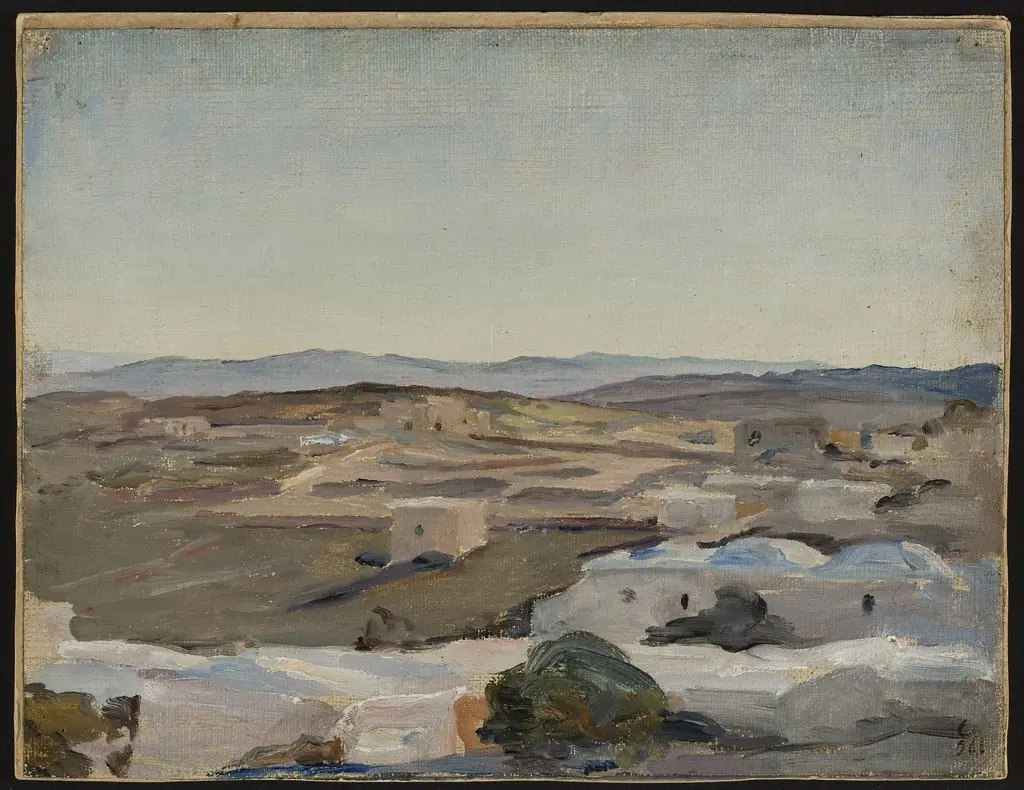
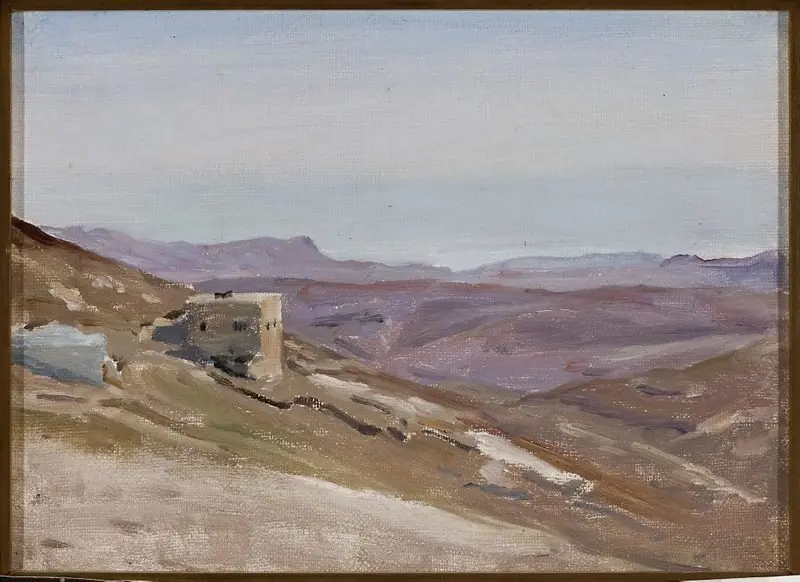
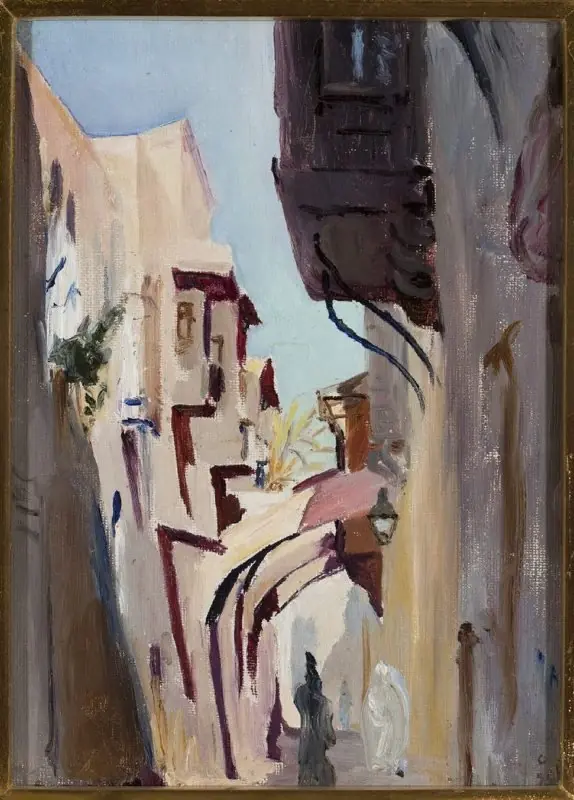
The Road to Jerusalem. Study
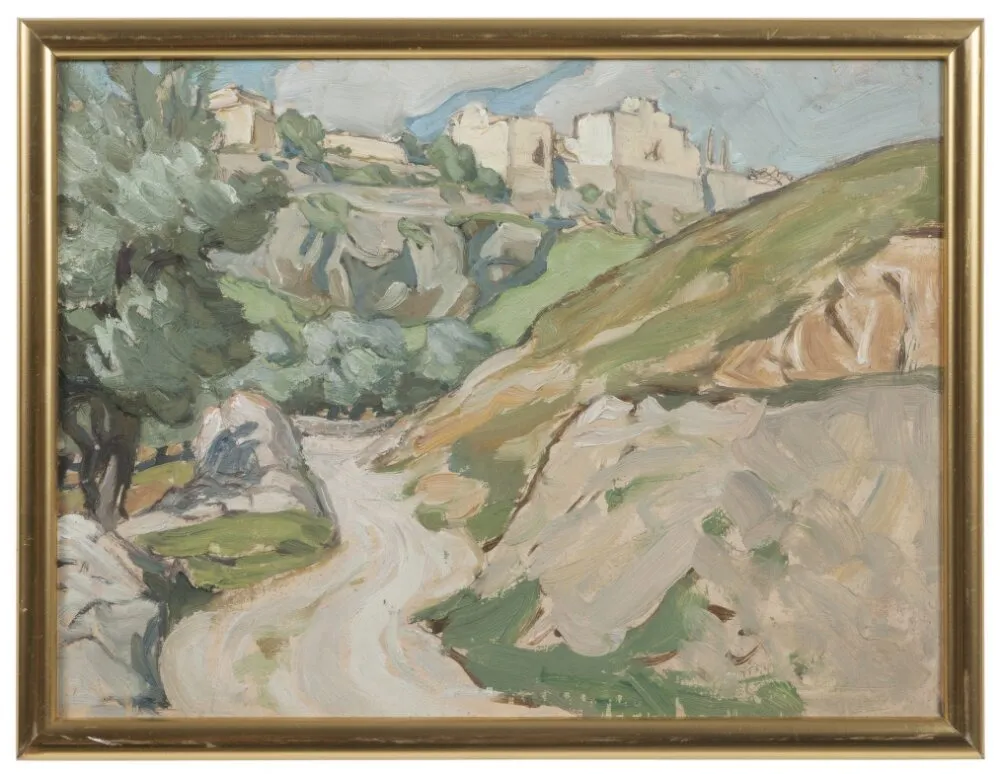
The Road to Jerusalem. Study is an unspecified painting by Anna Boberg. It dates from 1921 and is held in the collection of the Nationalmuseum. Painted in 1921, *The Road to Jerusalem.
About this work
Overview
Though titled with reference to Jerusalem, the scene is not a topographical record but a contemplative rendering of travel and distance.
Painted in 1921, *The Road to Jerusalem. Study* is a landscape by Swedish artist Anna Boberg, capturing a quiet, winding path leading toward a distant urban horizon. Though titled with reference to Jerusalem, the scene is not a topographical record but a contemplative rendering of travel and distance. Boberg, self-taught and active across multiple media, approached painting with a sensitivity to atmosphere rather than narrative detail. The work resides in the Nationalmuseum’s collection, reflecting its significance in early 20th-century Swedish art.
Subject & Meaning
The painting centers on a solitary road snaking through undulating terrain toward a hazy city on the horizon. The destination remains indistinct, suggesting metaphor over literalism—perhaps pilgrimage, longing, or the passage of time. No figures appear, emphasizing solitude and introspection. The road functions as both physical route and symbolic threshold, inviting the viewer to contemplate movement without arrival. The absence of clear markers grounds the scene in universal experience rather than specific geography.
Technique & Style
Boberg employed soft, blended brushwork and muted earth tones to evoke a hazy, luminous atmosphere. Light is diffused, casting a warm, even glow across hills and road, minimizing sharp contrasts. Textural variation emerges through subtle shifts in pigment density—rock outcrops and foliage are suggested rather than defined. The composition uses linear perspective to draw the eye inward, while the shallow depth of field enhances the dreamlike quality of the distant city.
History & Provenance
Created during Boberg’s mature period, the painting emerged from a phase in which she increasingly focused on landscape after years of work in decorative arts and theater design. It was acquired by the Nationalmuseum in Sweden shortly after its completion, likely through the artist’s established network within Stockholm’s cultural circles. No record suggests it was exhibited publicly before its institutional acquisition, indicating its status as a personal study rather than a public commission.
Context
In early 1920s Sweden, landscape painting remained a vital genre, often tied to national identity and quiet introspection. Boberg’s work diverged from romanticized vistas, favoring understated, almost meditative scenes. Her lack of formal training allowed a freer approach, unbound by academic conventions. While contemporaries like Carl Larsson emphasized domestic harmony, Boberg’s landscapes evoked solitude and ambiguity, aligning more closely with emerging modernist sensibilities that valued mood over detail.
Legacy
Though not widely reproduced, *The Road to Jerusalem. Study* exemplifies Boberg’s unique contribution to Swedish modernism: a quiet, non-didactic vision that prioritized atmosphere over storytelling. Its presence in the Nationalmuseum affirms its role as a representative work of a self-directed artist who bridged craft and fine art. The painting continues to be referenced in studies of women artists who operated outside institutional frameworks, valued for its restraint and emotional resonance.
Artist & collection
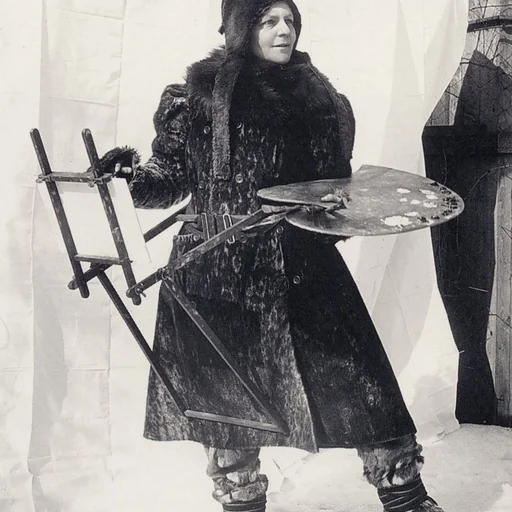
Artist
Anna Katarina Boberg, née Scholander, (3 December 1864 – 27 January 1935) was a Swedish artist married to prominent architect Ferdinand Boberg.

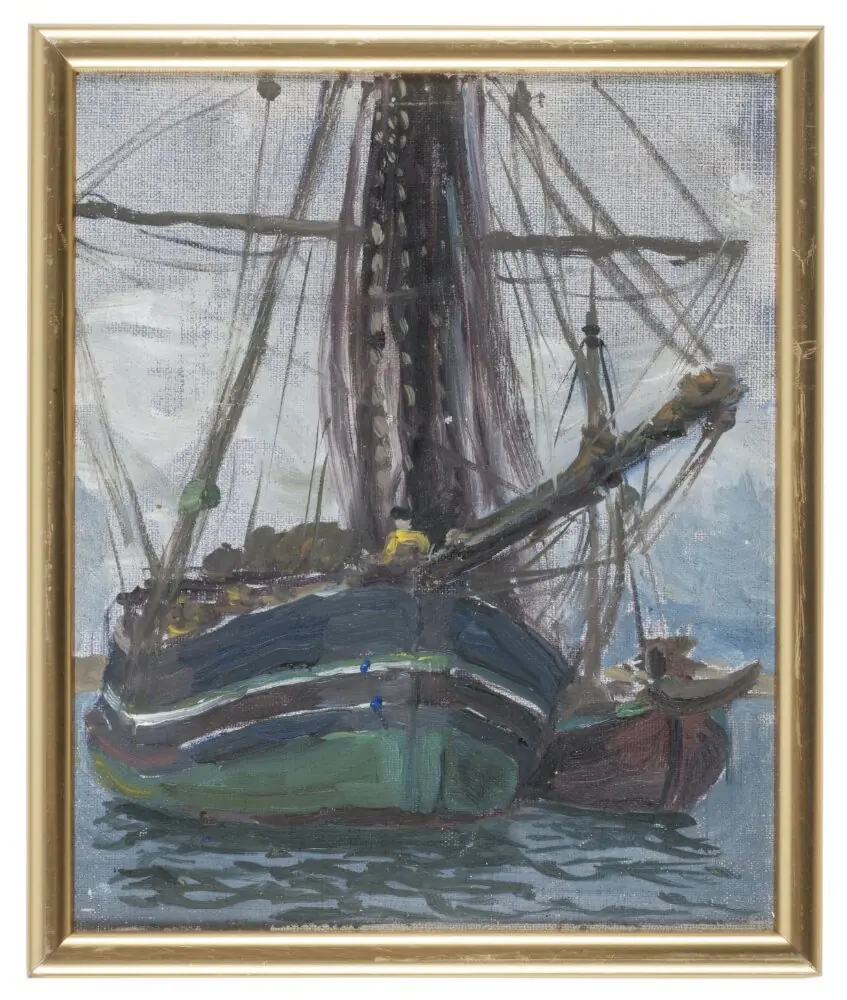 Fog Rising from the Sea. Study from Lofoten
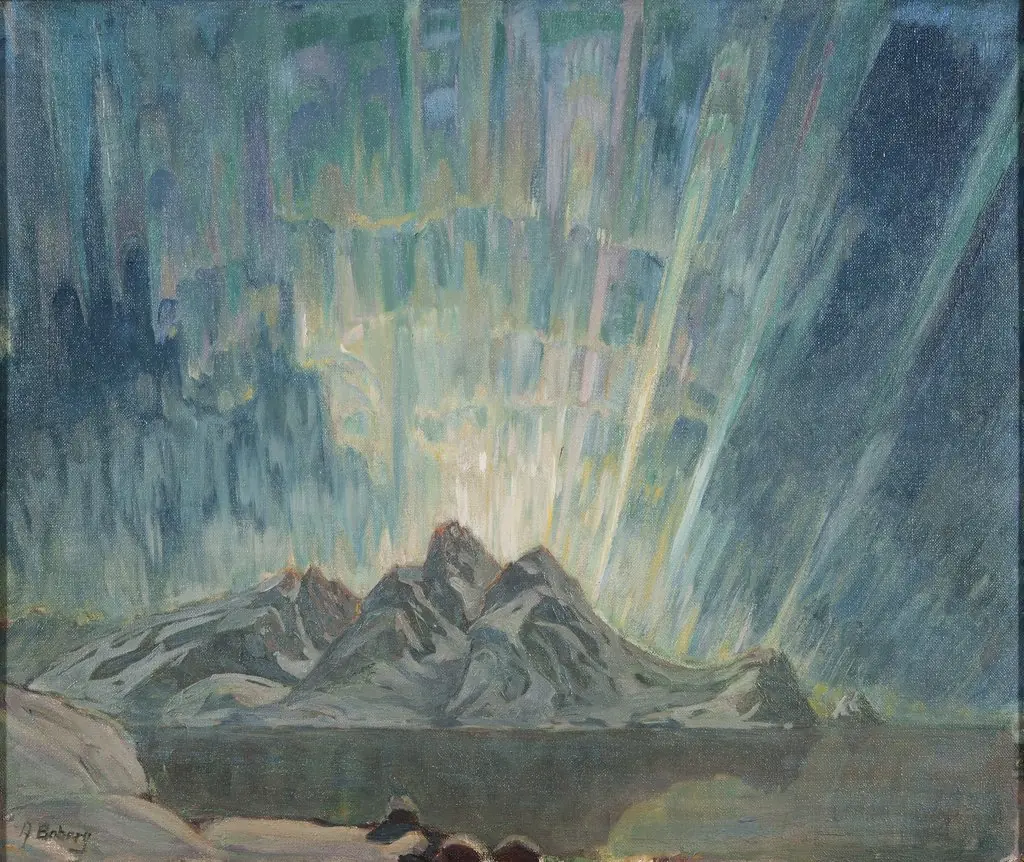 Northern Lights. Study from North Norway
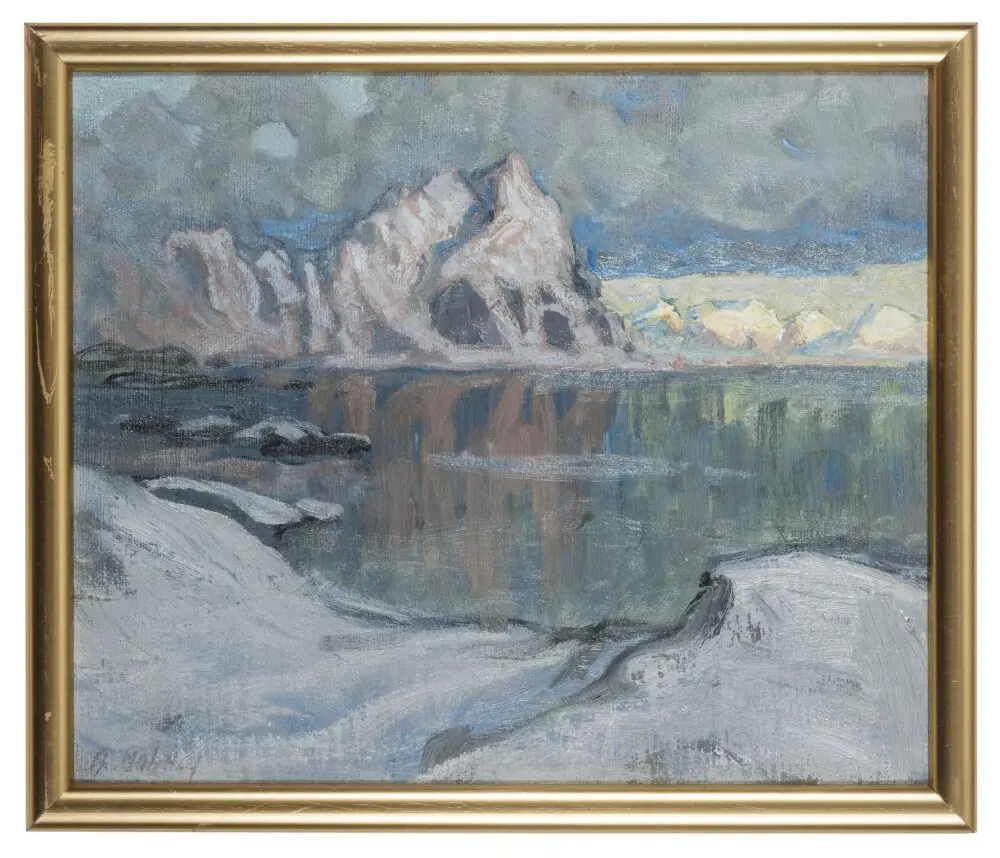 Boats between the Mountains. Study from Lofoten
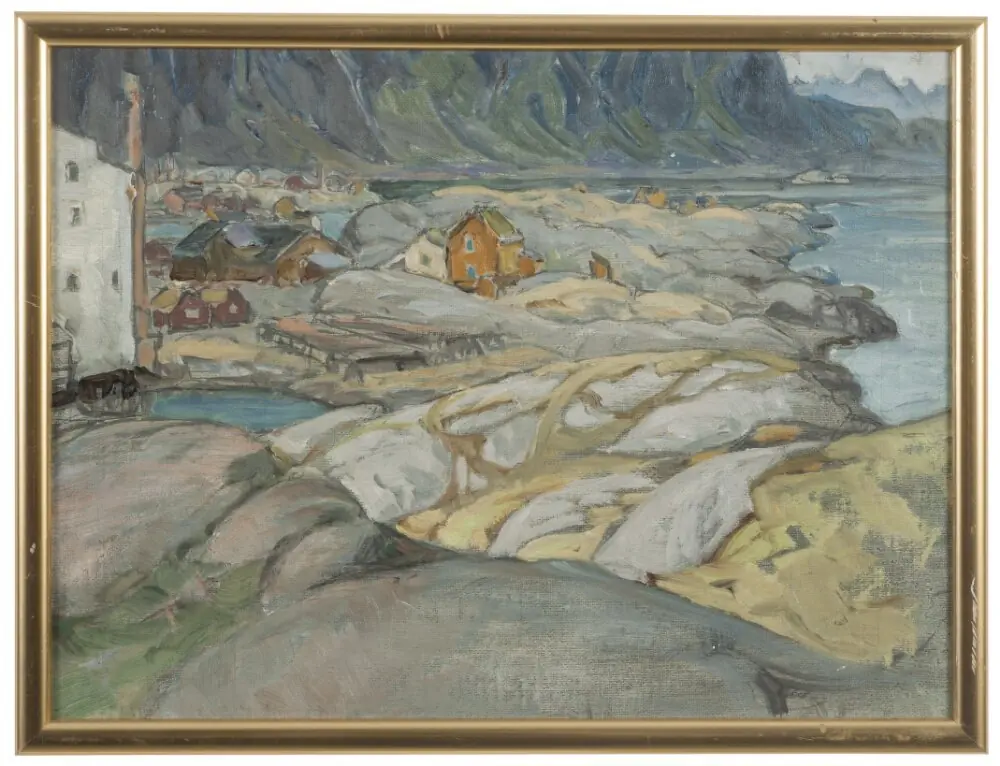 The Village at the Foot of the Mountain. Study from Lofoten
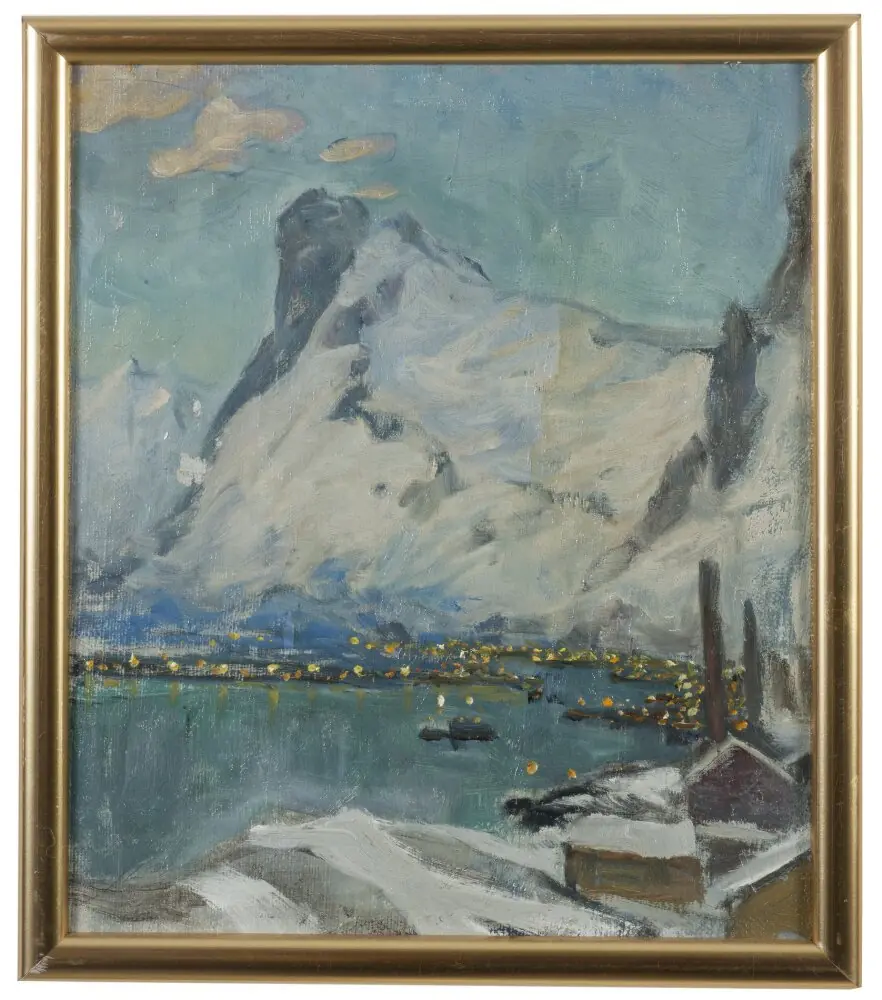 Lofoten in the Evening Light. Study
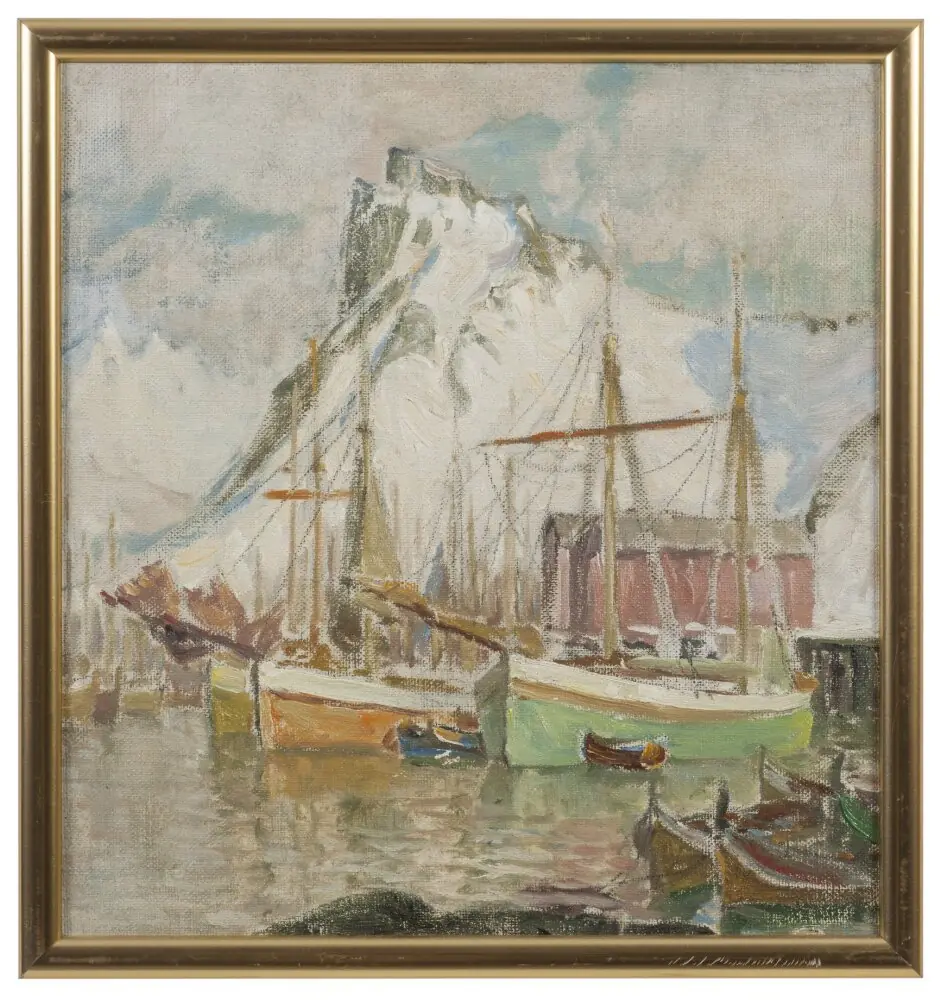 In the Harbour, Svolvaer. Study from Lofoten
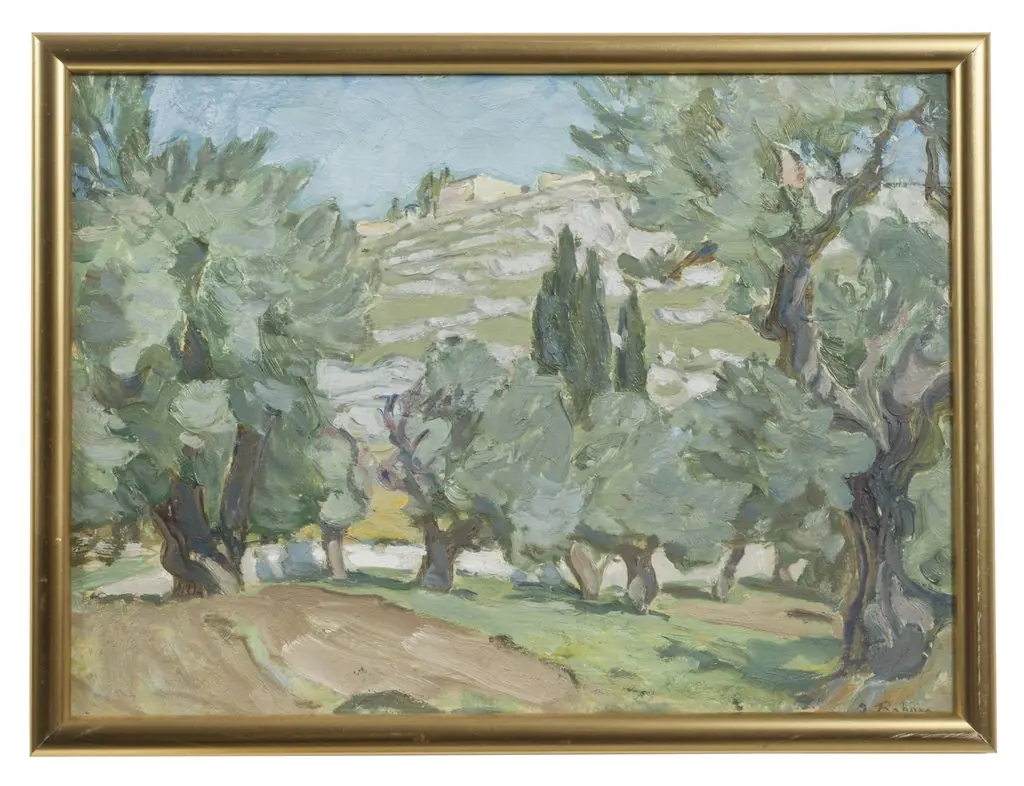 Study from Jerusalem
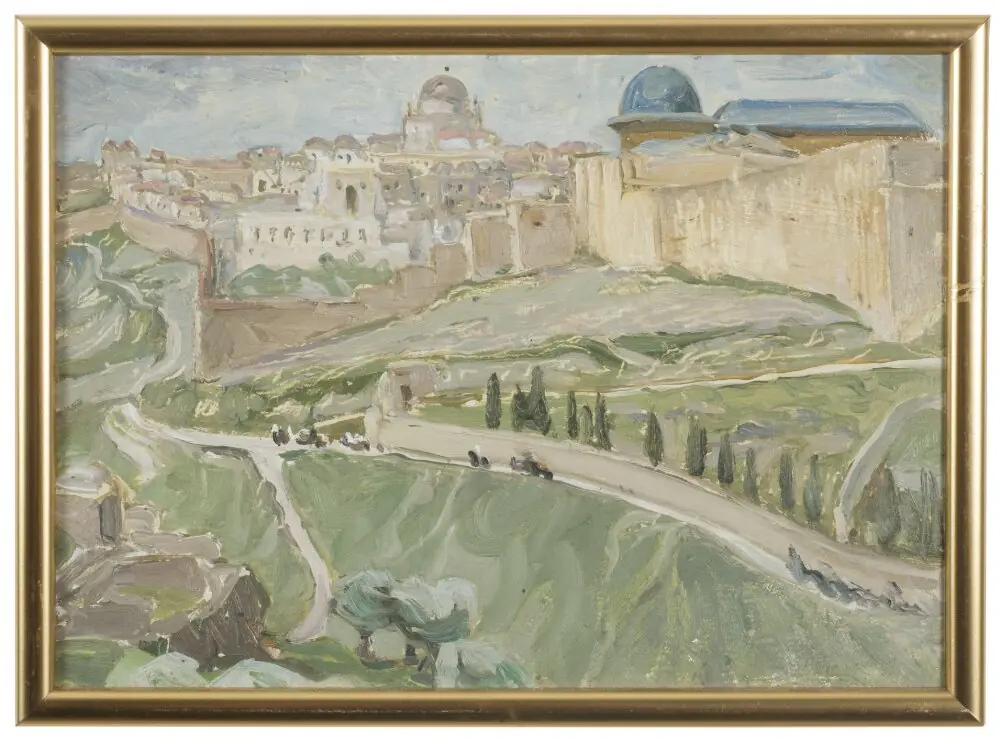 By Jerusalem. Study