Artwork
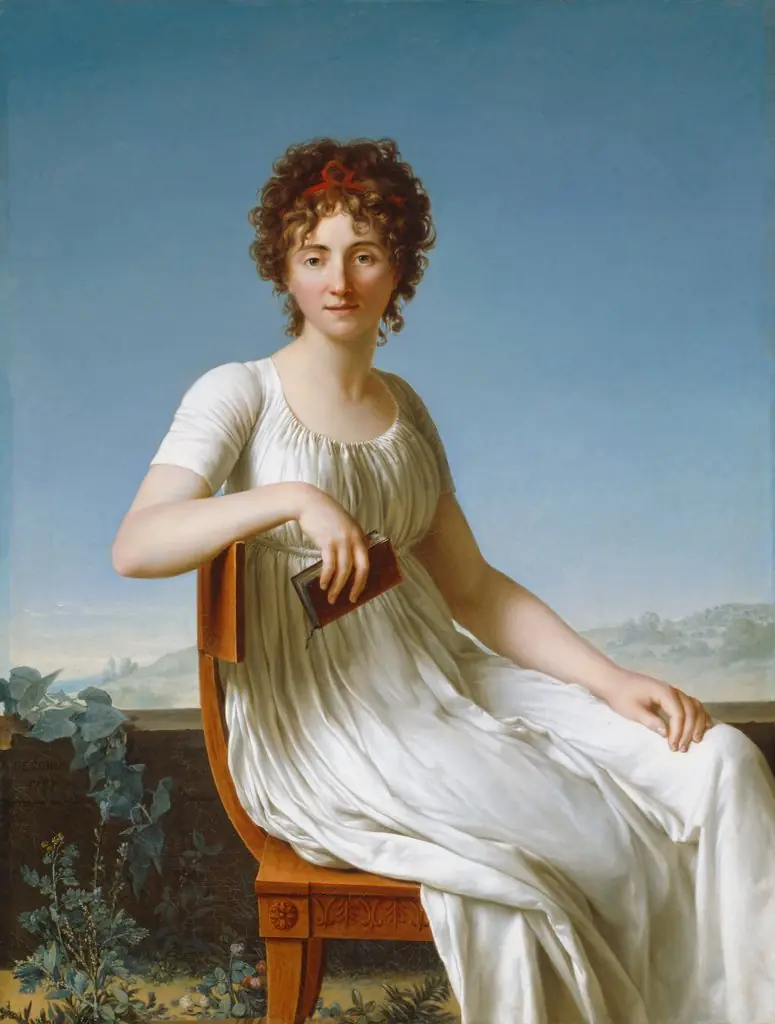
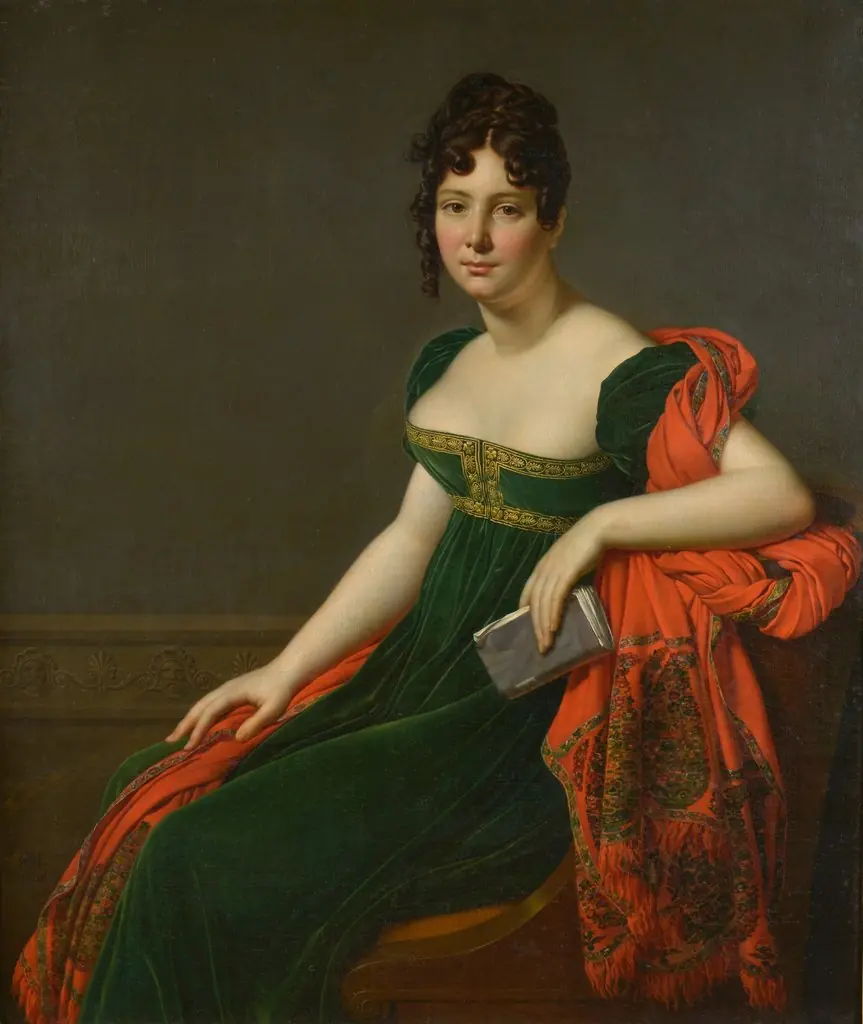
Portrait of Comtesse Marie-Henriette Doullé de Bonneval
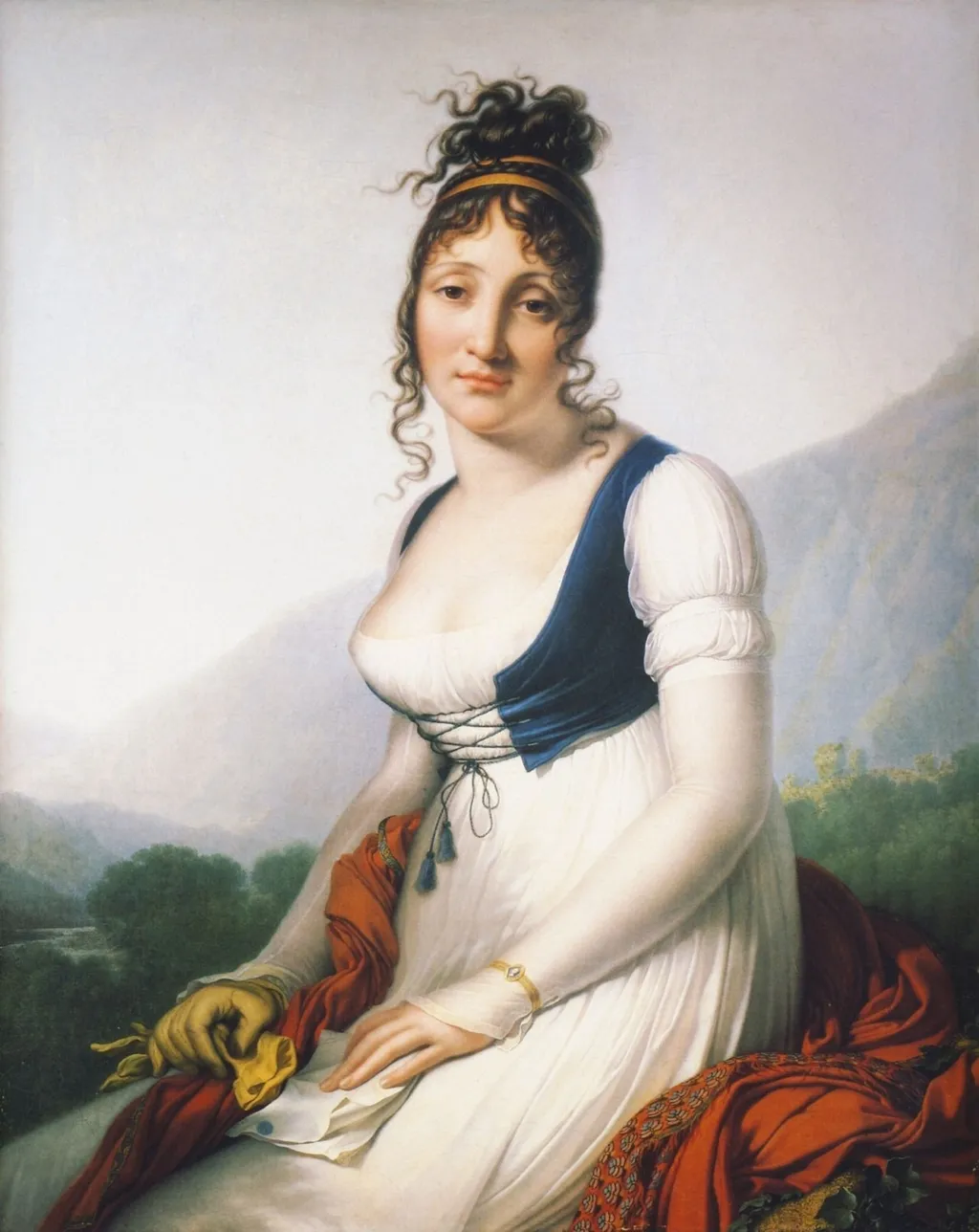
Portrait of Comtesse Marie-Henriette Doullé de Bonneval is an oil painting by the French Romanticist artist Anne-Louis Girodet. It dates from 1800 and is held in the collection of the Clark Art Institute.
About this work
Overview
Painted in 1800 by Anne-Louis Girodet, this oil portrait captures Marie-Henriette Doullé de Bonneval, a French aristocrat.
Painted in 1800 by Anne-Louis Girodet, this oil portrait captures Marie-Henriette Doullé de Bonneval, a French aristocrat. Executed with meticulous attention to texture and form, the work bridges the neoclassical training Girodet received from Jacques-Louis David and the emerging Romantic sensibility of the early 19th century. The painting resides in the Clark Art Institute’s collection, where it exemplifies the transition in French portraiture toward psychological nuance and atmospheric depth.
Subject & Meaning
The sitter, Comtesse Marie-Henriette Doullé de Bonneval, is portrayed with quiet dignity, her posture relaxed yet composed. Her attire—a white dress paired with a blue vest and a loosely held red shawl—suggests both elegance and informality, possibly reflecting a private moment rather than formal courtly representation. The inclusion of the shawl and the natural landscape implies a connection to leisure and personal identity, moving beyond mere social status to convey individual presence.
Technique & Style
Girodet employed fine brushwork to render the textures of fabric, hair, and foliage with precise clarity. The smooth modeling of the sitter’s skin contrasts with the softer, more atmospheric handling of the background hills and sky. The red shawl introduces a deliberate chromatic accent, drawing the eye without disrupting the overall harmony. This blend of controlled detail and lyrical landscape reflects Girodet’s unique synthesis of classical discipline and Romantic mood.
History & Provenance
Commissioned shortly after the French Revolution, the portrait reflects the persistence of aristocratic patronage among surviving noble families. It remained in private hands until entering the Clark Art Institute’s collection, where it has been studied as an example of early Romantic portraiture. Its survival through political upheaval underscores the cultural continuity of elite visual identity during a period of radical social change.
Context
In the early 1800s, French portraiture was shifting from rigid neoclassical conventions toward more intimate, emotionally resonant depictions. Girodet, though trained by David, began incorporating softer lighting and natural settings, aligning with Romantic ideals. This portrait exemplifies that transition, positioning its subject not as a symbol of rank but as a person within a contemplative, lived environment.
Legacy
The portrait stands as a quiet milestone in Girodet’s career, illustrating his role in evolving French painting beyond the rigidity of academic tradition. While less celebrated than his mythological works, this portrait reveals his sensitivity to psychological subtlety and environmental harmony. It continues to inform scholarly discussions on the intersection of class, identity, and artistic innovation in post-revolutionary France.
Own this work as a print
Artist & collection
Artist
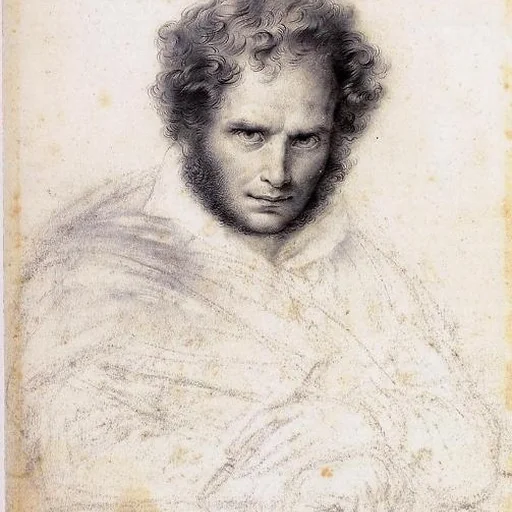
Anne-Louis Girodet de Roussy-Trioson (French pronunciation: ; or de Roucy), also known as Anne-Louis Girodet-Trioson or simply Girodet (29 January 1767 – 9 December 1824), was a French painter and pupil of Jacques-Louis…

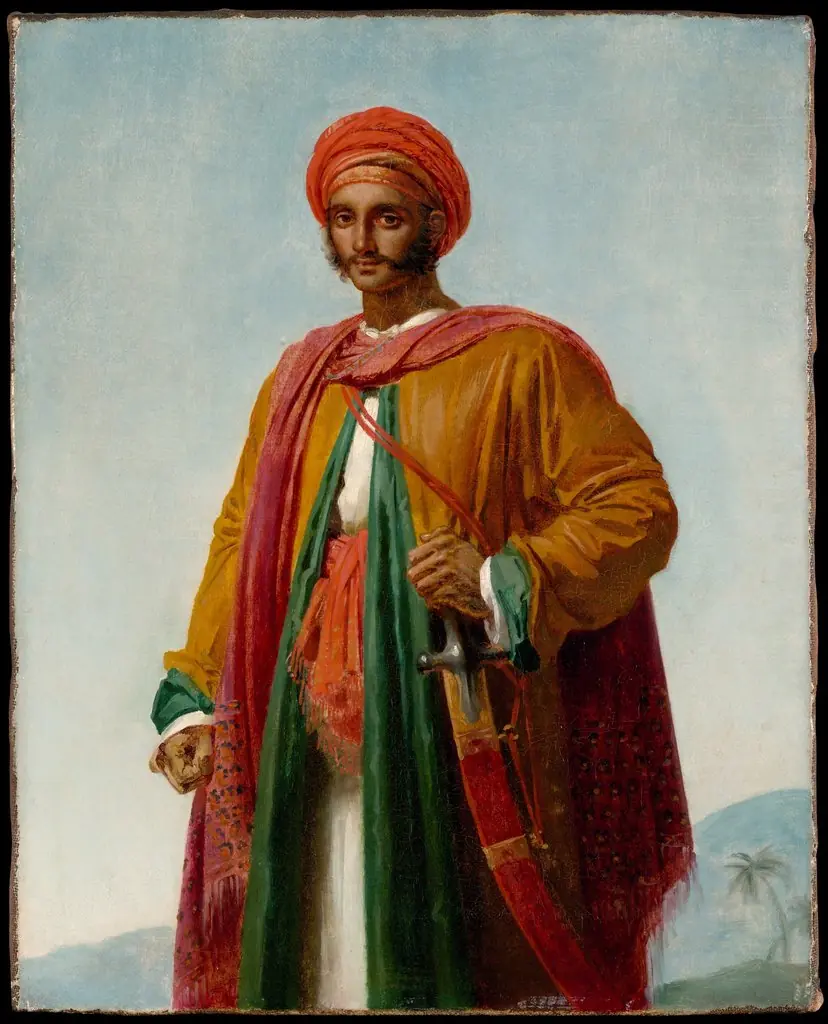 Study for "Portrait of an Indian"
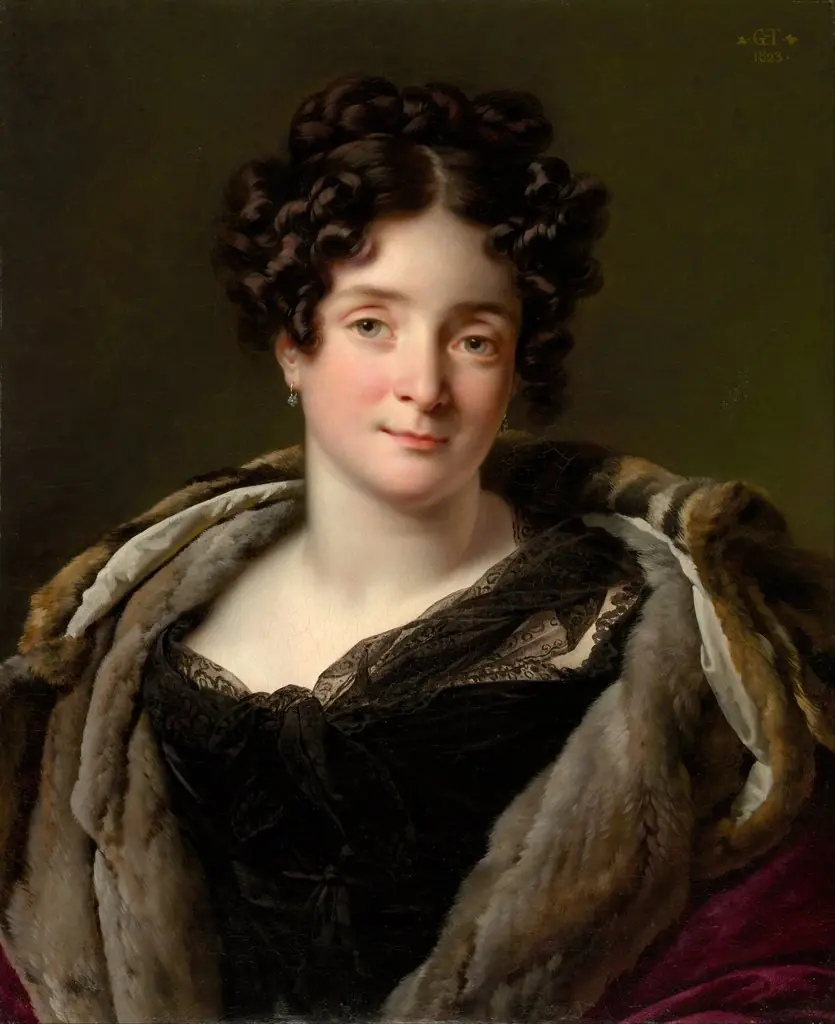 Madame Jacques-Louis-Étienne Reizet (Colette-Désirée-Thérèse Godefroy, 1782–1850)
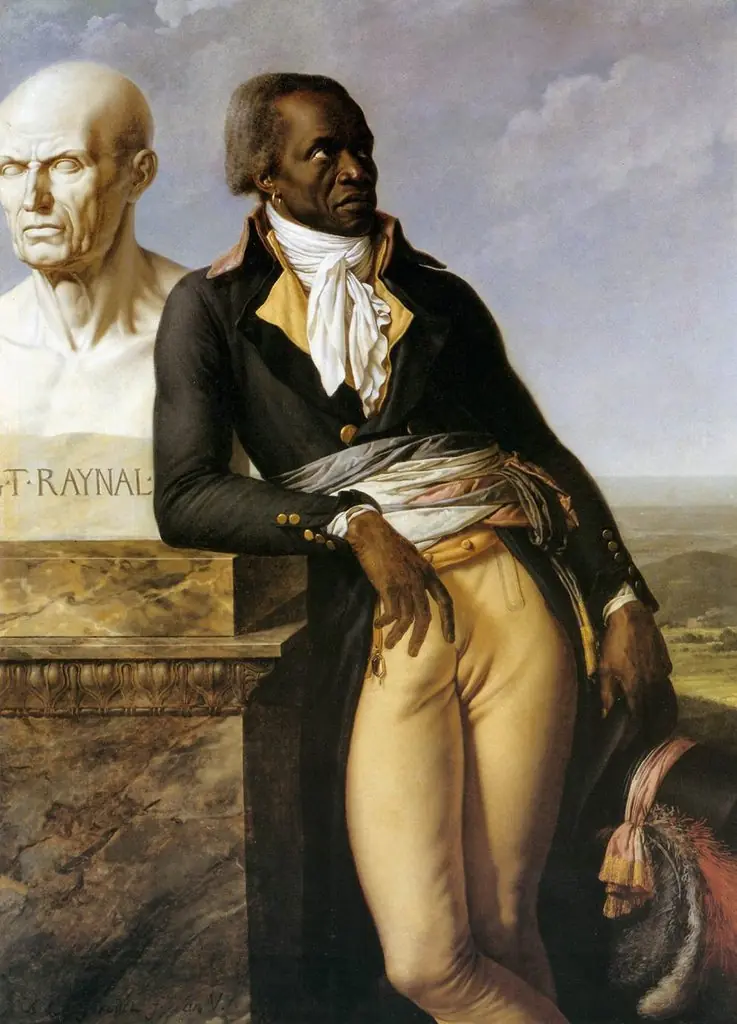 Jean-Baptiste Belley, member of the National Convention
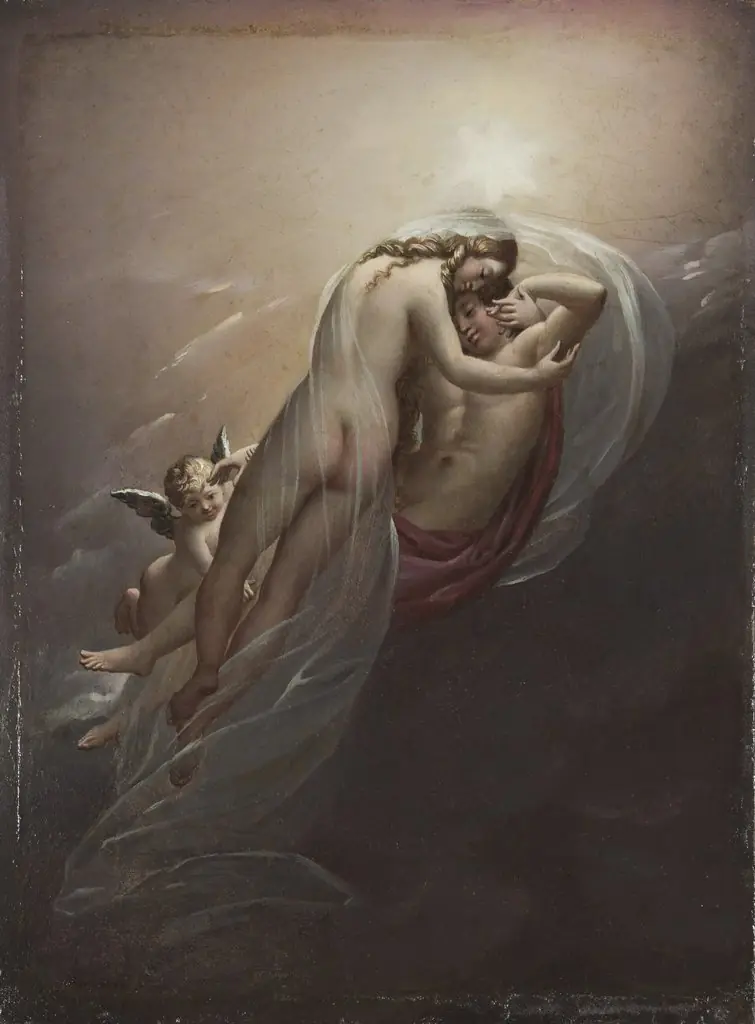 Aurora and Cephalus
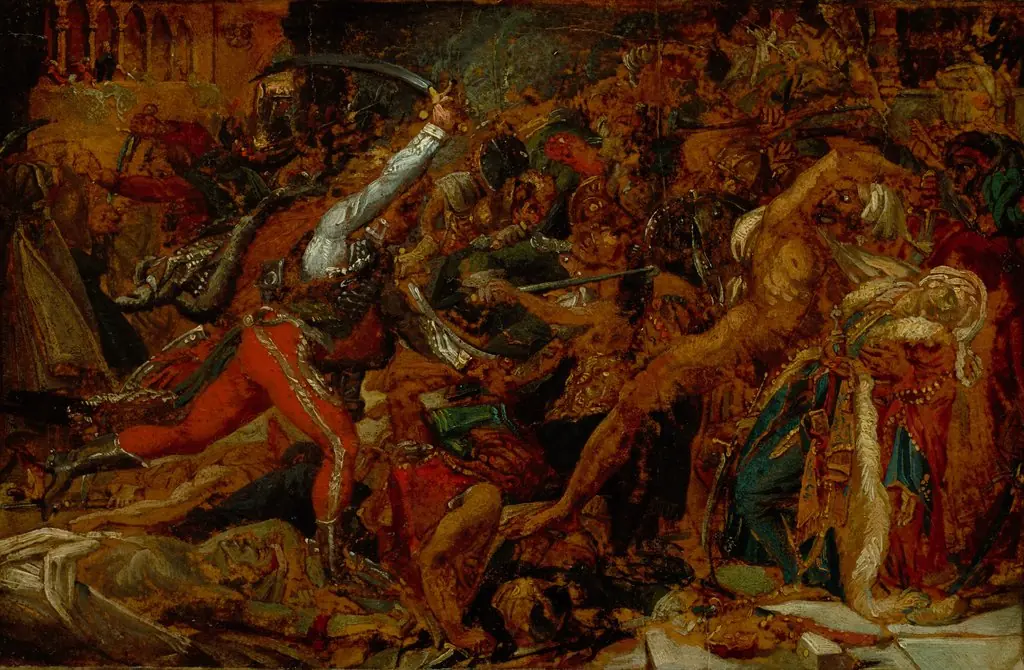 Sketch for "The Revolt at Cairo"
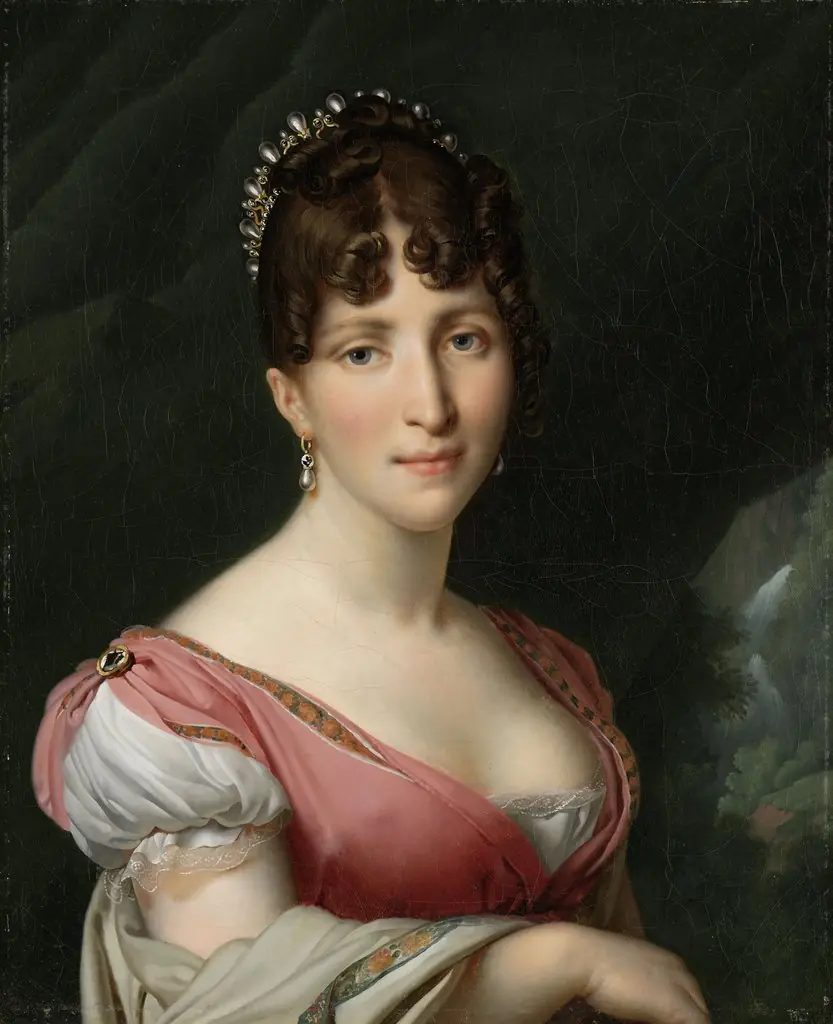 Portrait of Hortense de Beauharnais, Queen of Holland
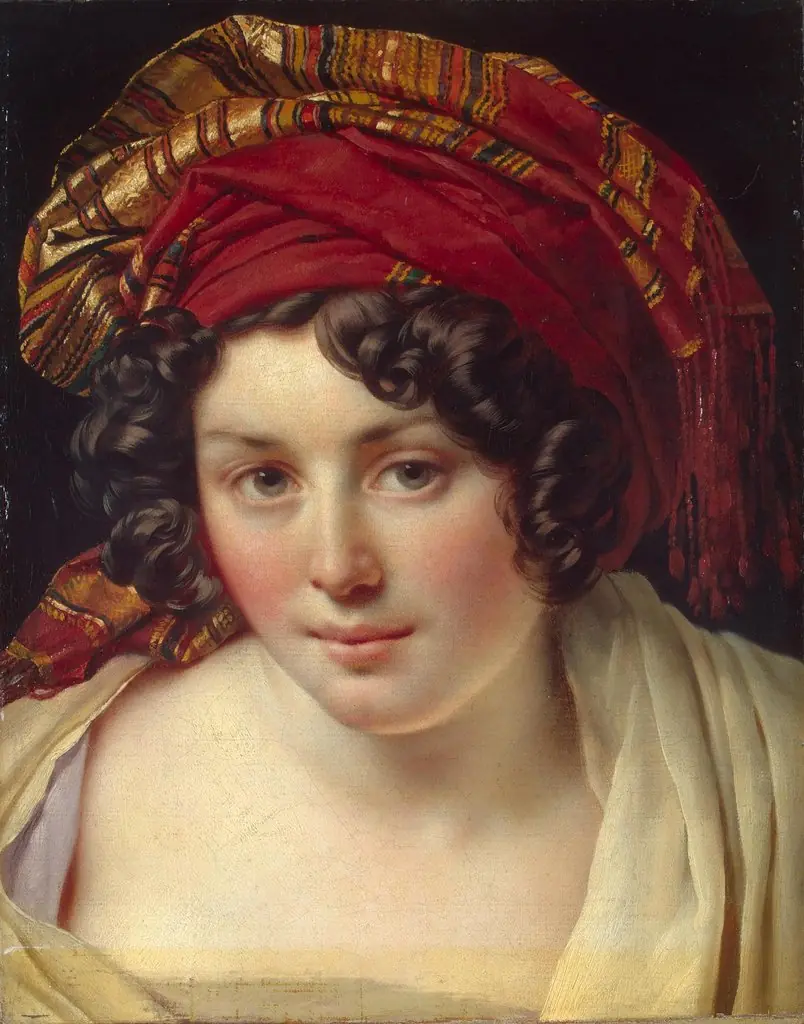 Head of a Woman in a Turban
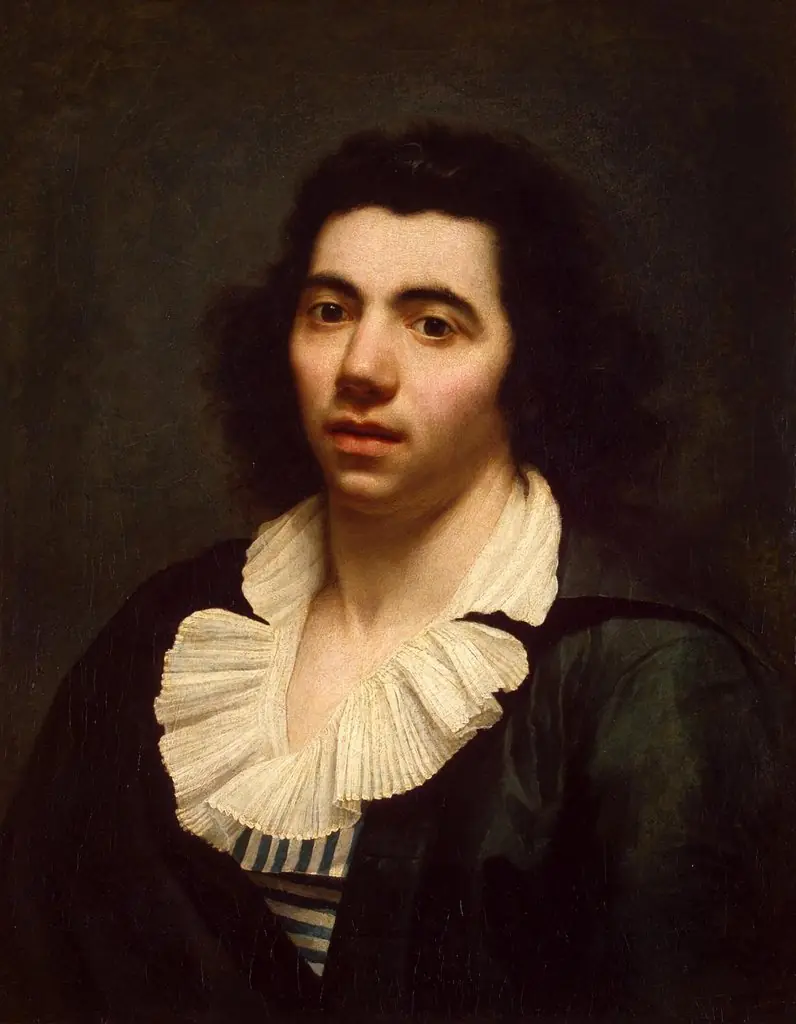 Self-Portrait
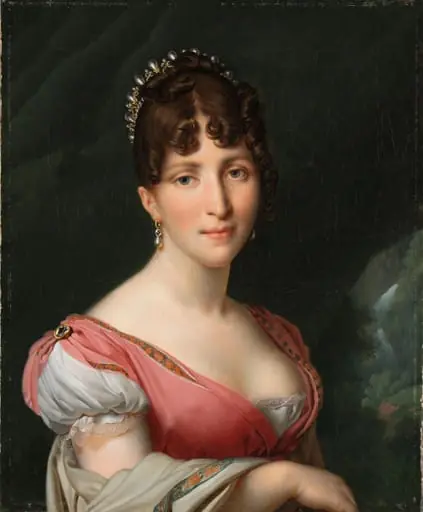 Portrait of Hortense de Beauharnais
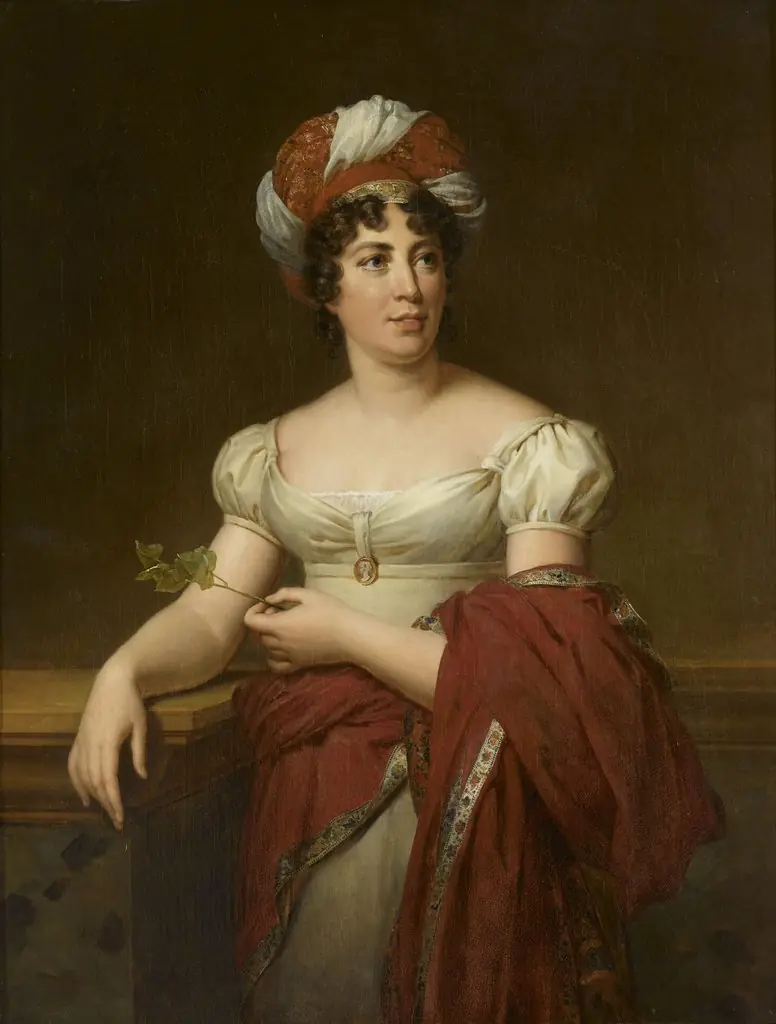 Portrait of Mme de Staël
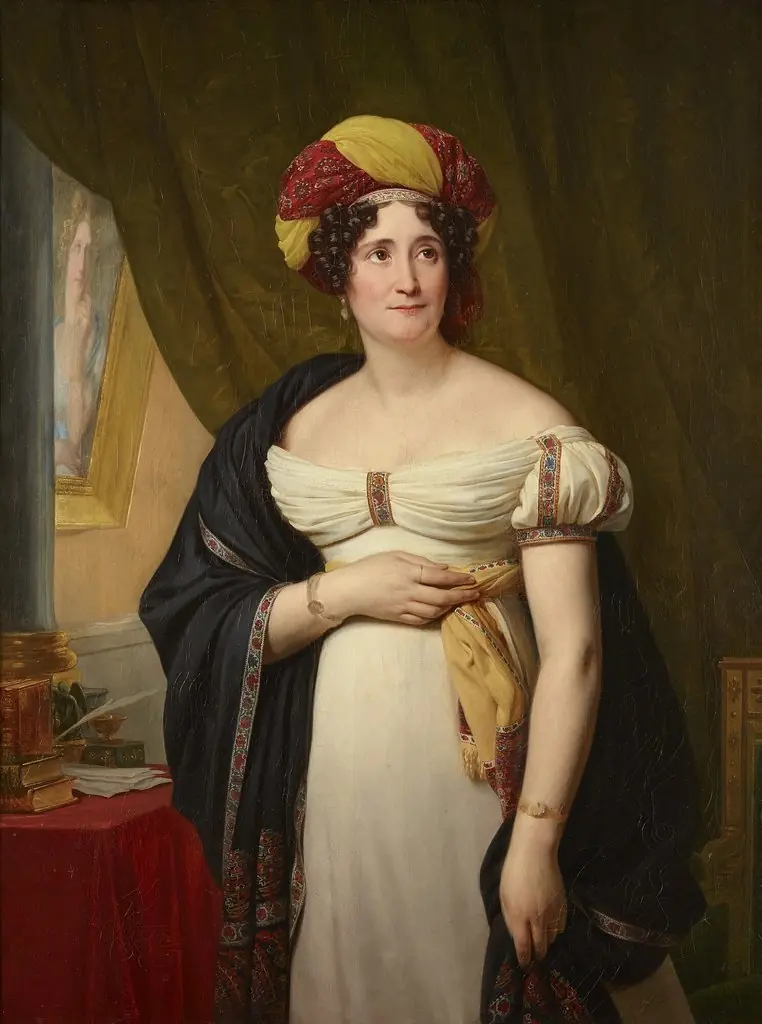 Portrait of Sophie Gay
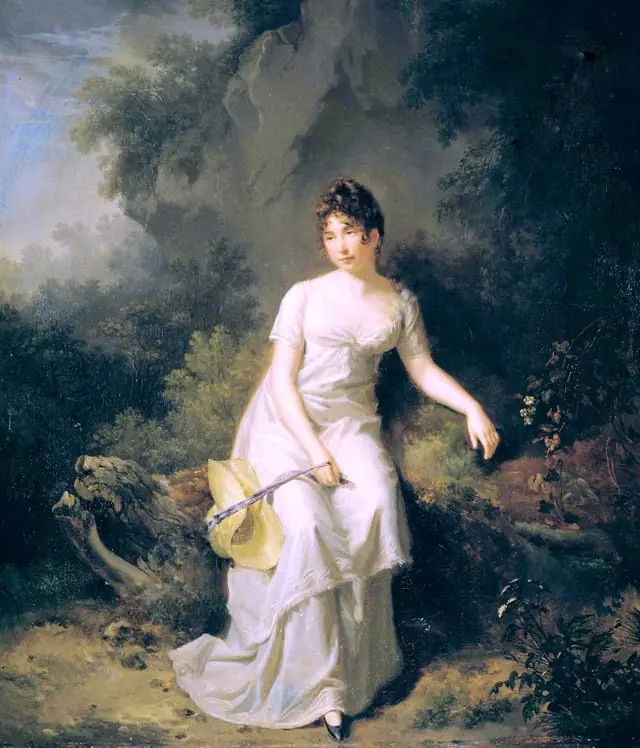 Ekaterina Golovkina (Naryshkina)
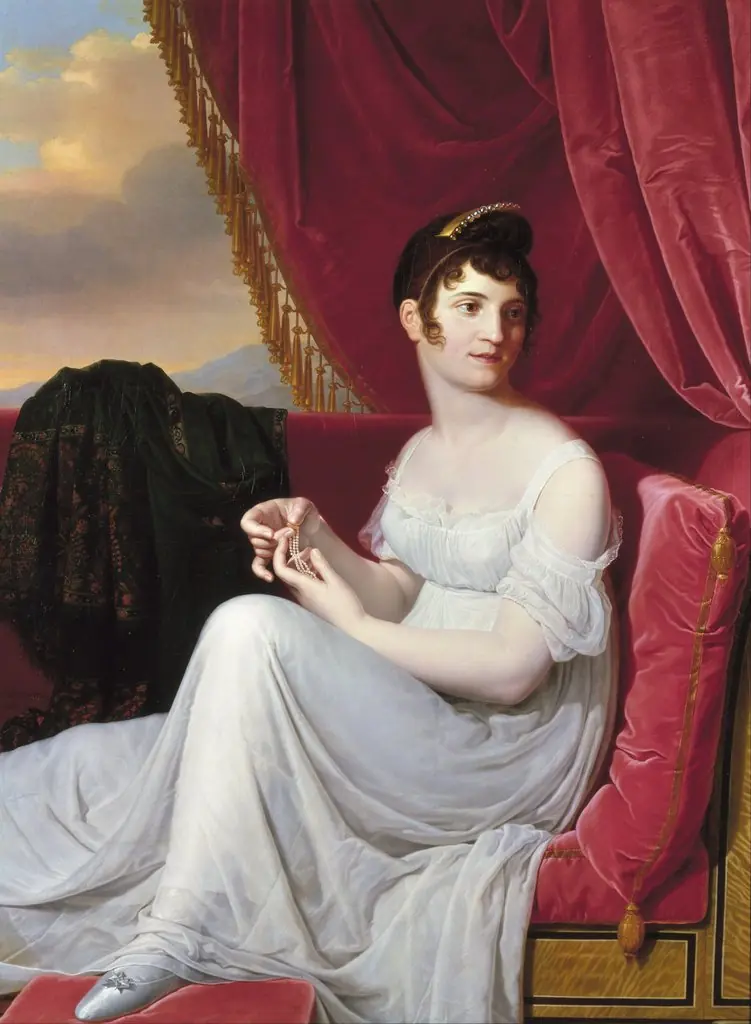 Portrait of Madame Tallien
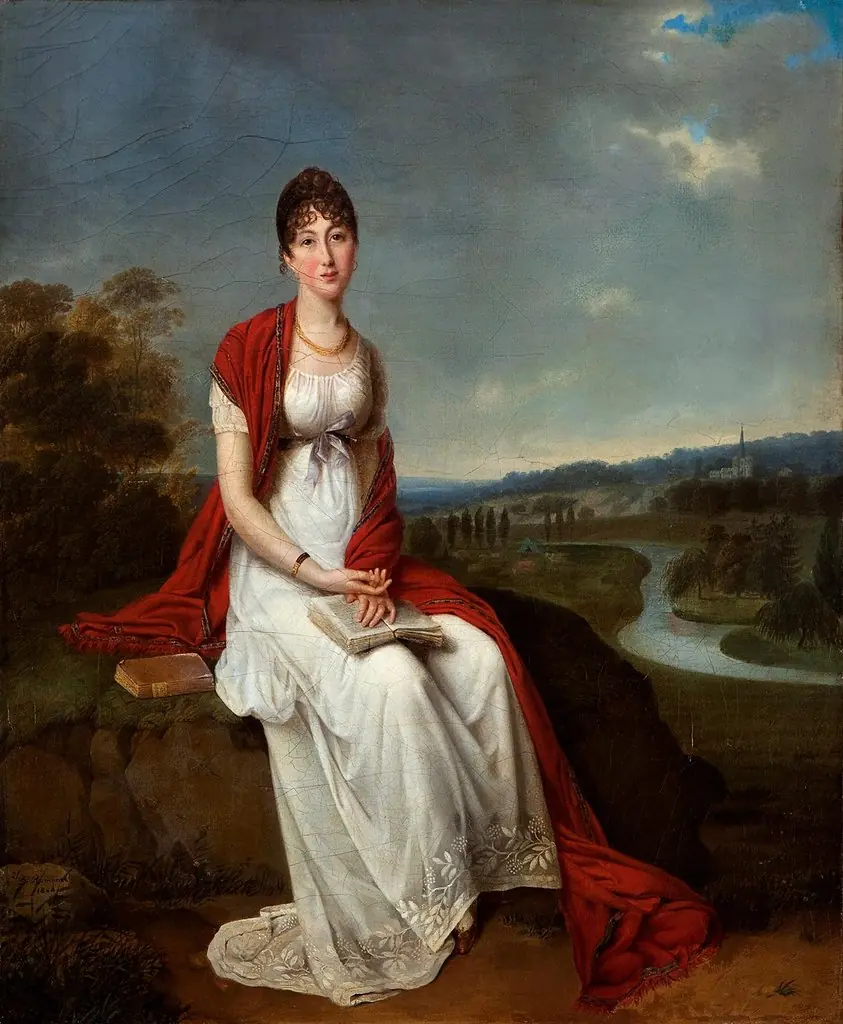 Portrait of a Young Woman
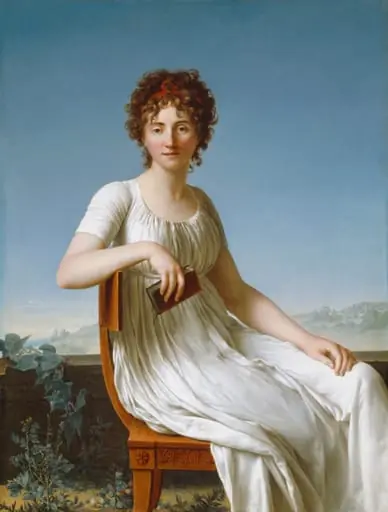 Portrait of Constance Pipelet
 Portrait of Constance Pipelet
 Portrait of Elisabeth Demidova
 Portrait of Princess Anna Nikolayevna Golitsyna (?)
 Portrait of Madame Augustine Bertin de Veaux