Artwork
Medoro și Angelica. Pandant: Rinaldo și Armida
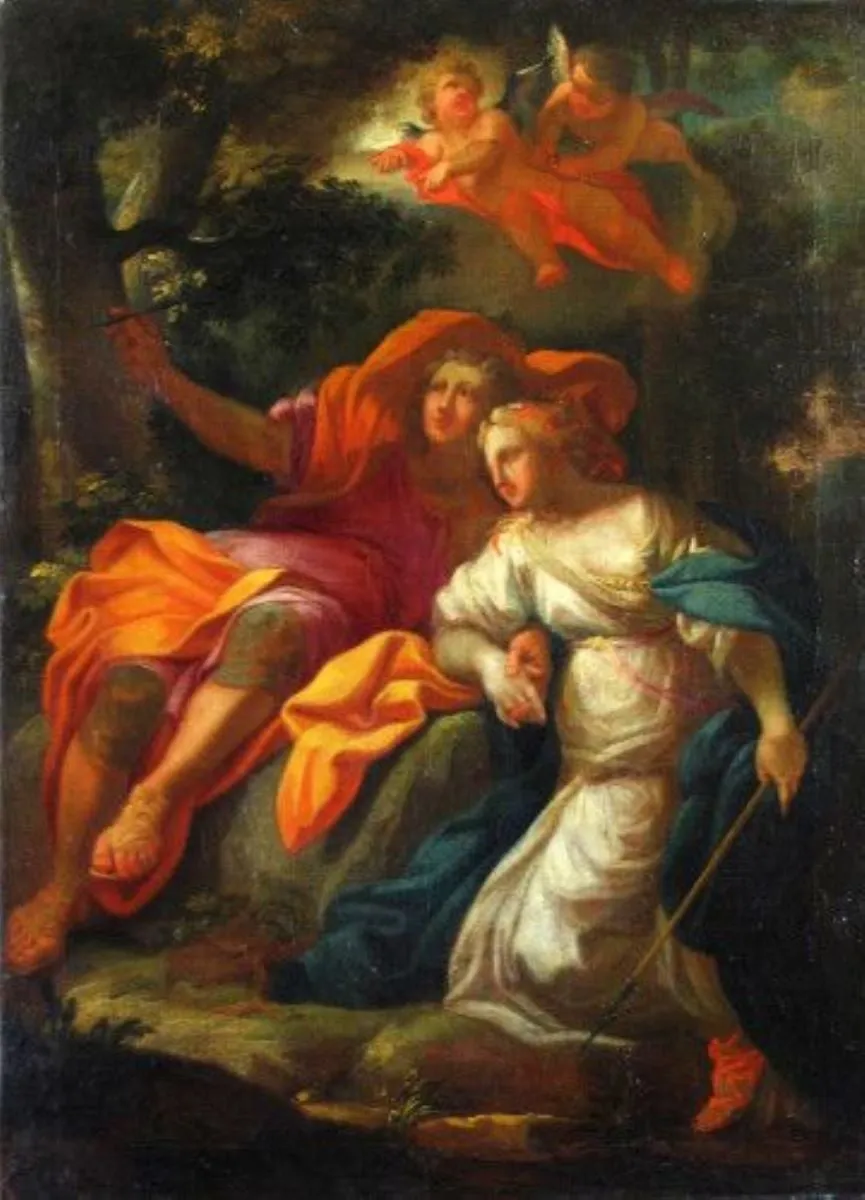
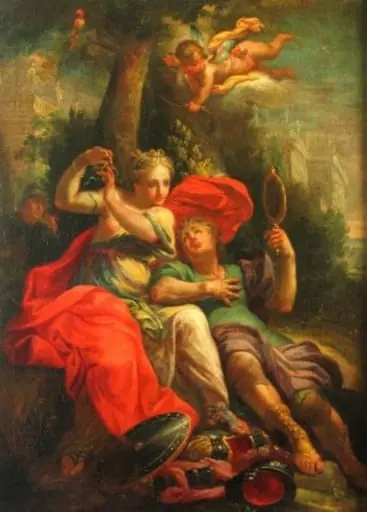
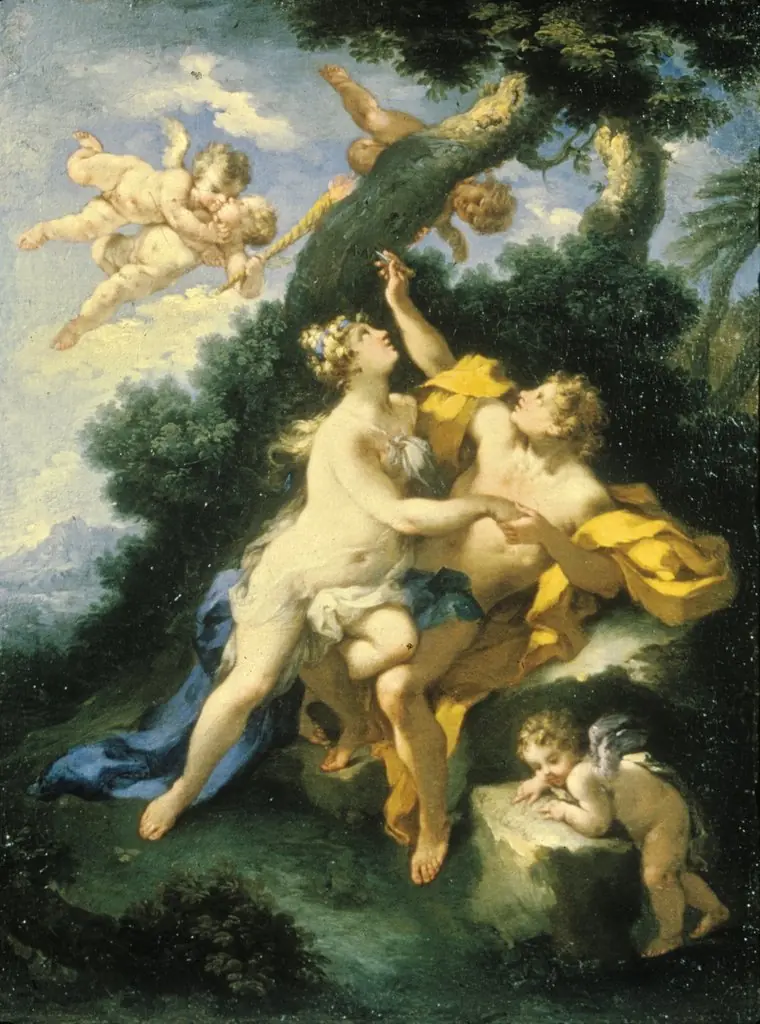
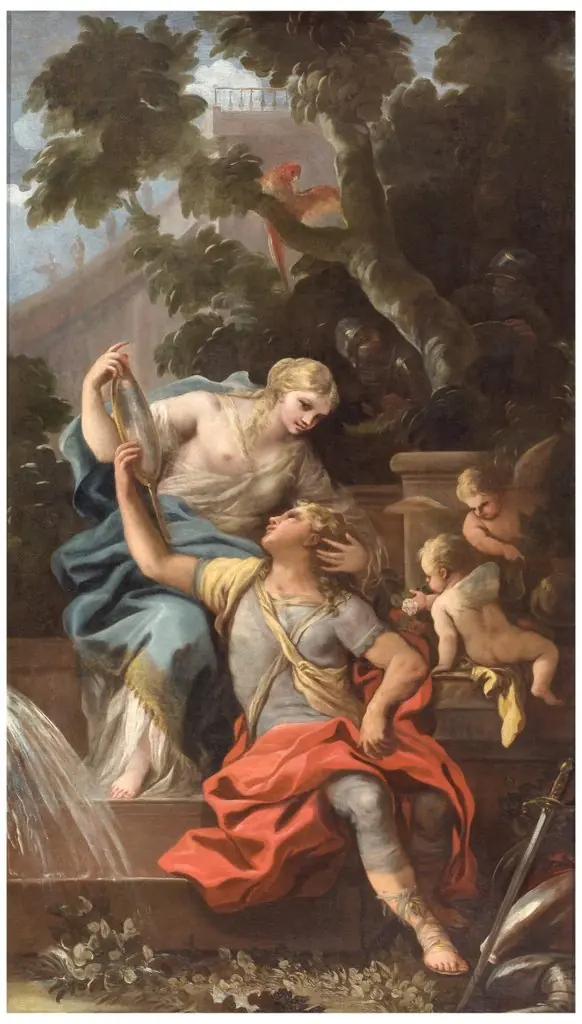
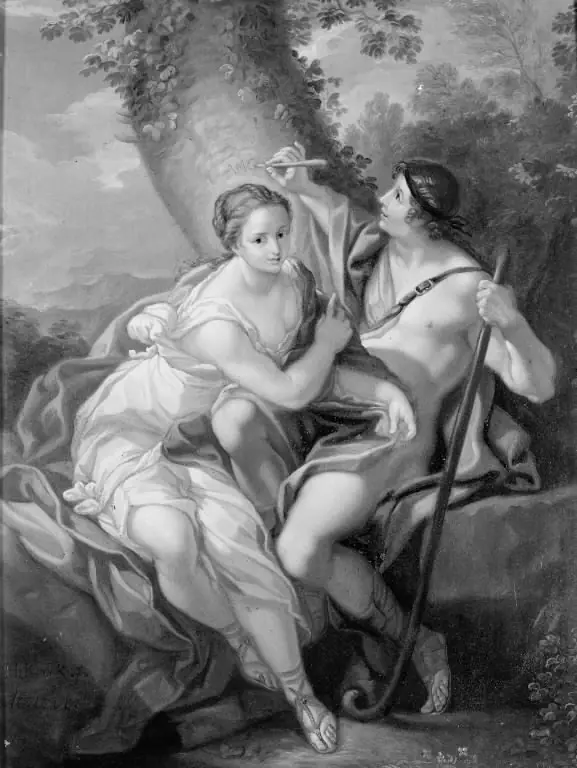
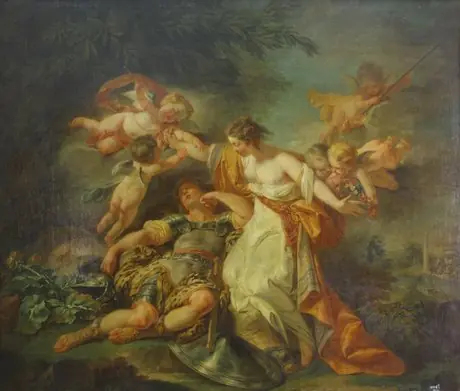
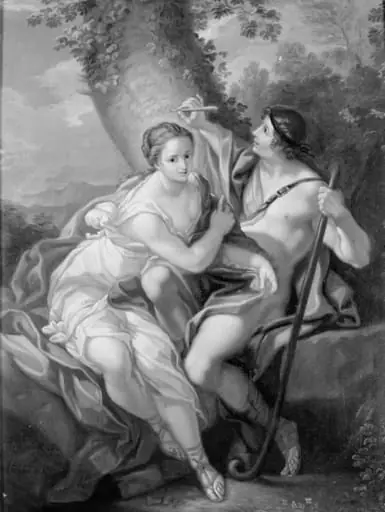
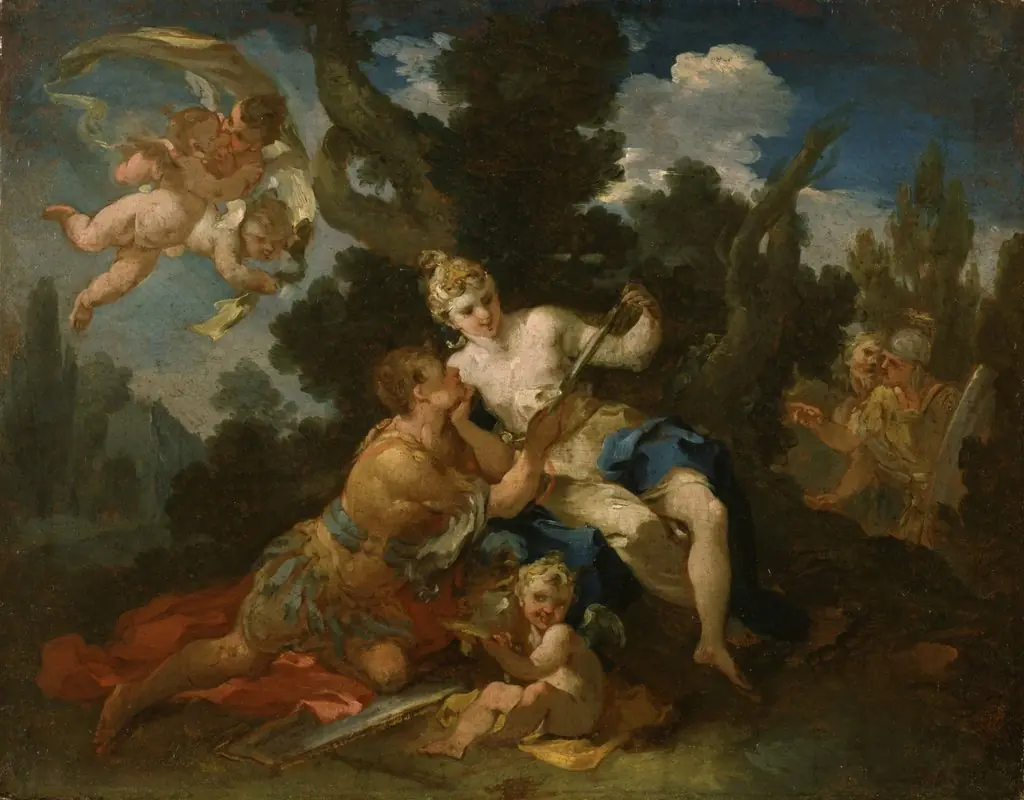
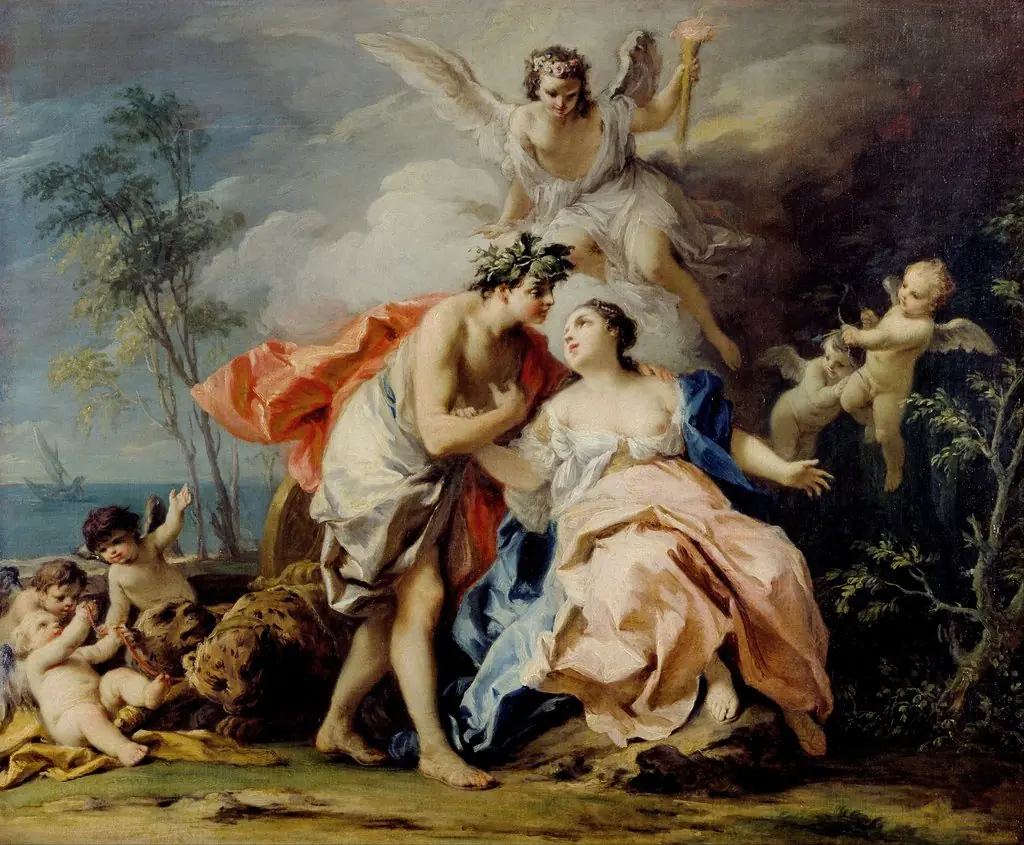
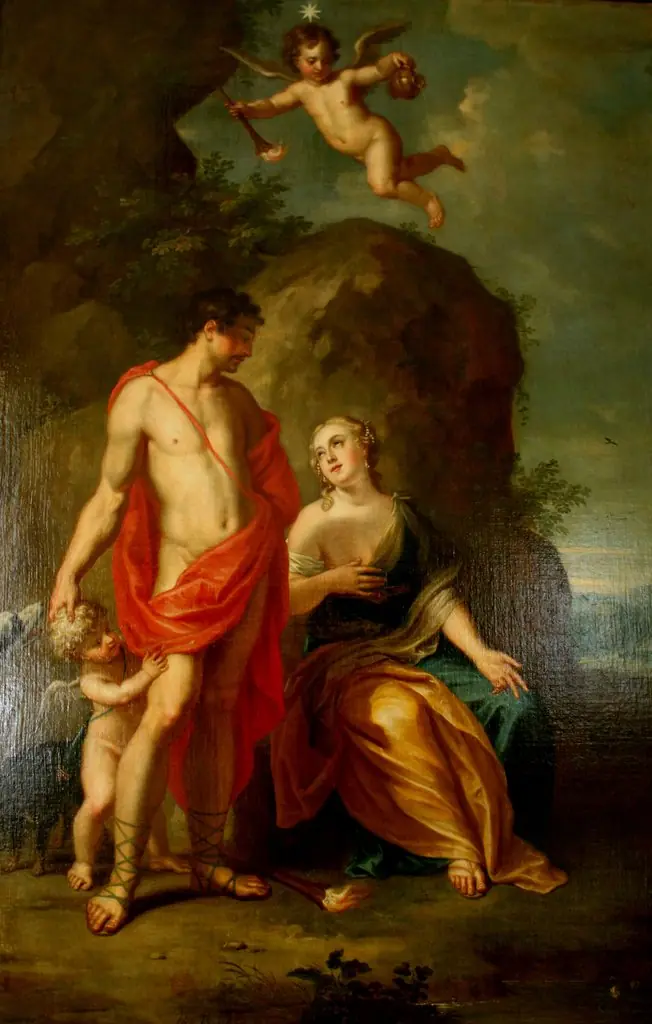
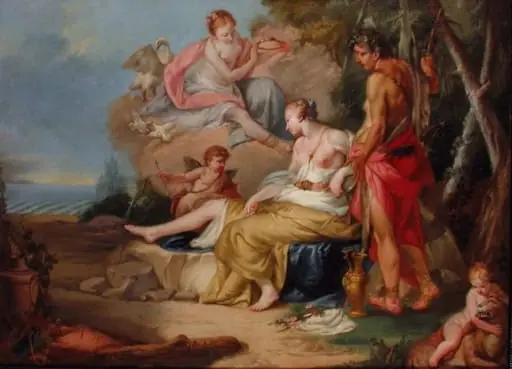
Medoro și Angelica. Pandant: Rinaldo și Armida is an unspecified painting by the Baroque artist anonim bolognez. It is held in the collection of the Brukenthal National Museum. This painting depicts a moment from Italian Renaissance epic poetry, capturing two figures seated among shadowed trees.
About this work
Overview
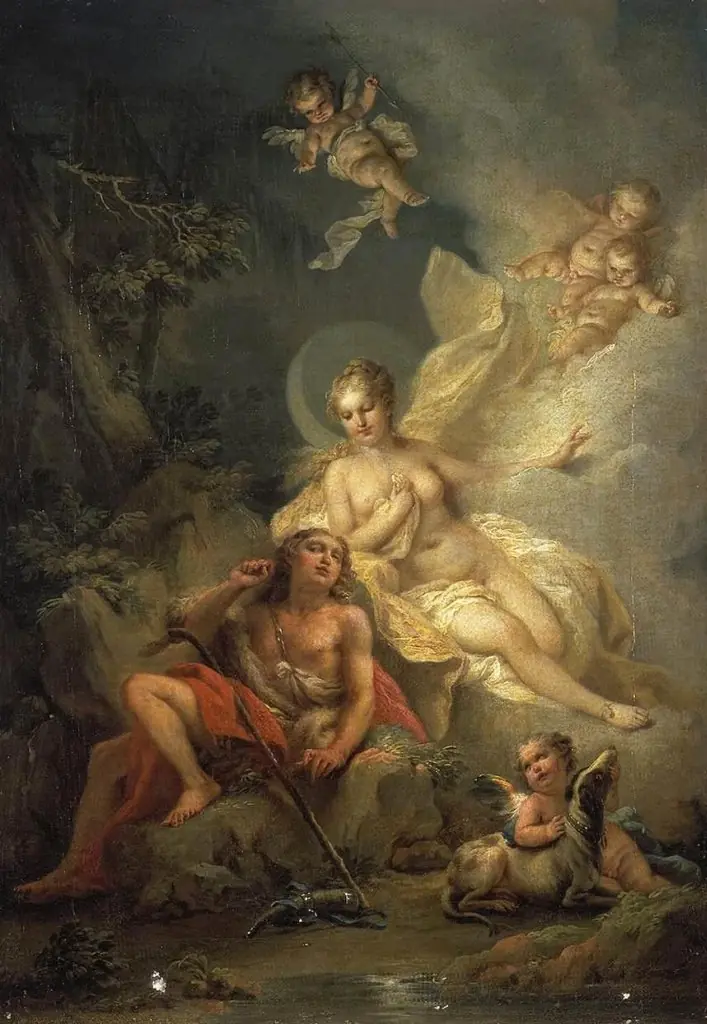
This painting depicts a moment from Italian Renaissance epic poetry, capturing two figures seated among shadowed trees.
This painting depicts a moment from Italian Renaissance epic poetry, capturing two figures seated among shadowed trees. Above them, three ethereal winged beings hover, their gentle glow contrasting with the dense darkness of the forest. The composition emphasizes emotional stillness through dramatic lighting, focusing attention on the figures’ postures and interactions rather than narrative action.
Subject & Meaning
The figures represent Medoro and Angelica, lovers from Ariosto’s Orlando Furioso, moments after their secret union. The winged forms likely symbolize divine or supernatural witnesses to their bond. Their quiet intimacy, set against an otherworldly backdrop, suggests a transition from earthly desire to something transcendent, aligning with Renaissance ideals of love as both human and spiritual.
Technique & Style
The artist employs chiaroscuro to heighten emotional tension, using sharp contrasts between light and shadow to isolate the figures and their gestures. The pale dress and orange-red cloak catch the ambient glow, while the surrounding forest recedes into near-blackness. The winged figures are rendered with soft luminosity, enhancing their spectral presence without overt detail, reinforcing an atmosphere of mystery.
History & Provenance
The work originates from a 17th-century Italian studio influenced by Caravaggisti traditions, though its exact creator remains unconfirmed. It was likely part of a paired set with Rinaldo and Armida, reflecting contemporary interest in romantic episodes from epic poetry. Early records suggest it passed through private collections in northern Italy before entering its current institutional holding.
Context
During the early Baroque period, scenes from Ariosto’s Orlando Furioso were popular among patrons seeking refined, emotionally charged imagery. Artists favored these episodes for their blend of romance, magic, and moral ambiguity. This painting reflects a trend away from grand historical narratives toward intimate, psychologically nuanced moments drawn from literary sources.
Legacy
Though not widely exhibited, the painting contributes to a broader understanding of how Renaissance literary themes were visualized in early modern Europe. Its restrained drama and focus on light as emotional language influenced later artists exploring inner states through controlled illumination, particularly in genre scenes with mythological or poetic undertones.
Artist & collection
Artist
An anonymous Bolognese painter from the 17th century made big, dramatic scenes full of knights and magic from Italian poetry.