Artwork
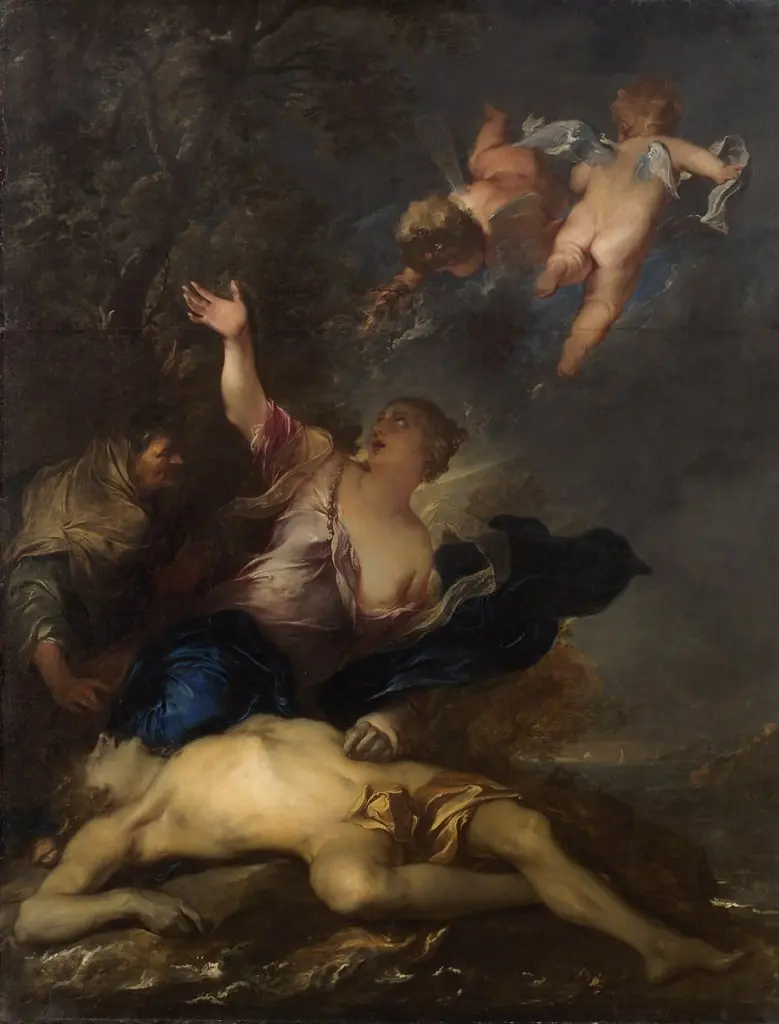
Angelica encountering the wounded Medoro
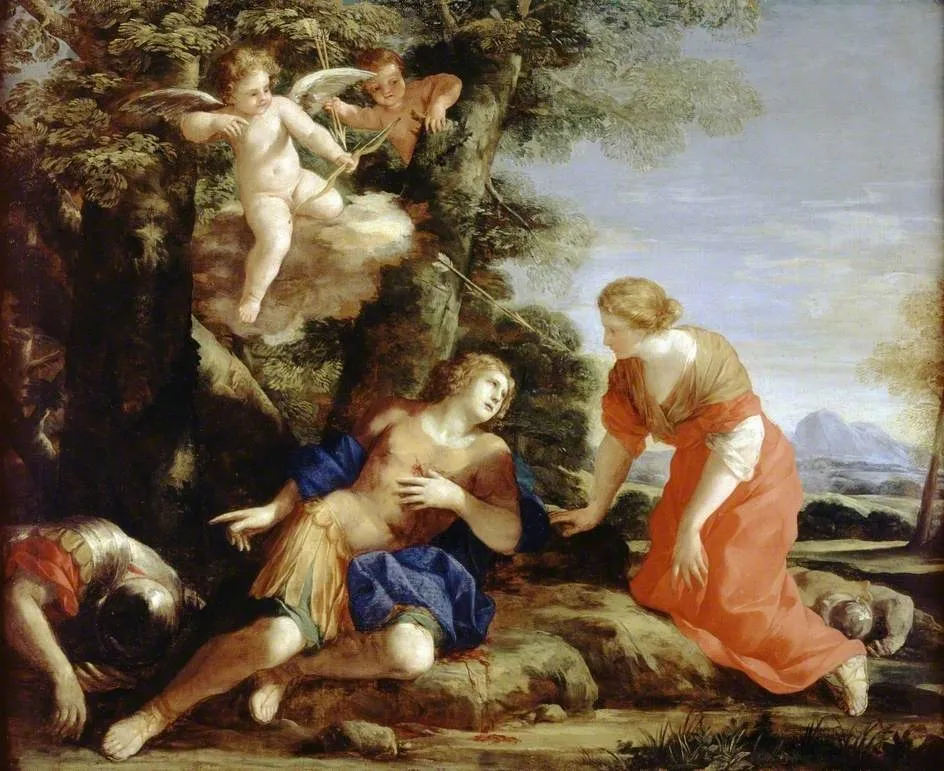
Angelica encountering the wounded Medoro is an oil painting by Giovanni Francesco Romanelli. It dates from 1646 and is held in the collection of the Ashmolean Museum.
About this work
Overview
Giovanni Francesco Romanelli painted *Angelica encountering the wounded Medoro* circa 1646. Executed in oil on canvas, the work is now housed in the Ashmolean Museum. It captures a moment from the chivalric romance *Orlando Furioso*, presenting a compassionate encounter between the heroine Angelica and the injured soldier Medoro.
Subject & Meaning
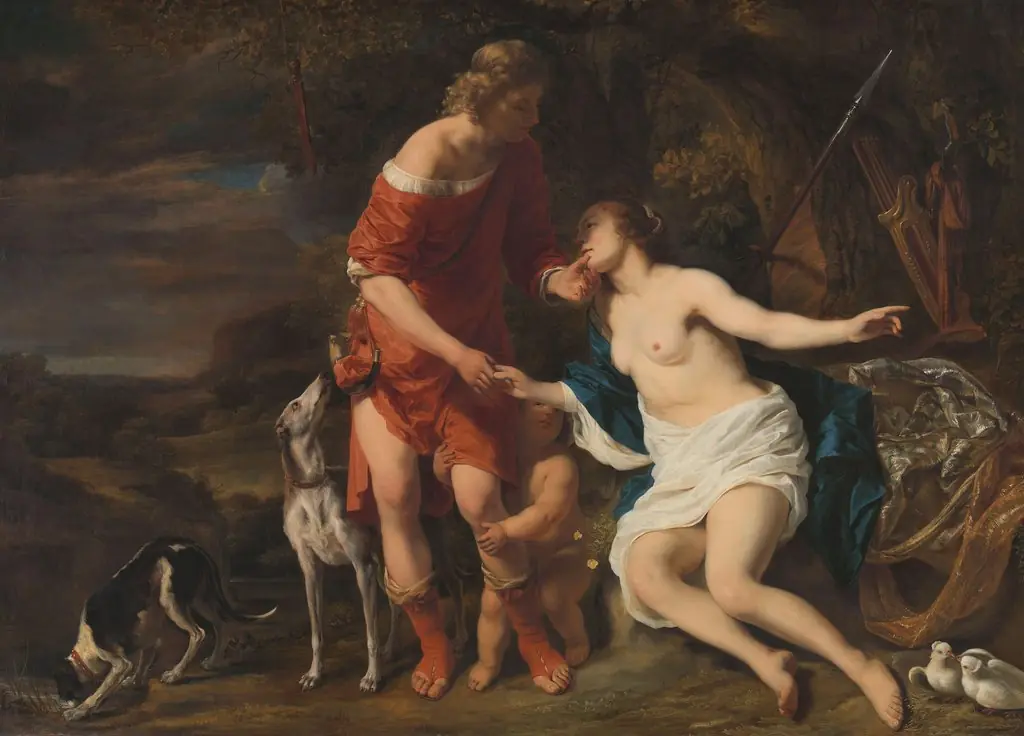
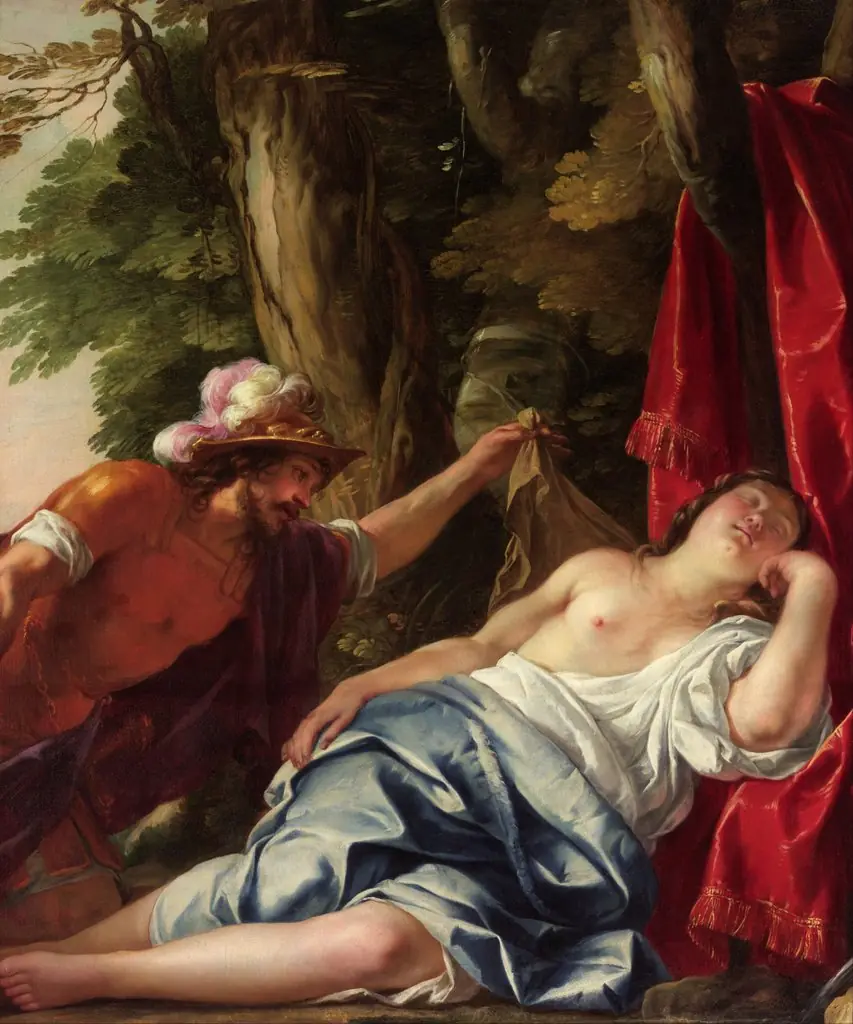
The composition illustrates Angelica, dressed in a vivid orange garment, kneeling beside a fallen Medoro as she tends his wounds. A second figure lies nearby, adding narrative depth. The scene emphasizes themes of mercy and love amid conflict, reflecting the emotional nuance typical of Ariosto’s epic poetry.
Technique & Style
Romanelli employs the Baroque palette of muted earth tones, allowing the orange dress to dominate the visual field. His precise brushwork renders delicate textures in the fabric and flesh, while the background—sparsely treed under a clouded sky—recedes in softened focus, creating a balanced contrast between figure and setting.
History & Provenance
Created in the mid‑17th century, the painting entered the Ashmolean Museum’s collection through acquisition in the 20th century, though earlier ownership records remain limited. Its presence in a major university museum underscores Romanelli’s continued relevance to studies of Italian Baroque art.
Context
Romanelli, a leading figure in Roman Baroque painting, was known for his vivid coloration and meticulous detail. This work aligns with his broader oeuvre that often drew on literary sources, translating narrative episodes into visually dramatic moments that catered to contemporary tastes for historic and mythological subjects.
Artist & collection
Artist
Giovanni Francesco Romanelli (Viterbo, 1610 – Viterbo, 9 November 1662) was a major Italian painter of the Baroque period, celebrated for his use of bright, vivid colors and also for his clarity of detail.