Artwork
Alexandru, Apelles și Campaspe
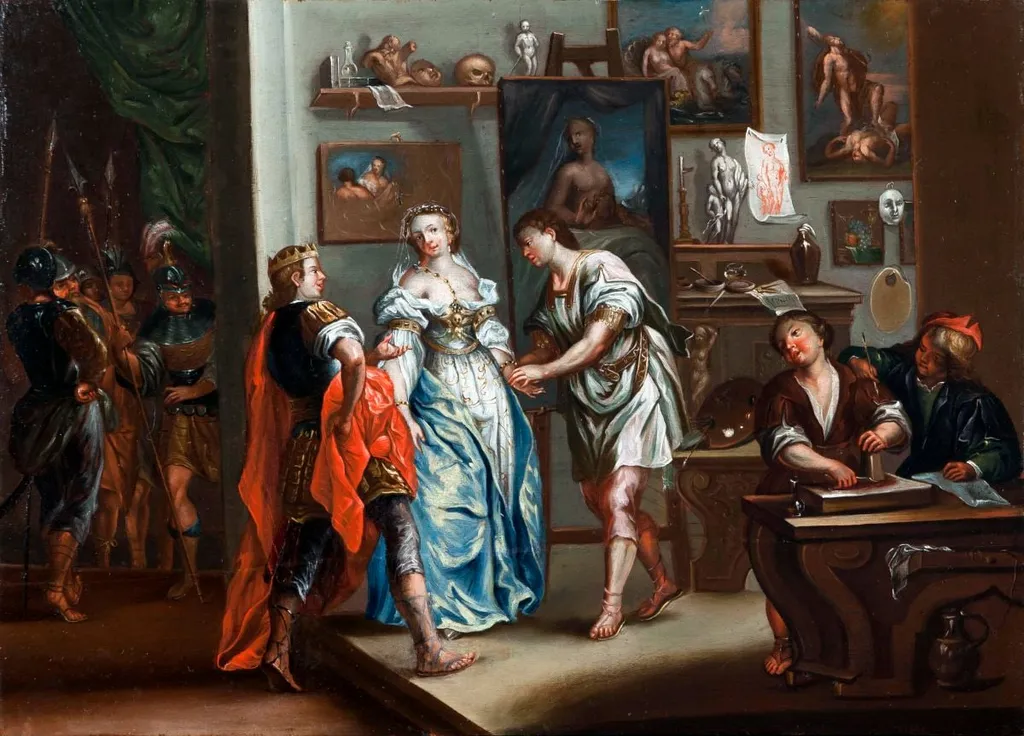
Alexandru, Apelles și Campaspe is a print by the Rococo painting artist anonim francez. It is held in the collection of the National Museum of Art of Romania. This painting depicts a gathering in a studio filled with artistic objects and figures.
About this work
Overview
The interplay of light and shadow draws attention to the central figures, emphasizing their presence through careful modeling.
This painting depicts a gathering in a studio filled with artistic objects and figures. At its center, a woman in blue holds hands with a man in a white toga, surrounded by attendants in elaborate attire. Two boys are shown working at a desk, while walls and shelves display sculptures, sketches, and curiosities. The interplay of light and shadow draws attention to the central figures, emphasizing their presence through careful modeling.
Subject & Meaning
The scene references an ancient anecdote in which the painter Apelles fell in love with Campaspe, the mistress of Alexander the Great. Rather than punish him, Alexander gifted her to Apelles. The painting visualizes this moment of recognition, blending historical narrative with the artist’s studio as a space of creativity and human emotion.
Technique & Style
The artist employs chiaroscuro to model forms with dramatic contrast, giving the central figures a sculptural presence. Light falls selectively on the woman’s face and the man’s draped garment, enhancing volume and texture. The detailed rendering of objects on the walls and shelves suggests a deliberate accumulation of artistic references, reinforcing the studio as a microcosm of classical culture.
History & Provenance
The work is attributed to a 17th-century painter influenced by Renaissance humanism and classical antiquity. It likely emerged from a Northern European tradition that idealized ancient artistic narratives. Its early ownership remains undocumented, but its composition aligns with contemporary studio scenes popular among collectors interested in art theory and mythological allegory.
Context
During the 17th century, artists frequently invoked classical stories to elevate painting as an intellectual pursuit. Depictions of Apelles and Campaspe served as metaphors for the artist’s elevated status and the moral authority of creative passion. The inclusion of tools, sculptures, and sketches reflects a growing emphasis on the studio as a site of both labor and learning.
Legacy
The painting contributes to a broader tradition of artist-as-hero imagery, where the creative process is framed within historical and moral narratives. Its attention to material culture and lighting techniques influenced later academic painters who sought to merge historical subject matter with technical precision, reinforcing the studio as a sacred space of artistic lineage.
Artist & collection
Artist
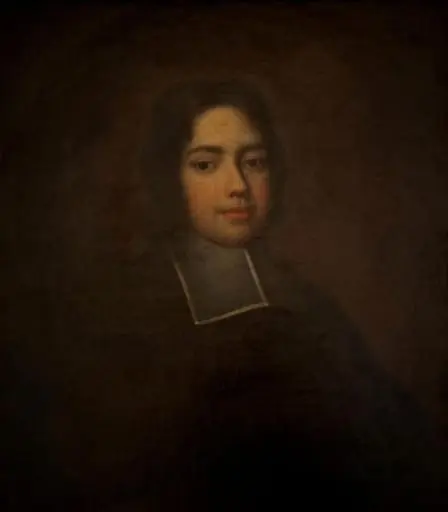
An anonymous French artist of the 17th–18th century left behind small portraits and genre scenes that feel like snapshots from daily life.

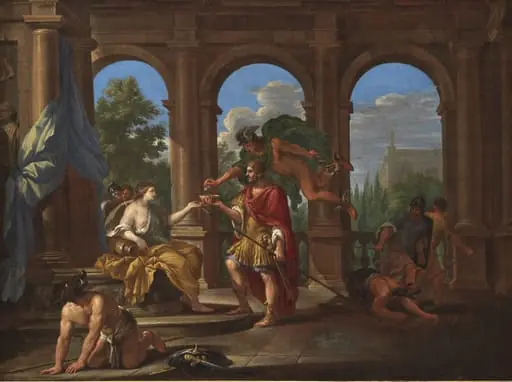 Circe and Ulysses
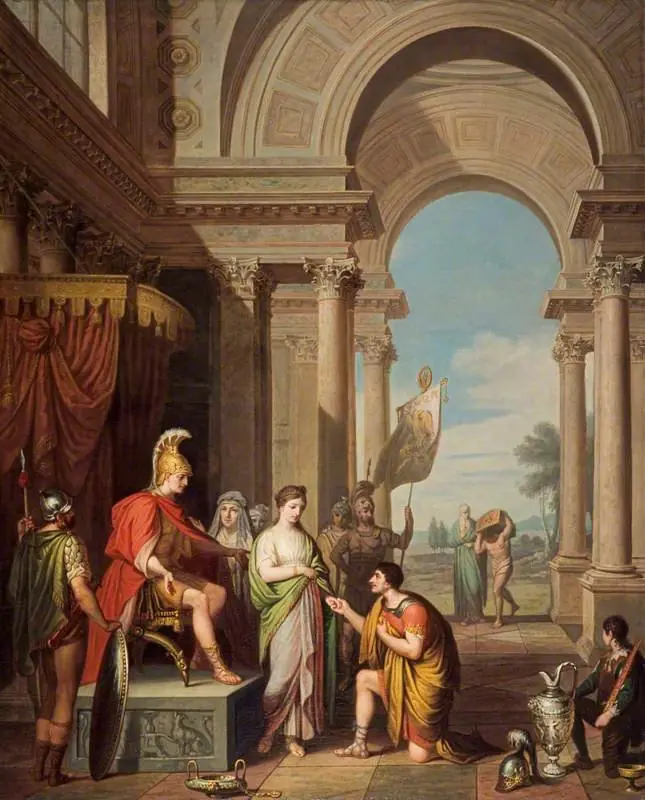 The Continence of Scipio
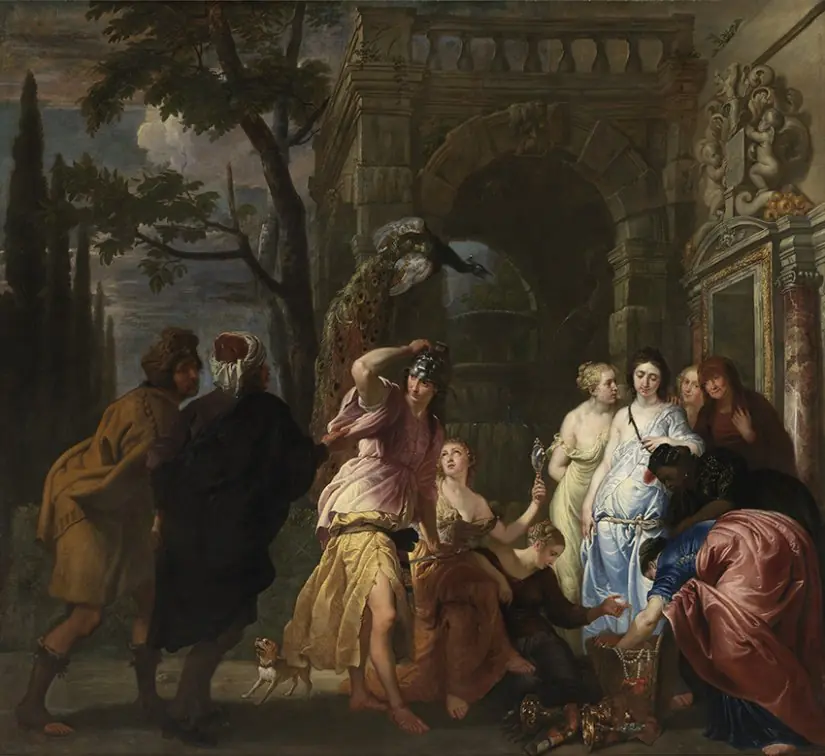 Achilles among the Daughters of Lycomedes
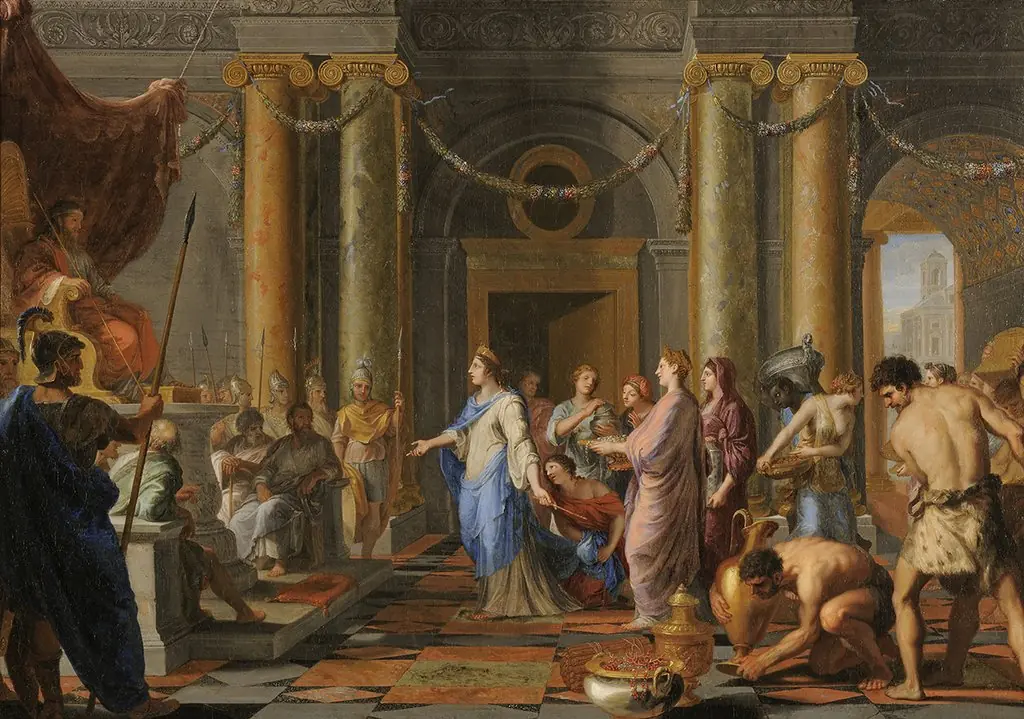 Solomon Receiving the Queen of Sheba
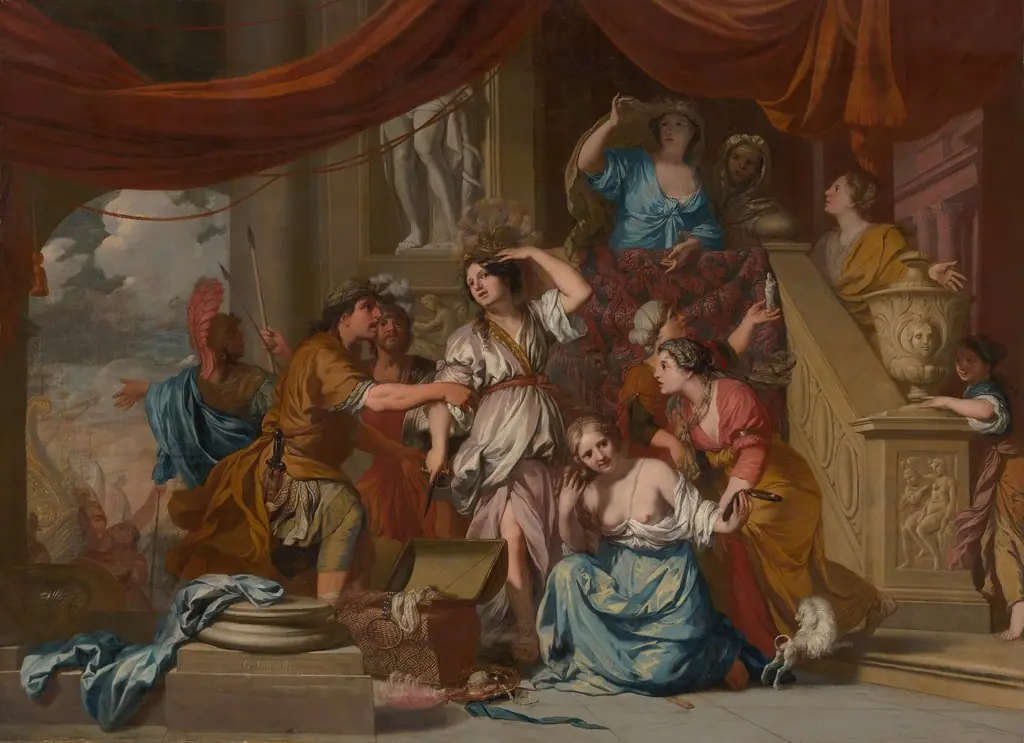 Achilles Discovered among the Daughters of Lycomedes
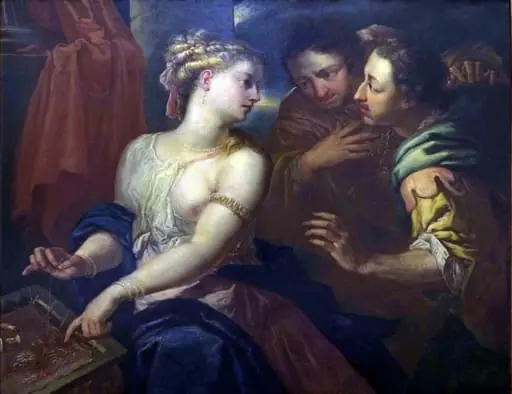 Penelopa și doi pretendenți
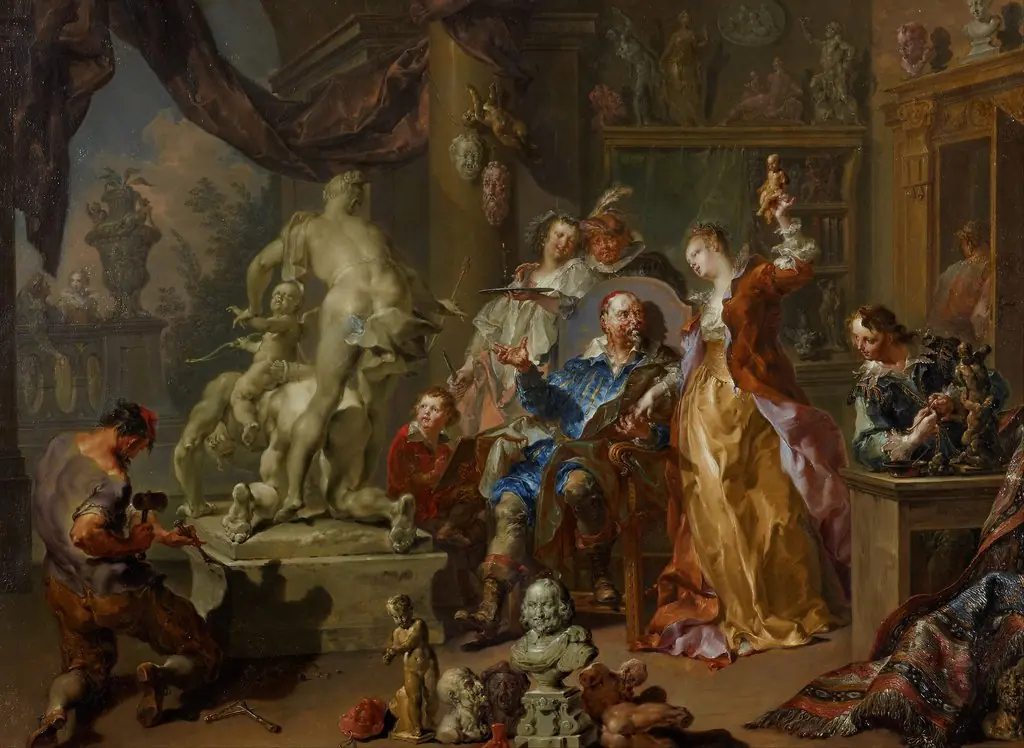 The Sculptor's Studio
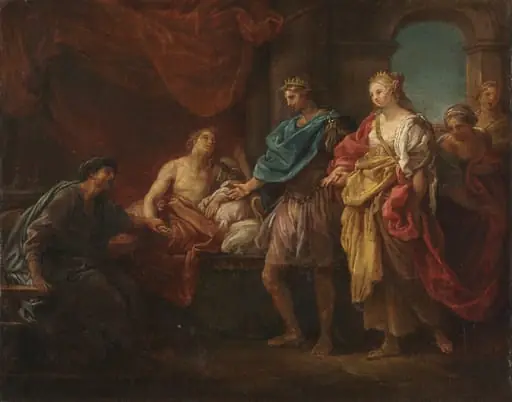 Study for "Antiochus and Stratonice"
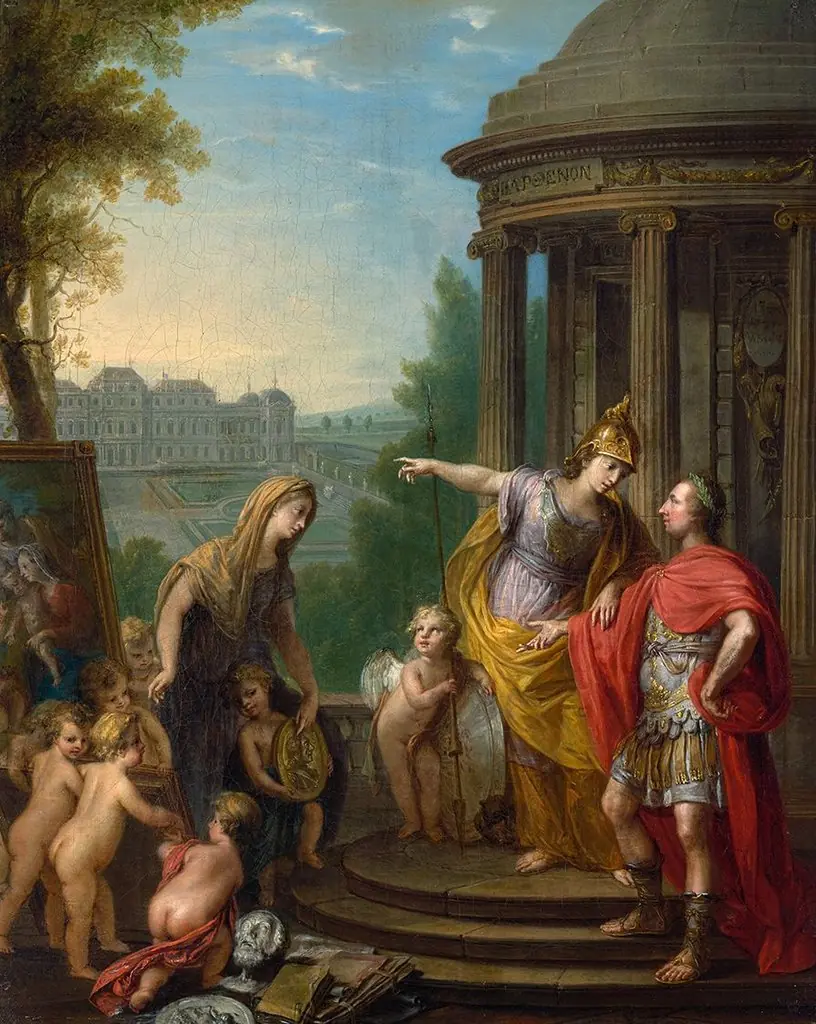 Allegory of the Transfer of the Imperial Gallery to the Belvedere