Artwork
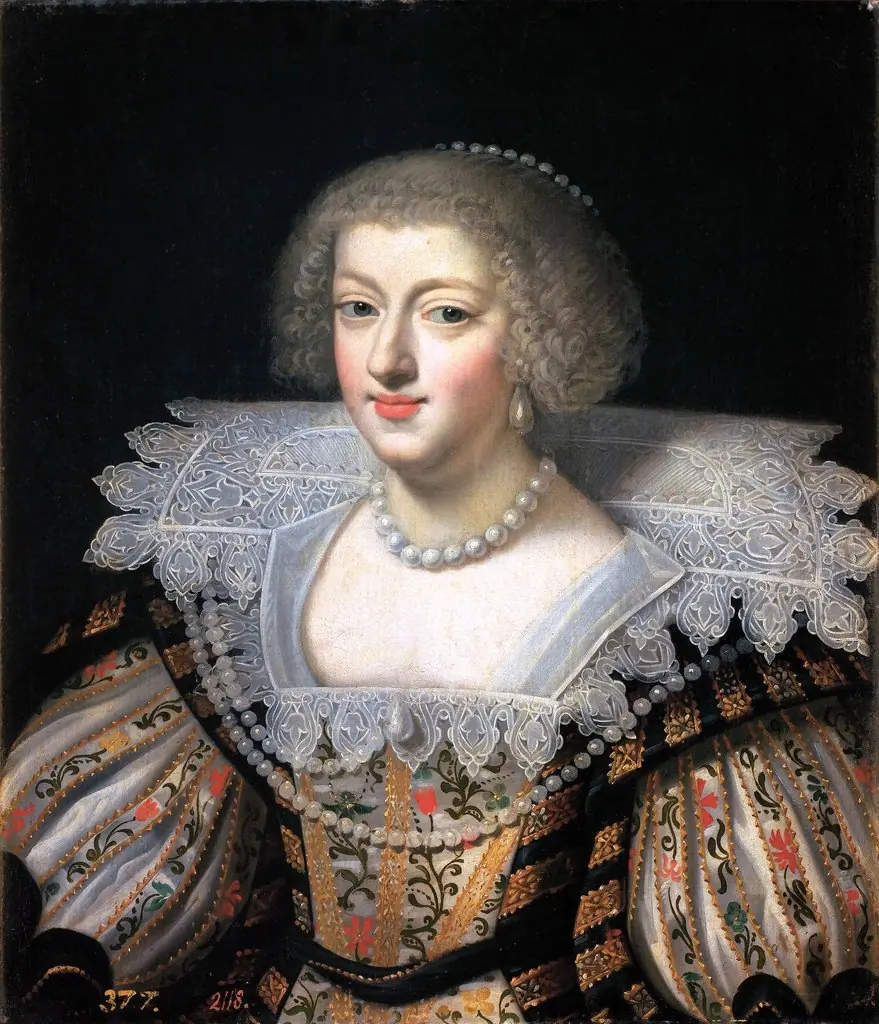
Portret de femeie
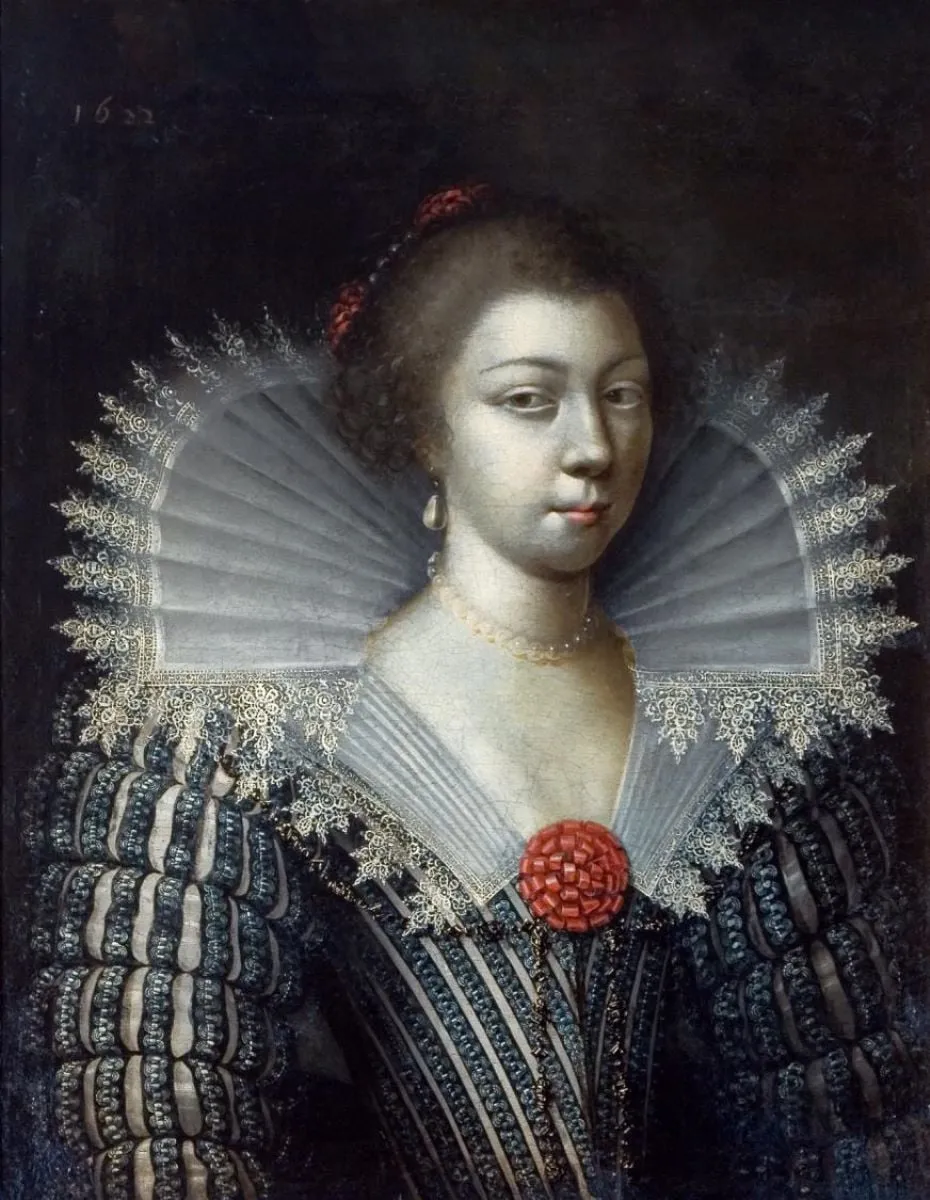
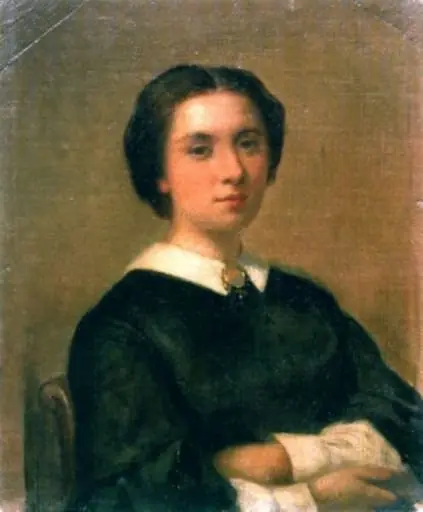
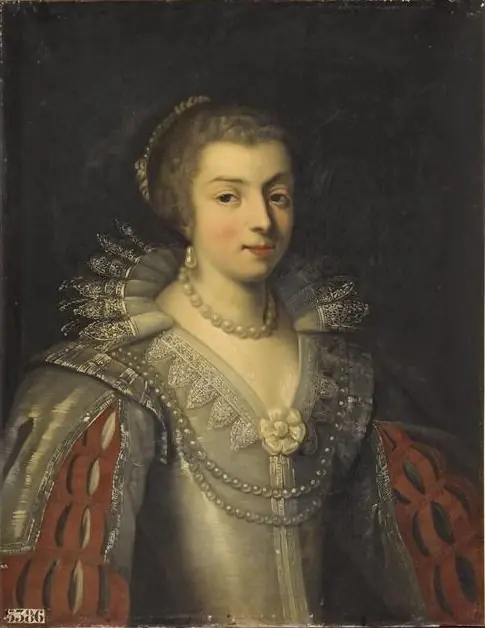
Portret de femeie is an unspecified painting by the Baroque artist anonim francez. It dates from 1622 and is held in the collection of the National Museum of Art of Romania. Created in 1622 by an unidentified French artist, this portrait presents a solitary female sitter.
About this work
Overview
Created in 1622 by an unidentified French artist, this portrait presents a solitary female sitter. The composition is dominated by a stark, dark backdrop that isolates the figure, allowing the viewer to focus on her illuminated face and attire. The work exemplifies early‑17th‑century portraiture, where individual identity and social status are conveyed through clothing and pose.
Subject & Meaning
The woman is depicted with a fair complexion and her dark hair pulled back, suggesting modesty and restraint. She wears a prominent white ruff edged with lace, a dark gown adorned with minute beadwork, and a vivid red floral pin at the chest. These elements together signal wealth and refinement, while the restrained expression hints at the conventions of decorum prevalent in the period.
Technique & Style
The artist employs a pronounced contrast between light and shadow, a method akin to chiaroscuro, to model the sitter’s features and the folds of her ruff. The illumination catches the sheen of the beads and the texture of the lace, while the surrounding darkness compresses the visual space, giving the portrait a three‑dimensional presence despite its flat surface.
History & Provenance
The painting’s creator remains anonymous, and documentation of its early ownership is scarce. Its attribution to a French hand is based on stylistic parallels with contemporaneous court portraiture. The work has circulated in private collections before entering its current public setting, where it contributes to the broader narrative of early Baroque portraiture in France.
Context
In the early 1620s, French portraiture was increasingly influenced by the dramatic lighting and refined elegance of the Italian Baroque. This piece reflects that cross‑cultural exchange, combining a restrained French sartorial code with the heightened chiaroscuro that Italian artists popularized, illustrating the evolving visual language of the period.
Artist & collection
Artist
An anonymous French artist of the 17th–18th century left behind small portraits and genre scenes that feel like snapshots from daily life.

 Anne of Austria, Queen of France
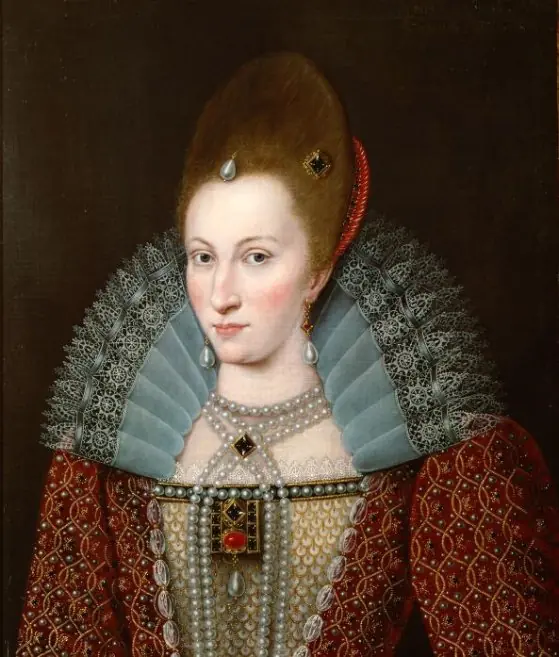 Anna von Dänemark (1574-1619), Königin von England, Brustbild
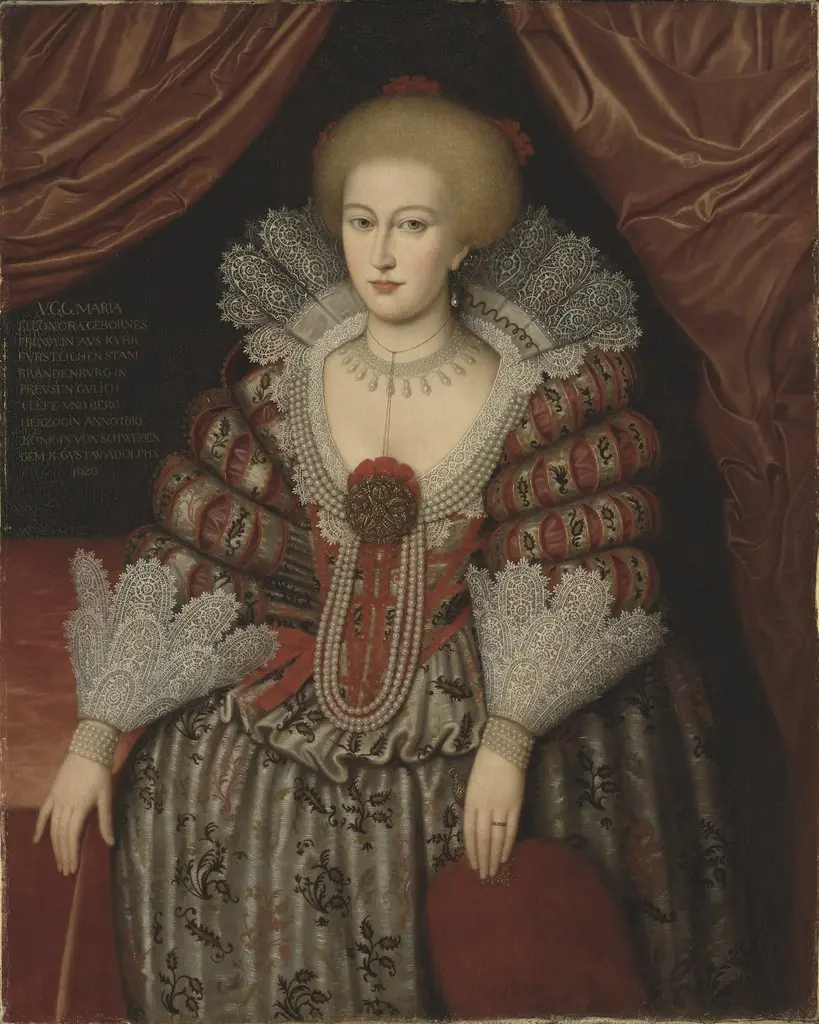 Maria Eleonora (1599-1655), Princess of Brandenburg, Queen of Sweden
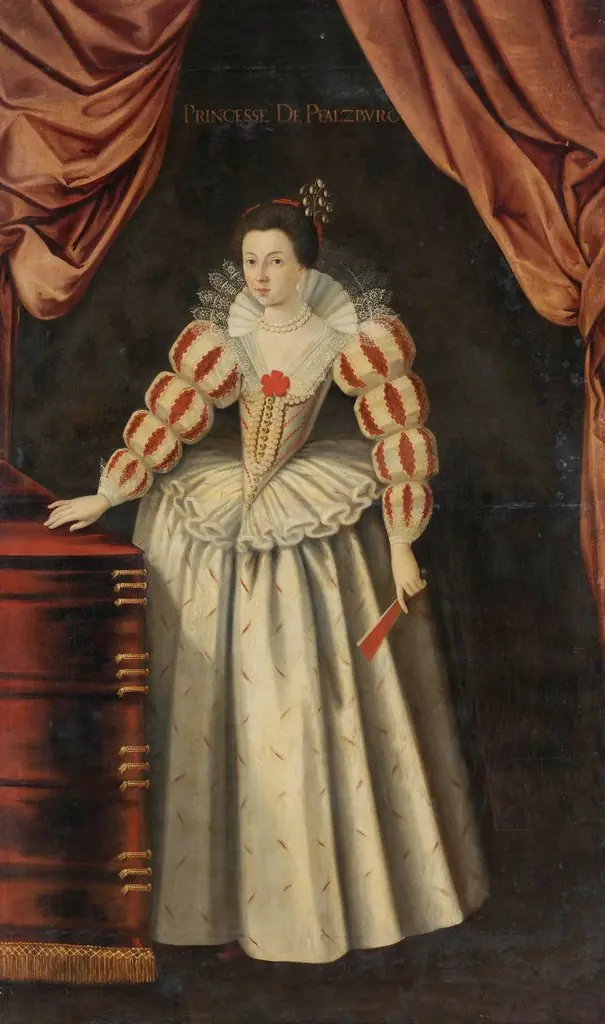 Henriette von Lothringen (1605-1660)
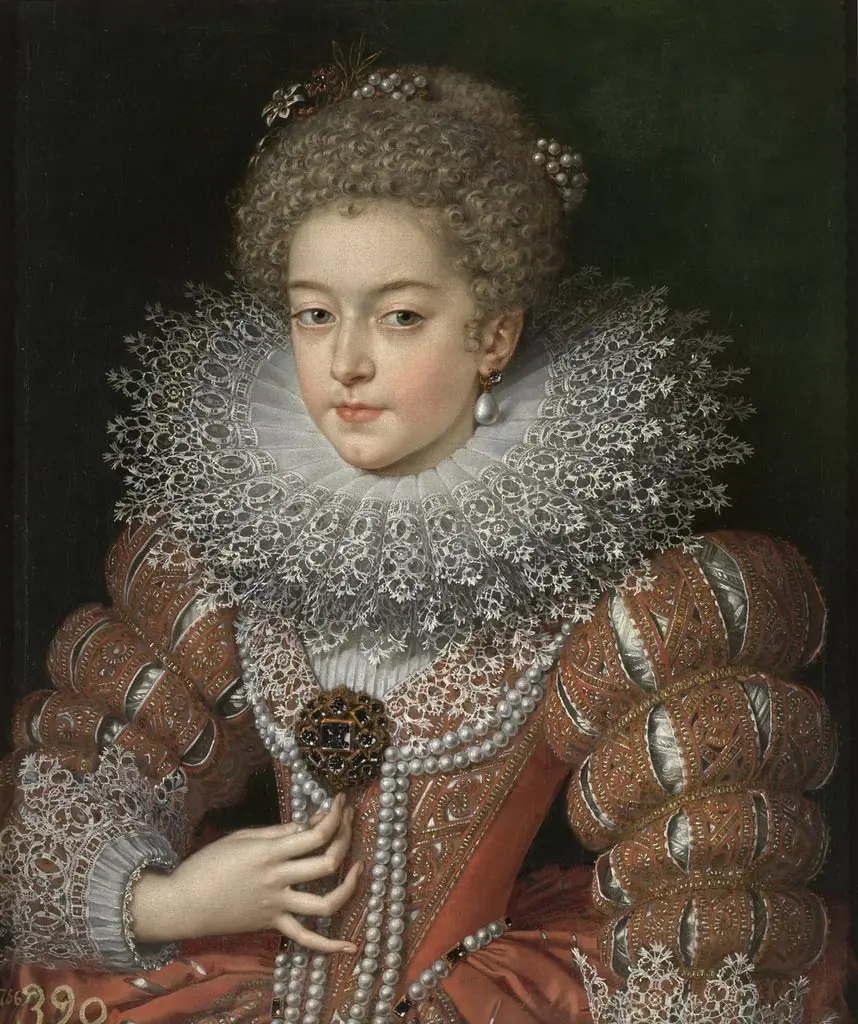 Isabella of France Queen of Spain
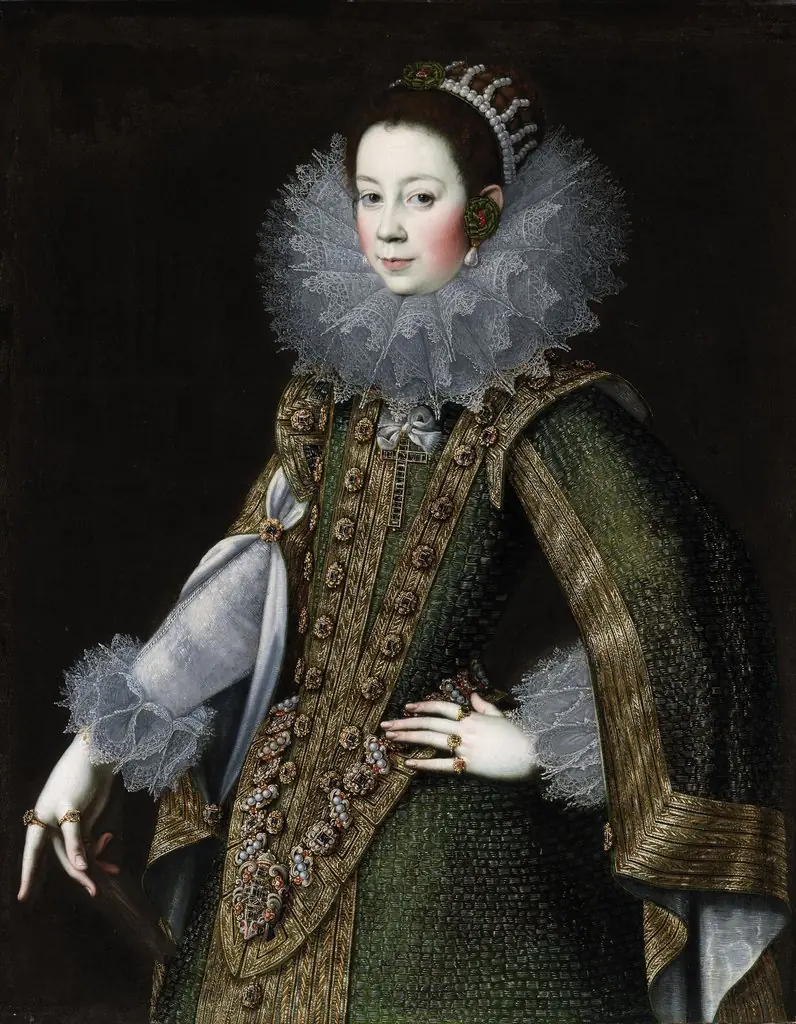 Portrait of a Spanish Noblewoman
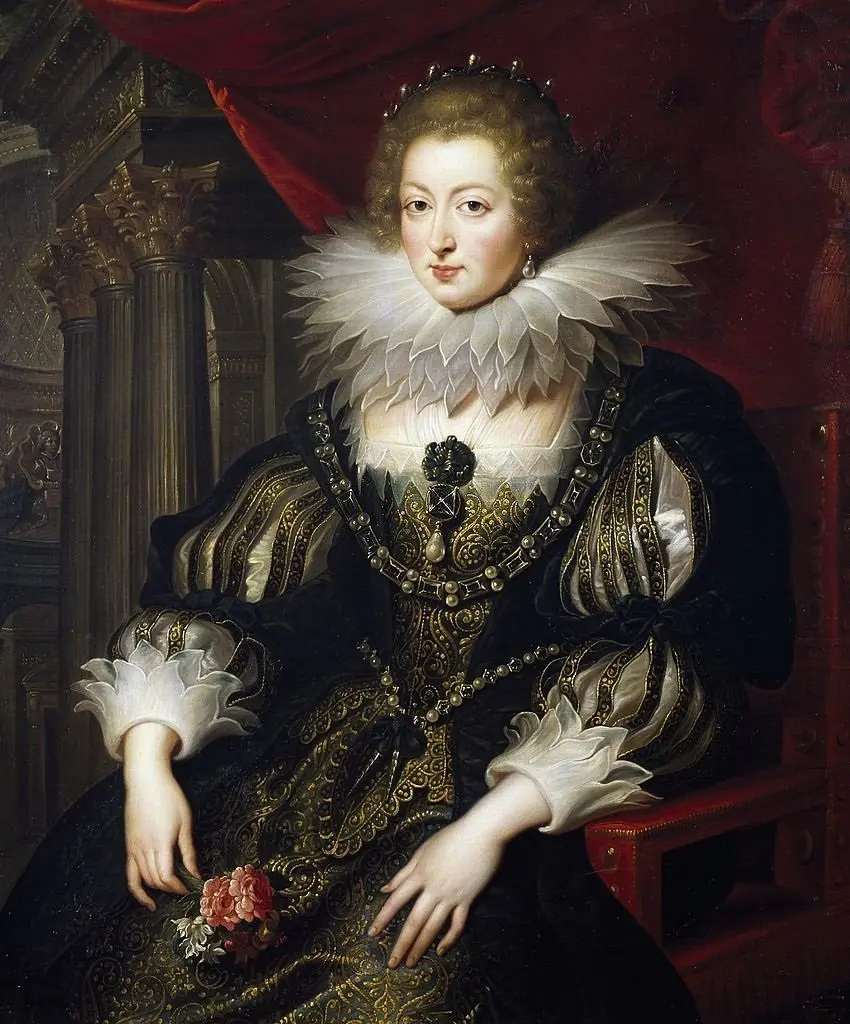 Portrait of Anne of Austria, Queen of France (1601-1666)
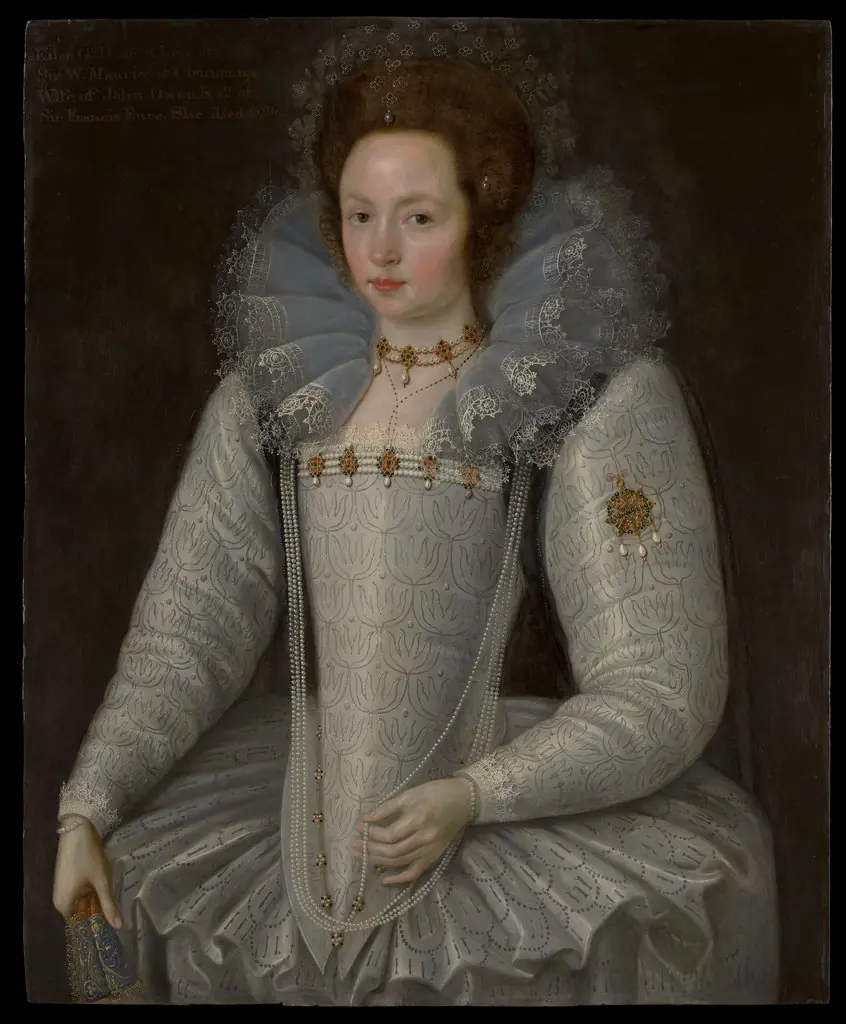 Ellen Maurice (1578–1626)
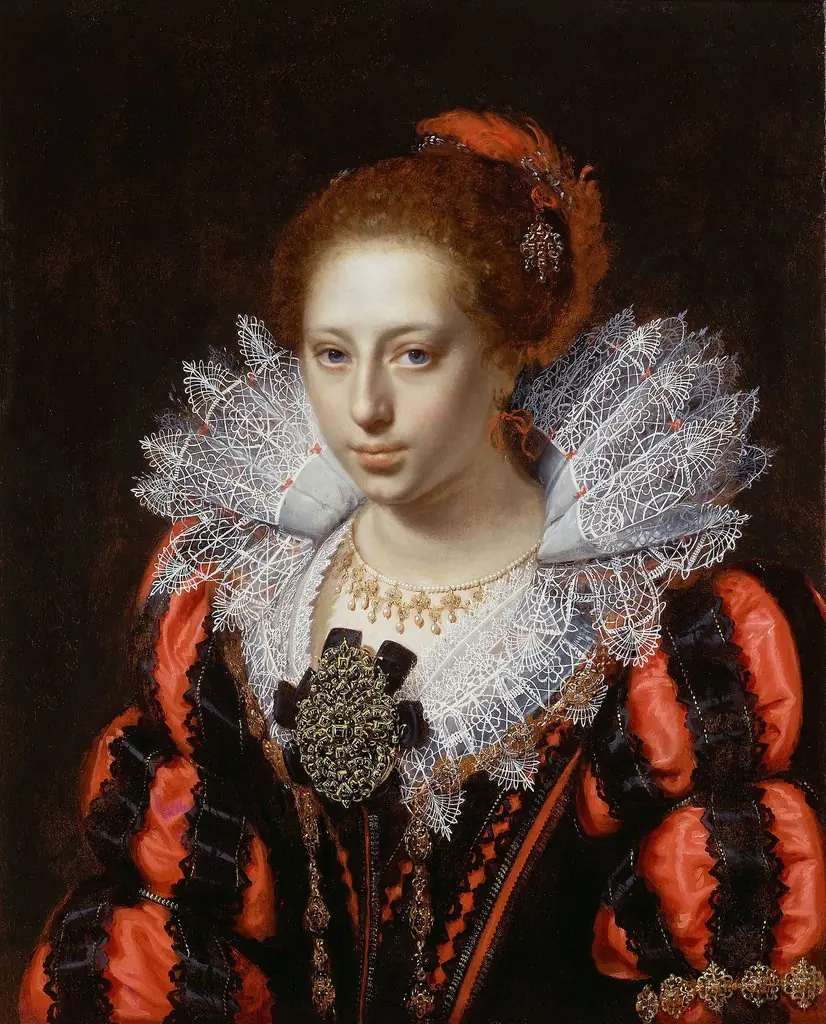 Portrait of a Young Lady
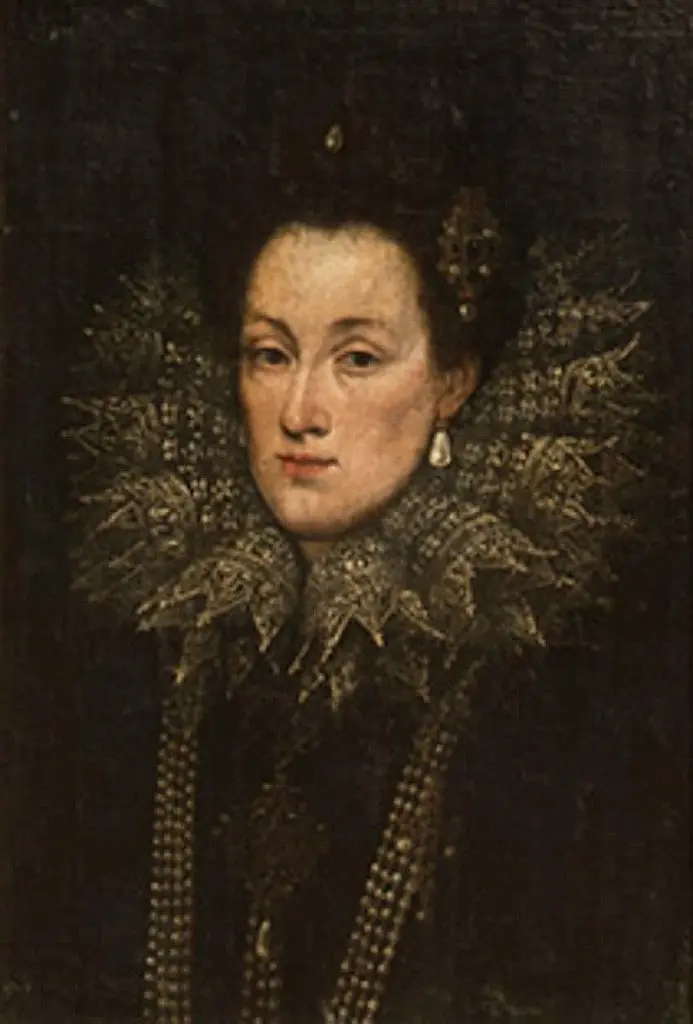 Bildnis einer Frau
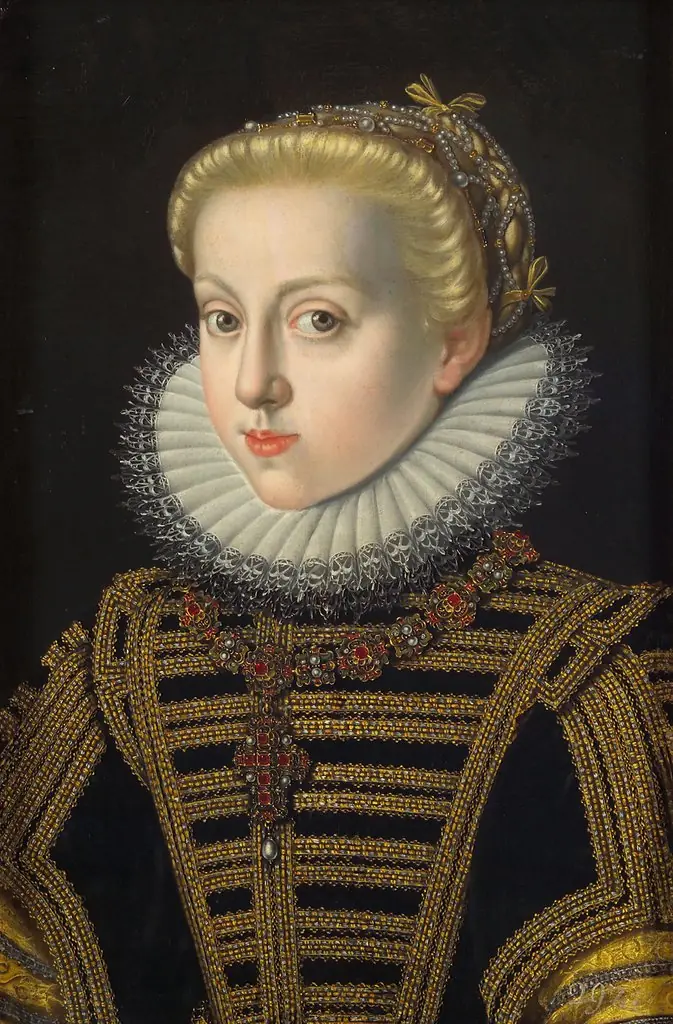 Archduchess Katharina Renea (1576-1595) in black dress
 Marie de Rohan-Montbazon, duchesse de Luynes, puis de Chevreuse (1600-1679)