Artwork
Composition avec corne d'abondance remplie de fleurs, guirlandes et bouquets de fleurs champêtres, projets de broderies de gilet, XVIIIème siècle
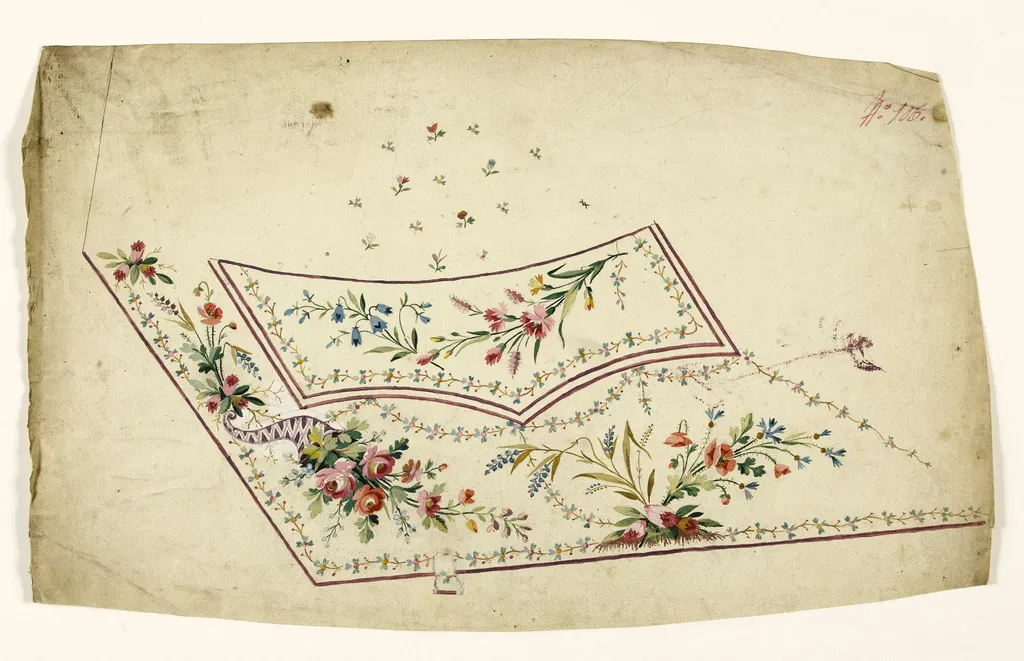
Composition avec corne d'abondance remplie de fleurs, guirlandes et bouquets de fleurs champêtres, projets de broderies de gilet, XVIIIème siècle is a drawing by Anonyme. It dates from 1750 and is held in the collection of the Palais Galliera - Musée de la Mode de la Ville de Paris. Composition avec corne d'abondance is an anonymous 18th-century artwork, circa 1750, housed at the Museum of Ethnography.
About this work
Overview
Composition avec corne d'abondance is an anonymous 18th-century artwork, circa 1750, housed at the Museum of Ethnography. The piece features two diamond-shaped frames on light beige paper, overflowing with vibrant floral arrangements.
Subject & Meaning
The subject centers on abundance, symbolized by a cornucopia (not visually present but implied by the title) and an array of wildflowers, garlands, and bouquets. These elements convey themes of fertility and natural prosperity.
Technique & Style
Executed in soft pinks, blues, greens, and accentuated with tiny white dots (suggesting seeds), the flowers are bordered by a dark red outline. The design's repetitive, spill-over pattern indicates its intended use as a model for manual replication, likely in embroidery.
History & Provenance
Created around 1750, the artwork's author remains unknown. It is currently part of the collection at the Museum of Ethnography, with no detailed provenance provided in available records.
Context
The piece reflects 18th-century decorative arts' penchant for floral motifs and the practical application of art in craftsmanship, such as embroidery designs for garments like vests.
Legacy
While not attributed to a specific artist, the work contributes to the understanding of late Baroque to early Rococo design influences in embroidery and pattern making, highlighting the era's interplay between art and functional craft.
Artist & collection
Artist
A French designer from the 1700s made delicate flower drawings meant to decorate vests.
Museum
Palais Galliera - Musée de la Mode de la Ville de Paris
Continue through works from the same source collection.
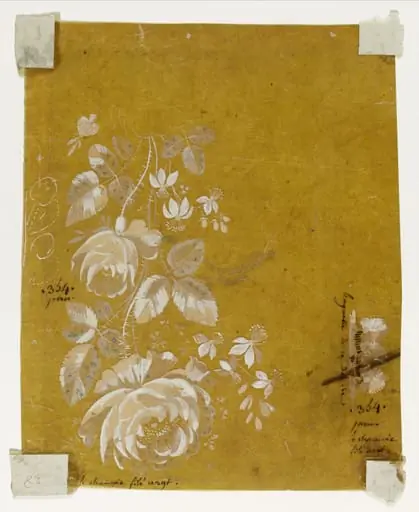 Bouquet de roses blanches pour étoffe, projets de broderies de gilet, XVIIIème siècle
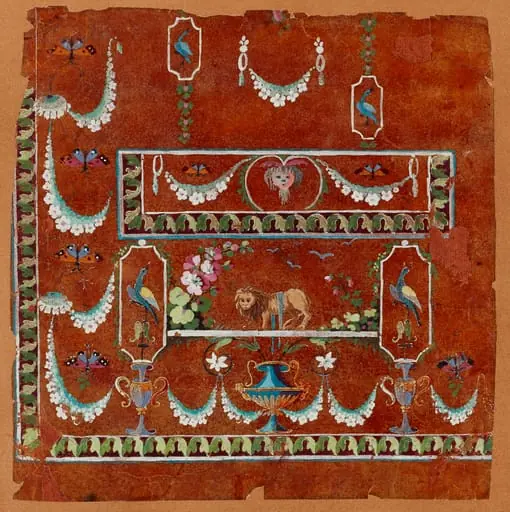 Gilet décor à grotesques, projets de broderies de gilet, XVIIIeme siècle
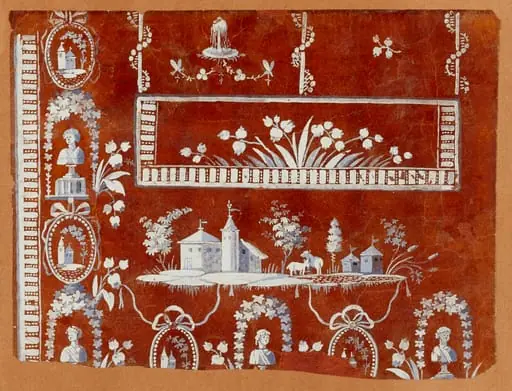 Gilet décor architectures rurales, projets de broderies de gilet, XVIIIème siècle
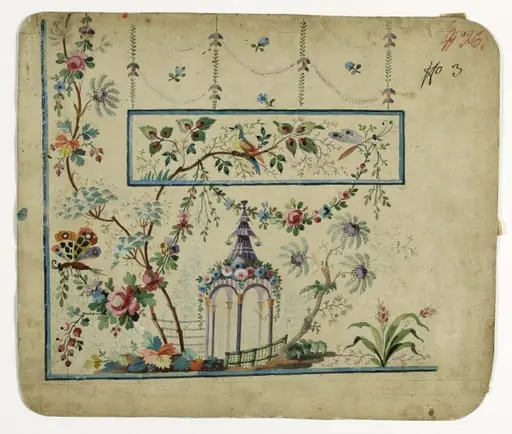 Gilet décor pagode, projets de broderies de gilet, XVIIIème siècle
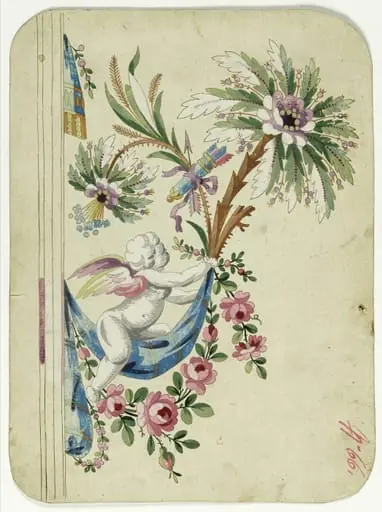 Décor de putti sur palmier, projets de broderies de gilet, XVIIIème siècle
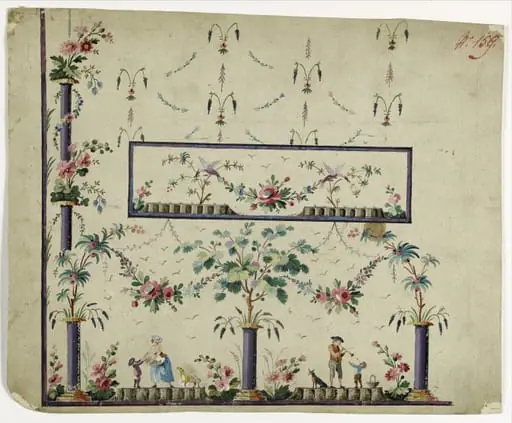 Gilet décor couple avec enfants, projets de broderies de gilet, XVIIIème siècle
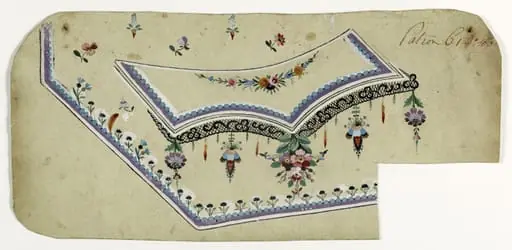 Gilet à la dentelle noire, projets de broderies de gilet, XVIIIème siècle
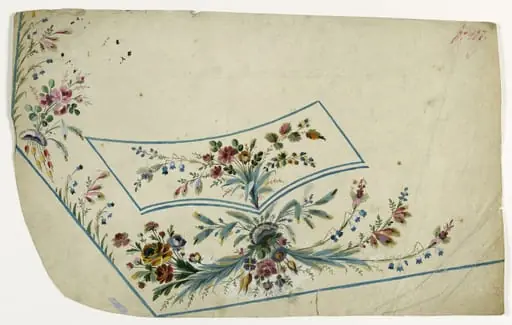 Gilet aux feuilles bleu-gris, projets de broderies de gilet, XVIIIème siècle
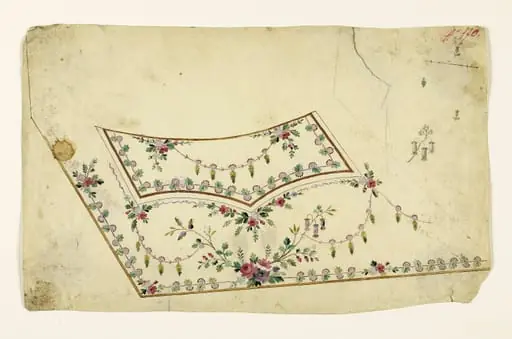 Composition avec bouquet de fleurs, guirlandes et frises de feuilles et de fleurs stylisées, projets de broderies de gilet, XVIIIème siècle
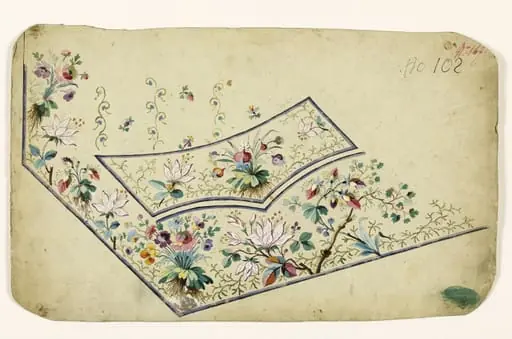 Composition de fleurs champêtres en branches et en bouquets, projets de broderies de gilet, XVIIIème siècle
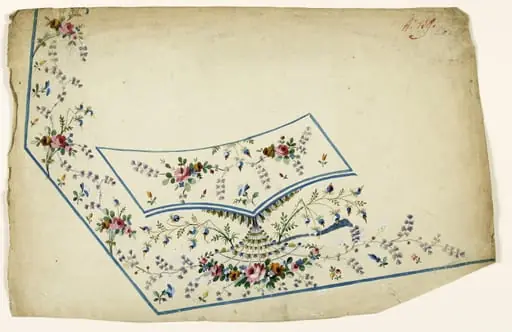 Composition à bouquet de fleurs en éventail et guirlandes de fleurs mauves, projets de broderies de gilet, XVIIIème siècle
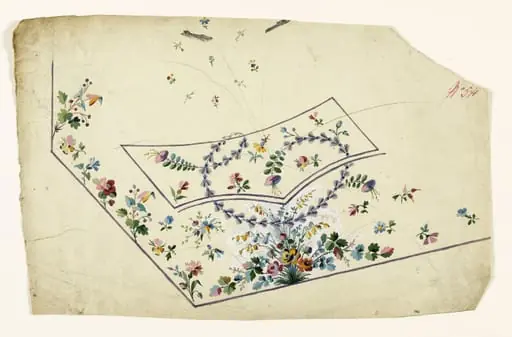 Composition de bouquets de fleurs multicolores et guirlandes de fleurs mauves, projets de broderies de gilet, XVIIIème siècle
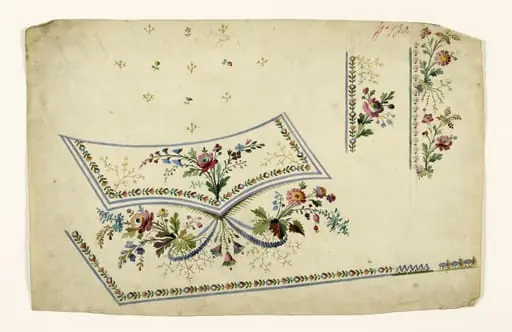 Composition florale avec bouquets et frises de fleurs stylisées, projets de broderies de gilet, XVIIIème siècle
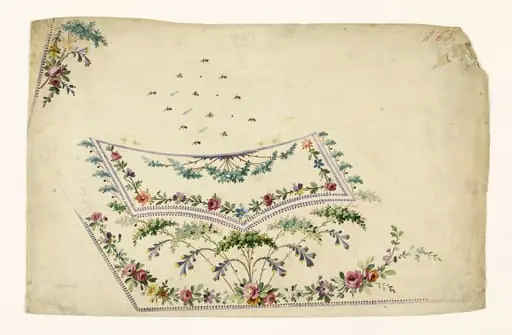 Composition avec guirlandes de fleurs et feuilles en grappes, projets de broderies de gilet, XVIIIème siècle
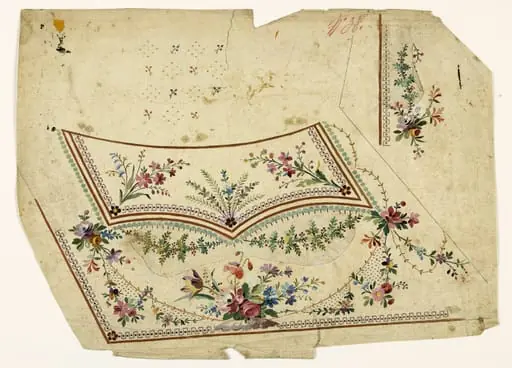 Composition avec bouquets de fleurs, frises de perles amandes et de grecques mauves, projets de broderies de gilet, XVIIIème siècle
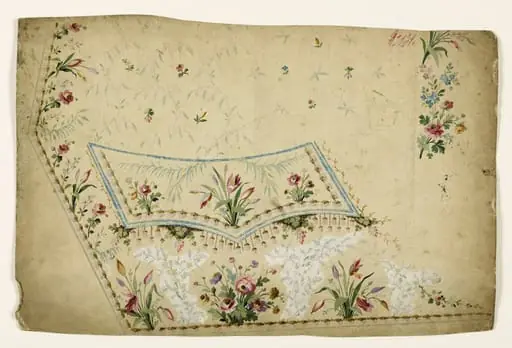 Composition avec bouquets de fleurs, frises de grappes et clochettes stylisées, projets de broderies de gilet, XVIIIème siècle
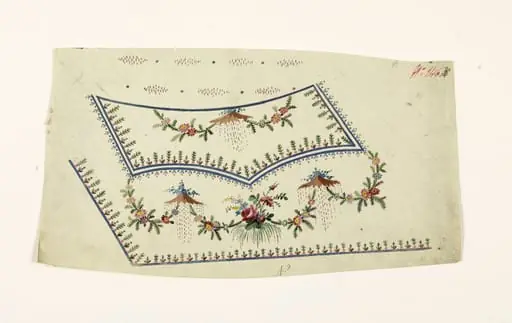 Composition avec bouquet et guirlandes de fleurs, bleuets sur tertres et frises de fleurs stylisées, projets de broderies de gilet, XVIIIème siècle