Artwork
Décor de putti sur palmier, projets de broderies de gilet, XVIIIème siècle
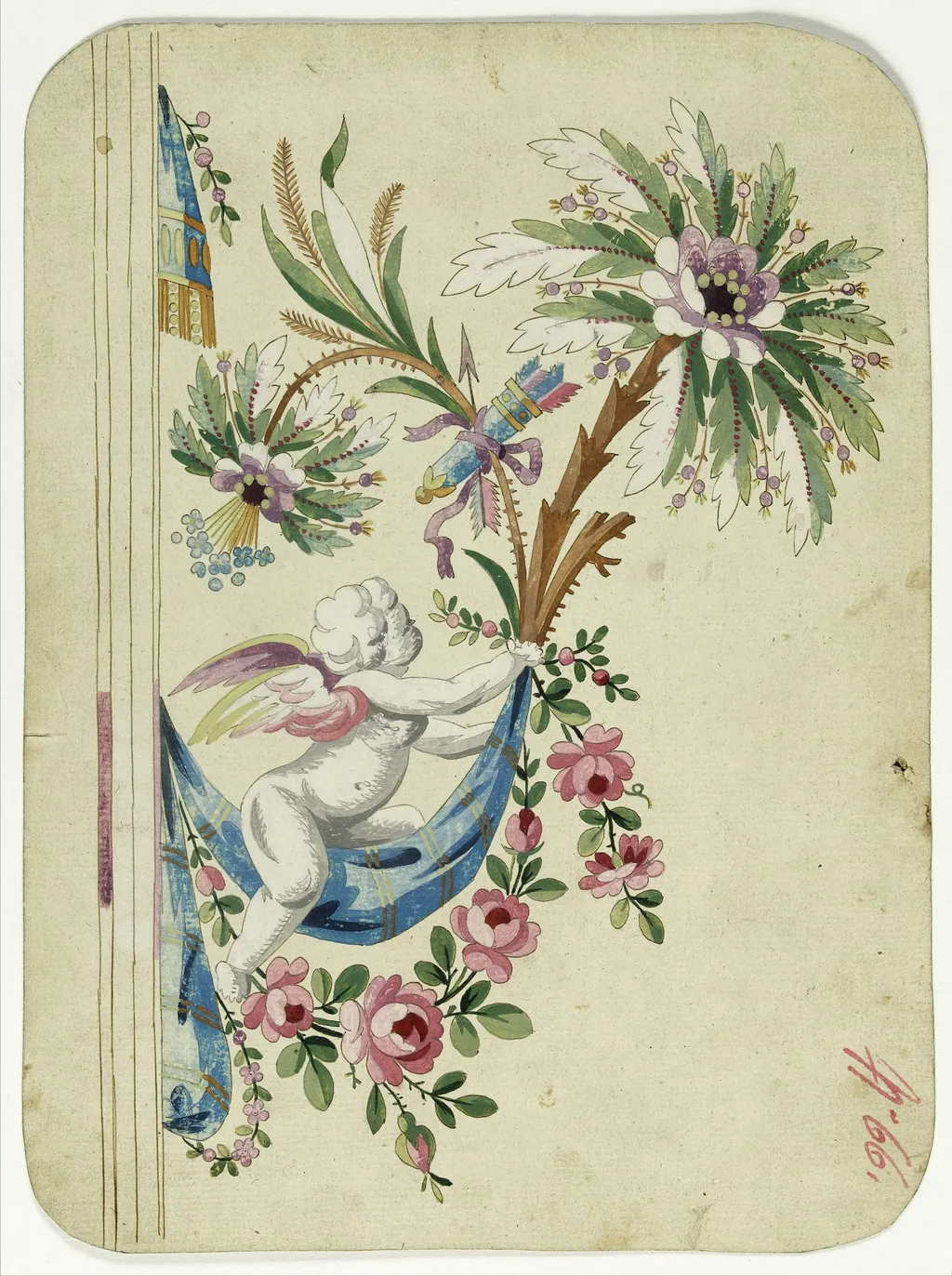
Décor de putti sur palmier, projets de broderies de gilet, XVIIIème siècle is a drawing by the Romanticist artist Anonyme. It dates from 1785 and is held in the collection of the Palais Galliera - Musée de la Mode de la Ville de Paris. This 18th-century drawing, dated around 1785, presents a decorative design intended for embroidery on a waistcoat.
About this work
Overview
Attributed to an anonymous artist, it features a cherub resting in a hammock beneath a palm tree, adorned with floral motifs.
This 18th-century drawing, dated around 1785, presents a decorative design intended for embroidery on a waistcoat. Attributed to an anonymous artist, it features a cherub resting in a hammock beneath a palm tree, adorned with floral motifs. Executed in soft pastels on a beige ground with subtle brown tonal variations, the work reflects the ornamental sensibilities of late Enlightenment decorative arts.
Subject & Meaning
The central figure is a winged putto, rendered in stylized form with pale skin and pink wings, cradling a palm tree bound with a ribbon. Surrounded by lush, naturalistic foliage and blossoms, the scene evokes an idealized pastoral fantasy. The imagery suggests themes of idyllic leisure and nature’s harmony, common in aristocratic decorative programs where mythological or allegorical figures symbolized refined taste and cultivated serenity.
Technique & Style
The drawing employs delicate, flowing lines and muted pastel hues to create a dreamlike atmosphere. While the surrounding flora is rendered with careful botanical detail, the putto’s form is simplified and idealized, emphasizing symbolic presence over anatomical realism. The contrast between the precise vegetation and the stylized figure reflects a decorative approach prioritizing harmony and whimsy over narrative depth.
History & Provenance
The work originates from a series of textile design sketches produced in France during the late 1780s, likely for use by embroiderers in aristocratic workshops. It entered the collection of the Museum of Ethnography, where it is preserved as an example of pre-revolutionary French decorative arts. Its survival suggests it was valued not only as a pattern but as a specimen of artisanal craftsmanship.
Context
Created on the eve of the French Revolution, this design reflects the enduring appeal of Rococo-inspired motifs among the elite, even as political tides shifted. Such embroidery patterns were part of a broader culture of luxury textiles, where mythological and pastoral imagery conveyed social status. The putto’s association with innocence and nature aligned with contemporary ideals of refined sensibility in private dress.
Legacy
Though not widely known outside specialist circles, this drawing contributes to the understanding of how fine art motifs were adapted for domestic and wearable arts in the 18th century. It illustrates the fluid boundary between fine drawing and applied design, preserving the aesthetic priorities of a class that saw ornamentation as integral to personal and cultural identity.
Artist & collection
Artist
A French designer from the 1700s made delicate flower drawings meant to decorate vests.
Museum
Palais Galliera - Musée de la Mode de la Ville de Paris
Continue through works from the same source collection.
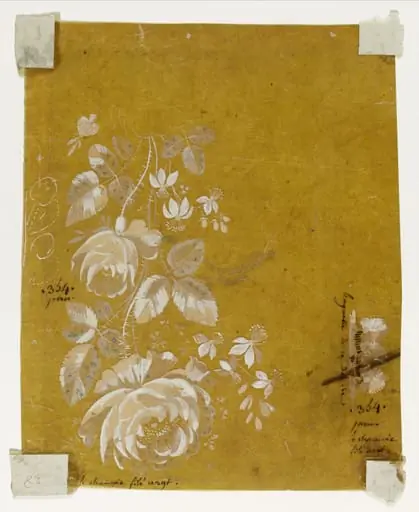 Bouquet de roses blanches pour étoffe, projets de broderies de gilet, XVIIIème siècle
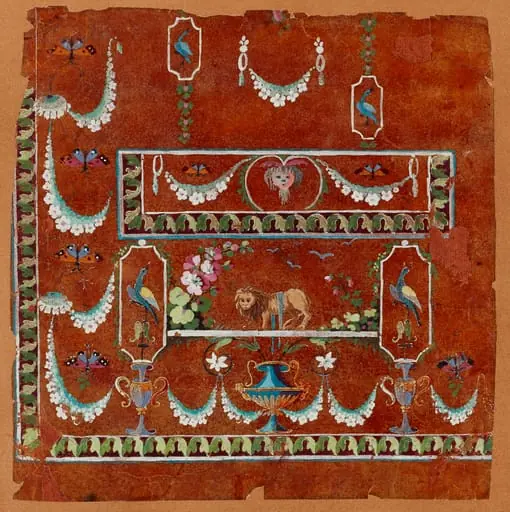 Gilet décor à grotesques, projets de broderies de gilet, XVIIIeme siècle
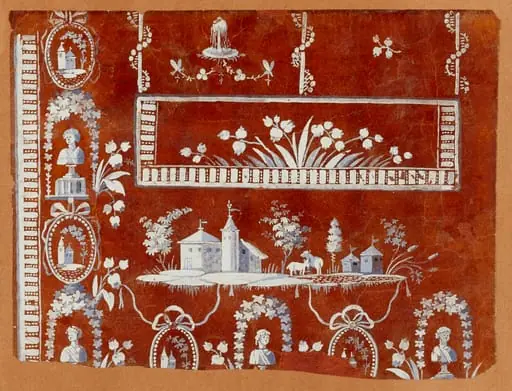 Gilet décor architectures rurales, projets de broderies de gilet, XVIIIème siècle
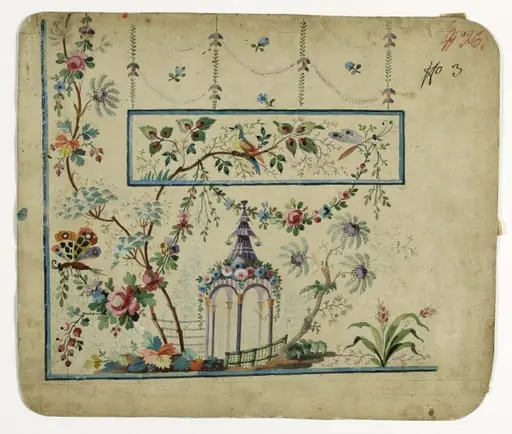 Gilet décor pagode, projets de broderies de gilet, XVIIIème siècle
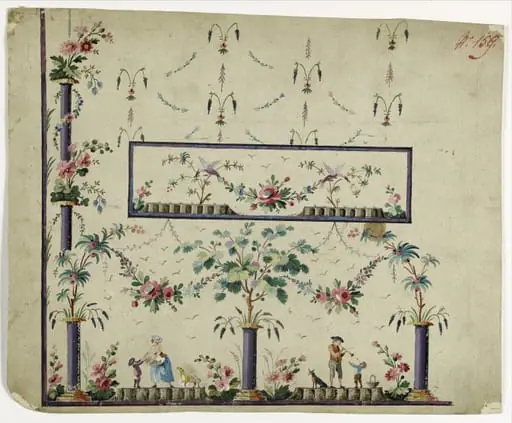 Gilet décor couple avec enfants, projets de broderies de gilet, XVIIIème siècle
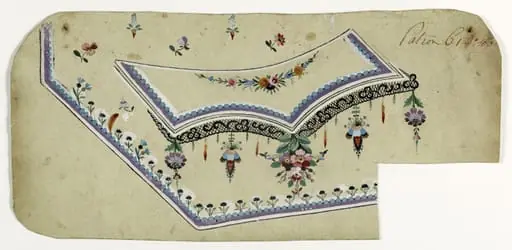 Gilet à la dentelle noire, projets de broderies de gilet, XVIIIème siècle
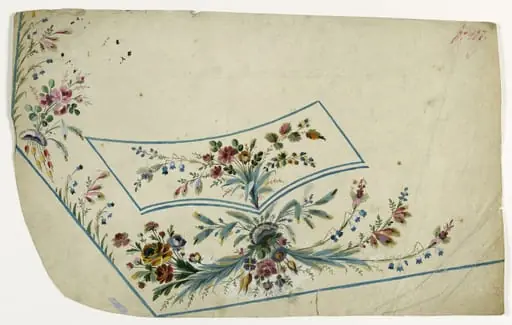 Gilet aux feuilles bleu-gris, projets de broderies de gilet, XVIIIème siècle
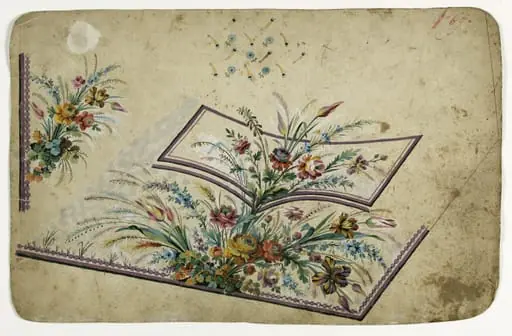 Gilet au bouquet de fleurs multicolores, projets de broderies de gilet, XVIIIème siècle
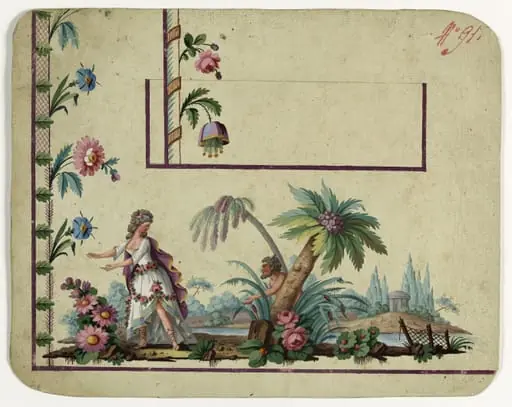 Gilet décor Flore et le faune, projets de broderies de gilet, XVIIIème siècle
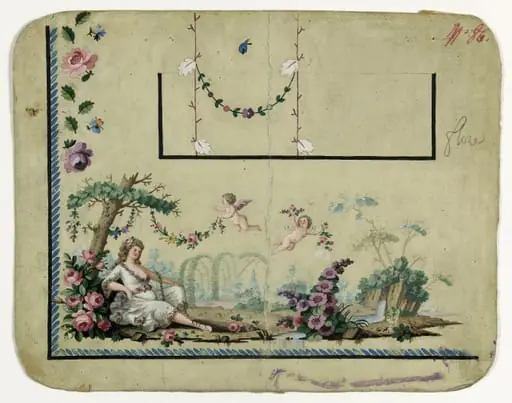 Gilet décor la déesse Flore dans un paysage, projets de broderies de gilet, XVIIIème siècle
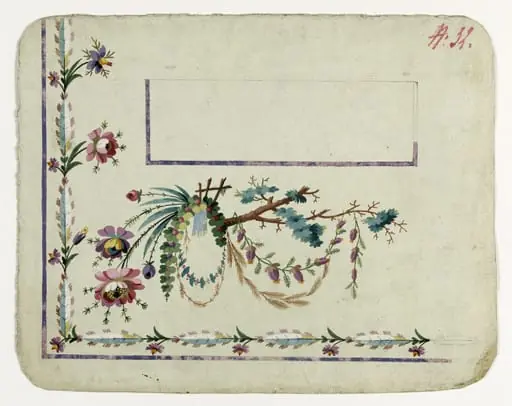 Gilet décor guirlande de branchage et de fleurs, projets de broderies de gilet, XVIIIème siècle
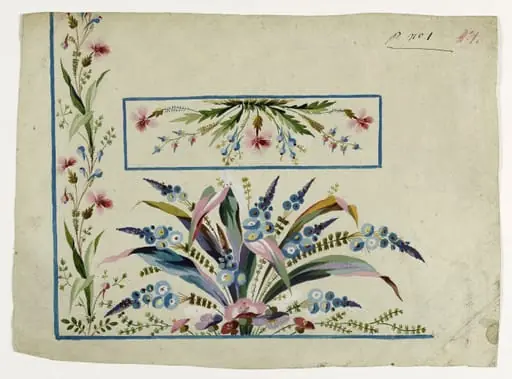 Gilet décor bouquet de bleuets et d'oeillets, projets de broderies de gilet, XVIIIème siècle
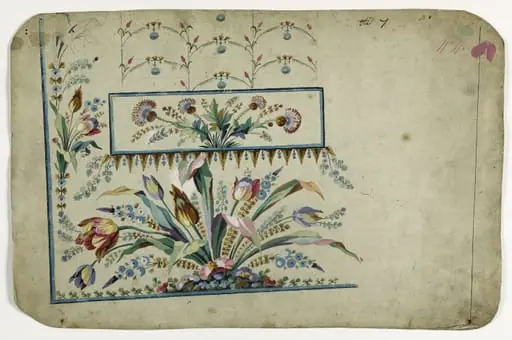 Gilet décor bouquet de tulipes, projets de broderies de gilet, XVIIIème siècle
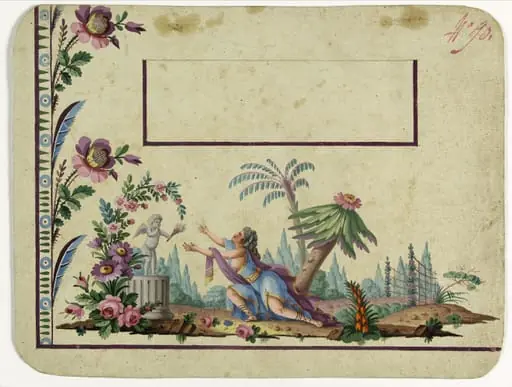 Gilet décor la déesse Flore avec un putti en pierre, projets de broderies de gilet, XVIIIème siècle
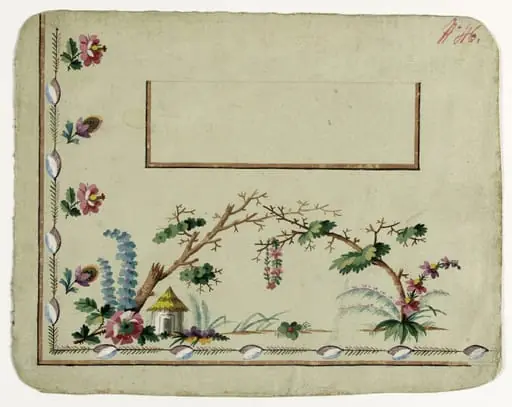 Gilet décor petite chaumière, projets de broderies de gilet, XVIIIème siècle
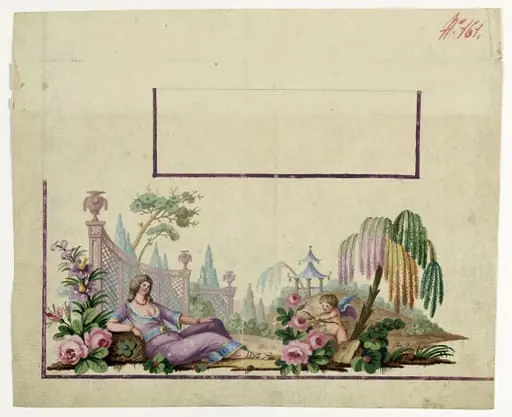 Gilet décor la déesse Flore dans un paysage de treillage, projets de broderies de gilet, XVIIIème siècle
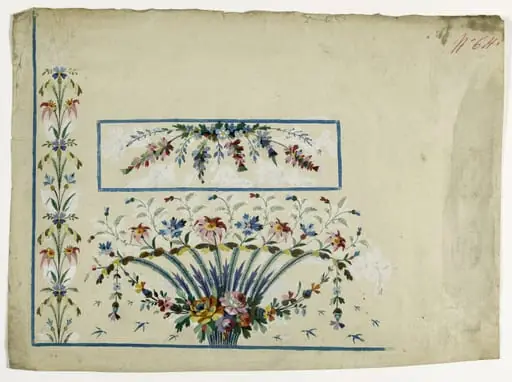 Gilet décor bouquet oeillets et églantines, projets de broderies de gilet, XVIIIème siècle
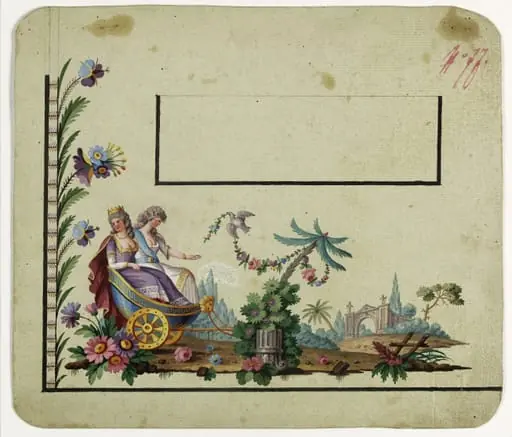 Gilet décor Didon en promenade sur un char, projets de broderies de gilet, XVIIIème siècle