Artwork
Mary, Queen of Scots
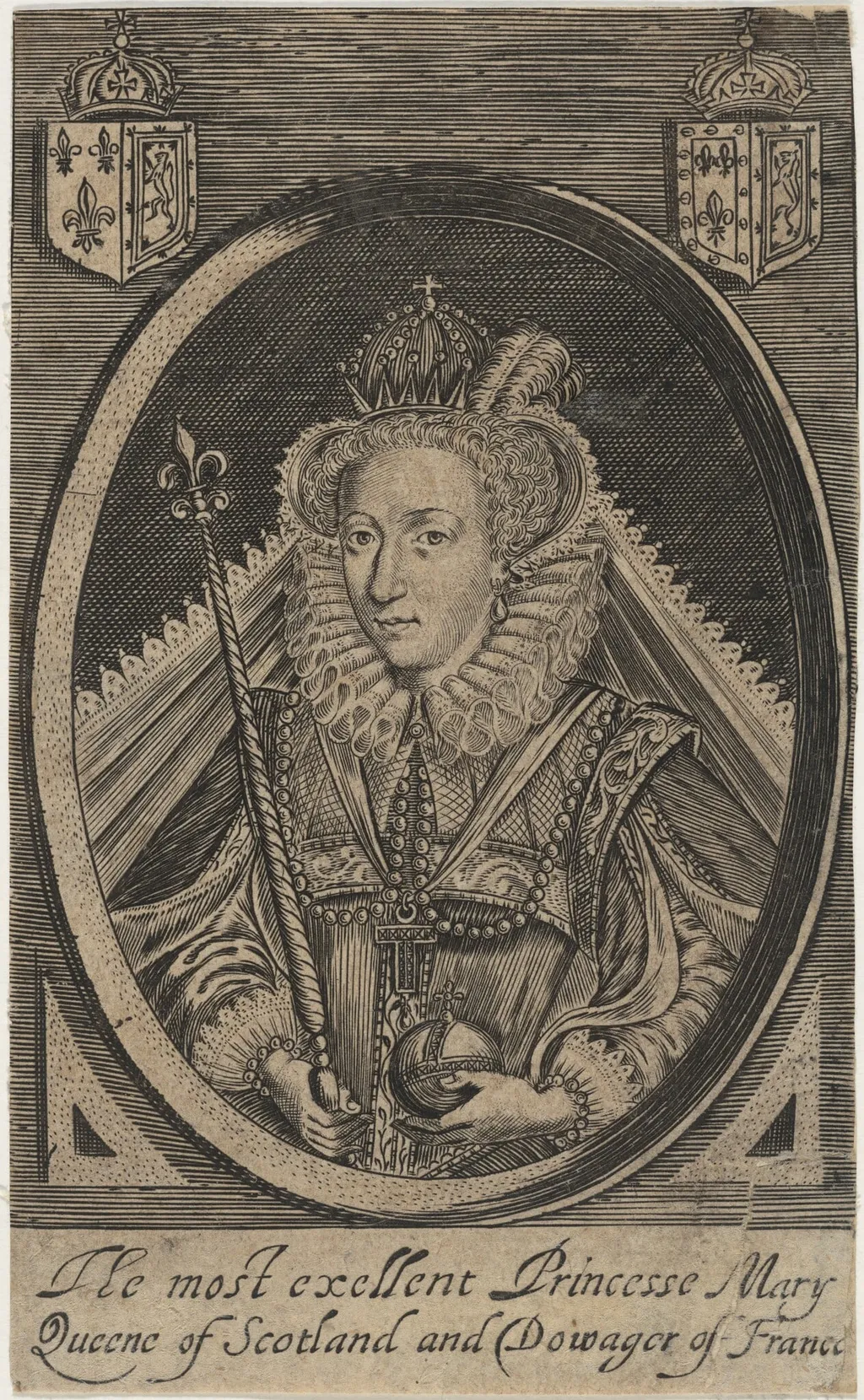
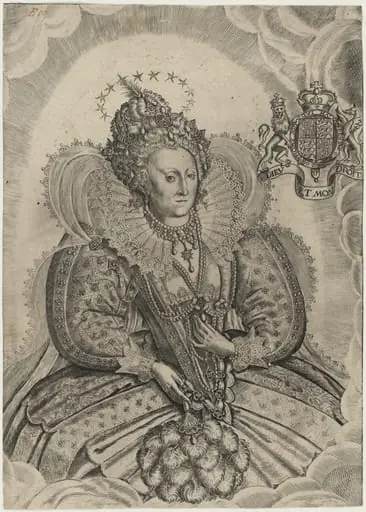
Mary, Queen of Scots is an ink print by the Renaissance artist Unknown. It dates from 1598 and is held in the collection of the National Gallery of Art.
About this work
Overview
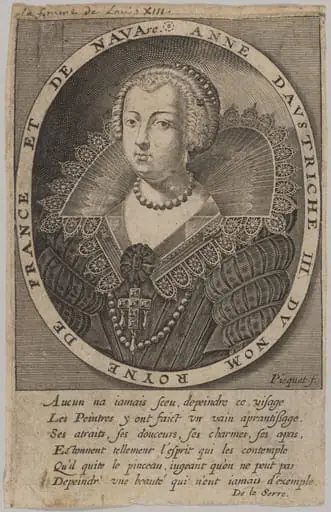
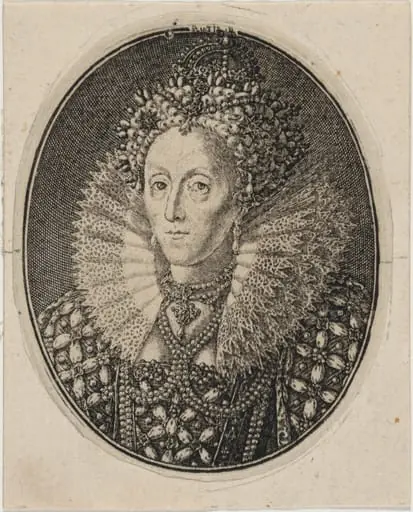
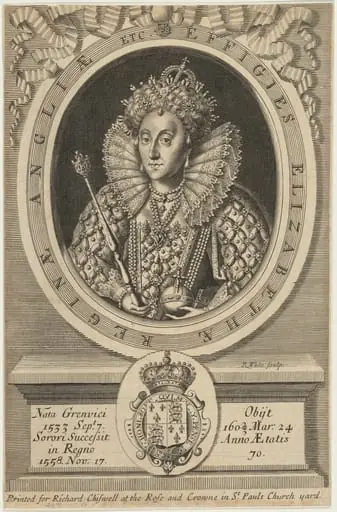
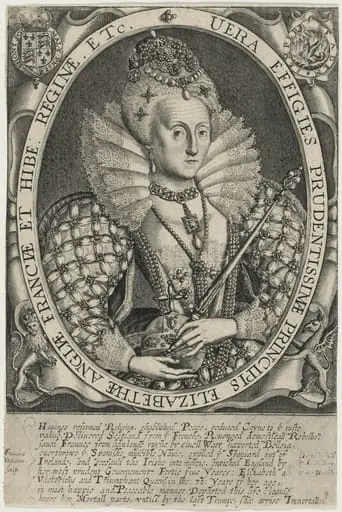
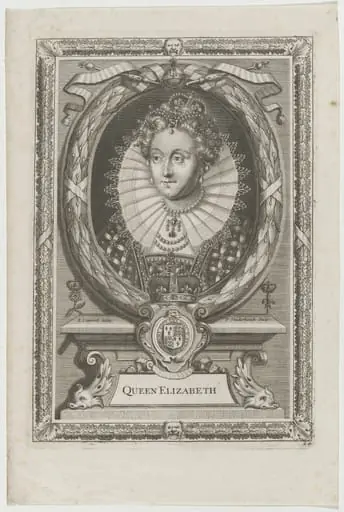
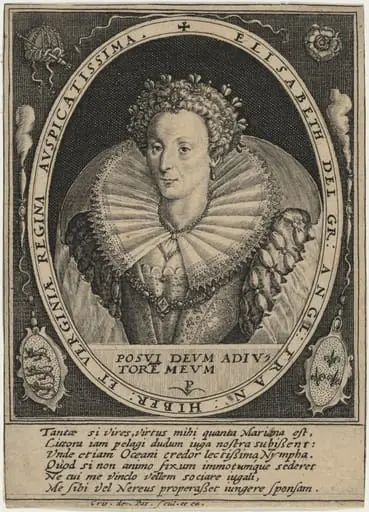
This black-and-white engraving depicts Mary, Queen of Scots, presented in formal regalia as a sovereign ruler. Executed in fine linear detail typical of 16th-century printmaking, the portrait emphasizes her status through symbolic attributes rather than naturalistic expression. The composition is structured and restrained, reflecting the conventions of royal portraiture in early modern Europe.
Subject & Meaning
Mary is shown holding a globe and scepter, symbols of earthly authority and divine right to rule. The crown and ornate ruff signify her royal lineage, while the pendant chain and corner crowns reinforce her dynastic connections. The inscription identifies her as both Queen of Scotland and Dowager of France, underscoring her political identity across two kingdoms and her widowhood to Francis II.
Technique & Style
The image is rendered in engraved lines, where fine incisions on a metal plate create tonal variation and texture. The swirling background and repetitive crown motifs serve as decorative framing, common in heraldic prints of the period. The absence of color focuses attention on line and form, characteristic of reproductive prints designed for wide circulation among the literate elite.
History & Provenance
Produced during or shortly after Mary’s lifetime, this print likely circulated as propaganda or commemorative material in England and continental Europe. Its precise origin is undocumented, but similar engravings were often made from portraits by court artists and distributed to assert legitimacy or political claims during periods of dynastic instability.
Context
In the mid-1500s, printed portraits of monarchs functioned as tools of political messaging, especially when direct access to the ruler was limited. Mary’s dual title as Queen of Scotland and former Queen of France reflected the complex alliances between European courts. Such images helped shape public perception amid religious conflict and succession disputes.
Legacy
This engraving exemplifies how print media extended the reach of royal imagery beyond court circles. Though not created by a major artist, it reflects standardized iconography used to convey authority in an era before photography. Surviving examples like this contribute to the visual record of female sovereignty in early modern Europe.
Artist & collection

 Domestic Scene
 Giacomo and Cardinal Marco, investing Andrea, Abbot of San Zeno, with his Benefice
 The Nymph of Fontainebleau
 Portrait of a Woman
 Madonna and Child with Saints in the Enclosed Garden
 Venus and Minerva
 Family Group of Four on Sofa
 Wall painting from Room H of the Villa of P. Fannius Synistor at Boscoreale
![Elizabeth, Queen of England [right half], by Simon van de Passe](https://artifactworldgallery.com/img/simon-van-de-passe--elizabeth-queen-of-england-right-half--c9ae54c2d0f8ade2-w320.webp)