Artwork
Elizabeth, Queen of England
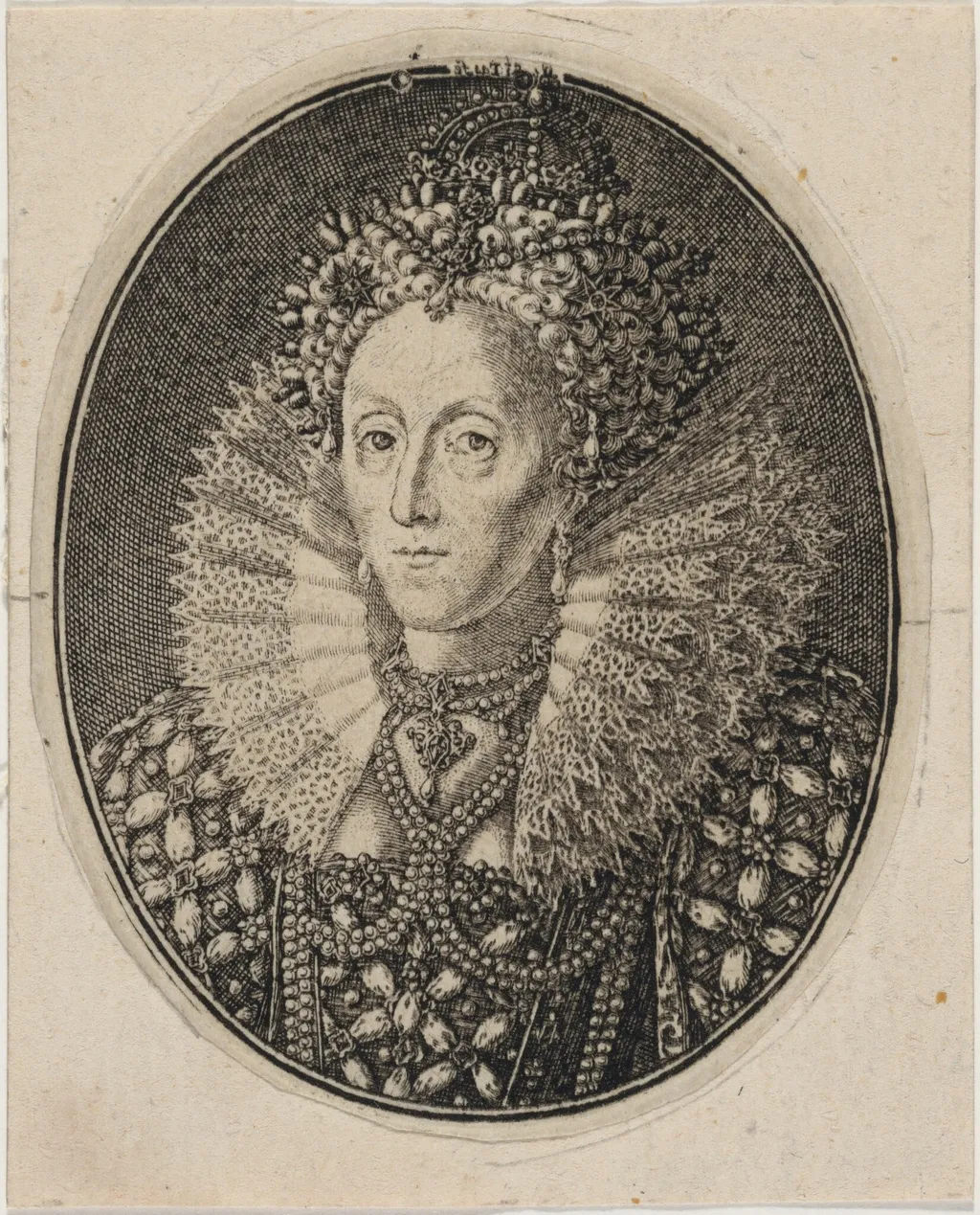
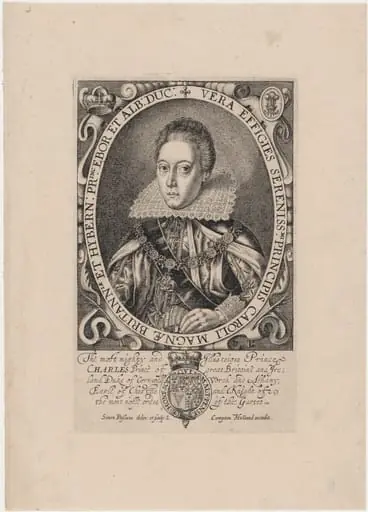
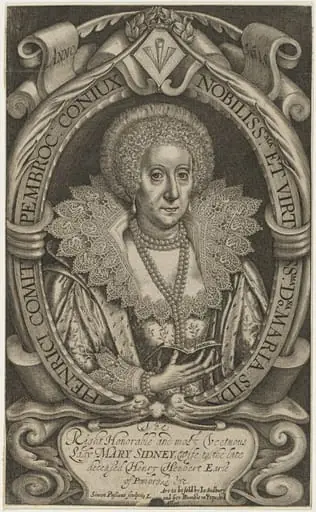
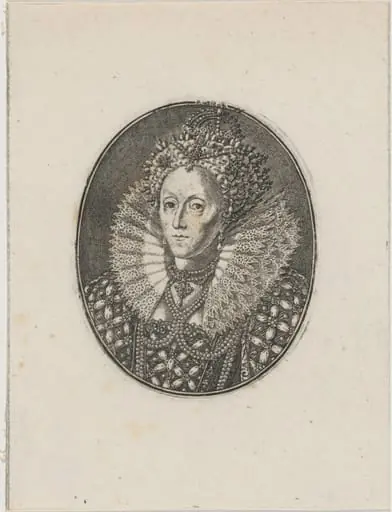
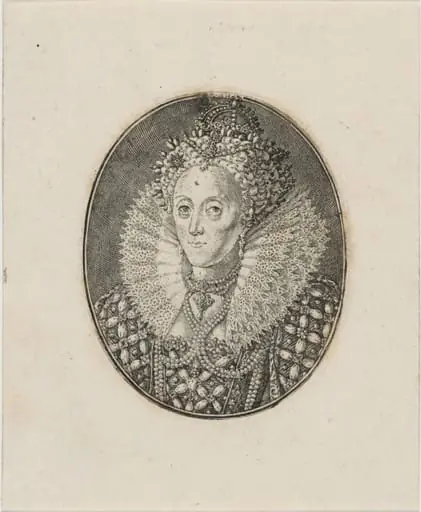
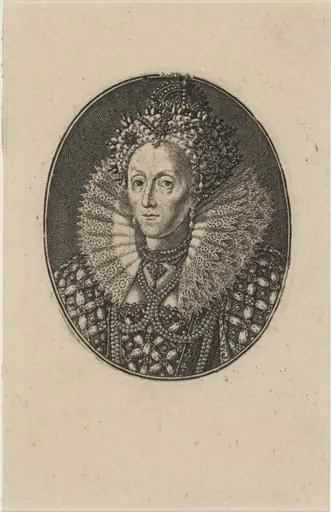
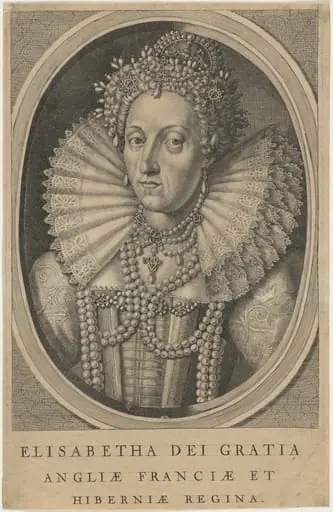
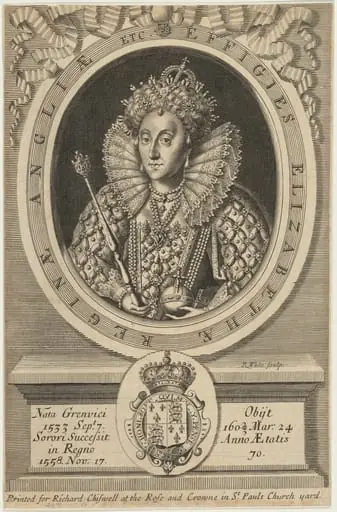
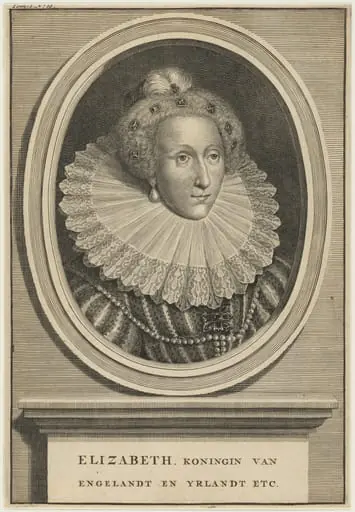
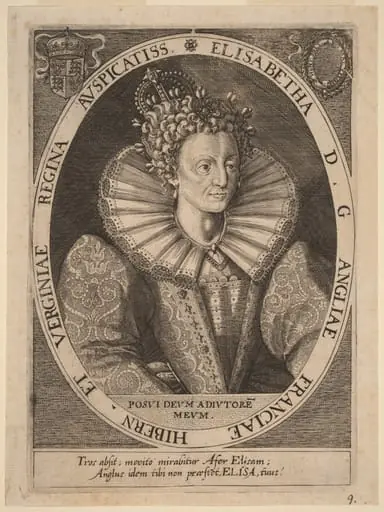
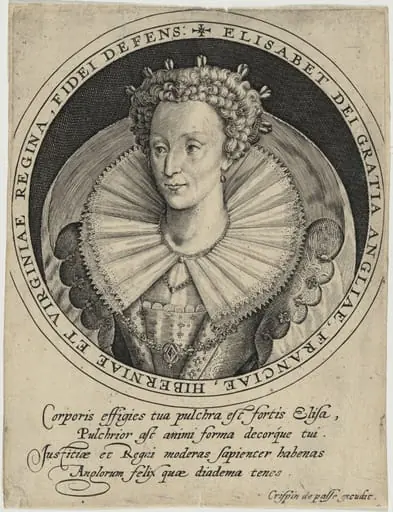
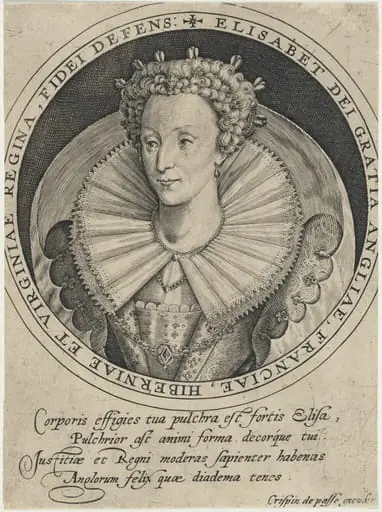
Elizabeth, Queen of England is an ink print by the Renaissance artist Simon van de Passe. It dates from 1621 and is held in the collection of the National Gallery of Art.
About this work
Overview
This 1621 engraving by Simon van de Passe depicts Elizabeth of Bohemia, daughter of King James I of England, as a royal figure.
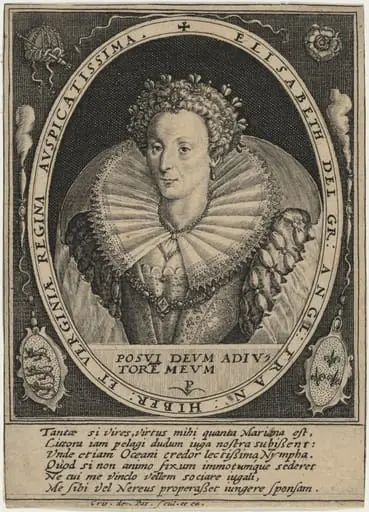
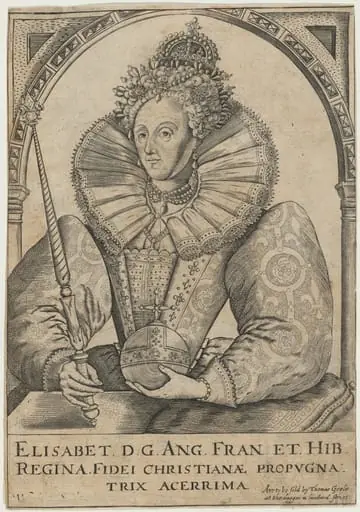
This 1621 engraving by Simon van de Passe depicts Elizabeth of Bohemia, daughter of King James I of England, as a royal figure. Though often mistaken for Queen Elizabeth I, the subject is the younger queen consort of the Palatinate. The work belongs to a tradition of printed portraiture used to circulate the likenesses of European nobility, produced with precision and intended for dissemination among elite circles.
Subject & Meaning
The portrait presents Elizabeth in formal court attire, conveying dignity and status rather than personal emotion. Her downward gaze suggests contemplation, aligning with ideals of royal composure. The elaborate headdress and jeweled garments emphasize her position within the Protestant nobility, reinforcing her identity as a figure of political and dynastic significance during a turbulent period of European religious conflict.
Technique & Style
Van de Passe employed fine cross-hatching and delicate line work to render texture and volume in the fabric, lace, and jewels. The engraving’s meticulous detail reflects the Northern European tradition of printmaking, where tonal gradation and precision replaced color to achieve realism. The flat background focuses attention on the figure, enhancing the sense of formality and restraint characteristic of early 17th-century portraiture.
History & Provenance
Created in 1621, the engraving was likely made for distribution among European courts and collectors. Van de Passe, a Dutch artist working in the Netherlands, specialized in royal portraits and was known for his accurate likenesses. The print may have been commissioned to affirm Elizabeth’s status after her family’s exile from Bohemia, serving both as a personal memento and a political statement of continued legitimacy.
Context
This work emerged during the Thirty Years’ War, a time when Protestant nobility sought to maintain visibility and influence despite territorial losses. Portraits like this one functioned as tools of diplomacy and identity, circulating among allies. The emphasis on opulence and decorum reflects the broader cultural values of the early Baroque period, where visual representation reinforced social hierarchy and dynastic continuity.
Legacy
Van de Passe’s engraving remains a key example of early modern print culture, illustrating how portraiture extended beyond painting to reach wider audiences. It contributes to the historical record of Elizabeth of Bohemia’s public image and exemplifies the technical sophistication of Dutch engraving. The work continues to be studied for its role in shaping perceptions of royal femininity and political presence in the 17th century.
Artist & collection