Artwork
Gouverneur-generaal Jan Pietersz Coen
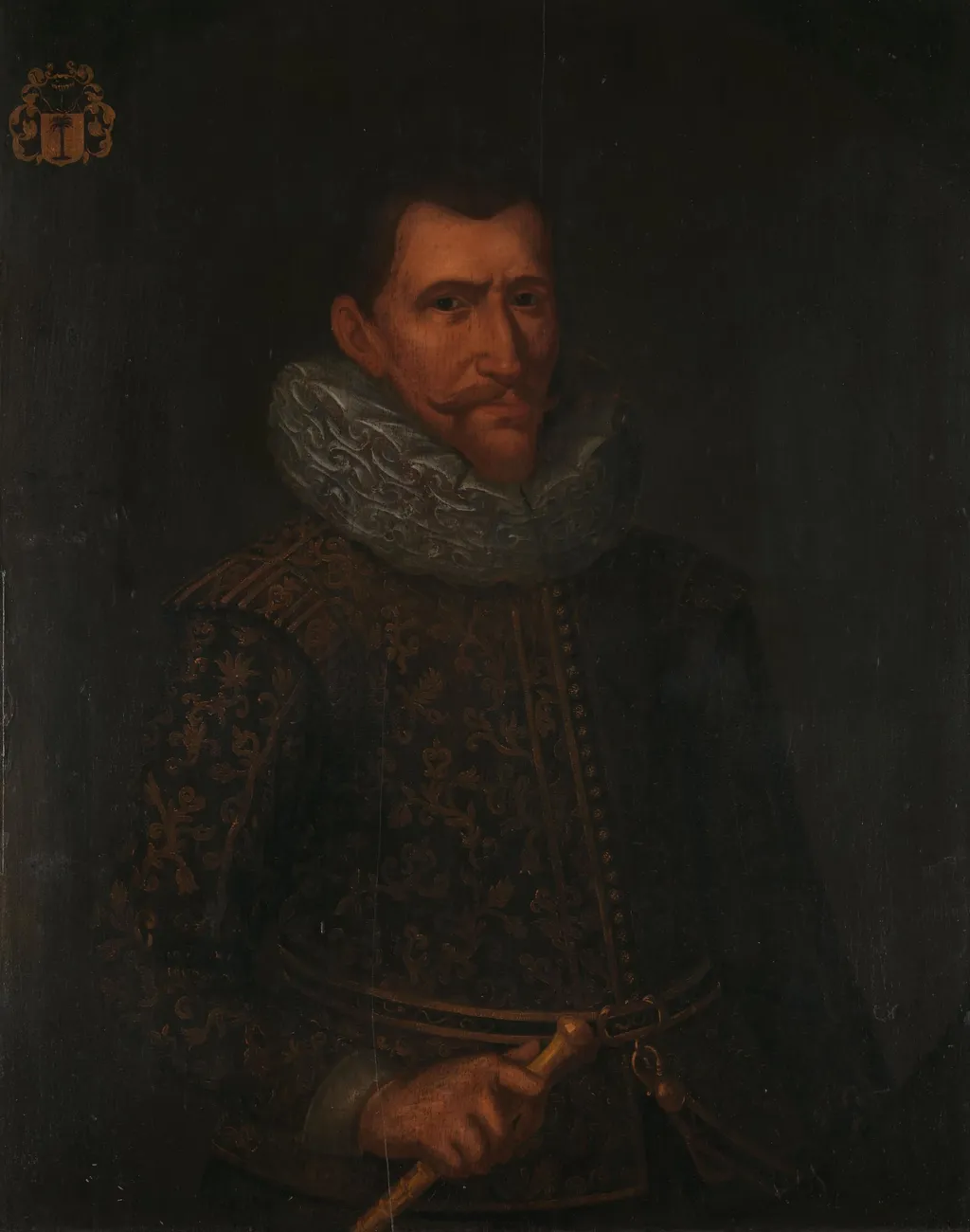
Gouverneur-generaal Jan Pietersz Coen is an unspecified painting by the Dutch Golden Age artist Unknown. It dates from 1648 and is held in the collection of the Rijksmuseum.
About this work
Overview
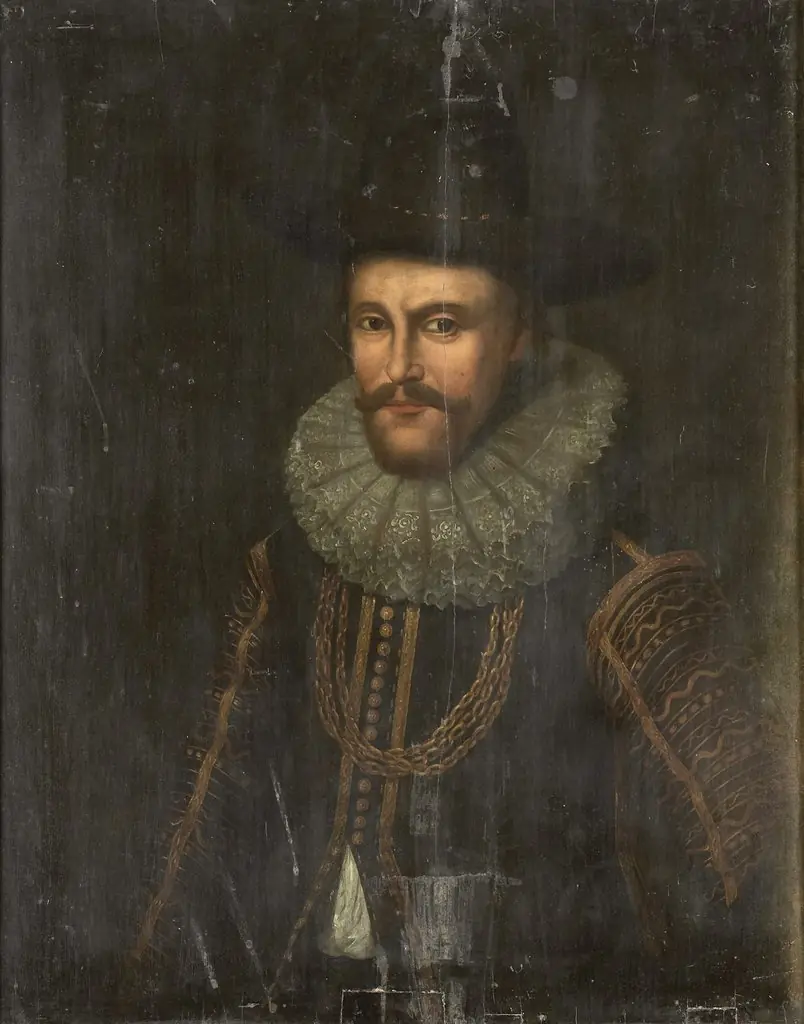
The portrait depicts Jan Pietersz Coen, the early 17th‑century governor‑general of the Dutch East Indies, shown in formal attire with a stiff black collar and lace cuffs. He gazes directly at the viewer, his pale complexion and solemn expression underscoring his authoritative presence. A dark curtain and a partially visible map form the backdrop, alluding to his role in shaping colonial policy.
Subject & Meaning
Coen is remembered for initiating the Dutch colonial project in Southeast Asia, most notably founding the settlement of Batavia in 1619.
Coen is remembered for initiating the Dutch colonial project in Southeast Asia, most notably founding the settlement of Batavia in 1619. While the Dutch East India Company’s directors favored limited trading outposts, Coen pursued territorial control, employing military force to secure resources such as the nutmeg monopoly on the Banda Islands, where he ordered the mass extermination of the indigenous population.
Technique & Style
Executed years after Coen’s death, the work reflects a posthumous idealisation rather than a direct likeness. The artist employs a restrained palette and chiaroscuro to highlight the figure against a muted background, using the map and curtain as symbolic devices that convey power and imperial ambition without elaborate narrative detail.
Context
Created in a period when Dutch national identity was increasingly linked to overseas expansion, the portrait serves as a visual embodiment of the era’s imperial aspirations. It aligns Coen with other Dutch statesmen portrayed in the Rijksmuseum collection, presenting him as a personification of the aggressive commercial and territorial policies that defined the early Dutch East India Company.
Artist & collection

 Domestic Scene
 Giacomo and Cardinal Marco, investing Andrea, Abbot of San Zeno, with his Benefice
 The Nymph of Fontainebleau
 Portrait of a Woman
 Madonna and Child with Saints in the Enclosed Garden
 Venus and Minerva
 Family Group of Four on Sofa
 Wall painting from Room H of the Villa of P. Fannius Synistor at Boscoreale
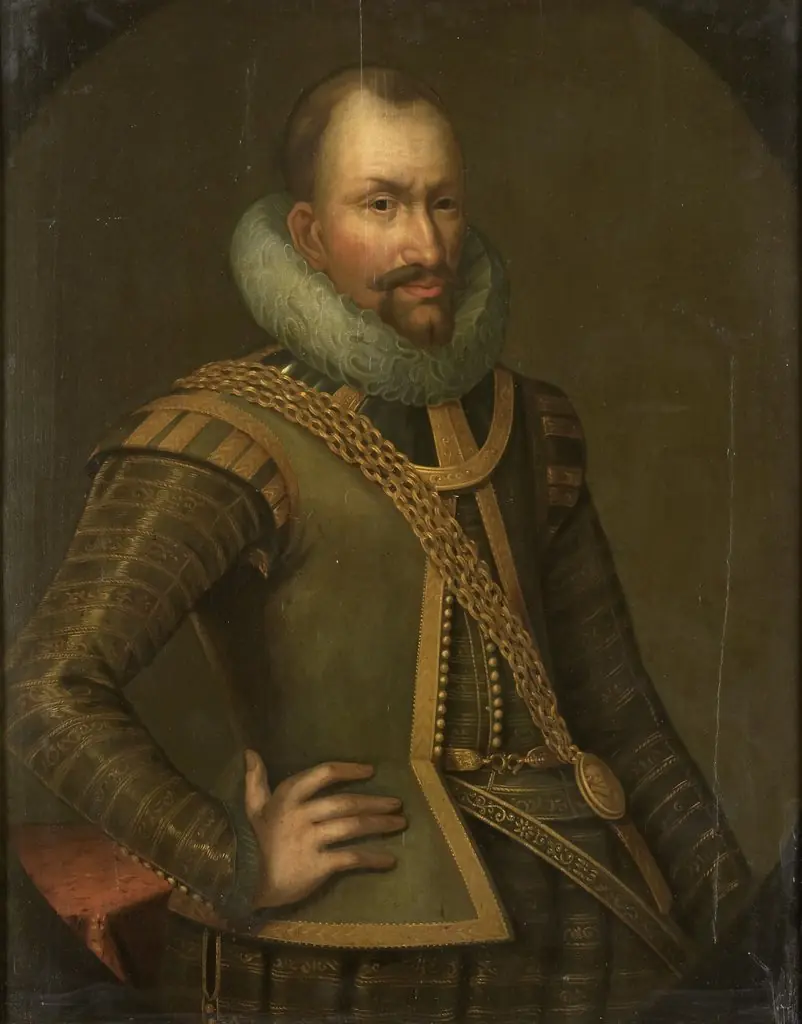 Portrait of Gerrit Reynst (c. 1568-1615)
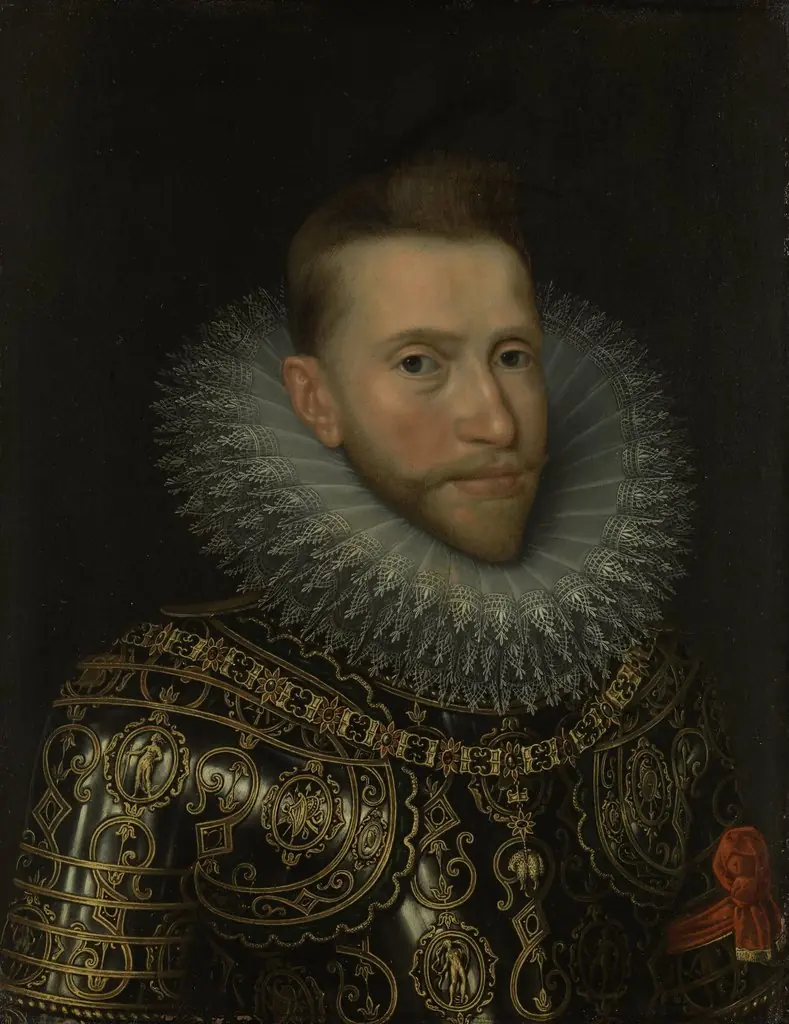 Albert VII, Archduke of Austria
 Untitled
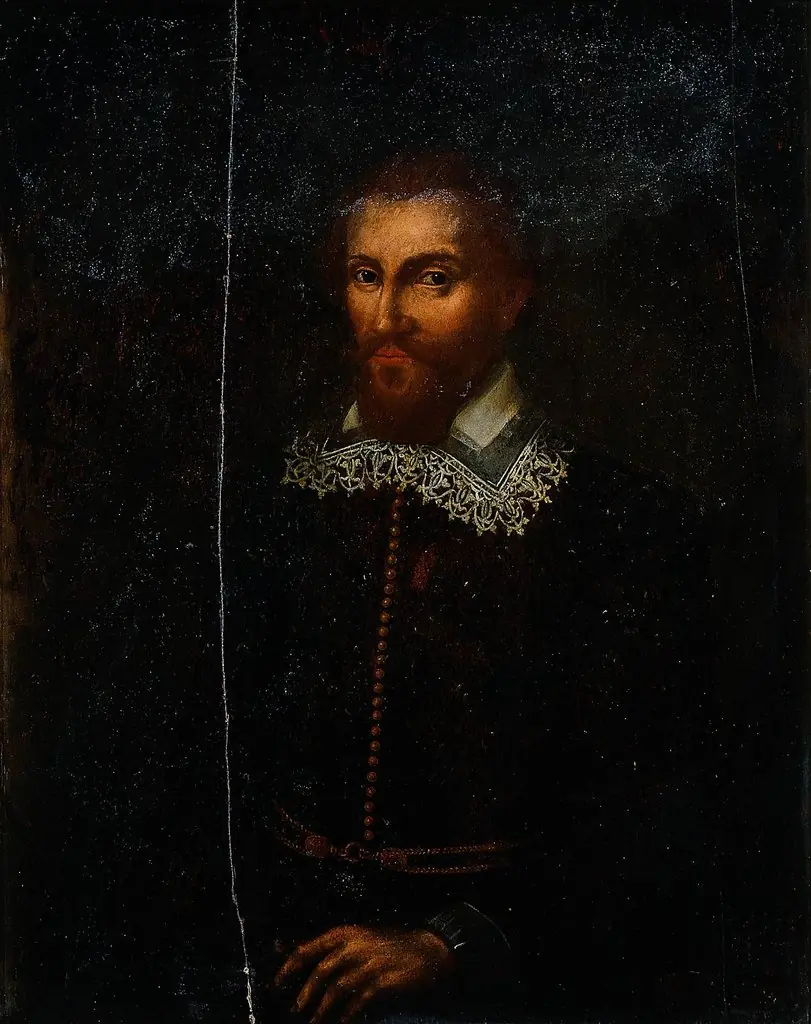 Portrait of Pieter Both, Governor-General of the Dutch East Indies
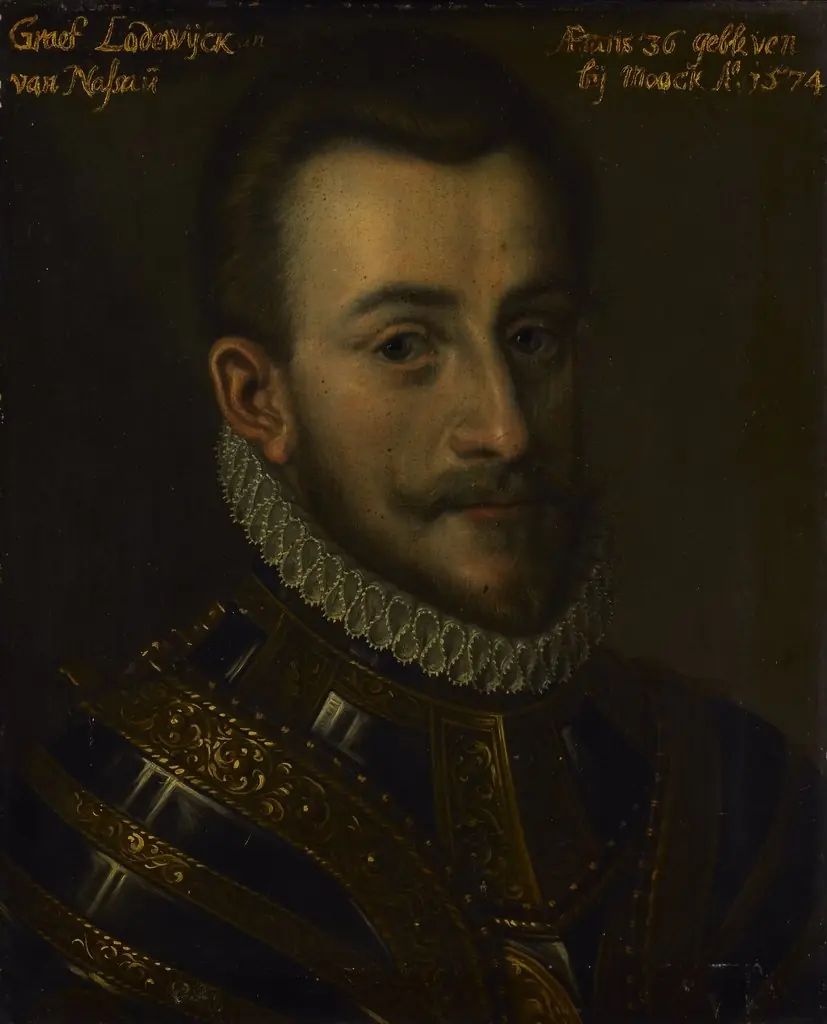 Portrait of Lodewijk (1538-74), Count of Nassau
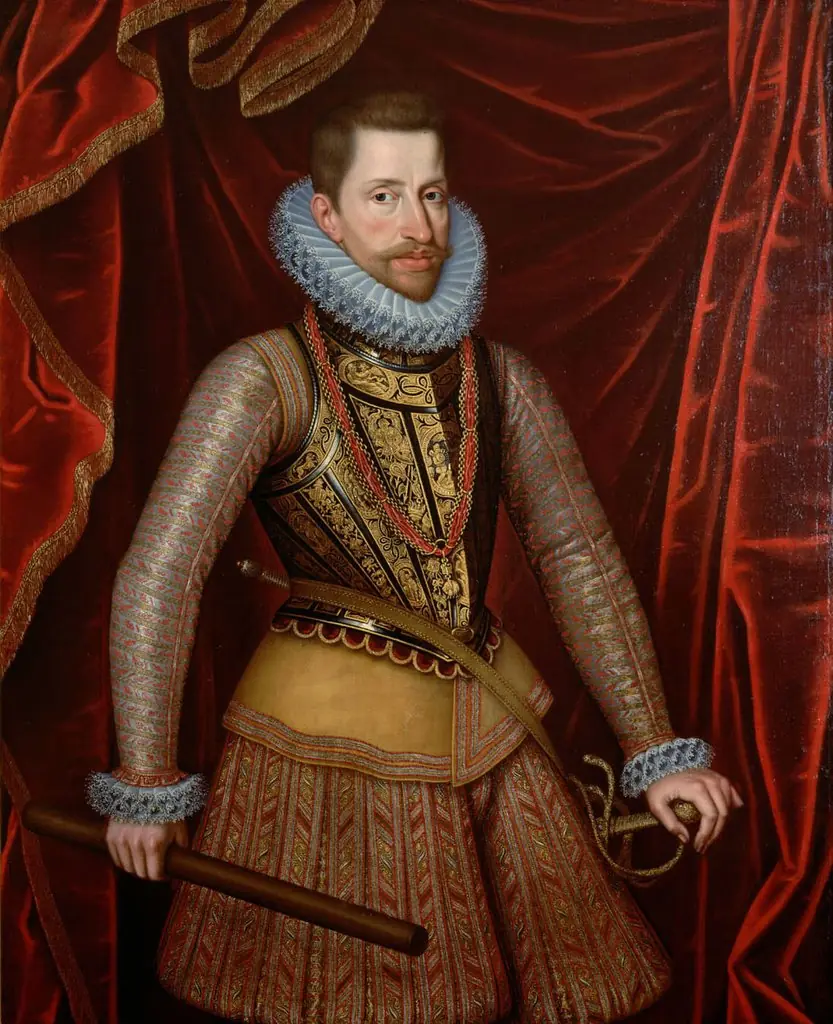 Portrait of Albrecht VII, Archduke of Austria (1559-1621)
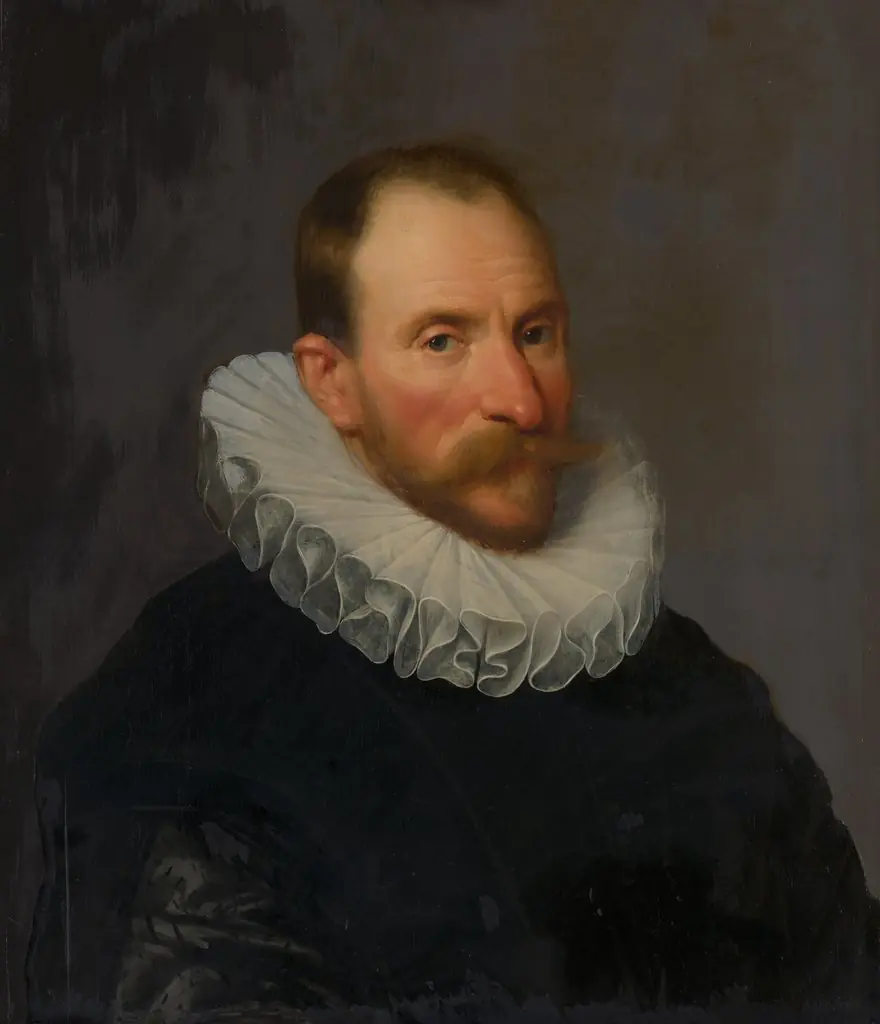 Portrait of Cornelis van Aerssen (1545-1627)
 Portrait of Laurens Reael, Governor-General of the Dutch East Indies
 Portrait of Adriaen Cromhout (d.1588)