Artwork
Lobster (recto)
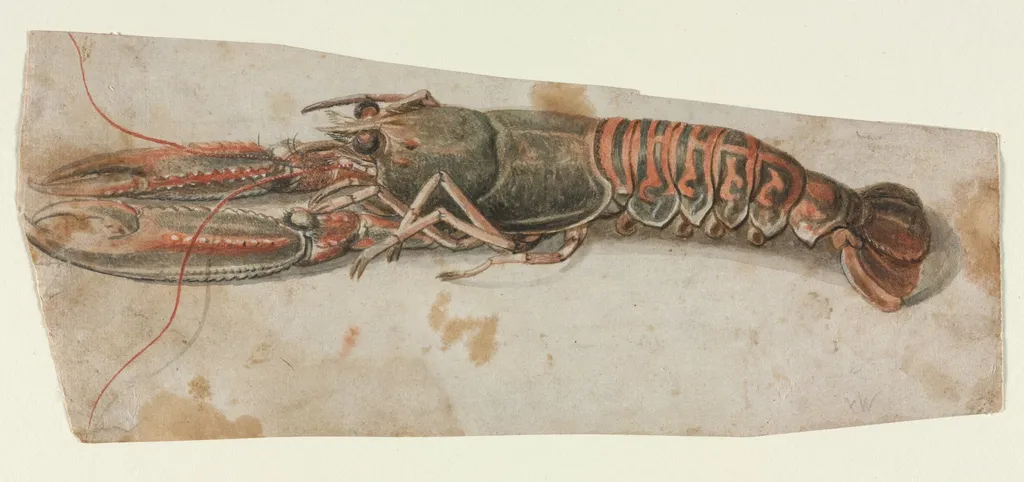
Lobster (recto) is a drawing by the Baroque artist Unknown. It dates from 1604 and is held in the collection of the Cleveland Museum of Art.
About this work
Overview
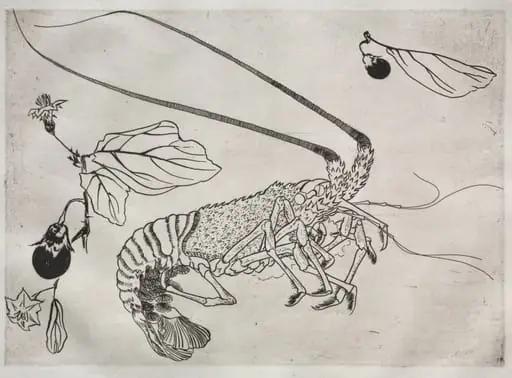
This drawing depicts a single lobster in lateral view, characterized by a dark green shell with distinctive red and white stripes on its tail, set against a plain, faded background.
Subject & Meaning
The subject is a solitary lobster, rendered in meticulous detail, particularly in its legs and claws, with selective red and orange highlights. The emphasis on the lobster's form suggests an interest in naturalistic representation.
Technique & Style
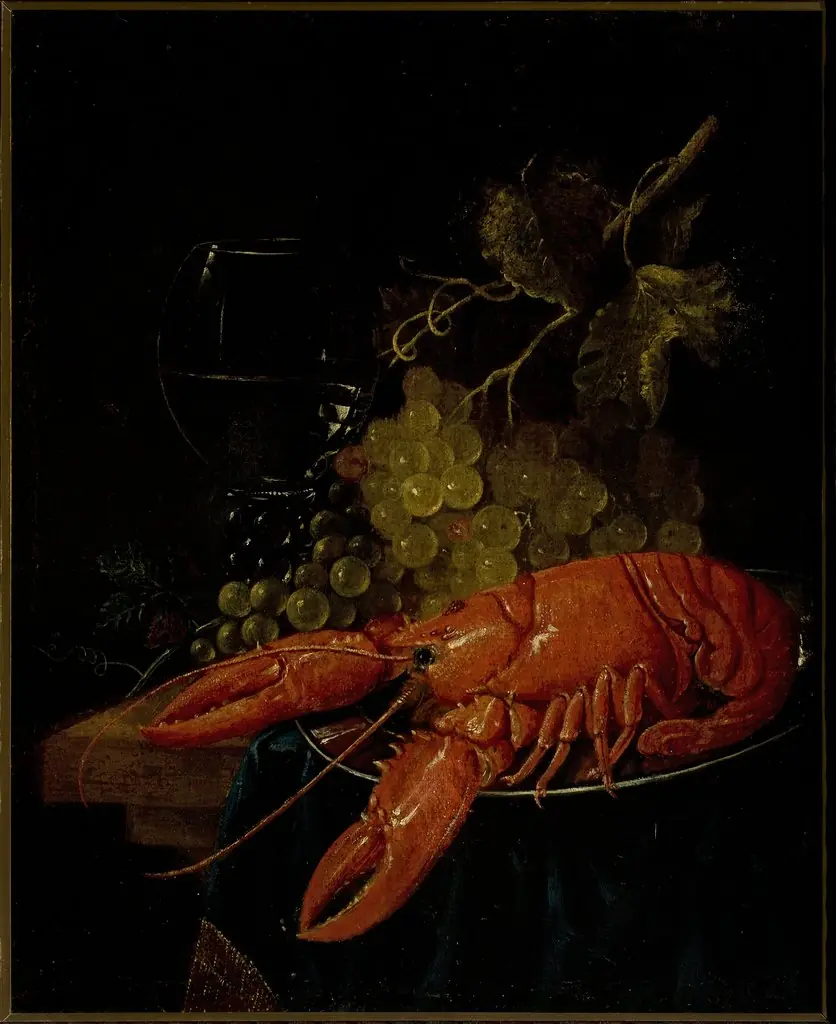
The artist employed chiaroscuro to achieve a three-dimensional effect, leveraging strong contrasts between the dark shell and lighter elements to create depth. Shadows are used to enhance the lobster's volumetric presence.
Context
The use of chiaroscuro, a technique popularized during the Renaissance, indicates the artist's familiarity with traditional European artistic practices. The plain background further emphasizes the subject, aligning with still-life traditions that often isolate objects for study or contemplation.
Legacy
While specific influence or legacy details are not provided, the drawing demonstrates technical proficiency in capturing natural subjects with depth, potentially reflecting or contributing to the broader tradition of detailed, observation-based art.
Artist & collection

 Domestic Scene
 Giacomo and Cardinal Marco, investing Andrea, Abbot of San Zeno, with his Benefice
 The Nymph of Fontainebleau
 Portrait of a Woman
 Madonna and Child with Saints in the Enclosed Garden
 Venus and Minerva
 Family Group of Four on Sofa
 Wall painting from Room H of the Villa of P. Fannius Synistor at Boscoreale
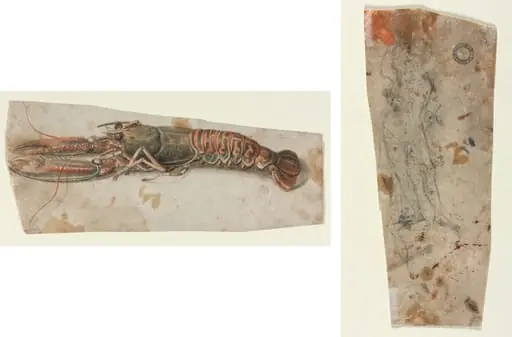 Lobster (recto) Sketch of an Armoured Male Figure (verso)
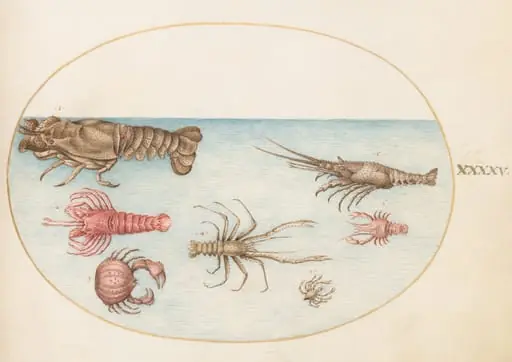 Plate 45: Lobster, Squilla Mantis, and Other Crustaceans
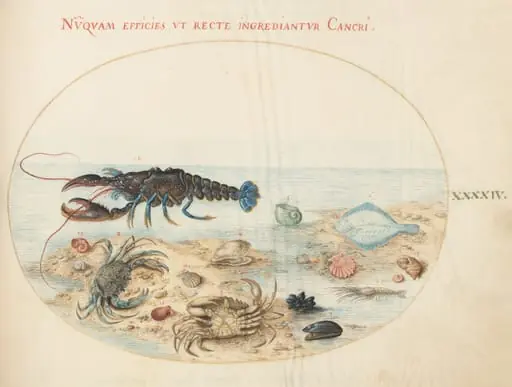 Plate 44: Lobster, Two Crabs, Scallop Shells, and Other Sea Life
 Dinner Service (Rousseau service): Large lobster with raised antenna (no. 21)
 Still life with a lobster
 Crab
Crab Plate 52: An Argonaut, Squid, Hermit Crabs, Shells, and a Crab