Artwork
Plate 52: An Argonaut, Squid, Hermit Crabs, Shells, and a Crab
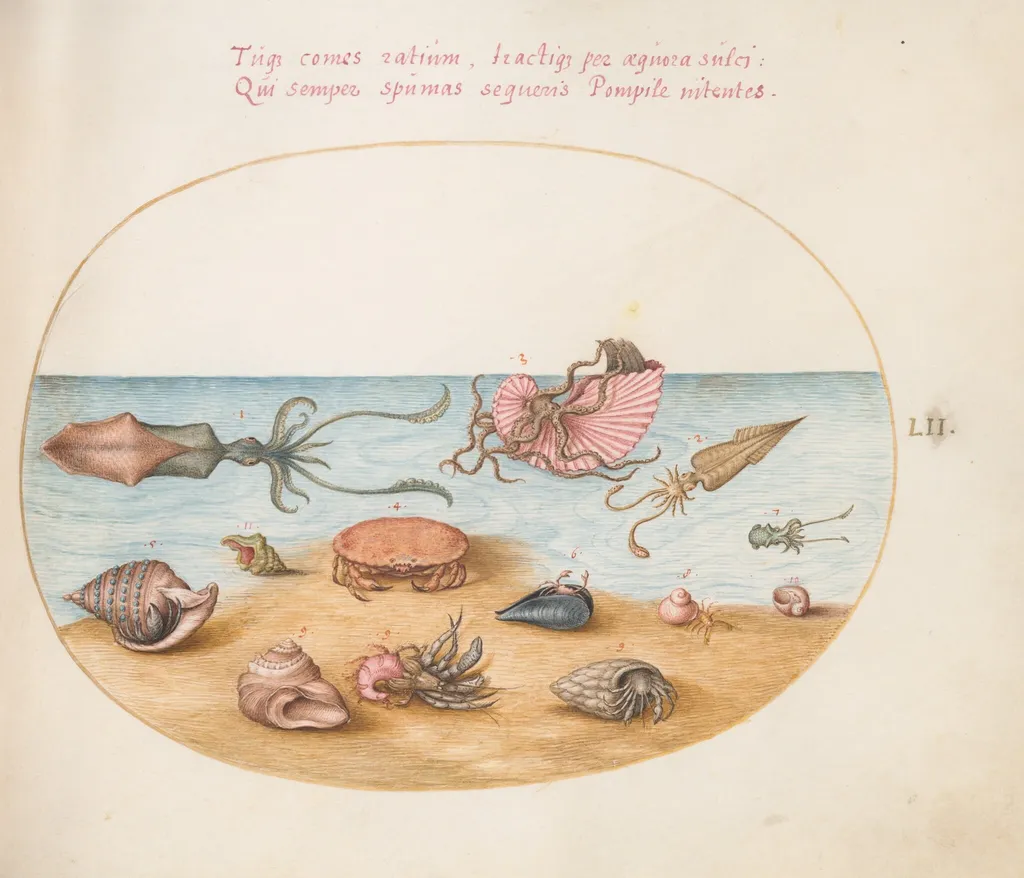
Plate 52: An Argonaut, Squid, Hermit Crabs, Shells, and a Crab is a gouache drawing by the Renaissance artist Joris Hoefnagel. It dates from 1594 and is held in the collection of the National Gallery of Art. Executed circa 1594, this work on parchment unites watercolor and gold pigment in a meticulous depiction of marine organisms.
About this work
Overview
Executed circa 1594, this work on parchment unites watercolor and gold pigment in a meticulous depiction of marine organisms. Flemish artist Joris Hoefnagel, recognized for bridging scientific inquiry and decorative illumination, presents a composition that balances empirical scrutiny with aesthetic refinement, characteristic of late Renaissance natural-history illustration.
Subject & Meaning
Rather than narrative symbolism, the grouping serves as a visual inventory, reflecting sixteenth-century interest in cataloging the natural world.
The sheet assembles an argonaut, a squid, hermit crabs, gastropod shells, and a brachyuran crab, each rendered with near-taxidermic fidelity. Rather than narrative symbolism, the grouping serves as a visual inventory, reflecting sixteenth-century interest in cataloging the natural world. The juxtaposition of specimens suggests an encyclopedic impulse, documenting marine biodiversity with detached precision.
Technique & Style
Hoefnagel layered translucent watercolor washes to achieve subtle tonal gradations, while gold accents frame the scene with luminous definition. Minute surface textures—shell ridges, crab carapace segmentation—demonstrate controlled brushwork. This method aligns with contemporary manuscript illumination practices, where scientific exactitude and ornamental elegance coexisted.
History & Provenance
Created as part of a broader series of natural-history studies, the work likely circulated among collectors and scholars in late sixteenth-century Northern Europe. Its survival on parchment indicates intended preservation, possibly within an album or bound volume. Specific early ownership remains unrecorded, though its stylistic consistency places it firmly within Hoefnagel’s documented output.
Context
The drawing emerges from a period when cabinets of curiosity and illustrated compendia proliferated across Europe. Hoefnagel’s approach mirrors the era’s fusion of art and science, where artists contributed to nascent zoological taxonomy. His work precedes the rise of specialized still-life painting, occupying a transitional role between medieval bestiaries and Enlightenment naturalism.
Artist & collection

Artist
Joris Hoefnagel or Georg Hoefnagel (1542 – 24 July 1601) was a Flemish painter, printmaker, miniaturist, draftsman and merchant.

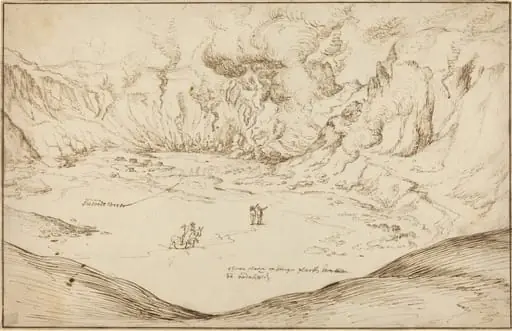 Forum Vulcani: The Hot Springs at Pozzuoli
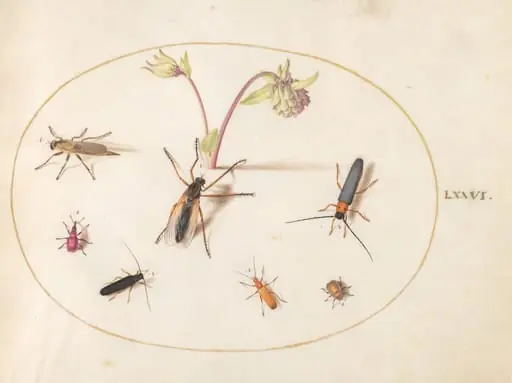 Plate 76: Insects with a Pink and Cream Columbine
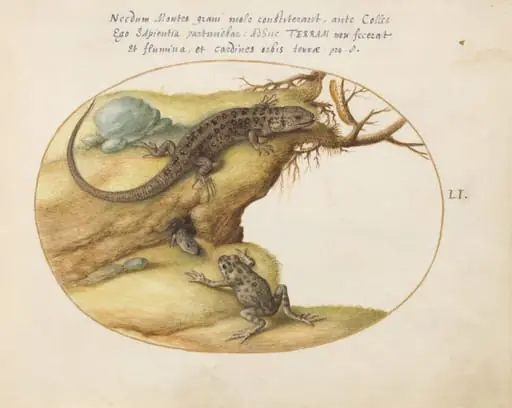 Plate 51: Two Sand Lizards, a Common Parsley Frog(?), and a Caterpillar
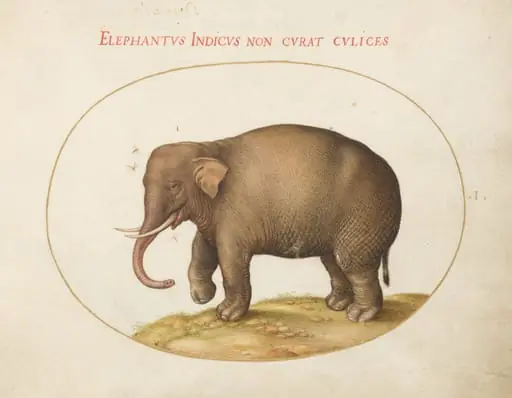 Plate 1: Elephant with Insects
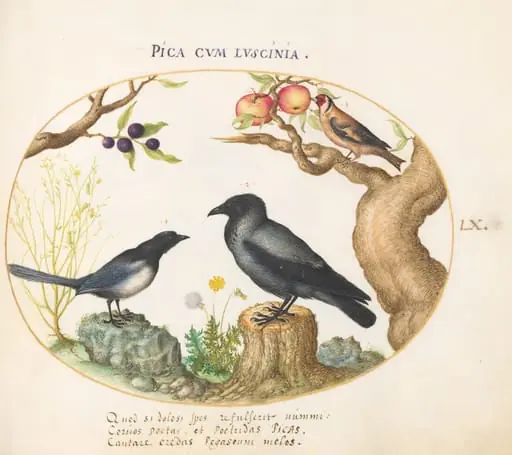 Plate 60: Magpie, Crow, and Goldfinch
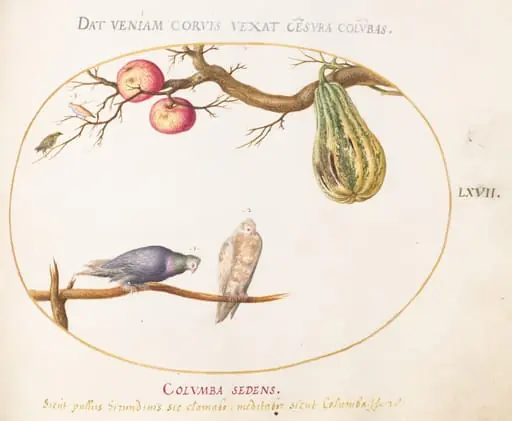 Plate 67: Two Doves beneath a Gourd and Apples
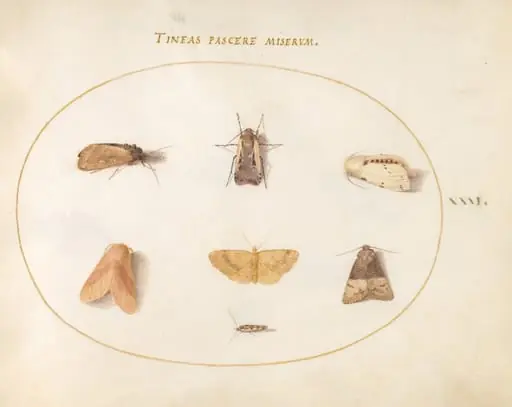 Plate 31: Seven Moths
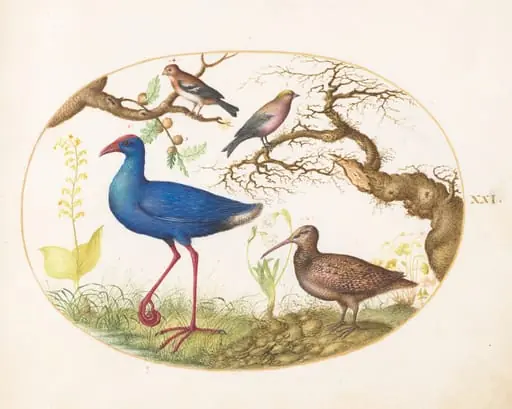 Plate 21: Swamp Hen and Woodcock with a Streaked Rosefinch, a Finch, and Oak Galls
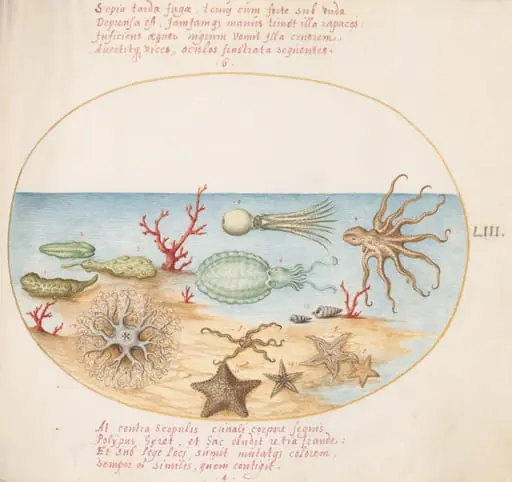 Plate 53: Sea Cucumbers, Coral, Octopus, Starfish, Squid, and Other Sea Creatures
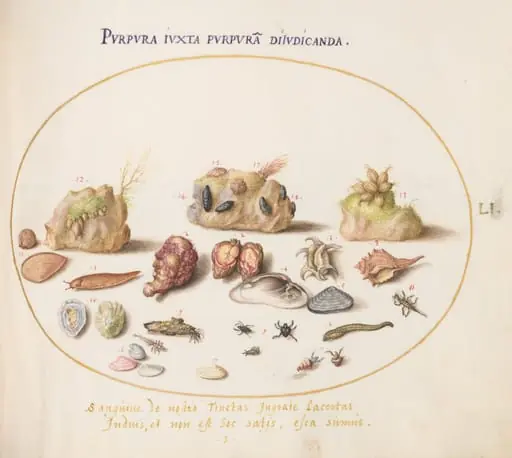 Plate 51: Murex Mollusks, Shells, Hermit Crabs, a Slug, Insects, and Other Sea Life
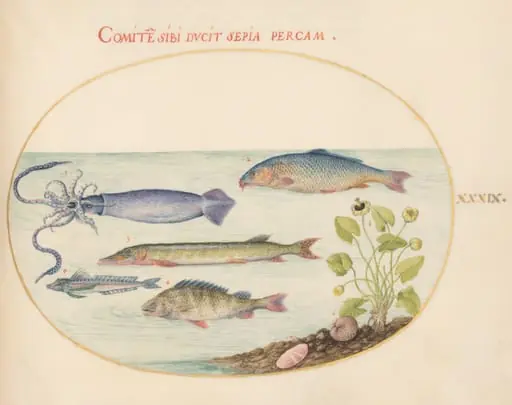 Plate 39: Squid, Gurnard, Pike, and Other Fish
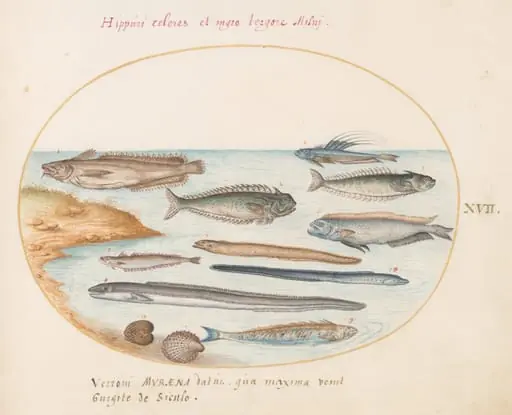 Plate 17: A Cod, Weever Fish, Eels, and Other Fish
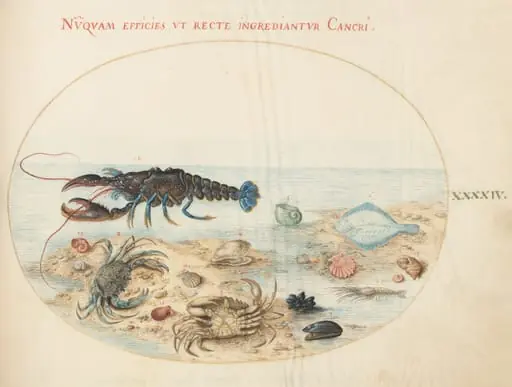 Plate 44: Lobster, Two Crabs, Scallop Shells, and Other Sea Life
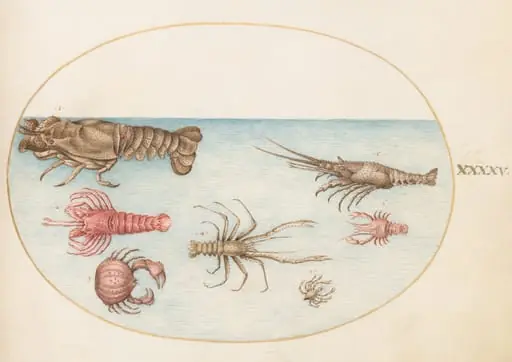 Plate 45: Lobster, Squilla Mantis, and Other Crustaceans
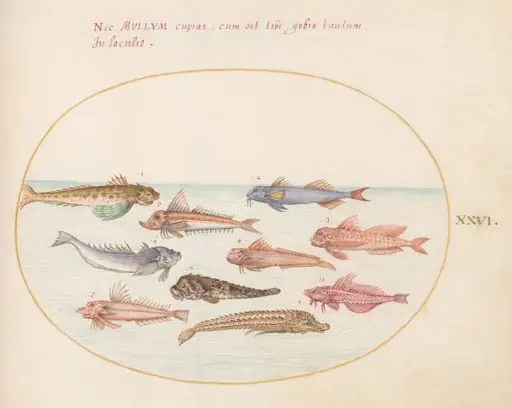 Plate 26: Gurnards, Dragonets, and Other Fish
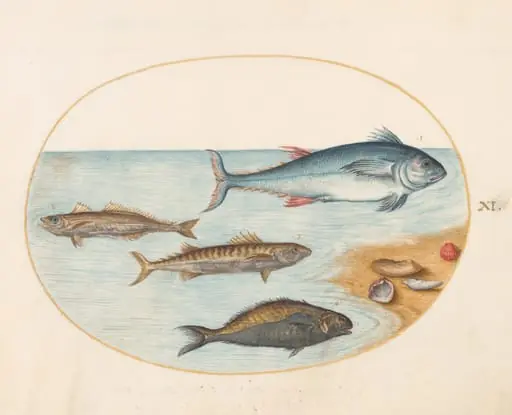 Plate 11: Four Fish and Shells
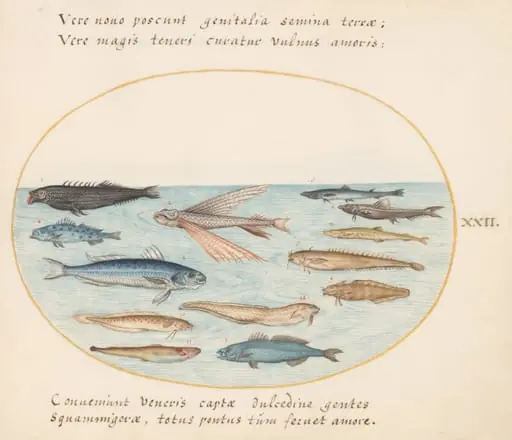 Plate 22: Mullet, Flying Fish, Eels, and Other Fish
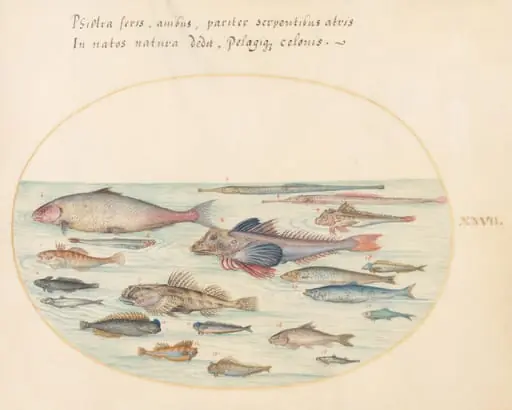 Plate 27: Blennies, Scorpion Fish, and Other Fish
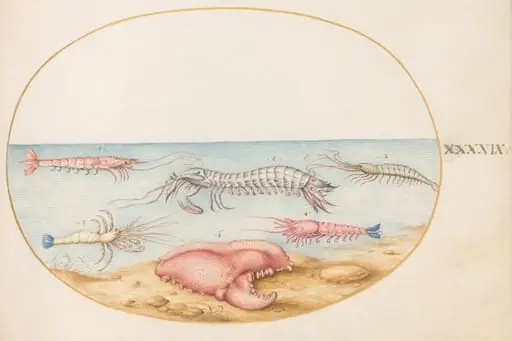 Plate 49: Mantis Shrimp and the Claw of a European Crayfish