Artwork
Portrait of Jacoba Bontemantel (1643-?)
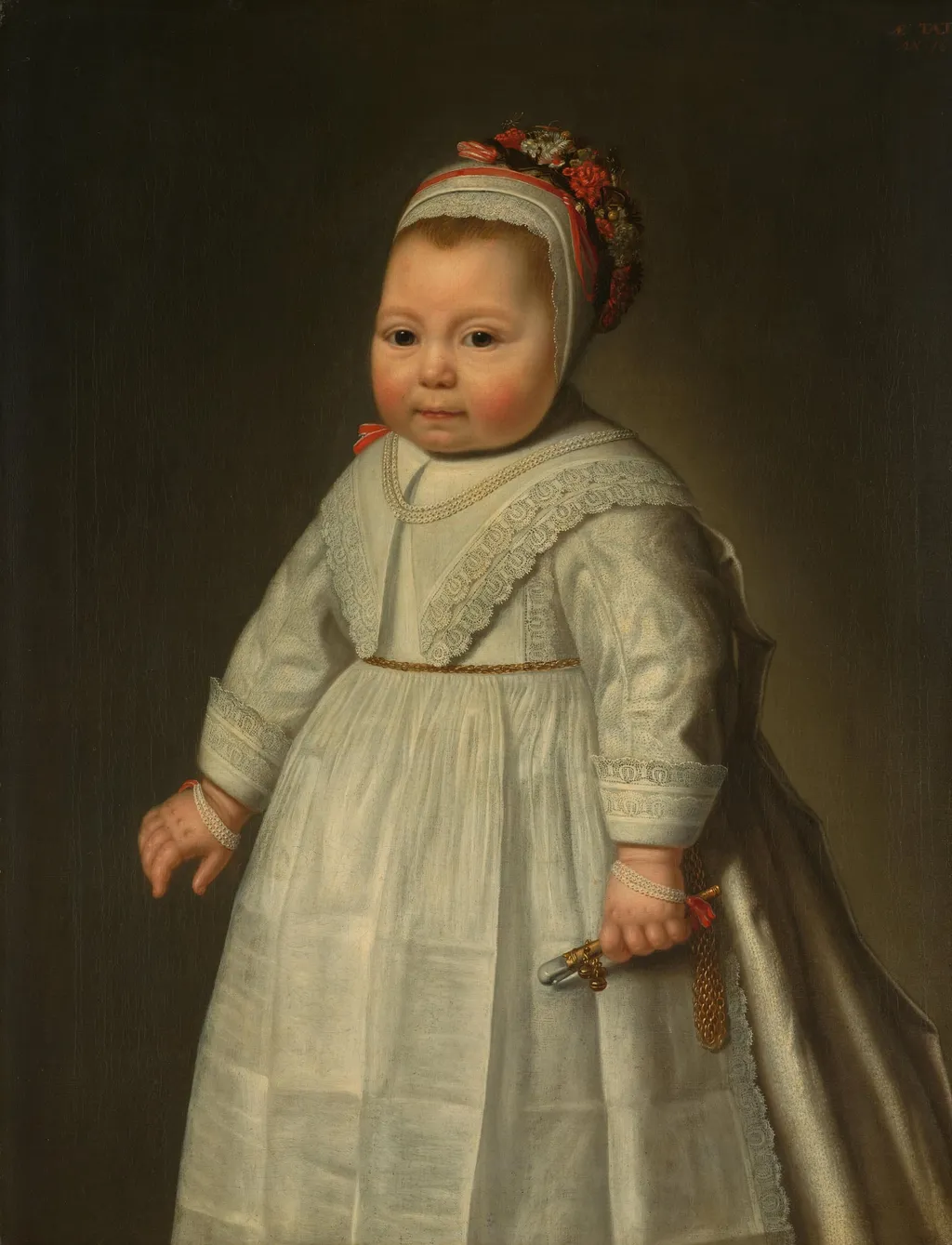
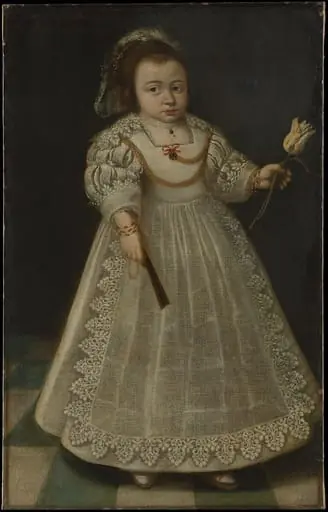
Portrait of Jacoba Bontemantel (1643-?) is an unspecified painting by the Dutch Golden Age artist Unknown. It dates from 1644 and is held in the collection of the Rijksmuseum. Painted in Amsterdam in 1644, this portrait depicts a young woman identified as Jacoba Bontemantel.
About this work
The girl’s name, Jacoba Bontemantel, is written in old script on the canvas—like a quiet signature from the past.
A girl in a black dress and white collar looks straight at you. Her lace cuffs are painted with tiny, careful strokes. A single pearl earring glints in the light.
This portrait was made in Amsterdam in 1644, but no one knows who painted it. The girl’s name, Jacoba Bontemantel, is written in old script on the canvas—like a quiet signature from the past. The artist used soft shadows to shape her face, a trick that makes her feel real, not stiff.
To see more faces like this, visit the Rijksmuseum.
Overview
Painted in Amsterdam in 1644, this portrait depicts a young woman identified as Jacoba Bontemantel. Though the artist remains unknown, the work reflects the refined portraiture style of mid-17th-century Dutch civic life. Executed on canvas, it captures a moment of quiet presence, with attention to texture and subtle light. The painting is part of a broader tradition of intimate, non-idealized depictions of individuals from Amsterdam’s middle class.
Subject & Meaning
Jacoba Bontemantel, likely a member of Amsterdam’s merchant or artisan class, is portrayed with dignity and stillness. Her direct gaze invites engagement without sentimentality. The simplicity of her attire—a black dress with white lace collar and cuffs—signals modesty and social standing rather than wealth. The single pearl earring suggests restrained elegance, a common motif in Dutch portraiture that conveys virtue through understatement.
Technique & Style
The artist employed soft chiaroscuro to model the face, avoiding harsh outlines and creating a lifelike volume. Lace cuffs and the pearl earring are rendered with meticulous brushwork, highlighting the painter’s skill in capturing fine detail. The background is muted, focusing attention on the figure. The palette is restrained—dominated by black, white, and muted tones—typical of Dutch burgher portraits that valued clarity and restraint over ornament.
History & Provenance
The painting’s earliest documented ownership traces to the 19th century, though its origins lie in 1644 Amsterdam. Jacoba’s name, inscribed in period script on the canvas, is the primary clue to her identity. No contemporary records confirm her life beyond this image. The work entered a public collection in the 20th century and is now held by the Rijksmuseum, where it is studied as an example of anonymous yet accomplished portraiture from the Dutch Golden Age.
Context
Amsterdam in the 1640s was a center of commerce and civic pride, where portraits of non-noble individuals became increasingly common. Artists responded to a growing market for personal likenesses among merchants, professionals, and their families. This portrait fits within that trend: neither royal nor religious, it reflects the values of a society that prized individual identity, modesty, and quiet achievement.
Legacy
Though the painter’s name is lost, the portrait endures as a testament to the skill of anonymous Dutch artists who captured everyday presence with remarkable sensitivity. It contributes to scholarly understanding of how identity was visually constructed in early modern Netherlands. Today, it remains a quiet anchor in the Rijksmuseum’s collection, offering viewers a direct, unmediated encounter with a 17th-century individual.
Artist & collection

 Domestic Scene
 Giacomo and Cardinal Marco, investing Andrea, Abbot of San Zeno, with his Benefice
 The Nymph of Fontainebleau
 Portrait of a Woman
 Madonna and Child with Saints in the Enclosed Garden
 Venus and Minerva
 Family Group of Four on Sofa
 Wall painting from Room H of the Villa of P. Fannius Synistor at Boscoreale
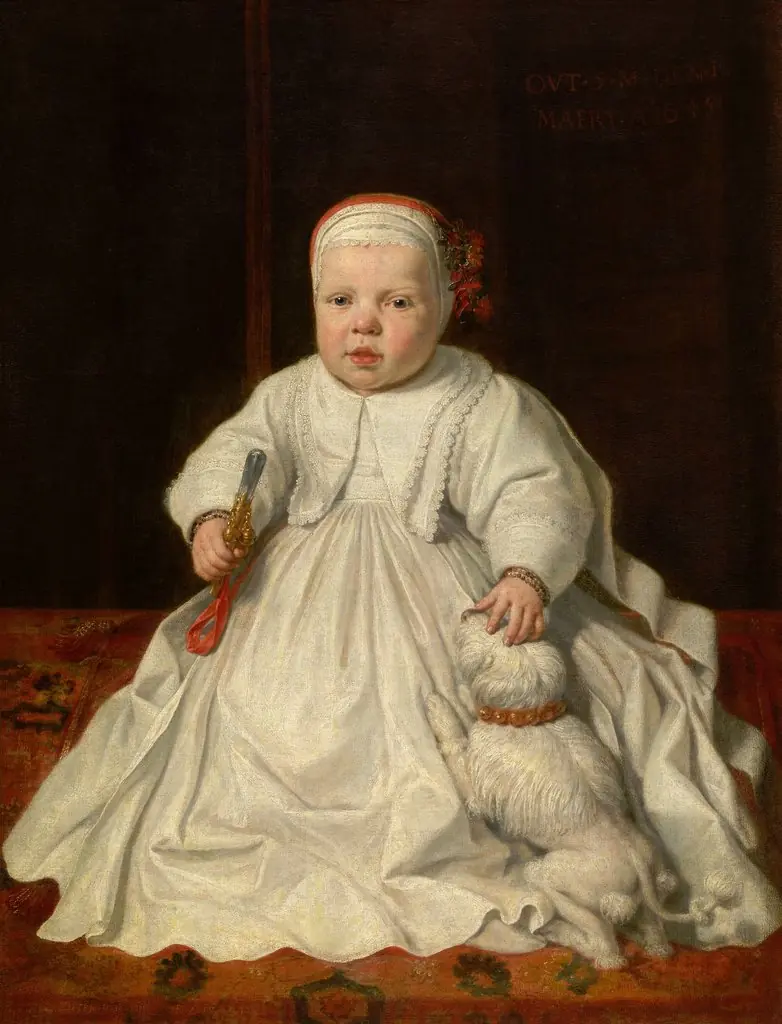 Portrait of a Girl
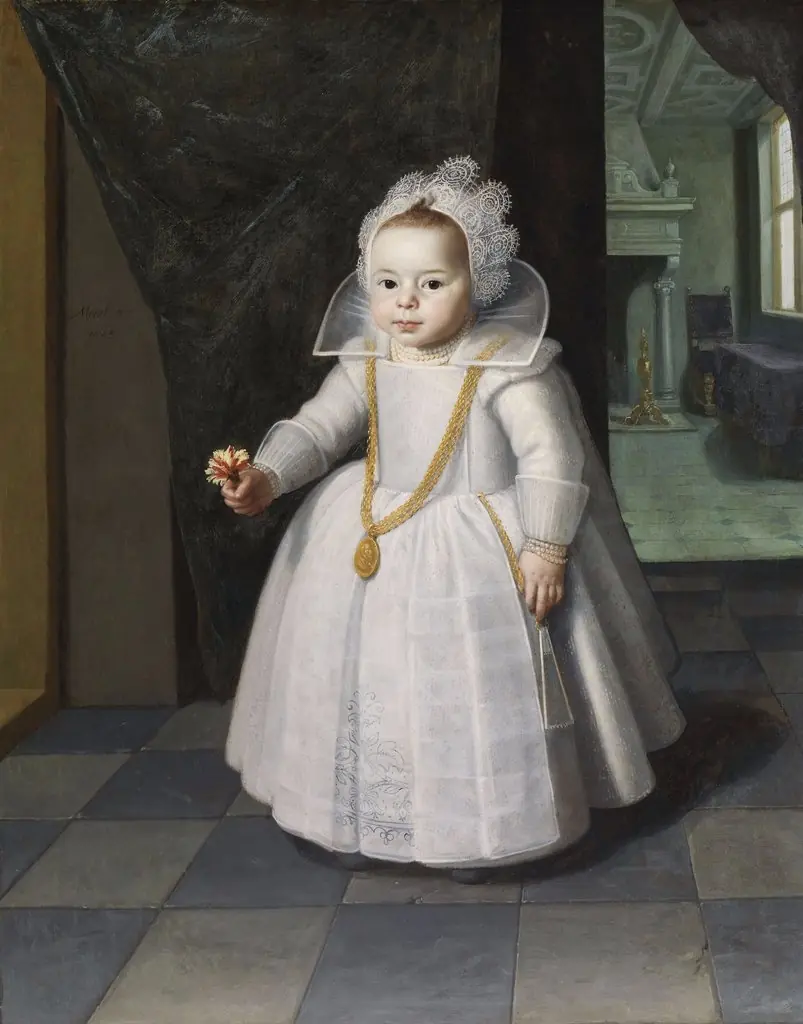 Portrait of a girl
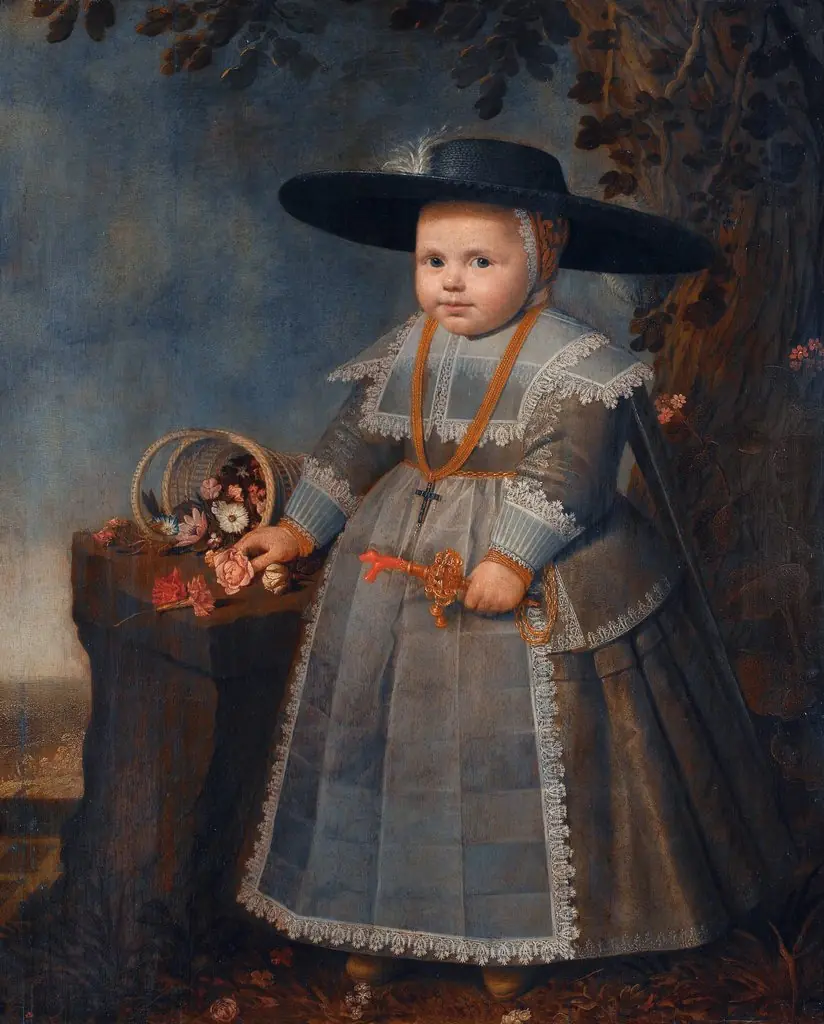 Portrait of a boy
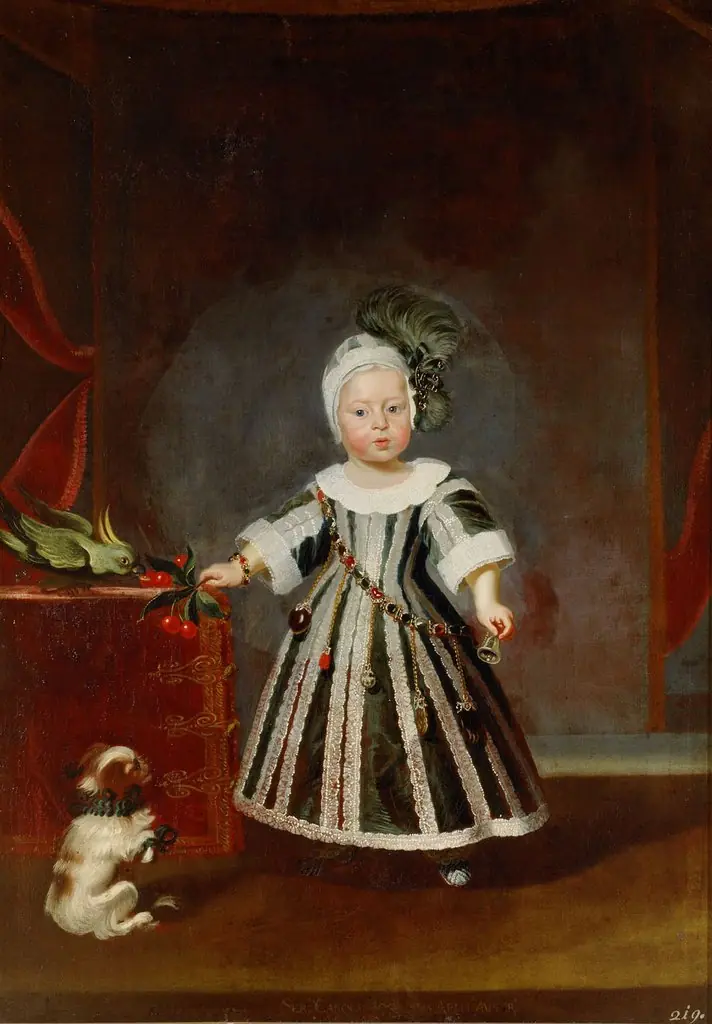 Portrait of Charles Joseph, Archduke of Austria (1745-1761)
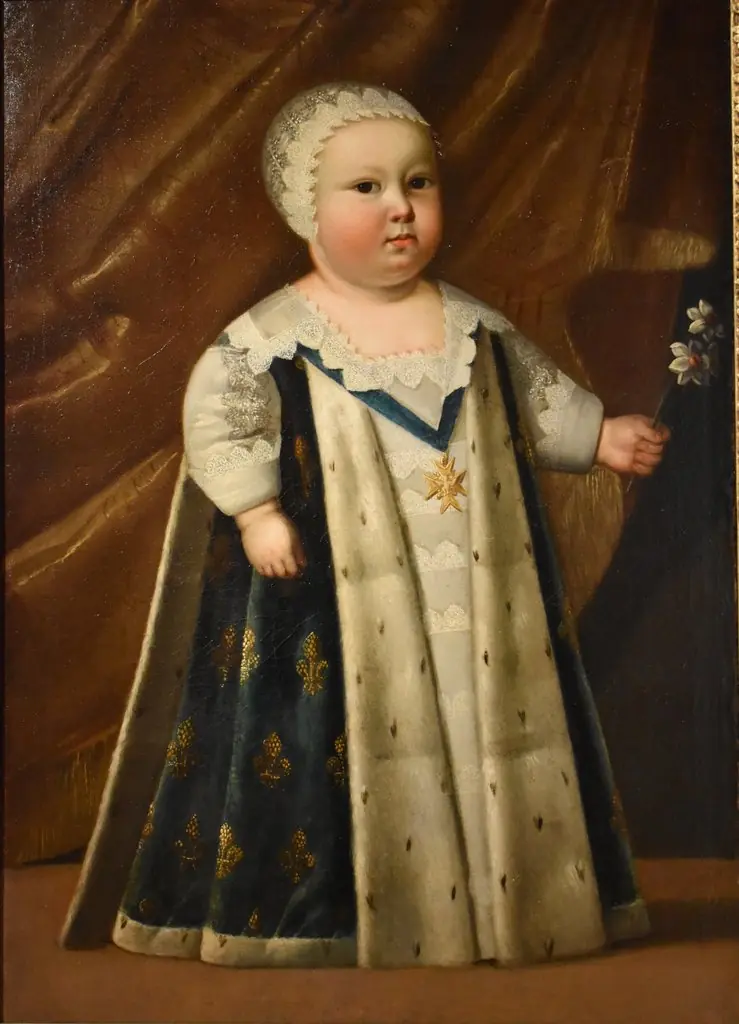 Louis XIV, King of France (1638-1715)
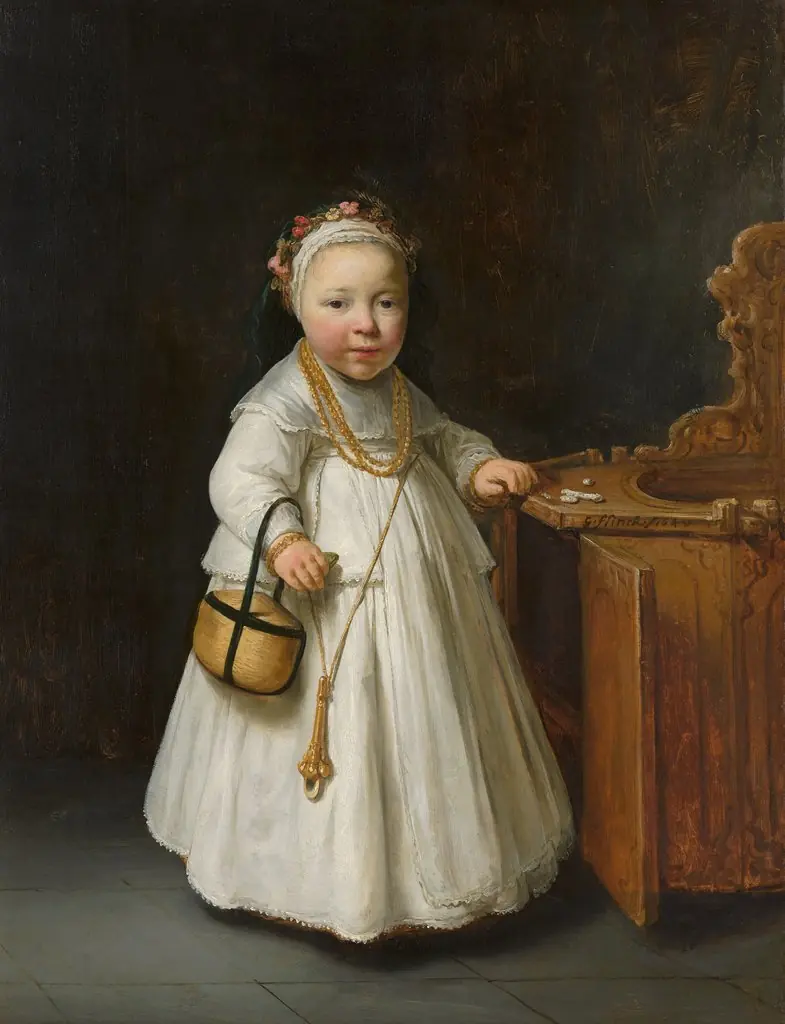 Girl by a High Chair
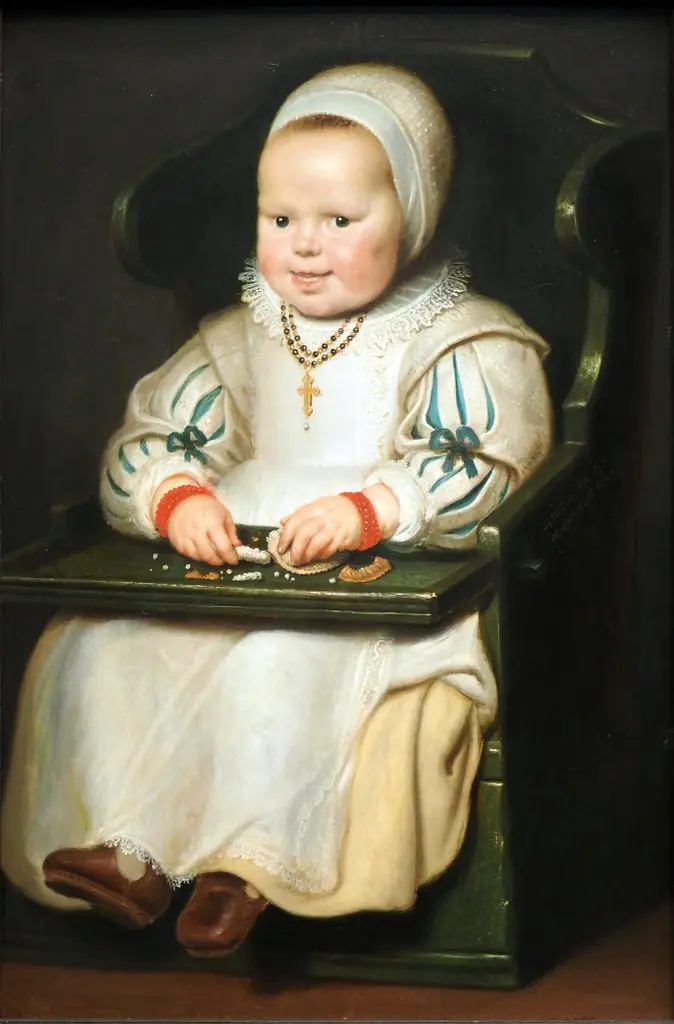 Portrait of Susanne de Vos, the Painter’s Third Daughter
 Portrait of a Boy, possibly Louis of Nassau, later Lord of Beverweerd, De Leck, Odijk and Lekkerkerk, Illegitimate Son of Maurice, Prince of Orange, and Margaretha van Mechelen
 Infantin Maria Theresa von Neapel (1772-1807)
 Portrait of a Young Boy
 Eleonora Gonzaga (1598-1655), Empress, at the age of two, knee-length portrait
 Sarra de Peyster