Artwork
Tinted Venus sculpture by John Gibson
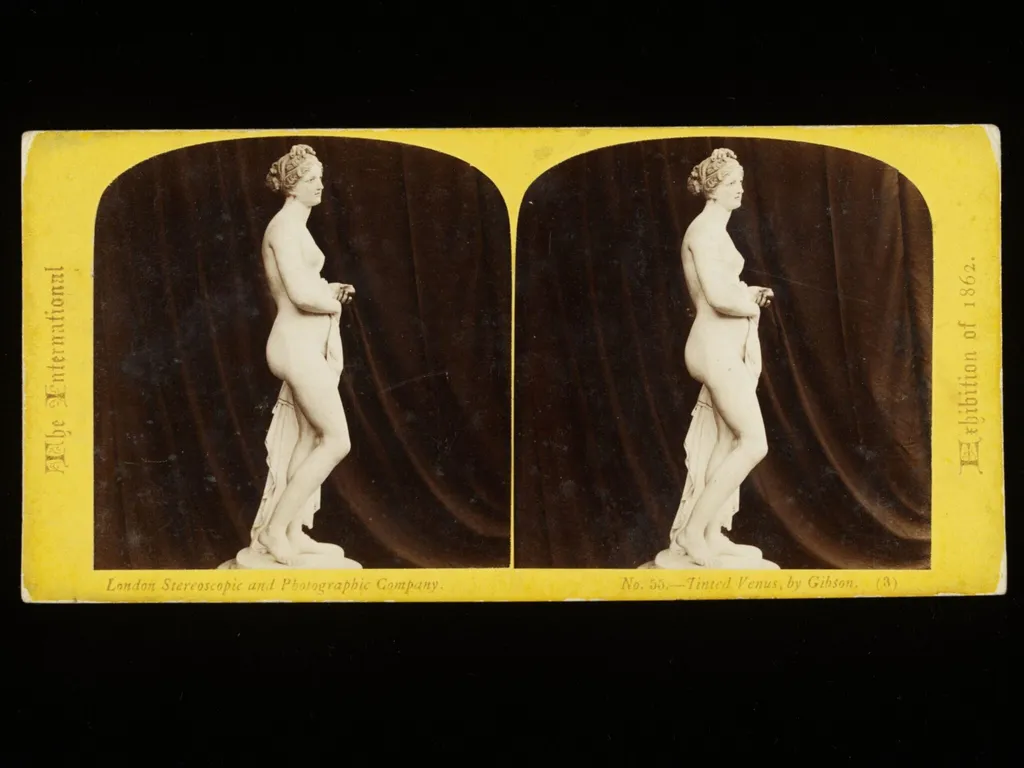
Tinted Venus sculpture by John Gibson is a photographic photography by the Impressionist artist Unknown. It dates from 1862 and is held in the collection of the Victoria and Albert Museum. A stereoscopic photograph from 1862 captures a small sculpted figure known as the Tinted Venus.
About this work
The photo was made in 1862 by a company that sold stereoscopic views, which means you’d look at it through a special viewer to see it in 3D.
This is a photo of a small statue of a woman standing on a pedestal. She’s nude, with one hand resting on her hip and the other holding a piece of cloth. The statue looks soft and smooth, like marble. The background is dark with a draped fabric, and the whole scene is shown twice—once from each side—on a yellow-edged card.
The photo was made in 1862 by a company that sold stereoscopic views, which means you’d look at it through a special viewer to see it in 3D. The statue’s name is *Tinted Venus*, but we don’t know much else about it.
If you like this, check out the Victoria and Albert Museum to see more sculptures like it.
Overview
A stereoscopic photograph from 1862 captures a small sculpted figure known as the Tinted Venus. Produced by a commercial firm specializing in 3D views, the image presents the statue from two angles on a single yellow-edged card. The photograph was intended for viewing through a stereoscope, offering a lifelike spatial experience. The original sculpture, rendered in a smooth, marble-like finish, stands on a pedestal against a dark, draped backdrop.
Subject & Meaning
The figure depicts a nude female form, one hand resting on the hip, the other holding a draped cloth. The pose suggests modesty or transition, a common motif in neoclassical depictions of Venus. The title 'Tinted Venus' implies the statue may have once been lightly colored, though the photograph shows only monochrome tones. The work evokes classical ideals of beauty without overt narrative, focusing instead on form and texture.
Technique & Style
The photograph reproduces a sculpture with meticulous attention to surface detail, emphasizing the softness of the modeled flesh and the fall of the fabric. The dark background isolates the figure, enhancing its three-dimensionality. The stereoscopic format, achieved by capturing two slightly offset images, was designed to simulate depth when viewed through a handheld device, a popular 19th-century optical novelty.
History & Provenance
The photograph was made in 1862 by a commercial producer of stereoscopic views, likely for domestic or educational use. The original Tinted Venus statue’s creator and early history remain undocumented. Its survival in photographic form suggests it was part of a broader circulation of classical-inspired sculptures among collectors and institutions during the Victorian era.
Context
In mid-19th-century Britain, classical sculpture was widely reproduced and disseminated through photography and plaster casts. Stereoscopic images allowed the public to experience art objects at home, bridging museum culture and private collection. The Tinted Venus reflects this trend, aligning with a fascination for antiquity and the idealized female form in Victorian visual culture.
Legacy
Though the original statue is unlocated and its sculptor unknown, the photograph preserves its form for study. It stands as an example of how 19th-century technology extended access to classical art, transforming sculpture into a reproducible, portable experience. Similar images are held in institutions like the Victoria and Albert Museum, where they contribute to understanding Victorian engagement with antiquity.
Artist & collection

 Domestic Scene
 Giacomo and Cardinal Marco, investing Andrea, Abbot of San Zeno, with his Benefice
 The Nymph of Fontainebleau
 Portrait of a Woman
 Madonna and Child with Saints in the Enclosed Garden
 Venus and Minerva
 Family Group of Four on Sofa
 Wall painting from Room H of the Villa of P. Fannius Synistor at Boscoreale
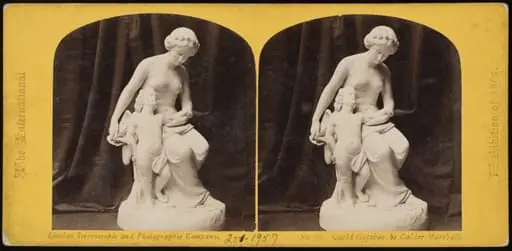 Stereograph of 'Cupid Captive', a sculpture by Calder Marshall
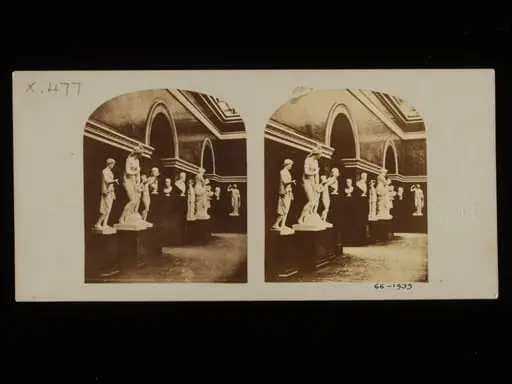 The Gallery of Greek Sculpture at Crystal Palace
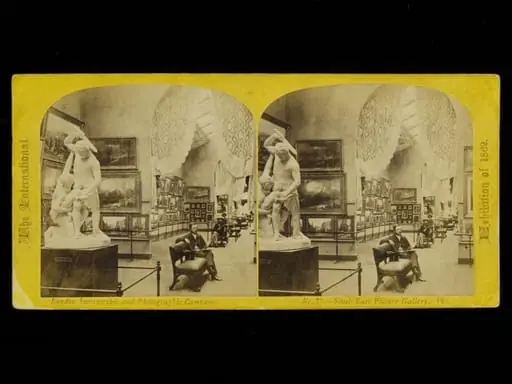 Stereoscopic photograph of the 1862 International Exhibition
 Untitled
 Britomartis Releasing Amoret
 Ino and Bacchus
 Stereoscopic photograph depicting the Laocoön
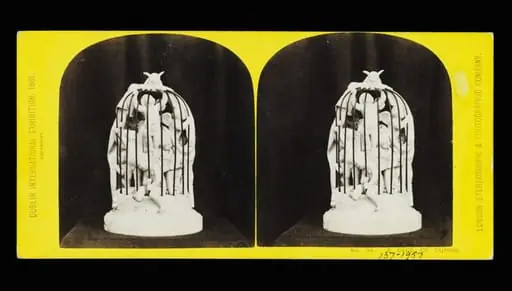 'A Cage of Cupids' at the Dublin International Exhibition 1865
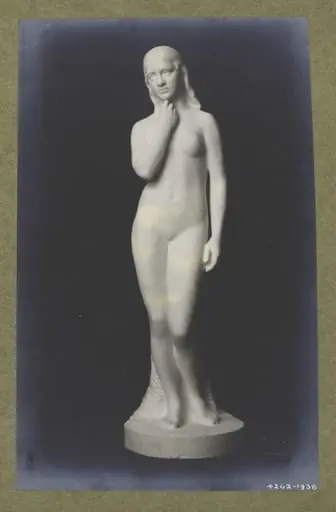 Untitled
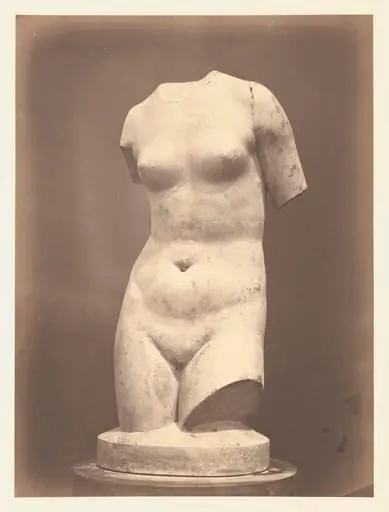 Venus
Venus