Artwork
Stereoscopic photograph of the 1862 International Exhibition
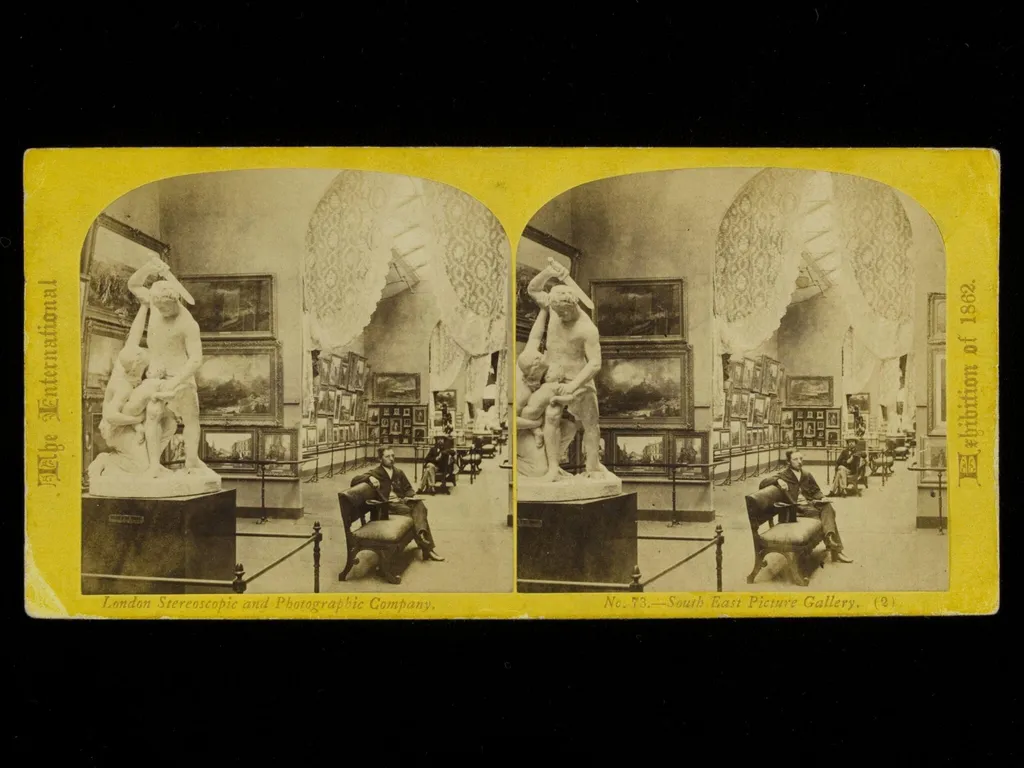
Stereoscopic photograph of the 1862 International Exhibition is a photographic photography by the Impressionist artist William England. It dates from 1862 and is held in the collection of the Victoria and Albert Museum. A stereoscopic photograph from 1862 captures the interior of the International Exhibition held in South Kensington, London.
About this work
Behind them, rows of framed paintings hang on the walls, and a few visitors sit on wooden chairs, reading or resting.
This is a black-and-white photo of a museum gallery from the 1800s. Two large marble statues stand on pedestals near the front, showing people in dramatic poses. Behind them, rows of framed paintings hang on the walls, and a few visitors sit on wooden chairs, reading or resting. The room looks bright but plain, with high ceilings and simple ropes blocking off the art.
The photo was taken during a big art show called the International Exhibition of 1862. Notice how the statues and paintings are arranged neatly—this was a common way to display art back then.
Check out the Victoria and Albert Museum to see more old photos like this.
Overview
A stereoscopic photograph from 1862 captures the interior of the International Exhibition held in South Kensington, London. Produced by the London Stereoscopic and Photographic Company under exclusive contract, it forms part of a series of 350 stereo cards documenting the event. The image provides a three-dimensional view of the exhibition space, offering viewers at home an immersive experience of the grand display of art and industry.
Subject & Meaning
The photograph presents a curated arrangement of classical marble statues and framed paintings, arranged in orderly rows to emphasize institutional authority and cultural hierarchy. Visitors are shown seated, engaged in quiet contemplation, reflecting the era’s expectation of respectful, passive observation. The composition underscores the exhibition’s role as a public education tool, presenting art as both aesthetic object and national achievement.
Technique & Style
Captured using stereoscopic photography, the image was designed to be viewed through a handheld device that merged two slightly offset images into a single 3D scene. The lighting is even and natural, suggesting daylight through large windows. The composition is formal and symmetrical, with minimal clutter, prioritizing clarity and spatial depth over artistic flourish—typical of documentary photography of the period.
History & Provenance
The photograph was taken during the 1862 International Exhibition, a major global showcase of industrial and artistic achievement held in London. It was produced under contract by William England and other photographers working for the London Stereoscopic and Photographic Company. The series was commercially distributed as a collectible set, catering to middle-class audiences interested in global culture and technological innovation.
Context
The 1862 Exhibition followed the success of the 1851 Great Exhibition and reflected Britain’s ambition to lead in global commerce and cultural display. Artworks were arranged systematically, mirroring museum practices of the time, with sculpture and painting displayed side by side to demonstrate comparative artistic merit. The use of ropes to demarcate viewing areas reveals early efforts to manage public access and preserve objects.
Legacy
This photograph, along with its companion images, remains a key visual record of 19th-century exhibition practices. It informs current understanding of how art was presented to the public before the rise of modern curatorial methods. Many of the original stereo cards are held in institutional collections, including the Victoria and Albert Museum, where they serve as primary sources for the study of visual culture and public engagement with art.
Artist & collection
Artist
William England carried a stereo camera everywhere, snapping the 1862 London world’s fair in 3D photos so people could step right into the crowds, glass domes, and medieval carvings.

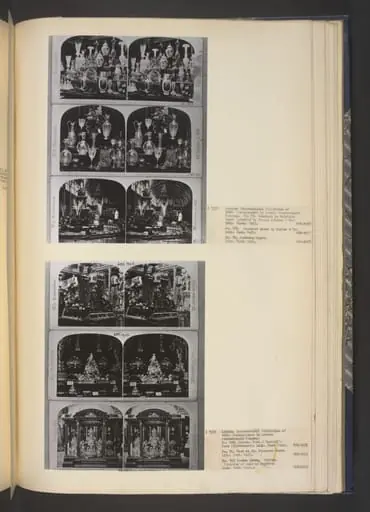 The International Exhibition of 1862
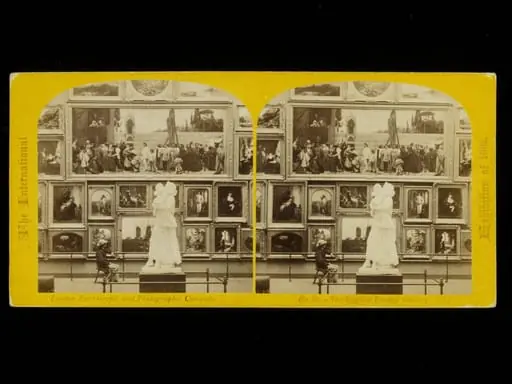 The International Exhibition of 1862: No. 27 - The English Picture Gallery (1)
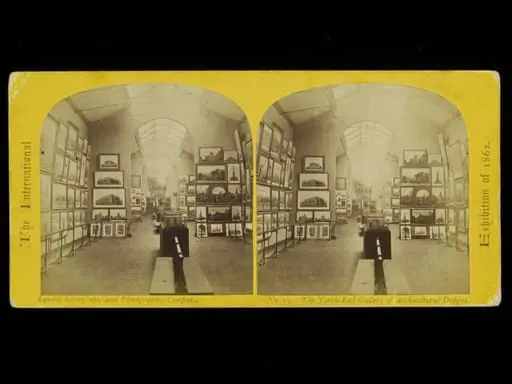 The International Exhibition of 1862: No. 39 - The North-East Gallery of Architectural Designs
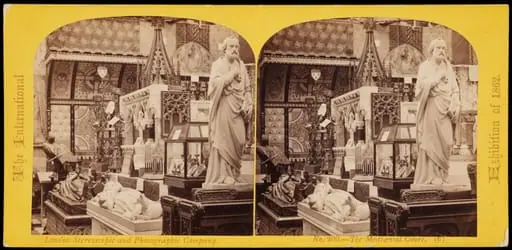 The International Exhibition of 1862, No. 209, the Mediaeval Court.
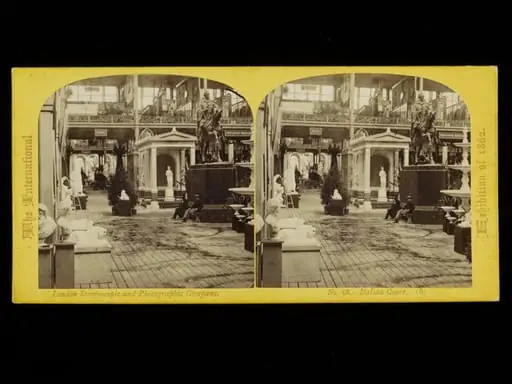 The International Exhibition of 1862: No. 42 - Italian Court (3)