Artwork
Pair of Portrait Miniatures
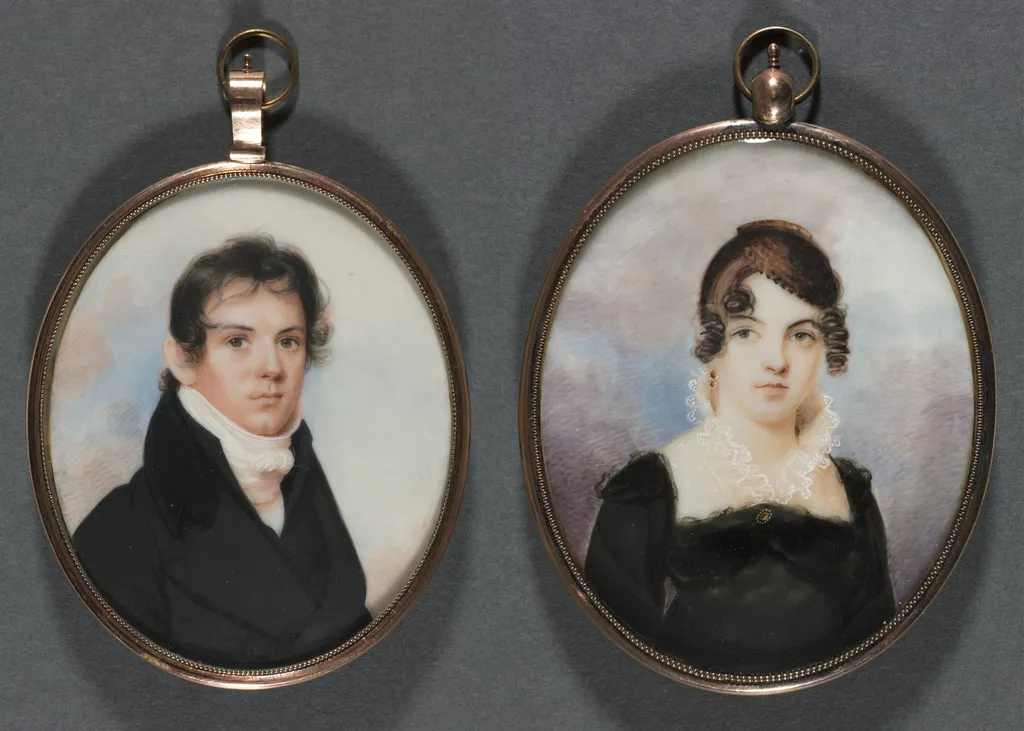
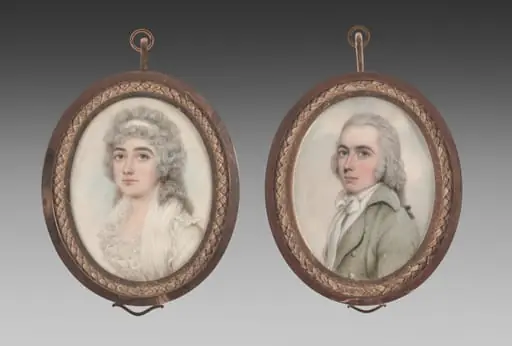
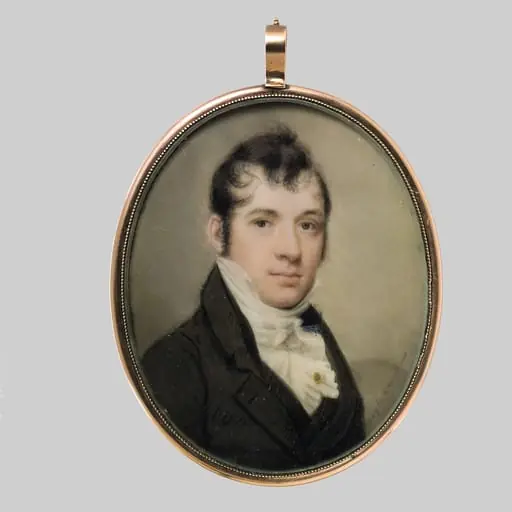
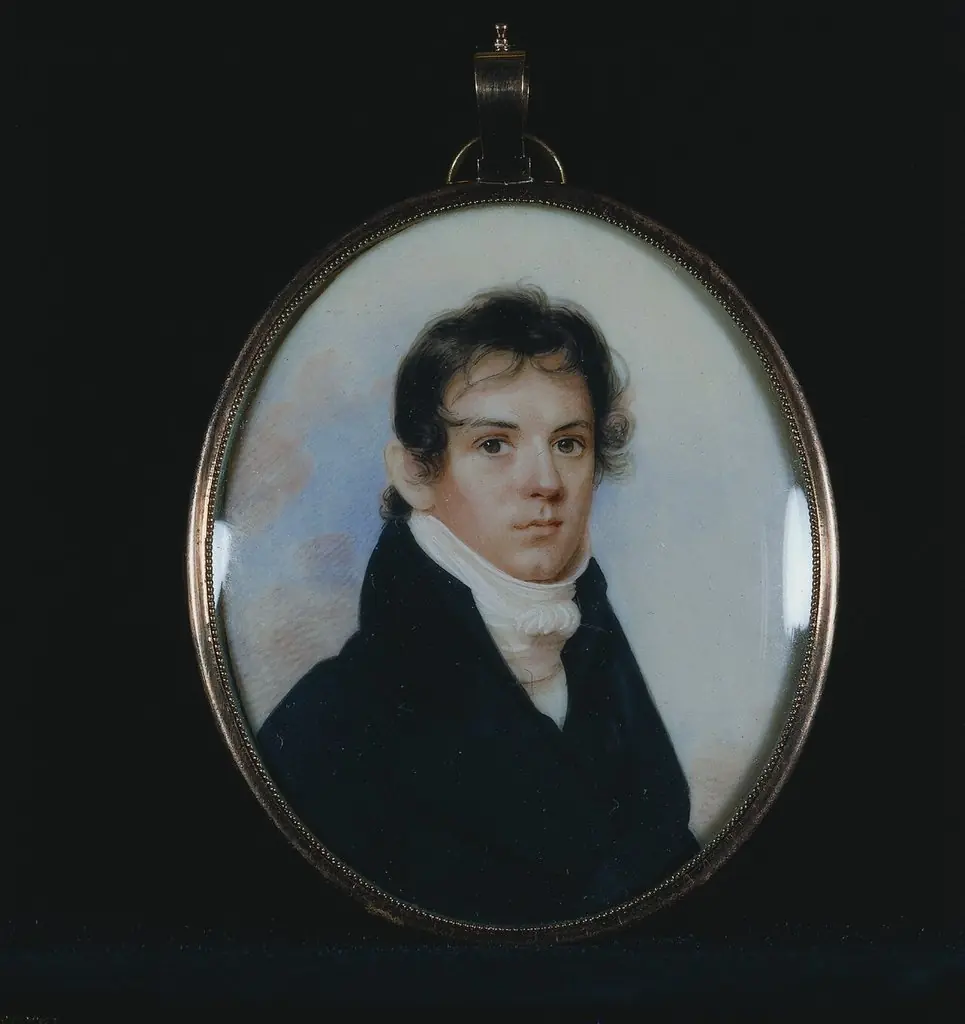
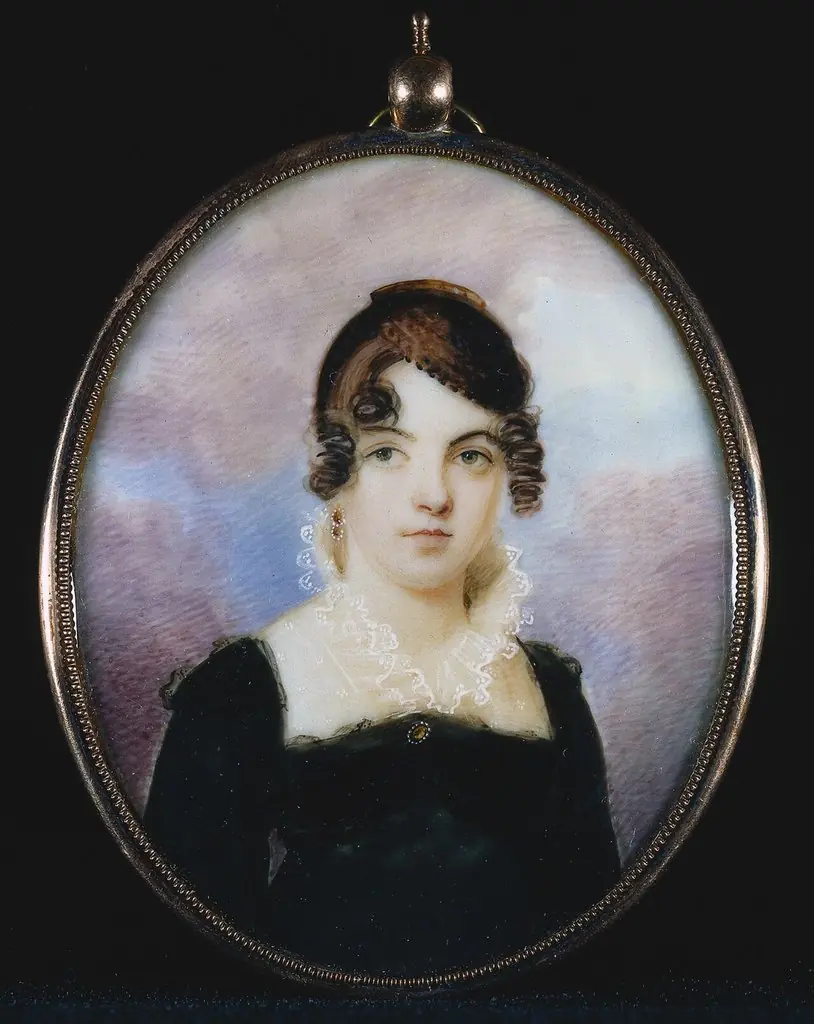
Pair of Portrait Miniatures is an unspecified portrait miniature by the American Folk Art artist Anson Dickinson. It dates from 1810 and is held in the collection of the Cleveland Museum of Art.
About this work
Overview
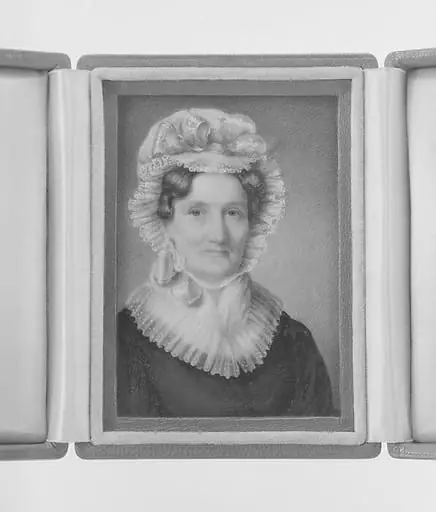
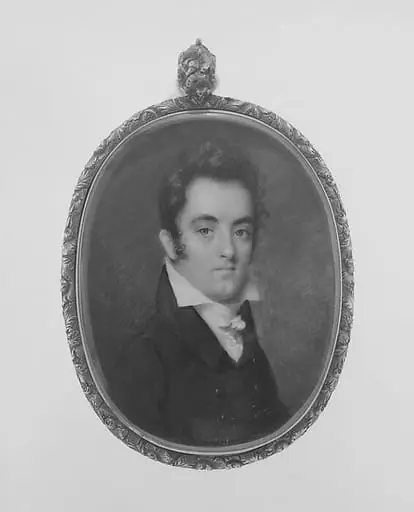
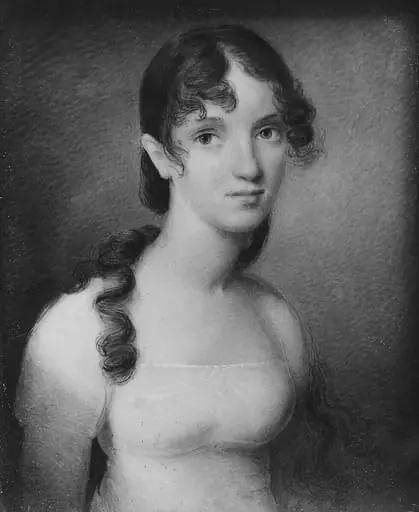
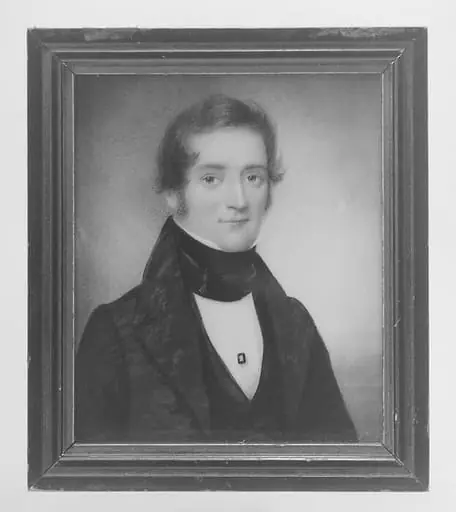
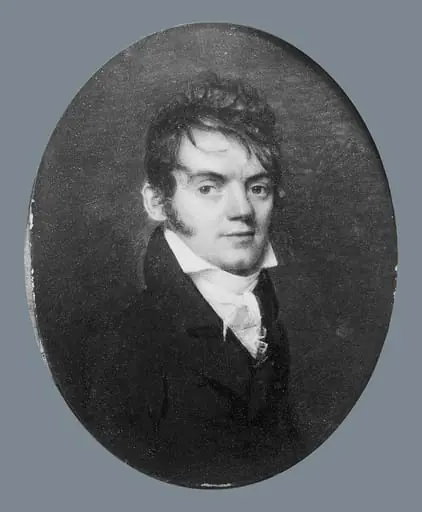
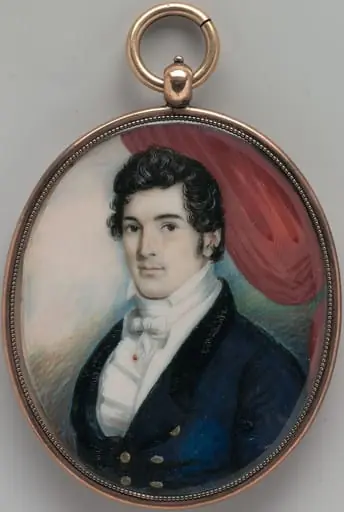
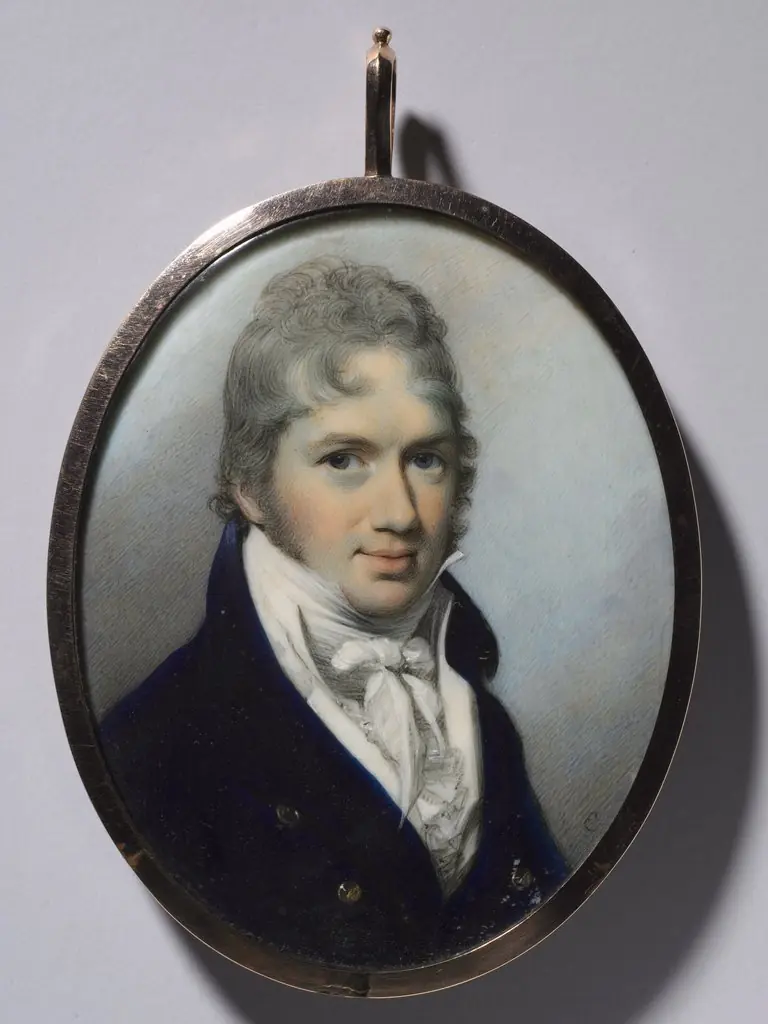
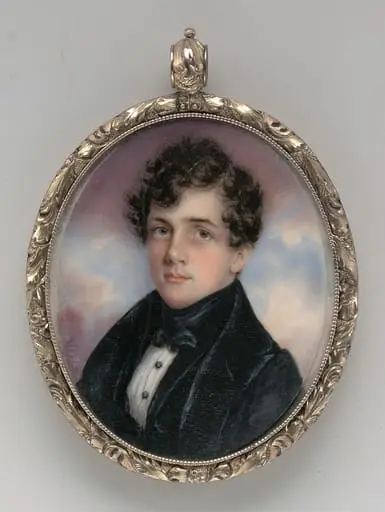
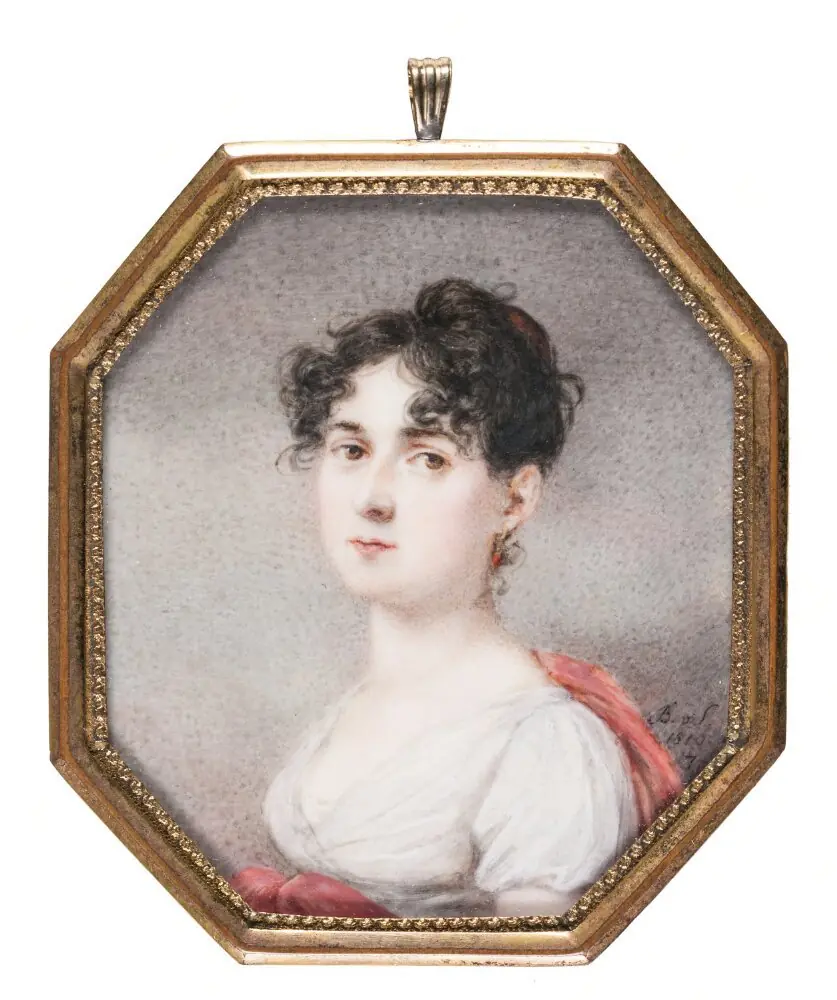
Executed in watercolor on ivory, the two oval panels depict a man and a woman, each rendered with precise detail and restrained elegance.
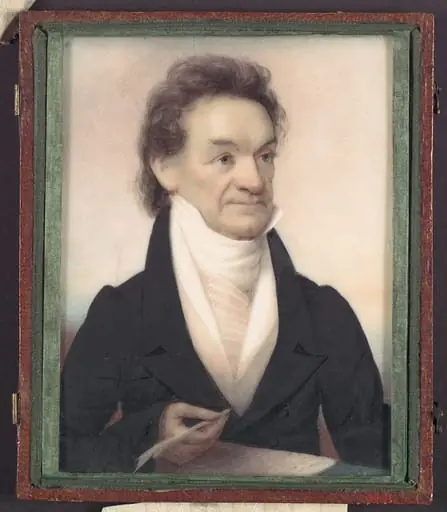
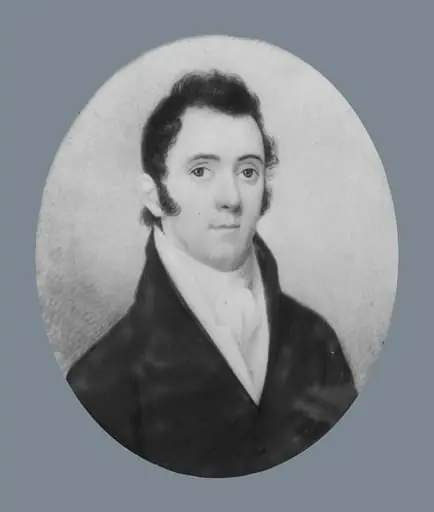
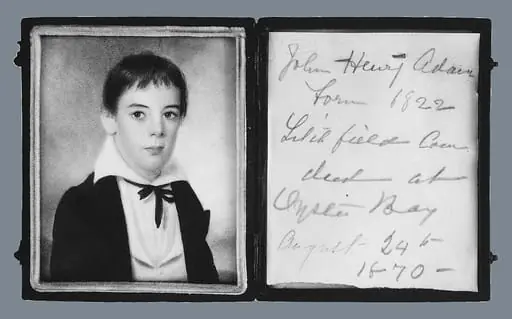
Created around 1810 by American artist Anson Dickinson, this pair of portrait miniatures reflects the early 19th-century tradition of intimate, portable portraiture. Executed in watercolor on ivory, the two oval panels depict a man and a woman, each rendered with precise detail and restrained elegance. Their placement side by side suggests a familial or marital connection, common in personal keepsakes of the era. The works exemplify Dickinson’s skill in capturing individual likeness within a small format.
Subject & Meaning
The man, dressed in a dark coat with a white cravat, gazes directly forward with a composed, solemn expression. The woman, in a black dress adorned with lace at the neckline and neatly pinned hair, mirrors his stillness. Their attire and posture convey modesty and social standing, typical of middle- or upper-class sensibilities of the time. Together, the portraits function as a private memento, possibly intended to be carried or worn, signifying personal bonds beyond public representation.
Technique & Style
Dickinson employed fine brushwork on ivory, a standard support for miniatures, to achieve subtle gradations of tone and texture. The faces are rendered with smooth, even strokes, emphasizing facial structure and expression over dramatic lighting. Clothing details—cravat folds, lace trim, and hairpins—are rendered with meticulous care, while the soft, muted backgrounds isolate the figures. The thin gold frame enhances the object’s preciousness without distracting from the likenesses.
History & Provenance
Anson Dickinson was among the most active American miniature painters of the 1810s, producing hundreds of small portraits for private patrons. This pair likely originated in New England, where Dickinson worked extensively. Though specific ownership records are unverified, such miniatures were commonly exchanged within families or given as tokens of affection. Their survival suggests they were carefully preserved, possibly passed down through generations.
Context
In the early 1800s, before photography, miniature portraits served as intimate alternatives to full-scale paintings. They were often worn as lockets or kept in cases, functioning as personal relics. Dickinson’s work emerged within a broader American folk art tradition that valued accessibility and emotional resonance over academic grandeur. These miniatures reflect a culture where personal identity and familial ties were visually commemorated in private, handheld forms.
Legacy
Dickinson’s prolific output helped establish miniature portraiture as a distinct American genre. His attention to individual character, rather than idealized form, influenced later practitioners and contributed to the genre’s popularity among the middle class. Today, his works are held in institutions like the Cleveland Museum of Art, where they serve as tangible links to early American domestic life and the quiet rituals of remembrance.
Artist & collection

Artist
Anson Dickinson (19 April 1779 – 9 March 1852) was an American painter of miniature portraits who achieved fame during his lifetime, producing a very large number of works, but who is now largely forgotten.