Artwork
Frozen river with skaters and strollers
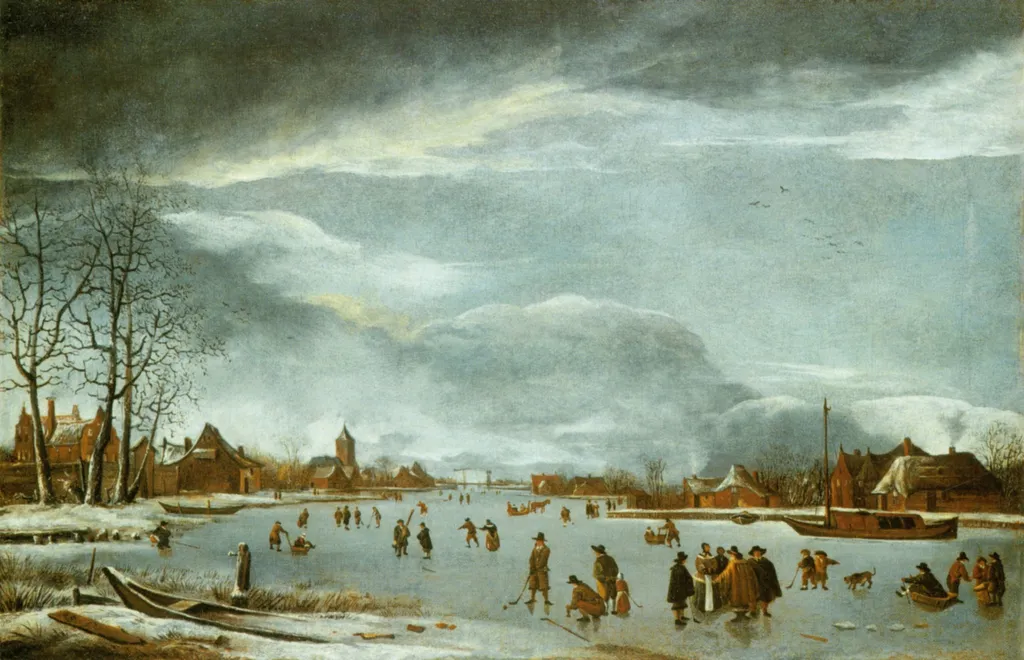
Frozen river with skaters and strollers is a paint painting by the Dutch Golden Age artist Anthonie Beerstraaten. It dates from 1655 and is held in the collection of the Gemäldegalerie Berlin.
About this work
Overview
His output was limited, and little is known of his life, yet this work stands as a clear example of Dutch Golden Age genre painting.
Anthonie Beerstraaten, a Dutch painter active in the mid-1600s, created this winter landscape in 1655. His output was limited, and little is known of his life, yet this work stands as a clear example of Dutch Golden Age genre painting. It captures a quiet moment of communal activity on a frozen river, reflecting a broader cultural interest in depicting ordinary life with precision and calm observation.
Subject & Meaning
The painting portrays villagers engaged in winter pastimes—ice skating, walking, and resting on sleds—along a frozen riverbank lined with modest homes and bare trees. No grand narrative is present; instead, the scene emphasizes quiet routine and seasonal adaptation. The absence of dramatic action suggests an appreciation for the stillness and order of daily life in rural Holland during cold months.
Technique & Style
Beerstraaten employed a restrained palette of grays, browns, and muted whites to convey the overcast winter atmosphere. Figures are rendered with careful detail but without exaggeration, contributing to the scene’s realism. Subtle shifts in light and shadow, possibly influenced by chiaroscuro, lend depth to the ice and architecture, grounding the composition in observable natural conditions.
History & Provenance
Painted in 1655, the work entered the collection of the Gemäldegalerie in Berlin, where it remains today. Little documentation exists regarding its early ownership or exhibition history. Its survival and preservation reflect its value as a representative example of a minor artist’s contribution to the broader tradition of Dutch winter landscapes.
Context
During the Dutch Golden Age, winter scenes became popular as trade and urban prosperity allowed for leisure activities in colder months. Artists like Beerstraaten responded to public interest in depictions of domestic and rural life. These works often served as visual records of seasonal rhythms, reinforcing a cultural identity tied to the Netherlands’ unique relationship with its climate and waterways.
Legacy
Though Beerstraaten’s career was short and his name largely forgotten, this painting endures as a modest but authentic record of 17th-century Dutch winter life. It contributes to the understanding of how everyday moments were valued in art, offering a counterpoint to more monumental or religious subjects of the era. Its quiet presence continues to inform studies of genre painting and regional visual culture.
Own this work as a print
Artist & collection
Artist
Anthonie Beerstraaten (4 February 1646, in Amsterdam – before 1665), is seen a Dutch Golden Age painter but he probably died at the age of six.

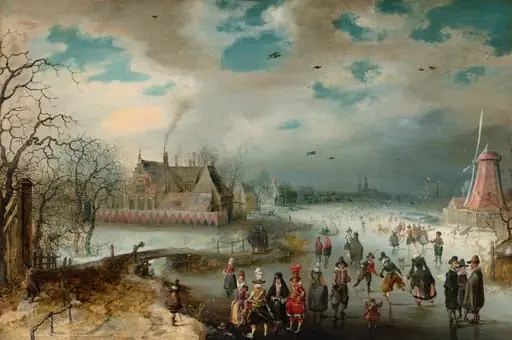 Skating on the Frozen Amstel River
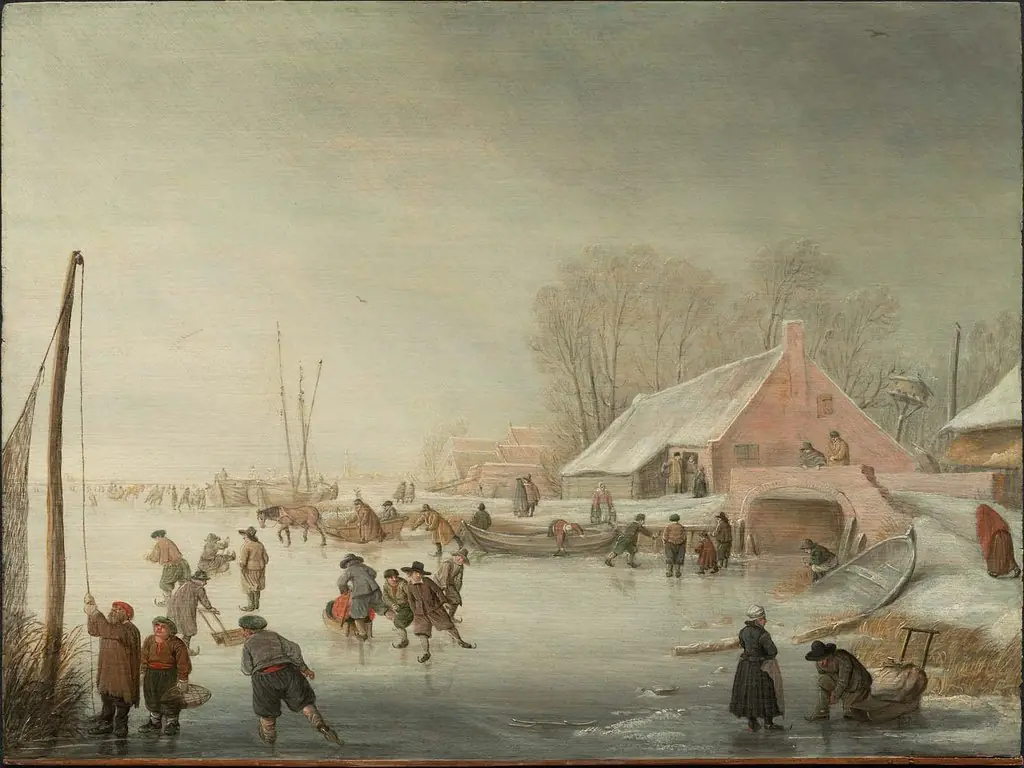 Skating on a Frozen River
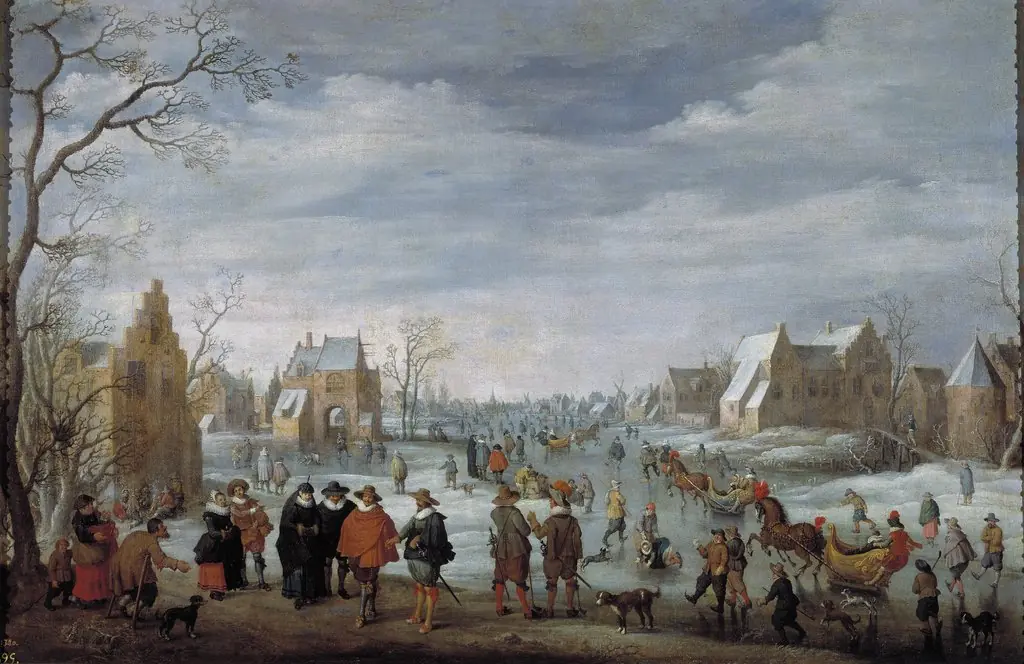 Winter Landscape with Skaters
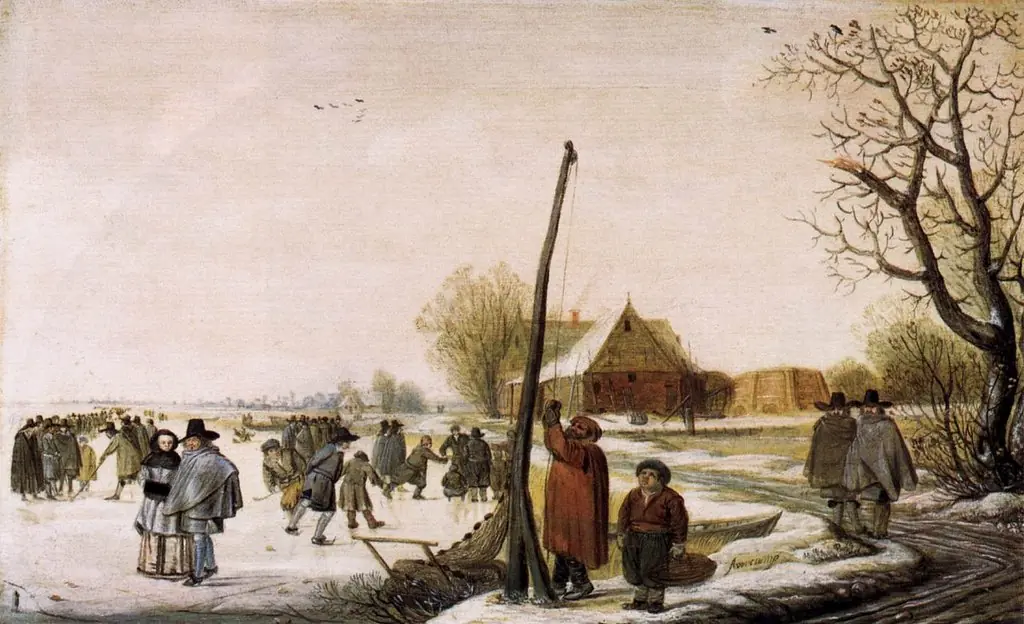 Winter landscape with frozen river
 River View in Winter
 Winter landscape with skaters
 Winter landscape with skaters
 River in Winter
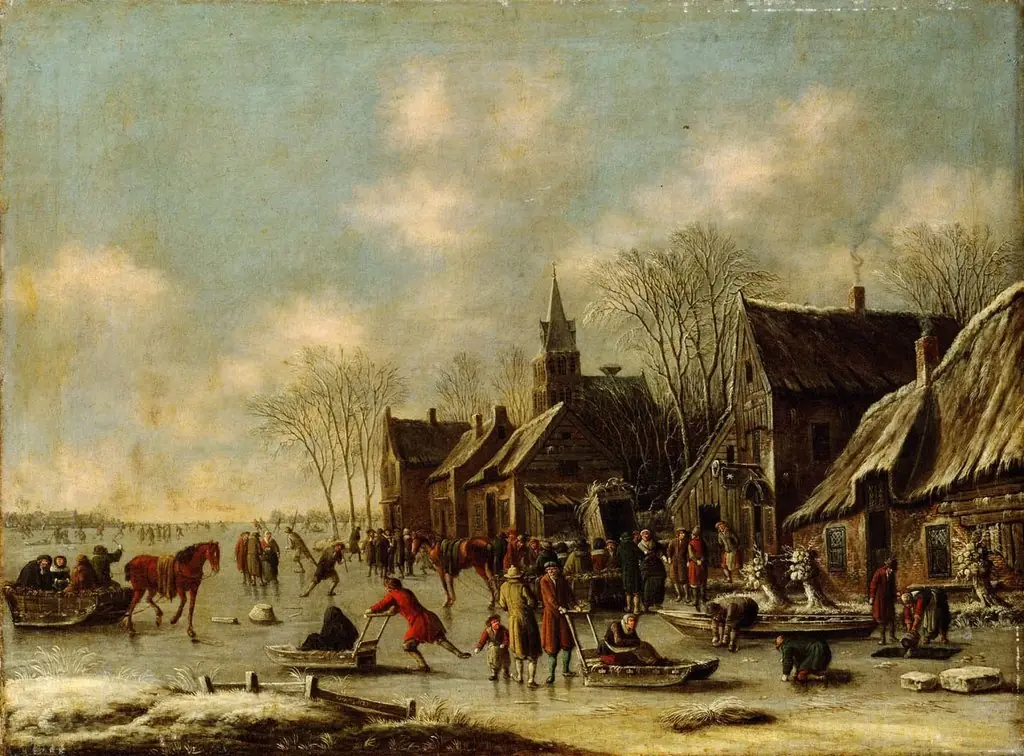 Winter landscape with people having fun on the ice
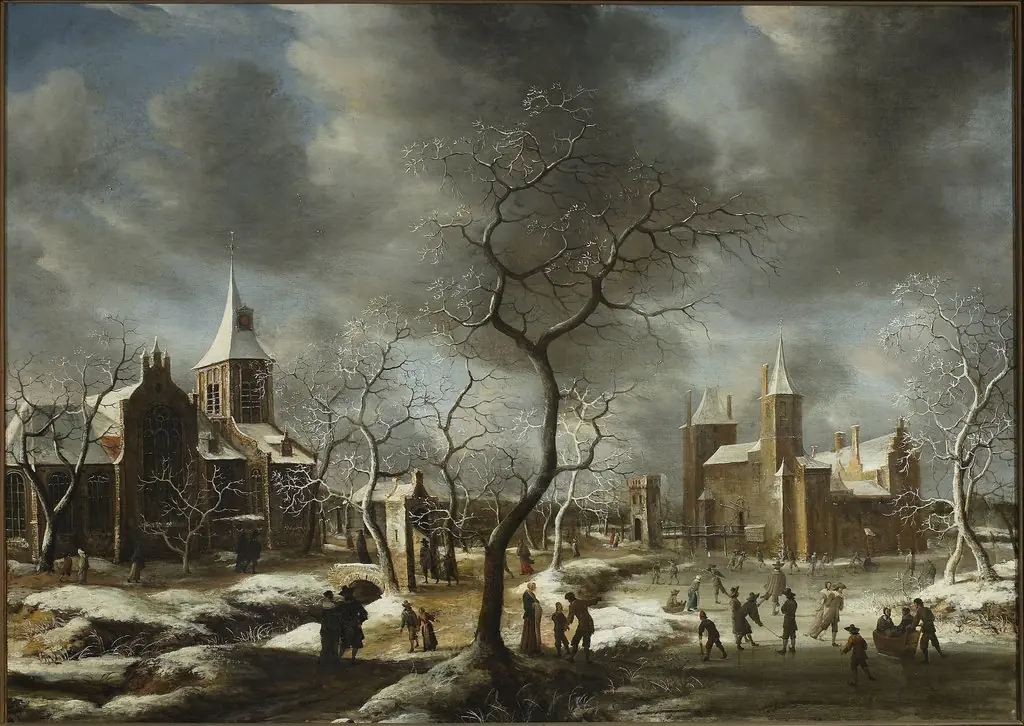 Landscape with ice-skaters
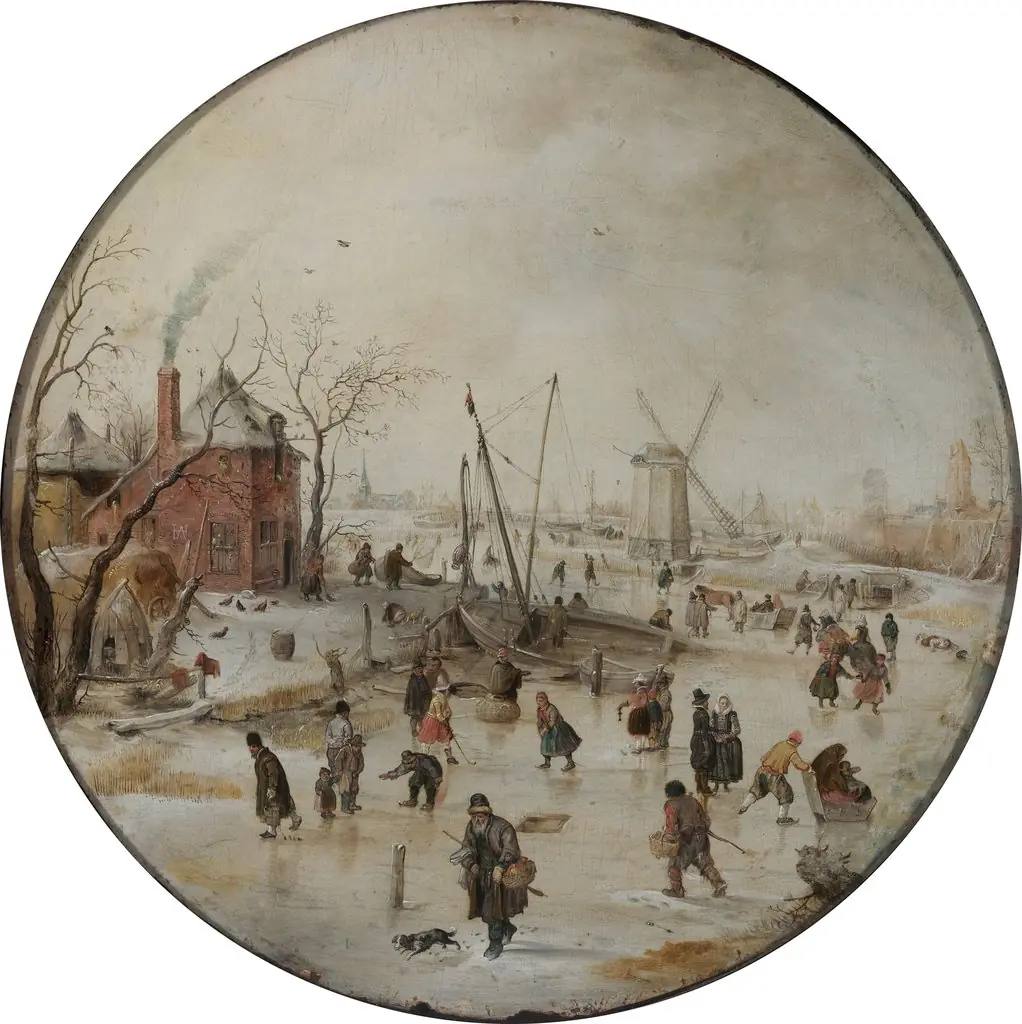 Frozen River with Skaters
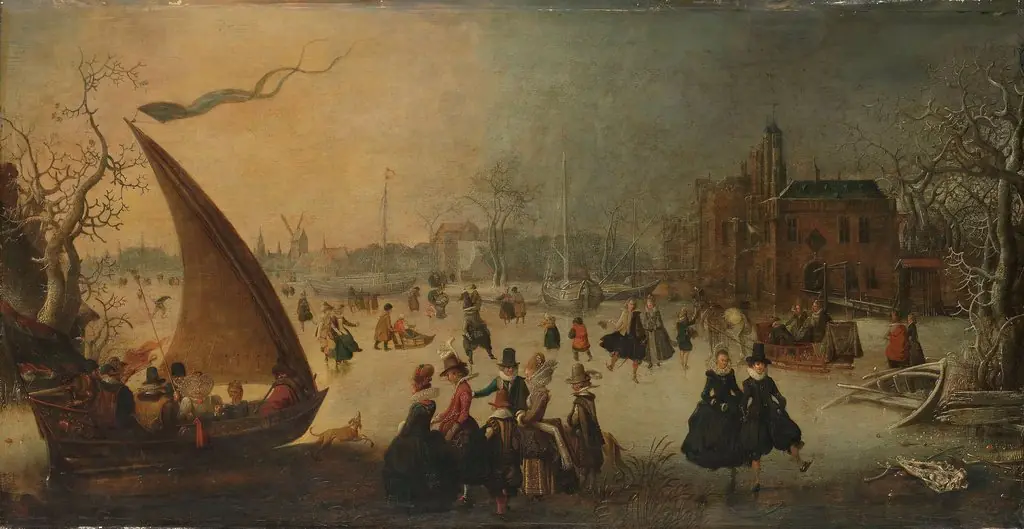 Landscape with frozen canal, skaters and an ice-boat