Artwork
Frozen River with Skaters
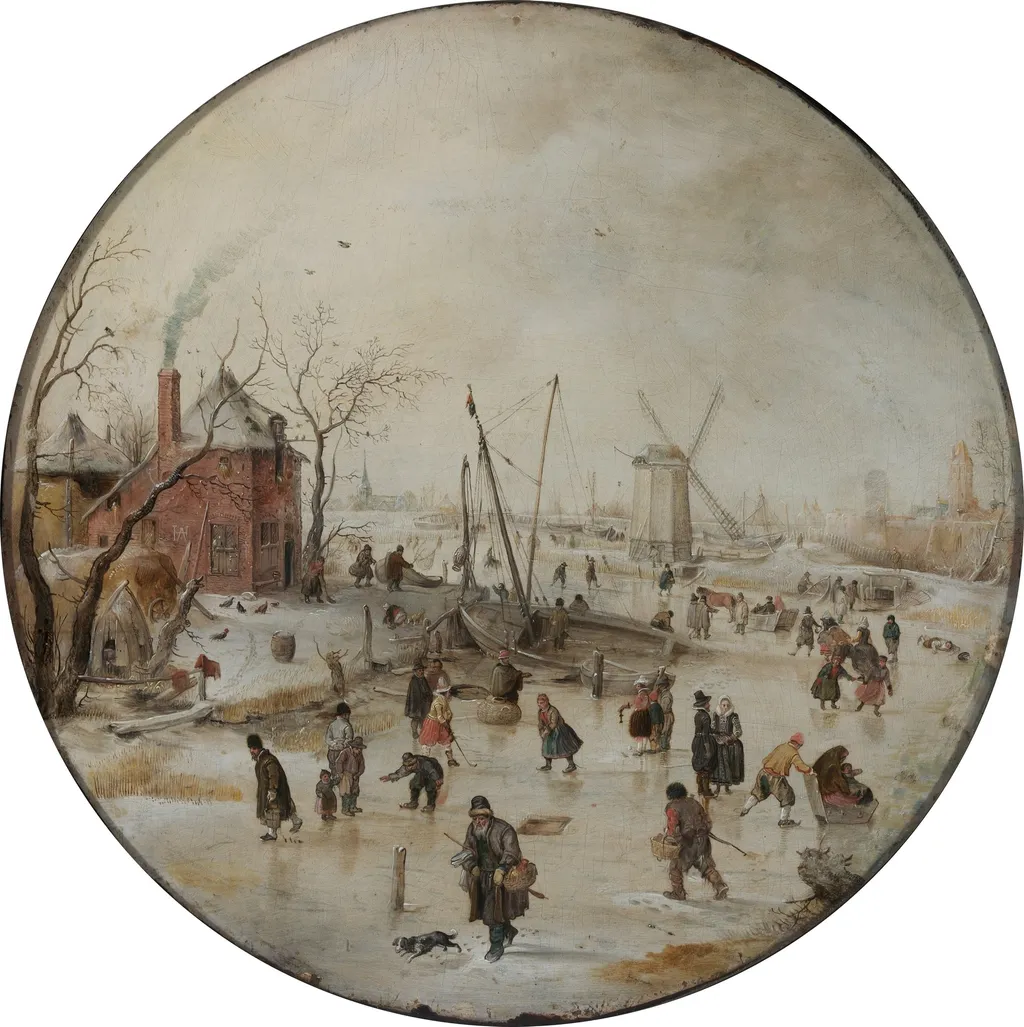
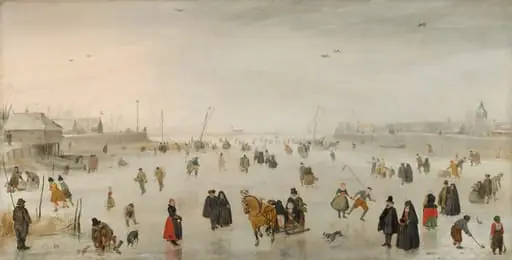
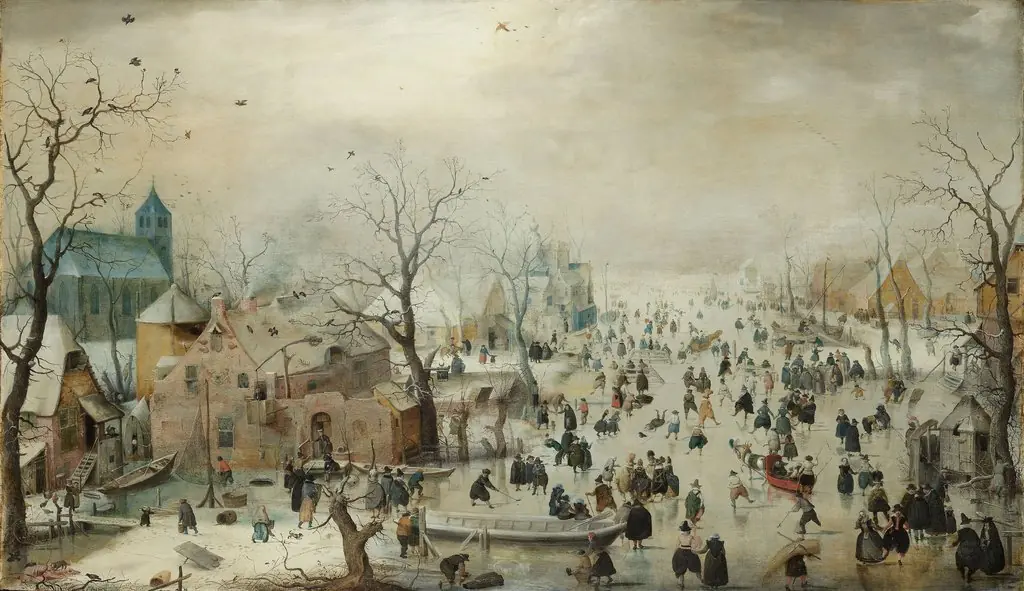
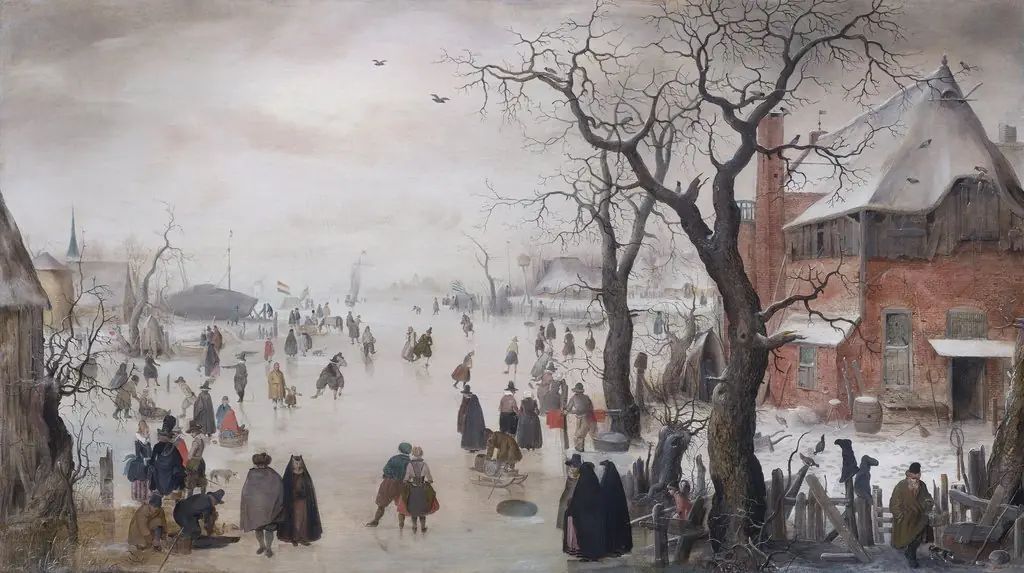
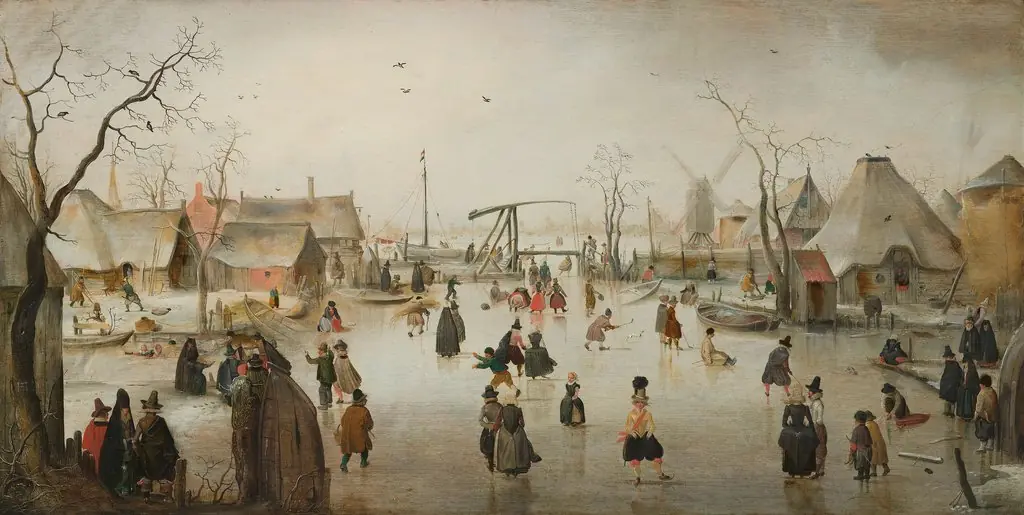
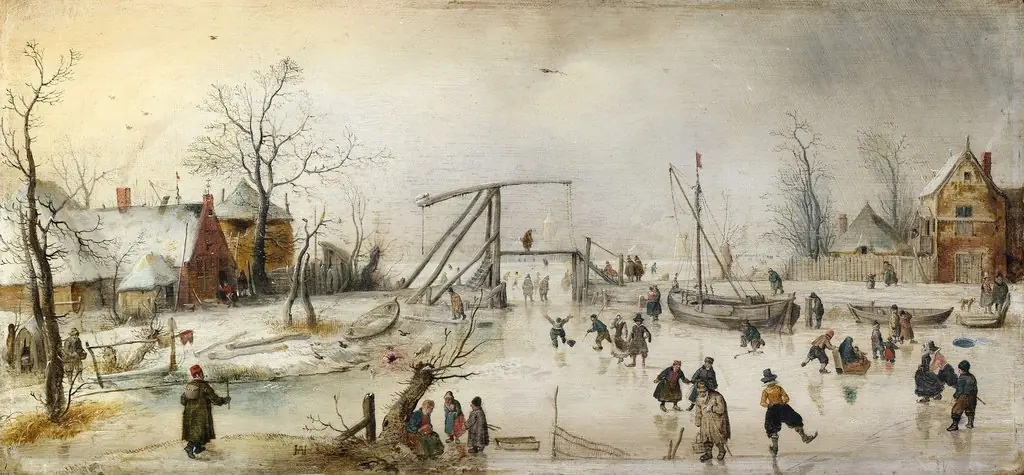
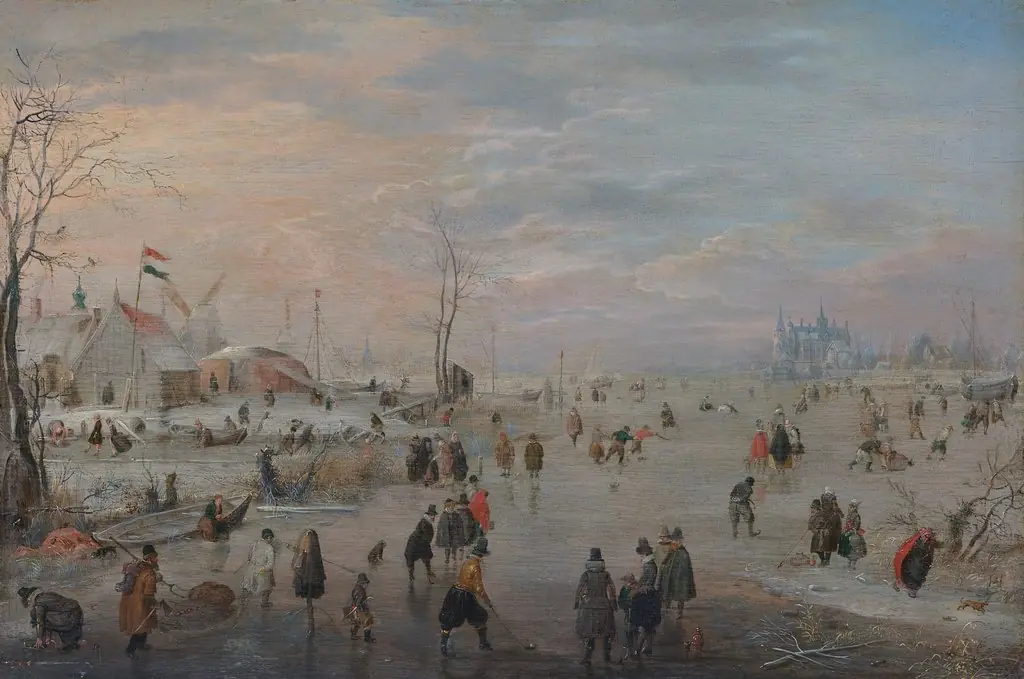
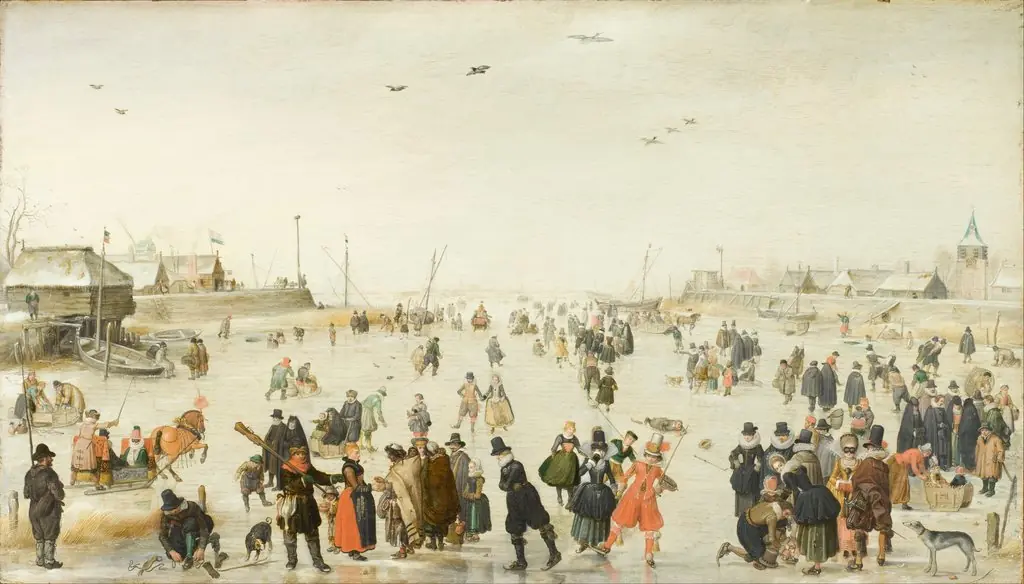
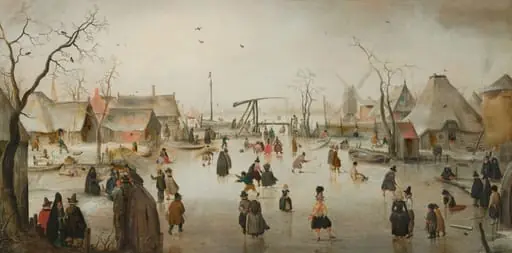
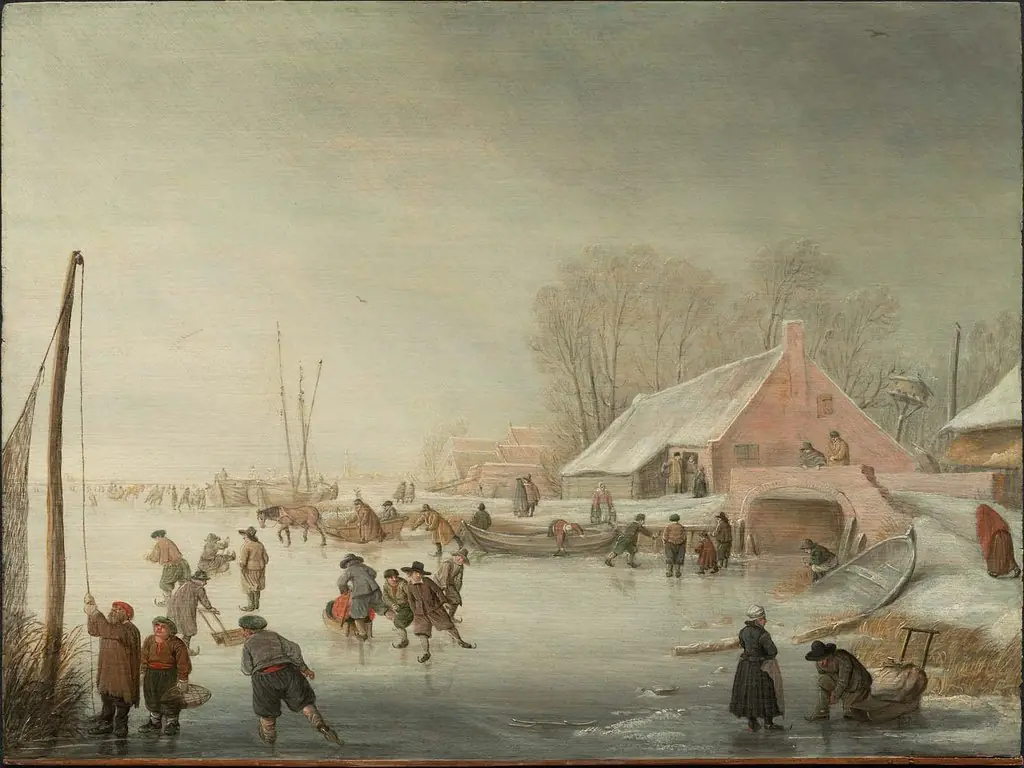
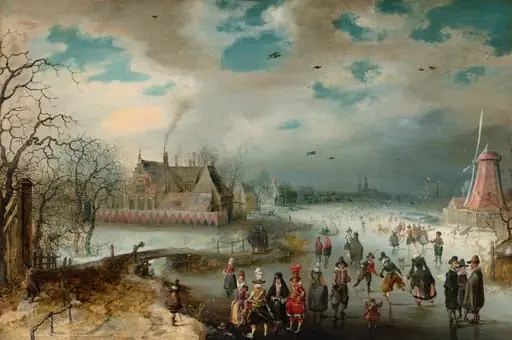
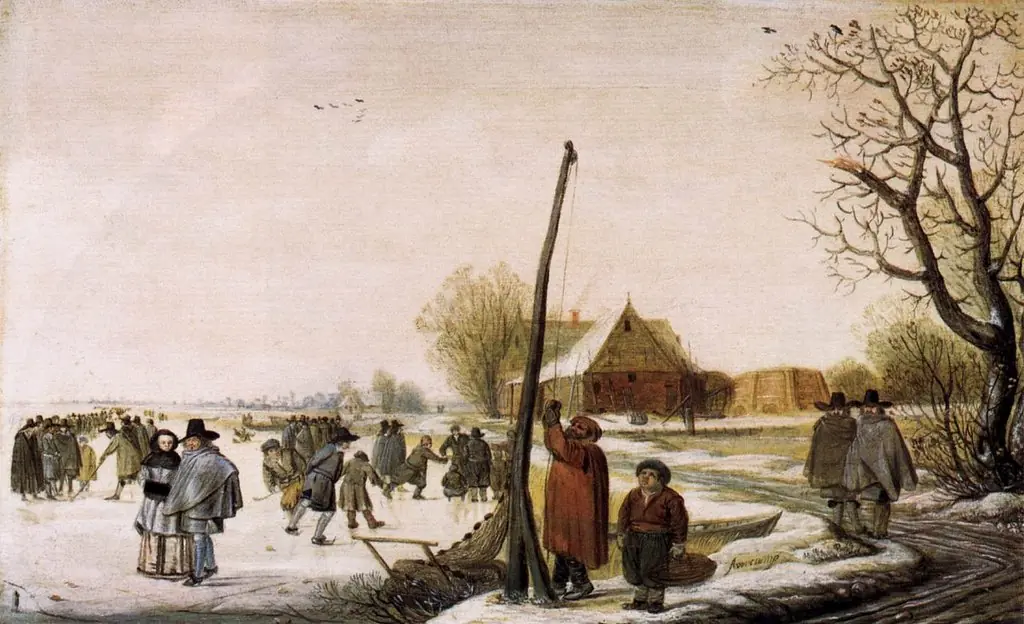
Frozen River with Skaters is an oil painting by the Dutch Golden Age artist Hendrick Avercamp. It dates from 1620 and is held in the collection of the Museum of Fine Arts, Budapest.
About this work
Overview
The painting is part of the Museum of Fine Arts, Budapest’s collection, where it remains a key example of early 17th-century Dutch genre painting.
Painted in 1620 by Hendrick Avercamp, this oil-on-panel work captures a bustling winter scene along a frozen Dutch river. Avercamp, known for his detailed depictions of seasonal life, rendered this landscape with attention to the rhythms of daily activity during a harsh but socially vibrant season. The painting is part of the Museum of Fine Arts, Budapest’s collection, where it remains a key example of early 17th-century Dutch genre painting.
Subject & Meaning
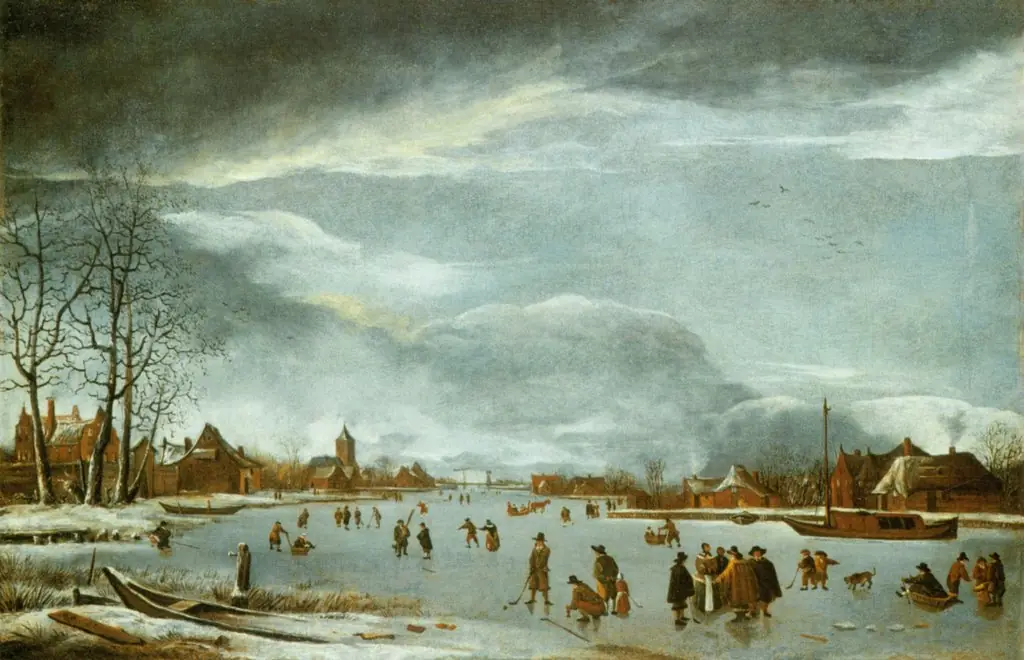
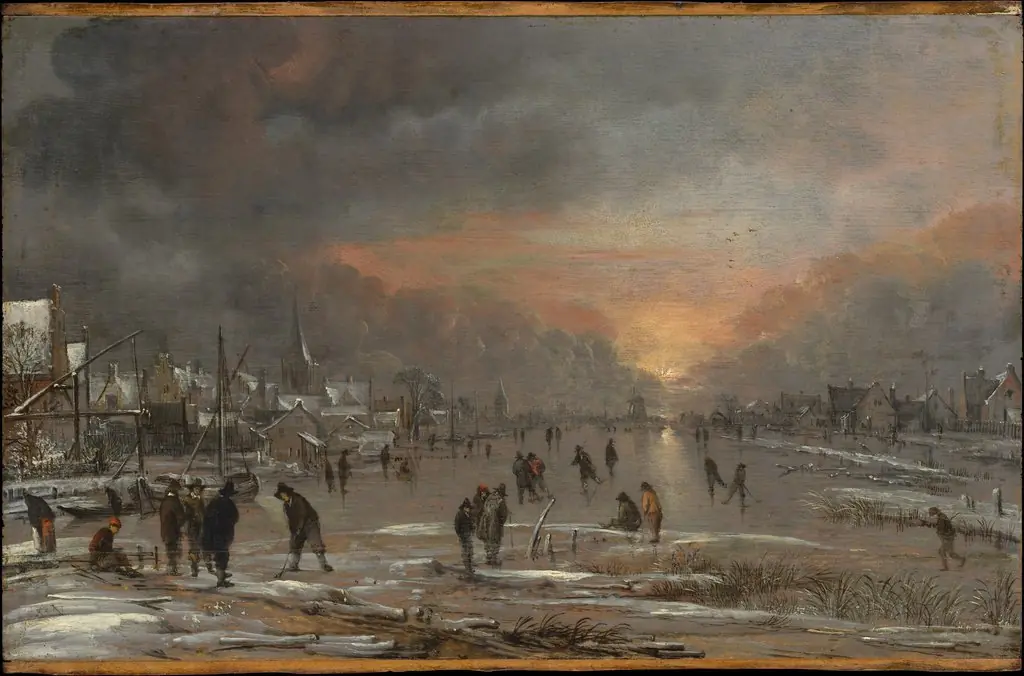
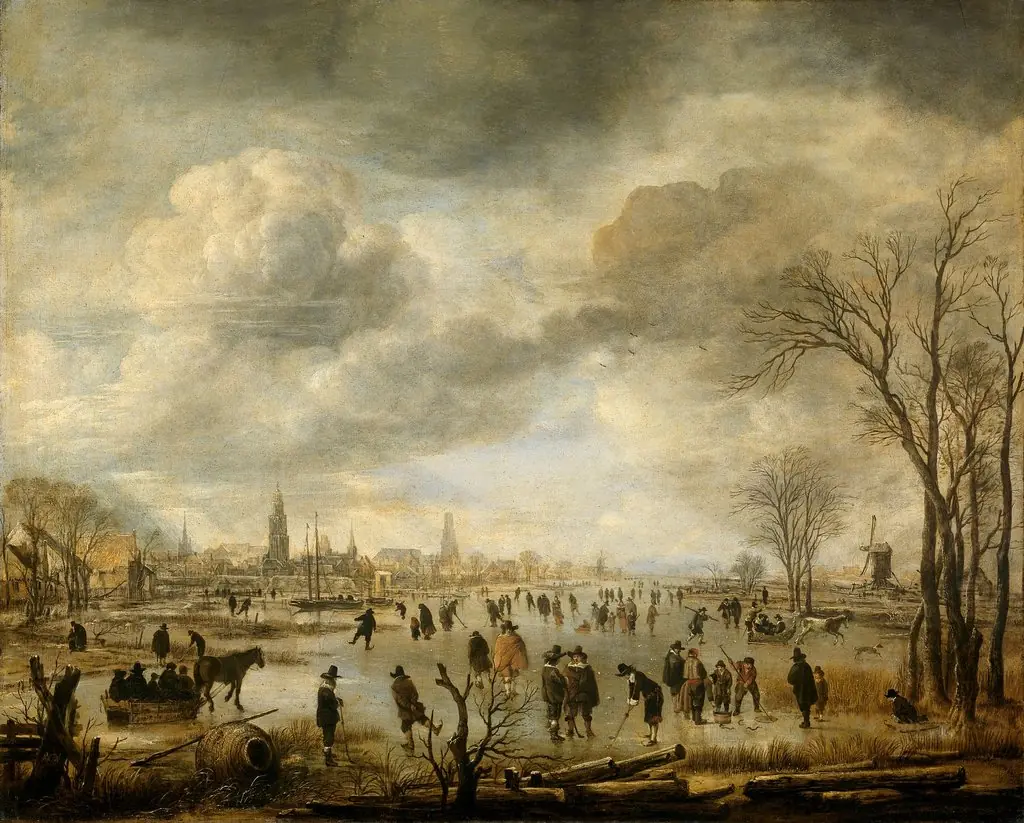
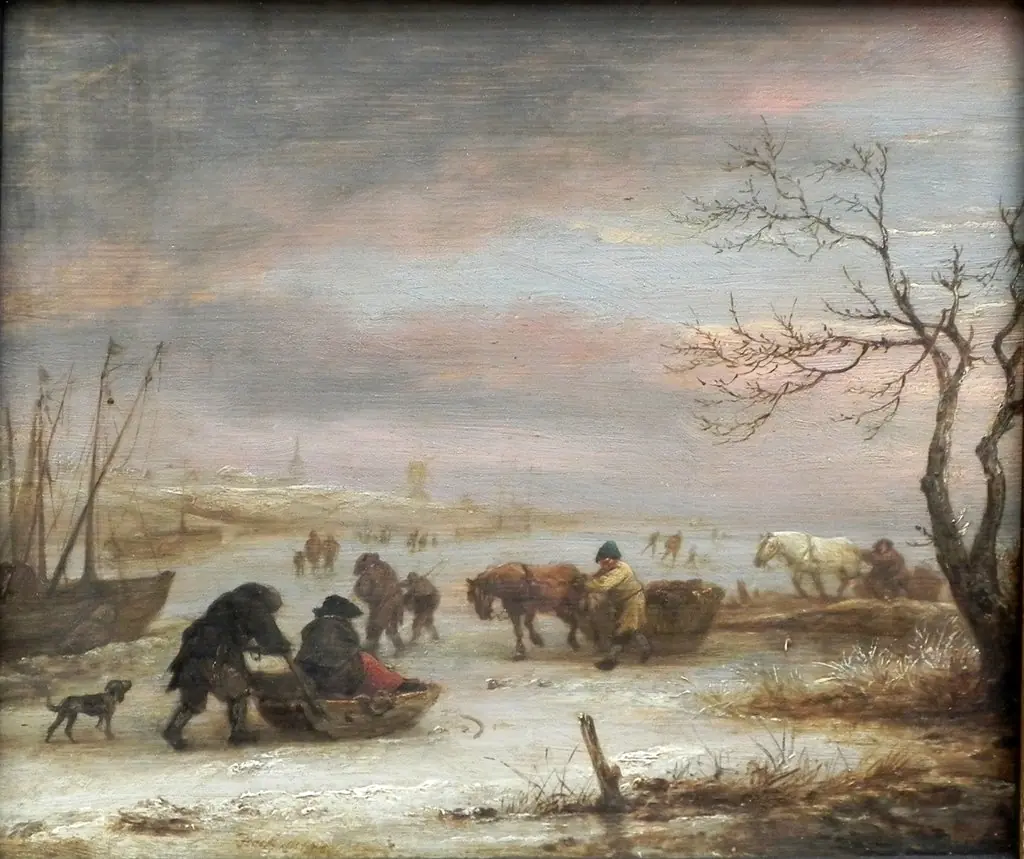
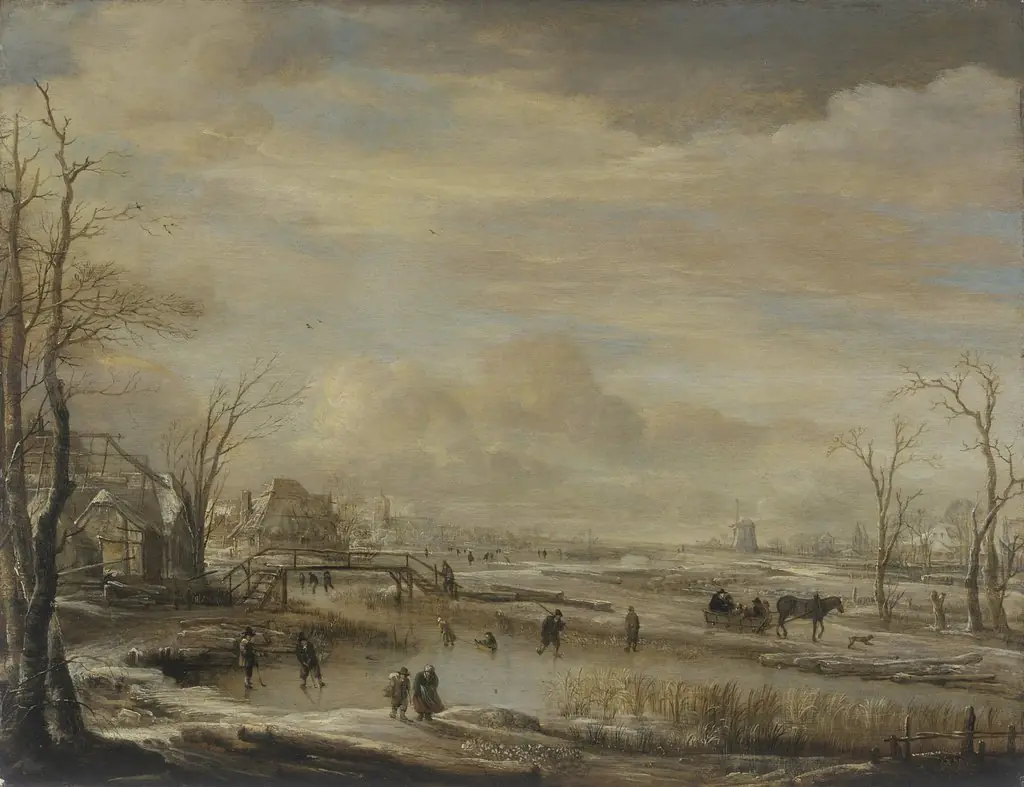
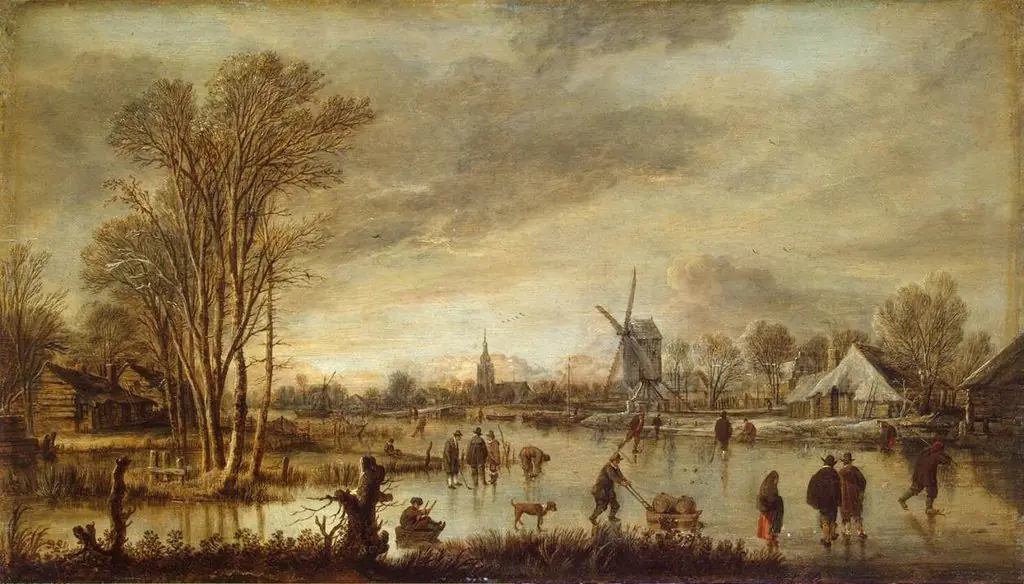
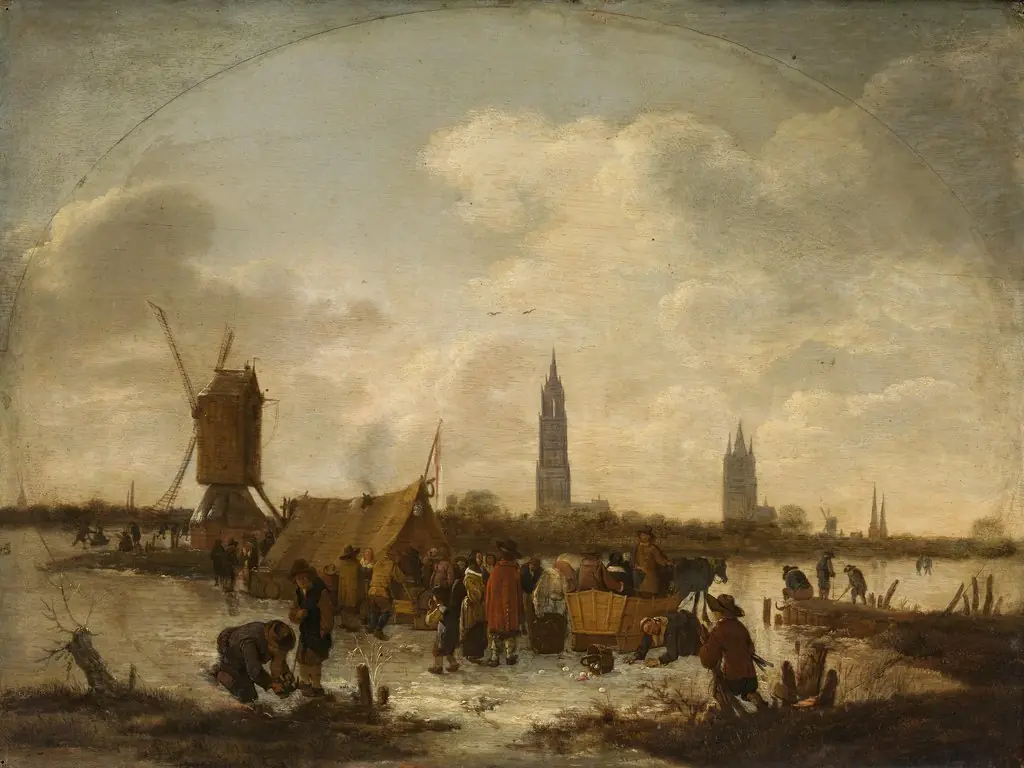
The scene portrays a cross-section of Dutch society engaged in winter pastimes: skating, ice fishing, and informal games resembling hockey. Figures in period attire move through the frozen landscape with varied energy, suggesting both leisure and resilience. The inclusion of a windmill and clustered buildings implies a settled, communal life, reinforcing the cultural significance of winter as a time for social interaction rather than isolation.
Technique & Style
Avercamp employed oil paint to achieve a vivid yet naturalistic palette, with cool grays and muted reds defining the winter atmosphere. Chiaroscuro is subtly used to model forms and suggest depth, with light falling from the left to illuminate figures and ice. His brushwork is deliberate but not overly refined, conveying motion and texture through loose, energetic strokes that enhance the scene’s liveliness without sacrificing clarity.
History & Provenance
The painting was created during Avercamp’s mature period, when his winter scenes were widely appreciated in the Netherlands. It entered the collection of the Museum of Fine Arts, Budapest in the 19th century, likely through European art market channels. Its preservation reflects its recognized value as a representative work of Dutch genre painting, though its specific ownership history prior to the 1800s remains undocumented.
Context
The early 17th century in the Netherlands saw unusually cold winters, turning rivers into communal spaces for recreation. Avercamp’s paintings respond to this phenomenon, documenting how climate shaped social behavior. His works were part of a broader trend in Dutch art that elevated everyday life to subject matter, aligning with Protestant values that honored diligence and community over religious grandeur.
Legacy
Avercamp’s approach influenced later Dutch landscape painters who sought to capture seasonal change and human activity within nature. While not widely copied, his compositions established a visual language for winter scenes that persisted in regional art. Today, his works remain important for understanding how Dutch society adapted to—and celebrated—its environmental conditions during the Golden Age.
Artist & collection
Artist
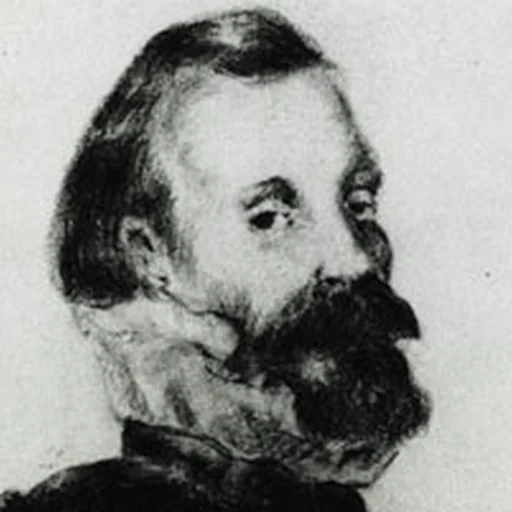
Hendrick Avercamp (January 27, 1585 (bapt.) – May 15, 1634 (buried)) was a Dutch painter during the Dutch Golden Age of painting.