Artwork
A Genoese Lady
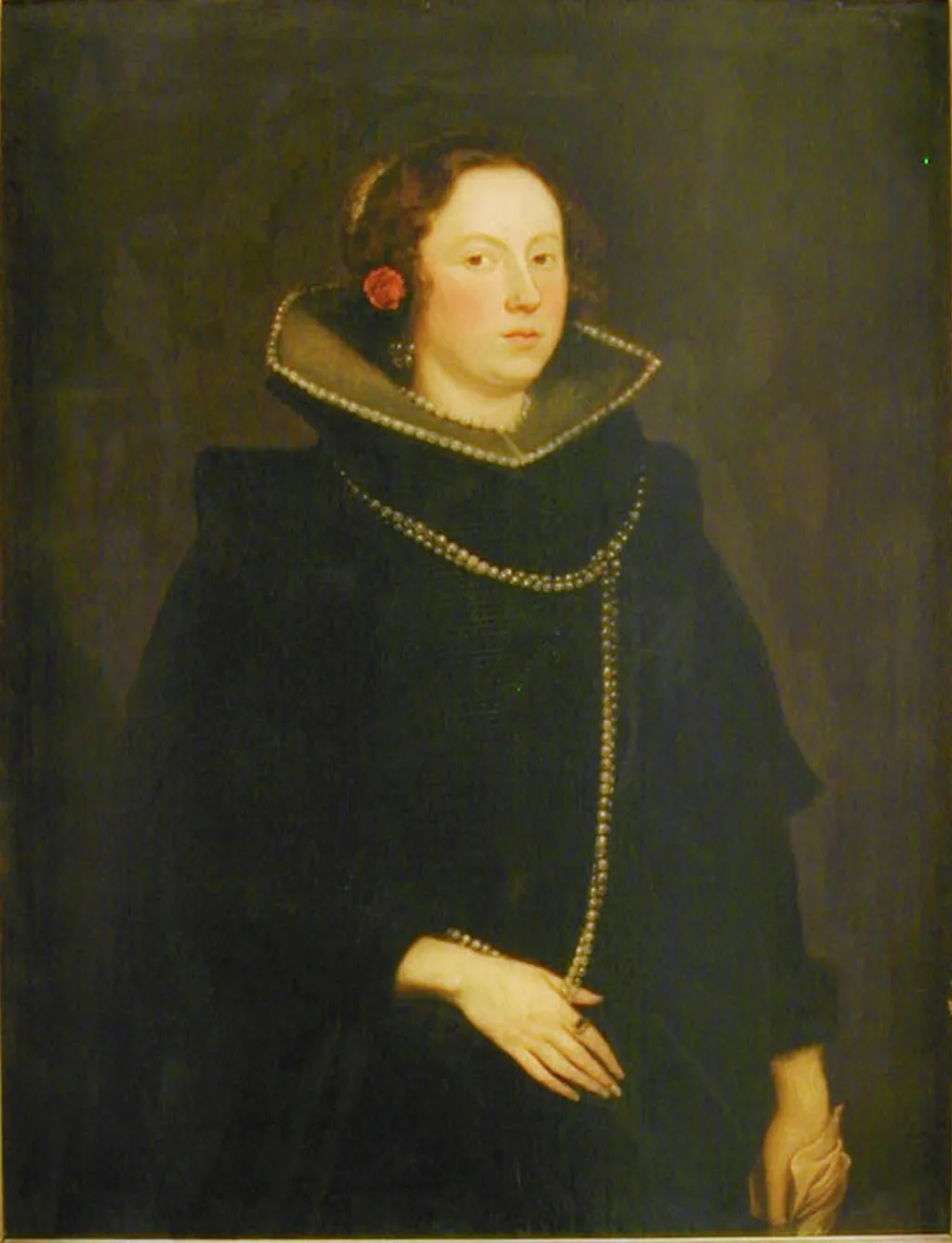
A Genoese Lady is an oil painting by the Flemish Baroque painting artist Anthony van Dyck. It dates from 1625 and is held in the collection of the Detroit Institute of Arts.
About this work
Overview
A Genoese Lady is an oil-on-canvas portrait created by Anthony van Dyck in 1625. The work portrays a woman set against a dark background, characterized by the use of chiaroscuro, a technique emphasizing strong light and shadow contrasts to achieve depth.
Subject & Meaning
The object she holds and her gesture of placing a hand on her chest may imply additional, though unspecified, personal or symbolic meanings.
The subject of the portrait is a woman, identified by her attire as a Genoese lady. Her dress, including a black outfit, high ruffled collar, tight-wristed sleeves, pearl necklace, and a singular red earring, provides contextual clues about her identity and status. The object she holds and her gesture of placing a hand on her chest may imply additional, though unspecified, personal or symbolic meanings.
Technique & Style
Van Dyck employed chiaroscuro to make the lady's face prominently stand out against the dark backdrop. This Baroque technique, marked by deep contrasts between light and dark, enhances the portrait's sense of volume and drama, typical of the Flemish Baroque style in which Van Dyck worked.
History & Provenance
Created in 1625 by Anthony van Dyck, a prolific Flemish Baroque painter who had trained under Peter Paul Rubens, *A Genoese Lady* is now part of the Detroit Institute of Arts' collection. Van Dyck's career spanned multiple regions, including the Spanish Netherlands, Italy, and later England, where he became a court painter.
Context
The painting reflects Van Dyck's early establishment as a leading artist in his teens and his subsequent work across Europe. His experience under Rubens and his travels influenced his style, blending Flemish traditions with Italian and Spanish Baroque elements, as seen in the sophisticated use of light in *A Genoese Lady*.
Legacy
While specific legacy details of *A Genoese Lady* are not provided, Van Dyck's overall contribution to portraiture, particularly in England, was profound. His works, including this piece, continue to be valued for their technical mastery and insight into 17th-century European aristocracy.
Artist & collection
Artist
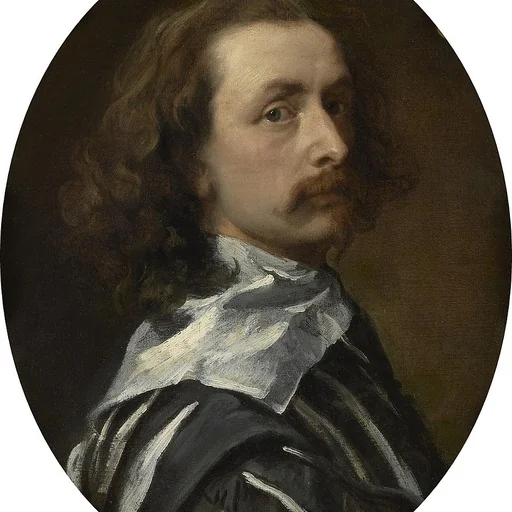
Sir Anthony van Dyck (; Dutch: Antoon van Dijck ; 22 March 1599 – 9 December 1641) was a Flemish Baroque artist, who became the leading court painter in England after success in the Spanish Netherlands and Italy.

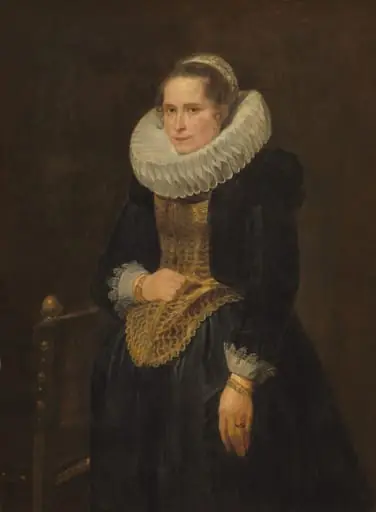
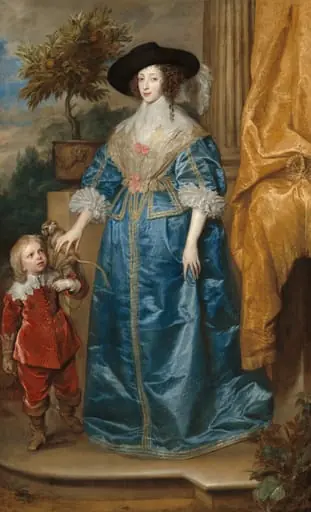
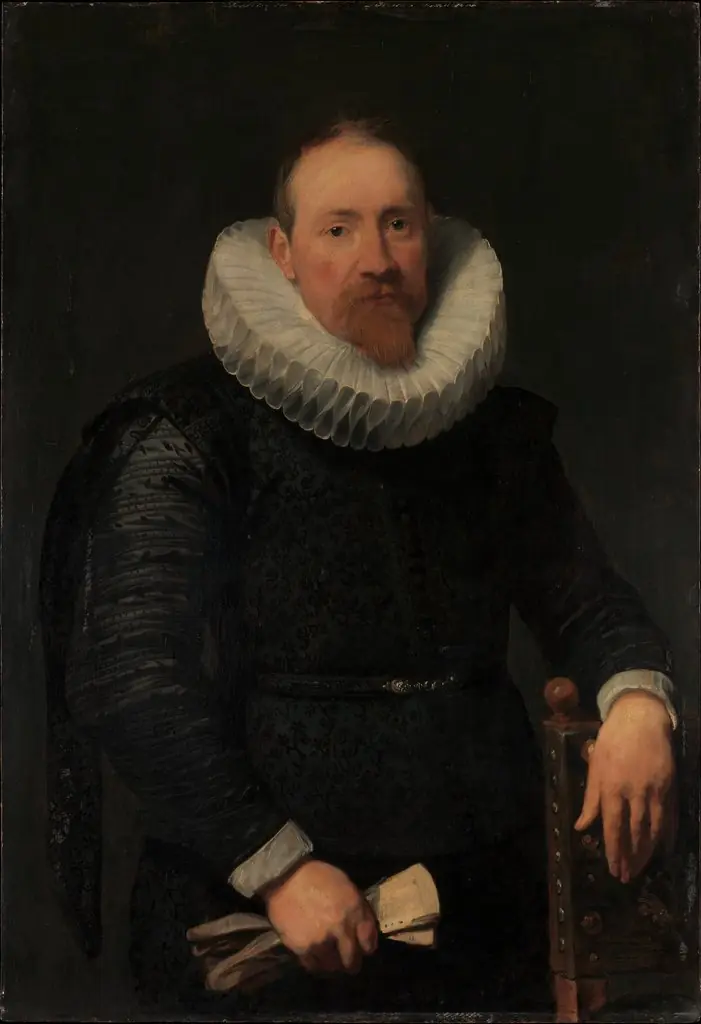
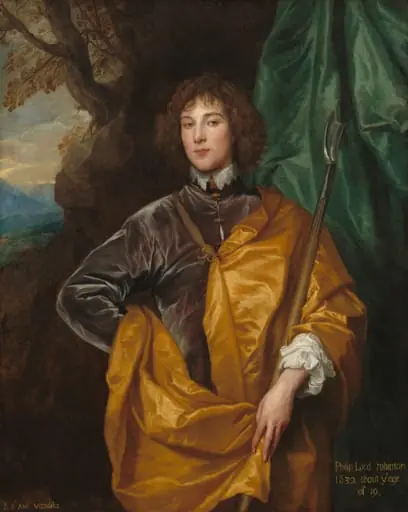
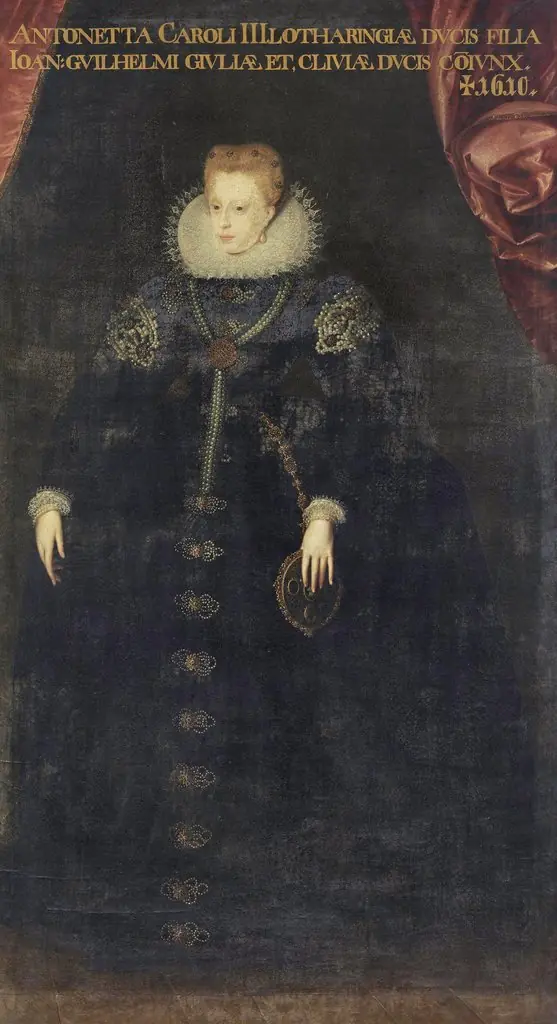 Portrait of Antoinette of Lorraine (1568-1610), Duchess of Jülich-Cleves-Berg
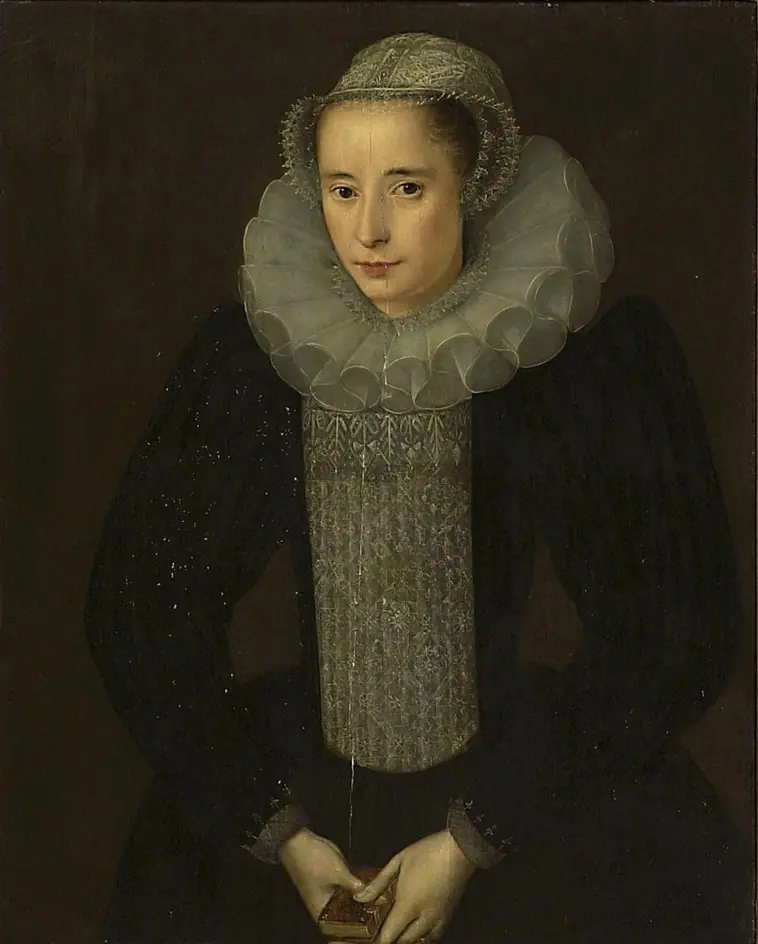 Portrait of a Lady holding a Book
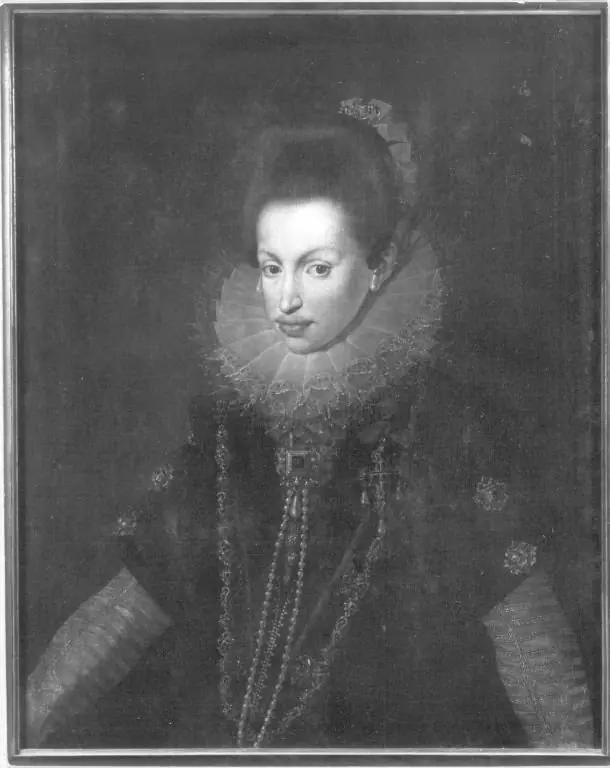 Bildnis der Erzherzogin Maria Anna (Kopie nach)
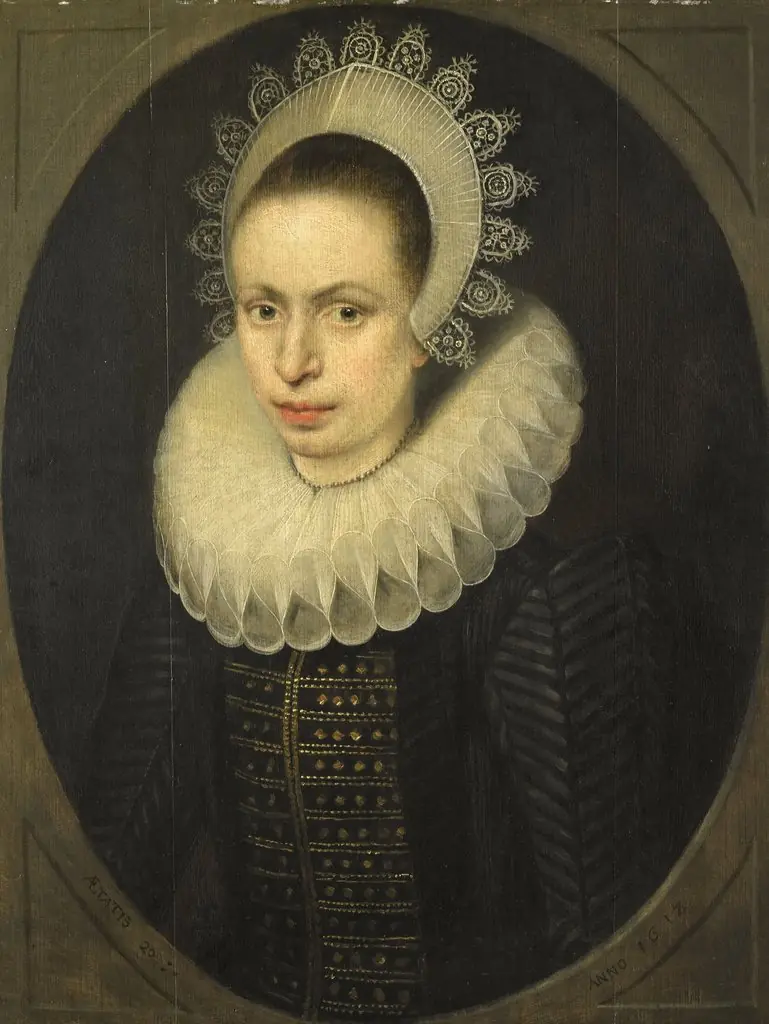 Portrait of Antoinette Walleran (1598-?)
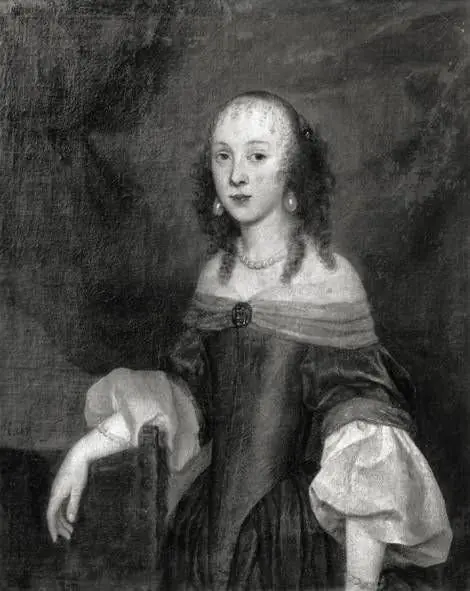 Unbekannte Dame
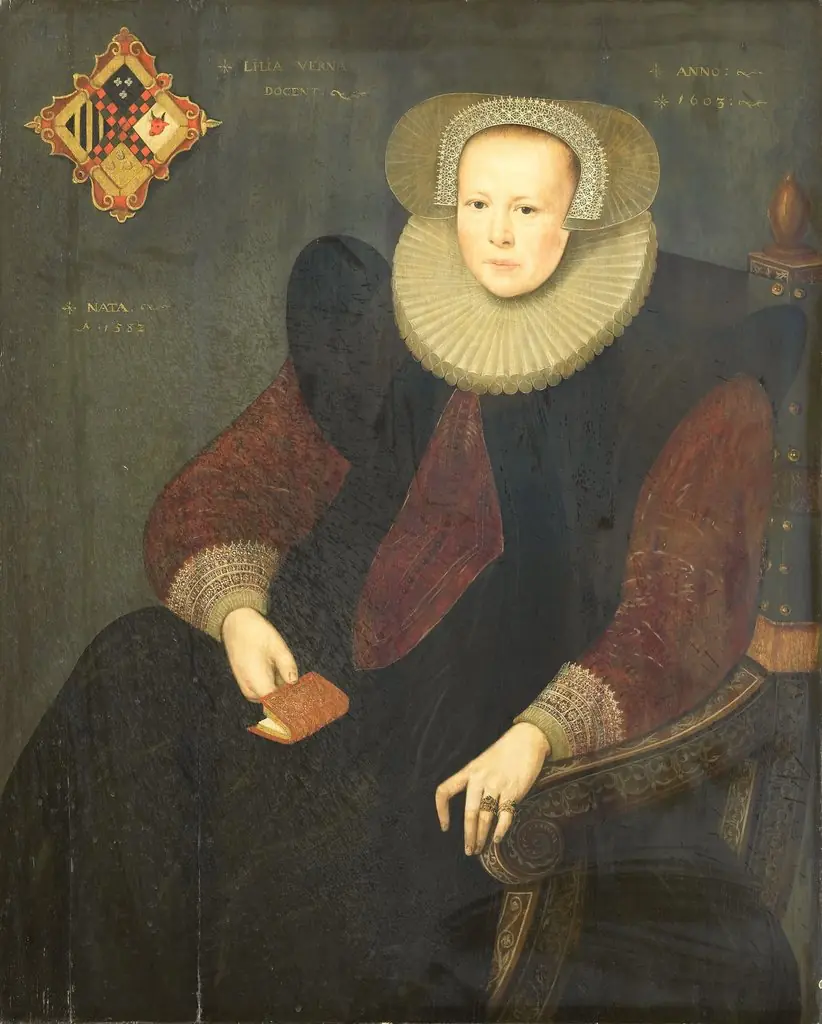 Portrait of a woman, pendant to portrait of a botanist
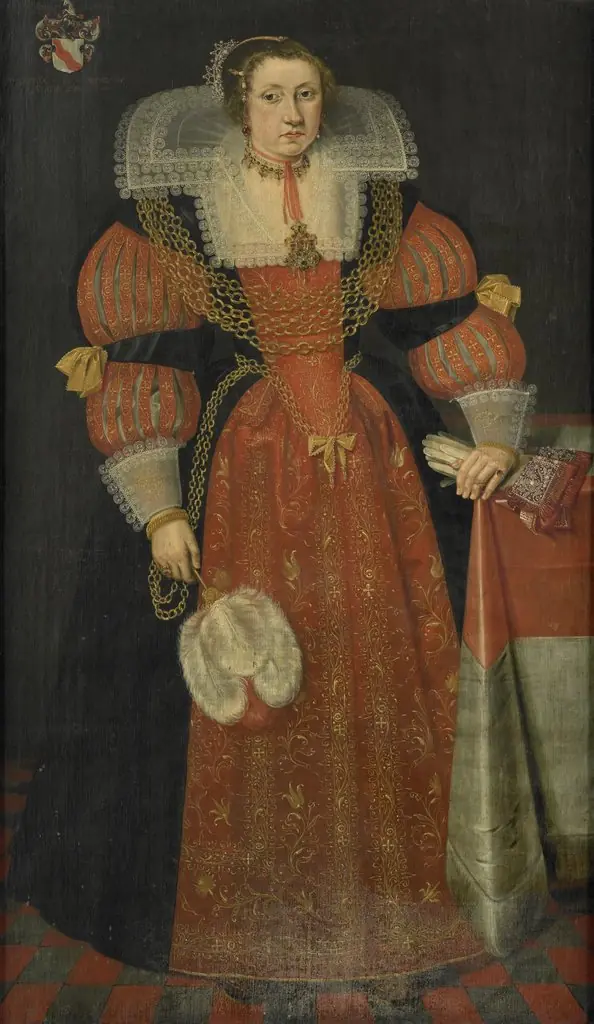 Portrait of Sophia de Vervou (c. 1613-71)
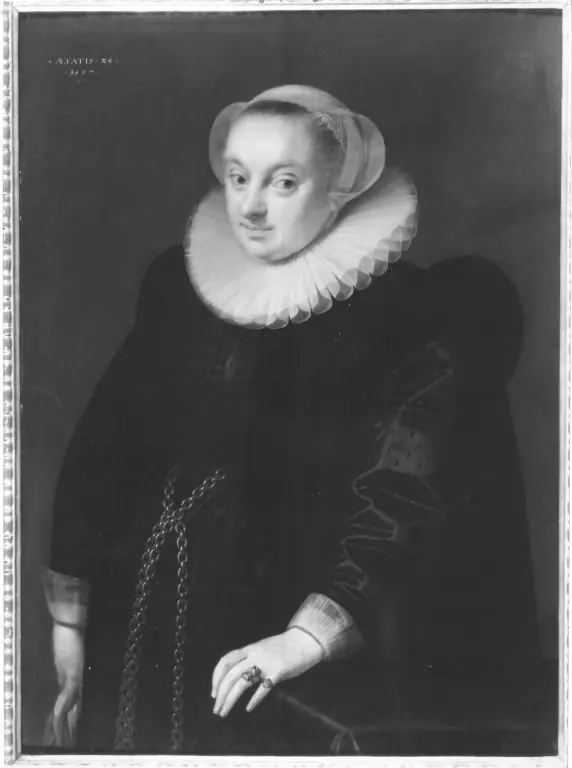 Portrait of a woman
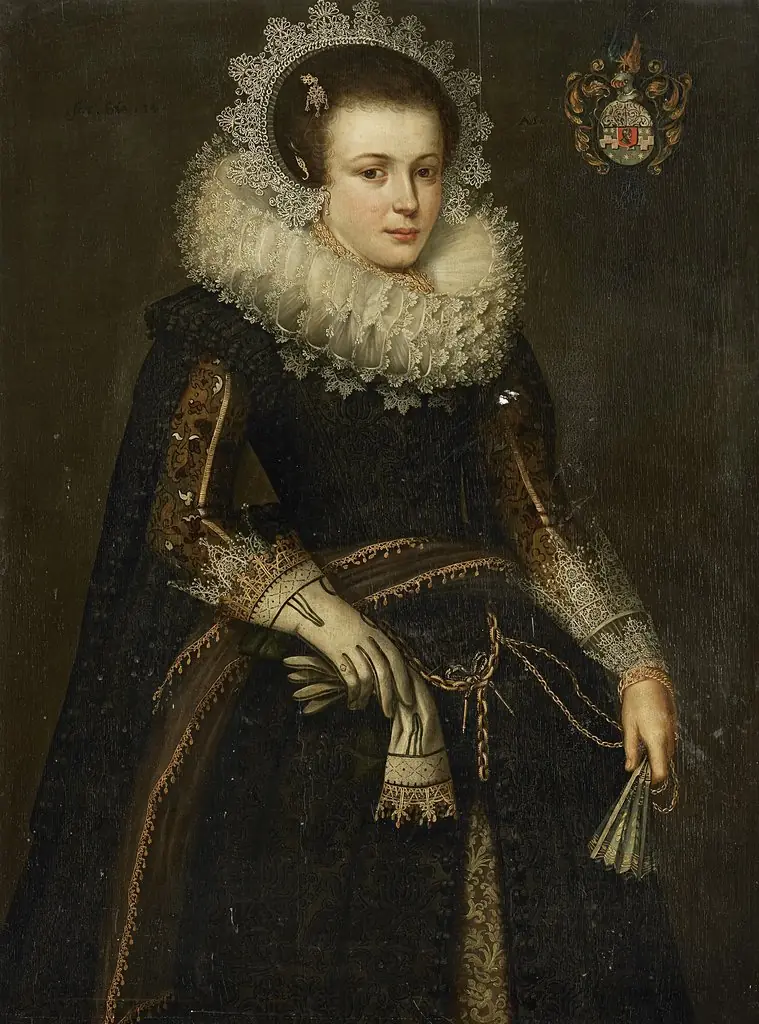 Portrait of Mertijntje van Ceters (1609-24)
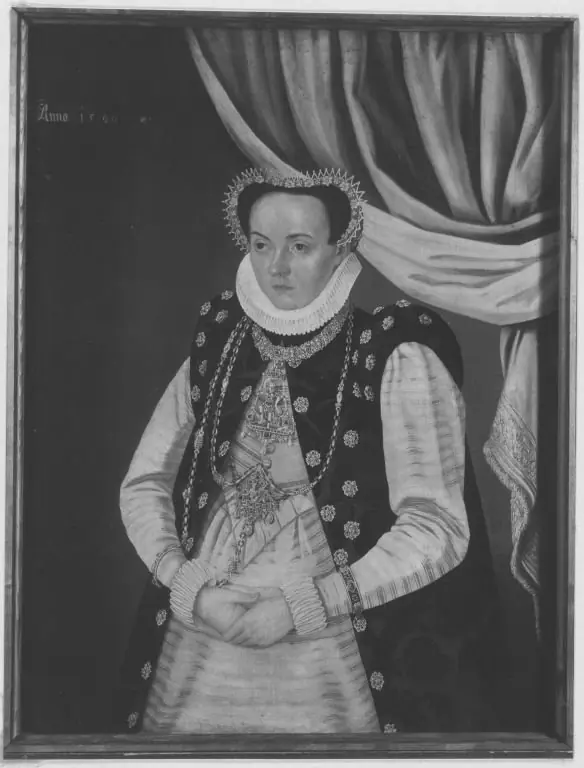 Portrait of a lady in a ruff, dated 1590
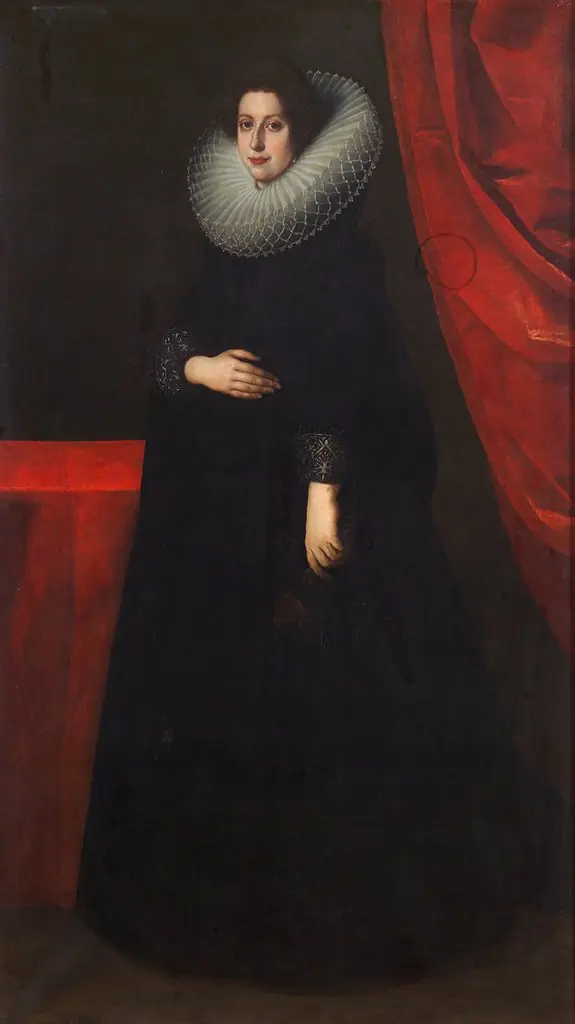 Catarina de' Medici (1593-1629)
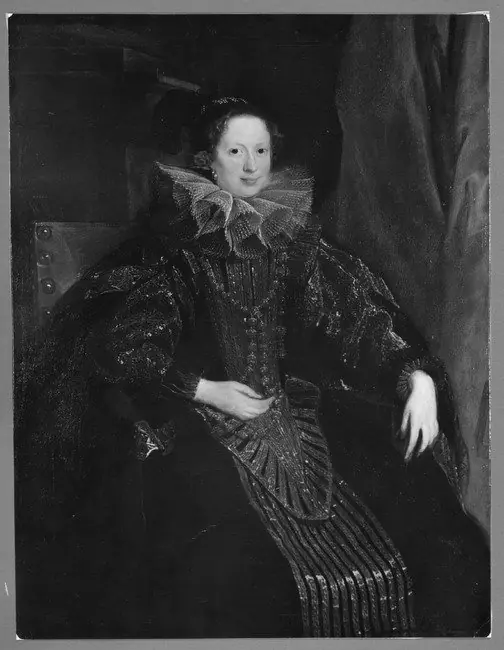 Portrait of an unknown Genoese woman, 1622-1623