Artwork
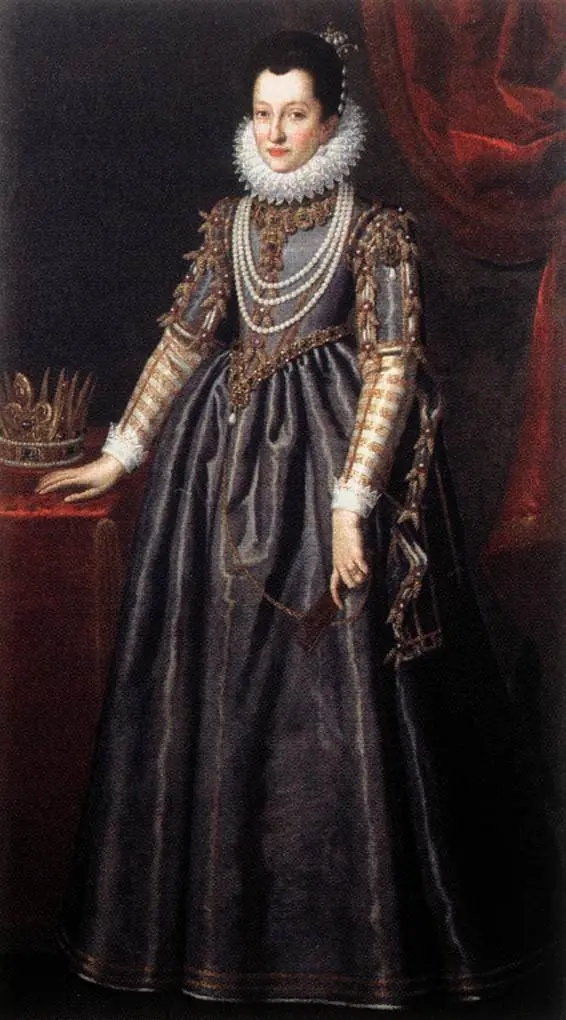
Portrait of Antoinette of Lorraine (1568-1610), Duchess of Jülich-Cleves-Berg
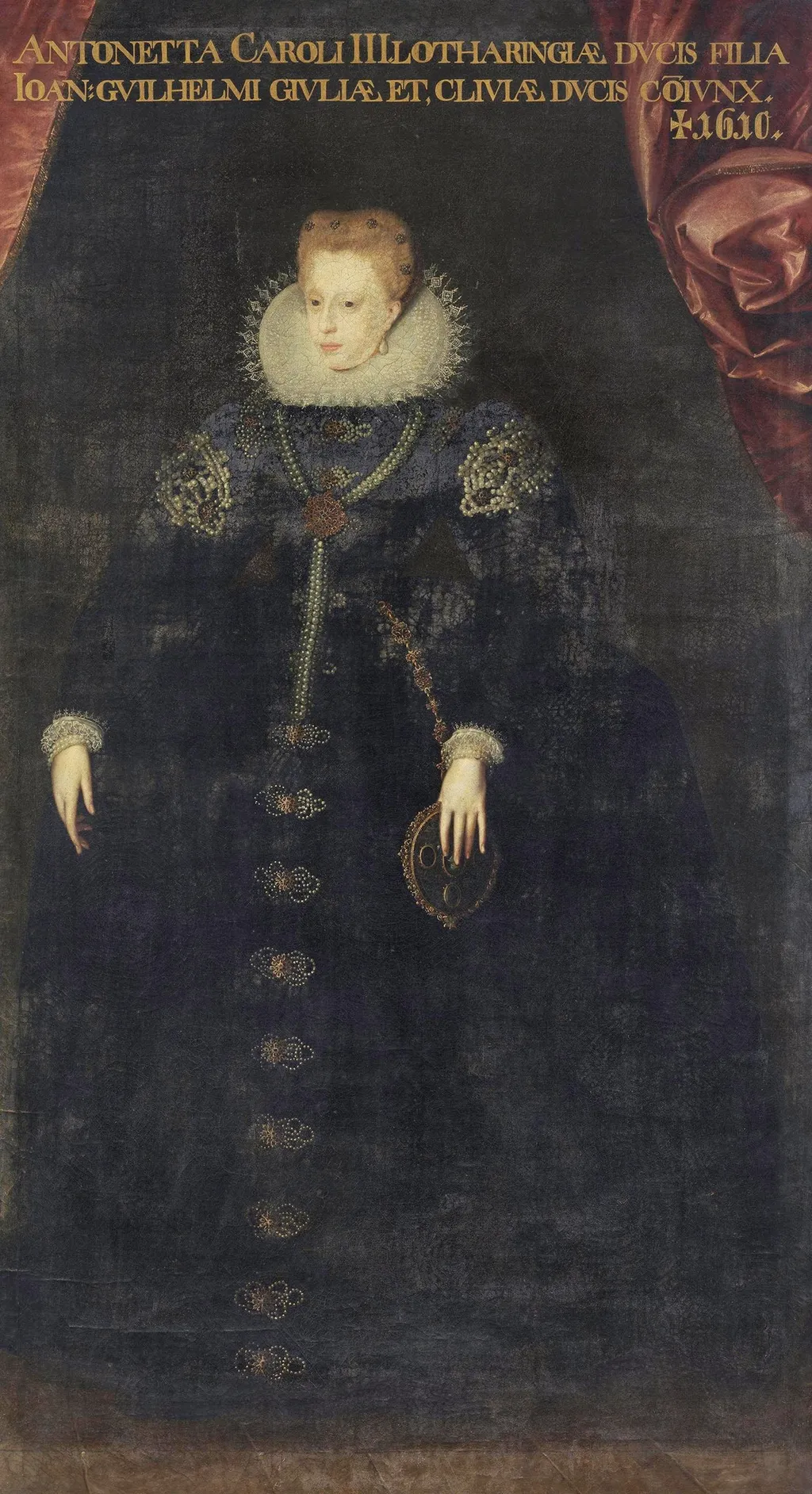
Portrait of Antoinette of Lorraine (1568-1610), Duchess of Jülich-Cleves-Berg is an oil painting by the Early Baroque Italian artist Unknown. It dates from 1550 and is held in the collection of the Bavarian State Painting Collections. This oil painting from the late 16th century depicts Antoinette of Lorraine, Duchess of Jülich-Cleves-Berg, in formal attire.
About this work
Overview
The use of light to highlight textures, particularly gold embroidery, reflects a deliberate manipulation of contrast to enhance three-dimensionality.
This oil painting from the late 16th century depicts Antoinette of Lorraine, Duchess of Jülich-Cleves-Berg, in formal attire. Rendered with precise detail, the portrait emphasizes her status through rich materials and restrained composition. The dark background isolates her figure, directing focus to her clothing and posture. The use of light to highlight textures, particularly gold embroidery, reflects a deliberate manipulation of contrast to enhance three-dimensionality.
Subject & Meaning
Antoinette is portrayed not as an individual in private moments, but as a noblewoman embodying authority and refinement. Her upright posture, composed expression, and elegant accessories—lace collar, beaded necklace, and ornate fan—signal her rank and cultural sophistication. The fan, held with care, suggests poise and control, reinforcing ideals of aristocratic demeanor in early modern Europe.
Technique & Style
The artist employs chiaroscuro to model form through subtle gradations of light and shadow, particularly on the fabric of the gown and the lace collar. Gold thread catches the light with sharp clarity, contrasting against the deep black of the dress. Brushwork is controlled and precise, favoring texture over emotional expression. The flat, dark background eliminates distraction, reinforcing the portrait’s focus on material wealth and social presence.
History & Provenance
Painted in 1568, the portrait likely originated in the courtly circles of the Rhineland, where Antoinette held influence as duchess. It may have been commissioned to affirm her position within a complex network of noble alliances. The work remained within family collections for centuries before entering public ownership, its lineage documented through archival records and stylistic analysis of period portraiture.
Context
In late 16th-century Europe, noble portraits served as instruments of political identity. Clothing, jewelry, and pose were carefully chosen to communicate lineage, wealth, and piety. Antoinette’s ensemble reflects the influence of both French and German court styles, blending lace from the Low Countries with Germanic embroidery techniques. Such images reinforced dynastic legitimacy during a time of religious and territorial upheaval.
Legacy
The portrait stands as a representative example of aristocratic portraiture in the Holy Roman Empire’s western territories. Its emphasis on material detail and restrained emotion aligns with broader trends in Northern European painting of the period. Though not widely exhibited, it remains a valuable reference for understanding how noblewomen visually asserted their status in a male-dominated political landscape.
Artist & collection

 Domestic Scene
 Giacomo and Cardinal Marco, investing Andrea, Abbot of San Zeno, with his Benefice
 The Nymph of Fontainebleau
 Portrait of a Woman
 Madonna and Child with Saints in the Enclosed Garden
 Venus and Minerva
 Family Group of Four on Sofa
 Wall painting from Room H of the Villa of P. Fannius Synistor at Boscoreale
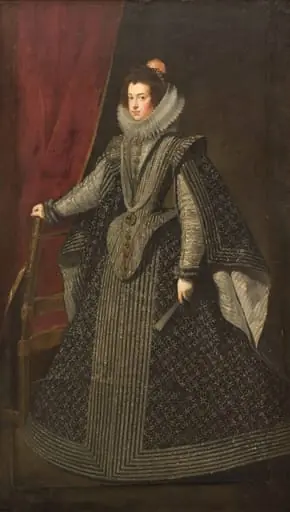 Isabella of Bourbon. First Queen of King Philip IV
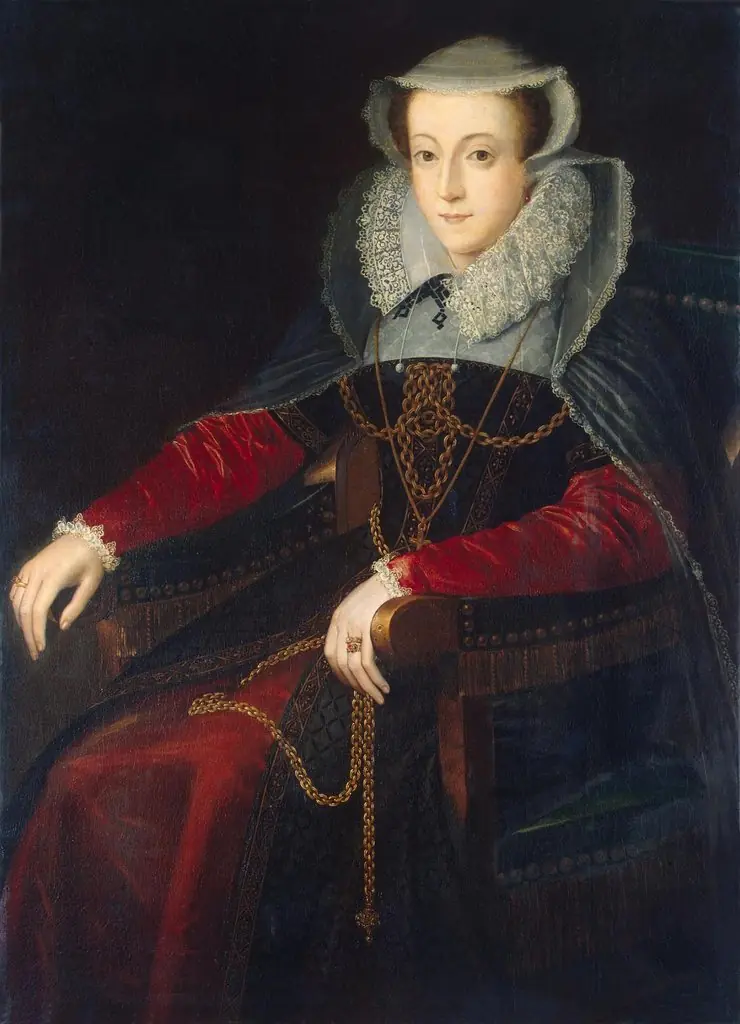 Portrait of Mary Stuart, Queen of Scots
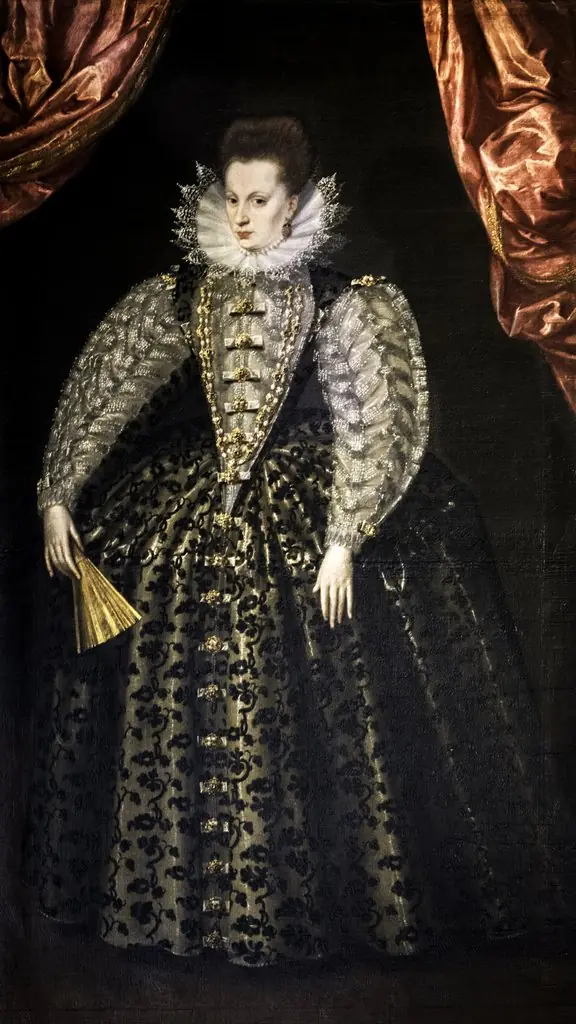 Portrait of Elisabeth Renata von Lothringen, wife of Maximilians I. von Bayern
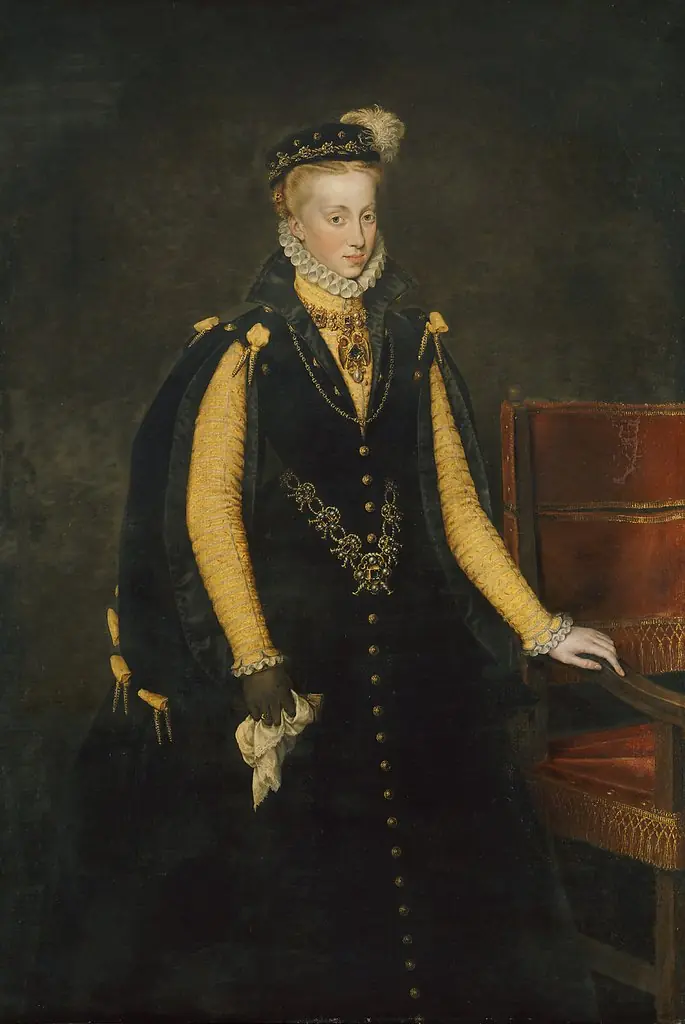 Anna von Österreich, Königin von Spanien
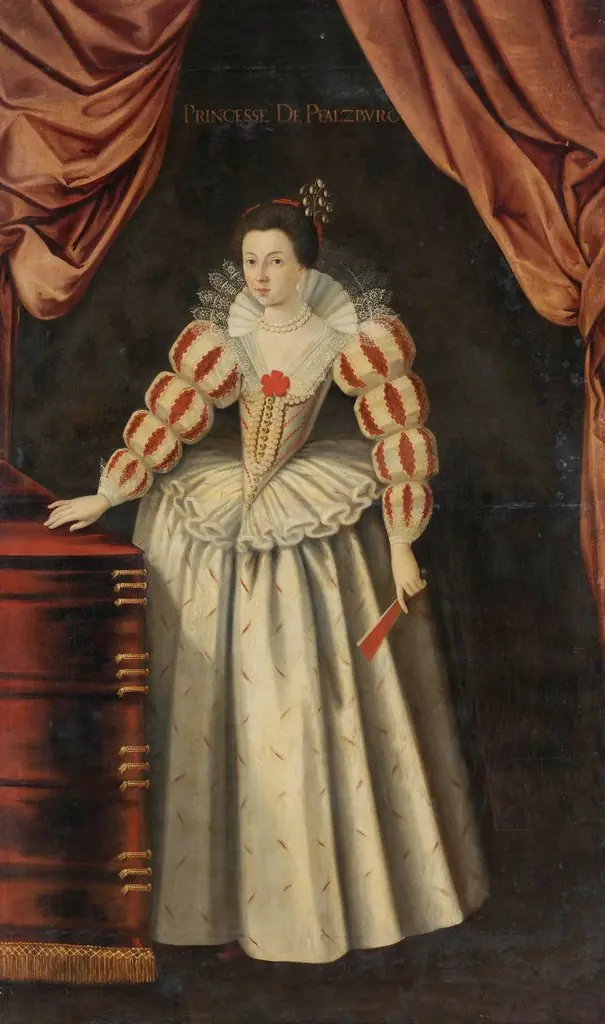 Henriette von Lothringen (1605-1660)
 Portret de englezoaică aristocrată
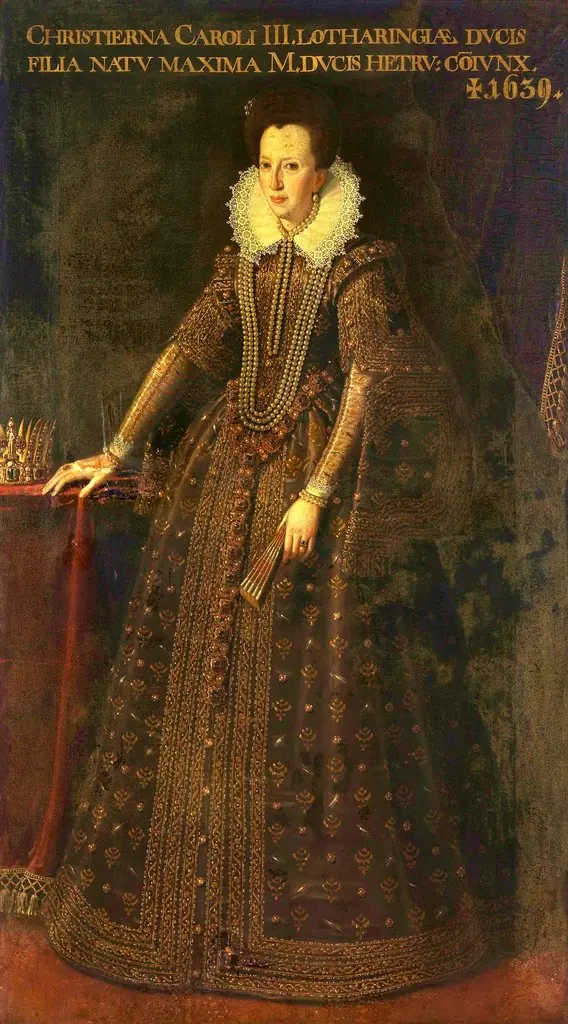 Christine, Tochter Karls III. von Lothringen
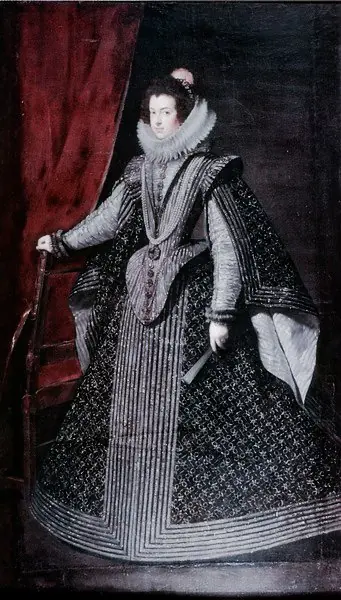 Isabella of Bourbon. First Queen of King Philip IV
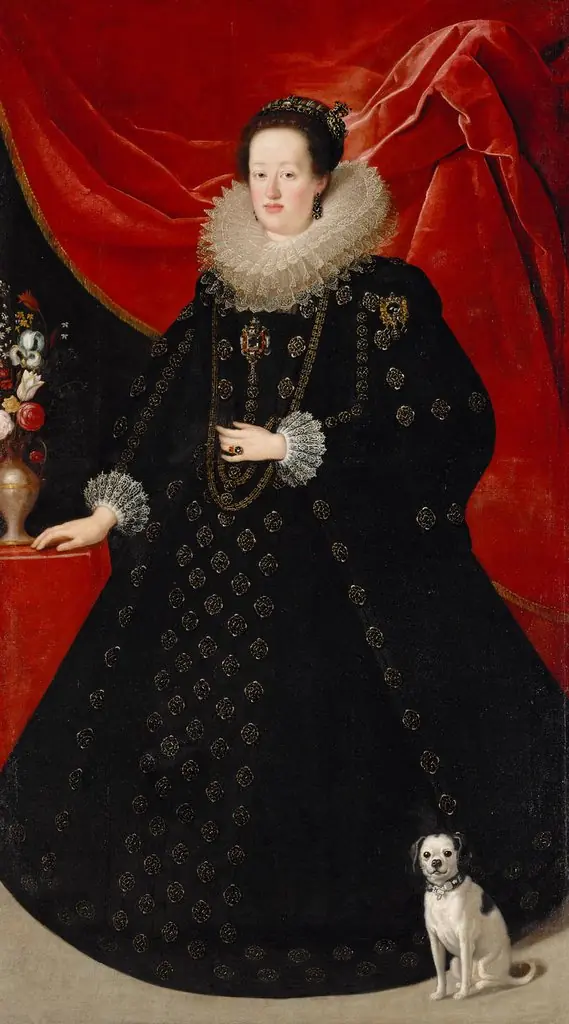 Portrait of Eleonore von Gonzaga (1598-1655), Empress in Black Dress
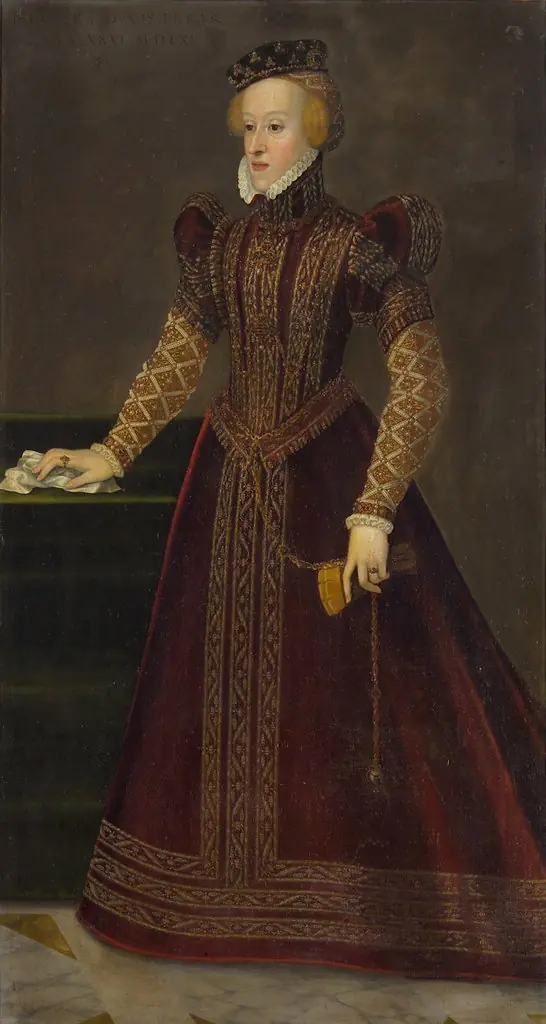 Erzherzogin Barbara (1539-1572), Herzogin von Ferrara in ganzer Figur
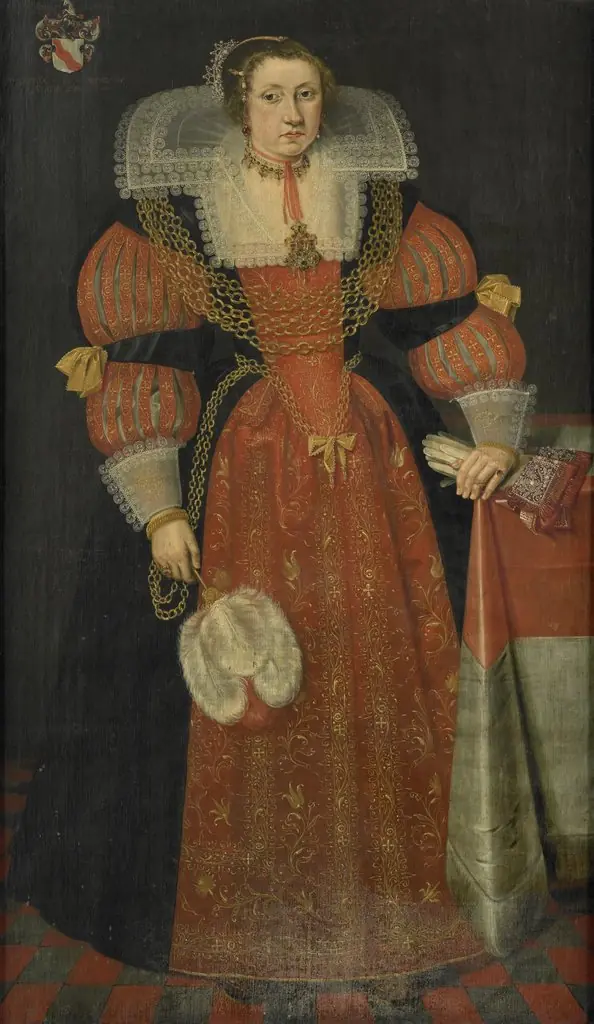 Portrait of Sophia de Vervou (c. 1613-71)
 Portrait of Christine of Lorraine