Artwork
Bildnis der Erzherzogin Maria Anna (Kopie nach)
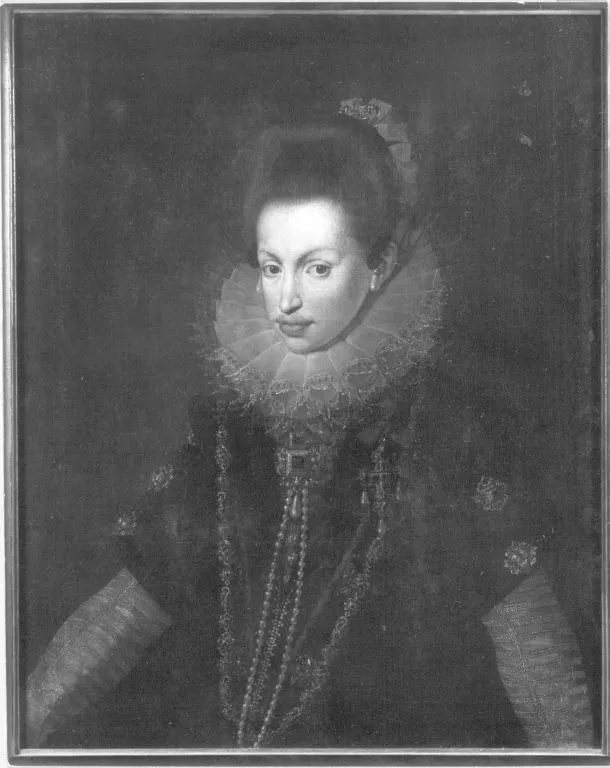
Bildnis der Erzherzogin Maria Anna (Kopie nach) is an unspecified painting by the Mannerist artist Joseph Heintz the Elder. It dates from 1594 and is held in the collection of the Bavarian State Painting Collections.
About this work
The level of detail in the painting, particularly in the subject's face and clothing, indicates that the artist was skilled in their craft.
This painting depicts a woman with dark hair, adorned in a ruffled collar and dark attire, possibly from the 16th century. The subject's gaze is directed towards the viewer, and she is shown from the waist up. The background of the painting is dark, which helps to draw attention to the subject.
The woman's clothing and hairstyle suggest that she may be a member of the nobility or aristocracy. The level of detail in the painting, particularly in the subject's face and clothing, indicates that the artist was skilled in their craft.
To learn more about the artist who created this work, you can look up Joseph Heintz the Elder.
Overview
Bildnis der Erzherzogin Maria Anna (Copy after) is a portrait painting created in 1594 by Joseph Heintz the Elder. The work is a reproduction of an original portrait of Maria Anna of Bavaria, highlighting the artist's skill in capturing detailed likenesses.
Subject & Meaning
The painting portrays Maria Anna of Bavaria, a member of the nobility, as evidenced by her dark, ornate attire and ruffled collar. Her direct gaze engages the viewer, conveying a sense of dignity and composure characteristic of aristocratic portraiture.
Technique & Style
Heintz employs a dark background to focus attention on the subject, emphasizing the intricate details of her face and clothing. This technique showcases the artist's mastery of chiaroscuro and attention to textual detail, typical of 16th-century portraiture.
History & Provenance
Created in 1594, the painting is now part of the collection at the Alte Pinakothek. Originally a copy of a portrait of Maria Anna of Bavaria, its creation reflects the practice of reproducing notable figures' likenesses for distribution or homage.
Context
As a 16th-century portrait, it reflects the era's conventions for depicting nobility, with meticulous attention to the subject's status symbols. The work situates Heintz within the tradition of European portrait painting of his time.
Legacy
While not an original portrait, the painting demonstrates Heintz's technical proficiency and contributes to the broader legacy of 16th-century European portraiture, offering insight into the representation of aristocratic subjects during this period.
Artist & collection

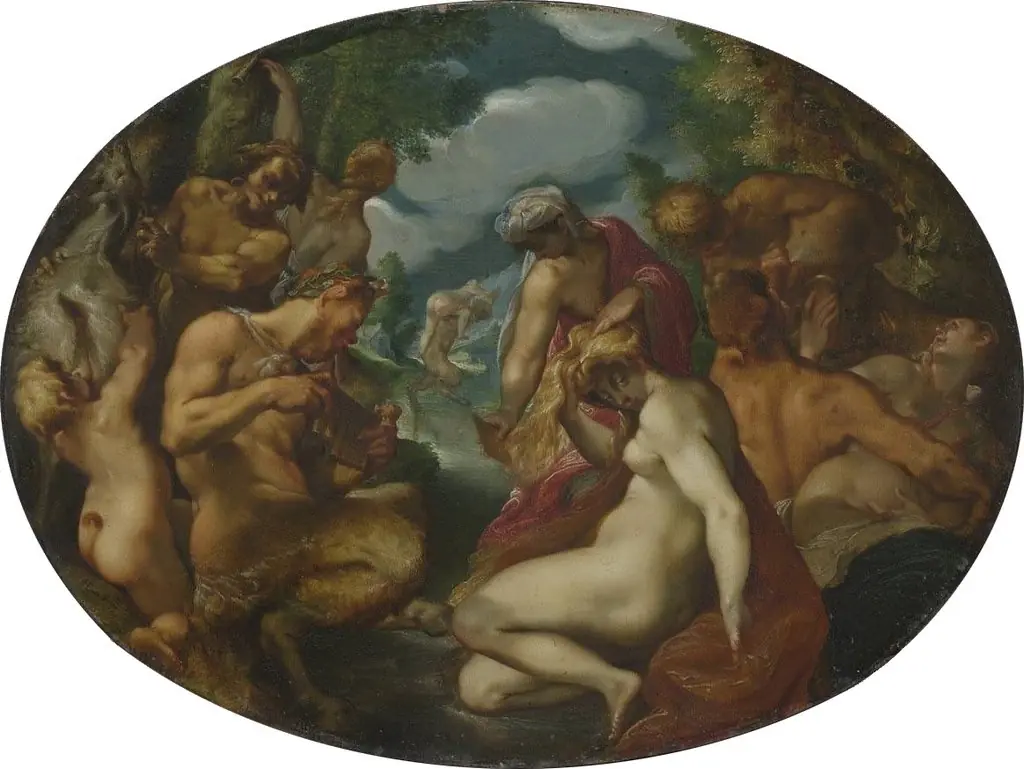 Satyrs and nymphs
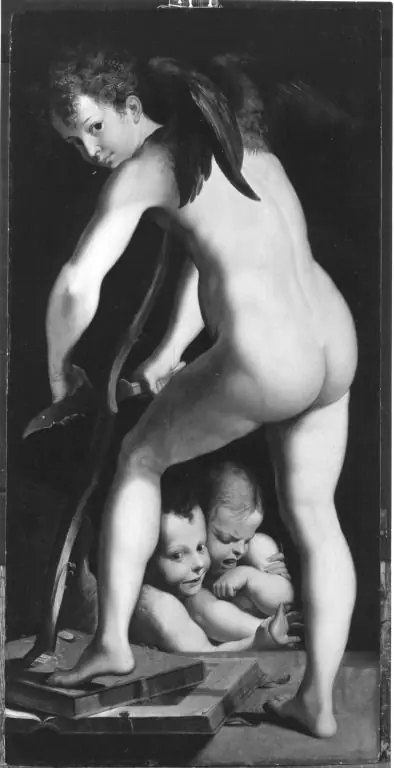 Cupid carves the bow
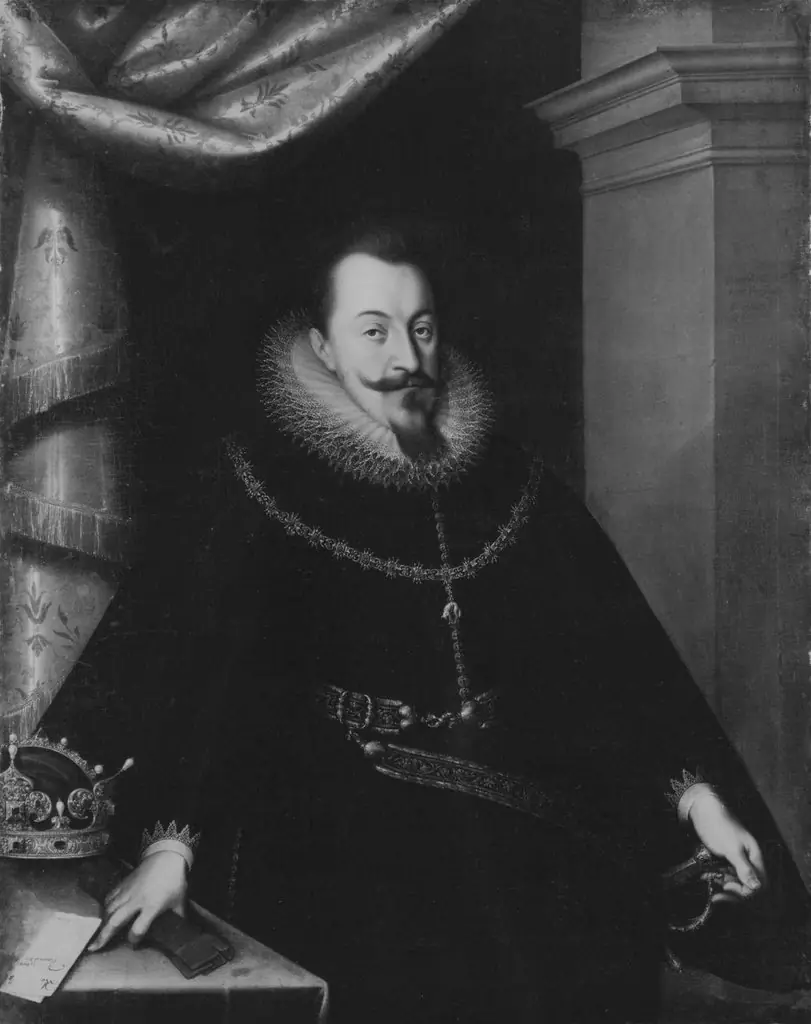 Bildnis des Königs Sigismund III. Vara von Polen und Schweden
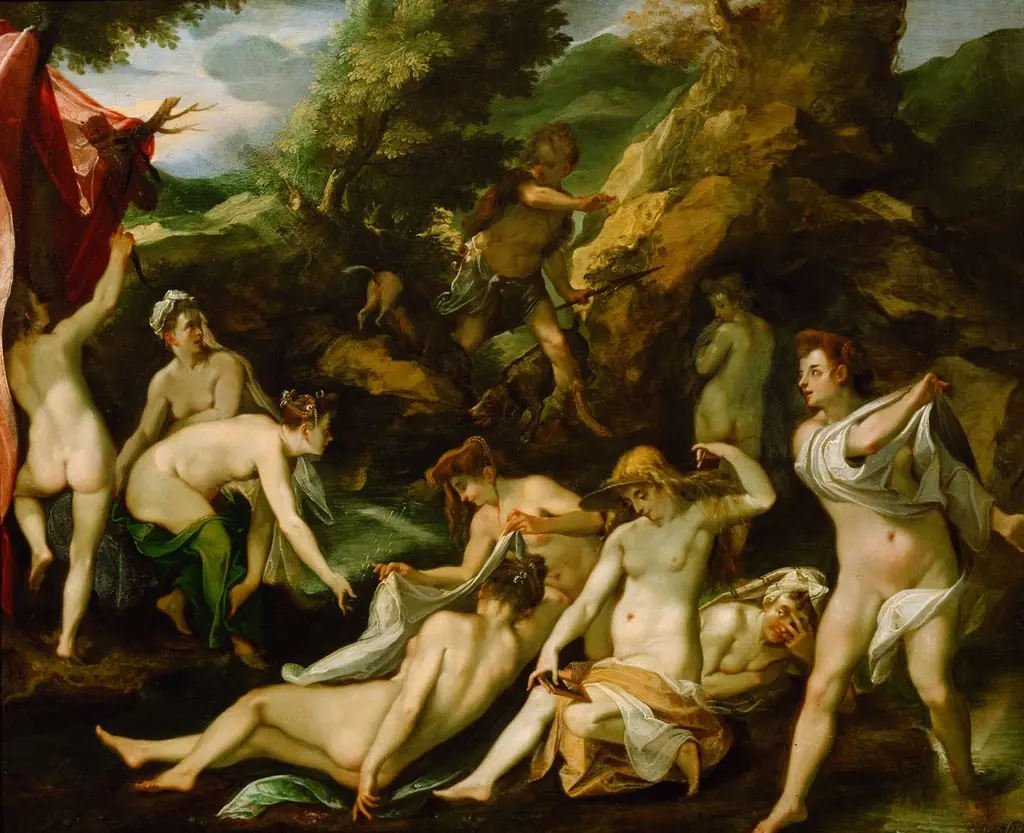 Diana and Actaeon
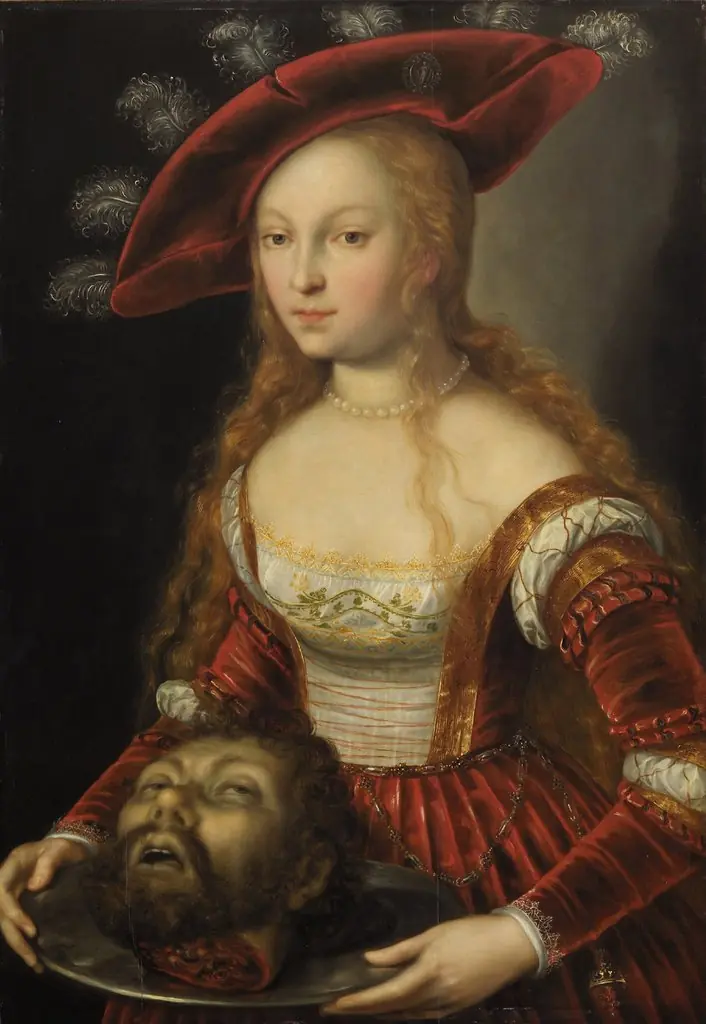 Salome with the head of John the Baptist
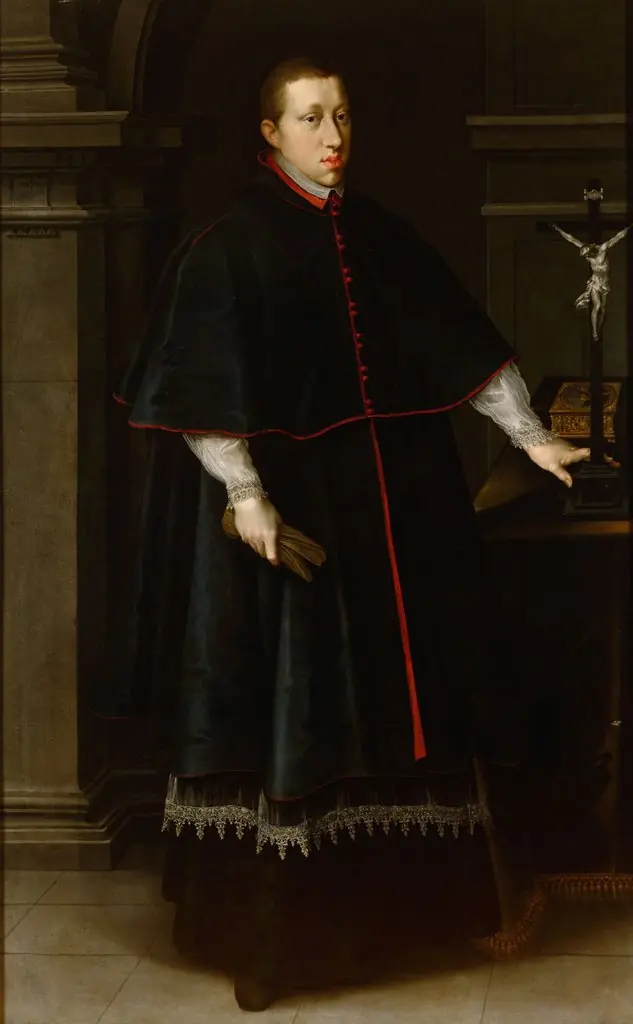 Archduke Leopold V (1586-1632) in the Spiritual Garment
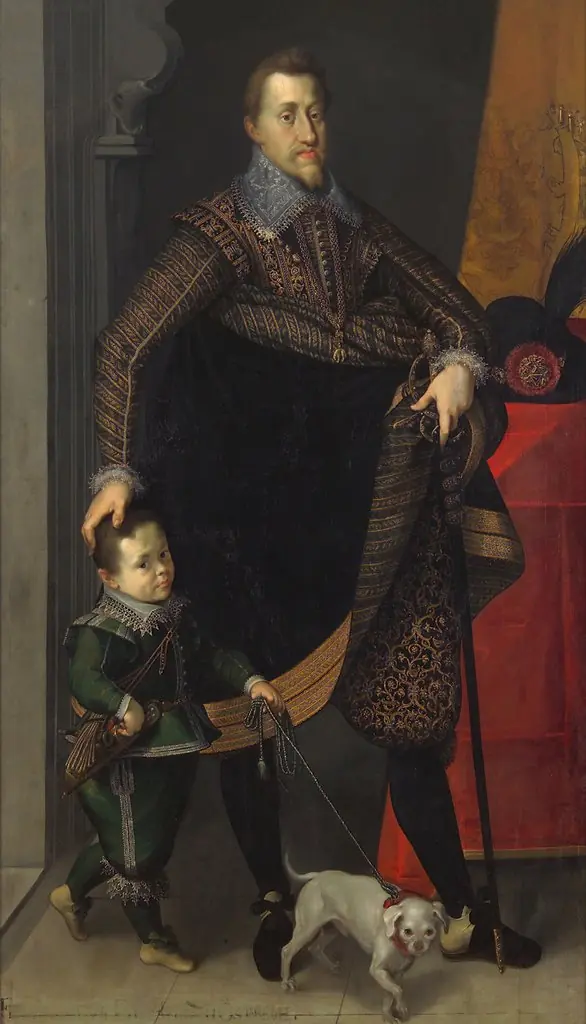 Emperor Ferdinand II (1578-1637) in Full Figure with a Court Dwarf
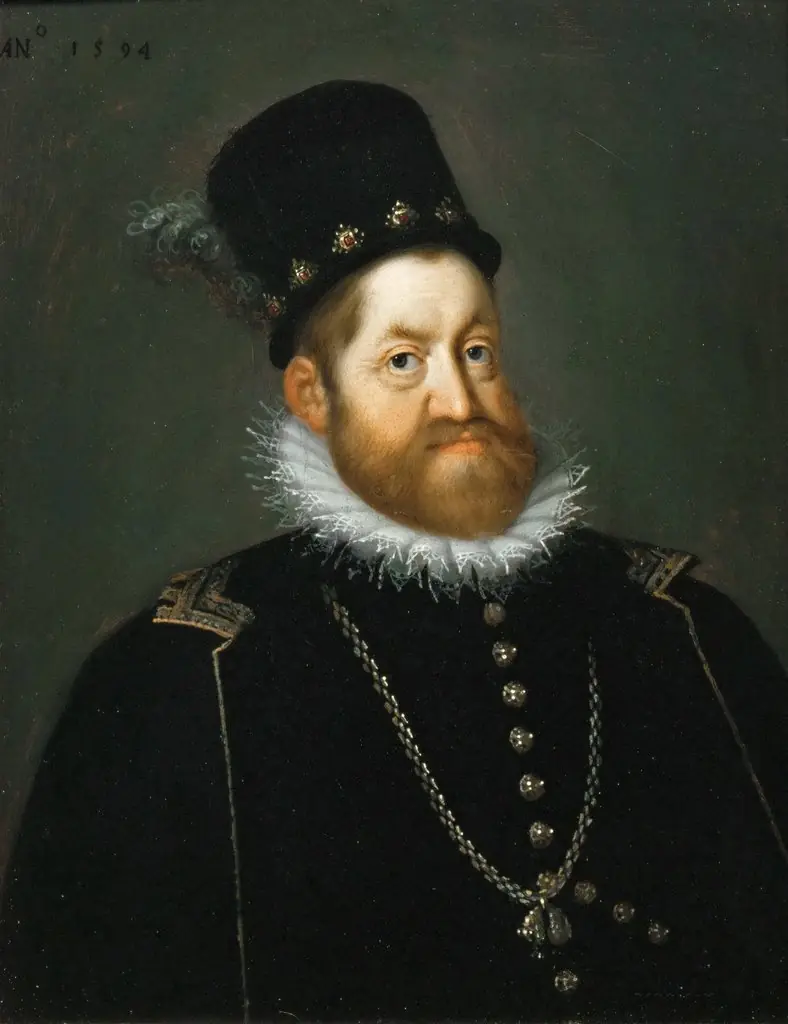 Porträt des Kaisers Rudolf II.
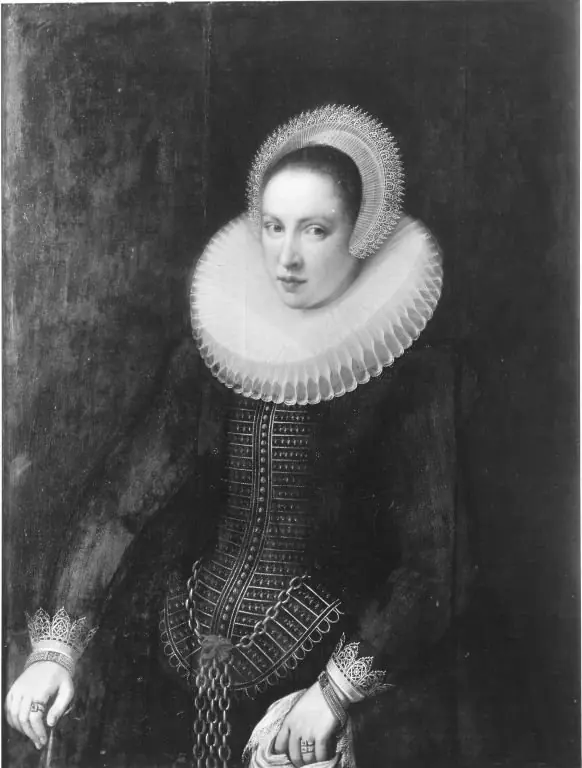 Portrait of an unknown woman aged 28 year
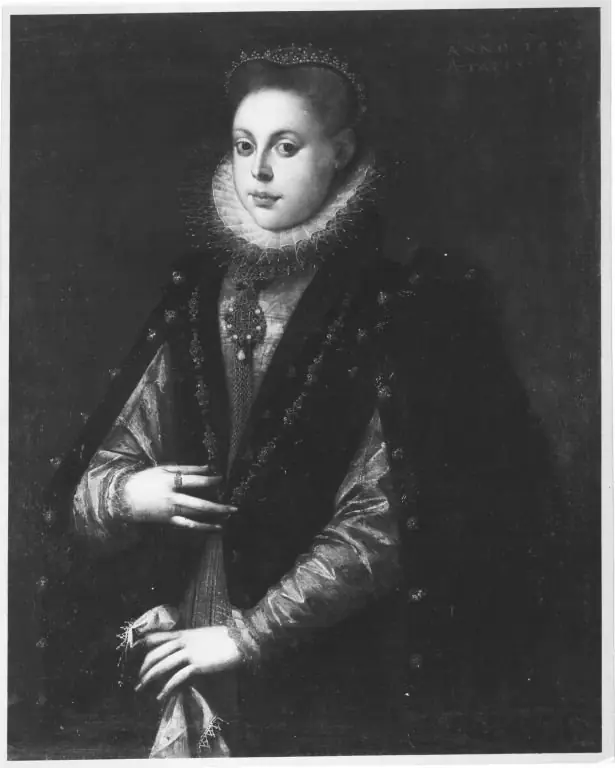 Bildnis einer unbekannten Frau
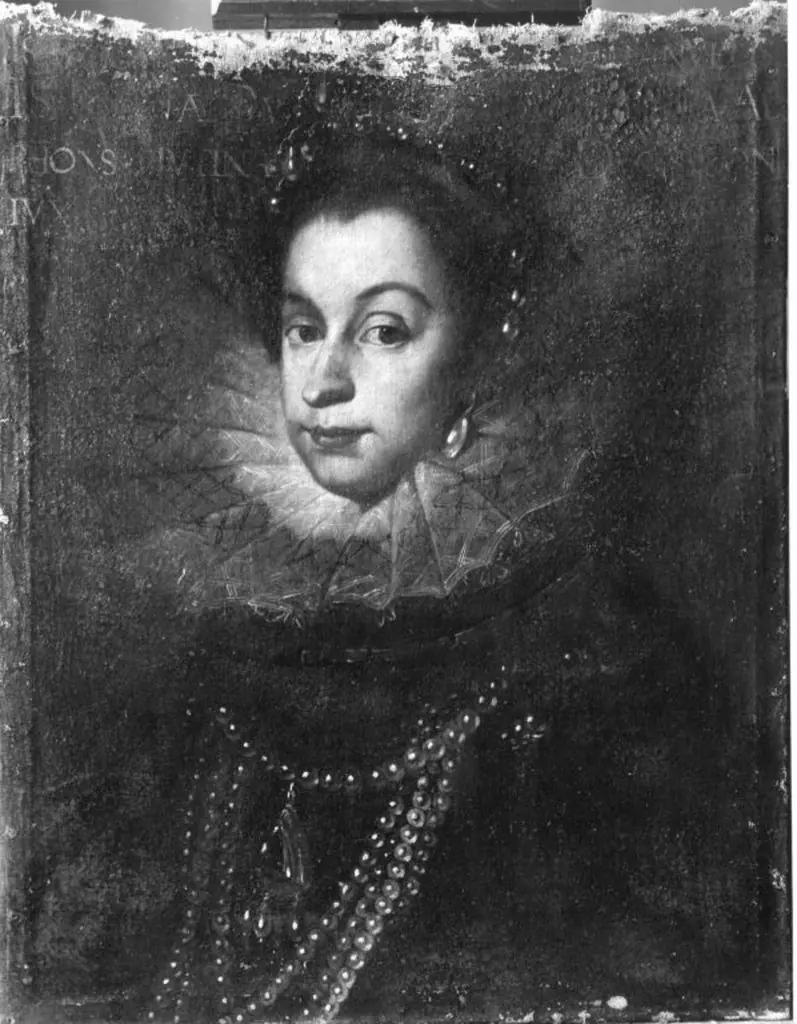 Isabella, Prinzessin von Savoyen
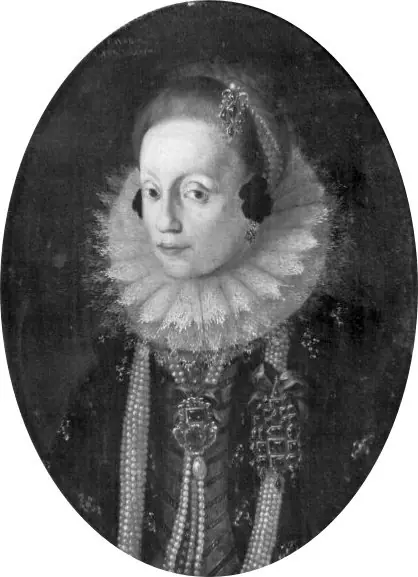 Oval portrait of Magdalene of Bavaria (1587–1628).
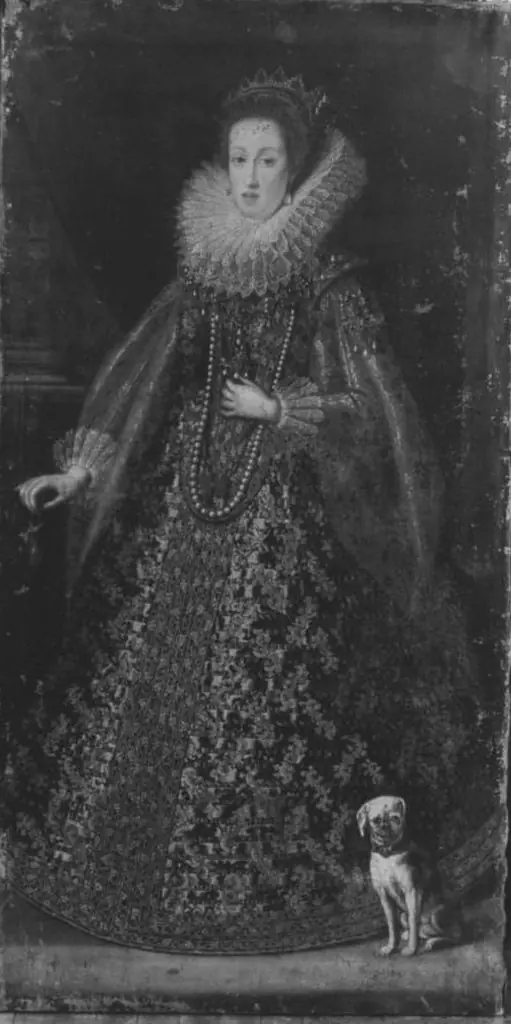 Bildnis der Erzherzogin Maria Anna von Österreich
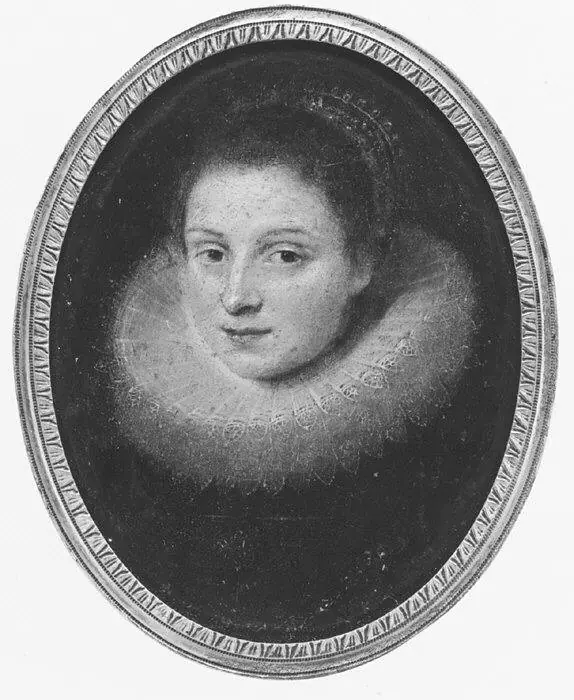 Portrait of a Woman
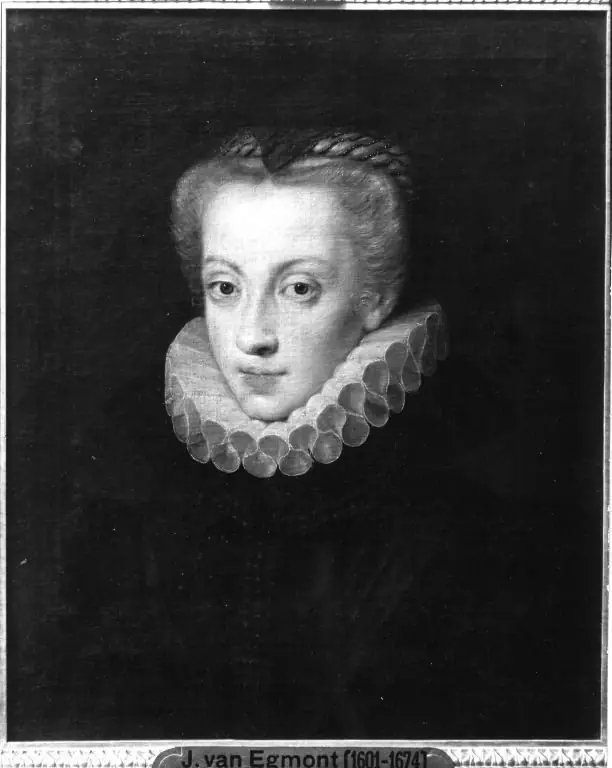 Bildnis der Königin Maria Anna von Spanien (?)
 Frances Howard, Duchess of Richmond
 Portrait of a Lady holding a Book
 Bildnis der Landgräfin Marie Hedwig von Hessen-Darmstadt, Tochter des Landgrafen Georg II., Herzogin von Sachsen-Meiningen (1647-1680) (?) (?)
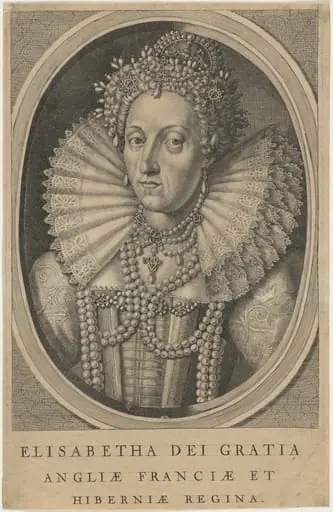 Queen Elizabeth
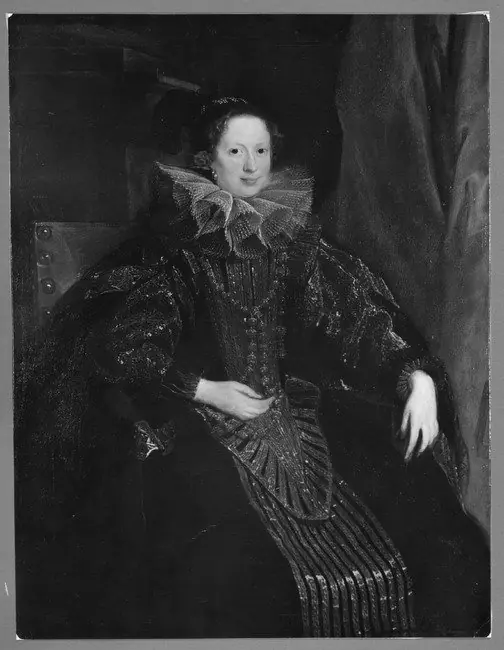 Portrait of an unknown Genoese woman, 1622-1623