Artwork
Allegory of Charity
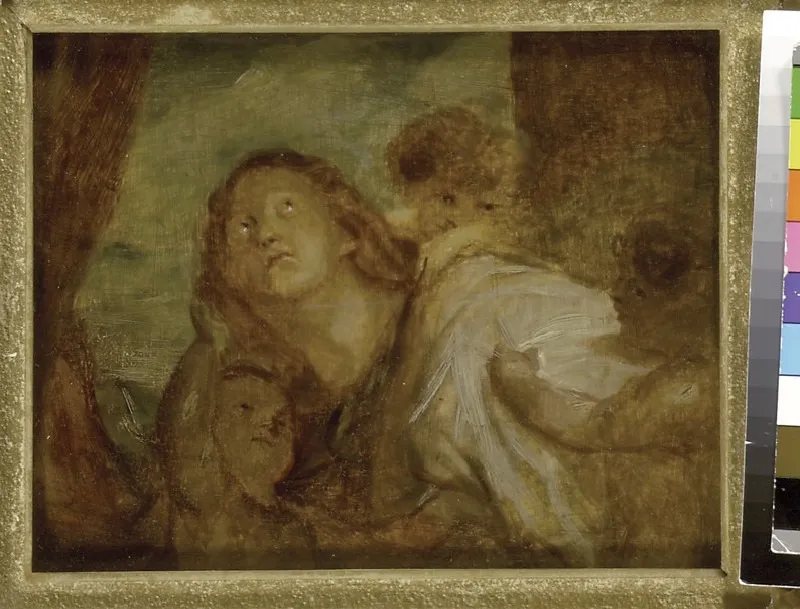
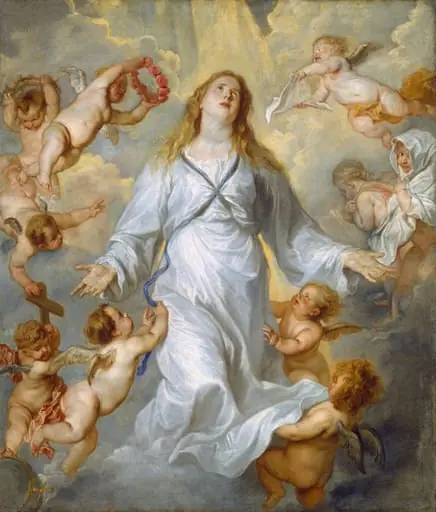
Allegory of Charity is an oil painting by the Flemish Baroque painting artist Anthony van Dyck. It dates from 1632 and is held in the collection of the Ashmolean Museum.
About this work
Overview
Allegory of Charity, painted in 1632 by Anthony van Dyck, is a Flemish Baroque oil painting featuring a serene allegorical scene. The work is characterized by its use of chiaroscuro, creating depth through contrasts of light and dark.
Subject & Meaning
The painting depicts a woman in a white dress, symbolizing charity, with outstretched arms and a calm, gentle expression, conveying nurturing care. She is accompanied by two peaceful children, one on each side, emphasizing the theme of benevolence and tranquility.
Technique & Style
Van Dyck employed chiaroscuro to add dimension, a hallmark of his style. The muted green background complements the central figure, while the overall composition reflects the Flemish Baroque emphasis on emotional depth and naturalism.
History & Provenance
Created by Anthony van Dyck in 1632, the painting is now part of the Ashmolean Museum's collection. Van Dyck, born in 1599 in Antwerp to a wealthy family, trained under Peter Paul Rubens before becoming a prominent artist.
Context
Allegory of Charity reflects the Baroque period's focus on allegorical themes and emotional expression. Van Dyck's work, influenced by his training under Rubens, contributes to the broader Flemish Baroque movement's exploration of light, shadow, and moral subjects.
Legacy
While specific lasting impacts of *Allegory of Charity* on subsequent art movements are not widely documented, it remains a notable example of Van Dyck's contribution to Flemish Baroque painting, illustrating the era's aesthetic and thematic preoccupations.
Artist & collection
Artist
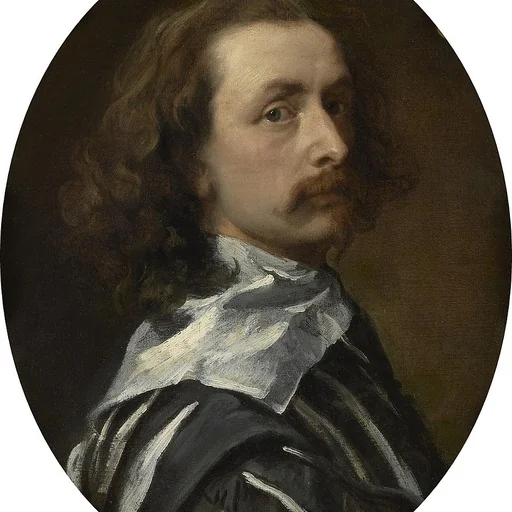
Sir Anthony van Dyck (; Dutch: Antoon van Dijck ; 22 March 1599 – 9 December 1641) was a Flemish Baroque artist, who became the leading court painter in England after success in the Spanish Netherlands and Italy.

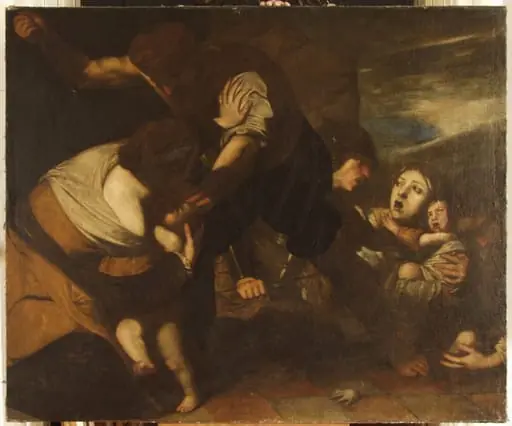 Uciderea pruncilor din Bethlehem (în Reg. inv.: Uciderea pruncilor din Bethleem)
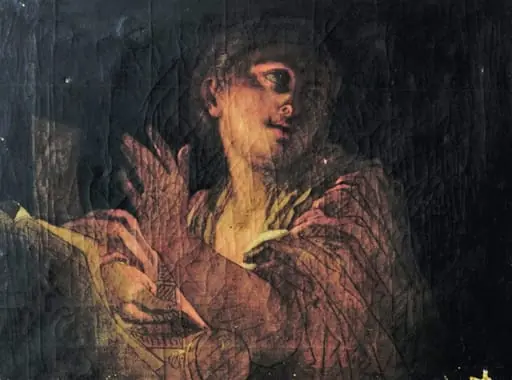 Efect de lumină
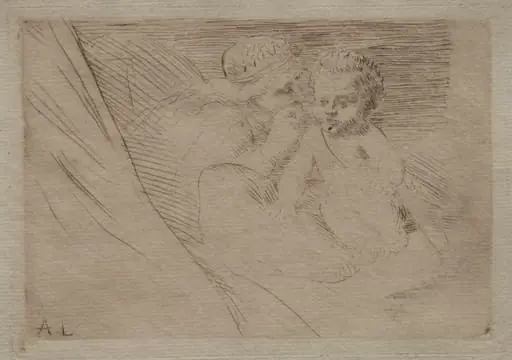 Mab and Cupid
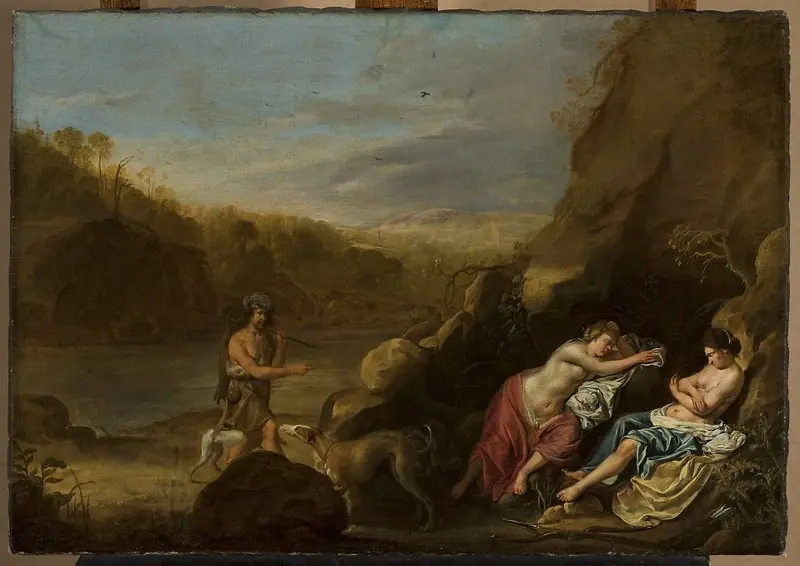 Diana’s grotto
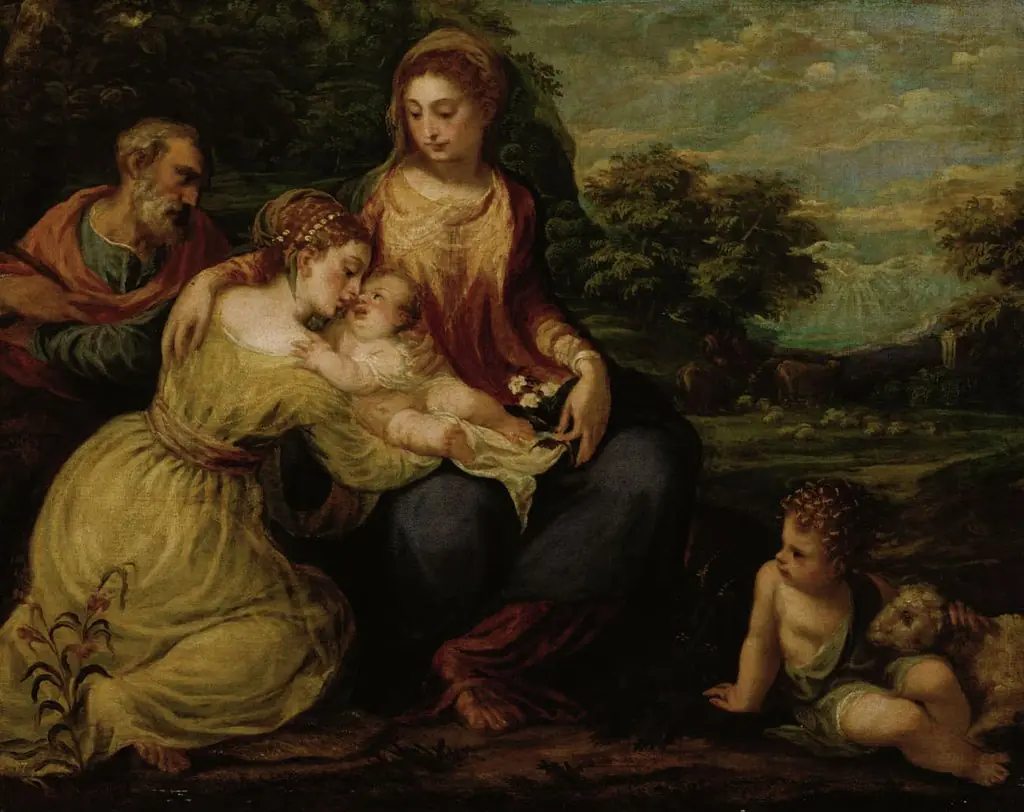 Holy Family with St Catharine and Young John the Baptist
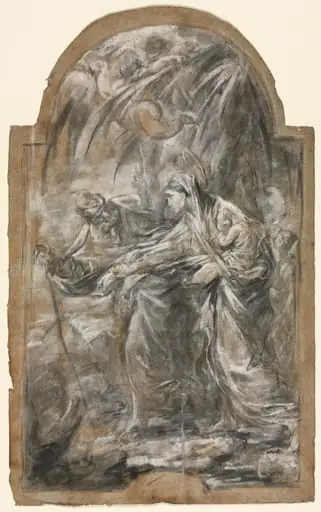 Flight into Egypt
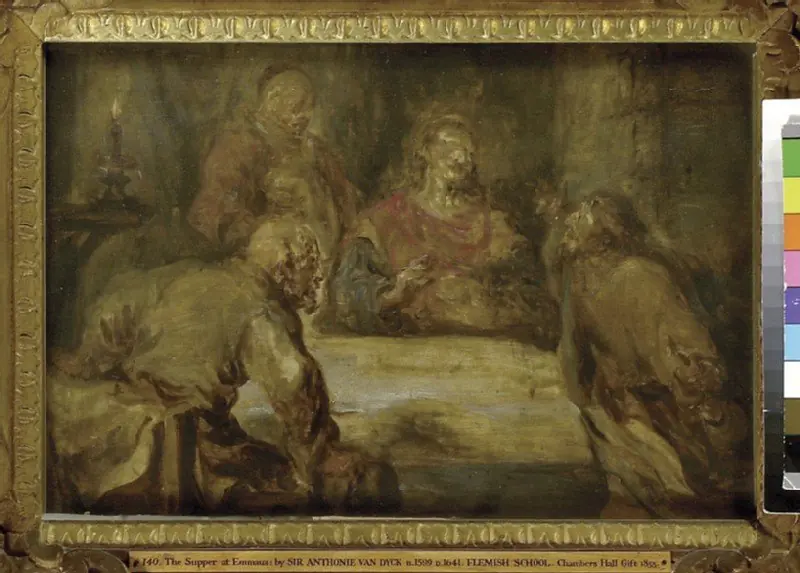 The Supper at Emmaus
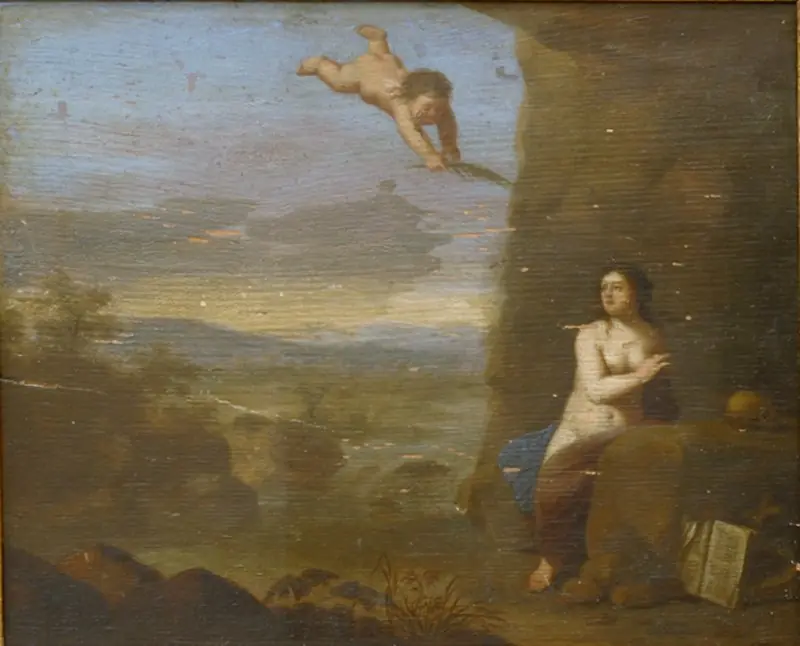 The Penitent Saint Mary Magdalene
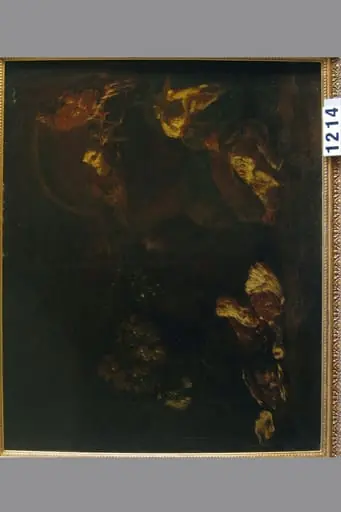 Natură statică cu porumbei (în registrul inventar: Natură moartă și un coș cu porumbei)
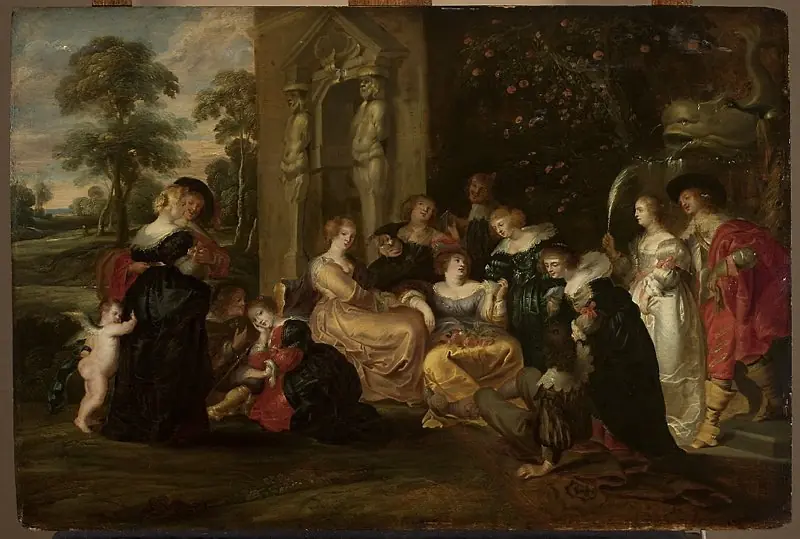 Garden of love
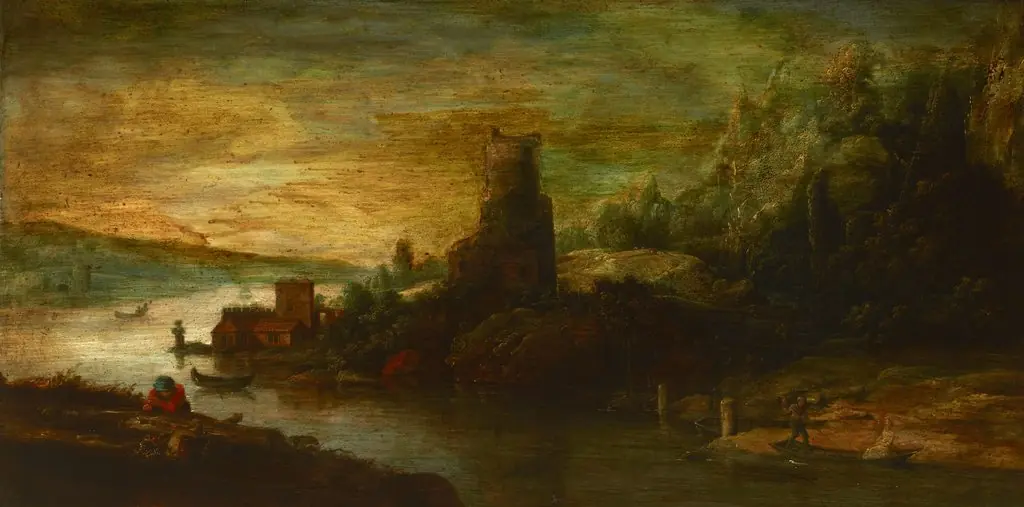 Landscape with a Tower by the Lake
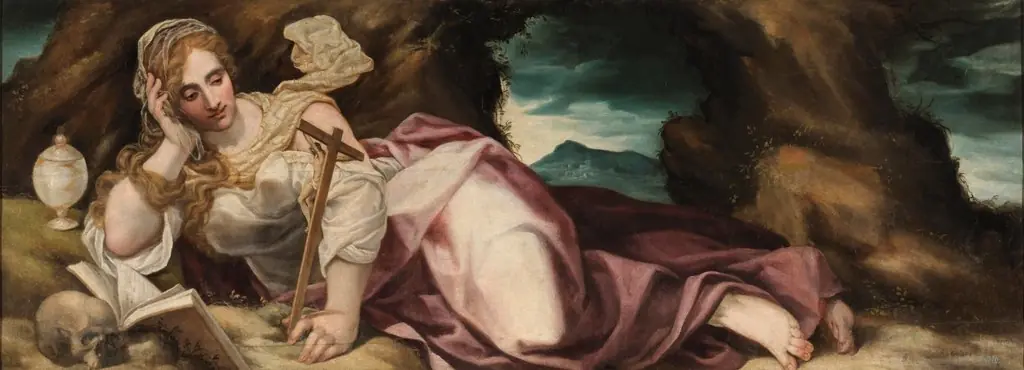 Penitent Magdalen