Artwork
Diego Felipe de Guzmán, Marquis of Leganés
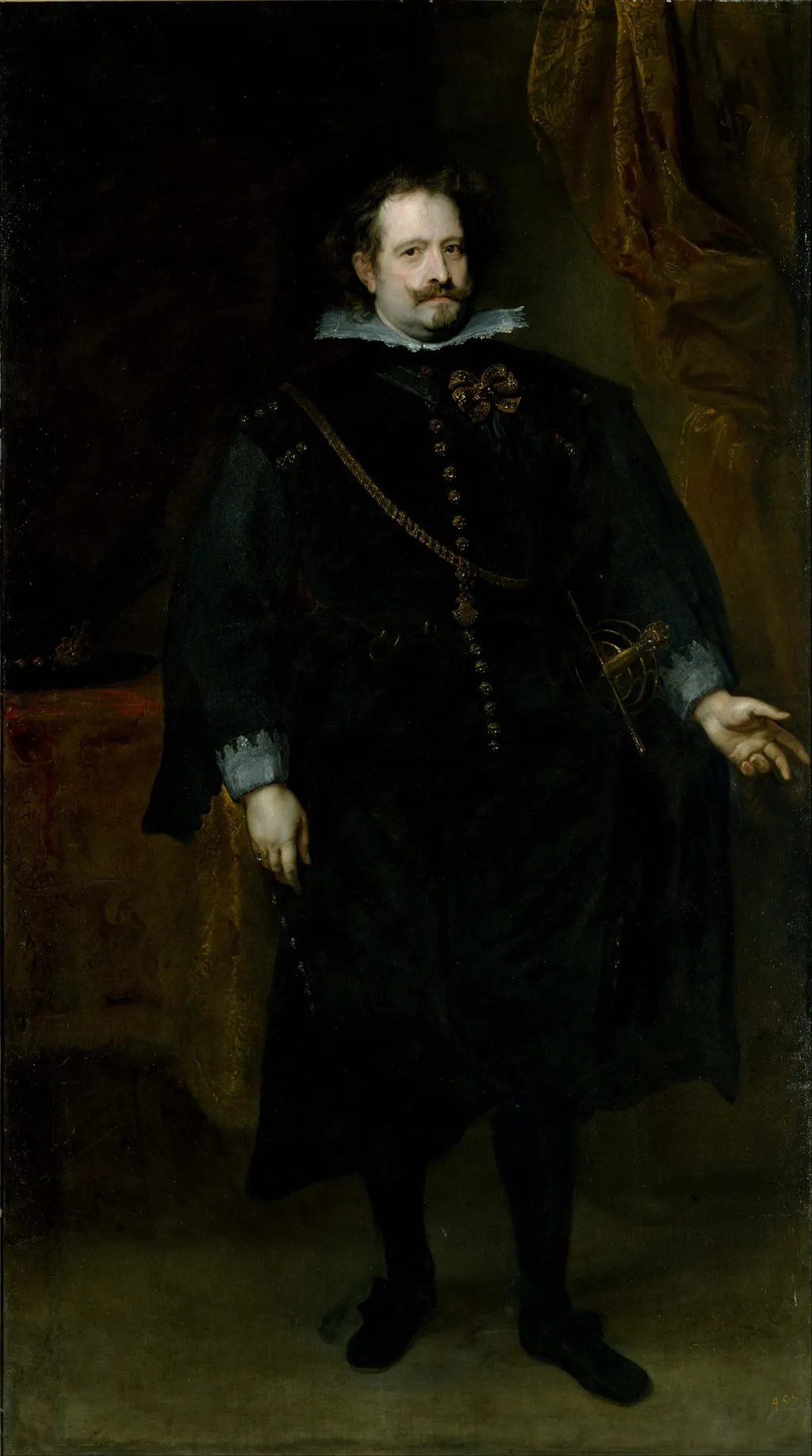
Diego Felipe de Guzmán, Marquis of Leganés is an oil painting by the Flemish Baroque painting artist Anthony van Dyck. It dates from 1632 and is held in the collection of the National Museum of Western Art.
About this work
Overview
Painted in 1632 by Anthony van Dyck, this oil portrait captures Diego Felipe de Guzmán, the first Marquis of Leganés, a Spanish nobleman and diplomat.
Painted in 1632 by Anthony van Dyck, this oil portrait captures Diego Felipe de Guzmán, the first Marquis of Leganés, a Spanish nobleman and diplomat. Van Dyck, trained in Rubens’s Antwerp studio, had by this time established himself as a sought-after portraitist across Europe. The work reflects his mature style, blending aristocratic presence with psychological subtlety, and is now part of the National Museum of Western Art’s collection in Tokyo.
Subject & Meaning
Diego Felipe de Guzmán, a high-ranking Spanish official, is depicted with the gravity befitting his status. His black velvet coat, gold-embellished buttons, and ornate chain signify his rank and proximity to royal power. The sword at his hip underscores his military and political role, while his direct gaze conveys authority and composure. The portrait functions not as a mere likeness but as a statement of noble identity within the Habsburg court’s visual culture.
Technique & Style
Van Dyck employs refined brushwork to render textures: the sheen of silk, the gleam of gold trim, and the softness of the lace collar. The dark, unmodeled background isolates the figure, focusing attention on his refined attire and composed demeanor. His palette is restrained, dominated by blacks and whites, with gold accents providing contrast. The pose is formal yet natural, avoiding stiffness through subtle shifts in posture and gaze.
History & Provenance
Commissioned during Van Dyck’s time in Spain, the portrait likely served diplomatic or personal purposes, reflecting the Marquis’s standing. It remained in Spanish collections before entering the National Museum of Western Art in Tokyo in the 20th century. Its journey reflects the broader circulation of European portraiture among collectors and institutions, preserving Van Dyck’s influence beyond his native Flanders and England.
Context
In early 17th-century Europe, portraiture was a tool of political and social assertion. Van Dyck’s Spanish portraits, made during his brief but impactful stay, adapted his Flemish elegance to Spanish tastes—emphasizing solemnity over flamboyance. The Marquis, as a key figure in Philip IV’s court, would have been portrayed to reinforce his legitimacy and connection to imperial authority, aligning with broader Habsburg visual strategies.
Legacy
This portrait exemplifies Van Dyck’s lasting impact on aristocratic portraiture across Europe. His ability to convey dignity through understated elegance influenced generations of painters, particularly in England. While not as widely exhibited as his English works, this image remains a significant example of his Spanish-period output, illustrating his adaptability and the international reach of his artistic language.
Artist & collection
Artist
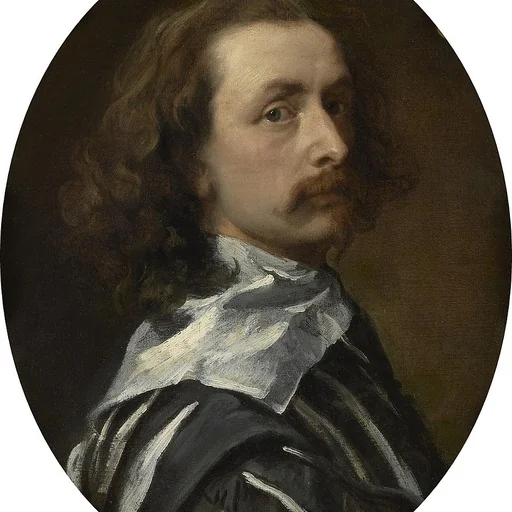
Sir Anthony van Dyck (; Dutch: Antoon van Dijck ; 22 March 1599 – 9 December 1641) was a Flemish Baroque artist, who became the leading court painter in England after success in the Spanish Netherlands and Italy.

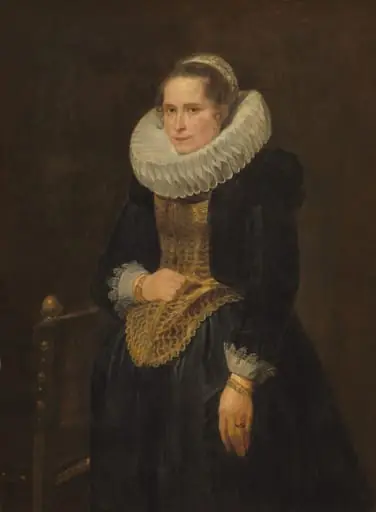
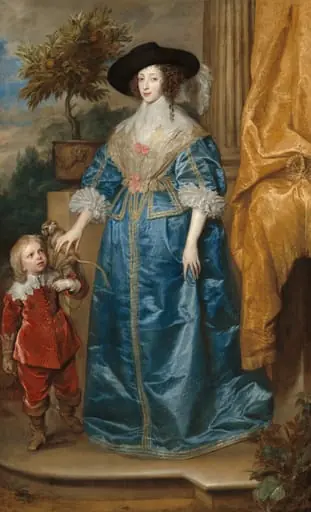
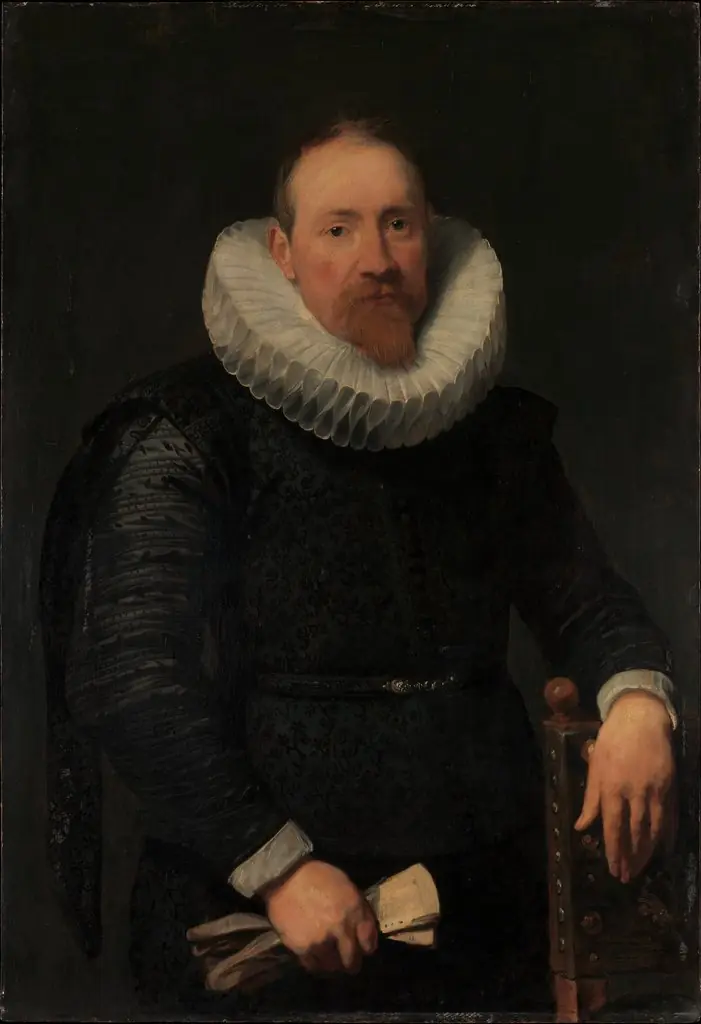
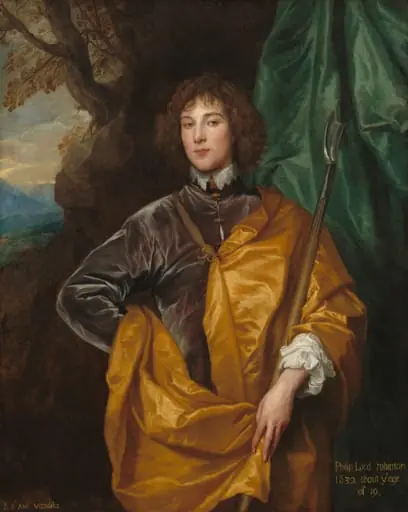
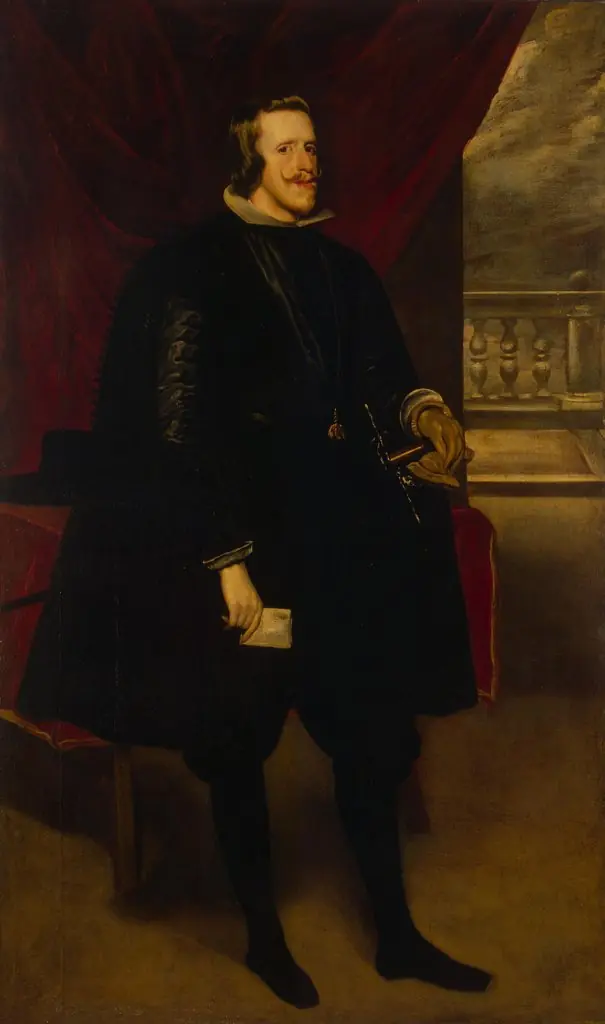 Portrait of Philip IV, King of Spain
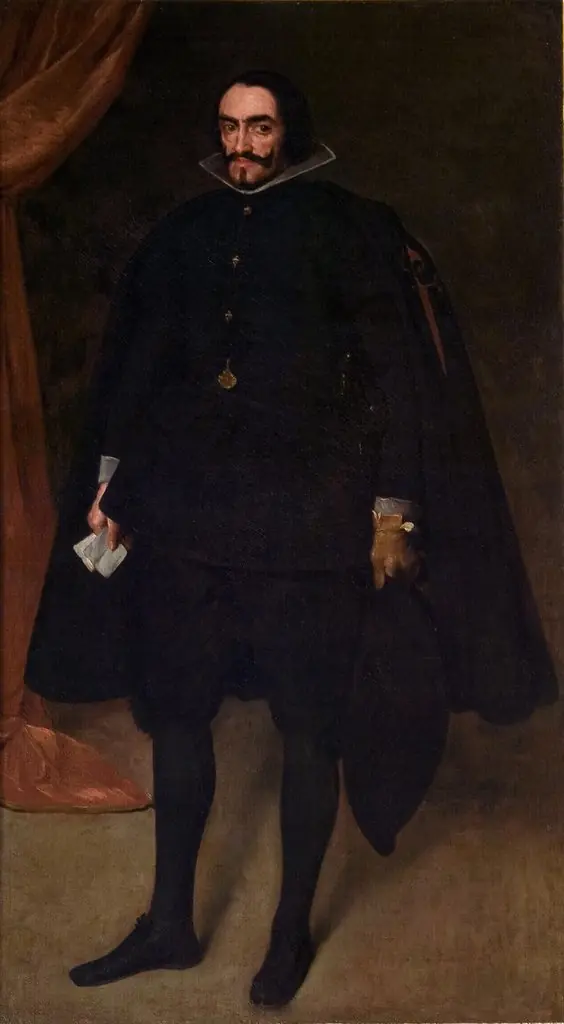 Portrait of a Knight of the Order of Santiago
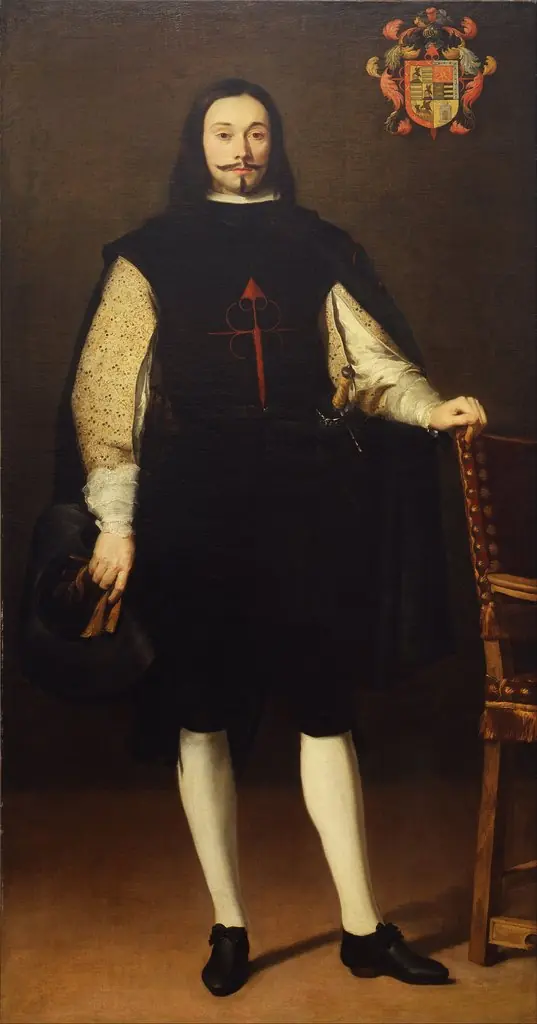 Portrait of Don Diego Felix de Esquivel y Aldama
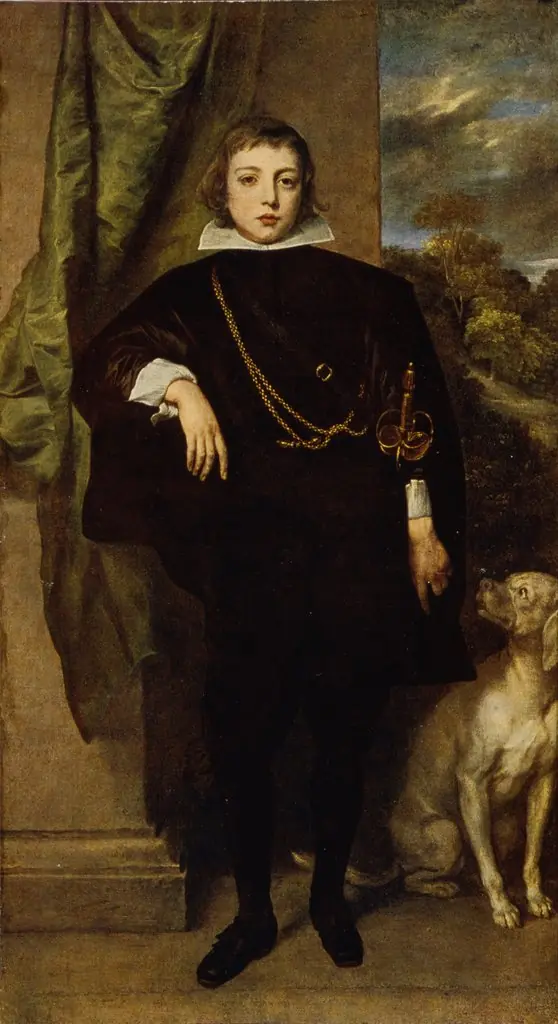 Portrait of Filippo Francesco d'Este, Marchese di Lanzo with his Dog
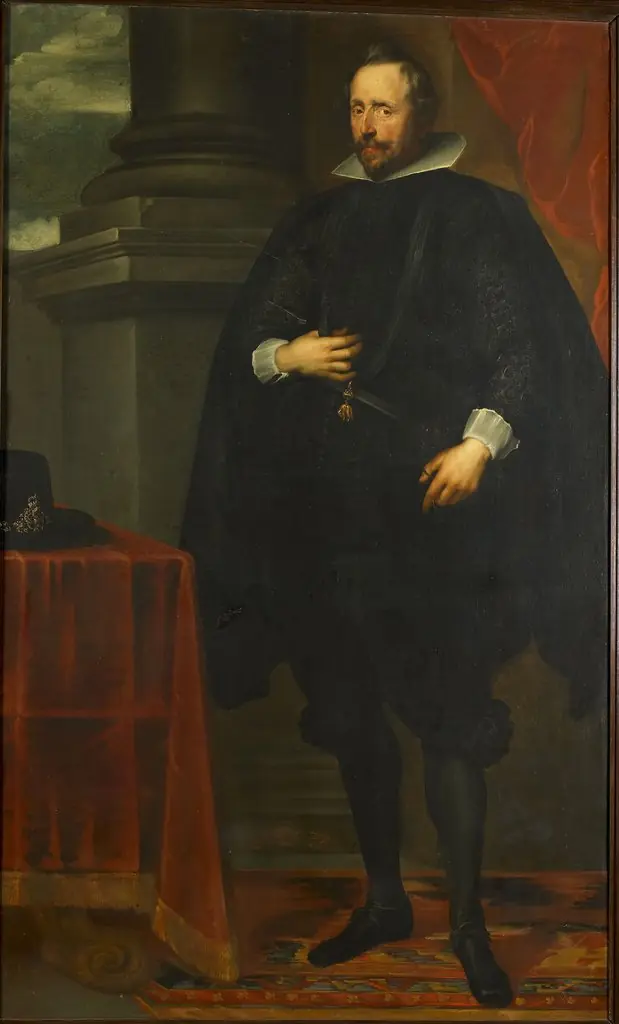 Portrait of Wolfgang Wilhelm, Count Palatine of Neuburg
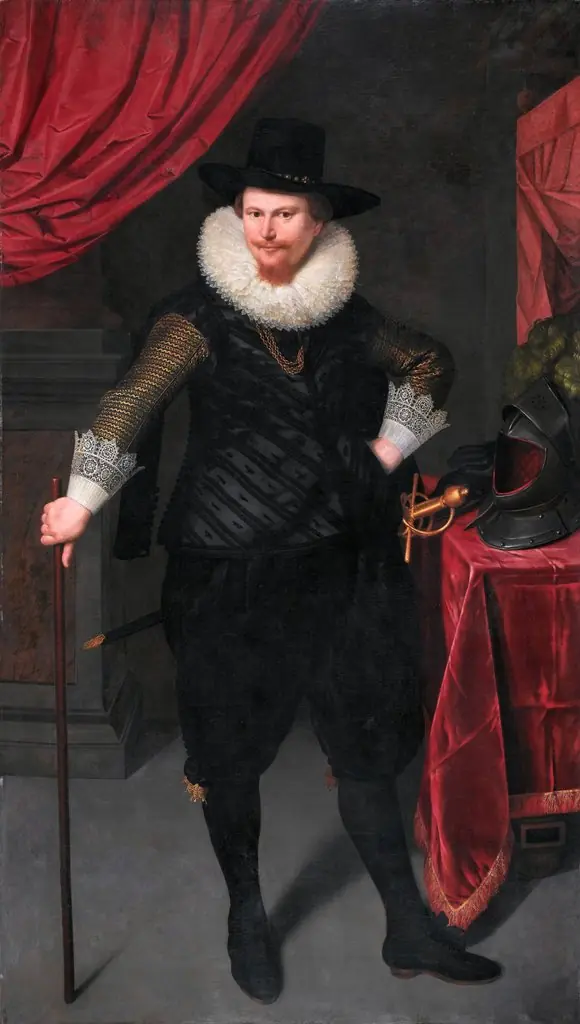 Portrait of Laurens Reael
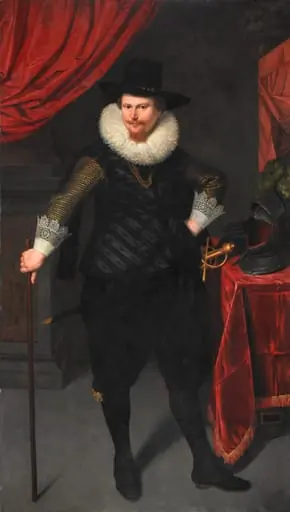 Portrait of Laurens Reael
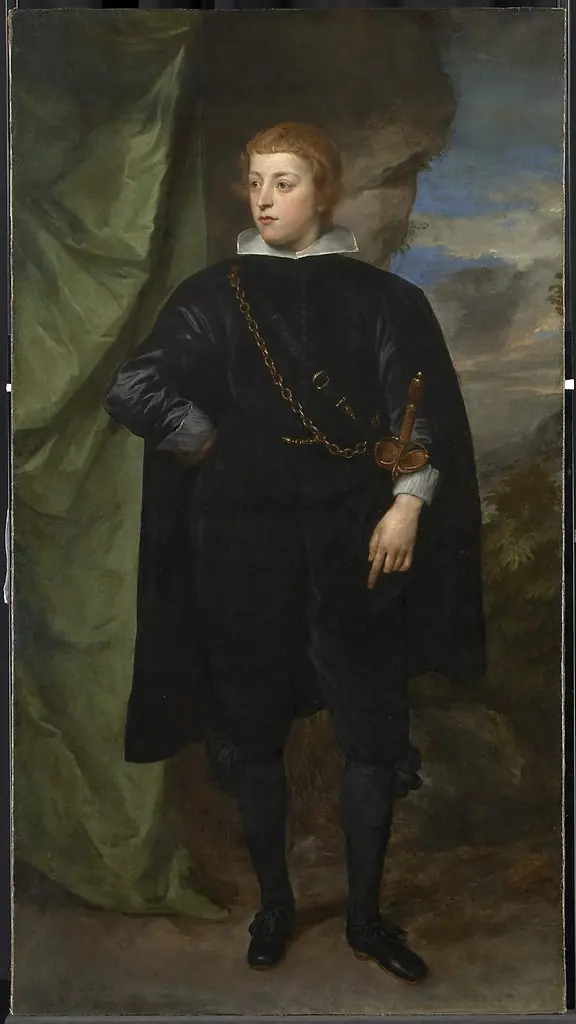 Portrait of Carlo Emanuele d'Este, Marchese di Borgomanero (1622-1695)
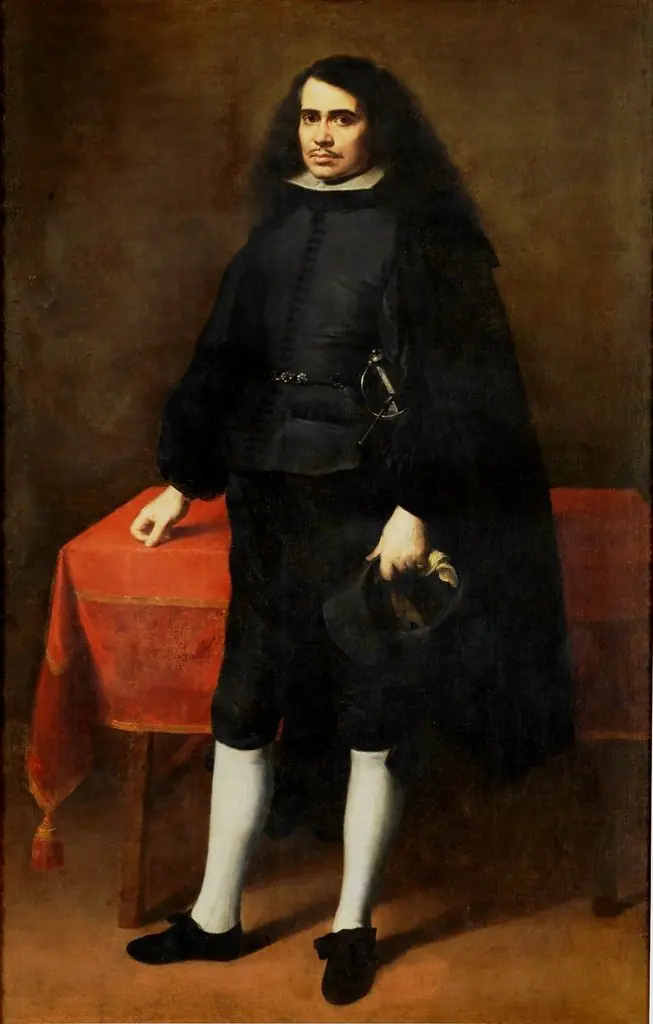 Portrait of a Man
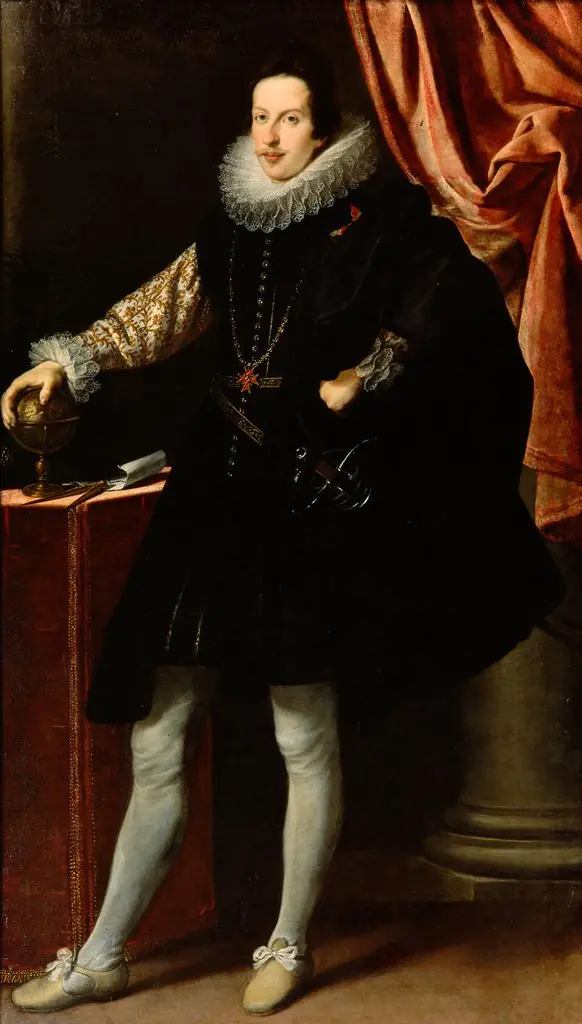 Portrait of Cosimo II de' Medici, Grand Duke of Tuscany
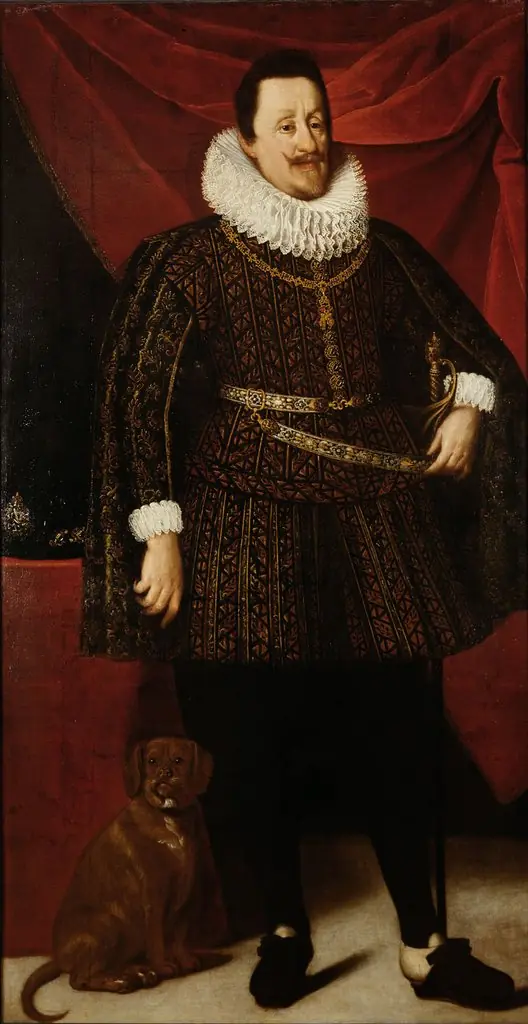 Portrait of Ferdinand II of Habsburg (1578-1637, Holy Roman Emperor
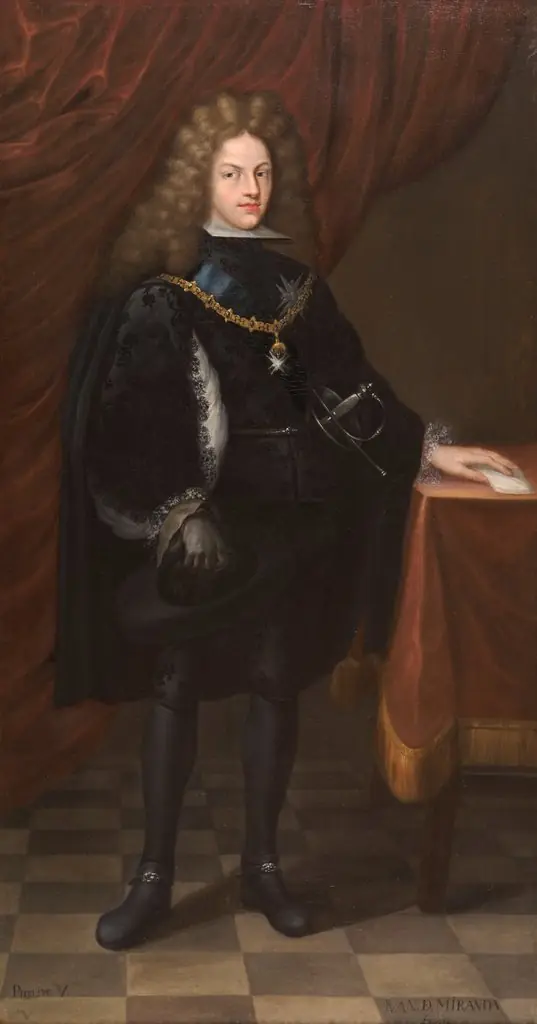 Philip V of Spain