Artwork
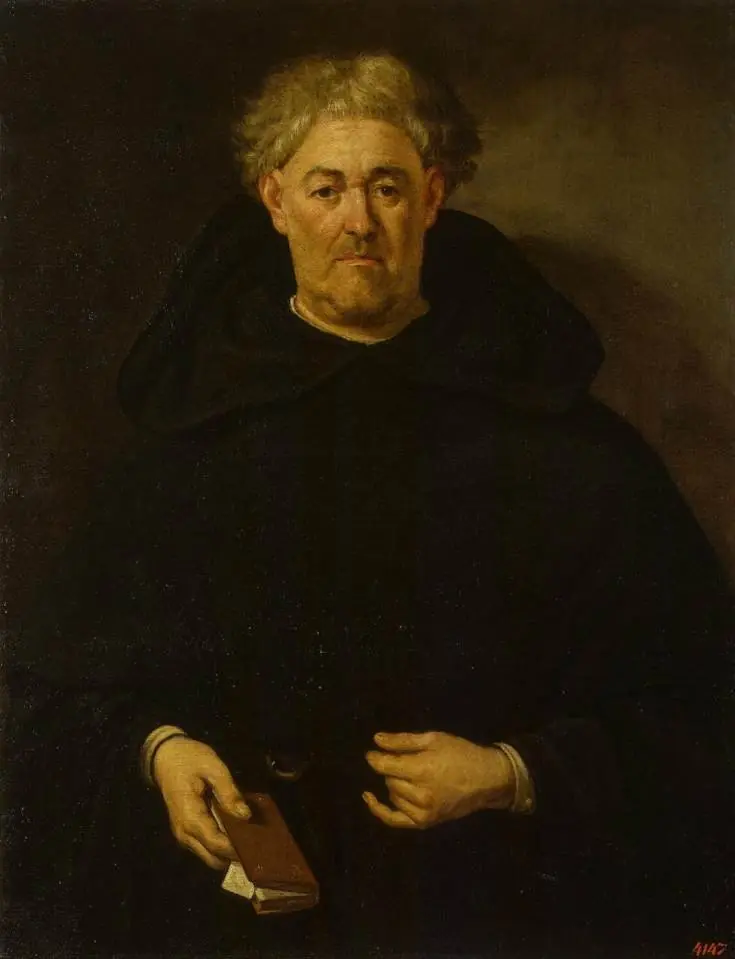
Portrait of a Knight of the Order of Santiago
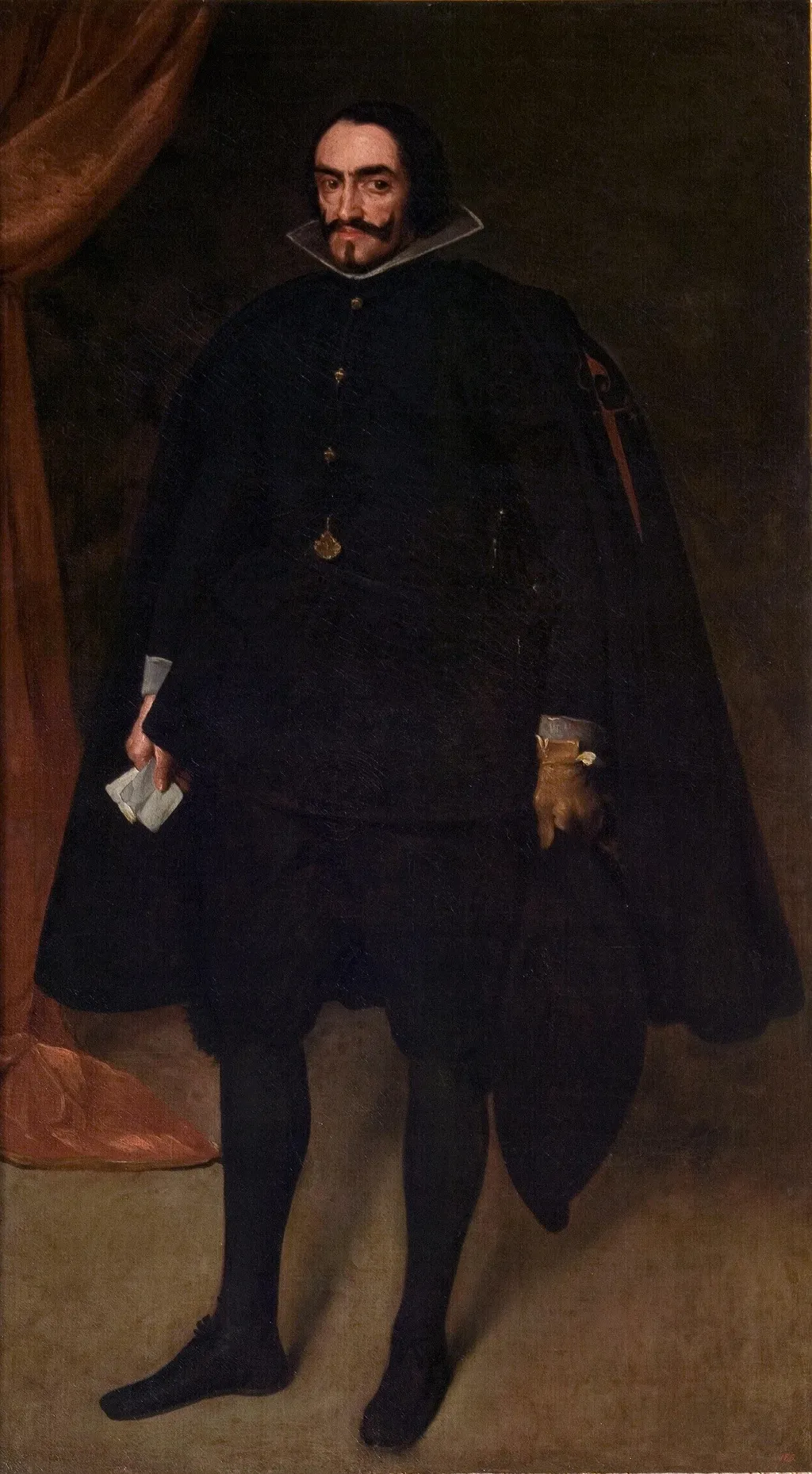
Portrait of a Knight of the Order of Santiago is an oil painting by the Flemish Baroque painting artist Juan de Pareja. It dates from 1635 and is held in the collection of the Hermitage Museum. Painted in 1635, this oil portrait depicts a member of the Order of Santiago, a Spanish military-religious order.
About this work
Overview
The painting is now held in the State Hermitage Museum, where it stands as one of the few surviving works by Pareja from his early career.
Painted in 1635, this oil portrait depicts a member of the Order of Santiago, a Spanish military-religious order. The work was created by Juan de Pareja, an artist formerly enslaved in Diego Velázquez’s household. Though trained within Velázquez’s studio, Pareja developed a distinct observational style. The painting is now held in the State Hermitage Museum, where it stands as one of the few surviving works by Pareja from his early career.
Subject & Meaning
The subject is identified by the gold cross pendant of the Order of Santiago, signifying his membership in a prestigious institution tied to Spanish nobility and religious devotion. His formal black robe and white collar reflect the order’s austere dress code. The white paper in his hand may suggest administrative duties or a document of status. His composed expression and direct gaze convey dignity and quiet authority, aligning with the ideals of the order.
Technique & Style
Pareja employs chiaroscuro to model the figure with subtle gradations of light and shadow, enhancing the three-dimensionality of the face and hands. The dark background isolates the subject, focusing attention on texture and detail. The folds of the robe are rendered with precise brushwork, while the metallic gleam of the pendant is suggested through delicate highlights. The restrained palette and controlled brushwork reflect the influence of Velázquez, yet Pareja’s handling shows a personal sensitivity to form.
History & Provenance
Created during Pareja’s time as a studio assistant to Velázquez, the painting predates his manumission in 1650. Its early date suggests it was made before he was recognized as an independent artist. The work entered the Hermitage collection in the 19th century, likely through European royal acquisitions. Its survival is notable, as few of Pareja’s early works remain, and none were signed or dated by him at the time.
Context
In 17th-century Spain, the Order of Santiago was one of the most respected chivalric institutions, often reserved for those of noble lineage. Artists in Velázquez’s studio frequently produced portraits of such figures, serving both documentary and social functions. Pareja, though legally bound as a servant, was permitted to paint within the studio, a rare opportunity for an enslaved person. This portrait reflects the complex social hierarchies of the time, where artistic skill could coexist with legal subjugation.
Legacy
This portrait is among the earliest known works by Juan de Pareja, offering insight into his development before his public recognition as a painter. It contributes to the broader understanding of enslaved artists in early modern Europe and their contributions to major artistic traditions. Though overshadowed in his lifetime, Pareja’s work has since been reevaluated as a vital part of Spanish Baroque art, challenging assumptions about authorship and social mobility in art history.
Artist & collection
Artist
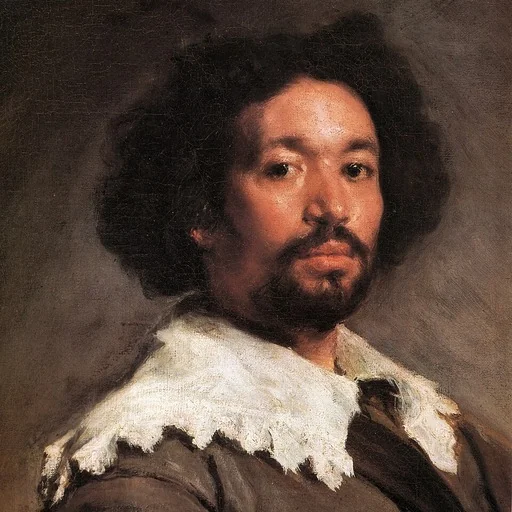
Juan de Pareja (c. 1606 – c. 1670) was a Spanish painter. Born enslaved, he is known primarily as a member of the household and workshop of painter Diego Velázquez, who freed him in 1650. His 1661 work The Calling of…

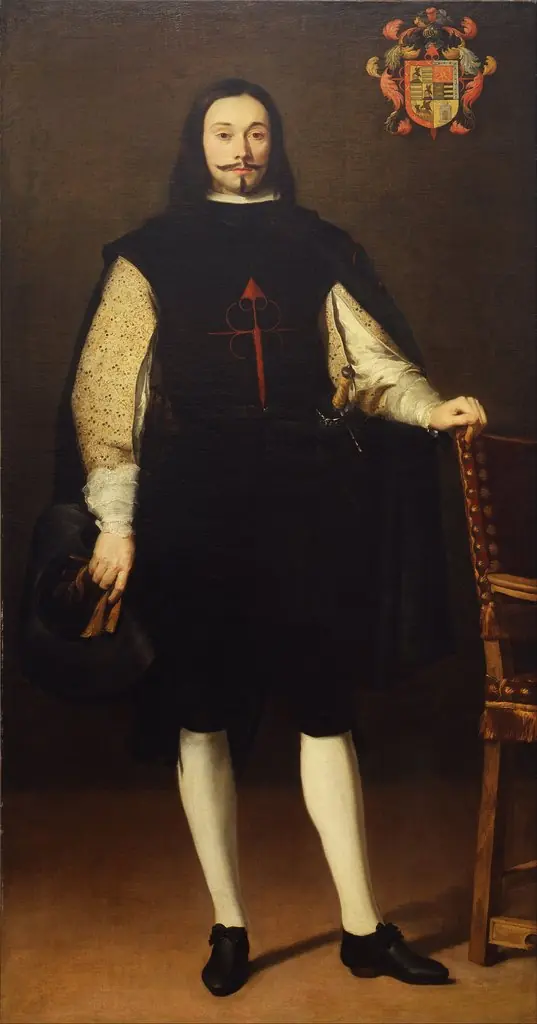 Portrait of Don Diego Felix de Esquivel y Aldama
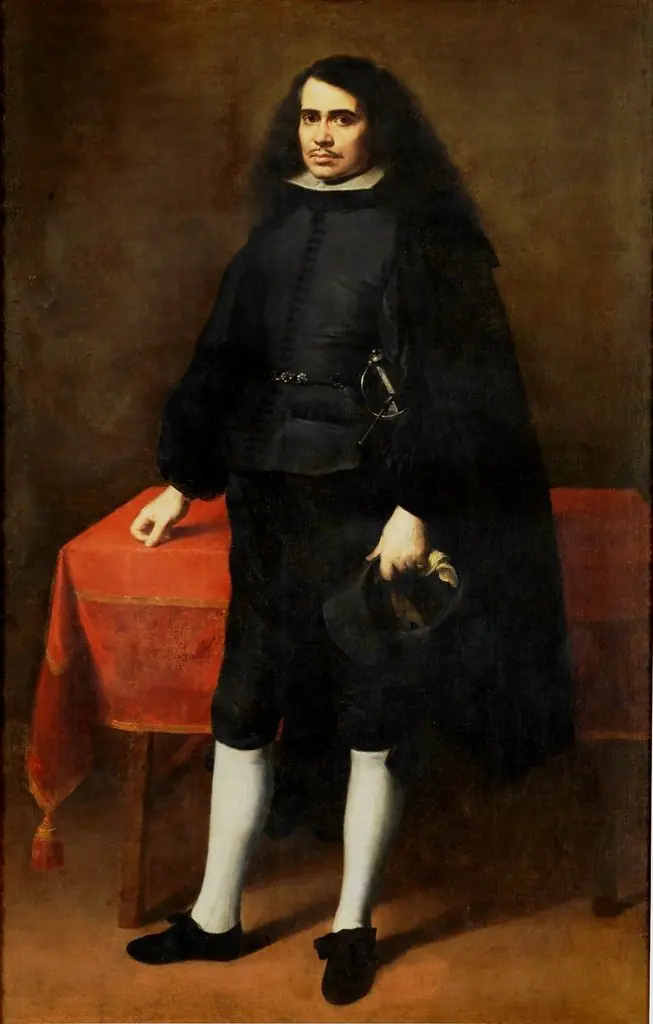 Portrait of a Man
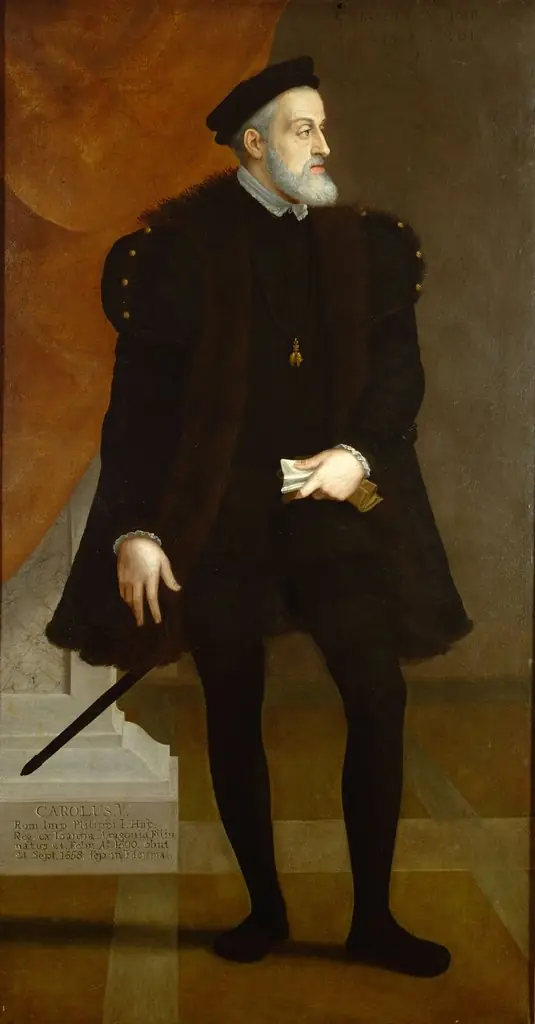 Kaiser Karl V. (1500-1558) als Fünfzigjähriger in ganzer Figur
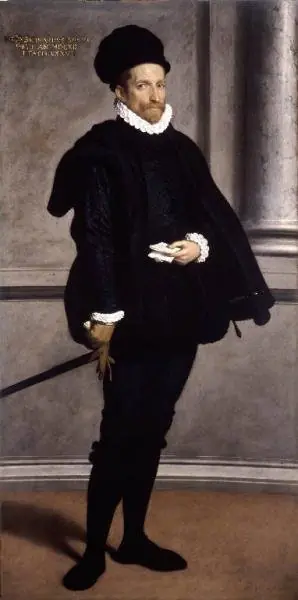 Portrait of Bernardo Spini
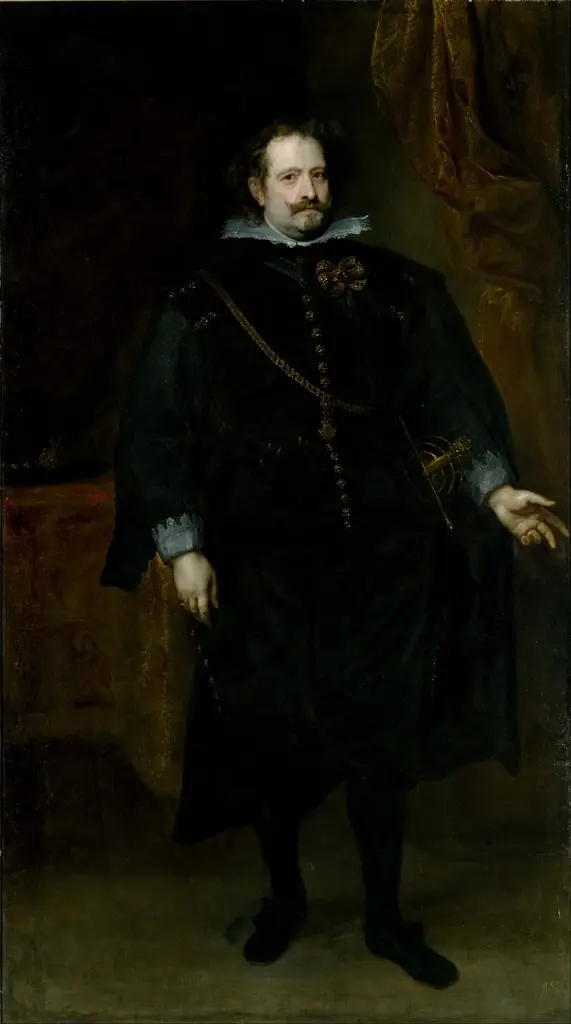 Diego Felipe de Guzmán, Marquis of Leganés
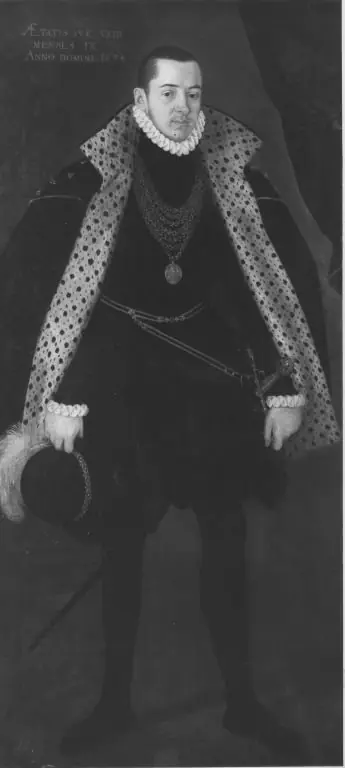 Prinz Johann I.
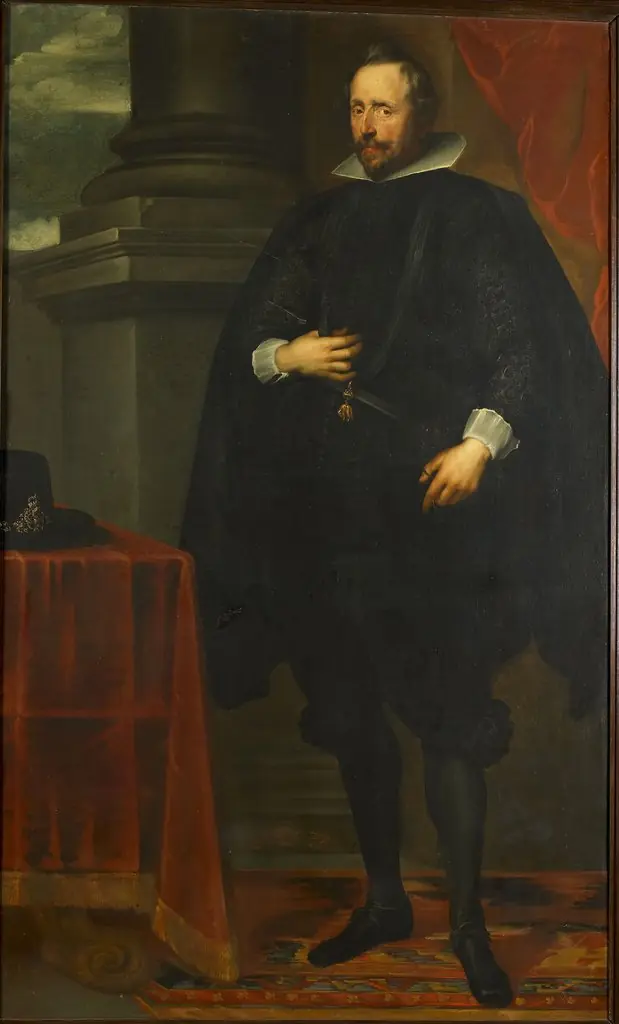 Portrait of Wolfgang Wilhelm, Count Palatine of Neuburg
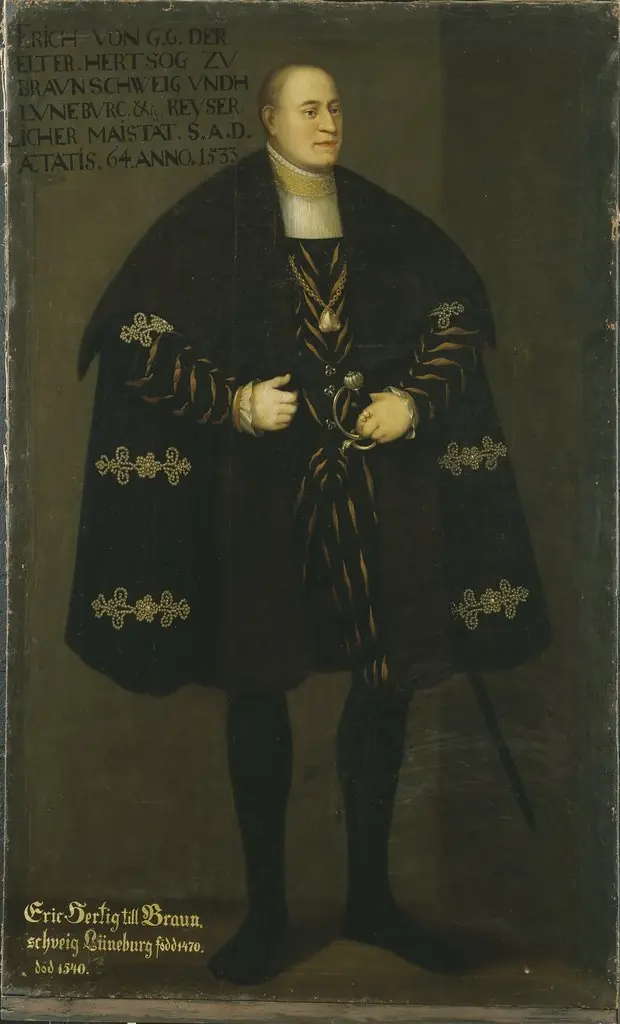 Erik I, 1470-1549, hertig av Braunscweig-Calenberg
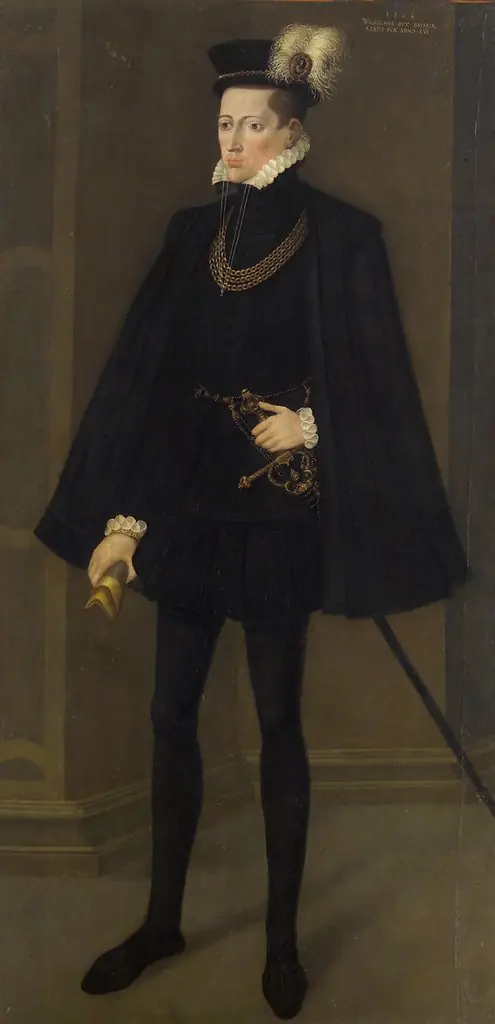 Herzog Wilhelm V. (1548-1626) von Bayern im Alter von 16 Jahren
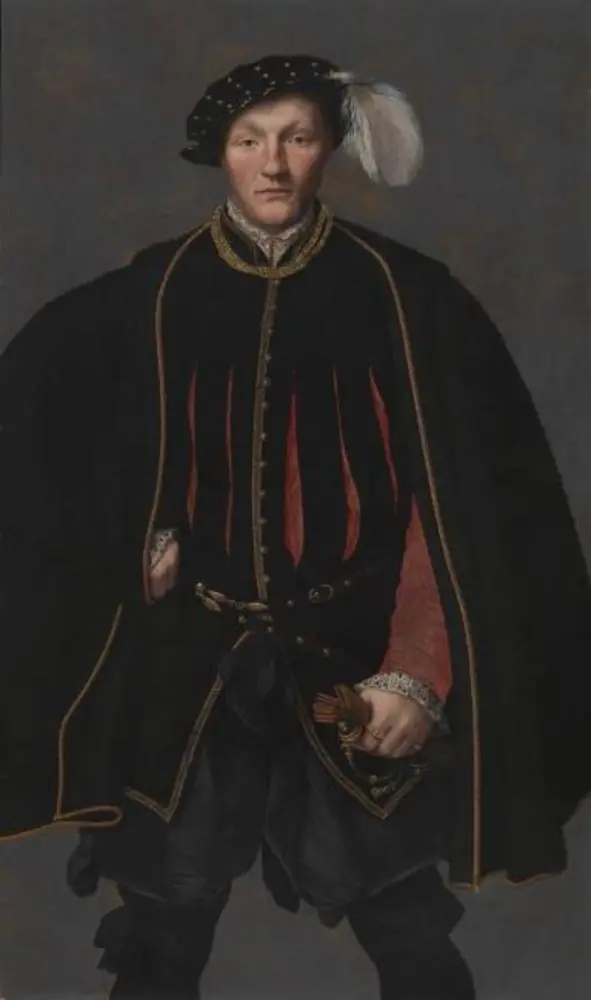 Portrait of a Gentleman, probably of the West Family
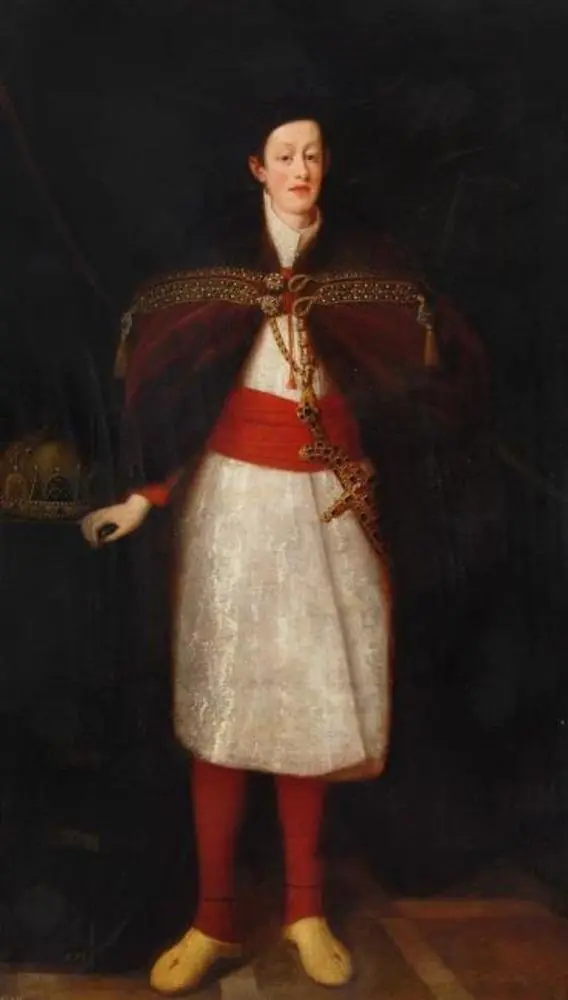 Portrait of Ferdinand III, King of Hungary
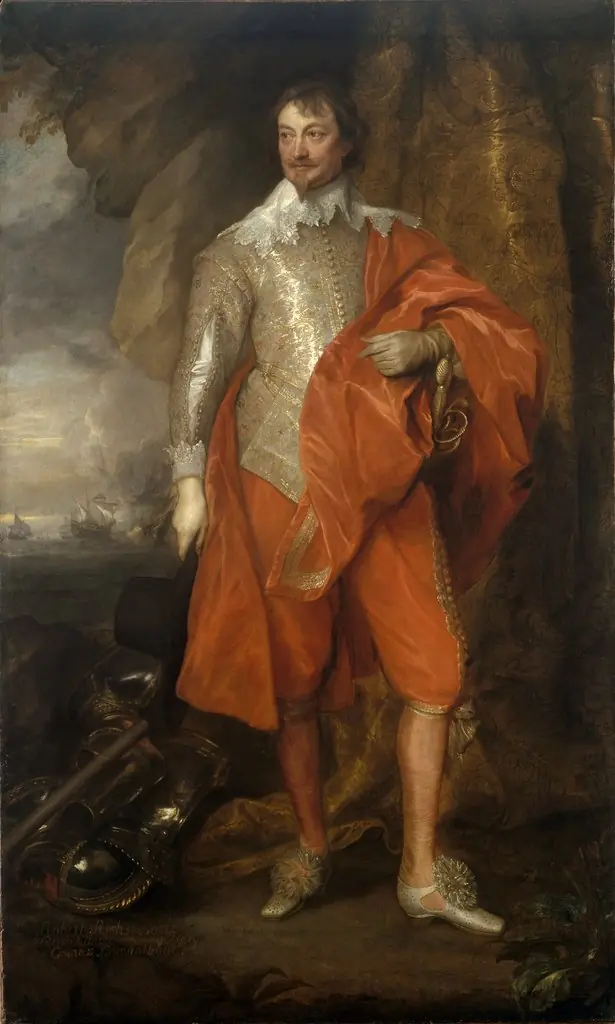 Portrait of Robert Rich, second earl of Warwick