Artwork
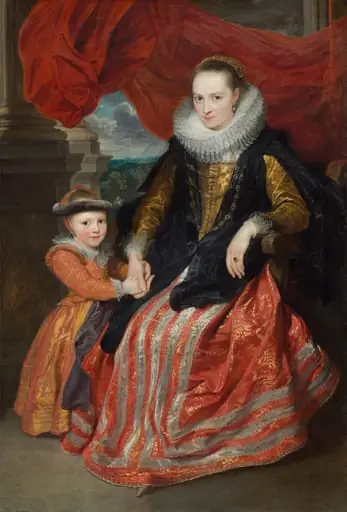
Double portrait of Anne, Countess of Manchester and her daughter Anne Cavendish, Lady Rich
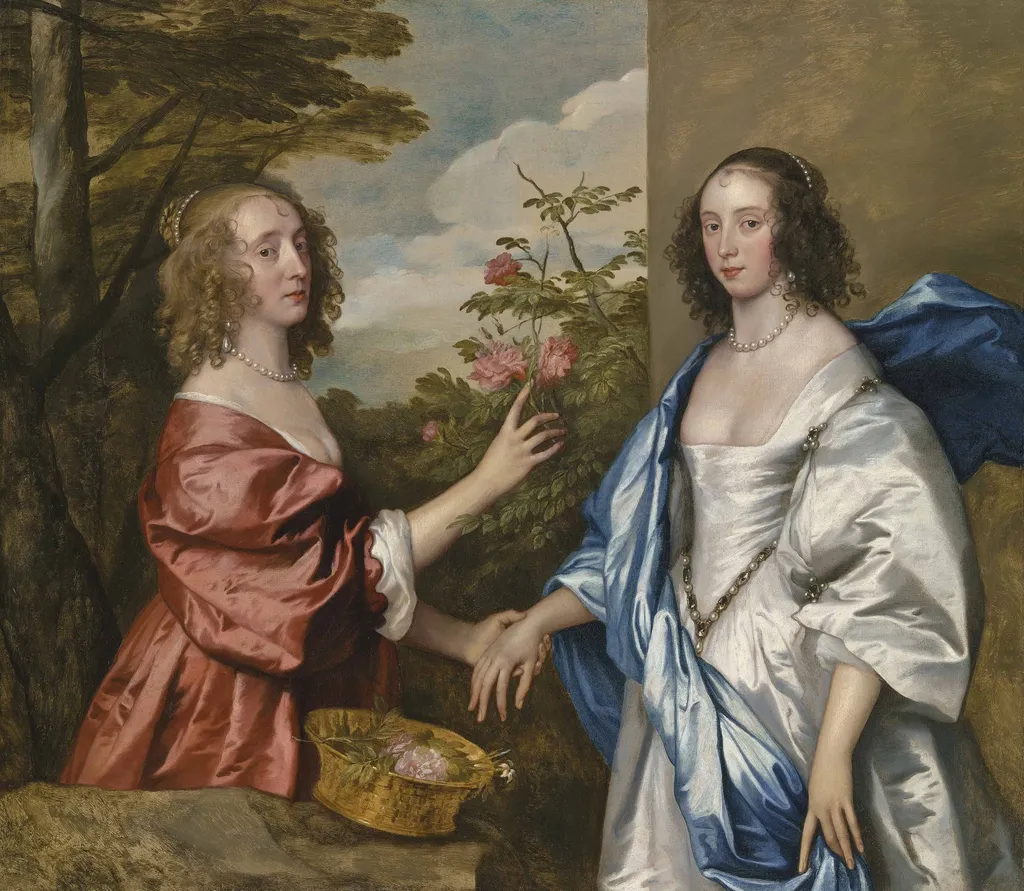
Double portrait of Anne, Countess of Manchester and her daughter Anne Cavendish, Lady Rich is an oil painting by the Flemish Baroque painting artist Anthony van Dyck. It dates from 1639 and is held in the collection of the Los Angeles County Museum of Art.
About this work
Overview
The work is held in the collection of the Los Angeles County Museum of Art, reflecting its significance in early 17th-century aristocratic portraiture.
Painted in 1639 by Anthony van Dyck, this oil portrait captures Anne, Countess of Manchester, and her daughter Anne Cavendish, Lady Rich, in a composed side-by-side arrangement. Van Dyck, trained in Antwerp under Peter Paul Rubens, had become the principal portraitist to the English court by this time. The work is held in the collection of the Los Angeles County Museum of Art, reflecting its significance in early 17th-century aristocratic portraiture.
Subject & Meaning
The two women, mother and daughter, are presented as embodiments of noble grace and familial continuity. Their matching pearl necklaces and poised postures suggest shared status and lineage, while the basket of flowers between them may symbolize fertility, virtue, or the transient beauty of life. The calm setting reinforces their social standing, avoiding overt display in favor of quiet dignity.
Technique & Style
Van Dyck employs fluid brushwork to render the textures of silk, lace, and pearls with subtle luminosity. The figures emerge from a soft, atmospheric landscape, their forms defined by gentle chiaroscuro and refined contours. The palette balances warm earth tones with cool whites and blues, creating harmony without distraction. The composition is deliberately balanced, emphasizing symmetry and restraint.
History & Provenance
Commissioned during van Dyck’s tenure as court painter to Charles I, the portrait reflects the tastes of the English aristocracy in the late 1630s. It remained in the Cavendish family for generations before entering institutional collections. Its presence at LACMA today underscores its journey from private aristocratic interiors to public museum display in the modern era.
Context
In the years before the English Civil War, portraiture served as a tool for asserting lineage and social order. Van Dyck’s style, blending Flemish precision with Italianate elegance, became the standard for English elite representation. This work aligns with other portraits of the period that favored composed, intimate groupings over theatrical grandeur.
Legacy
The portrait exemplifies van Dyck’s influence on British portraiture, setting a template for future generations of court painters. Its understated elegance and psychological nuance distinguish it from more flamboyant Baroque works. As a record of aristocratic women’s representation, it remains a quiet but enduring document of gender, status, and familial identity in early modern England.
Own this work as a print
Artist & collection
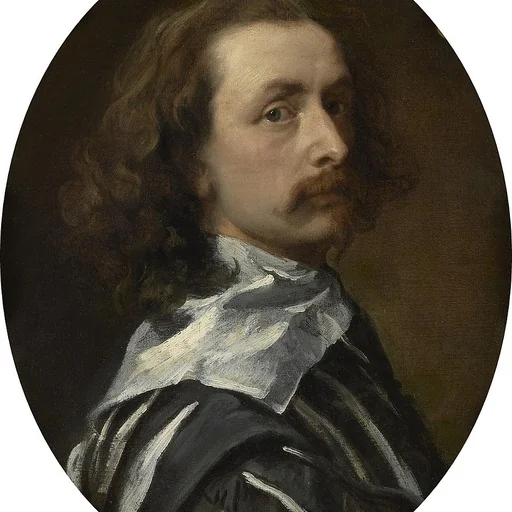
Artist
Sir Anthony van Dyck (; Dutch: Antoon van Dijck ; 22 March 1599 – 9 December 1641) was a Flemish Baroque artist, who became the leading court painter in England after success in the Spanish Netherlands and Italy.

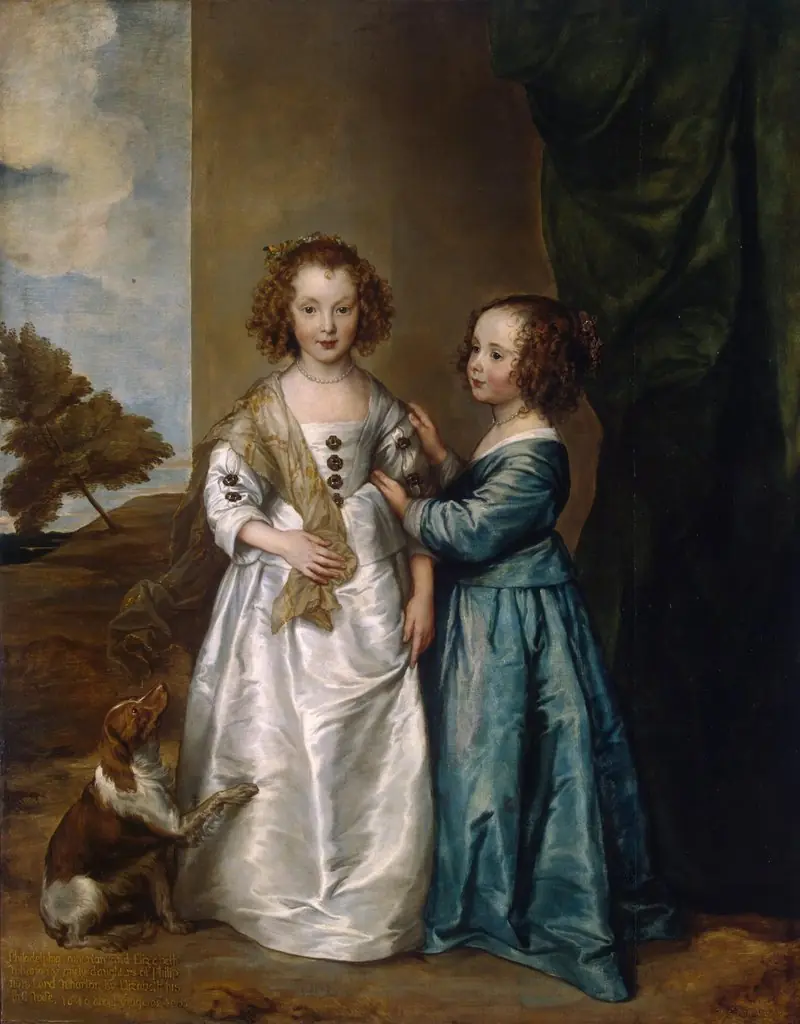 Portrait of Elizabeth and Philadelphia Wharton
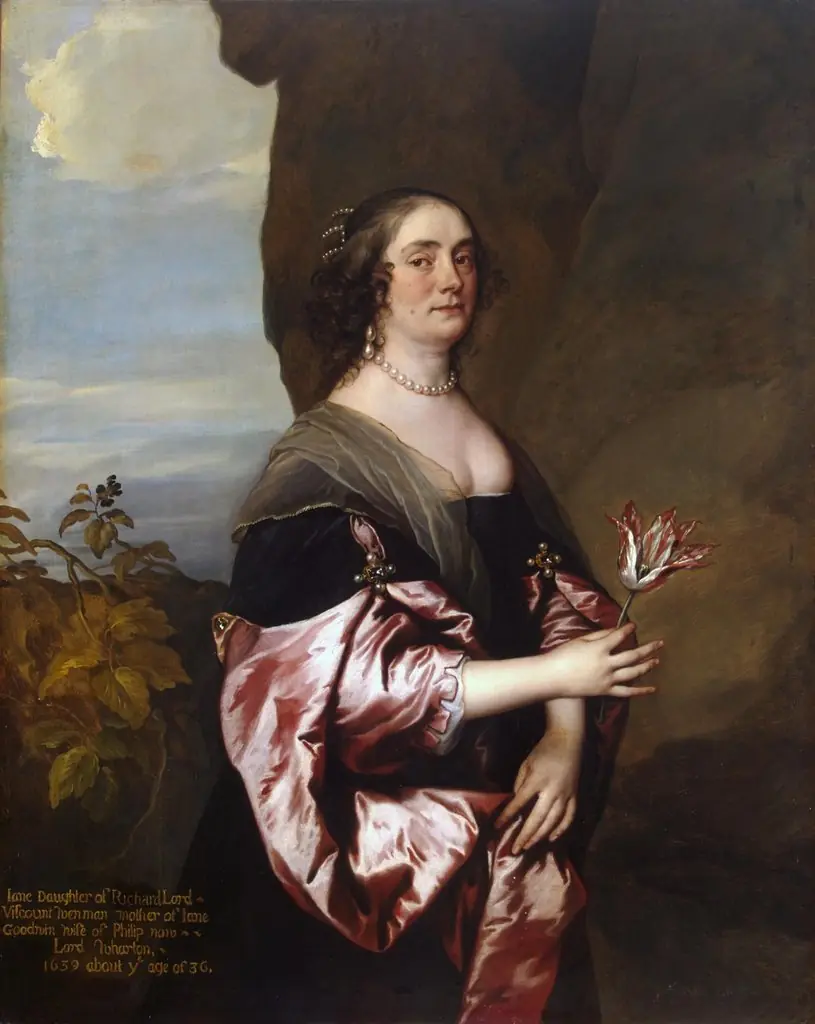 Portrait of Lady Jane Goodwin
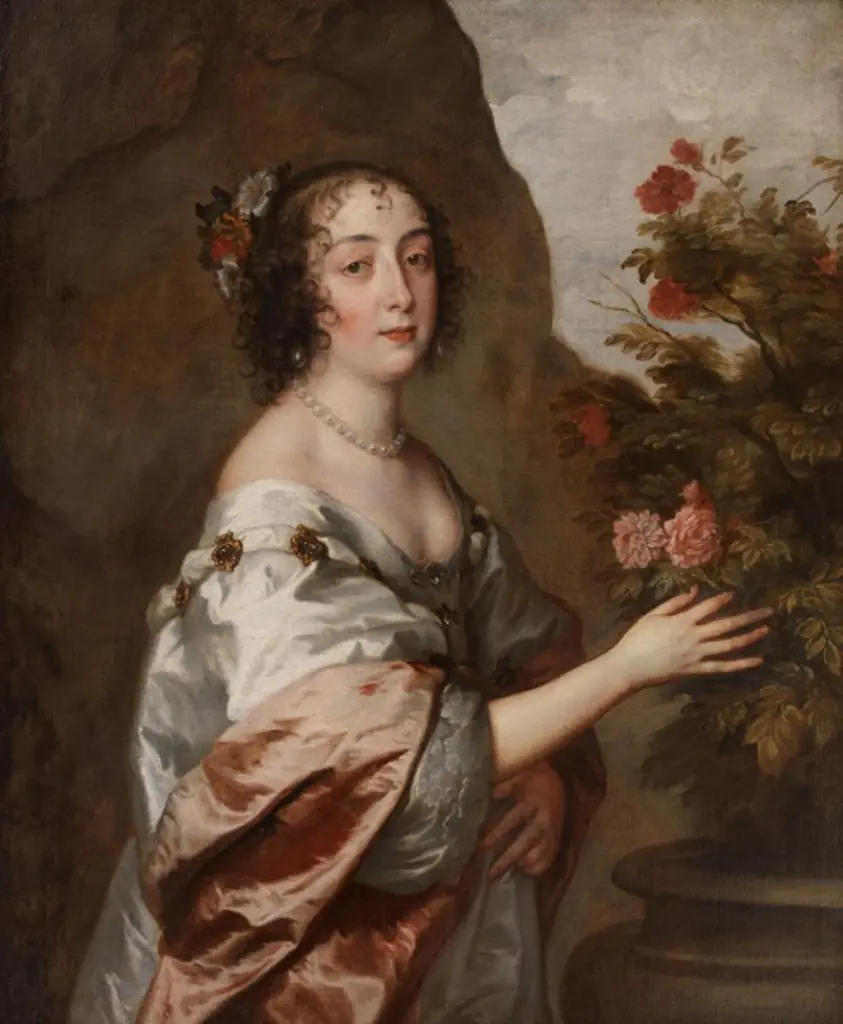 Portræt af en kvinde som Flora
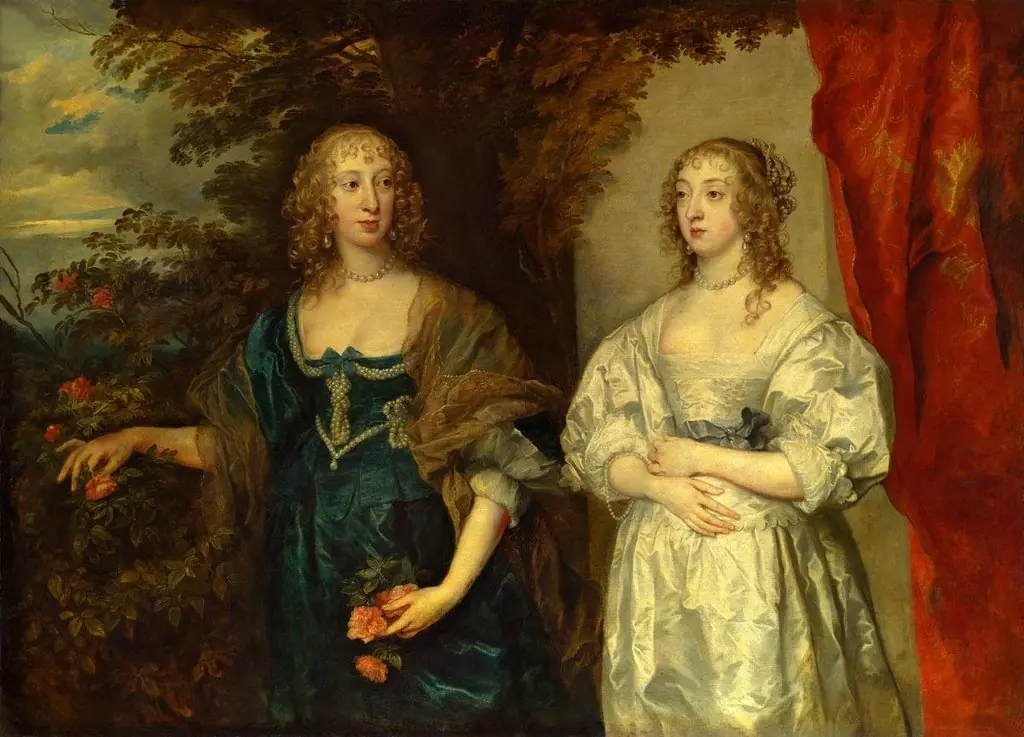 Portrait of Lady d'Aubigny and Countess Portland
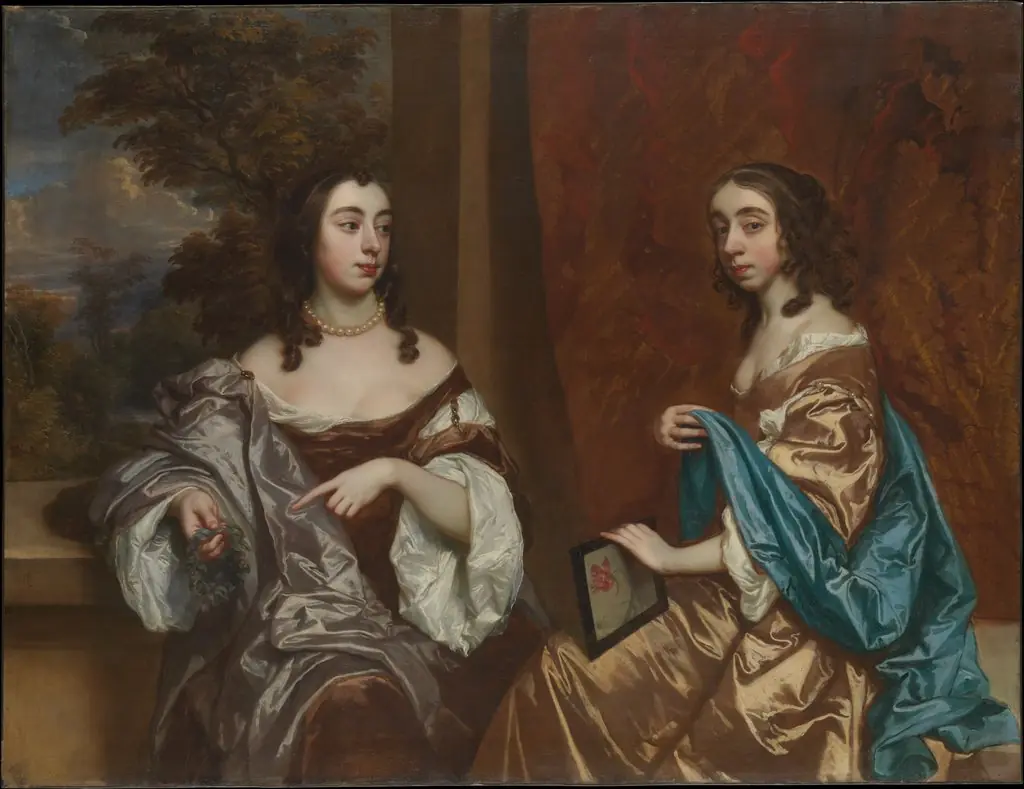 Mary Capel (1630–1715), Later Duchess of Beaufort, and Her Sister Elizabeth (1633–1678), Countess of Carnarvon
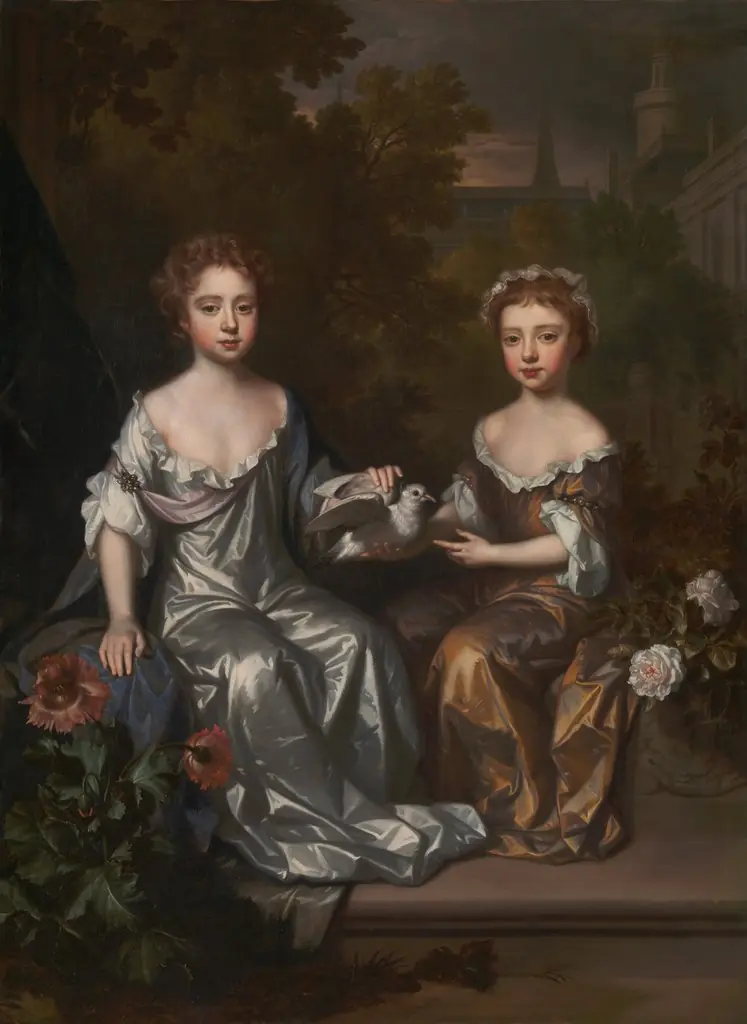 Portrait of Henrietta and Mary Hyde
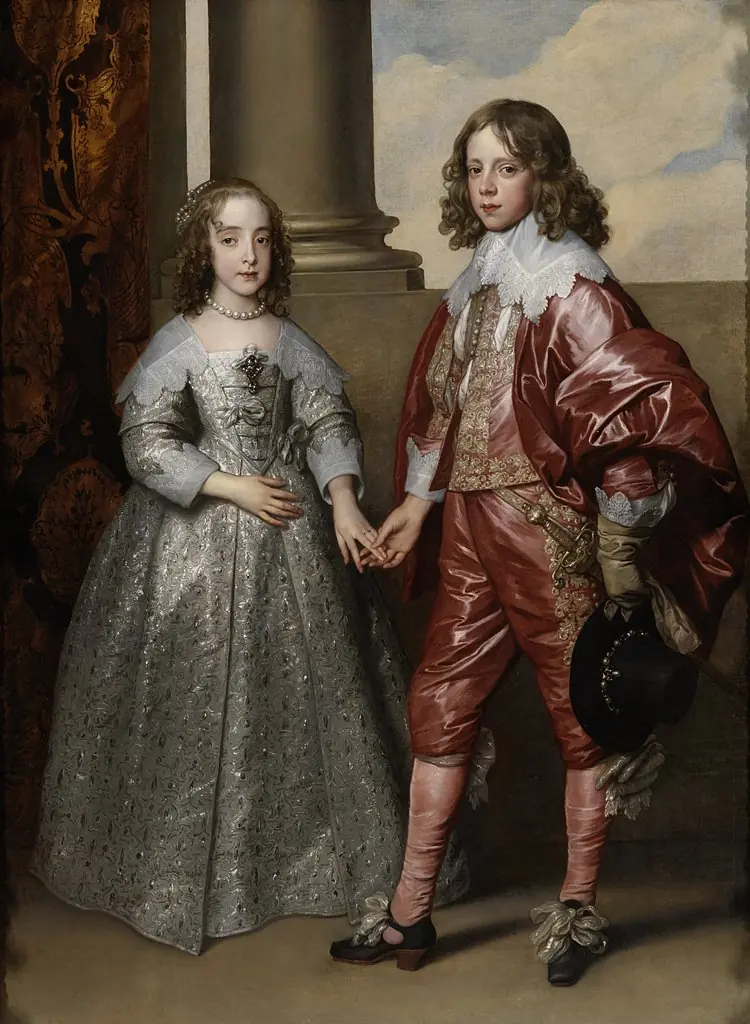
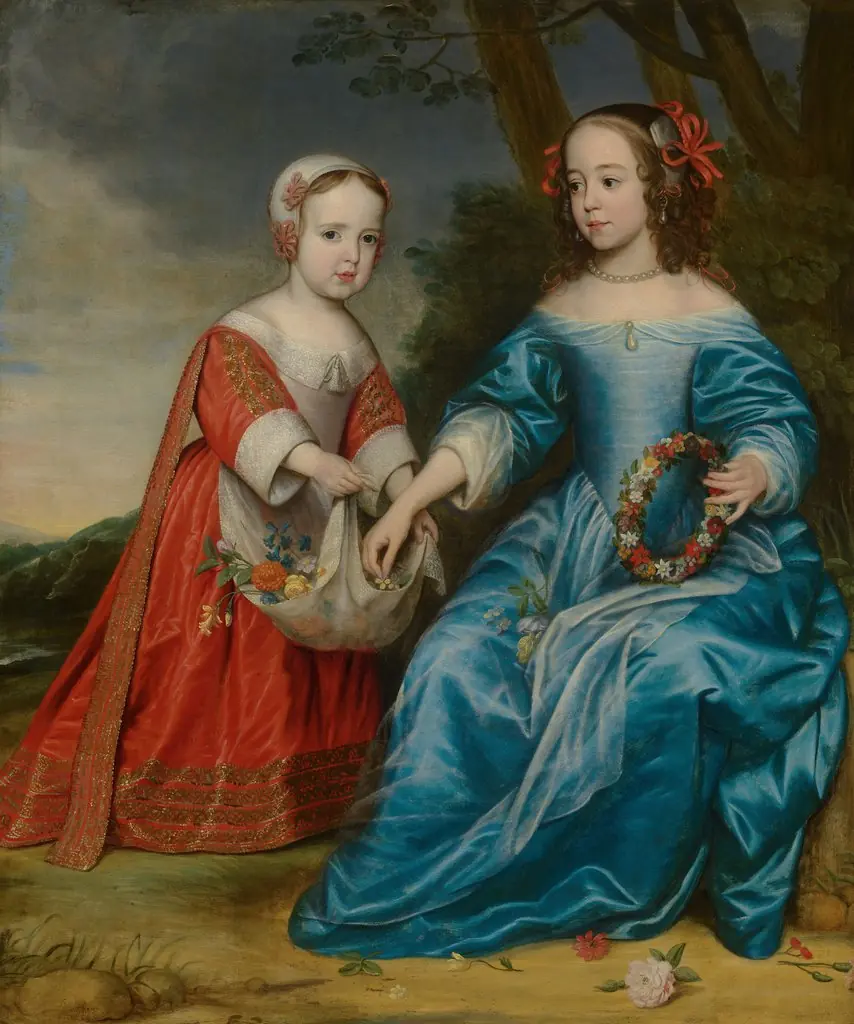 Portrait of William III, Prince of Orange, and Maria, Princess of Orange, as Children
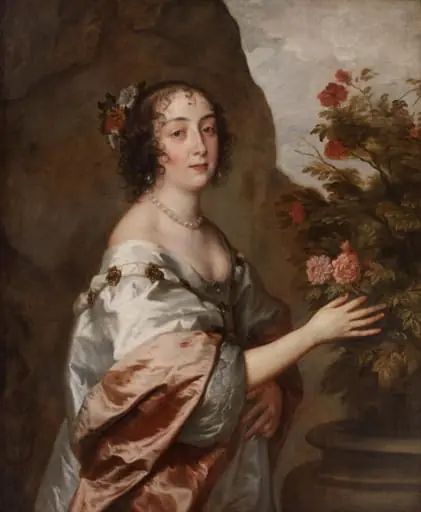 Portrait of a Lady
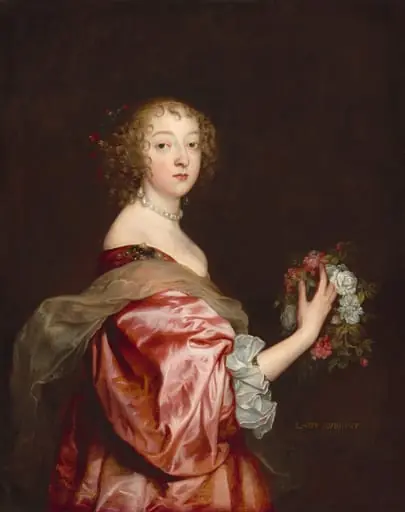 Catherine Howard, Lady d'Aubigny
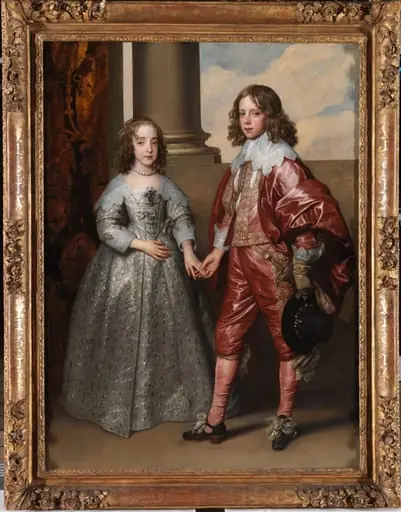 Maria Stuart en Willem II
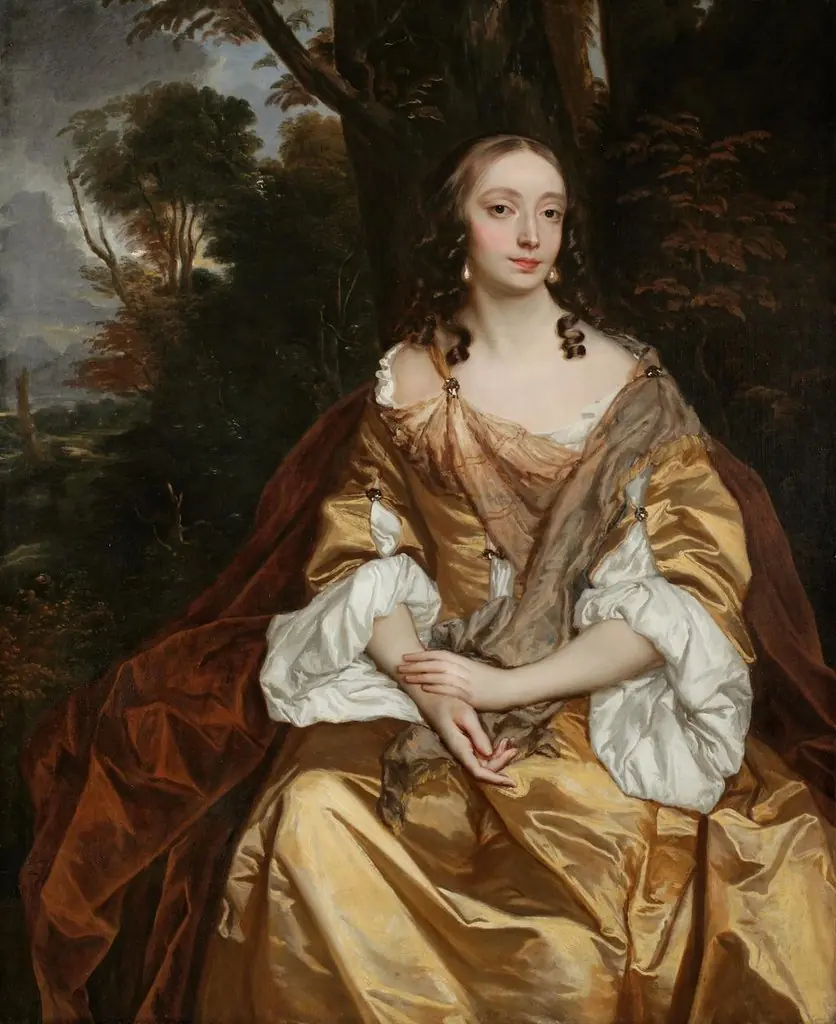 Portrait of a Lady; probably Mary Parsons, later Mrs Draper