Artwork
Portrait of Lady Jane Goodwin
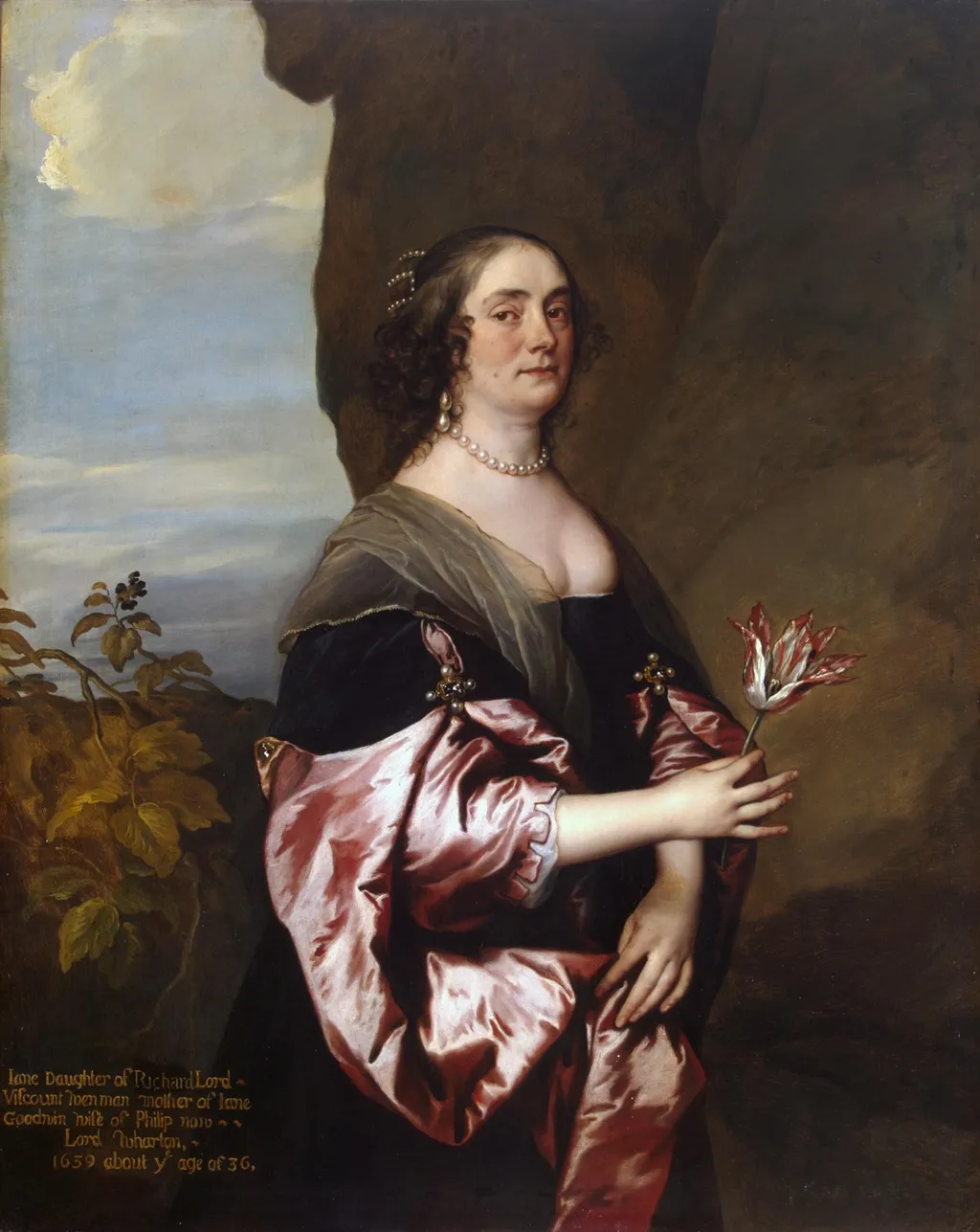
Portrait of Lady Jane Goodwin is an oil painting by the Flemish Baroque painting artist Anthony van Dyck. It dates from 1639 and is held in the collection of the Hermitage Museum.
About this work
Overview
Portrait of Lady Jane Goodwin is a 1639 oil painting by Anthony van Dyck, a prominent Flemish Baroque artist. The work is now part of the State Hermitage Museum's collection.
Subject & Meaning
The portrait's subject is Lady Jane Goodwin, a woman of the period. The composition focuses on her contemplative figure, with a single red flower serving as a symbolic accent against a subdued, dark attire and somber background.
Technique & Style
Van Dyck employs chiaroscuro, contrasting a dim, leafy backdrop with the subject's dark dress and the vibrant, singular red flower she holds, creating a striking play of light and shadow.
History & Provenance
Created in 1639, the painting's history prior to its acquisition by the State Hermitage Museum is not detailed here, reflecting the available information's focus on its current ownership.
Context
As a product of the Flemish Baroque, the painting reflects van Dyck's experience under Peter Paul Rubens and his subsequent success, characterized by nuanced portraiture and expressive use of color and light.
Legacy
While specific influence or notable exhibitions of *Portrait of Lady Jane Goodwin* are not highlighted, it contributes to van Dyck's recognized body of work in Baroque portraiture, valued for its emotional depth and technical mastery.
Own this work as a print
Artist & collection
Artist
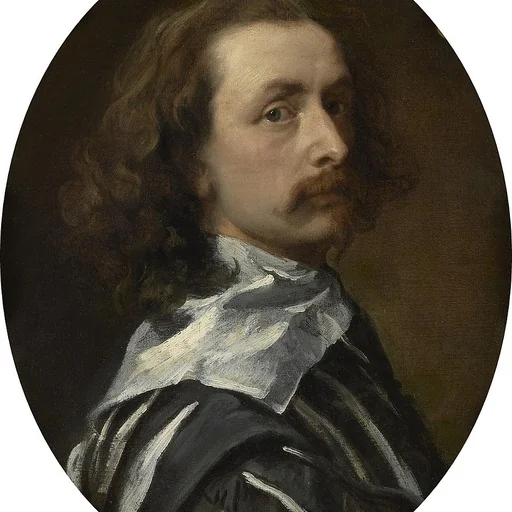
Sir Anthony van Dyck (; Dutch: Antoon van Dijck ; 22 March 1599 – 9 December 1641) was a Flemish Baroque artist, who became the leading court painter in England after success in the Spanish Netherlands and Italy.

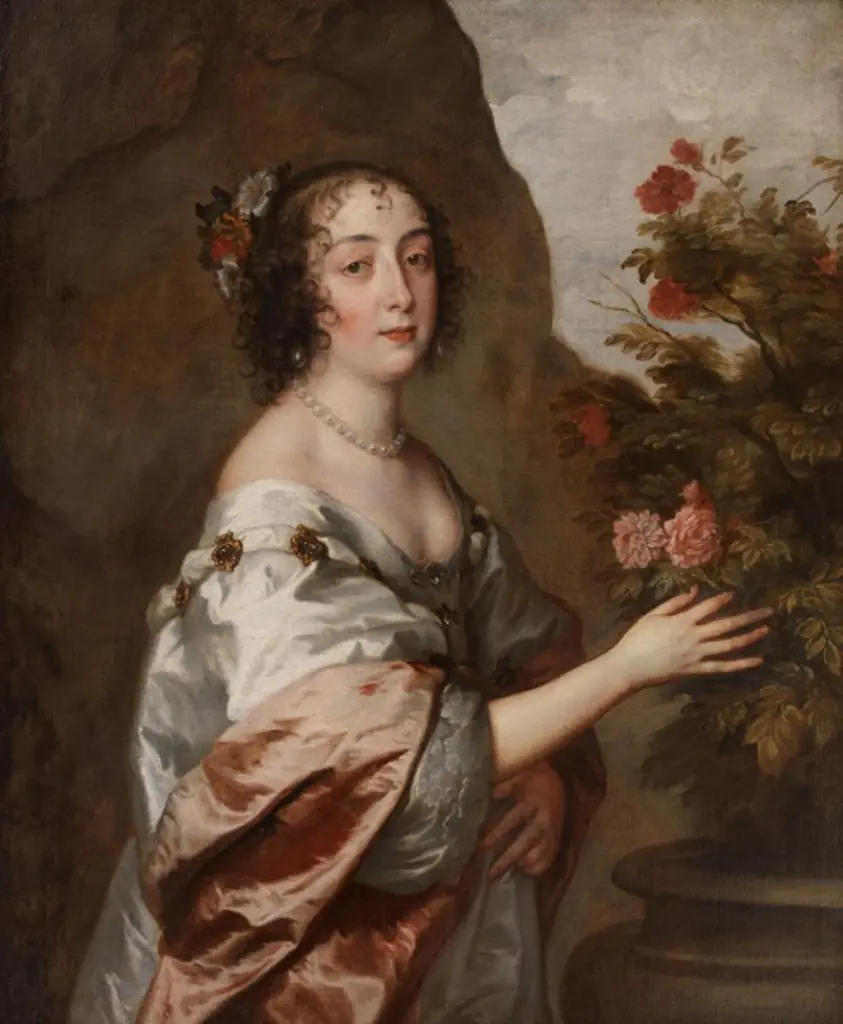 Portræt af en kvinde som Flora
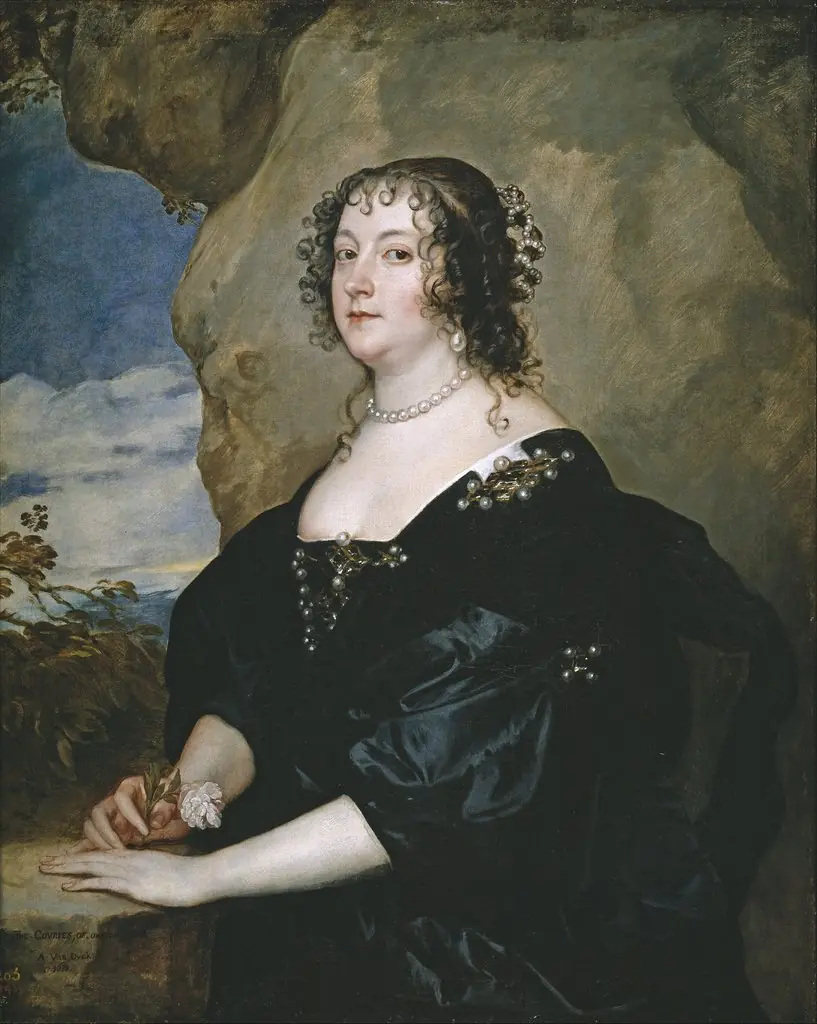 Beatriz van Hemmema, Countess of Oxford (formerly called Diana Cecil)
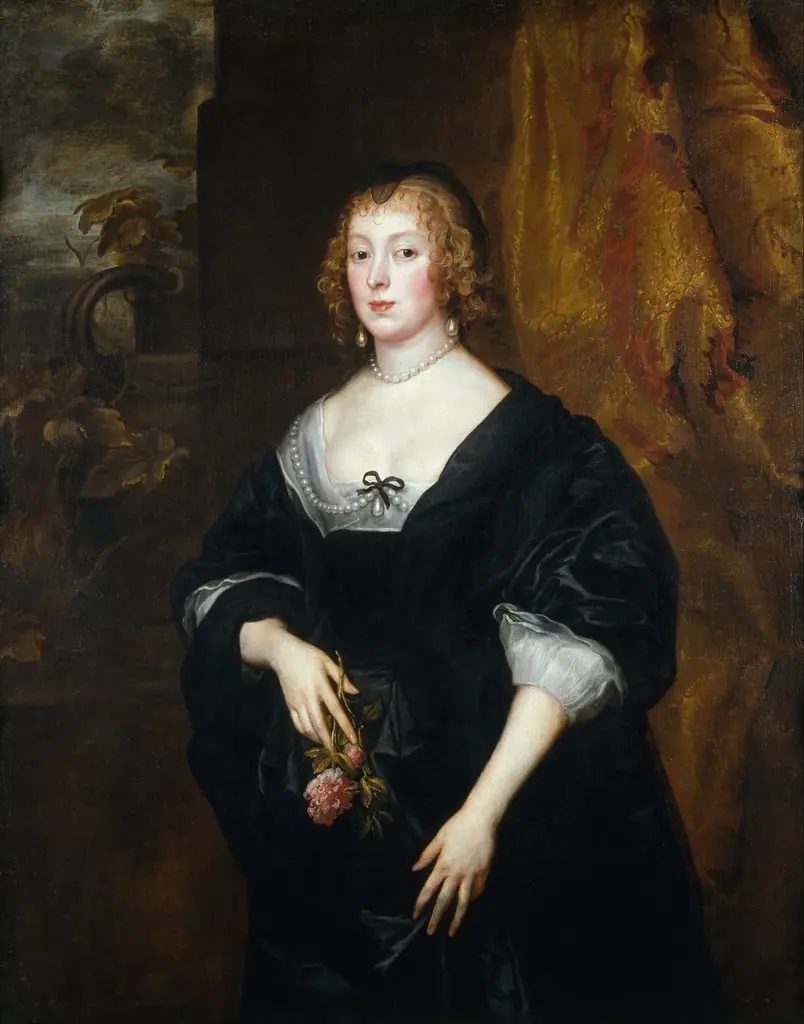 Lady Dacre
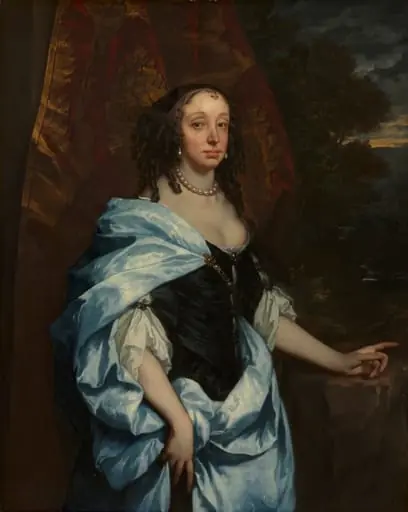 Portrait of Mrs. Leneve
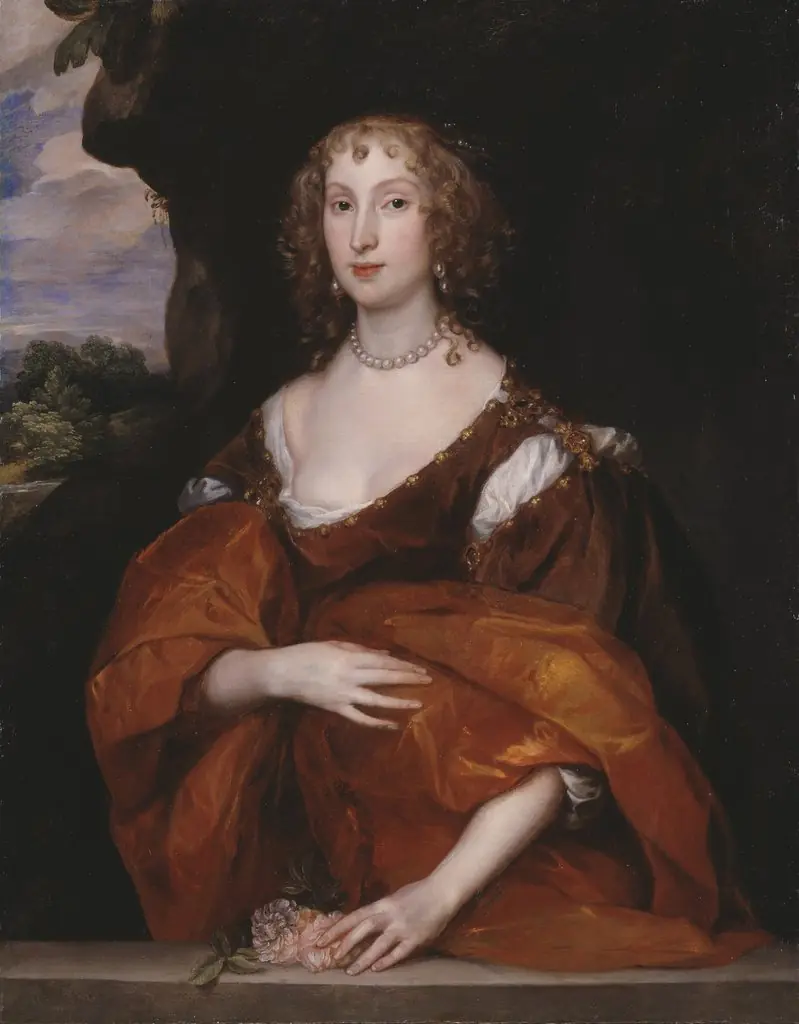 Portrait of Mary Hill, Lady Killigrew
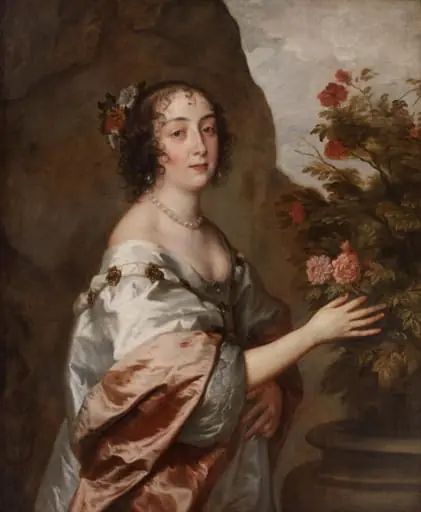 Portrait of a Lady
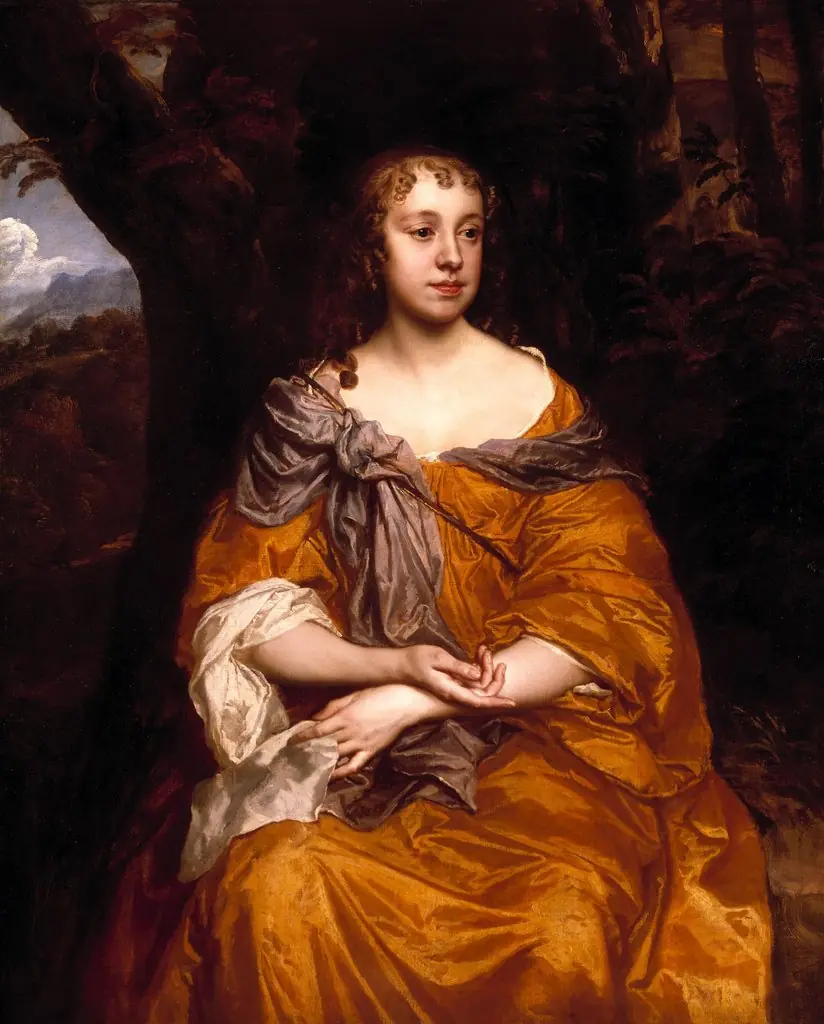 Porträt der Miss Wharton
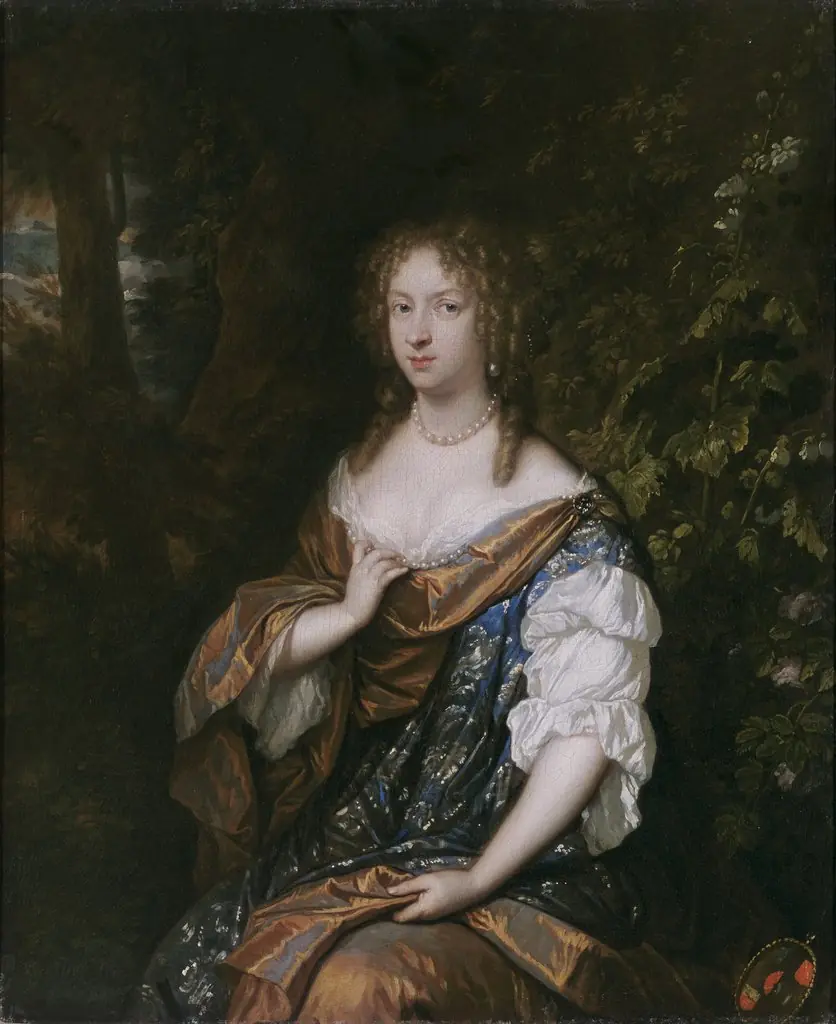 Alida de Lange, Wife of Johan Rammelman
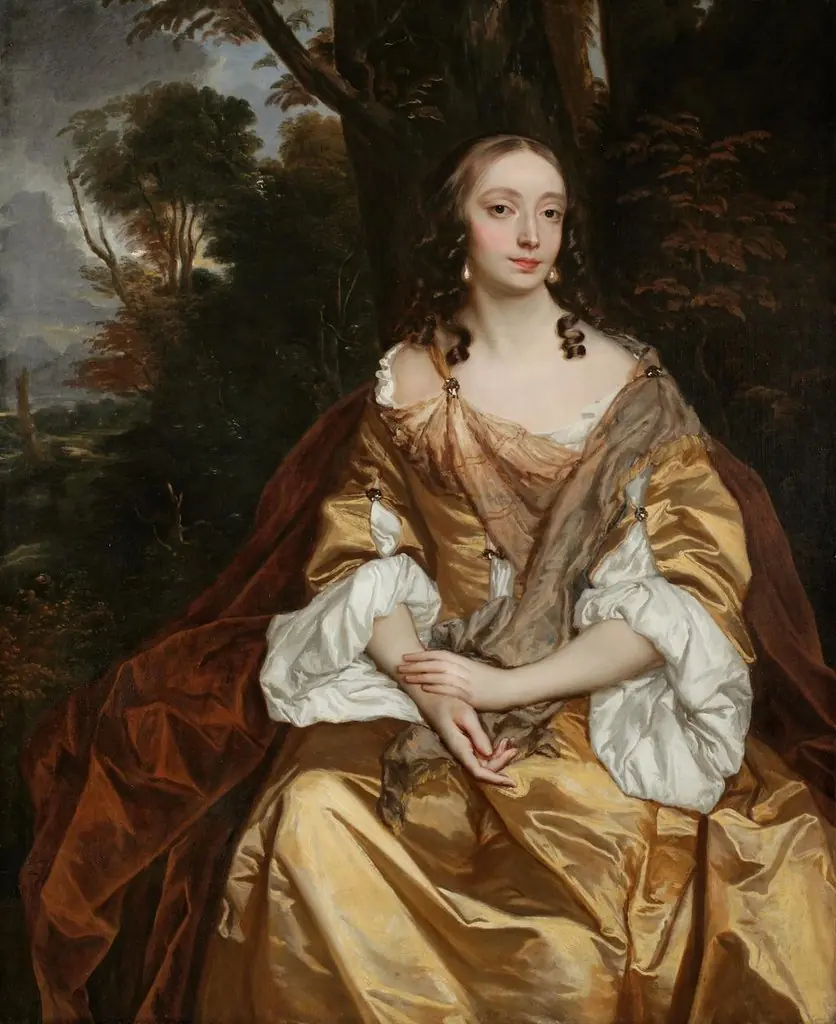 Portrait of a Lady; probably Mary Parsons, later Mrs Draper
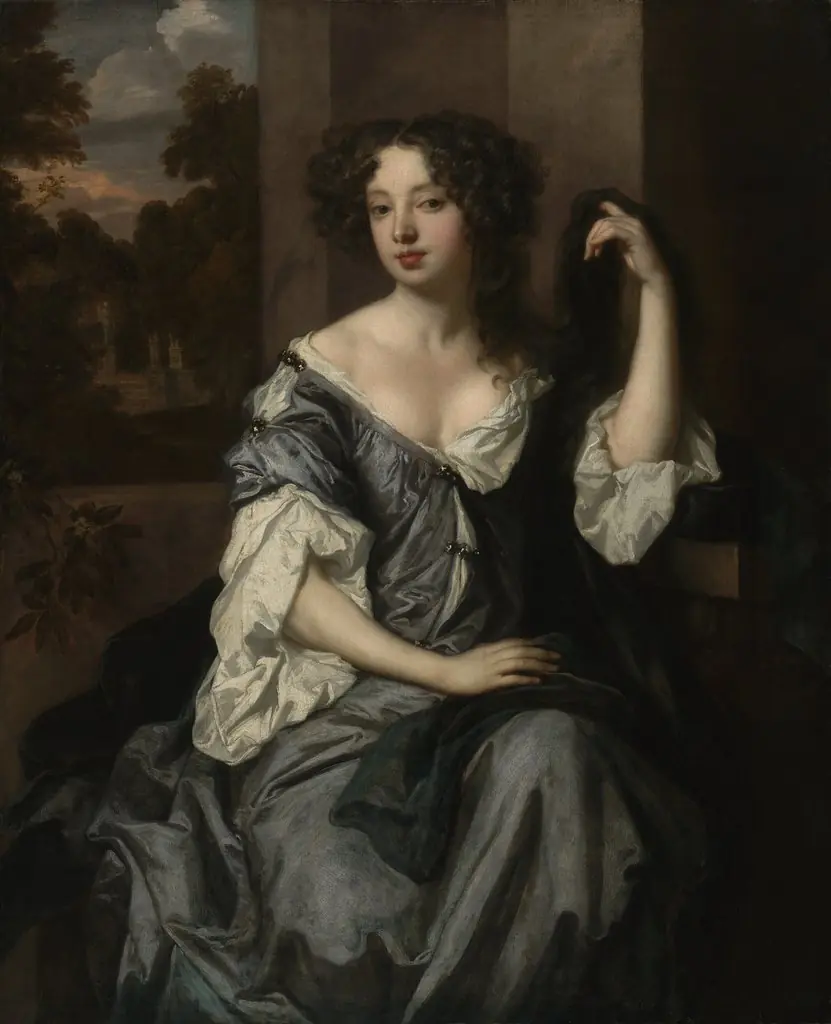 Portrait of Louise de Keroualle, Duchess of Portsmouth
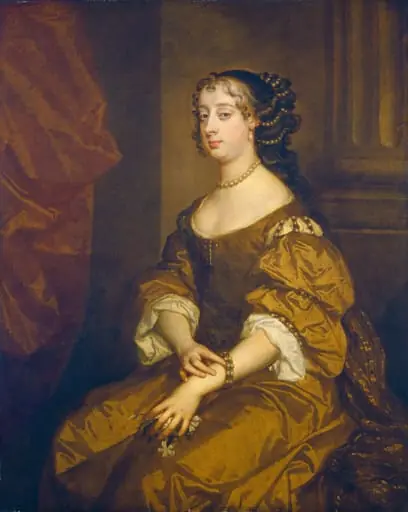 Barbara Villiers, Duchess of Cleveland
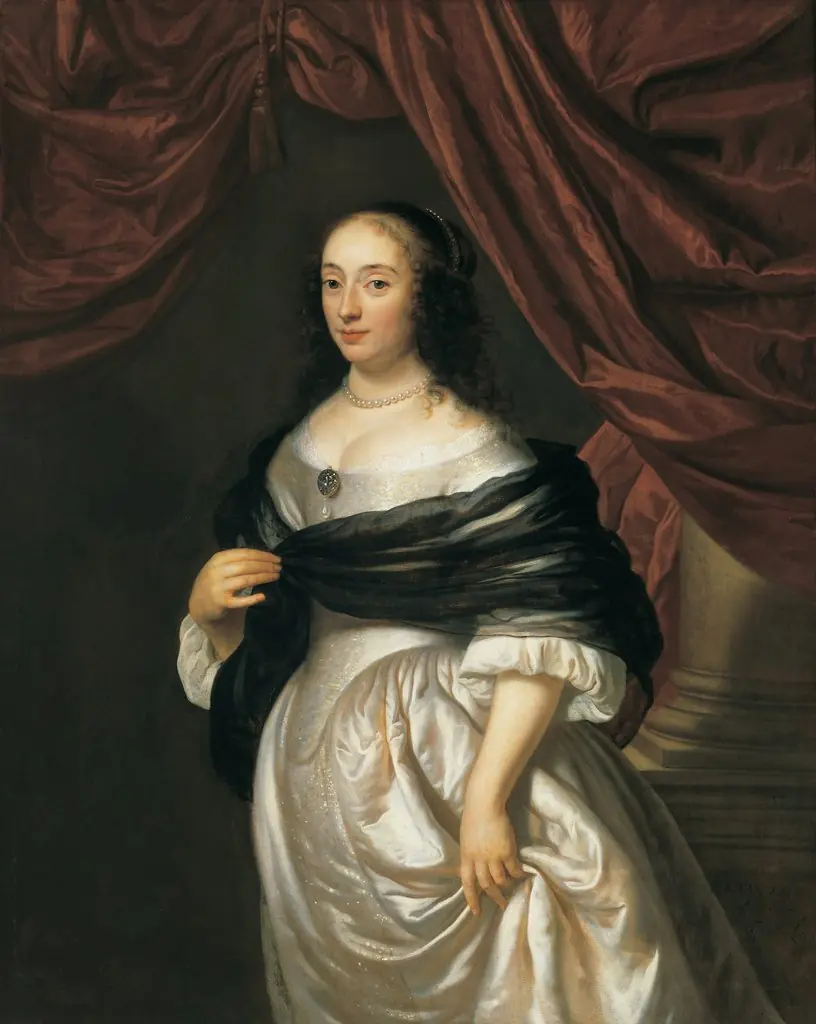 Retrato de la Condesa de Goldstein