Artwork
Adam van Noort
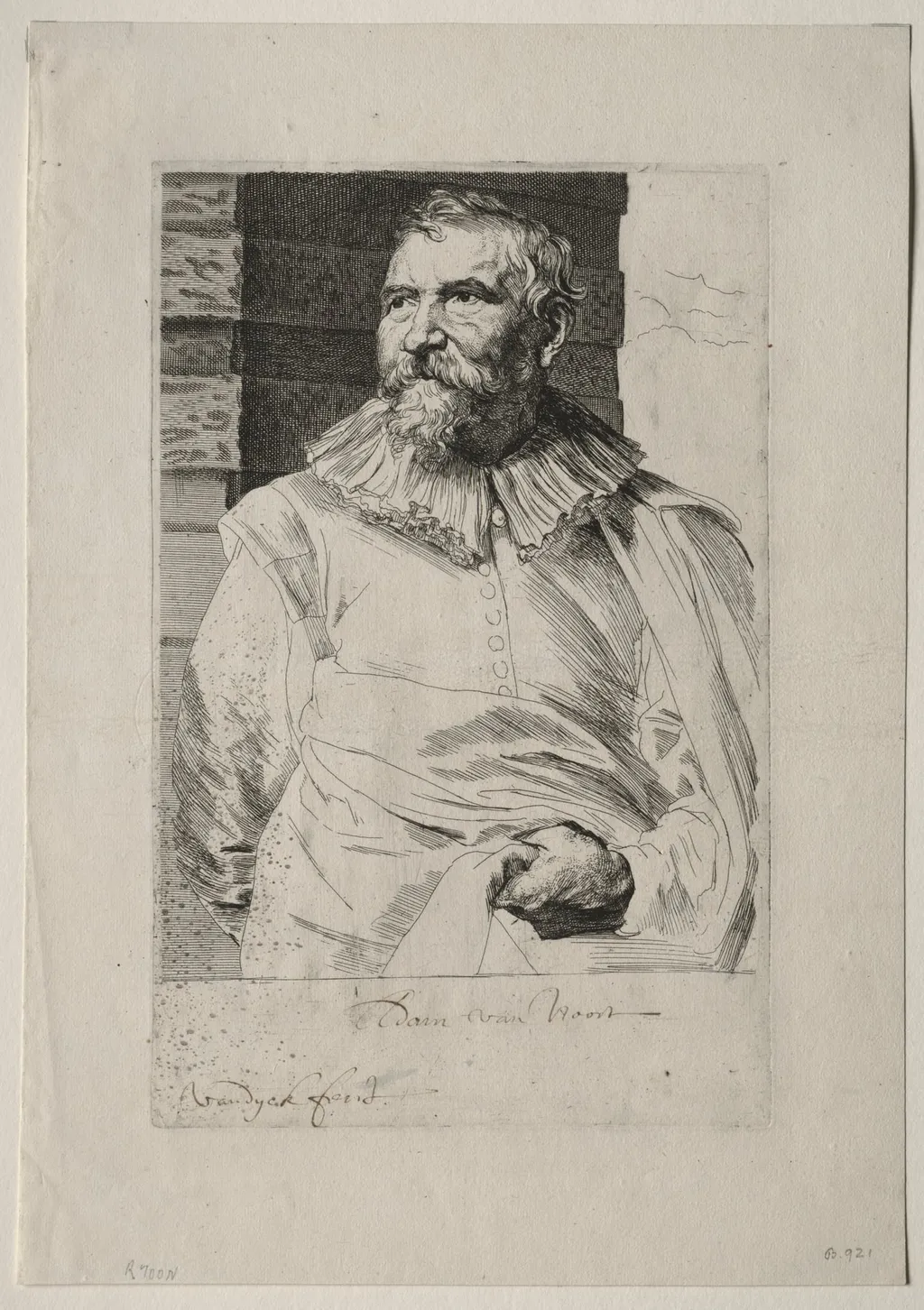
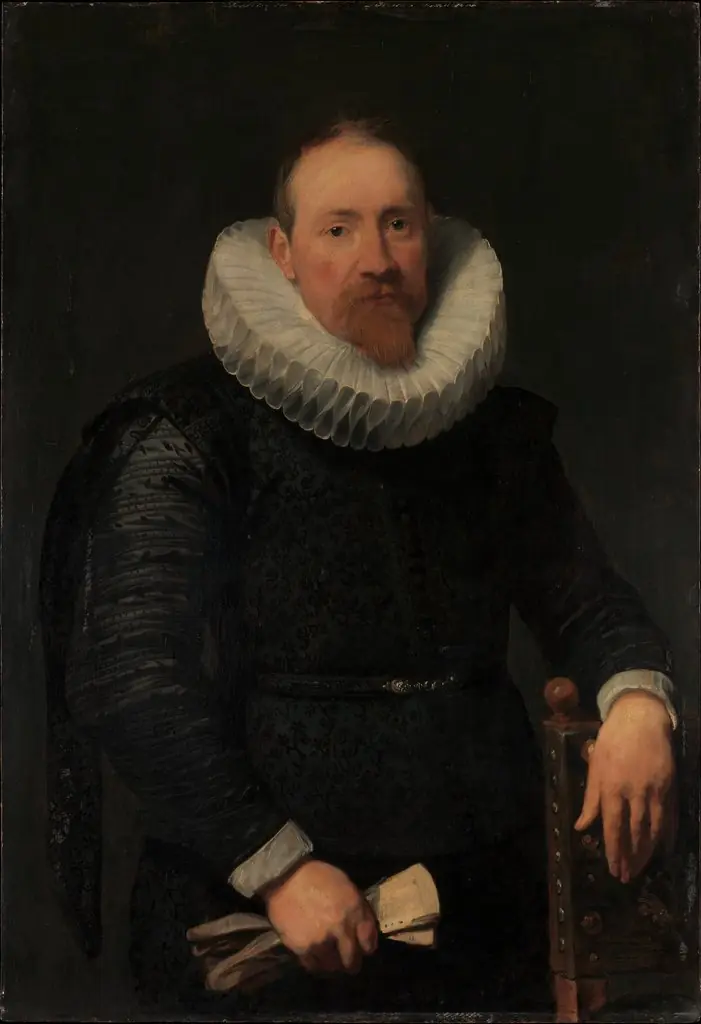
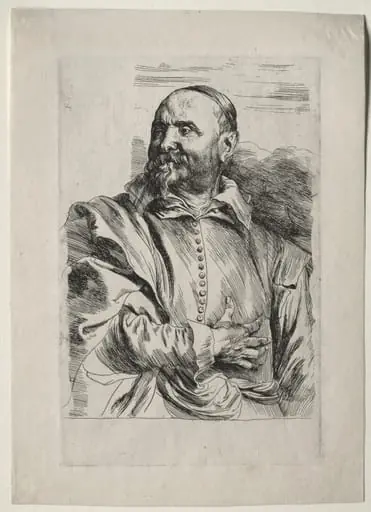
Adam van Noort is a print by the Baroque artist Anthony van Dyck. It dates from 1632 and is held in the collection of the Cleveland Museum of Art.
About this work
Overview
Van Dyck signed it with the abbreviation 'Van Dyck Feat,' a common practice among artists of the time to denote authorship in informal works.
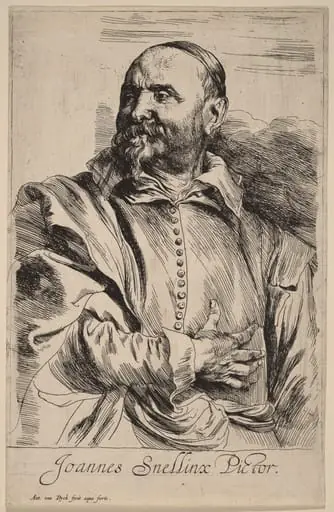
Created in 1632, this portrait by Anthony van Dyck depicts Adam van Noort, a Flemish painter and teacher who influenced Rubens. Executed in a rapid, sketch-like manner, the work is not a polished oil painting but a drawn study, likely made as a preparatory exercise. Van Dyck signed it with the abbreviation 'Van Dyck Feat,' a common practice among artists of the time to denote authorship in informal works.
Subject & Meaning
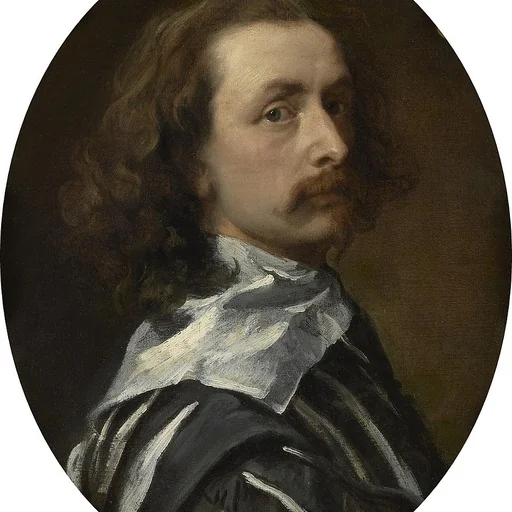
Adam van Noort, a respected elder in the Antwerp art world, is shown with quiet dignity. His fur-lined coat and crisp white ruff signal his status as a master artist, while his weathered face and intense gaze convey experience and introspection. The absence of decorative elements or symbolic objects emphasizes his identity as a man of craft rather than nobility, grounding the image in realism.
Technique & Style
Van Dyck employed pen and ink with fluid, economical strokes, capturing texture and form through loose linework rather than detailed rendering. The contrast between the sharp edges of the ruff and the soft, smudged beard suggests a focus on immediacy over finish. The plain background isolates the figure, directing attention to the subtle modeling of light and shadow across the face, a hallmark of van Dyck’s draftsmanship.
History & Provenance
The drawing entered the Cleveland Museum of Art’s collection in the 20th century, though its earlier ownership remains undocumented. It likely remained in private hands in the Low Countries or England after van Dyck’s death, passing through collectors before its institutional acquisition. Its survival as a sketch rather than a finished work reflects its function as an artist’s study, not a commissioned piece.
Context
In the early 1630s, van Dyck was establishing his reputation beyond Antwerp, having recently left Rubens’s studio and before his move to England. This portrait of van Noort—his teacher’s teacher—suggests a deliberate engagement with artistic lineage. Such studies were common among artists documenting peers, preserving the likenesses of those who shaped their craft.
Legacy
Though not widely exhibited, this drawing offers insight into van Dyck’s process and his respect for older generations of artists. It stands as a quiet testament to the transmission of artistic knowledge in 17th-century Flanders. Its sketch-like quality distinguishes it from his formal portraits, revealing a more personal, unguarded side of his practice.
Artist & collection
Artist
Sir Anthony van Dyck (; Dutch: Antoon van Dijck ; 22 March 1599 – 9 December 1641) was a Flemish Baroque artist, who became the leading court painter in England after success in the Spanish Netherlands and Italy.