Artwork
Madonna and Child with Child St John
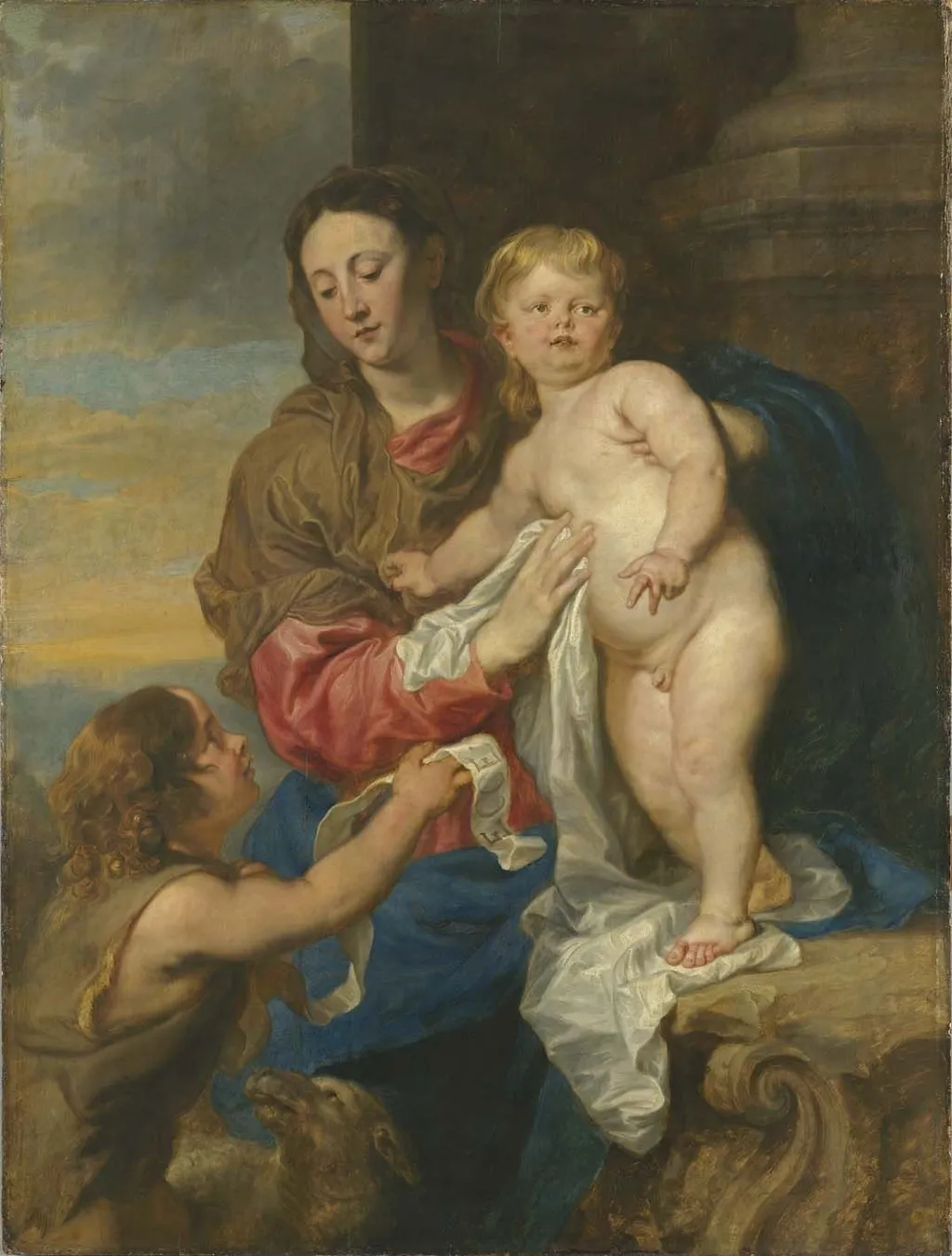
Madonna and Child with Child St John is an oil painting by the Flemish Baroque painting artist Anthony van Dyck. It dates from 1630 and is held in the collection of the Bavarian State Painting Collections.
About this work
Overview
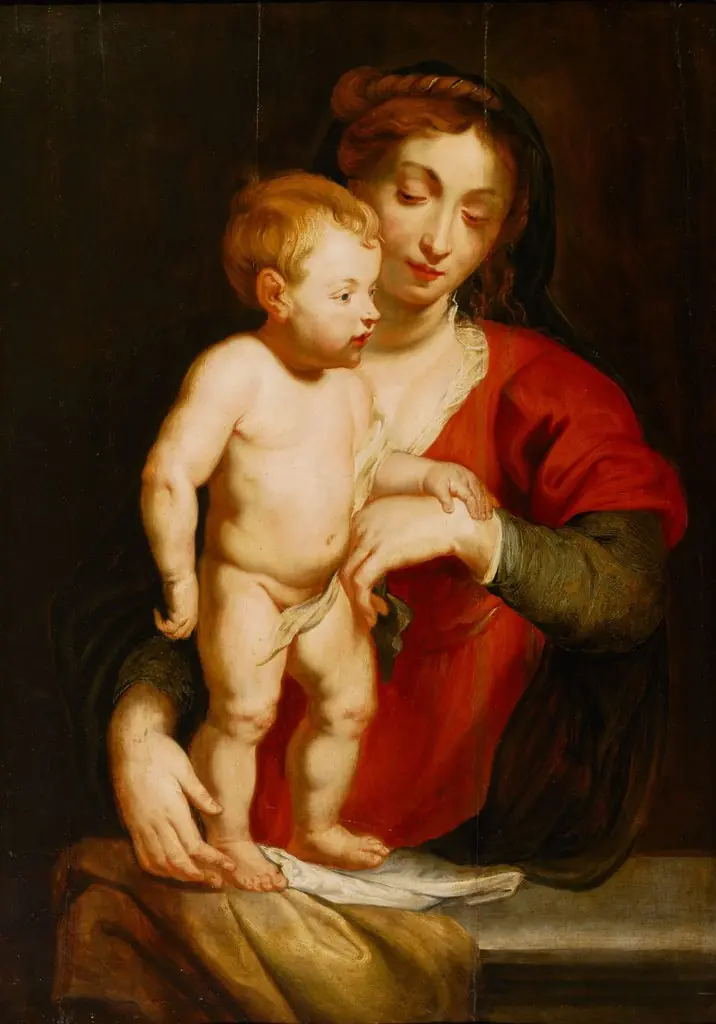
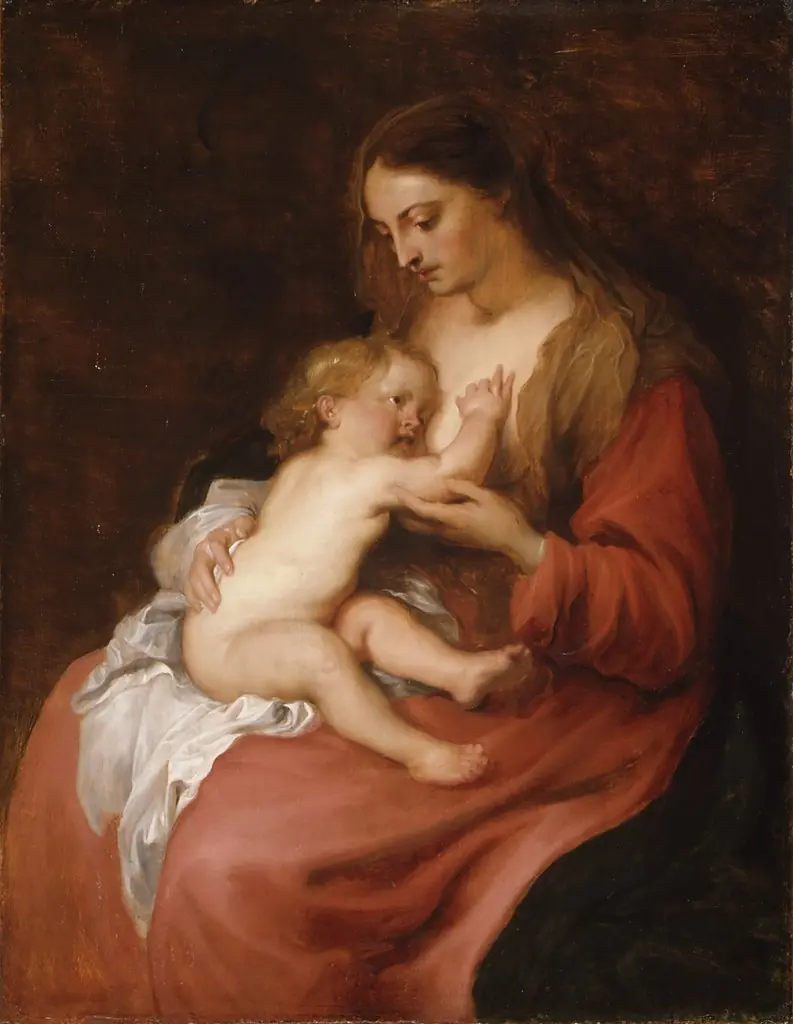
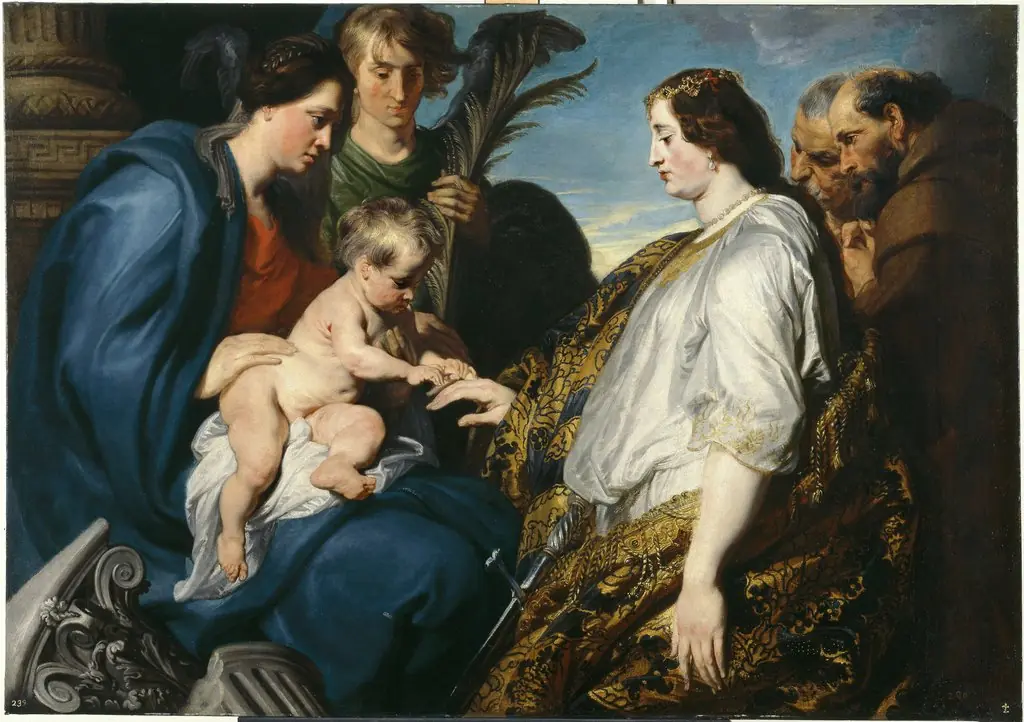
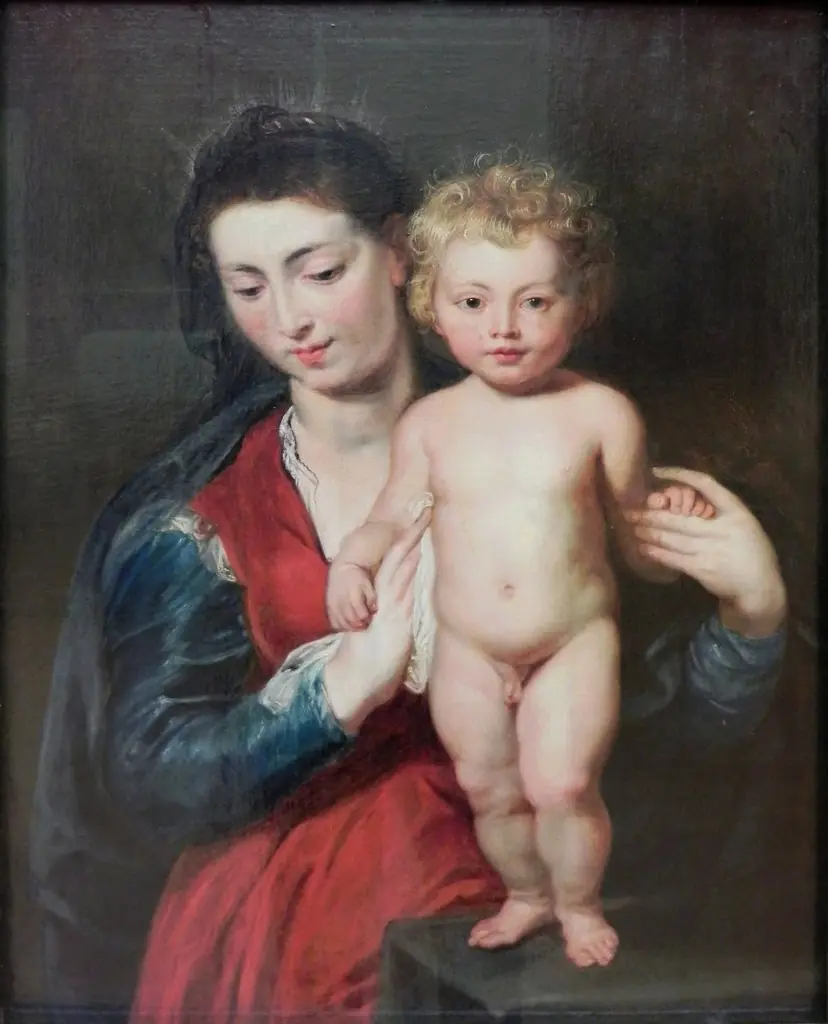
Anthony van Dyck’s oil painting *Madonna and Child with Child St John* dates from 1630. The work presents the Virgin Mary cradling the infant Christ, while a youthful John the Baptist kneels nearby. Rendered in a dark interior with a subtle illumination behind the figures, the composition exemplifies the intimate devotional images popular in the early seventeenth‑century Flemish tradition.
Subject & Meaning
The central figure, Mary, is clothed in a brown mantle accented by a red sash, her serene expression underscoring maternal devotion.
The central figure, Mary, is clothed in a brown mantle accented by a red sash, her serene expression underscoring maternal devotion. The Christ child rests on her lap, his soft, rounded form emphasizing vulnerability, while the naked John reaches toward him, symbolizing the future relationship between the two saints. The grouping reflects traditional iconography of the Holy Family, inviting contemplation of innocence and divine connection.
Technique & Style
Van Dyck employs a chiaroscuro effect, with a focused light source highlighting the faces and flesh tones, set against a shadowy, rocky backdrop. The painter’s brushwork is smooth, rendering the folds of the drapery and the gentle curvature of the bodies with a tactile quality. This handling aligns with the Baroque emphasis on dramatic lighting and refined surface detail.
History & Provenance
Created during van Dyck’s early independent period after his apprenticeship with Peter Paul Rubens, the painting entered the collection of the Alte Pinakothek in Munich, where it remains on display. Its acquisition reflects the museum’s focus on representing the major figures of Flemish Baroque painting.
Context
The work belongs to the broader Flemish Baroque movement, which combined the dynamism of Rubens’ workshop with a heightened sense of personal devotion. Van Dyck’s portrayal of the Virgin and Child demonstrates his ability to blend courtly elegance with the emotional intensity characteristic of the period’s religious art.
Artist & collection
Artist
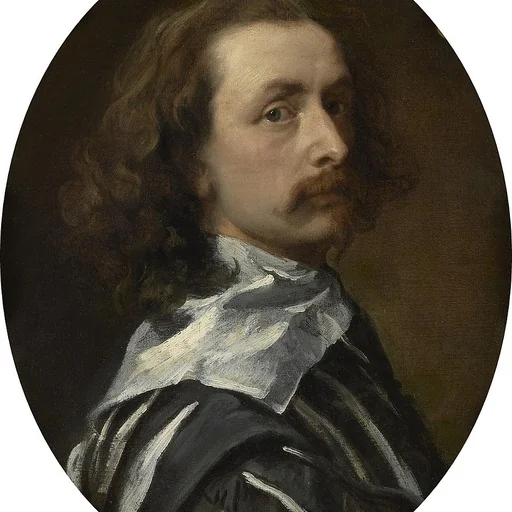
Sir Anthony van Dyck (; Dutch: Antoon van Dijck ; 22 March 1599 – 9 December 1641) was a Flemish Baroque artist, who became the leading court painter in England after success in the Spanish Netherlands and Italy.