Artwork
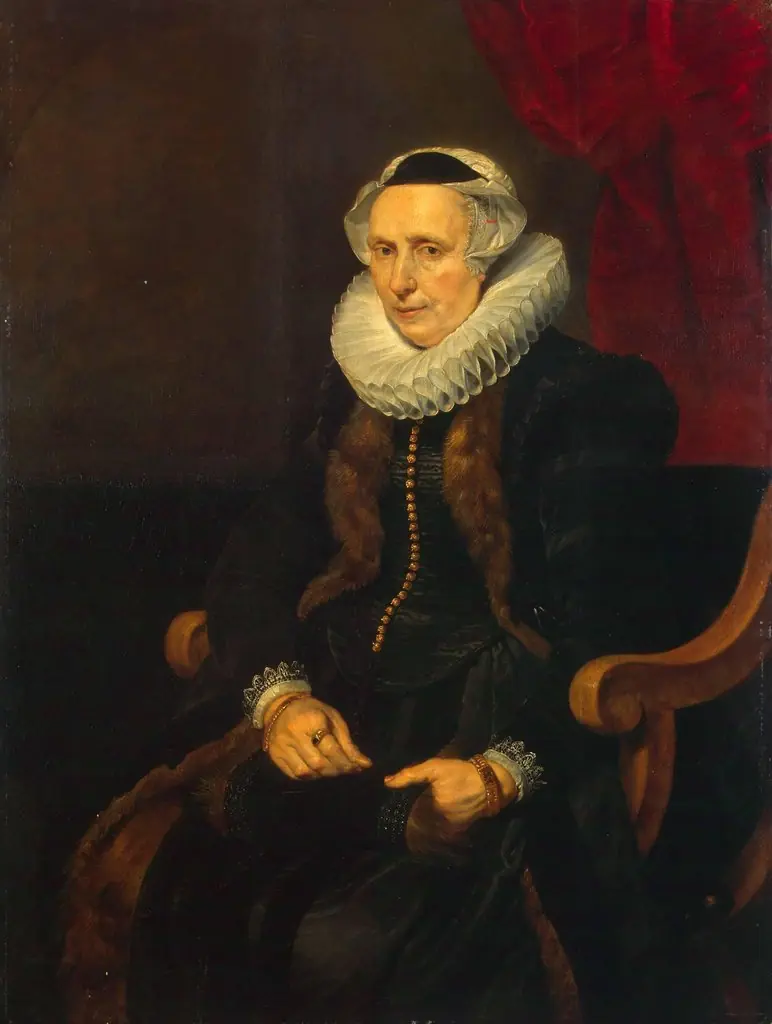
Portrait of a 60-year-old Woman
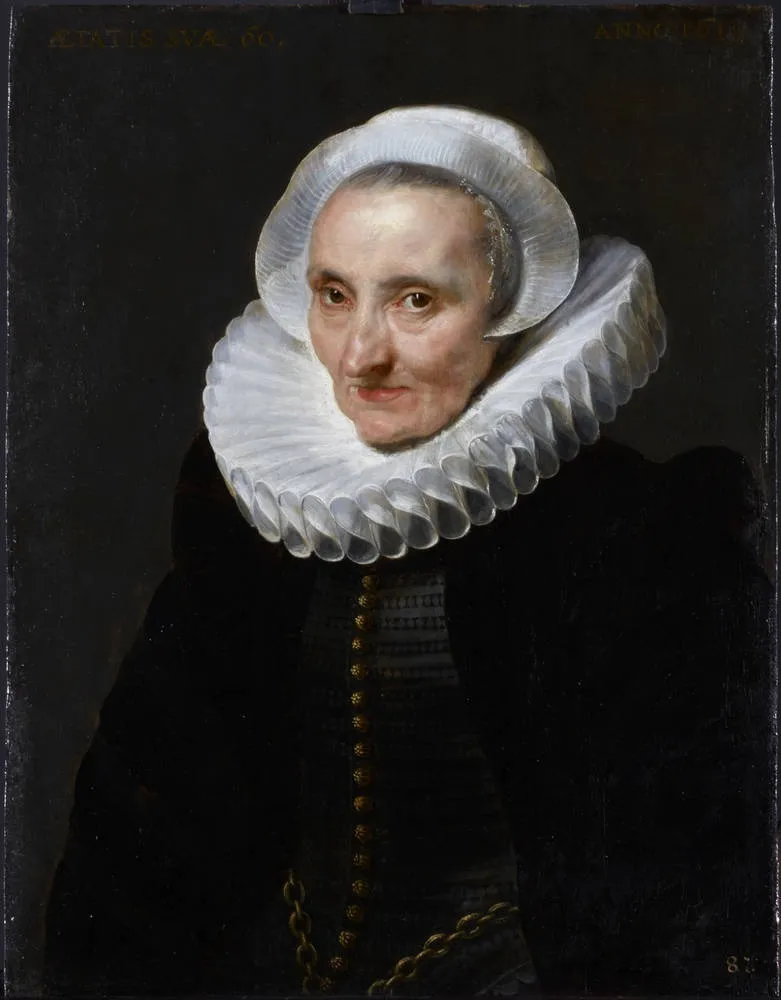
Portrait of a 60-year-old Woman is an oil painting by the Flemish Baroque painting artist Anthony van Dyck. It dates from 1618 and is held in the collection of the Gemäldegalerie Alte Meister.
About this work
Overview
At the time, van Dyck was a young but accomplished artist in Antwerp, recently admitted to the Guild of Saint Luke.
Painted in 1618, this oil portrait by Anthony van Dyck captures an elderly woman with restrained dignity. At the time, van Dyck was a young but accomplished artist in Antwerp, recently admitted to the Guild of Saint Luke. The work reflects his early mastery of portraiture before his later court appointments in England. Its quiet intensity and precise rendering of textiles mark it as a significant example of his formative period.
Subject & Meaning
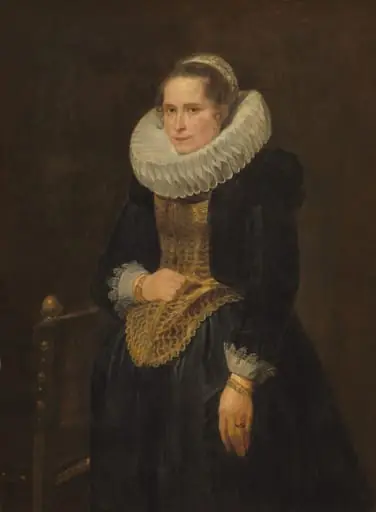
The sitter, likely a woman of means given her attire, is portrayed without idealization, emphasizing age and composure. Her furrowed brow and indirect gaze suggest introspection rather than status display. The formal clothing—black dress, gold buttons, and white cap—signals modest wealth and adherence to contemporary norms. The painting avoids theatricality, instead conveying a sense of inner life through subtle facial nuance and stillness.
Technique & Style
Van Dyck employed fine brushwork to distinguish textures: the crispness of the lace collar, the sheen of gold buttons, and the softness of the cap’s fabric. The deep brown background isolates the figure, enhancing three-dimensionality. His handling of light is restrained, avoiding dramatic contrasts, yet carefully modeling the face and garments. This approach reveals his training under Rubens, though with a more intimate, less flamboyant sensibility.
History & Provenance
The painting entered the collection of the Gemäldegalerie Alte Meister in Dresden, where it remains today. Its early date places it among van Dyck’s pre-English works, made shortly after he became a master painter. While its original commission is undocumented, its preservation suggests it was valued early on, possibly by a local Antwerp patron familiar with van Dyck’s rising reputation.
Context
In early 17th-century Antwerp, portraiture served both personal and social functions, often reflecting civic pride or familial status. Van Dyck’s work emerged amid a flourishing artistic community, where detailed depiction of dress and expression was highly prized. This portrait aligns with regional trends favoring realism over idealization, particularly in depictions of mature women, who were rarely the focus of grand commissions.
Legacy
Though less known than van Dyck’s royal portraits, this early work demonstrates his emerging ability to convey psychological depth through quiet observation. It anticipates his later refinement in capturing character, influencing subsequent generations of portraitists. Its presence in a major European collection underscores its role as a key example of Flemish Baroque portraiture beyond aristocratic subjects.
Artist & collection
Artist
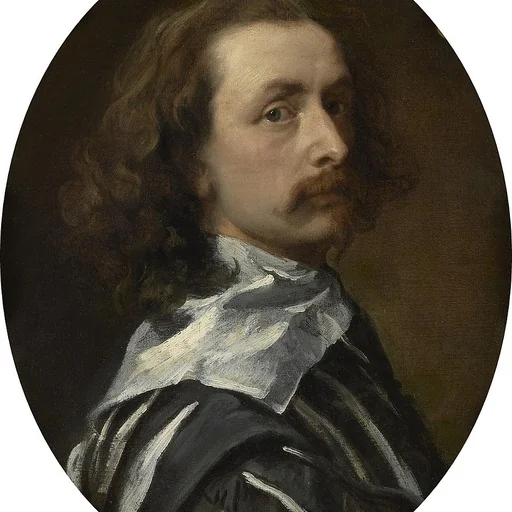
Sir Anthony van Dyck (; Dutch: Antoon van Dijck ; 22 March 1599 – 9 December 1641) was a Flemish Baroque artist, who became the leading court painter in England after success in the Spanish Netherlands and Italy.

 Portrait of an Old Lady Sitting in an Arm-Chair
 Sara van Bosschaert (version of 1/2-length portrait in the Prinsenhof, Delft)
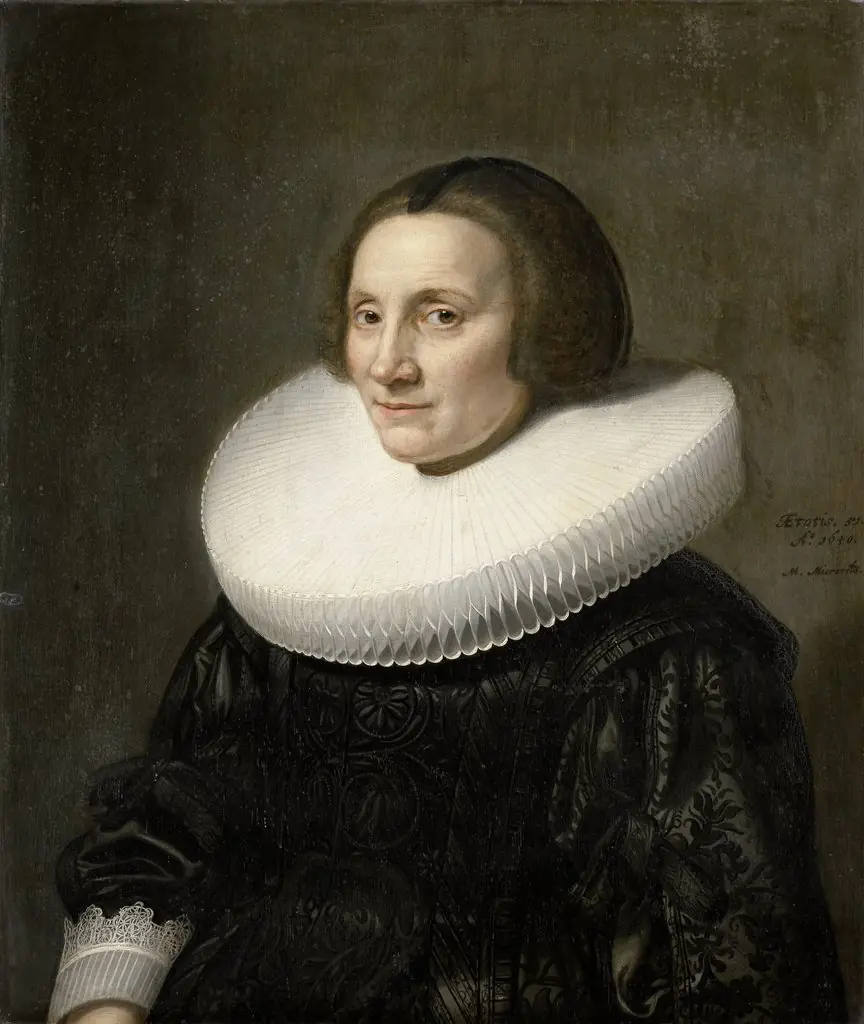 Portrait of Caecilia van Beresteyn (1589-1661)
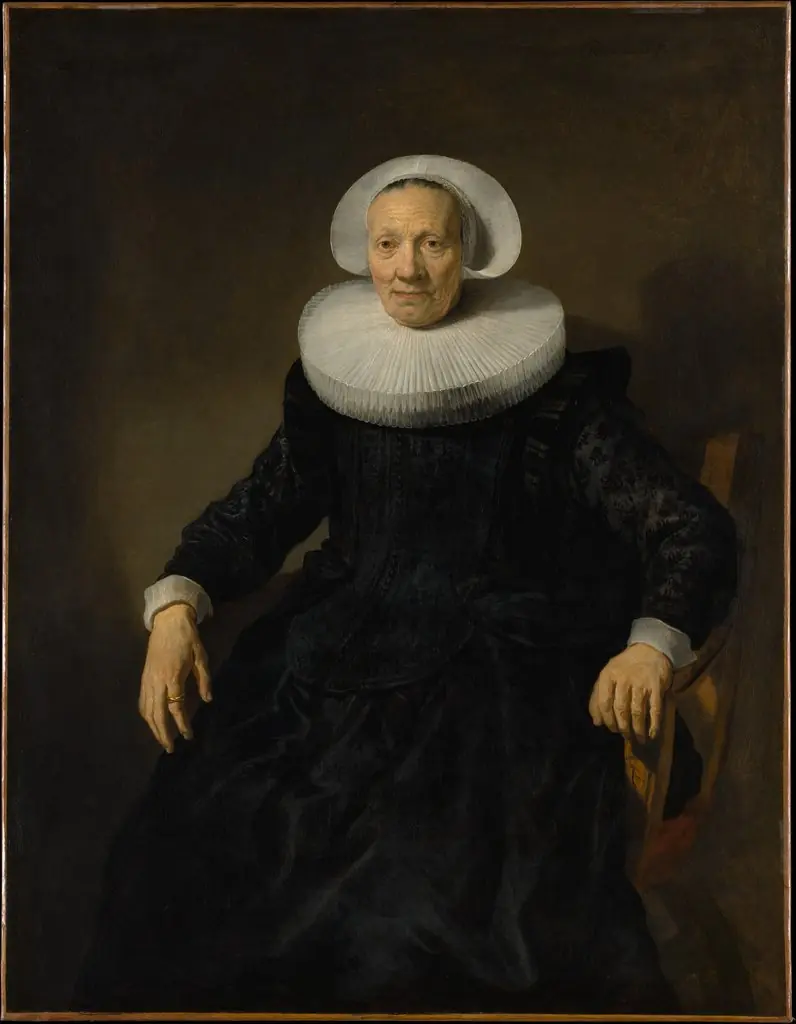 Old Woman in an Armchair
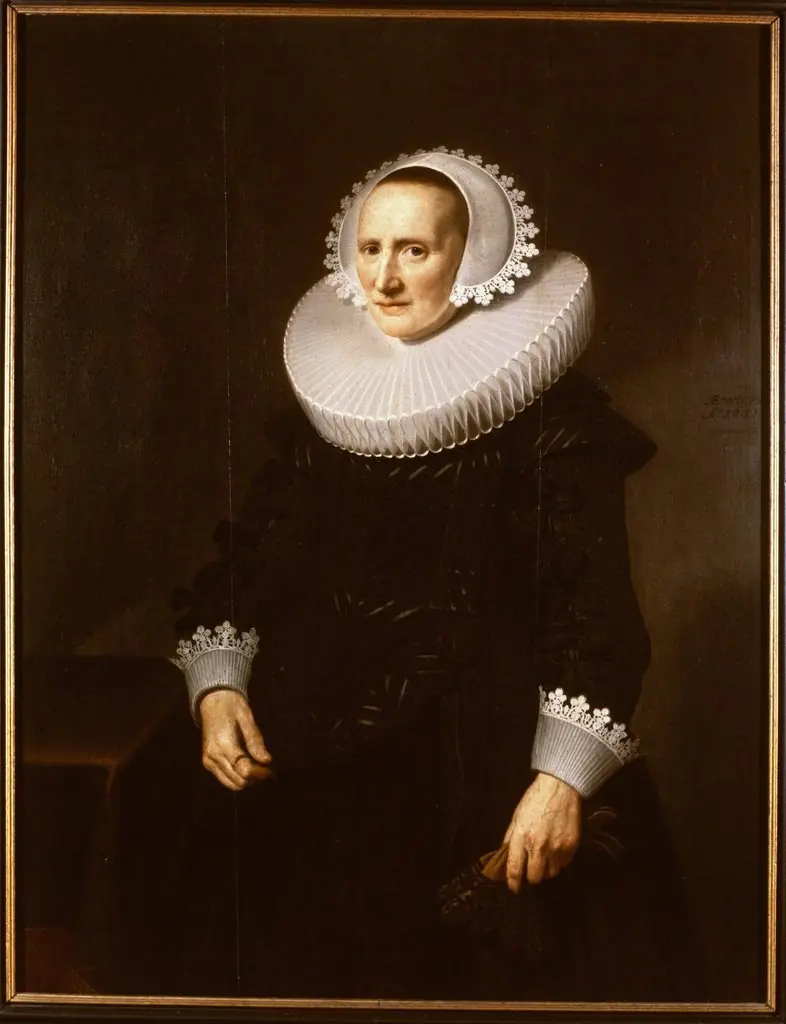 Portrait of Catharina Wielant (1572-1633)
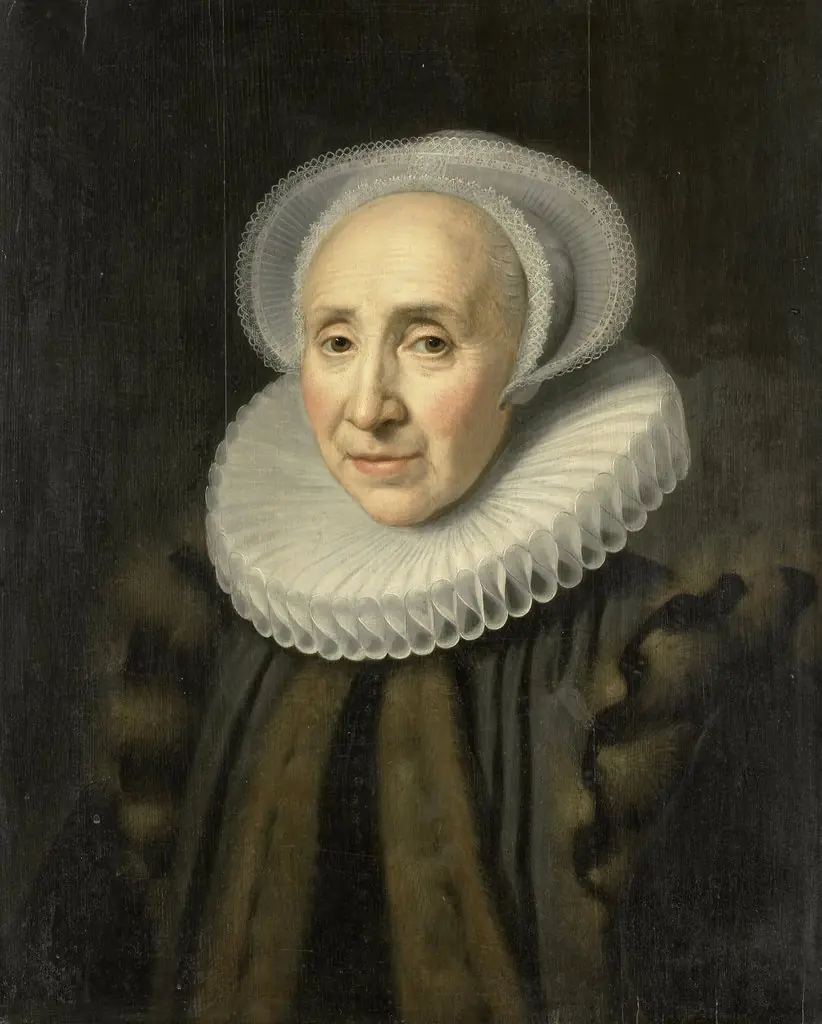 Portrait of Volckera Claesdr Knobbert (1554-1634)
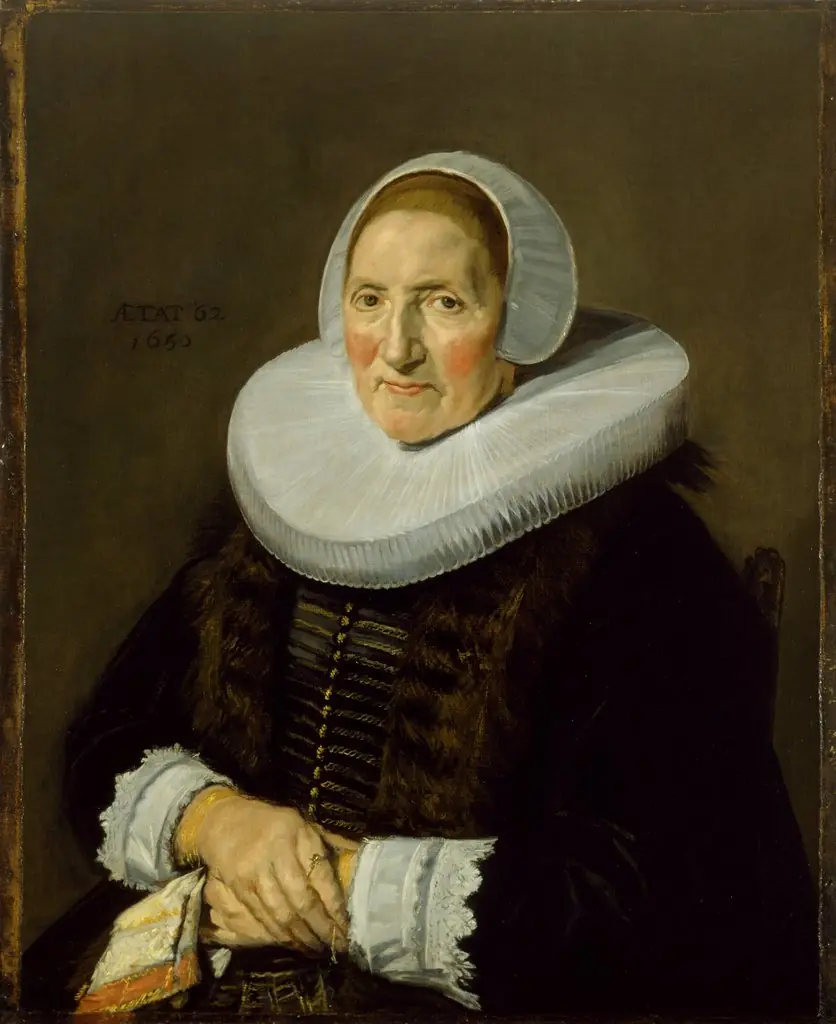 Portrait of a Woman
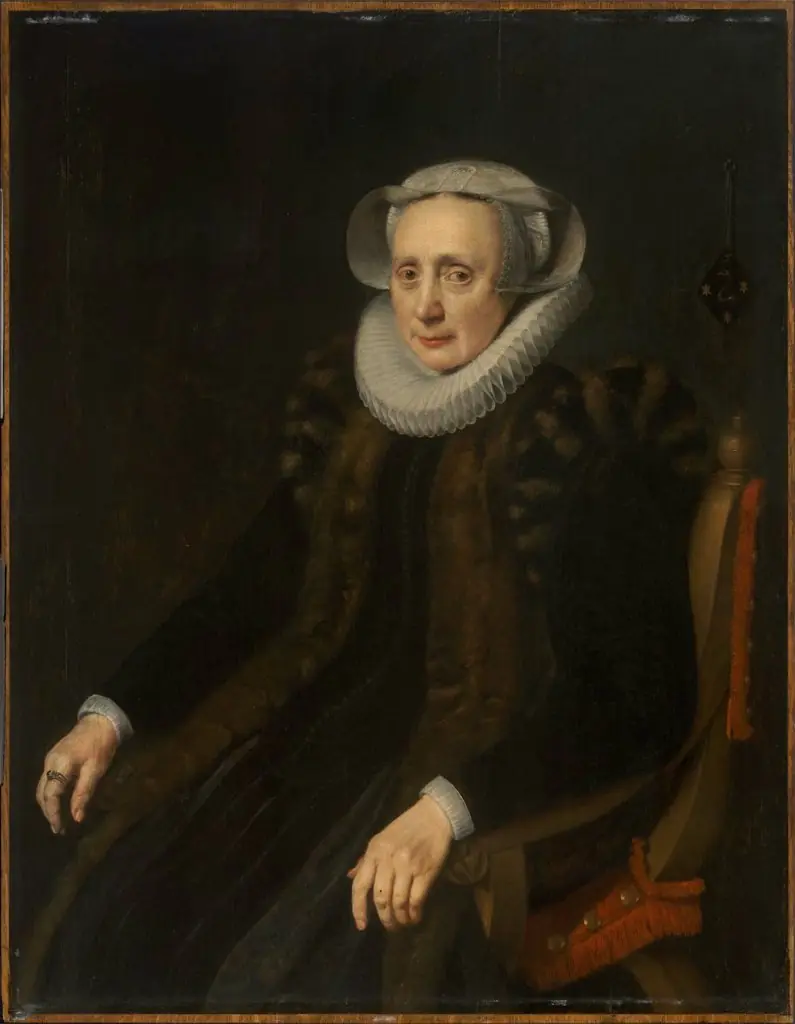 Adriana van Ijlen
 Untitled
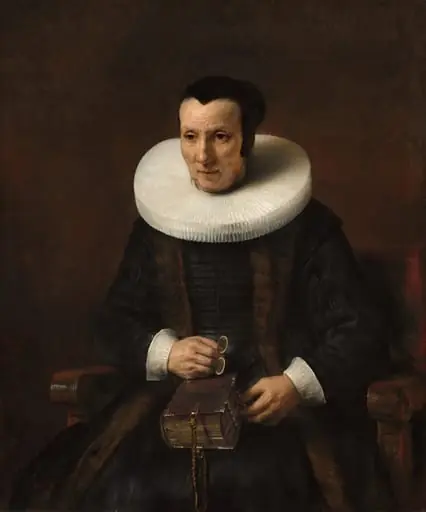 An Old Lady with a Book