Artwork
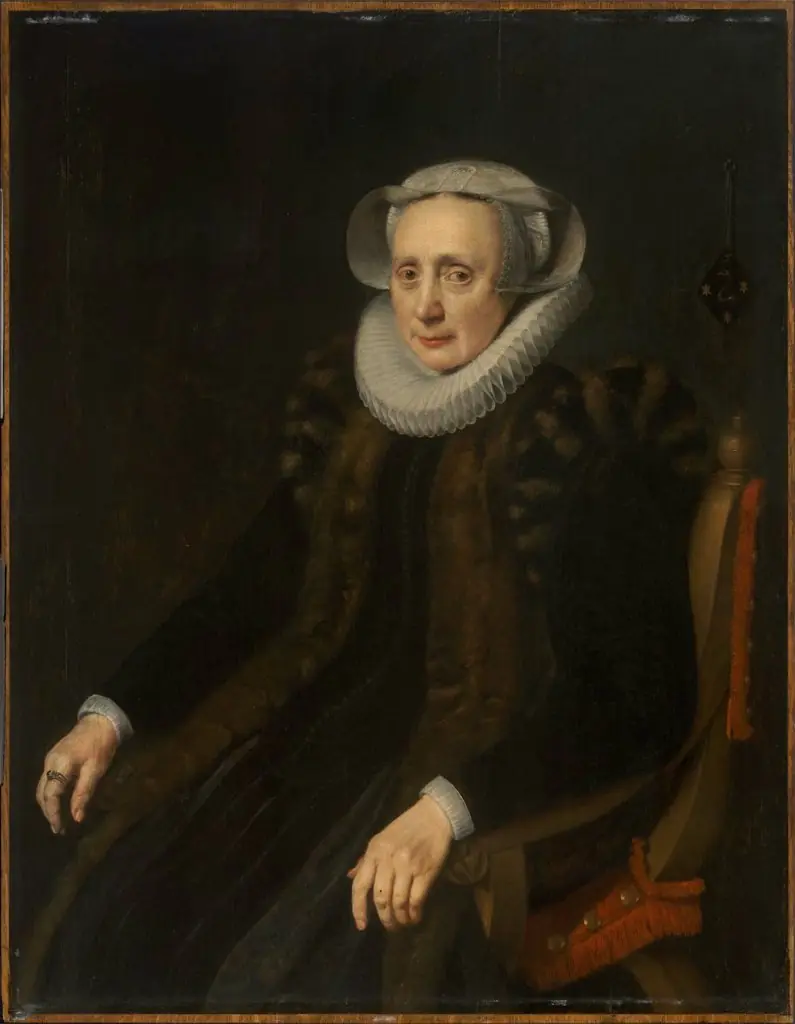
Portrait of an Old Lady Sitting in an Arm-Chair
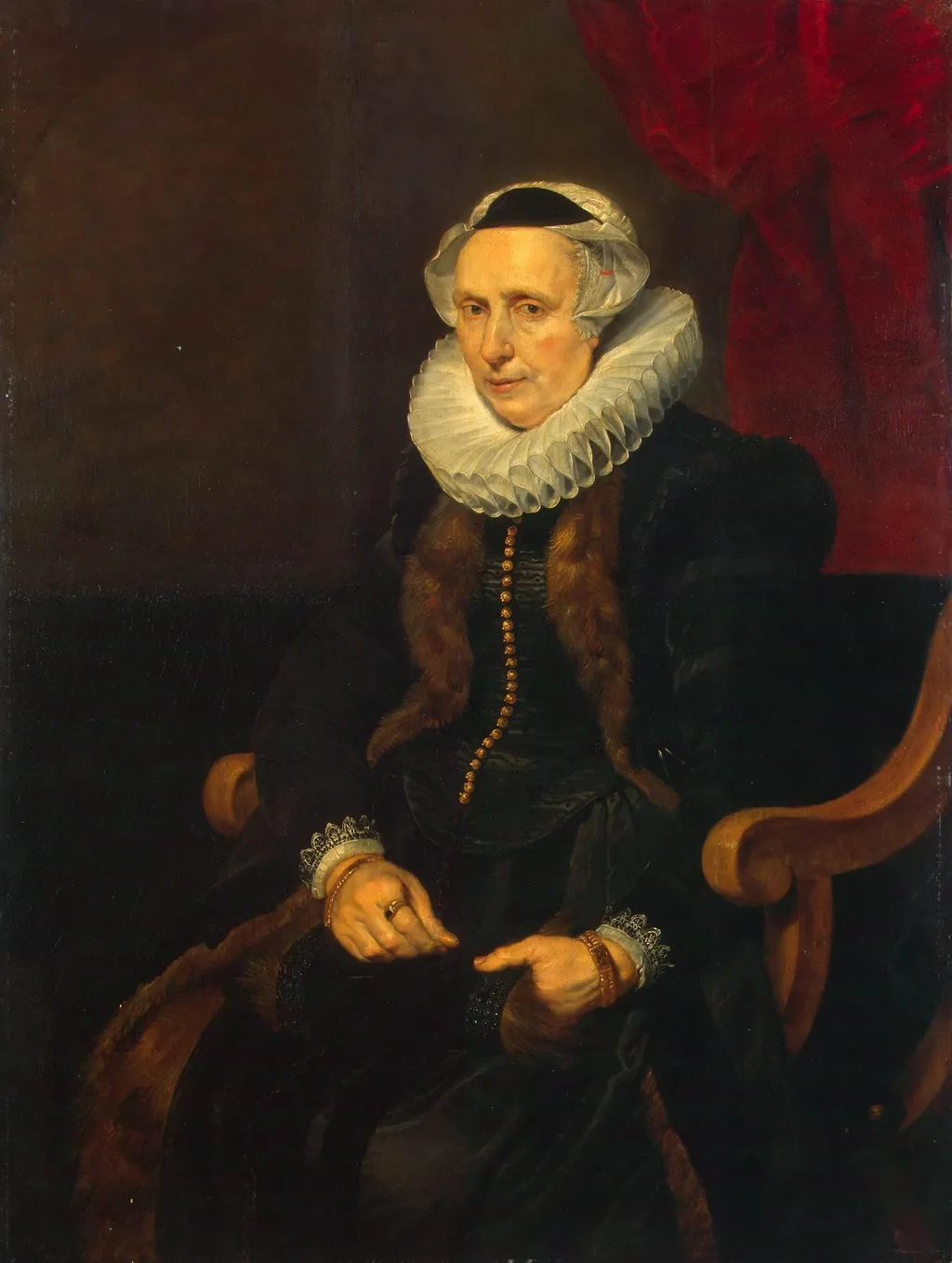
Portrait of an Old Lady Sitting in an Arm-Chair is an oil painting by the Flemish Baroque painting artist Cornelis de Vos. It dates from 1630 and is held in the collection of the Hermitage Museum.
About this work
Overview
Painted in 1630 by the Antwerp-based artist Cornelis de Vos, this oil portrait captures an elderly woman seated in a dark wooden armchair.
Painted in 1630 by the Antwerp-based artist Cornelis de Vos, this oil portrait captures an elderly woman seated in a dark wooden armchair. De Vos, recognized for his nuanced portraiture and active as both painter and art dealer, rendered the subject with quiet precision. The work exemplifies Flemish Baroque sensibilities, emphasizing tactile detail and restrained emotional depth within a domestic setting.
Subject & Meaning
The sitter, an older woman, is depicted with dignified stillness, her hands resting lightly on the chair’s armrests. Her attire—a black gown with a fur collar and a starched white ruff—signals modest wealth and social standing. The faint red mark on her forehead may indicate a religious or medicinal practice of the time. Her gaze is direct yet subdued, suggesting introspection rather than performative display.
Technique & Style
De Vos employed chiaroscuro to model the woman’s face with soft, directional light, isolating her from the deep background. The texture of the fur collar and the intricate folds of her dress are rendered with meticulous brushwork, highlighting material richness without ornamentation. The composition is tightly framed, focusing attention on the sitter’s presence and the quiet interplay of light and fabric.
History & Provenance
The painting has been part of the State Hermitage Museum’s collection since at least the 19th century. It entered the museum’s holdings through established channels of European art acquisition, likely during a period of expanded imperial collections. Its attribution to de Vos is consistent with his known oeuvre and stylistic fingerprints from the 1630s.
Context
In early 17th-century Antwerp, portraiture served both personal and social functions, often commissioned to affirm status or commemorate family lineage. De Vos, alongside contemporaries like Rubens, contributed to a tradition of psychological realism in Flemish painting. This portrait reflects a shift toward intimate, non-idealized depictions of ordinary individuals, even among the affluent.
Legacy
Though less celebrated than his religious or child portraits, this work exemplifies de Vos’s skill in capturing quiet humanity. It contributes to the broader understanding of how Flemish artists portrayed aging and dignity outside of aristocratic grandeur. The painting remains a reference for studies of domestic portraiture in the Baroque era.
Own this work as a print
Artist & collection
Artist
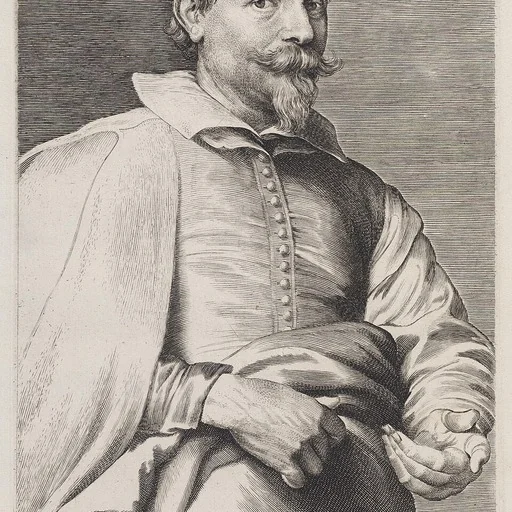
Cornelis de Vos (1584 - 9 May 1651) was a Flemish painter, draughtsman and art dealer.

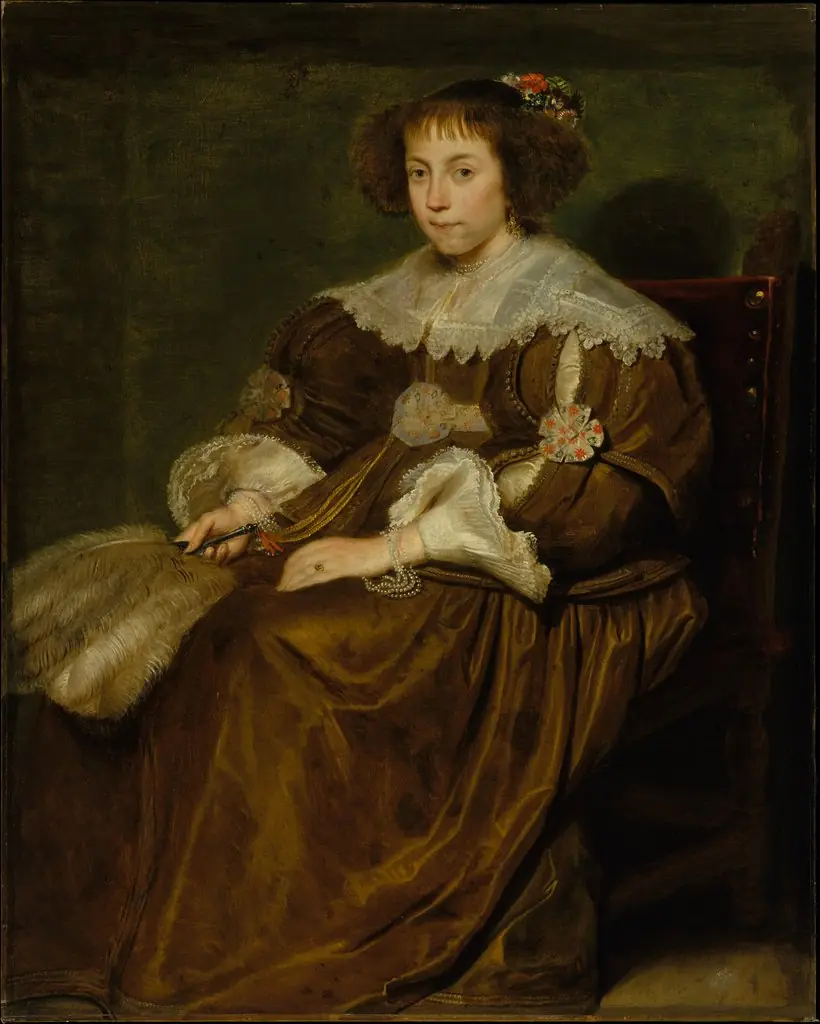 Portrait of a Young Woman
 Two Tritons at the Feast of Acheloüs
 Portrait of a Woman
 The Holy Family with John the Baptist as child
 The Citizens of Antwerp bring back to Saint Norbert the Monstrance and other Sacred Vessels that they had hidden from Tankelin
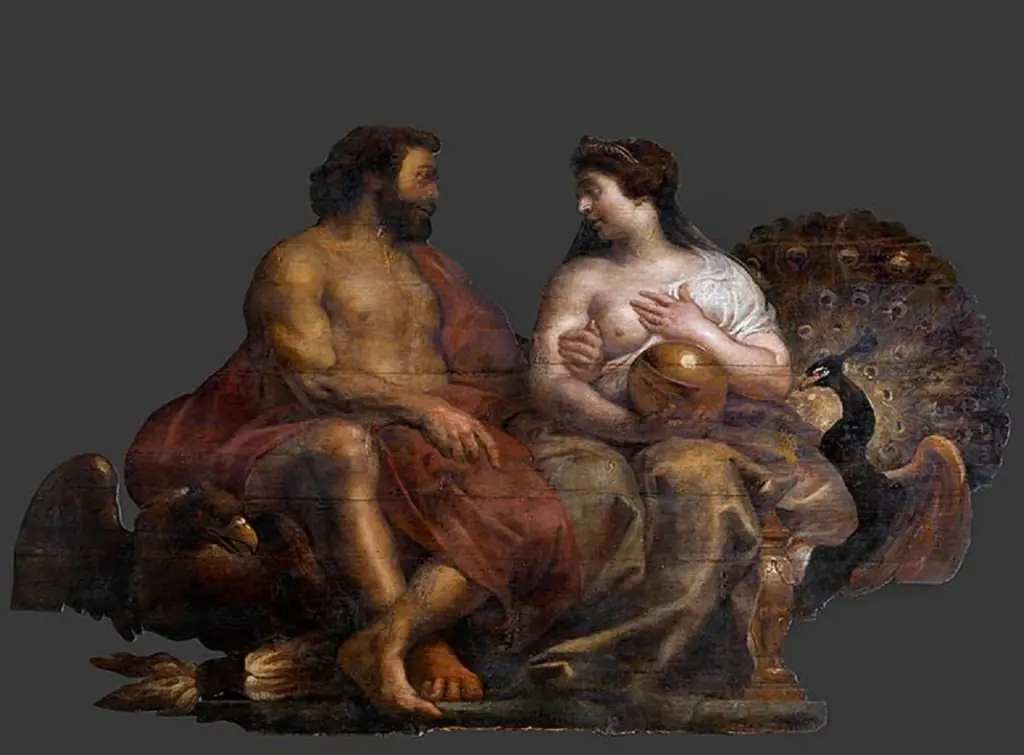 Jupiter and Juno
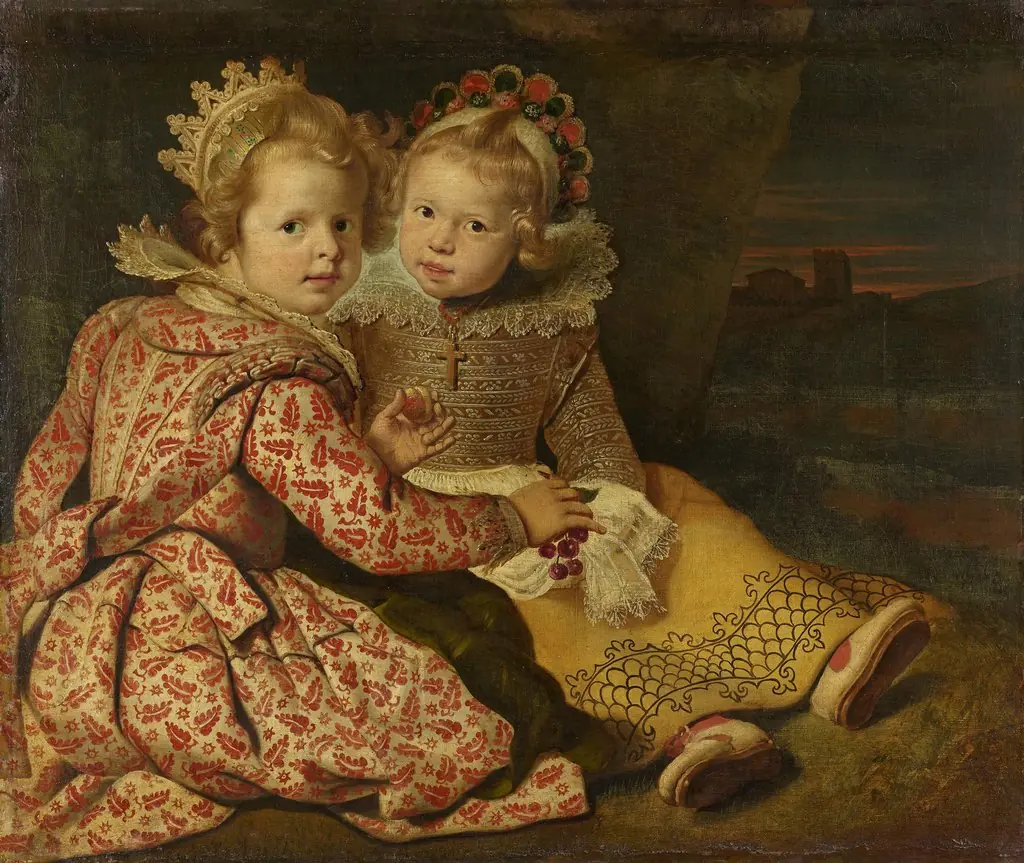 Magdalena and Jan-Baptist de Vos, Children of the Painter
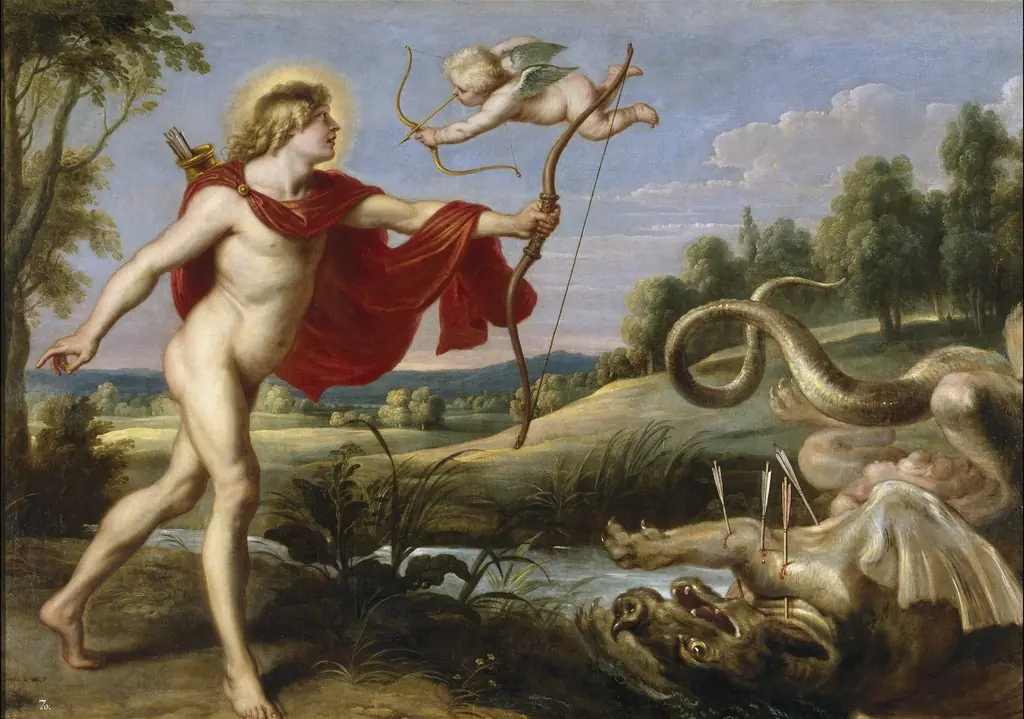 Apollo and the Python